
The Physiological Cost Of Self Regulation Without Social Proximity
Solitary self-regulation forces the prefrontal cortex to fund threat mitigation from internal metabolic stores without the energy savings of physical proximity.
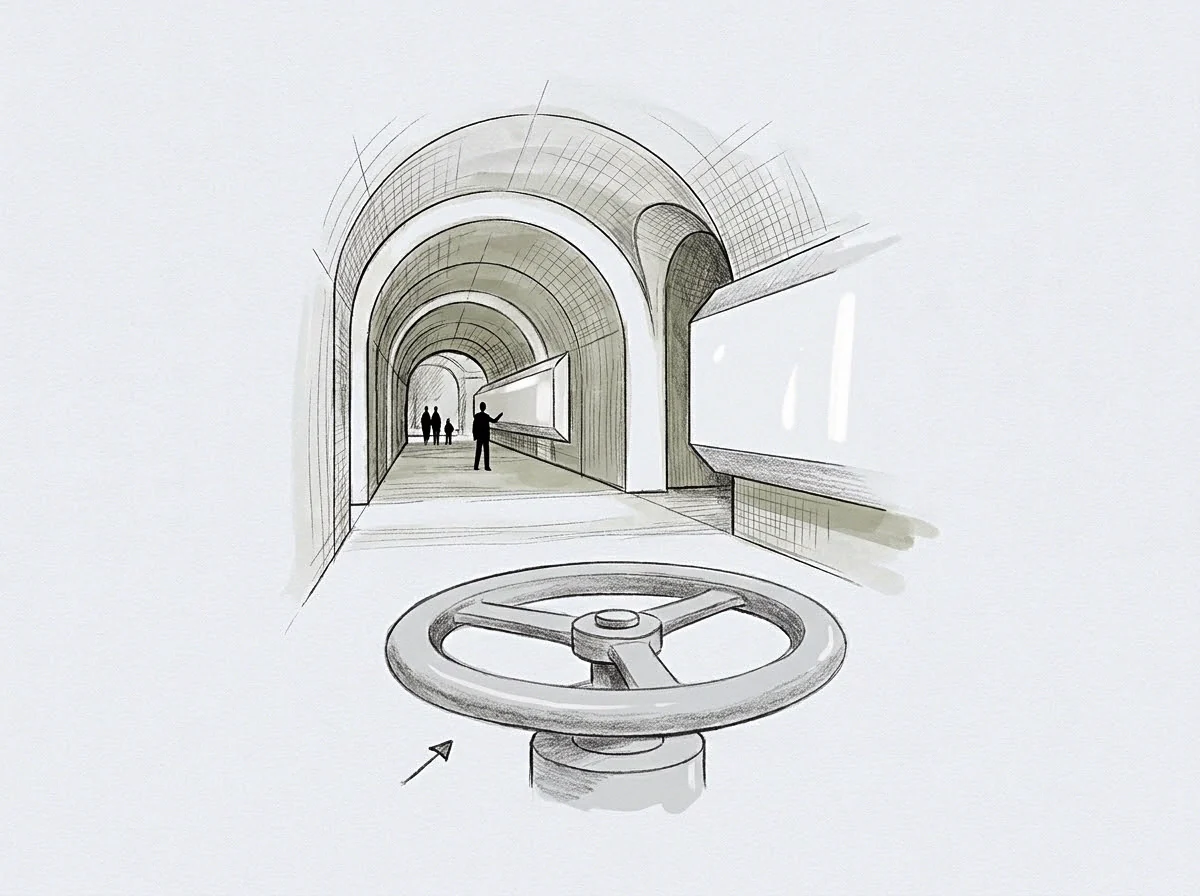
Seat
Four browser windows stay open past midnight while different team leads flag operational bottlenecks. The room itself is quiet, cold, and lit by hardware. Alone, the central nervous system interprets every incoming ambiguity as an unshared threat; human neurology evolved around social proximity as its default operating state, spending energy on the assumption that other bodies are present to absorb part of the load.
Isolation immediately changes neural resource management. Working alone pushes the brain into a higher risk category, raising baseline alertness. The prefrontal cortex burns additional glucose to suppress distress signals that settle naturally beside a steady partner, turning solitary self-regulation into an expensive biological override.
Unassisted neural regulation draws down internal metabolic reserves that remain stable when another body shares the room.
The physiology responds by tightening its control loops: heart rate variability drops as the parasympathetic brake releases, breathing turns shallow, and outward composure is maintained only by doubling internal metabolic expenditure.
Working under these conditions across successive cycles creates a compounding deficit. Sleep architecture breaks down under persistent sympathetic activation, endocrine recovery stalls, immune markers shift toward baseline inflammation, and cognitive bandwidth narrows to immediate triage.
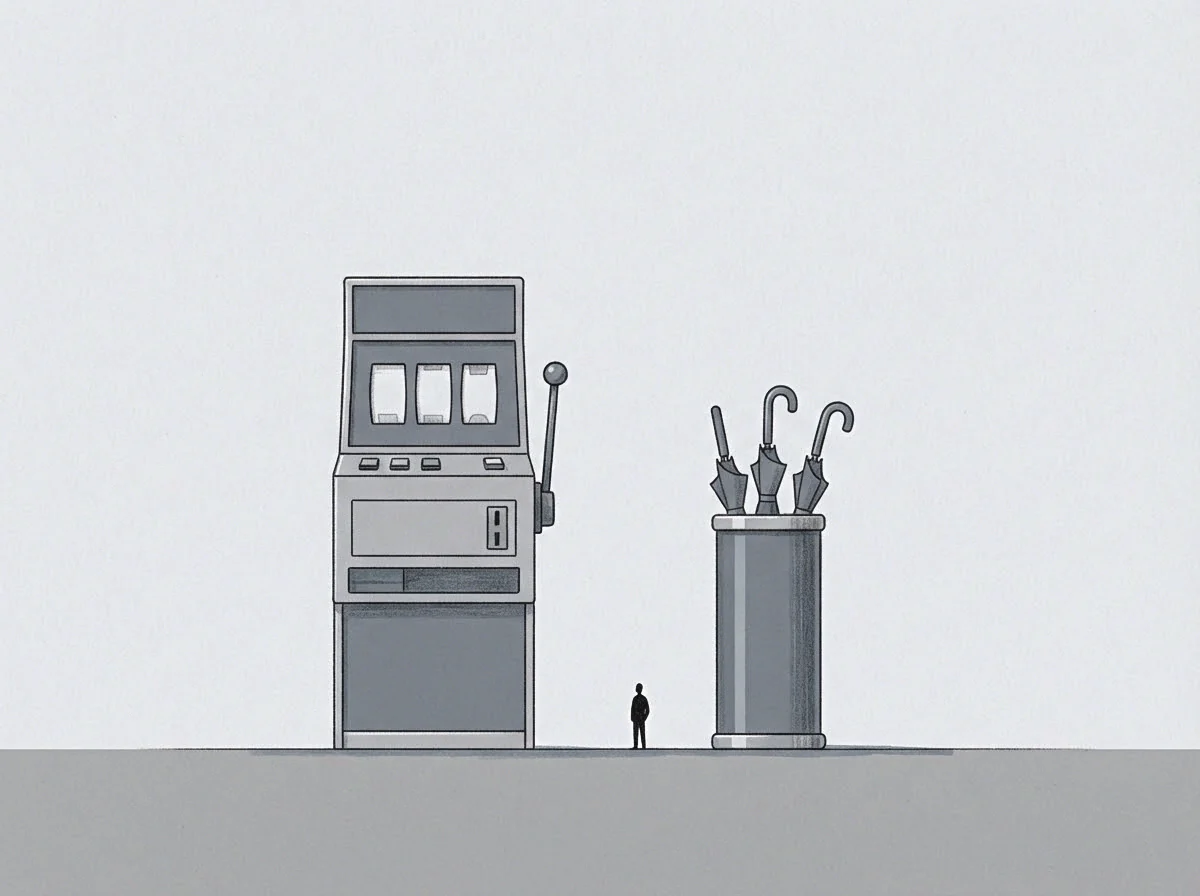
Budget
Neural tissue consumes metabolic energy well out of proportion to its mass. The dorsolateral prefrontal cortex and the anterior cingulate cortex burn substantial fuel suppressing amygdala activity during solitary crises. When a calm peer enters the room, olfactory, auditory, and peripheral visual cues register safety, immediately dropping the prefrontal work needed to maintain equilibrium.
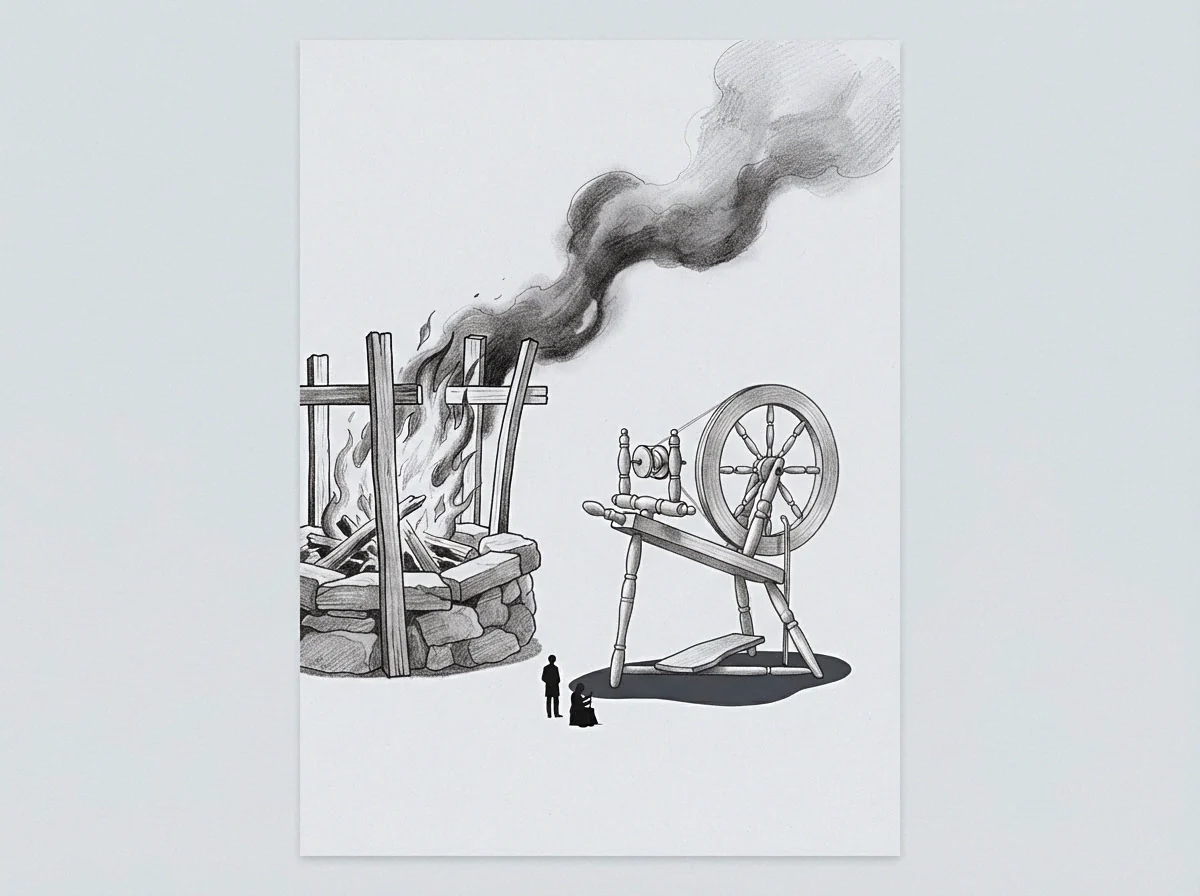
Metabolic Distribution Across Regulatory States
Social baseline theory demonstrates that the human brain budgets energy based on available social resources. Physical proximity distributes the metabolic weight of vigilance across multiple nervous systems, whereas isolation leaves one nervous system to absorb the entire load.
| Physiological Metric | Solitary Regulation Mode | Proximate Co-Regulation Mode |
|---|---|---|
| Prefrontal Cortex Glucose Uptake | Sustained high consumption to inhibit subcortical alarm centers | Downregulated consumption through passive social safety cues |
| Vagal Tone Suppression | Prolonged withdrawal of parasympathetic braking mechanisms | Rapid restoration of respiratory sinus arrhythmia |
| Hypothalamic Pituitary Adrenal Axis | Continuous cortisol release with delayed negative feedback | Attenuated hormonal surge and accelerated recovery |
| Peripheral Vascular Resistance | Elevated systemic arterial constriction and heightened load | Vasodilation driven by reciprocal autonomic entrainment |
Cardiovascular strain climbs during unassisted threat handling. Prolonged adrenergic stimulation tightens peripheral blood vessels, requiring greater cardiac output against vascular resistance; sitting alongside someone else relieves that pressure through autonomic synchronization.
Baseline physiological equilibrium relies on external social scaffolding rather than solitary exertion.
A dependable presence in the immediate environment alters autonomic signaling thresholds, preserving prefrontal capacity for complex executive decisions.
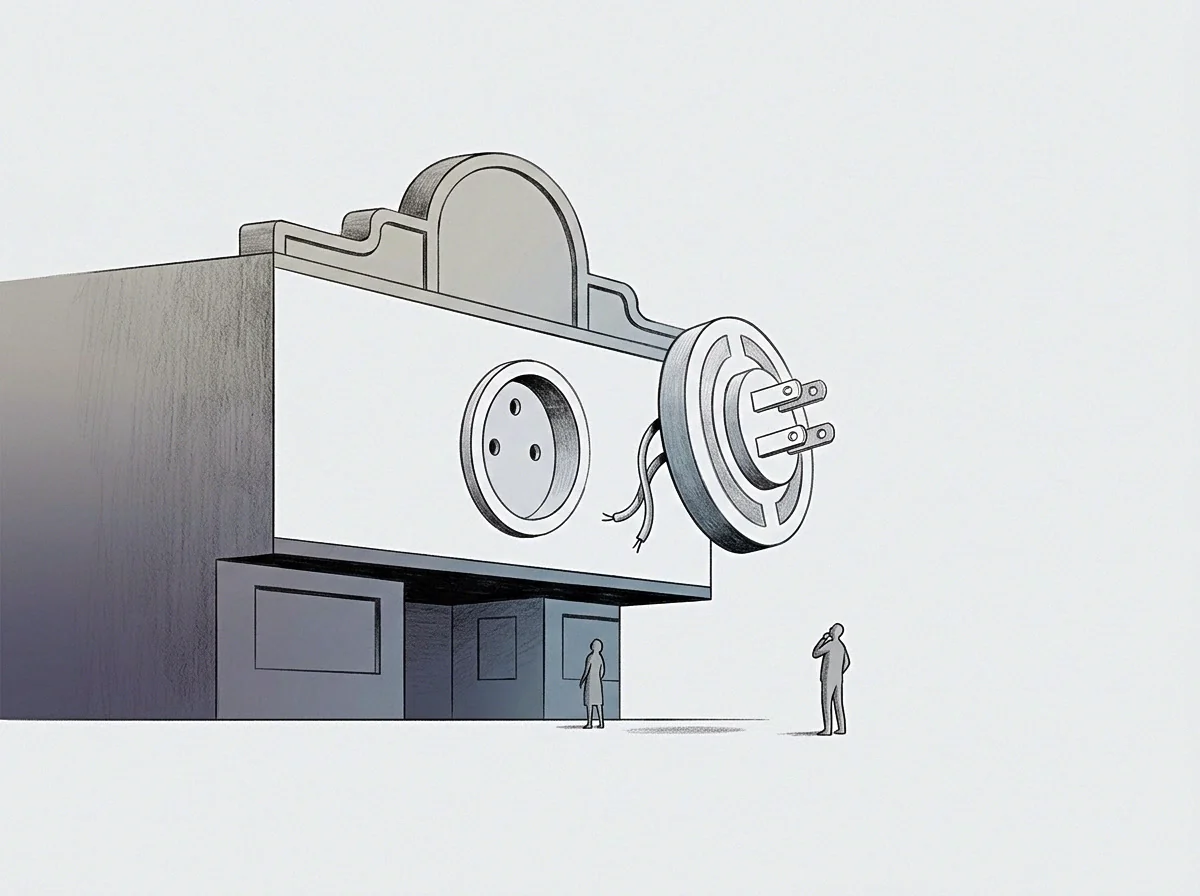
Relay
A steady operator often becomes the baseline anchor for an entire organization. Direct reports, co-founders, and investors reach out to offload uncertainty, borrowing stability through text and voice notes while the operator absorbs the panic, converts it into instructions, and returns an even response.
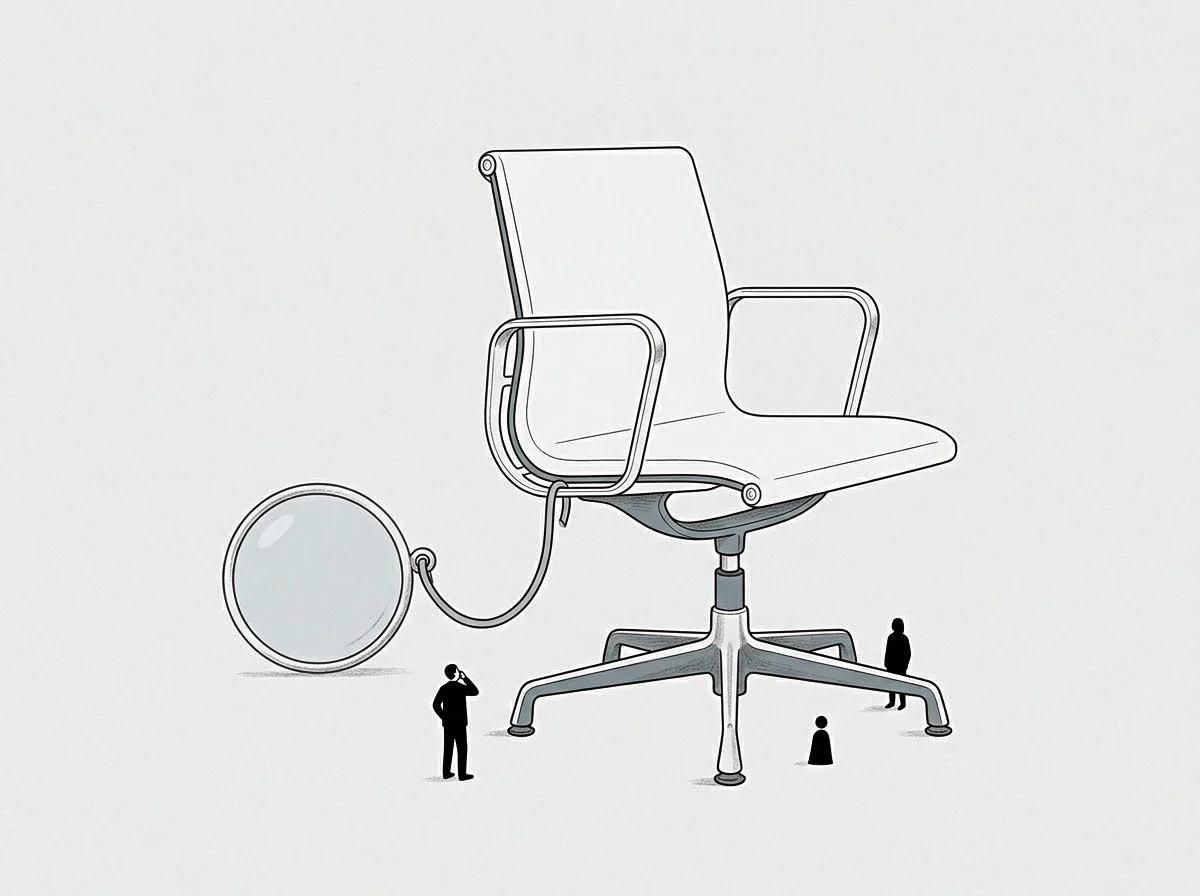
Does Physical Co-Presence Shift Neural Allocation Directly?
Direct physical presence activates biological pathways that screens cannot engage. Video feeds and chat channels transmit semantic meaning without conveying the sensory cues required for autonomic co-regulation. The operator stabilizes the team remotely while isolated in a room, spending metabolic resources without receiving any stabilizing feedback.
High-voltage transformers shed heat through circulating oil jackets, much as human nervous systems diffuse cognitive and autonomic strain through shared physical space. When that path is cut, strain accumulates in the central structure.
- Asymmetric Absorption occurs when one person receives multiple streams of operational volatility without an outlet to discharge the physiological tension.
- Attenuated Reciprocation describes the structural absence of peers capable of providing reciprocal physical stability.
- Receptor Closure develops when the anchor stops recognizing offers of assistance, treating every incoming interaction as another demand to manage.
The operator settles into a pattern where personal function is defined entirely by stabilizing others. Capacity to accept support declines through lack of use, until regulating the surrounding team and regulating oneself become the same unrelenting task.
The founder pays for the organization’s stability in sleep and autonomic recovery.
Those around the anchor mistake steady composure for limitless capacity, assuming the role requires neither reassurance nor shared physical space to maintain.
Desk
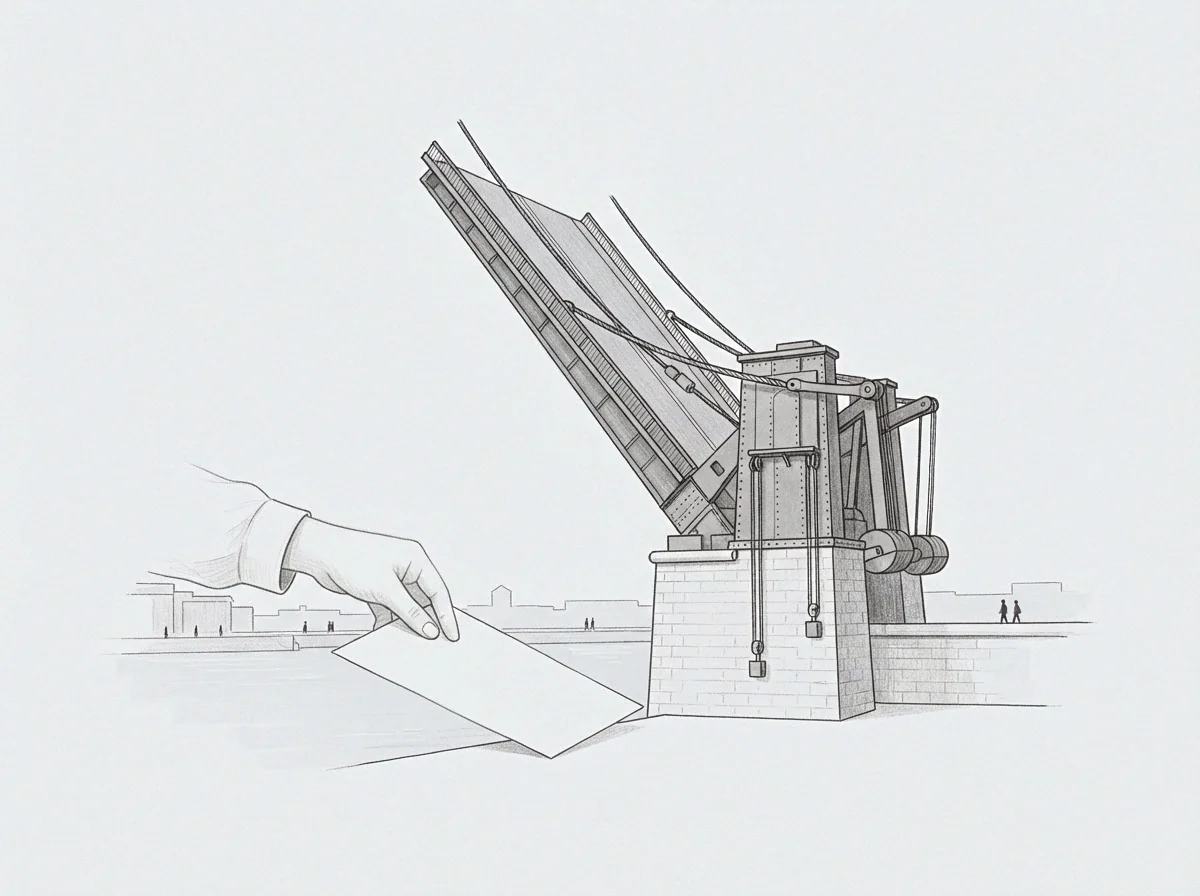
In an acute enterprise churn crisis lasting seventy-two hours, co-founders might manage the event under two distinct setups. In the first, both work from remote desks in separate cities, coordinating through chat and scheduled video calls. In the second, they sit at the same physical table, working in shared sensory contact across the entire response.
Working remotely, each founder manages catastrophic projections in isolation while drafting measured updates. Maintaining composure over video requires continuous prefrontal effort. By hour thirty-six, working memory degrades, sleep latency rises, and interpersonal friction increases.
- Continuous isolated monitoring sustains sympathetic tone without recovery periods.
- Asynchronous messages introduce ambiguity, prompting reactive threat modeling.
- The absence of physical presence requires conscious emotional suppression.
- Cumulative allostatic strain causes systemic exhaustion.
Working in the same room alters threat appraisal before conscious processing begins. The cadence of steady breathing, shifting postures, and direct acknowledgments signal safety to brainstem structures. Metabolic energy expenditure drops significantly, preserving cognitive resources for tactical decisions.
A shared physical workspace reduces the prefrontal energy required to manage operational volatility.
Physical presence divides the physiological weight of acute organizational strain into shared, sustainable labor.
Weight
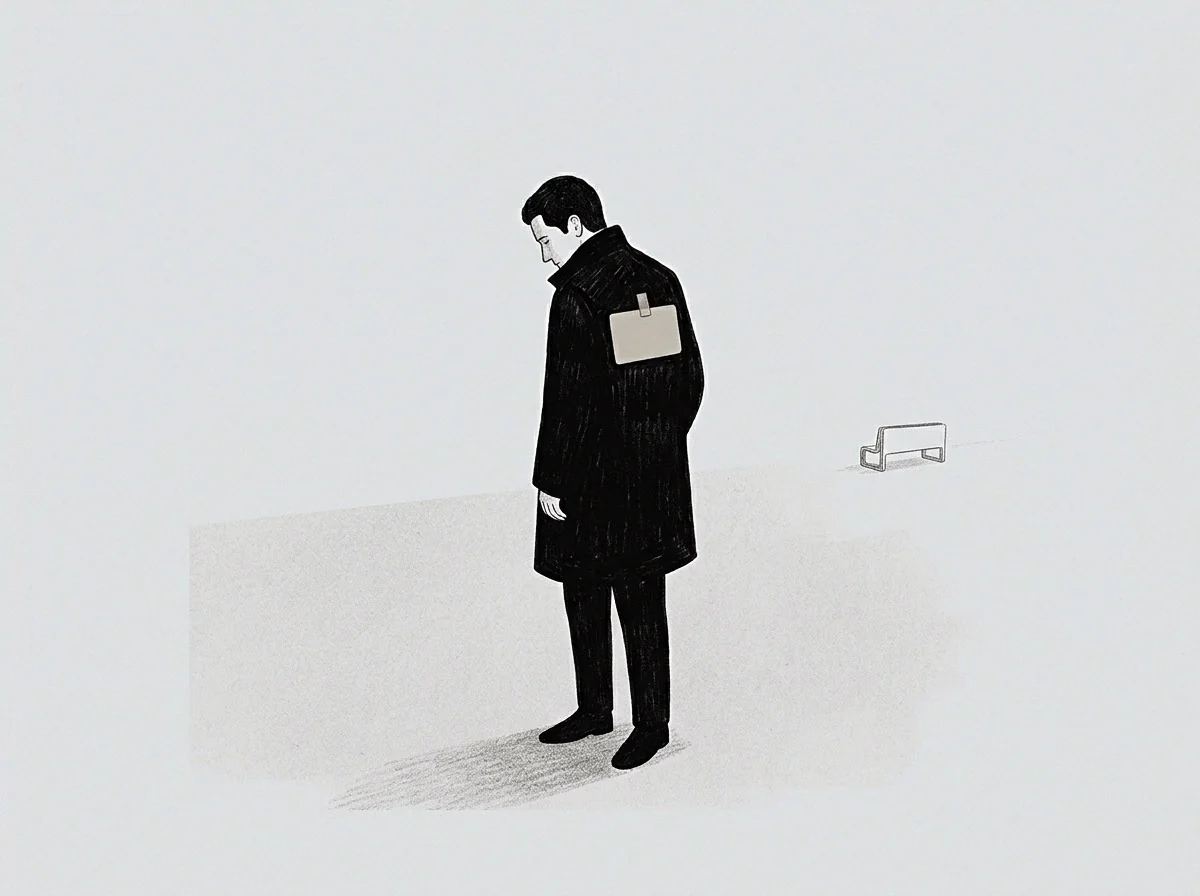
An established habit of solitary regulation does not change through intellectual insight. Knowing that isolation increases energy expenditure does not quiet an active amygdala; the nervous system updates its predictive models only through direct physical time spent with a calm, non-reactive peer.
Relational security is a physiological recalculation. After hundreds of hours beside an unshakeable peer, subcortical threat detection resets its baseline energy demands. The prefrontal cortex relaxes its defensive vigilance, allowing the body to use ambient social cues to regulate itself.
Repeated physical co-presence resets the autonomic baseline faster than cognitive discipline.
The ability to accept support is built through physical exposure. An operator discovers through experience that lowering vigilance around another person does not lead to failure, and the underlying physiology gradually adapts to shared load-bearing.
How many hours of calm physical presence are needed to overwrite years of solitary vigilance?