Meaning
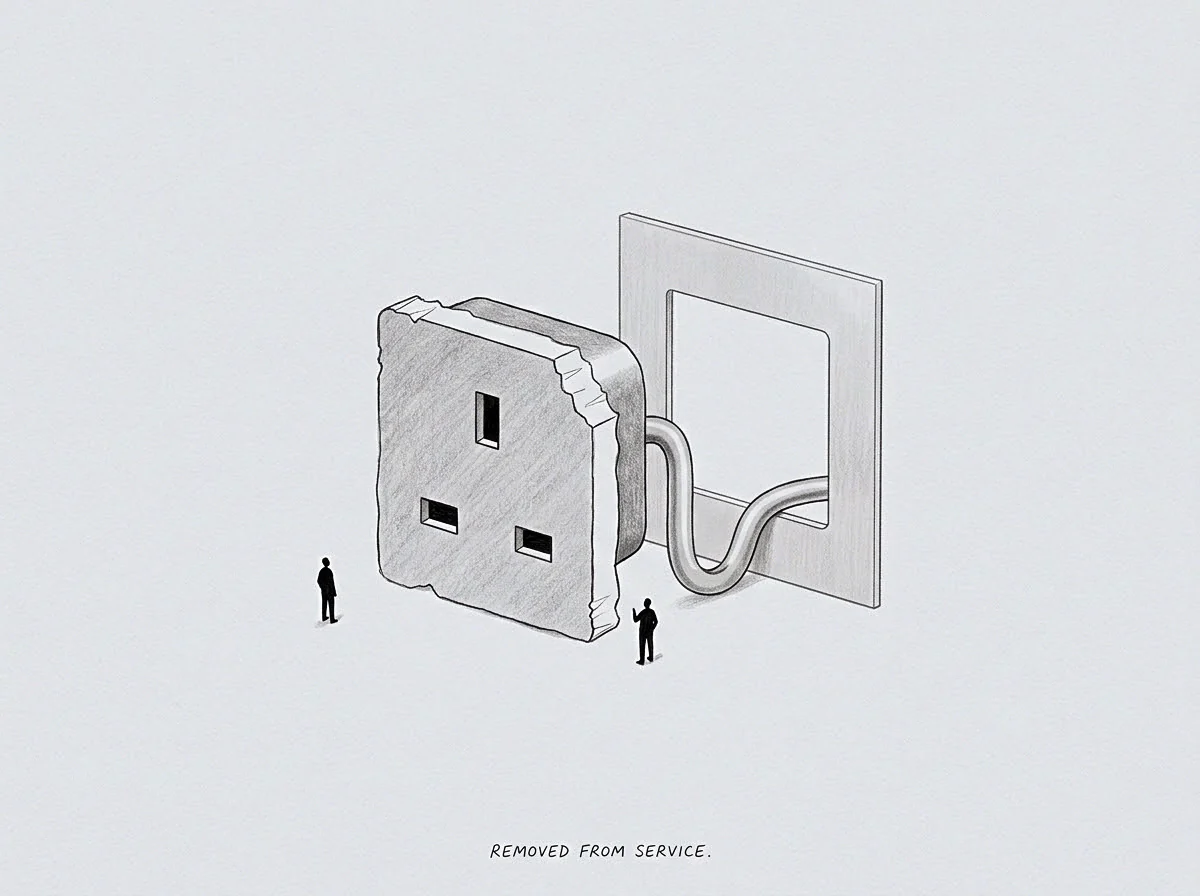
Independent scheduling occurs when a person separates the timing of an activity from the immediate demand of an external system. This temporal decoupling provides a buffer against the rigid requirements of professional obligations. By shifting tasks outside the standard window of response, a founder preserves capacity for complex work that requires sustained attention.
The mechanism operates by allowing latency between a request and its fulfillment, thereby preventing the constant fragmentation of effort.
Scheduling Capacity
Resource allocation happens through the manipulation of these intervals. A founder who uses this practice controls the entry and exit points of information to prevent sensory overload. Small shifts in the timing of correspondence or meetings reduce the baseline of allostatic load experienced during the transition away from active management.
These adjustments function as a regulatory tool to protect limited cognitive reserves.
Operational Boundaries
Limits on availability define the effectiveness of this separation. When the delay exceeds the tolerance of a given protocol, the mechanism changes from a buffer into a failure of responsiveness. Professional networks often possess implicit rules about acceptable lag times for specific roles.
Managing these boundaries requires awareness of the trade-offs between autonomy and professional reputation. A system with zero tolerance for latency eliminates the possibility of this practice entirely.
Systemic Influence
Persistent use of independent timing influences the structure of surrounding work. Organizations that permit asynchronous communication allow for high performance without continuous monitoring. Individual founders who implement this separation successfully minimize the energy cost of shifting between tasks.
This stability in performance metrics allows for long-term consistency in output. Stability achieved through these means relies entirely on the predictability of the decoupled rhythm.