
Execution Interface Decoupling Mechanics in Scaling Leadership Seats
Decoupling scaling leadership seats shifts execution from personal founder regulation to structural limit walls and state gated operational handovers.
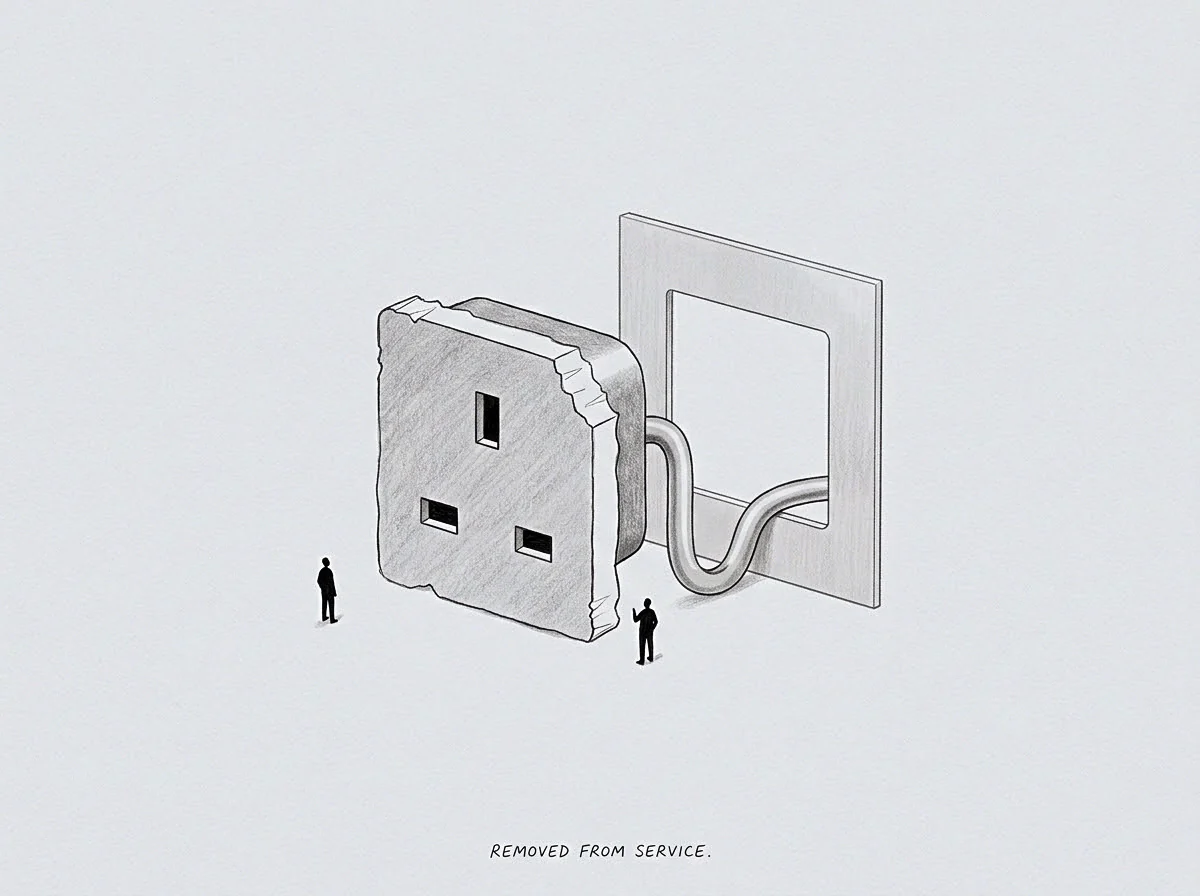
Gate
Four tactical escalation channels stay active past midnight on a Tuesday, with the founder responding within four minutes to each message. Direct reports read this rapid turnaround as operational capacity.
Interface coupling happens when a leadership seat functions as both the operational router and the emergency execution fallback. As headcount expands beyond forty employees, incoming demand vectors multiply while human cognitive processing capacity remains constant, leaving the seat to absorb micro-decisions, tactical approvals, and low-level dispute resolutions.
When an executive seat acts as an open execution interface, direct reports stop processing ambiguity locally. Upward delegation becomes the path of least resistance because the founder seat continuously absorbs unresolved friction. Social baseline theory establishes that human brains offload cognitive strain onto nearby reliable regulators; in an enterprise, an accessible founder functions as that regulator, drawing operational fatigue from across the team.
Cognitive exhaustion follows constant triage. Without an operational barrier, executive attention turns into a shared public utility, degrading decision quality across long range strategic initiatives.
Rapid executive turnaround on tactical requests causes direct reports to route unresolved operational friction upward.
Failing to decouple the execution interface forces the leadership seat into continuous operational triage, exhausting setpoint capacity and stalling strategic expansion.

Relay
Decoupling direct execution requires a clear distinction between decision-gated acts and state-gated acts. A decision-gated act proceeds only when authority explicitly approves the request, whereas a state-gated act depends entirely on pre-established system conditions, resource metrics, and formal operational parameters.

Separation of Approval from Operational Execution
Coupled leadership seats treat every tactical action as a decision-gated event. Direct reports submit requests for vendor approvals, hiring choices, product scope adjustments, and customer concession terms directly to the executive. Decoupling converts these requests into state-gated protocols so that when pre-defined criteria are met, execution occurs without executive intervention.
State-gated systems remove the founder from the real-time operational loop. The executive seat defines the parameters, sets budget envelopes, and specifies acceptable quality variance, leaving execution to occur downstream, isolated from the founder’s daily attention cycle.

Structural Boundaries and Systemic Handover Mechanisms
Transitioning a leadership seat from an execution channel to a structural monitor involves explicit operational handovers. This sequence sets distinct limits on escalation pathways:
- Operational escalation containment freezes immediate upward routing by establishing local threshold conditions for automated triage.
- Authority boundary definition specifies exact expenditure and hiring limits that operate without secondary executive confirmation.
- Execution handover protocols transfer full tactical accountability to department heads upon reaching specified headcount metrics.
Structure replaces personal regulation. Setting these operational boundaries establishes clear accountability, ensuring functional owners manage local friction without relying on executive intervention.
Operational authority transfers permanently only when execution interfaces operate independently of executive intervention.
An explicit SLA term capping weekly founder intervention to two operational reviews shifts execution ownership fully to direct reports.
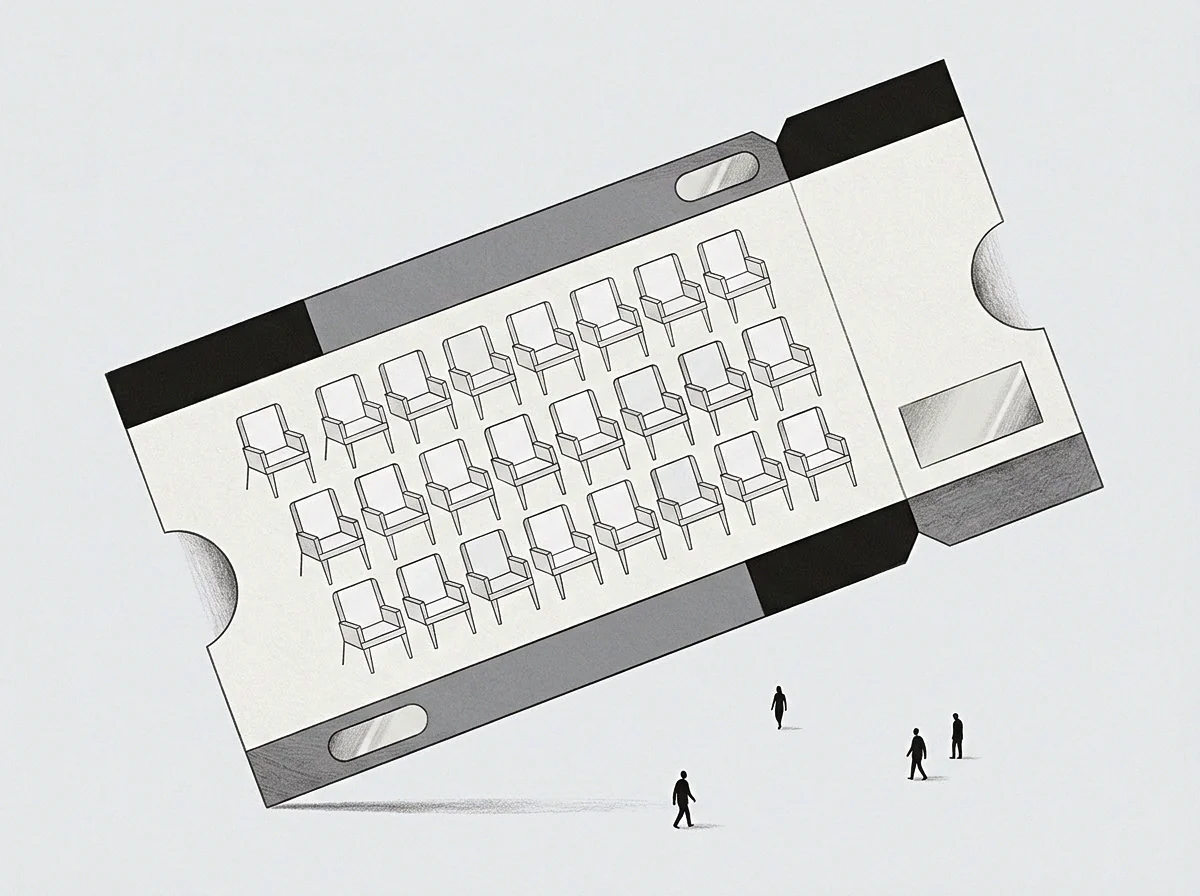
Buffer
Ping arithmetic governs communication channels in scaling organization structures. Every unthrottled ping sent to a leadership seat carries an implicit demand for emotional or cognitive regulation, where availability is derived by the recipient rather than declared by the sender.

Ping Arithmetic and Priority Signal Metrics
A channel that pings continuously signals an absent structural boundary. When direct reports send unstructured messages across real-time chat feeds, they test whether the executive regulator is accessible. A direct response confirms availability, establishing a covert contract that invites future operational interruptions.
Throttling ping frequency requires setting asynchronous communication defaults. The founder seat sets specific time windows for review and keeps the remaining hours silent, preventing operational noise from degrading strategic clarity so direct execution yields to delegation.
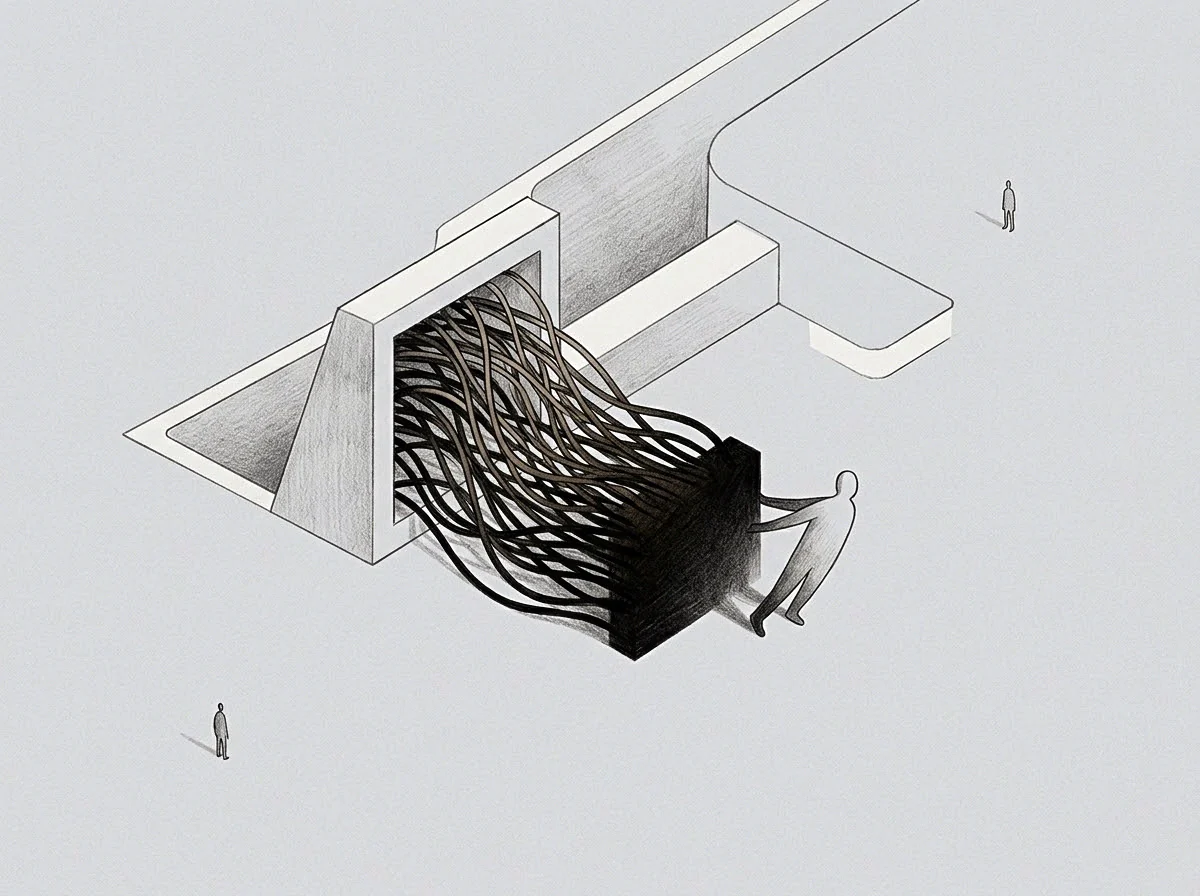
Derived Capacity and Silent Channel Signals
Silence functions as a position. When a leadership seat stops responding to real-time operational chatter, downstream teams adapt by building local problem-solving capacity within established system limits.
Availability is derived from silence and cost. When interrupting an executive requires extensive documentation or creates high operational friction, direct reports resolve minor issues independently, confirming functional boundary stability.
Silent operational channels indicate established local regulation while frequent incoming pings signal structural boundary failure.
A leadership seat that answers direct operational pings outside scheduled syncs loses the capacity to evaluate long term structural risk.

Switch
Evaluating structural options across scaling leadership seats requires comparing coupled and decoupled interface patterns. The choice of interface determines whether operational velocity scales with headcount or stalls behind executive bandwidth bottlenecks.

Interface Model Performance and Structural Capacity
Coupled execution interfaces rely on continuous founder availability, causing high decision latency and heavy load transfer. Decoupled interfaces rely on explicit structural terms, state-gated approvals, and asynchronous communication, protecting executive capacity while maintaining operational momentum.
| Interface Model | Decision Latency | Allostatic Load Transfer | Scalability Limit |
|---|---|---|---|
| Coupled Founder Interface | High linear growth with team size | Transfers upward to founder seat | Forty to sixty employees max |
| Decoupled State Gated Interface | Fixed low latency via local rules | Contained within functional teams | Unbounded organizational scale |
| Hybrid Delegated Interface | Variable based on escalation type | Shared between founder and lead | One hundred employees max |

Worked Case of Scaled Operator Seat Transition
Take two operators who managed product delivery across twelve months without a stated operational limit, assuming an organization scaling from thirty to one hundred employees. In the coupled scenario, the operator seat receives seventy tactical escalation messages daily. Decision bottlenecks delay product releases by three weeks, while executive exhaustion leads to reactive strategic pivots.
In the decoupled scenario, the operator states clear boundary terms: local teams hold signoff authority for expenditures under twenty thousand dollars, and tactical updates route asynchronously through weekly status documents. Tactical messaging drops to five high-priority escalations per week, product release cycles stabilize, and executive bandwidth shifts toward long-term capital strategy.
Capacity decays under continuous interruption. Establishing decoupled interfaces converts reactive execution into predictable organizational throughput.
“The direct team resolves operational outages independently without waiting for executive signoff.”
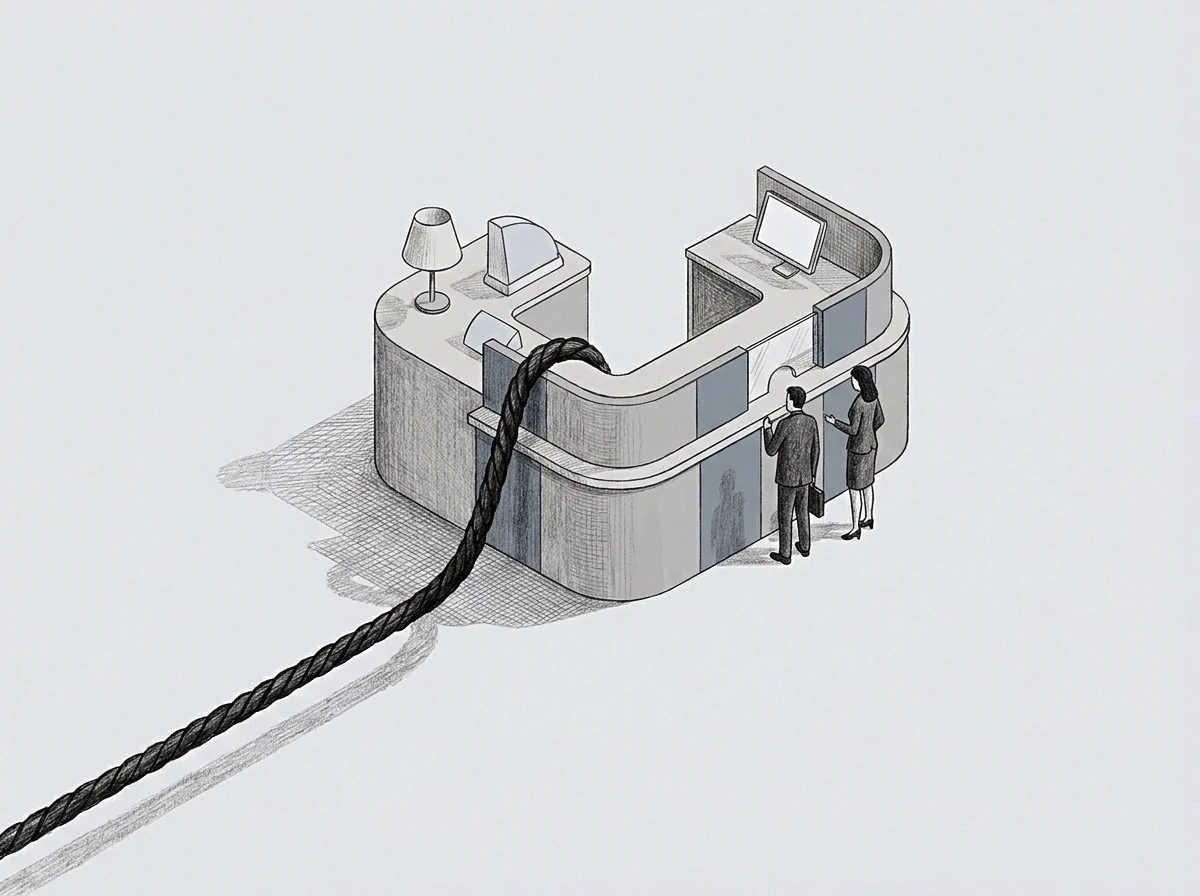
Post
Structural limits serve as physical walls rather than subjective personal preferences. When a limit is stated as an operational parameter, the surrounding system adapts around it rather than pushing against the regulator.

Establishing Limits as Structural Systemic Walls
A stated limit functions effectively only when it remains firm under operational pressure. Pushing against an unstated preference yields compliance, but pushing against a structural wall forces the load back onto the originating team.
- Establishing explicit weekly office hours for asynchronous operational escalations.
- Delegating full budget signing authority up to defined monetary thresholds.
- Terminating default access to real-time project management feeds.
Implementing these three steps transfers day-to-day execution ownership permanently away from the founder seat.
Stating structural limits once as operational parameters prevents continuous cognitive negotiation during high friction events.
The transition completes when the seat operates as a structural monitor rather than an active execution engine, preserving cognitive headroom for long range capital allocation and organizational design.