Meaning
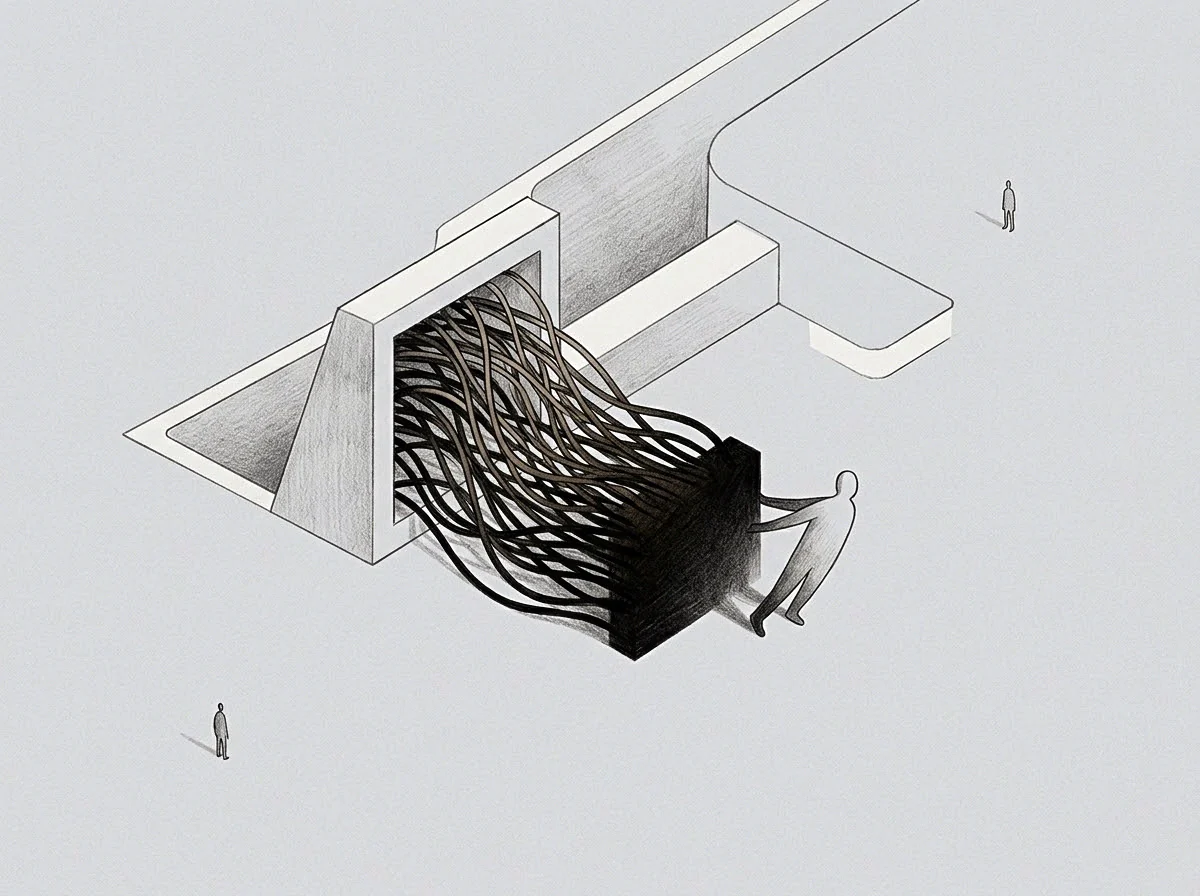
Arterial constriction represents a physiological measurement of the force exerted against blood flow within the circulatory system. Vascular resistance depends upon the diameter of the vessels and the viscosity of the fluid moving through them. Consistent values indicate how hard the heart must pump to maintain systemic pressure.
High levels signal a reduction in vessel radius or a shift in blood composition that increases physical friction.
Physiological Constraint
Founders manage this metric as a model for systemic overhead and the energy cost of maintaining growth. Sudden spikes in operational difficulty act like narrowing channels that force a company to expend more capacity to achieve the same output. Such pressure drains attention from the core development tasks because the organization spends its available resources just to keep the internal flow stable.
Efficient management of this load ensures that external demands do not choke the venture before it reaches scale.
Resource Allocation
Chronic elevated pressure requires a deliberate adjustment in the operating tempo to protect the long term health of the entity. Leaders reduce this friction by clearing blockages in communication or simplifying the structural requirements of the firm. Regular assessment of these bottlenecks allows for preemptive action before a total seizure occurs.
High cost in human effort often precedes a formal contraction because the system cannot sustain a high-friction state for long.
Boundary Condition
Steady flow remains possible only when the diameter of the organization matches the volume of information passing through its channels. Disruption occurs when the output demand outpaces the structural capacity for relaying data or making decisions. A firm stops functioning once the mechanical cost of coordination consumes the entire productive output of the team.
Constant friction eventually necessitates a fundamental redesign of the structural framework.