Meaning
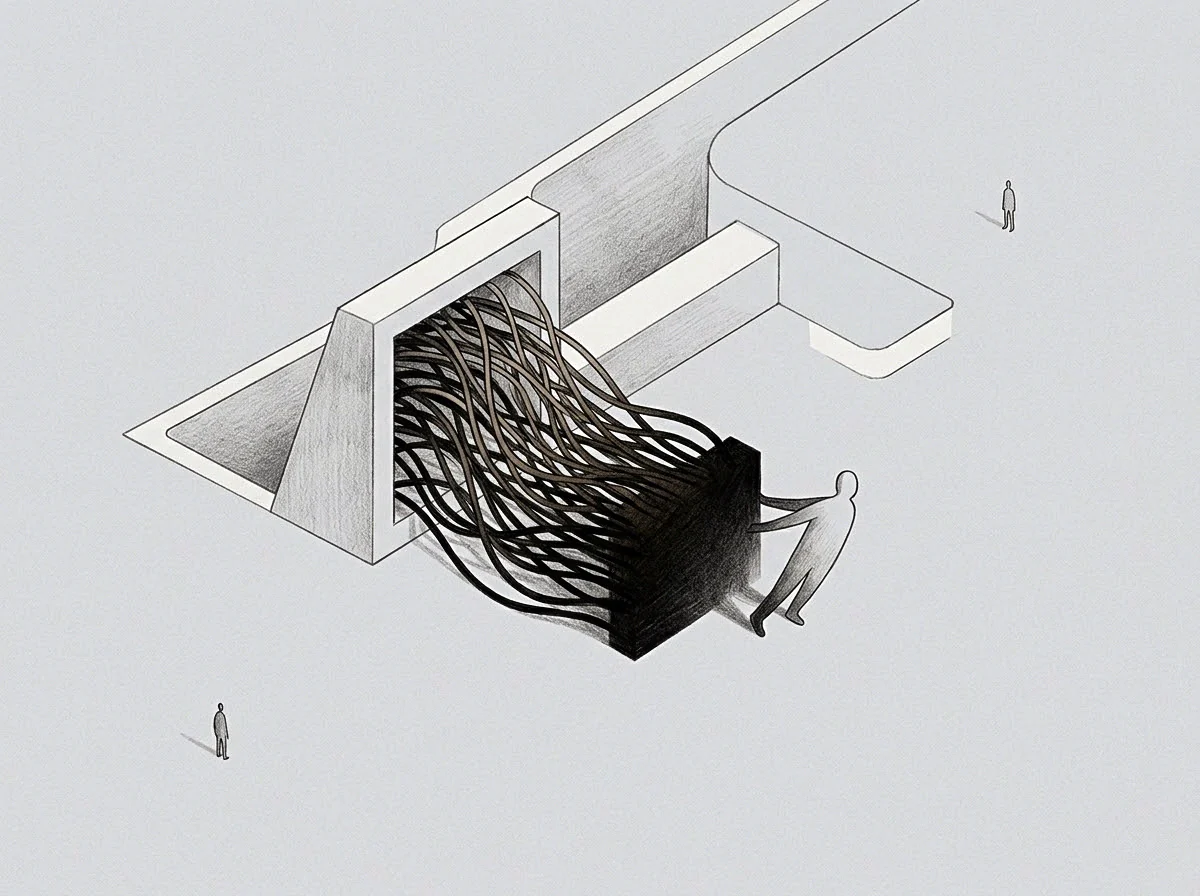
Adrenal response modulation represents a physiological control cycle where internal feedback loops dampen the output of stress hormones to maintain homeostasis. Catecholamine suppression prevents the over-activation of the autonomic nervous system during prolonged periods of high arousal. This process recalibrates the sensitivity of receptors to circulating epinephrine and norepinephrine.
Consistent down-regulation ensures the survival of metabolic resources by limiting the duration of the fight-or-flight response.
Autonomic Regulation
Founders rely on this inhibitory mechanism to manage the physical load of decision making under conditions of extreme uncertainty. Catecholamine suppression reduces the physiological cost of hyper-vigilance by resetting the baseline of sympathetic activity. Without this chemical mitigation, the cardiovascular and endocrine systems would remain in a state of permanent elevation.
High levels of circulating neurotransmitters over time degrade the ability to maintain cognitive clarity.
Metabolic Conservation
Systemic exhaustion follows when the duration of high arousal exceeds the recovery capacity of the individual. Catecholamine suppression facilitates the transition from active output to metabolic maintenance by shifting the reliance back to parasympathetic dominance. This switch allows the body to allocate energy to tissue repair and cognitive rest rather than sustained vigilance.
Cellular demands on glucose and oxygen diminish as the systemic response enters a period of quietude.
Feedback Threshold
Precise tuning of this inhibitory process dictates the speed at which a person recovers from acute environmental pressure. Catecholamine suppression operates as an automatic limit on the peak output of the adrenal glands. It serves as a necessary safety valve that prevents internal system overload during volatile operations.
Effective dampening of these responses prevents the structural damage that occurs from chronic autonomic flooding.