Meaning
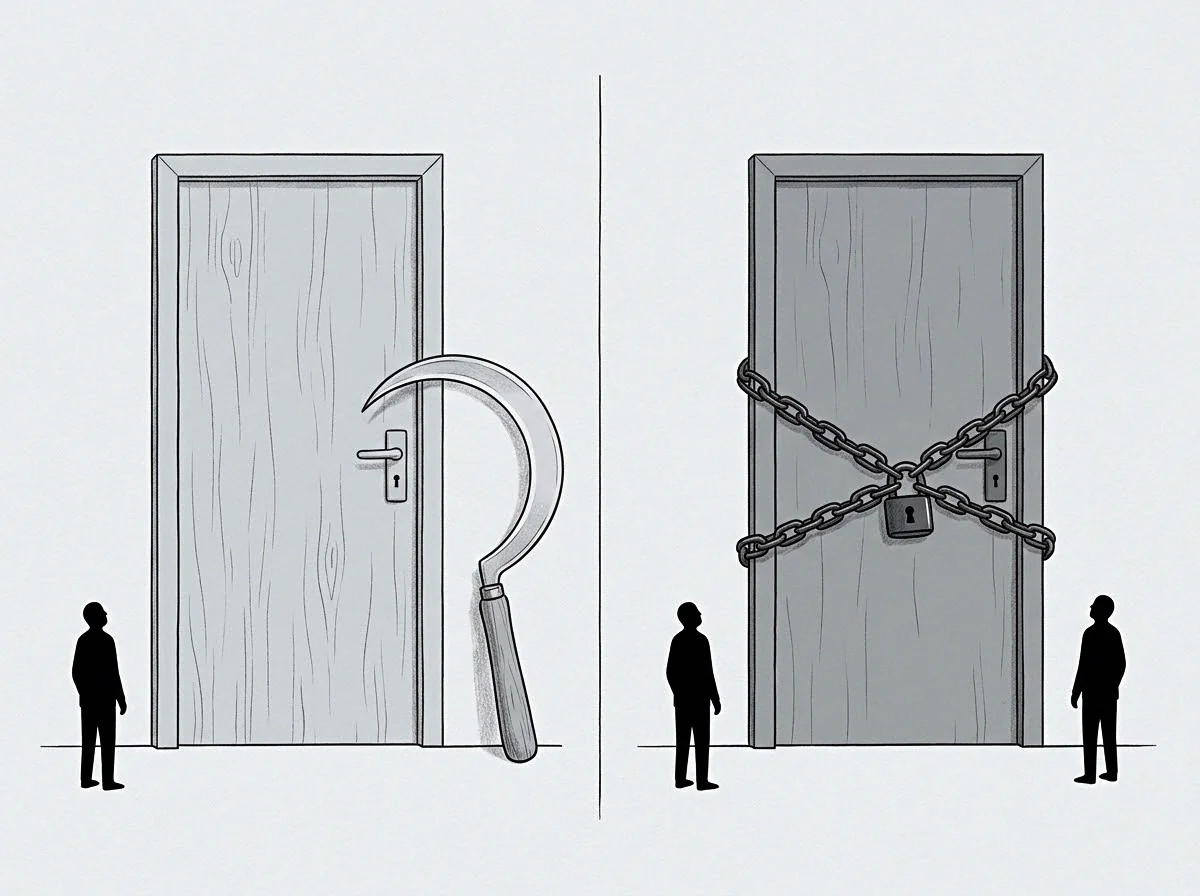
Governance mechanisms that grant an individual or group the power to unilaterally halt a proposed action define the defensive architecture of an organization. These veto structures are designed to prevent catastrophic errors by ensuring that no major decision is made without unanimous or primary-stakeholder consent. The term describes the formal and informal barriers that can stop a project regardless of its overall support.
It identifies the points of peak resistance in a decision-making chain.
Blocking Power
Distribution of the right to say no often leads to a bias toward the status quo. When multiple parties hold a veto, the path of least resistance is to do nothing. This creates a conservative culture where innovation is difficult to sustain.
A person with veto power has more influence than a person with the power to propose.
Strategic Delay
The threat of a veto forces proponents of a project to spend time lobbying each stakeholder. This pre-emptive negotiation is a significant cost in terms of hours and political capital. Projects are often delayed for months while the concerns of a single person are addressed.
This process is a common cause of institutional paralysis.
Governance Weight
Heavy reliance on vetoes indicates a lack of trust within the leadership team. While these structures protect against downside risk, they also prevent the organization from moving at market speed. The cost of a missed opportunity is rarely measured, but it can exceed the cost of the potential mistake the veto was designed to prevent.
Balance is found by limiting the number of actors who can stop a process. Organizations that fail to reform these structures often find themselves overtaken by smaller, more agile competitors who favor speed instead of consensus. The long-term weight of a veto-heavy system is a slow descent into irrelevance as the company becomes unable to adapt.