
Resolving Biological Limits Of Co-Regulation When Facing Existential Threats In Scaled Commercial Structures
Executive nervous systems collapse in corporate crises because biological co-regulation cannot scale unilaterally across dozens of panicking subordinates.
Beam
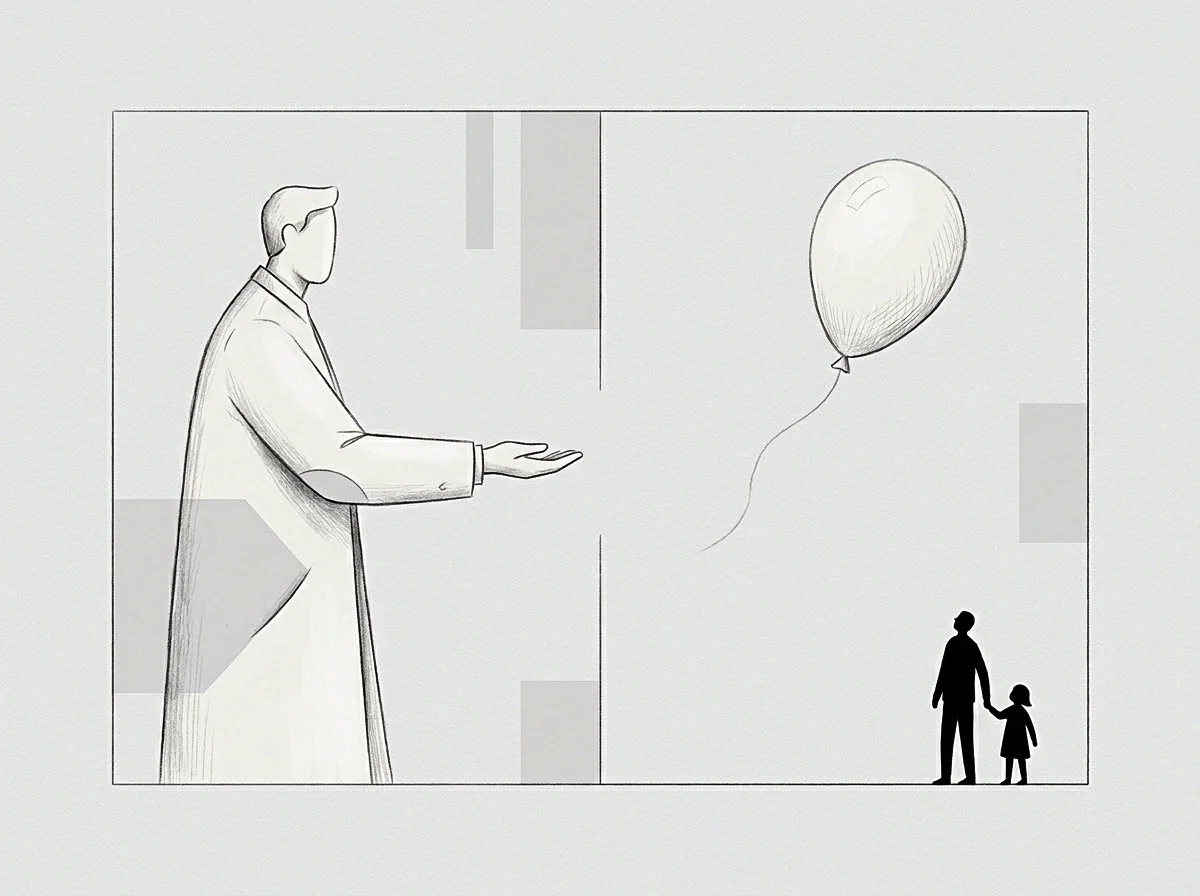
Four communication channels flash simultaneously at midnight while insolvency documents sit unfiled on an oak table. Social baseline theory shows that primate neural architecture treats proximity to reliable peers as the default state for conserving metabolic resources. When an enterprise expands past fifty personnel during capital exhaustion, this social baseline fractures.
The founder absorbs panic from departmental heads who mistake executive composure for an infinite reservoir of stabilizing energy. The brain registers isolation under threat as a metabolic emergency, even as the executive role demands projecting steady composure.
Staff members unconsciously tether their autonomic nervous systems to whoever sits in the executive seat. This asymmetrical transfer relies on borrowed regulation, a dynamic where junior operators offload acute threat responses onto a senior figure without offering reciprocal relief. The nervous system budgets threat appraisal through social proximity.
In smaller groups, mutual observation distributes threat appraisals across the team. In scaled corporate hierarchies, this mutual distribution collapses because information asymmetry isolates the executive from downward reassurance.
A biological baseline shifts toward severe metabolic debt when one central figure absorbs team panic without receiving reciprocal physiological stability.
The prefrontal cortex rapidly consumes glucose when suppressing visible markers of autonomic arousal, a drain that sustained corporate contraction magnifies. Subordinates bring unvarnished alarm to meetings, seeking a calm voice, deliberate posture, and steady eye contact. Each interaction extracts measurable physiological resources from the person maintaining composure.
The executive continues supplying steady responses while reaching physiological exhaustion, even as the balance sheet deteriorates quietly behind closed boardroom doors.
Metabolic Extraction in Executive Hierarchies
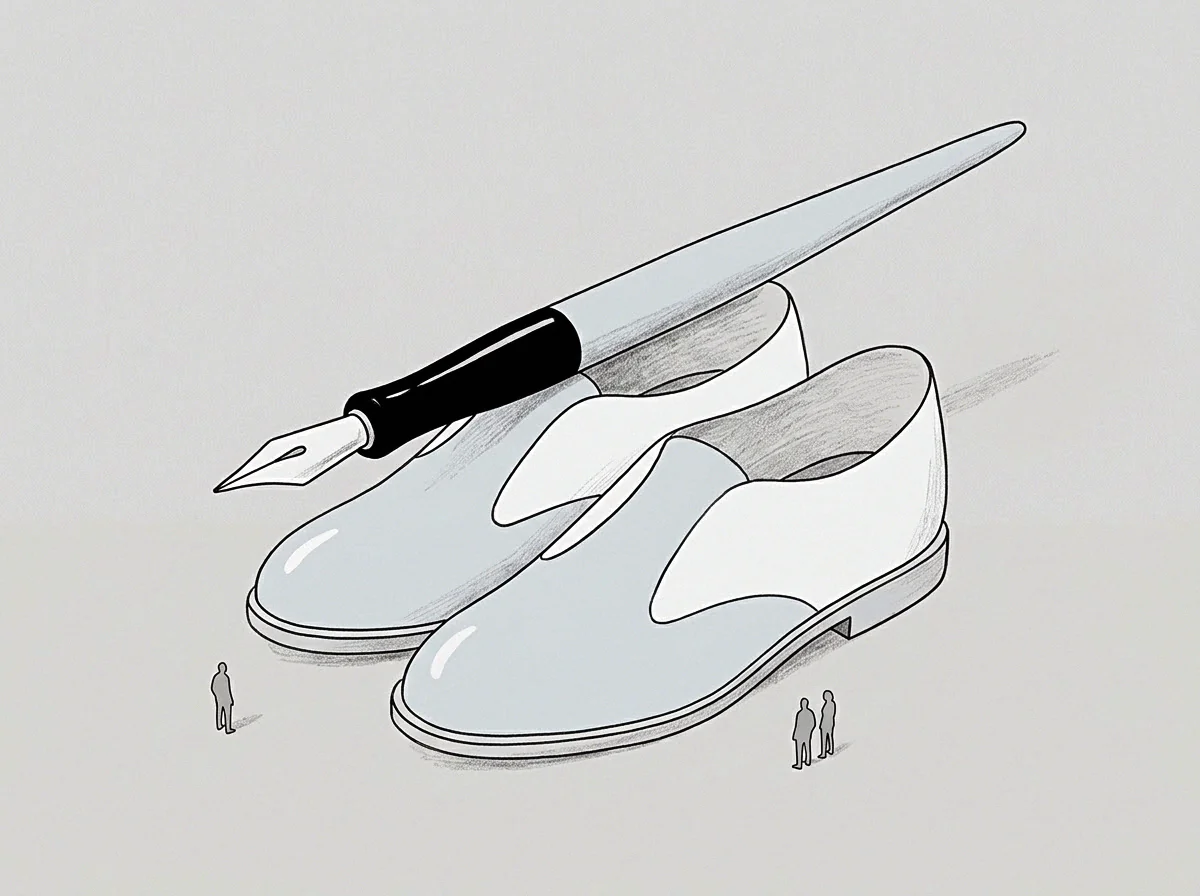
Severe commercial contraction turns personal presence into a consumable commodity. Department heads enter the executive office with elevated heart rates and high systemic cortisol, then exit with restored baseline functioning. The person behind the desk pays the full caloric cost of that stabilization, dampening collective alarm through vocal prosody, measured breathing, and deliberate posture while the organization treats the effort as zero-cost leadership presence.
Biochemical measurements in occupational settings confirm that prolonged suppression of autonomic alarm elevates baseline sympathetic tone. Laboratory studies by experimental psychophysiologists demonstrate that holding hand contact with a trusted partner attenuates neural threat responses in the anterior insula and superior frontal gyrus. In commercial hierarchies, this buffer runs entirely in reverse: the executive acts as the stabilizing hand for fifty individuals simultaneously, with no hand holding their own.
The metabolic deficit compounds across weeks of emergency trading.

Shunt
Internal operating models dictate how individuals manage incoming relational demands under pressure. Anyone with an early internal working model oriented toward caregiving defaults to unilateral stabilization when organizational structures crack, treating collective panic as a personal assignment rather than a systemic event. This posture converts organizational turbulence into rapid physiological depletion, transforming the nervous system into an energetic shunt that routes environmental threats straight into personal physiological debt.
When capital runways drop below ninety days, incoming demands exceed human channel capacity. Team members demand frequent reassurance, operational direction, and emotional containment, and the executive attempts to answer every incoming ping in person. This attempt misjudges biological limits.
A human nervous system cannot co-regulate more than a small circle of individuals during existential crises, and spreading biological containment across dozens of direct reports induces acute autonomic dysregulation.
Unilateral stabilization drains executive reserves when environmental threats exceed the throughput of a single human nervous system.
The table below analyzes how physiological regulation behaves across distinct organizational configurations during existential commercial threats.
| Organizational Setting | Regulation Flow | Metabolic Cost Distribution | Failure Manifestation |
|---|---|---|---|
| Early Stage Partnership | Reciprocal lateral exchange | Shared equally between co-principals | Simultaneous fatigue without structural alienation |
| Scaled Hierarchy in Crisis | Unidirectional upward transfer | Concentrated entirely on the primary executive | Executive autonomic collapse and communicative freezing |
| Decentralized Unit Structure | Segmented local containment | Distributed across departmental leads | Localized operational friction with executive preservation |
Prolonged unilateral stabilization degrades cognitive processing speeds and working memory capacity. Executive decision makers who absorb systemic alarm without offloading it make defensive capital allocation choices, protecting team comfort while liquidity evaporates. The enterprise exhausts its remaining financial reserves because the central regulator loses the biological capacity for long-horizon operational calculation.

Coil
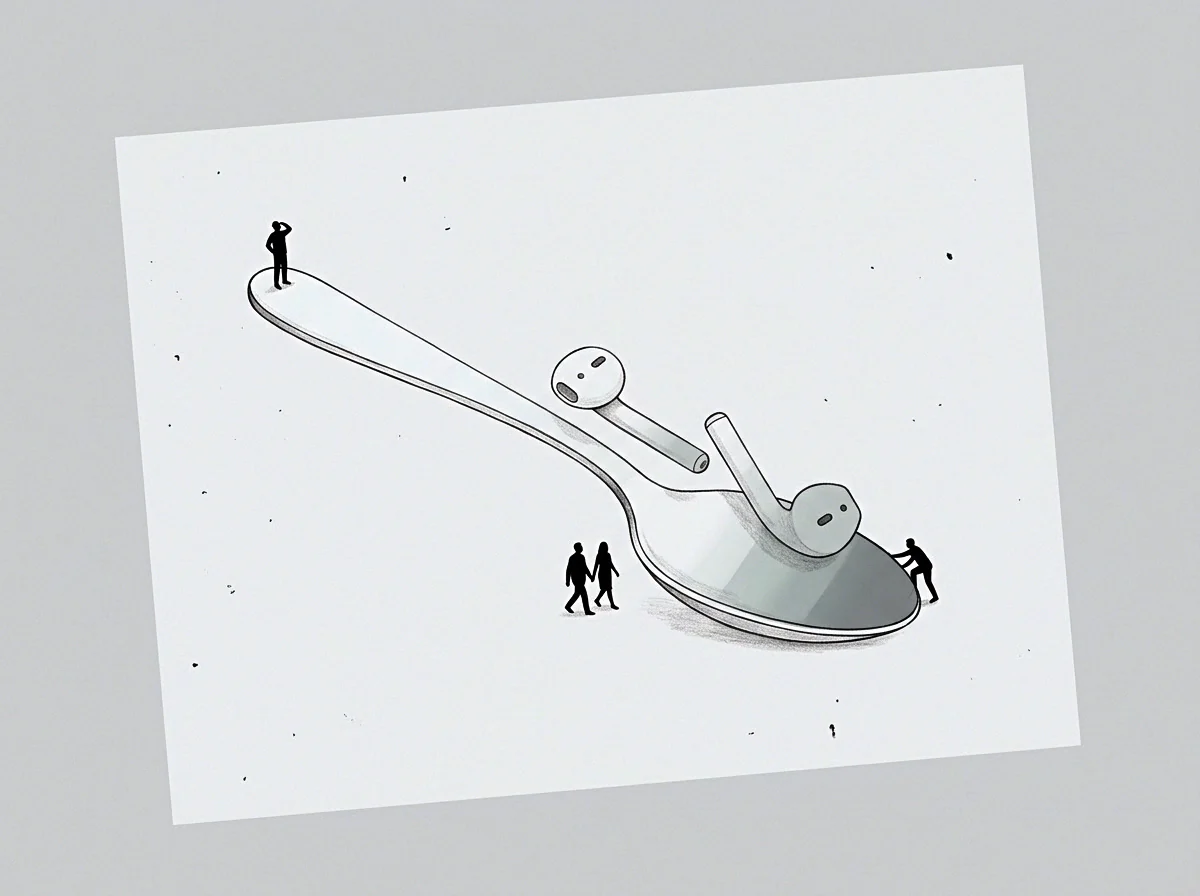
Extended operational pressure compresses an executive nervous system like a wound spring. Under sustained threat, the organism accumulates allostatic load, resetting baseline cardiovascular and endocrine markers at elevated setpoints. The person at the center cannot step down from hyperarousal when every incoming message carries existential consequences, and the lack of a receptor slot for receiving care leaves them unable to incorporate outside support even when external advisors offer presence.
Structural Isolation and the Missing Support Channel
Early relational learning frequently teaches high-performing individuals that security comes exclusively through maintaining the emotional baseline of surrounding people. This creates a one-way regulator template. The executive processes incoming offers of assistance as administrative friction rather than biological relief: board members offer strategy sessions that increase analytical load, while spouses offer emotional processing that demands further expressive output.
The executive remains isolated in plain sight.
Three specific mechanical dysfunctions appear when biological limits encounter existential commercial strain:
- Autonomic Throttling occurs when the central executive abruptly halts communication to prevent total physiological collapse.
- Affective Asymmetry locks the executive into continuous outward projection of safety while experiencing severe internal terror.
- Receptor Atrophy eliminates the biological capacity to register borrowed regulation from peers, converting every social encounter into net energetic expenditure.
The firm continues operating on borrowed executive calm until the central figure reaches total exhaustion. Subordinates observe the sudden silence and assume strategic competence rather than physical collapse, taking for granted that the person in charge remains fine because they always looked steady during prior disruptions.

Gauge
Managing biological boundaries in high-threat environments requires explicit instrumentation. Leaders must track operational inputs through structural metrics rather than subjective endurance. Relying on willpower to outlast a cash crunch ignores basic neurobiology: as metabolic reserves deplete, cortisol replaces glucose as the primary operational driver, narrowing perceptual fields and distorting risk assessment.
Executive teams need structural firewalls that halt unregulated biological extraction before central operators suffer permanent physical damage.

Which Structural Constraints Preserve Biological Capacity?
Commercial enterprises survive existential crunches when leadership installs mechanical limits on interpersonal access. An executive cannot serve as an open shock absorber for an entire payroll during restructuring. Senior management teams must construct formal communication relays that filter emotional panic before messages reach the central seat, preserving executive cognitive reserves for decisive commercial moves.
Establishing these protective systems changes how operational authority flows through the business:
- Stated Limits define explicit operational hours and channels, ending round-the-clock access for non-fatal operational issues.
- Delegated Containment gives intermediate managers formal responsibility for stabilizing front-line staff during restructuring cycles.
- Information Batching gathers organizational updates into structured morning briefings, eliminating unpredictable all-day adrenaline spikes.
A stated operational boundary immediately redirects interpersonal panic away from the central decision seat.
A formal board resolution capping direct executive contact to three designated operational deputies reduces daily sympathetic activation by half within forty-eight hours.
Screen
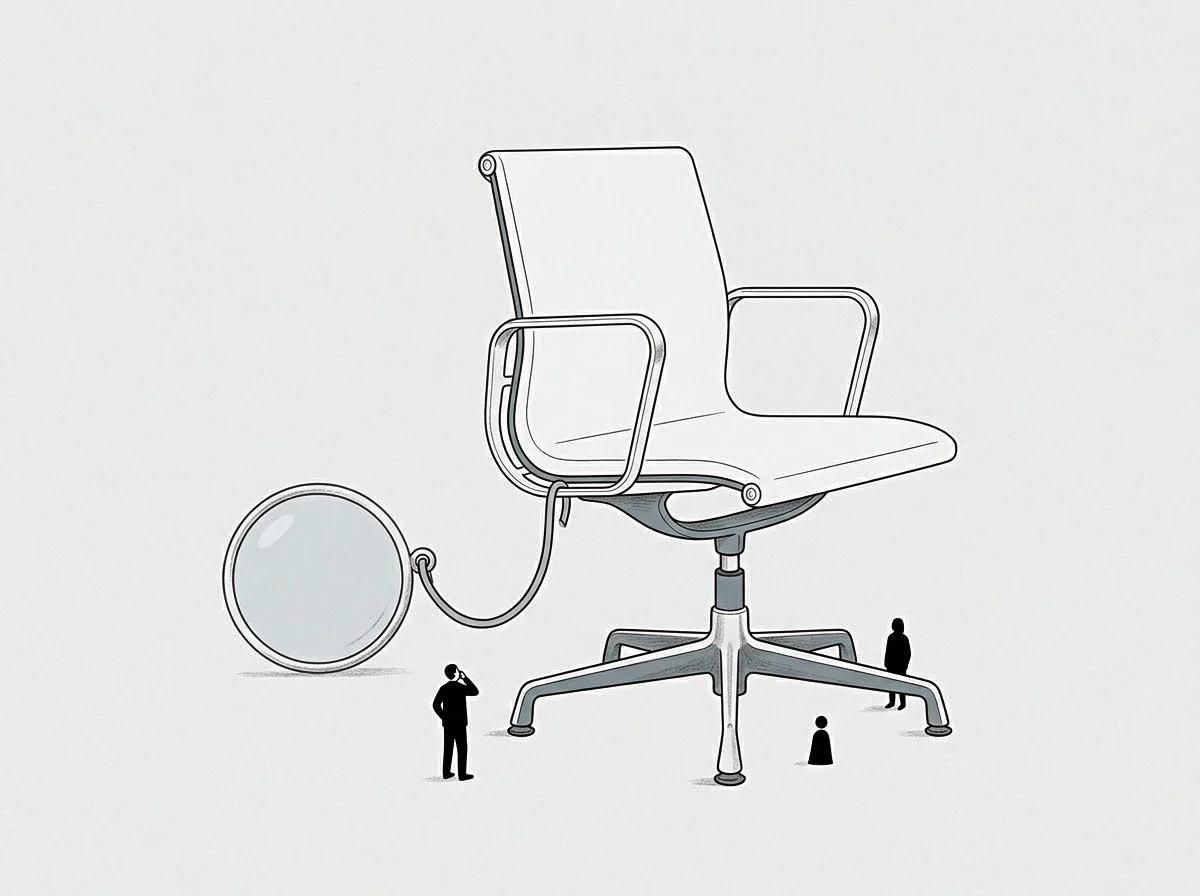
Surviving long-term commercial exposure requires transforming how an operator relates to interpersonal stabilization. Intellectual comprehension of social baseline dynamics does not alter autonomic reactivity; the nervous system updates its defensive defaults only through repeated experience. This process builds earned security, establishing a secondary regulatory architecture that permits reciprocal support and allows competent peers to share the operational weight.
A founder who constructs an effective operational screen insulates their prefrontal cortex from the daily emotional turbulence of a restructuring workforce. Navigating existential markets requires clear financial engineering, sharp contractual renegotiations, and uncompromising resource reallocation—tasks demanding high cognitive bandwidth and low physiological noise. By terminating unilateral co-regulation, the leader preserves the analytical capacity needed to navigate the corporate entity.
The executive seat remains sustainable only when the person occupying it stops acting as a biological battery for the surrounding organization.