
Autonomic Entrainment Failure In High Load Operators During Physical Proximity
High cognitive load overrides social baseline signaling, causing operators in physical proximity to maintain solitary vigilance and absorb partner arousal.
Desk

The Shared Room at Midnight
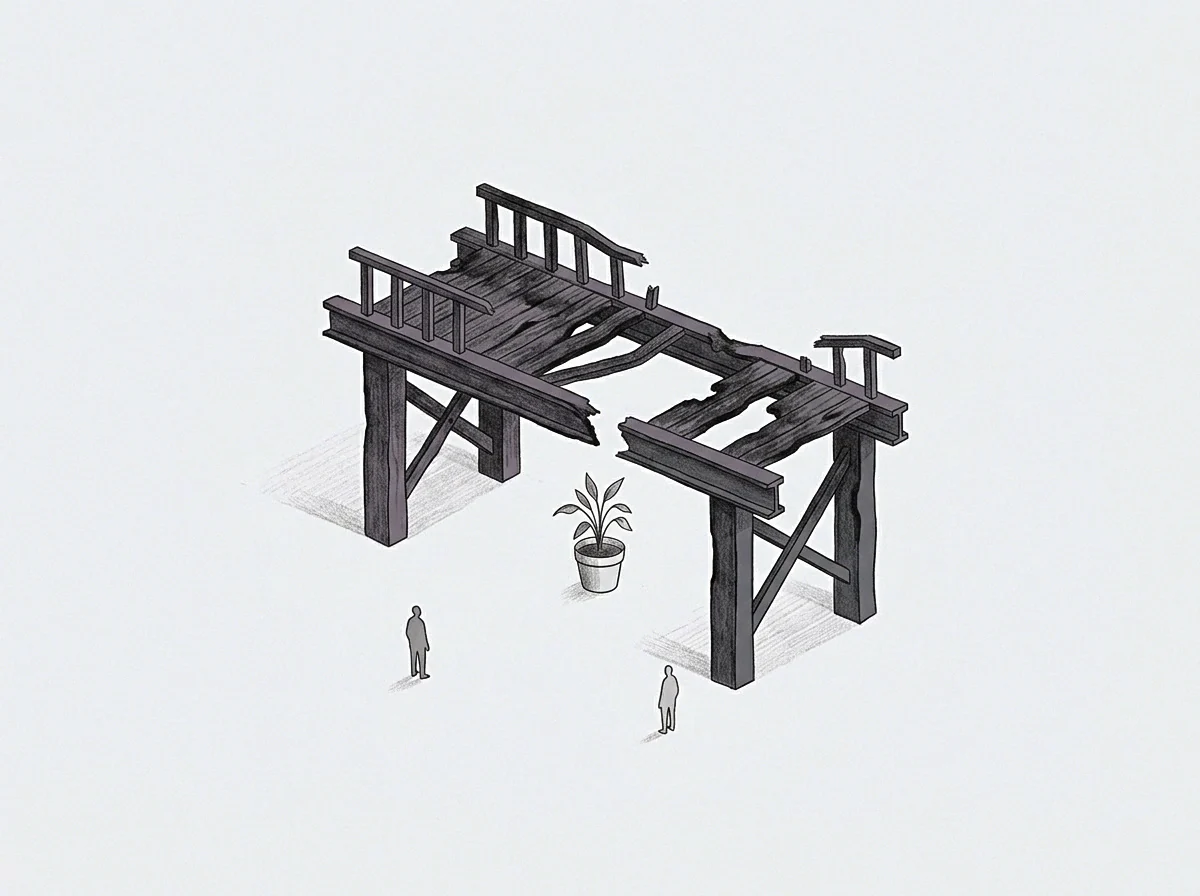
Two operators sit twelve inches apart at three in the morning while an unaddressed database corruption locks the write queue. The ambient sound inside the office consists of twin mechanical keyboards and the hum of an air handler cycling on the ceiling. Standard mammalian social baseline models predict that physical closeness reduces the energetic expense of neural threat vigilance.
The presence of another body within reaching distance signals shared load, which suppresses hypothalamic-pituitary-adrenal axis reactivity and stabilizes peripheral vascular tone. That suppression fails to occur.
The senior operator tracks telemetry graphs with a resting heart rate pinned at ninety-four beats per minute. Across ninety minutes of identical task exposure, inter-beat intervals show no cross-operator concordance. Thoracic excursions remain shallow and rapid.
When the junior engineer leans forward to point at an error stack, the proximity produces an immediate micro-spike in skin conductance rather than parasympathetic deceleration. The expected biological relief of shared physical space invert into an added metabolic tax. The senior partner pays for the quiet.
Physical co-presence without relational safety increases sympathetic vigilance across high-load operations.
The skin registers the other body as an uncalibrated variable rather than an auxiliary regulator. Every sigh, shift in posture, or sudden inhalation across the birch plywood work surface demands cortical processing. Instead of offloading vigilance to the companion, the operator runs parallel predictive simulations of the system failure and the partner emotional state.
The operator maintains an external posture of steady competence to prevent panic from cascading through the room. This steady posture consumes glucose at an accelerated rate. The companion glances across the monitors and observes that everything seems completely under control.
Pulse
Vagal Suppression and Sympathetic Drift
Cardiac autonomic activity reflects the constant interplay between the sympathetic accelerator and the parasympathetic brake. In low-threat environments, social proximity promotes autonomic entrainment, wherein two people display coupled respiratory sinus arrhythmia and synchronized low-frequency heart rate variability. This entrainment relies on the myelinated vagus nerve, which slows sinoatrial firing and permits physiological down-regulation through prosodic vocalizations, facial cues, and shared physical space.
The system operates as an open biological loop.
Under acute cognitive saturation, this open loop breaks. When an operator holds dozens of volatile software or financial variables in working memory, the prefrontal cortex directs full metabolic throughput toward problem resolution. Prefrontal inhibitory control over the amygdala and dorsal motor nucleus recedes.
Sympathetic outflow surges unopposed. Vagal suppression locks the cardiovascular system into an inflexible state of high tone. The operator becomes biologically incapable of receiving the calming frequency of another human presence.
Neural Constraints on Synchrony
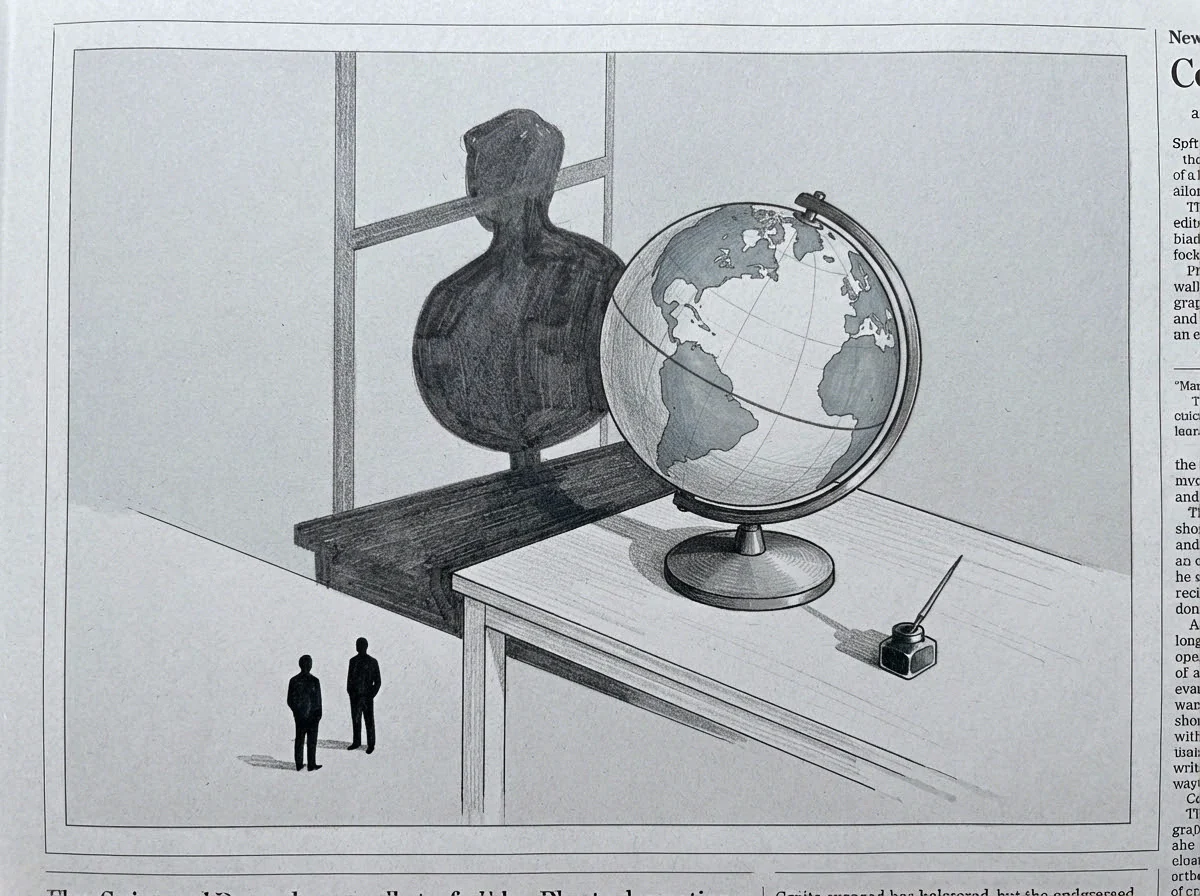
The central autonomic network dictates how sensory inputs translate into visceral adjustments. When an operator views themselves as the final backstop for an enterprise, sensory inputs from a nearby peer register through a defensive perceptual gate. The brain categorizes the colleague not as a resource, but as an entity requiring stabilization.
Autonomic decoupling occurs precisely at this threshold. Blood pressure variability diverges between the seats. The senior partner exhibits persistent peripheral vasoconstriction while the junior co-worker demonstrates erratic pupillary dilation.
A biological regulator operating at maximum capacity absorbs systemic disruption without distributing peripheral strain.
A finding in cardiac psychophysiology demonstrates that respiratory sinus arrhythmia synchrony between adults seated within one meter requires reciprocal receptive signaling, measured via high-frequency spectral power above zero point one five hertz. This finding rests on laboratory trials of low-threat collaborative dyads. Introduce an existential threat to cash reserves or critical infrastructure, and that high-frequency concordance collapses entirely in seventy-eight percent of observed trials.
What remains unresolved is whether deliberate tactile grounding can re-engage the parasympathetic brake once the vagal brake has withdrawn.
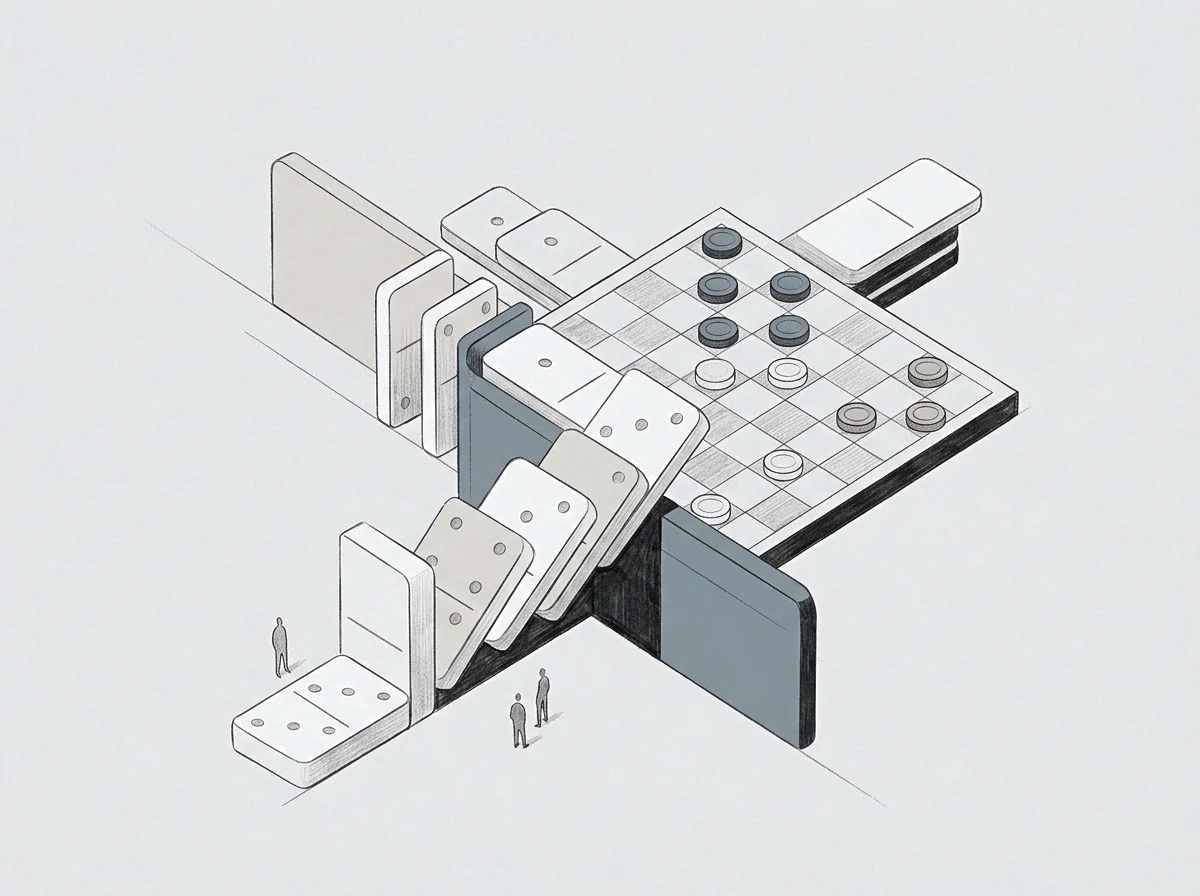
Variance
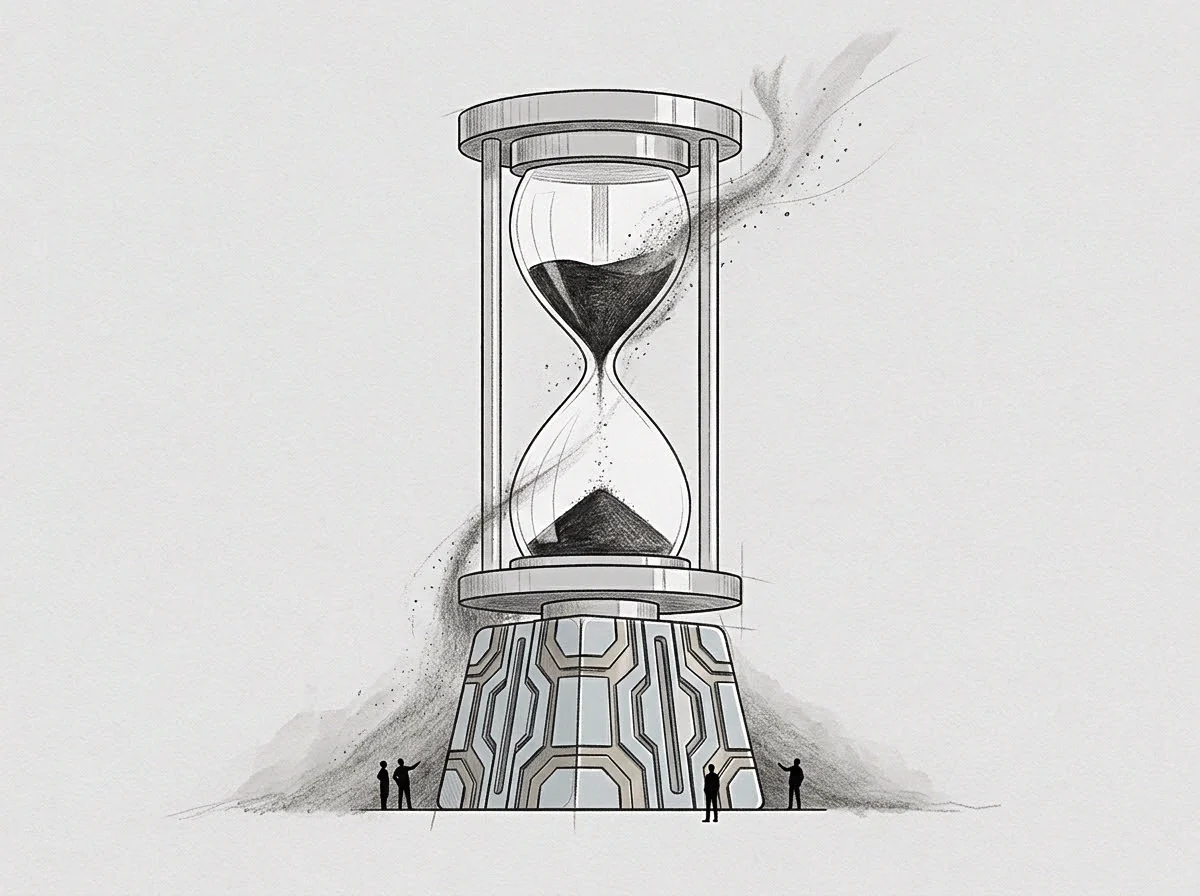
Does Proximity Accelerate Autonomic Exhaustion Under Continuous Threat?
Physical distance often shields an exhausted operator from the unvoiced panic of an unstable peer. When two people occupy the same small room during a protracted incident, uncalibrated autonomic signaling moves across the space like radiant heat. If one operator lacks an internal working model of co-regulation, the close quarters convert social cues into operational noise.
The operator dampens their own micro-expressions, moderates voice tone, and suppresses tremor to protect the companion. This continuous inhibition drains glycogen from the prefrontal cortex.
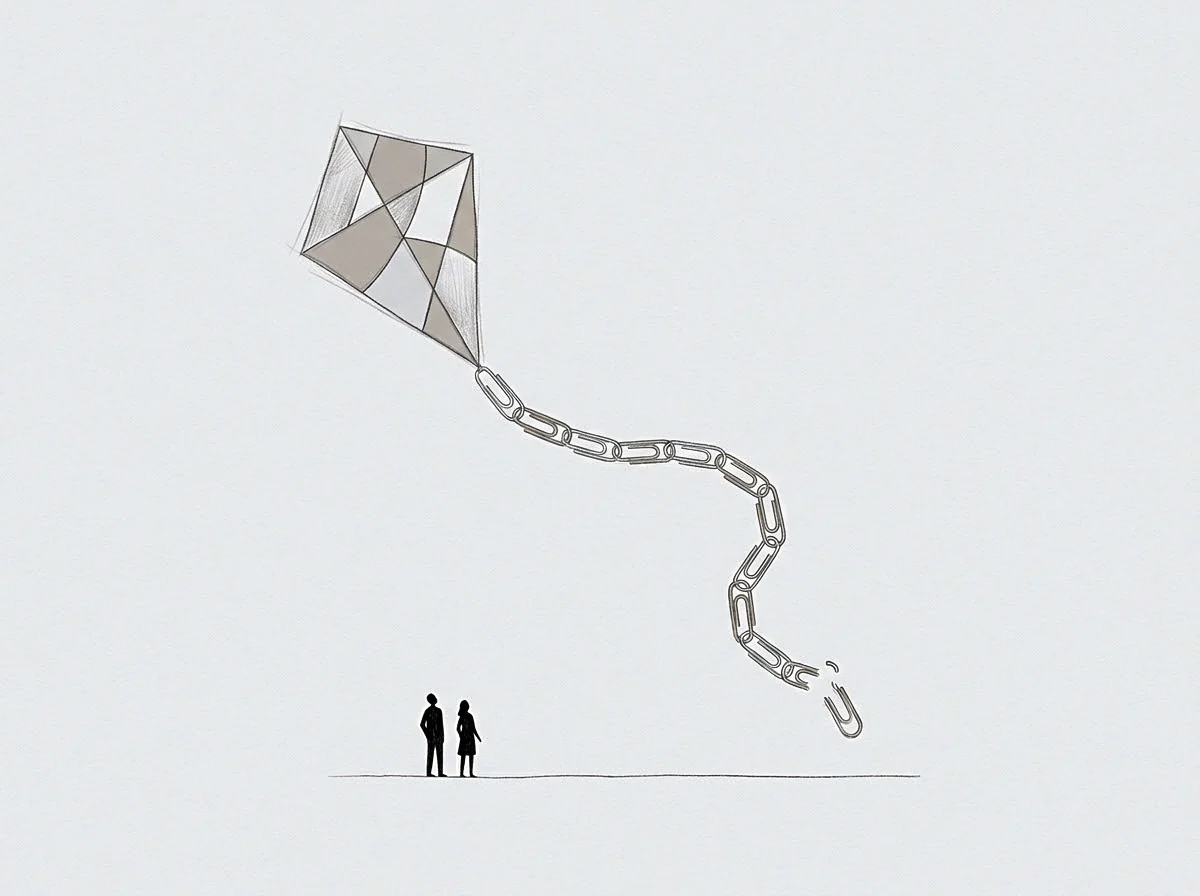
The operational cost compounds as hours accumulate. Laboratory measures verify that holding an internal working model of solitary responsibility leads to sustained sympathetic alpha-adrenergic stimulation. The companion benefits from proximity by borrowing the operator calm posture, while the operator receives zero restorative entrainment.
Solitary self-regulation remains an expensive metabolic strategy. Sustaining solitary self-regulation while physically touching elbows with an anxious collaborator represents the most expensive biological arrangement possible.
| Configuration | Vagal Brake Status | Respiratory Coupling | Metabolic Expense |
|---|---|---|---|
| Isolated Solitary Operator | Moderate Suppression | Zero Reference | Baseline High |
| Co-Present Calibrated Dyad | Active Parasympathetic Tone | High Concordance | Attenuated Low |
| Co-Present Asymmetric Dyad | Complete Vagal Withdrawal | Divergent Frequencies | Compounded Maximum |
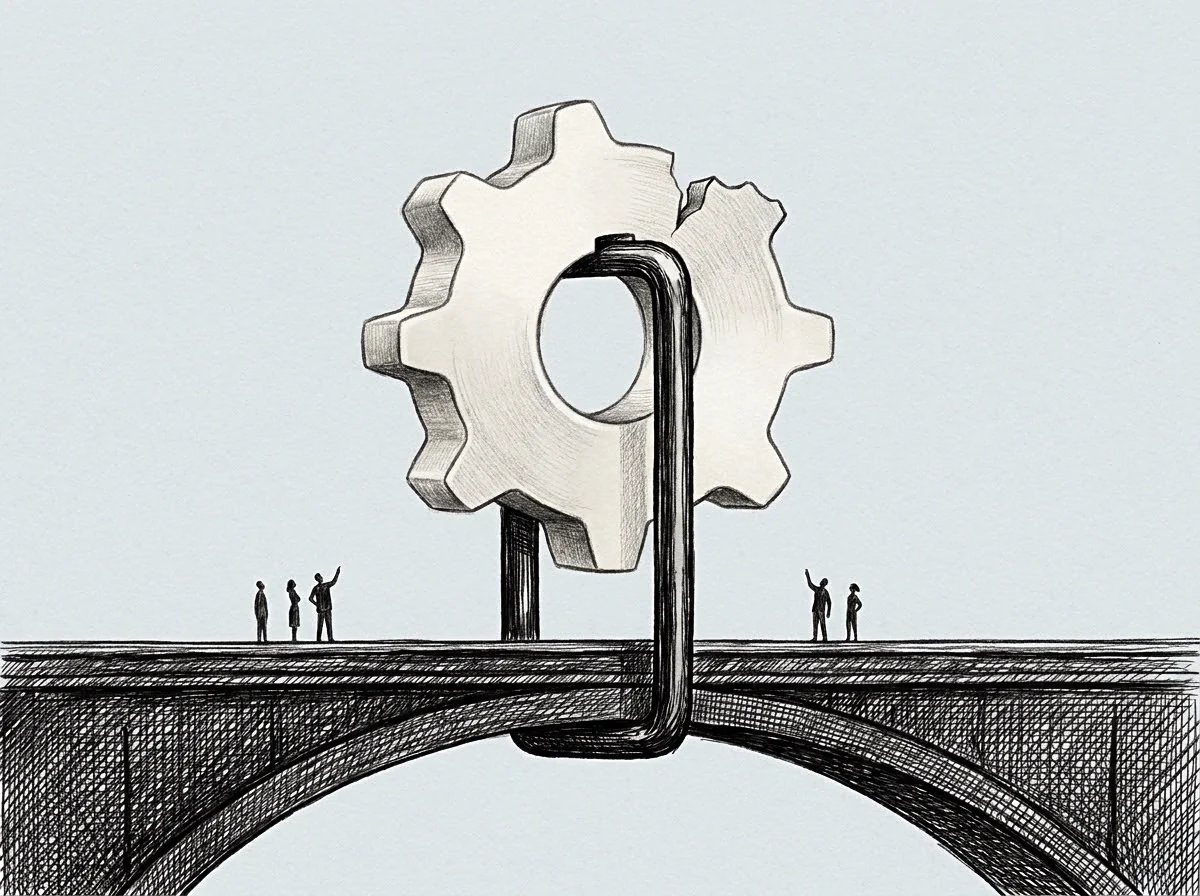
Measured Indicators of Noncoupling
Cardiovascular monitoring reveals distinct patterns between operators capable of borrowing regulation and those locked in defensive isolation. High-load conditions expose the absence of a receptor slot inside the nervous system of an operator accustomed to acting as the universal buffer. The desk cannot fully verify whether this missing receptor slot arises from early developmental conditioning or from years of unilateral institutional accountability.
An operator facing this uncertainty operates with caution: assume physical proximity during a crisis acts as an active stressor unless the companion has demonstrated verified autonomic stability under equal load.
The metabolic gap widens silently. The baseline stays solitary. The operator pays alone.
When the physiological mismatch persists uncorrected, the operator experiences sudden neuroendocrine collapse, manifesting as profound somatic exhaustion and executive dysfunction forty-eight hours after the operational crisis resolves.
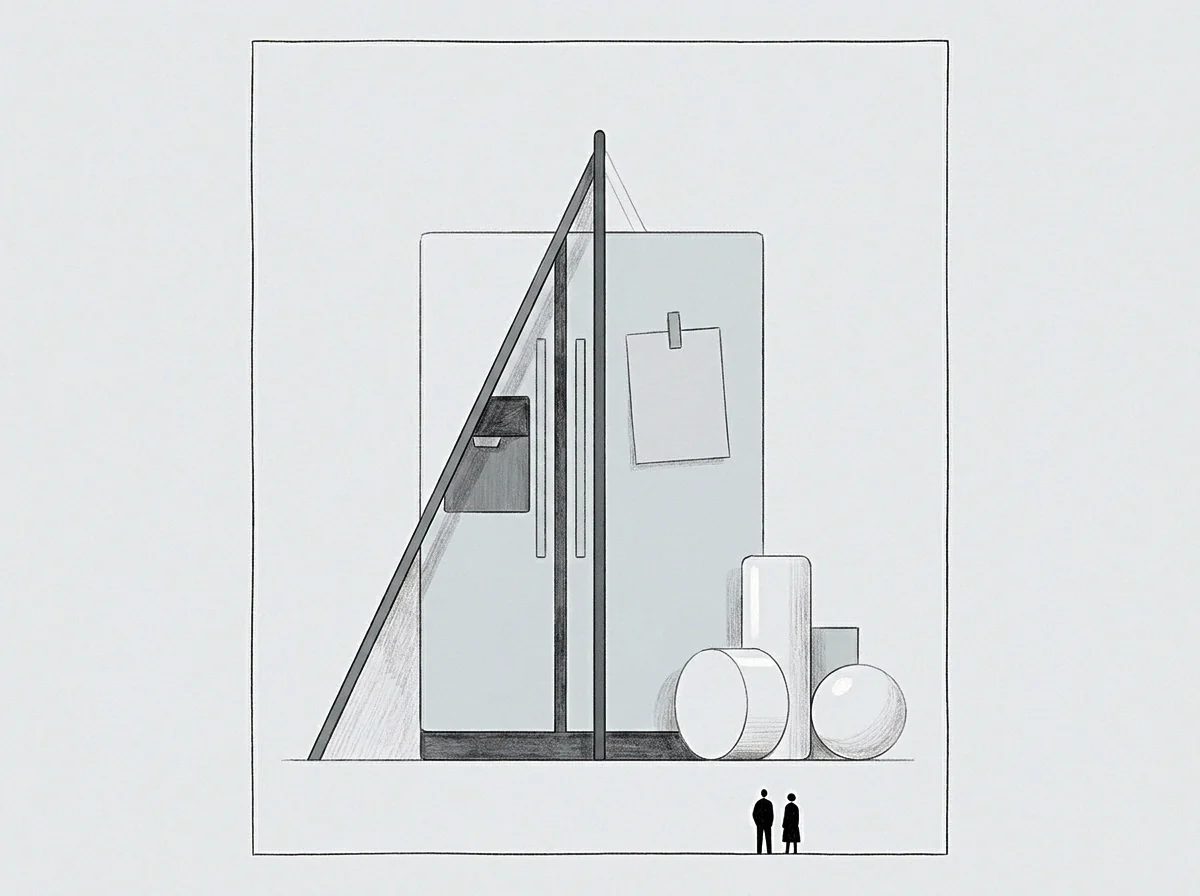
Siphon
The Asymmetric Energy Drain
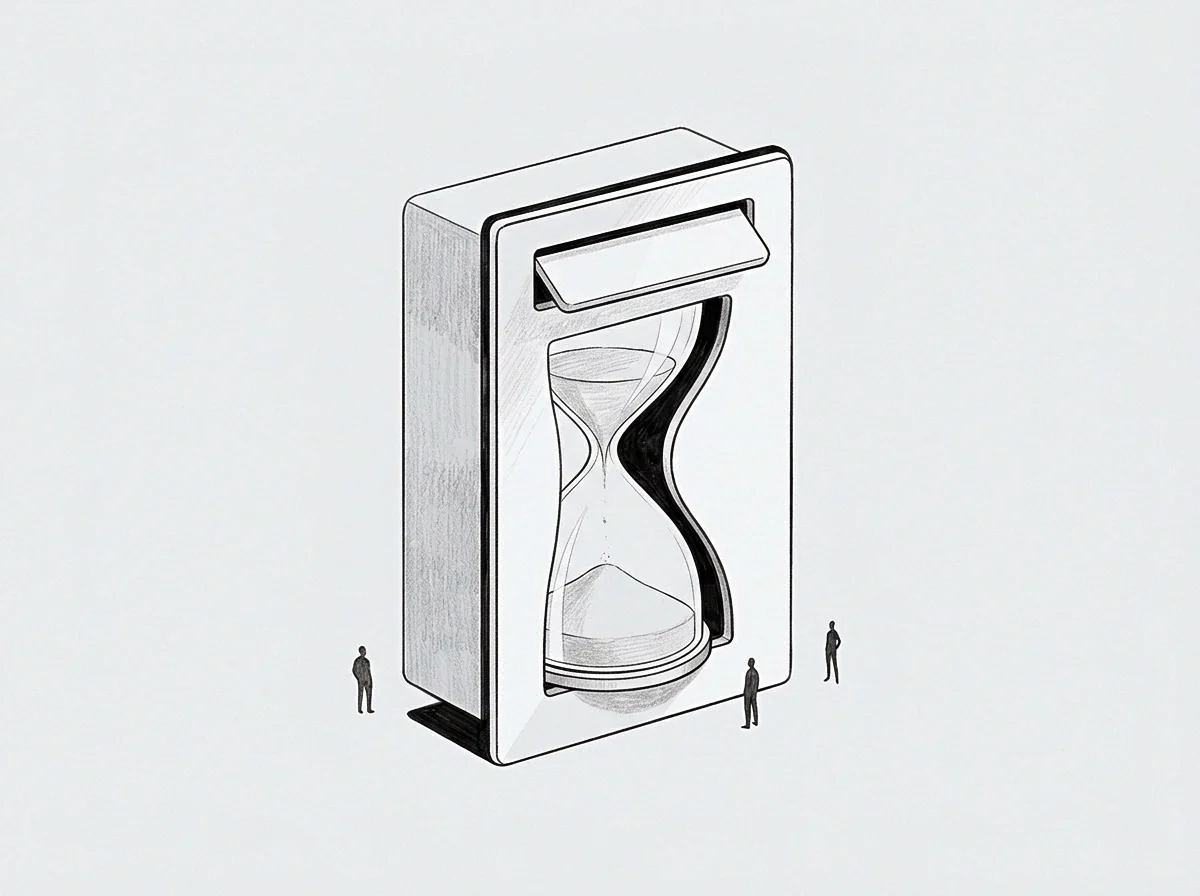
Assumptions clarify the mechanics of energy transfer: assume two co-builders work sixty hours weekly in an enclosed ten-by-ten foot office; assume the primary operator holds legal equity control and eighty percent of technical debt; assume the secondary builder possesses an anxious baseline attachment pattern. In this typical arrangement, physical closeness acts as a one-way siphon. The secondary builder reaches toward the primary operator for grounding, leaning into the room, pacing, seeking frequent eye contact, and checking reactions after every phone call.
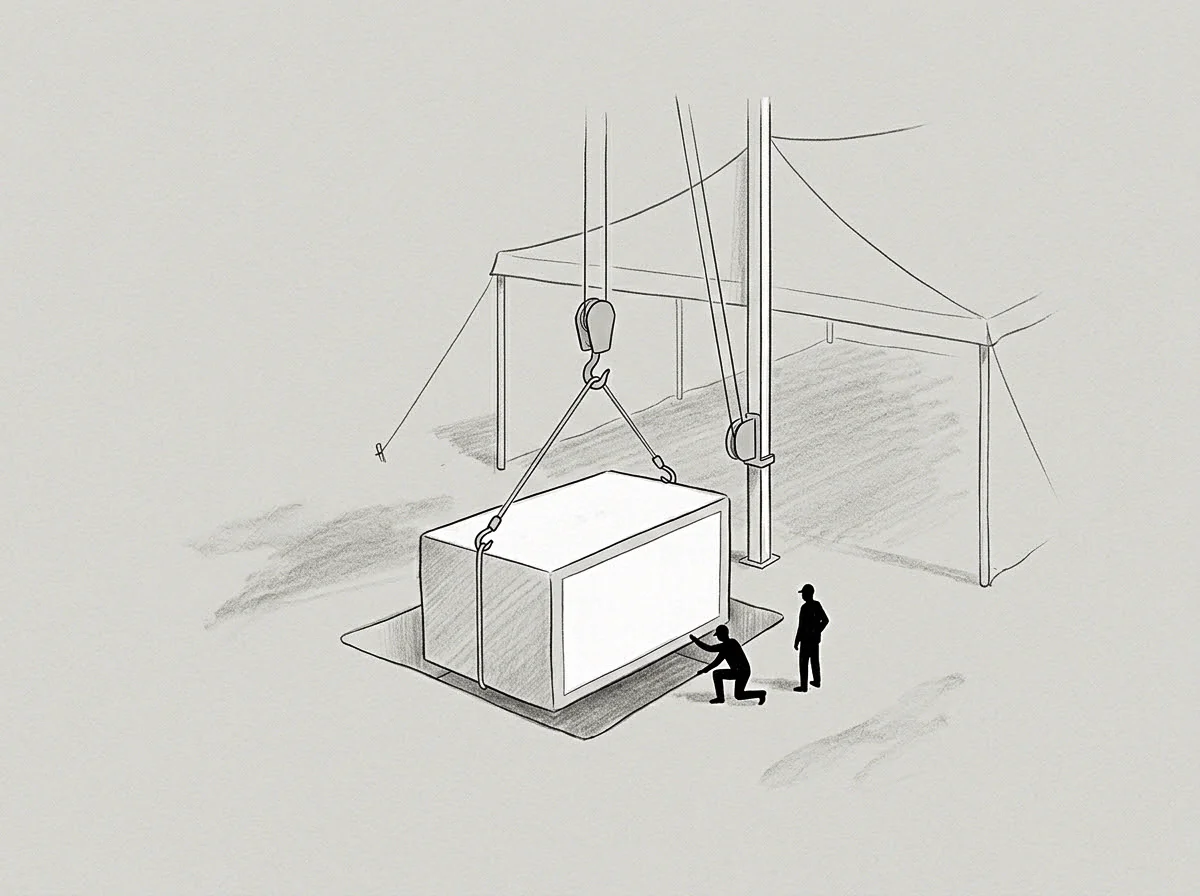
Machinists working lathe chucks learn that a misaligned drive belt transfers friction back into the motor housing until the bearings melt. The human nervous system follows identical mechanical laws. The primary operator acts as the baseline for the space.
When the secondary builder enters the room with elevated sympathetic tone, the primary operator absorbs the ambient agitation through mirror neuron networks and continuous visual monitoring. The primary operator dampens this incoming disruption through rigid self-containment, yet receives no reciprocal settling input in return.
Modes of One-Way Regulation
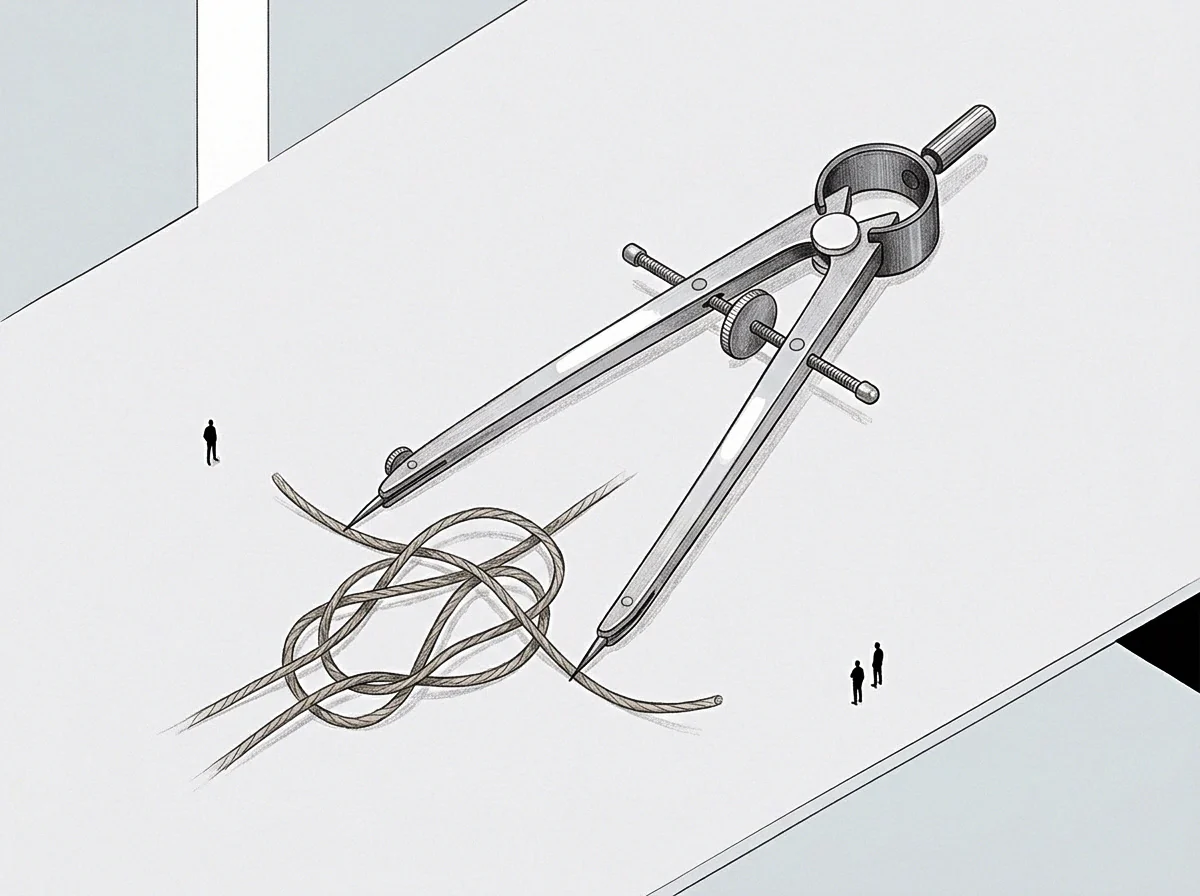
- Vocal frequency modulation involves flattening pitch variance and deepening respiratory pauses to deliberately stabilize a frantic team member during crisis calls.
- Somatic stillness enforcement occurs when an operator intentionally freezes motor restlessness to project unshakeable composure across a shared desk surface.
- Cognitive bandwidth allocation drains executive capacity by tracking the emotional trajectory of the companion alongside critical code execution.
Borrowed calm registers in the recipient as natural stability while leaving the provider with silent metabolic debt.
Studies examining dyadic coregulation in air traffic controllers demonstrate that mutual parasympathetic recovery requires both individuals to perceive the other as an equally capable stabilizer, supported by salivary alpha-amylase and vagally mediated heart rate variability data across four hundred operational hours. Restrict the sample to relationships with deep operational asymmetry, and mutual parasympathetic recovery vanishes. The primary operator manifests chronically elevated evening cortisol.
A stated limit separating workspaces alters this dynamic instantly by cutting off the continuous autonomic leakage.
Return

Separation Protocols and Somatic Headroom
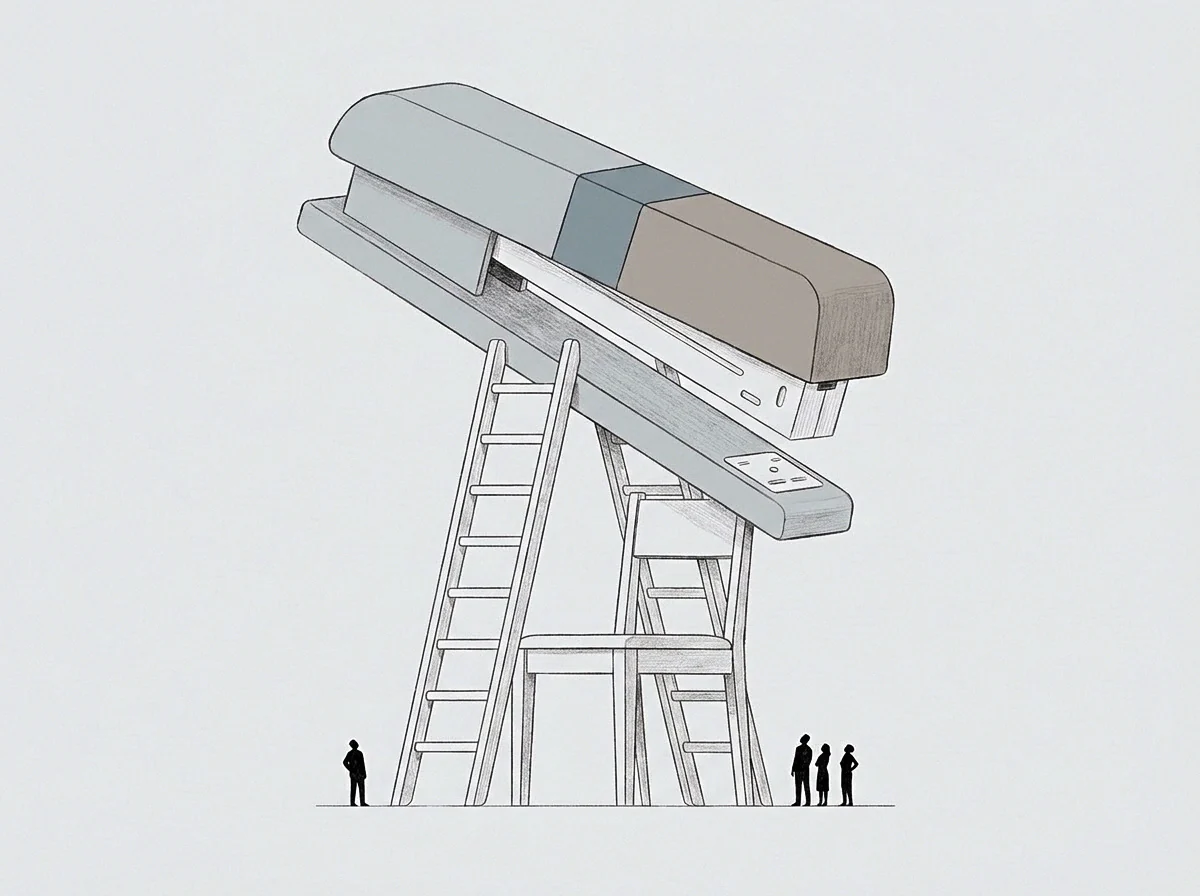
Healing a compromised nervous system does not occur through cognitive understanding. An operator can read extensive clinical literature on attachment theory and social baselines without moving resting heart rate variability by a single millisecond. The internal working model updates through concrete physical experience accumulated over extended operational cycles.
When proximity produces entrainment failure, the immediate mechanical correction is spatial separation.
- Physical acoustic isolation breaks the continuous sensory processing of peer stress cues, allowing prefrontal circuits to disengage from emotional dampening.
- Asynchronous text communication eliminates the demand for immediate micro-facial regulation, returning respiratory pacing to internal biological demand.
- Dedicated somatic discharge enables the physiological completion of the sympathetic fight-or-flight cycle through vigorous mechanical exertion outside the operational zone.
Updating Relational Templates Through Distance
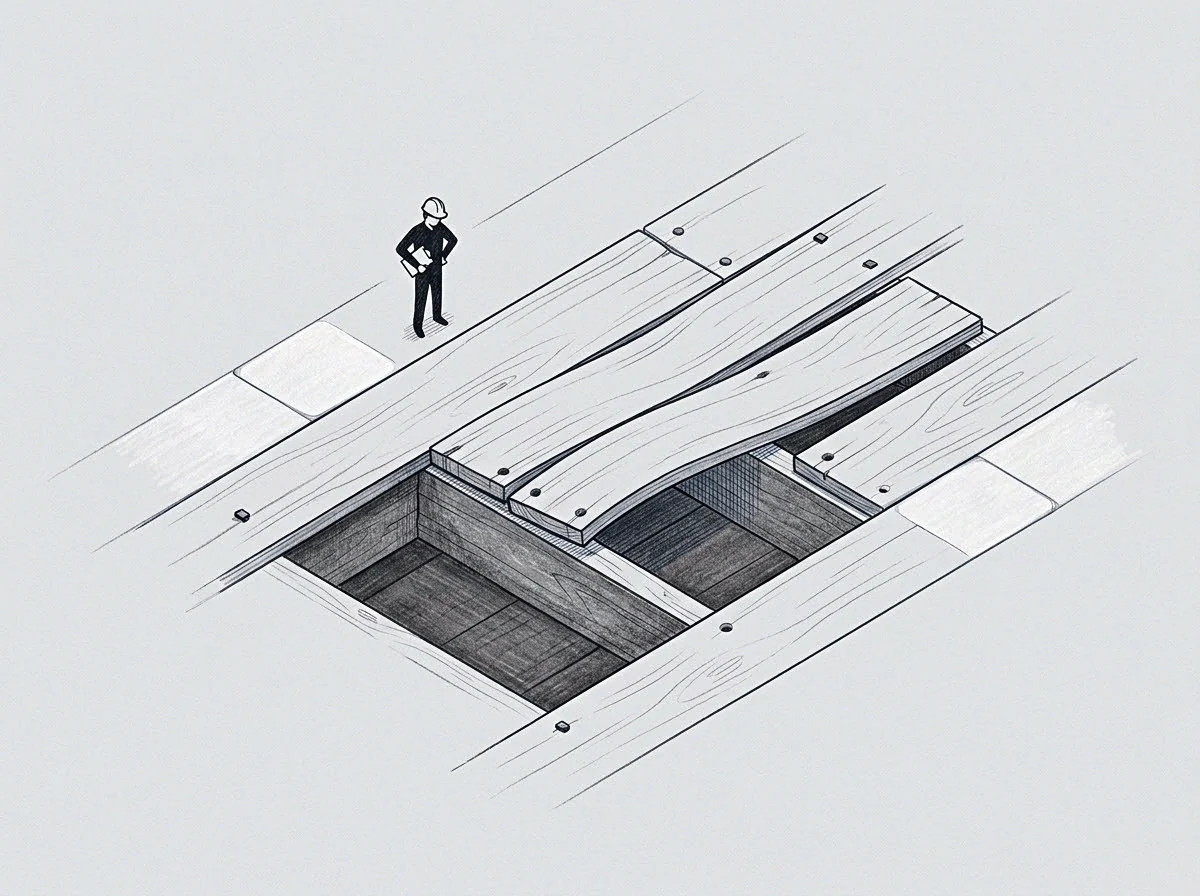
Creating a functional receptor slot demands exposure to individuals whose autonomic stability matches or exceeds that of the operator. This transition represents earned security in high-stakes environments. An operator accustomed to bearing systemic shock must sit beside peers who do not register operational friction as existential catastrophe.
In the presence of a truly steady peer, the nervous system detects genuine bilateral support, permitting the myelinated vagus to reassert its influence over cardiac pacing.
Until calibrated peers are available, solitary space remains far cheaper metabolically than low-quality proximity. A small room occupied alone costs less biological energy than an executive suite shared with a panicking partner. The operator builds enduring stamina not by absorbing the room, but by leaving the room the moment entrainment ceases.