Meaning
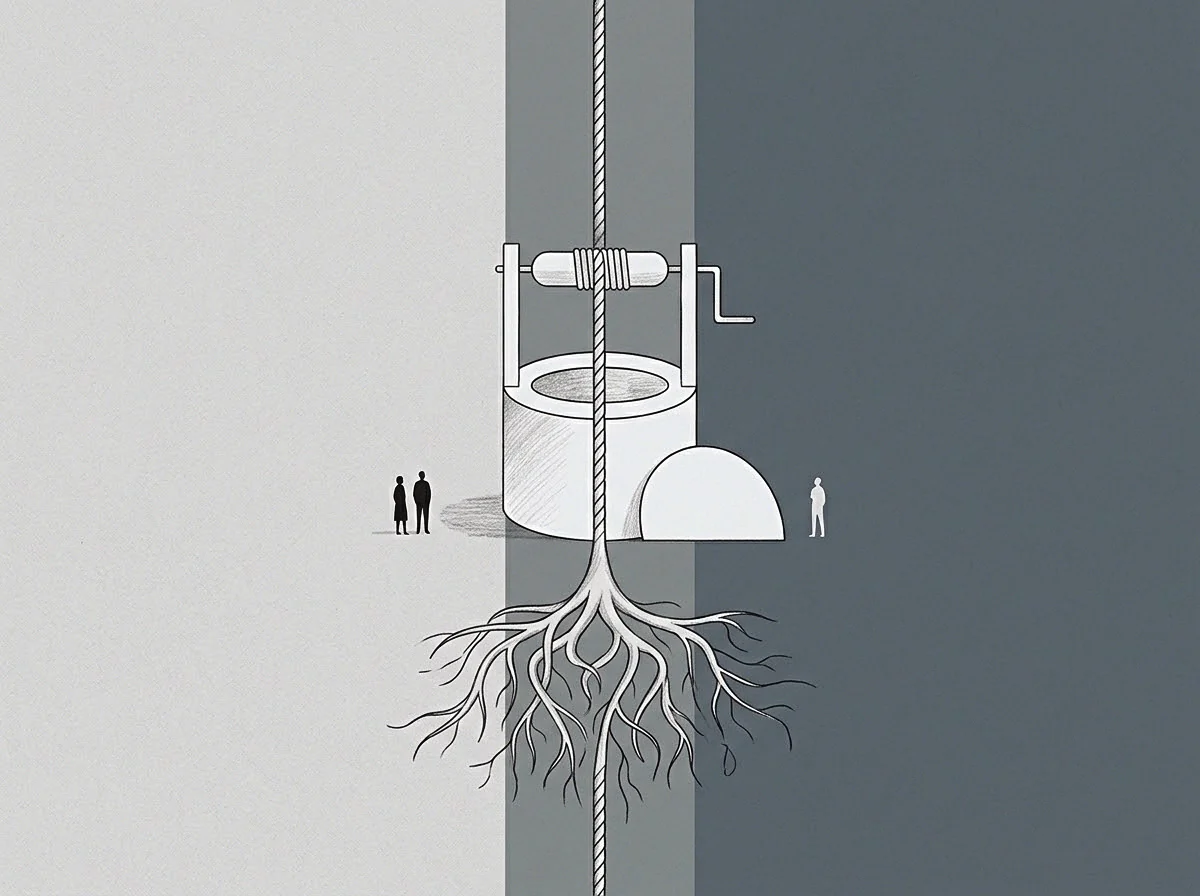
The mutual adjustment of biological and psychological states occurs between two or more connected individuals. In a professional or domestic partnership after founding, coregulation is the process through which the nervous system of one person helps stabilize the nervous system of another. This mechanism reduces the individual load by distributing the effort of maintaining focus and calm.
It functions as a shared regulatory resource.
Relational Load
Shared loads decrease when the partnership provides the synchronization necessary to dampen stress. If coregulation is absent, both individuals must spend more internal energy to stay regulated. This lack of support doubles the cognitive cost of every external challenge.
Structural Support
Providing support through a regulatory environment often relies on the presence of a steadying influence to prevent escalation. Effective coregulation provides a buffer that absorbs the shock of market volatility or personal setbacks. The process works through proximity and the predictable exchange of feedback.
It requires at least one participant to remain within their own window of tolerance. When both participants are over-leveraged, the system fails and the stress compounds.
Stability Exchange
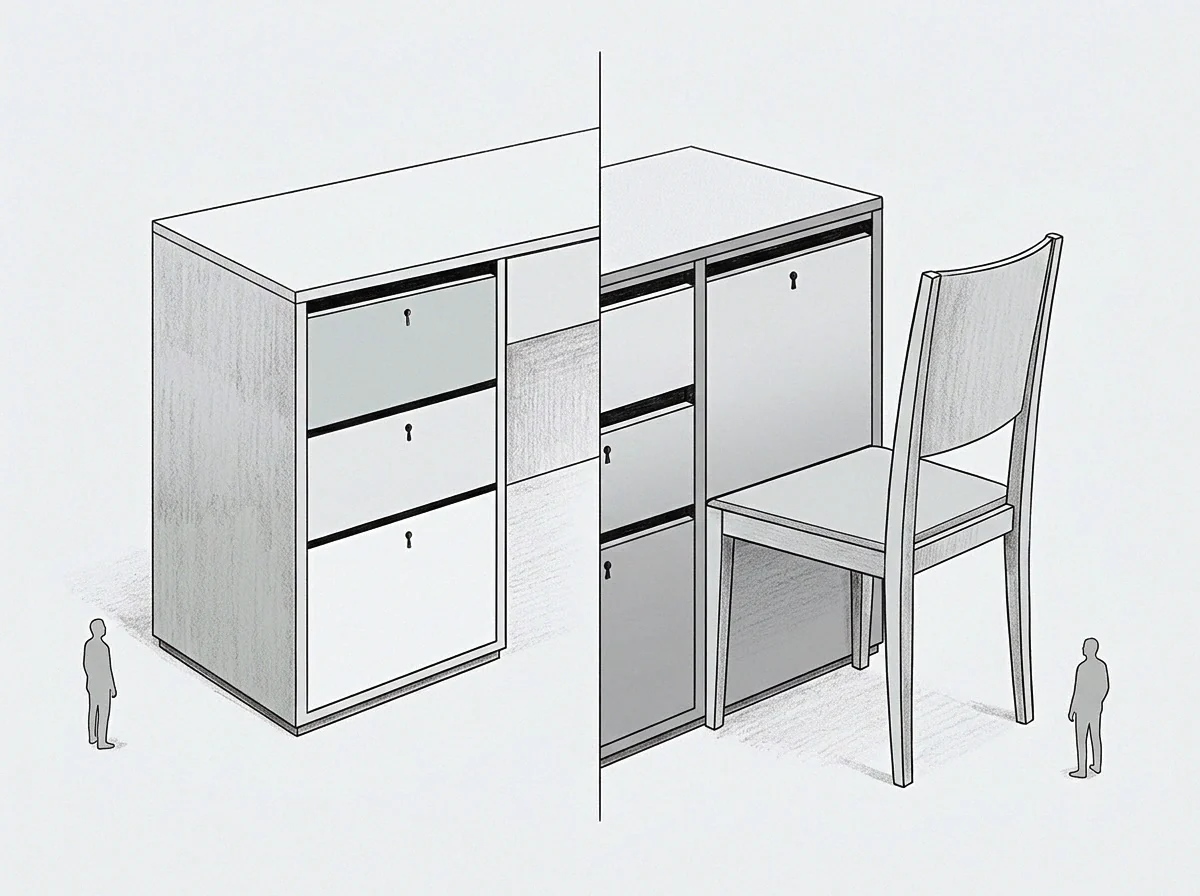
Exchanged stability allows the more regulated partner to lend their calm to the one in distress. This coregulation acts as a borrowed regulatory system for the person under high load. It lowers the immediate physiological cost of the stressor.