
Co Regulatory Resource Allocation Within High Stress Leadership Teams
Leadership teams under severe threat burn prefrontal reserves unless they distribute autonomic stabilization across explicit operational structures.

Metabolism
Executive isolation accelerates when unannounced regulatory scrutiny arrives alongside a missed revenue forecast. A chief executive sits before three open chat consoles while an operations lead paces beside the window, awaiting guidance. Heart rates climb across the room before a single balance sheet opens.
The biological reality of executive function operates on strict caloric and neural accounting. Human nervous systems do not process danger in isolation when working in groups. They constantly measure the autonomic state of the nearest peer to determine how many calories defense will demand.
In executive quarters experiencing sudden solvency shocks or operational crises, this evaluation happens continuously without verbal disclosure.
Social baseline theory establishes that the human brain treats proximity to trusted partners as the default economy for energy conservation. Independence is an expensive state requiring higher glucose consumption, elevated vigilance, and continuous prefrontal suppression of alarm cascades. When danger threatens the firm, leadership teams routinely offload this autonomic labor onto whichever executive projects predictable composure.
The steady member acts as a biological capacitor for the room. Cortisol surges follow delayed messages. Silent presence reduces metabolic burn.
Under acute organizational threat, autonomic stability acts as a consumable asset that one officer expends to preserve the working clarity of the group.
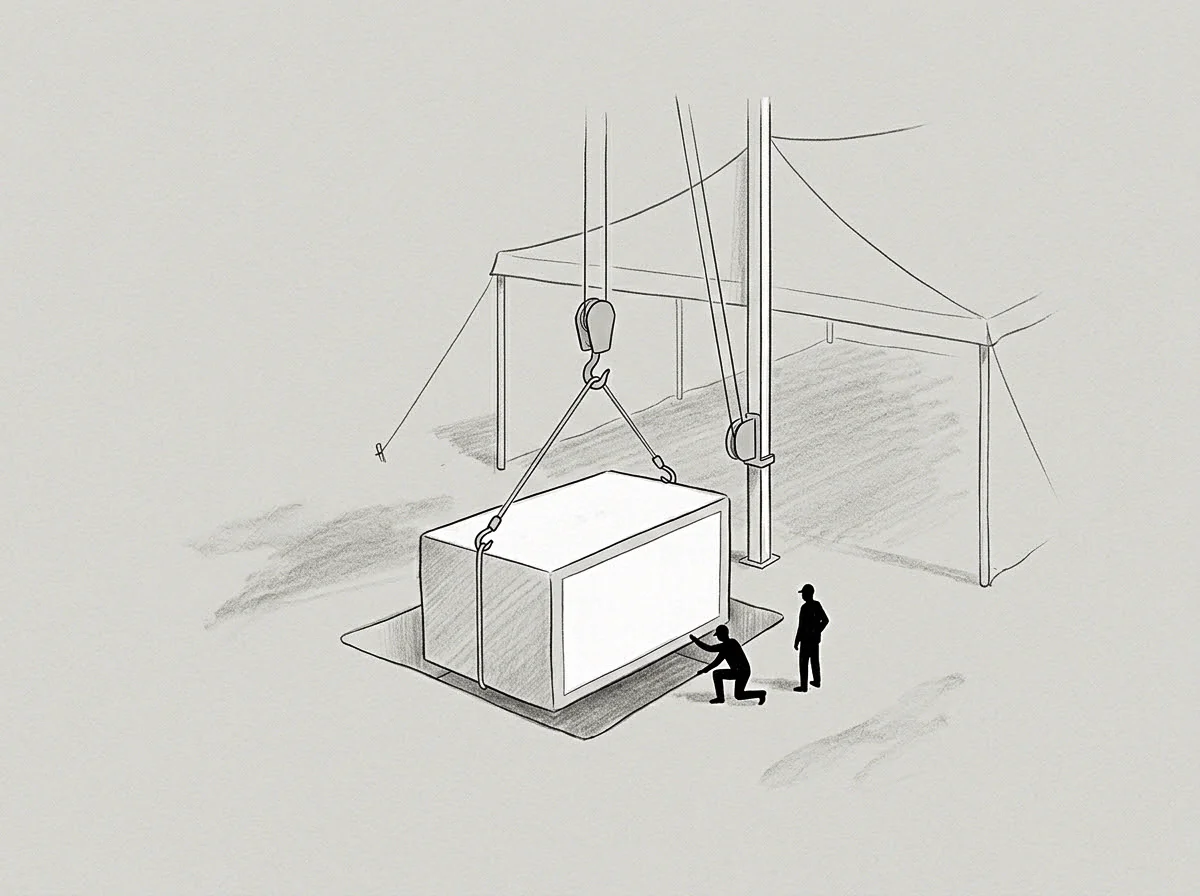
Autonomic Reserves Inside Corporate Pressure
Acute commercial crises reveal how unevenly teams distribute baseline biological duties. During a restructuring or an emergency capital call, the prefrontal cortex burns glycogen at an accelerated pace to suppress panic, evaluate liquidity risks, and project authority. Officers who maintain steady respiration and unhurried speech allow adjacent colleagues to down-regulate their own sympathetic arousal.
The adjacent colleagues borrow that physical composure to keep their executive faculties online. Vagal tone drops sharply. The nervous system of the observer offloads its emergency response calculations onto the observed leader, treating the calm executive as an environmental buffer.
This process of borrowed regulation registers internally as personal resilience. Executives who lean on a composed peer during an adversarial board meeting leave the conference room convinced of their own intrinsic grit. They return to their desks with normalized blood pressure and functional working memory because someone sitting two feet away absorbed the autonomic cost of stabilizing the field.
The stabilizing officer remains in a prolonged state of hyper-arousal, maintaining an artificial baseline for others while running a mounting internal deficit.

The Distribution of Threat Damping
Teams under intense strain rarely distribute mutual stabilization symmetrically. Instead, load flows along paths of demonstrated tolerance. An officer who previously absorbed an aggressive proxy challenge or handled a sudden audit without visible tremor becomes the default autonomic sink for the entire executive committee.
When subsequent crises erupt, peers naturally cluster around that individual, demanding presence rather than novel operational solutions.
- Allostatic accumulation occurs when an executive continuously dampens peer agitation without receiving reciprocal physiological stabilization from the surrounding environment.
- Attentional narrowing forces the overburdened leader into immediate crisis triage while peripheral strategic threats go completely undetected across successive operational quarters.
- Somatic withdrawal manifests after months of continuous pacing for others, leaving the stabilizing officer physically detached and unresponsive to everyday operational signals.
The chief operator pays. When an executive group consistently drains a single officer to stabilize its collective nervous system, that officer eventually reaches allostatic saturation, precipitating sudden operational paralysis that shatters institutional execution.
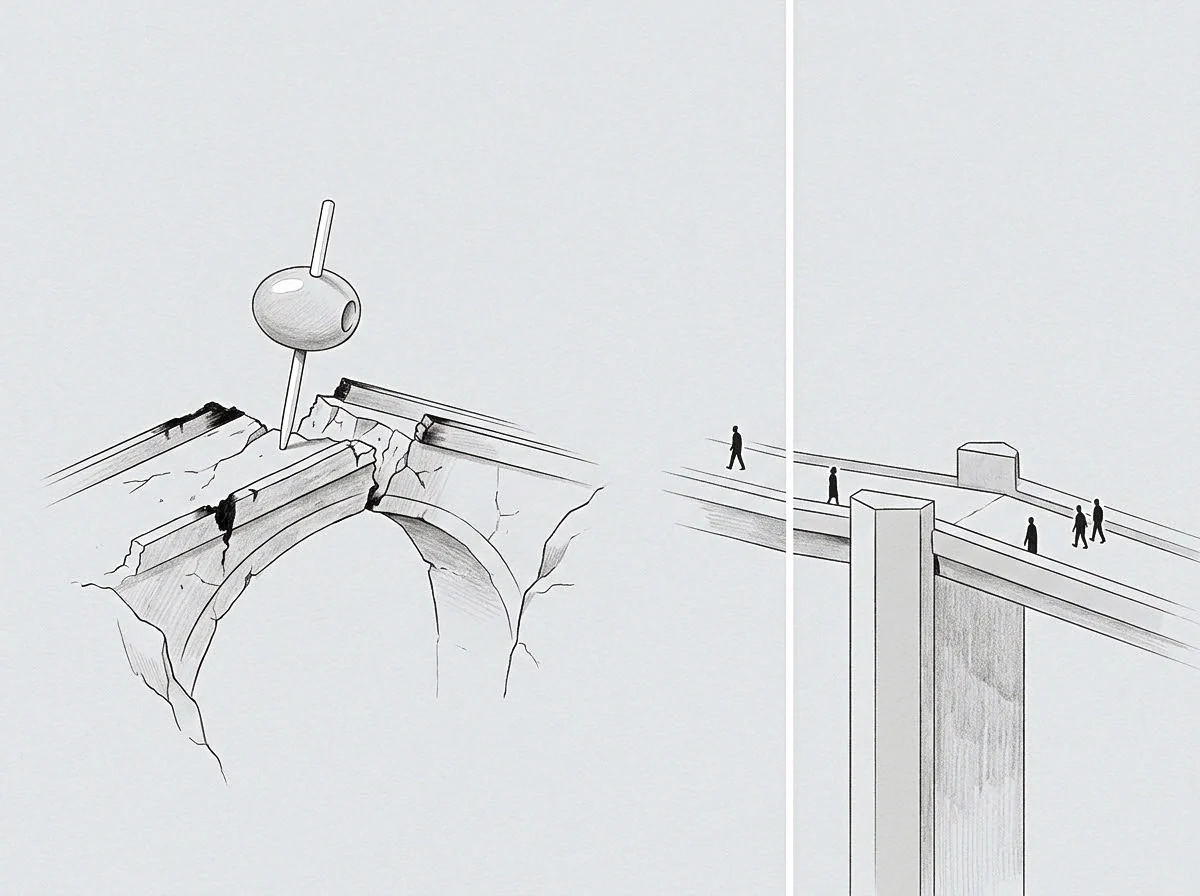
Table
Physical proximity remains the primary conduit through which leadership groups equilibrate neural states. While distributed software coordinates transactional tasks, the mammalian vagal circuit relies on sub-second physical cues to gauge safety: micro-movements of facial musculature, vocal pitch modulation, and respiratory rhythms. When an executive committee gathers around a single mahogany surface during a hostile acquisition defense, nervous systems synchronize faster than legal briefs can circulate.
A team operating in shared physical proximity dampens acute corporate shock by dividing physiological vigilance across multiple visible bodies.
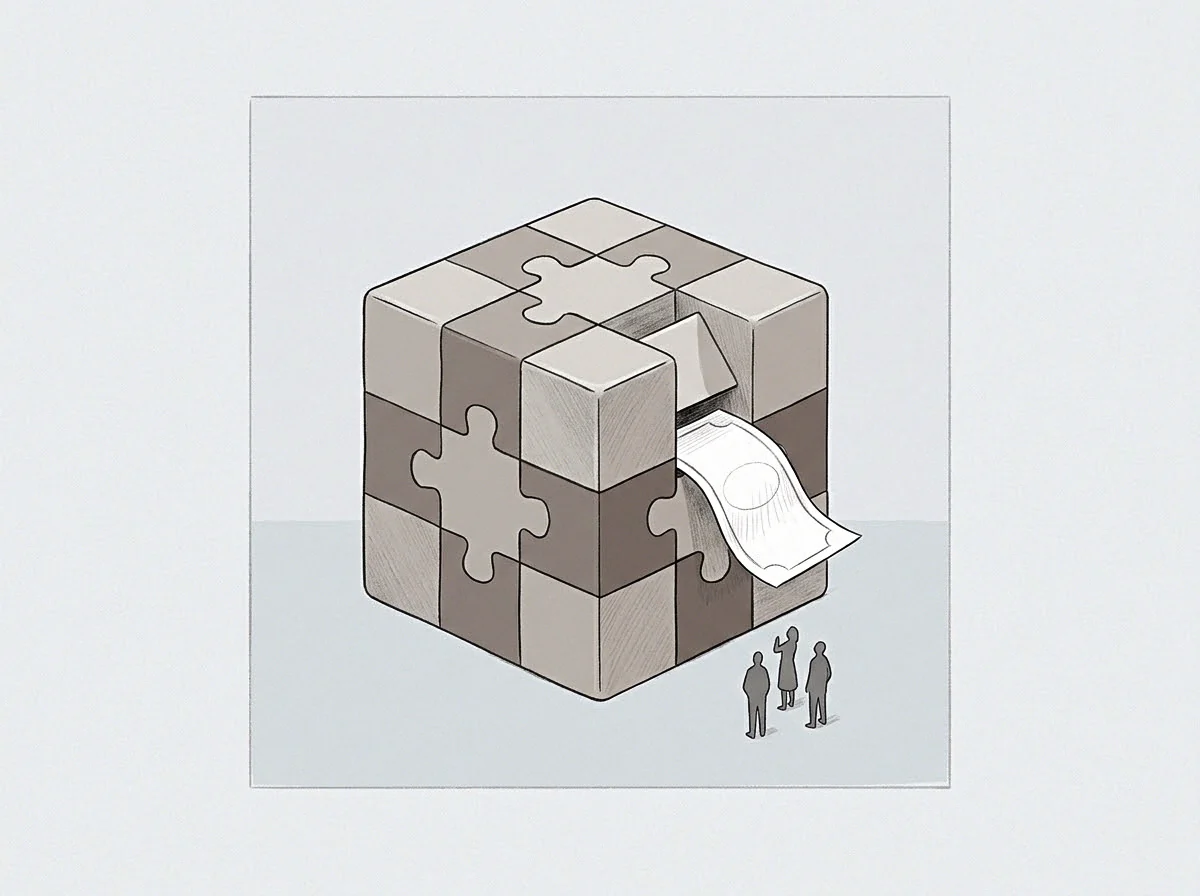
Does Shared Physical Space Shift Threat Economics?
Direct contact stabilizes cardiac variability. When leaders sit within arm reach during a high-stakes renegotiation, the brain categorizes the scenario as a shared defense rather than a solitary survival exercise. Neural circuits register physical closeness.
This classification halves the subjective evaluation of threat, preserving prefrontal processing power for complex contract terms. In contrast, remote setups force every individual officer to generate solitary self-soothing responses, multiplying the collective physiological burden of the firm.
The baseline holds. Solitary executives isolated behind video terminals interpret minor disagreements as existential attacks because their biology lacks the immediate tactile and auditory feedback that signals group cohesion. Physical presence grounds operational reality.
It transforms speculative dread into tangible coordination, lowering the baseline expenditure required to maintain strategic discipline under fire.
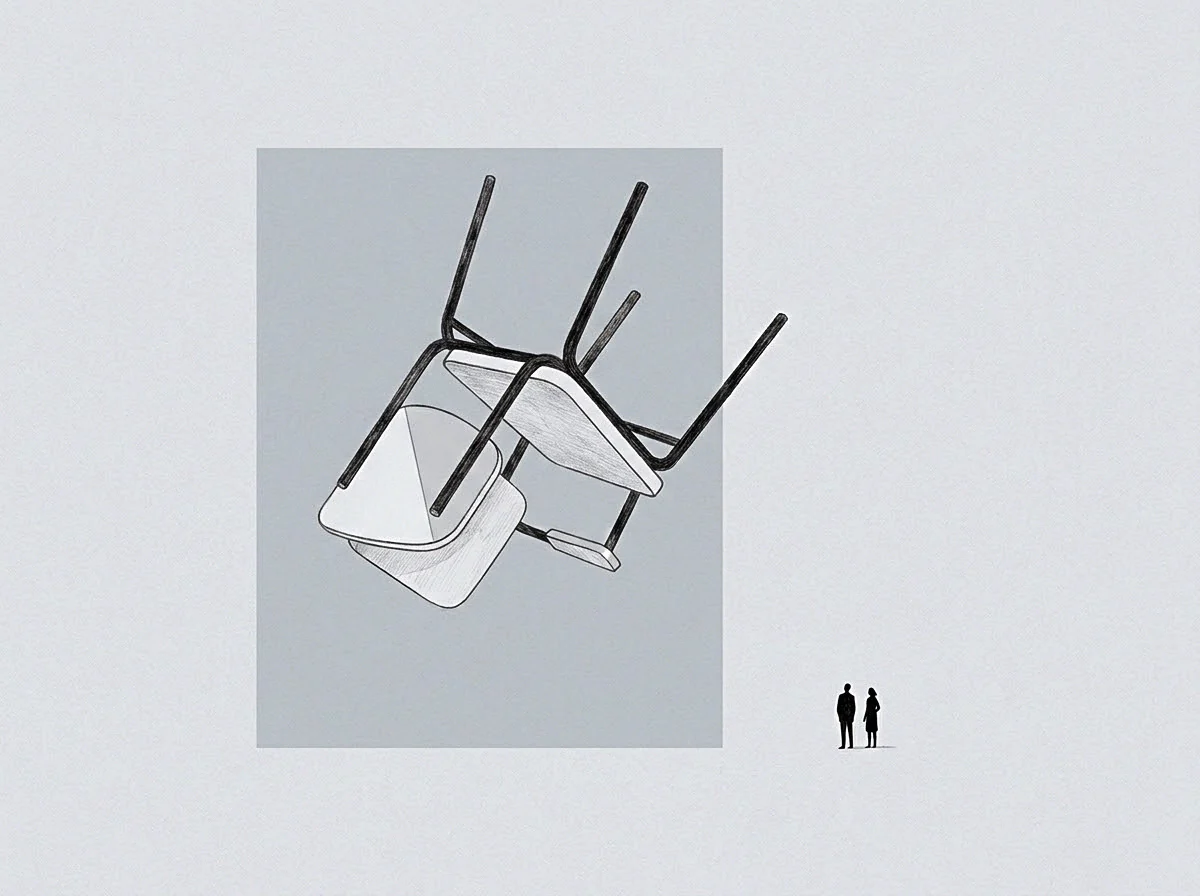
Asymmetric Calming Around the Boardroom Perimeter
Even in physical settings, stabilization is unevenly drawn. The seating geometry of an emergency meeting frequently reflects who absorbs fear and who transmits it. Secondary partners and functional directors often lean forward, directing their agitated queries toward the single figure who holds the center.
This posture transfers visceral tension across the wood.
The central figure cannot easily refuse this transfer. To display somatic distress in that chair is to invite panic across junior leadership, cascading down to line management. Consequently, the central executive feigns absolute autonomic stillness.
This stillness costs significant glycogen reserves, steadying the hands of everyone else while exhausting the central regulator from the inside out.
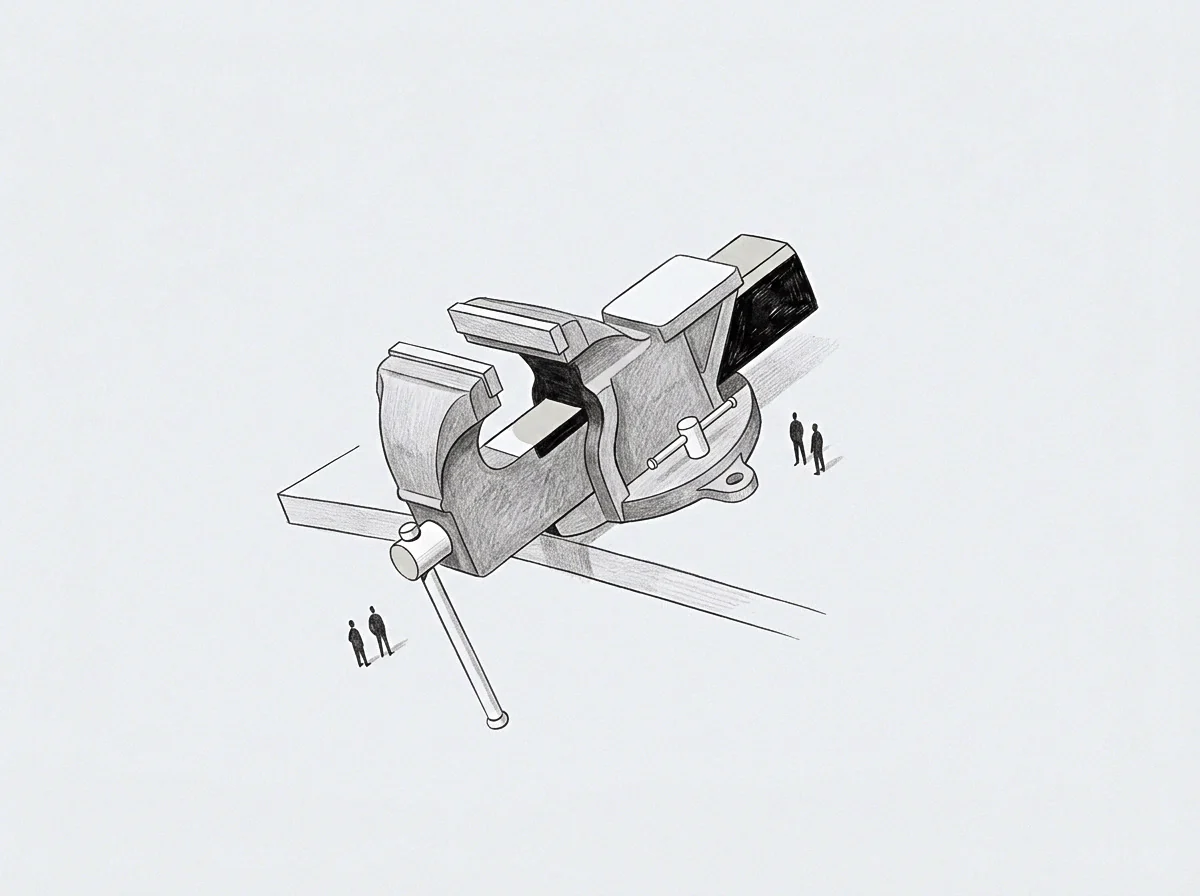
If that person could just sit in the room for twenty minutes without speaking, the entire plan would hold together.
Depletion
Sustained operational pressure systematically erodes physiological compensation mechanisms. When a crisis extends from days into quarters, the biological expense of maintaining executive composure compounds exponentially. Adrenaline sustains the executive pace.
What began as a tactical stabilization of peers hardens into chronic allostatic overload, fundamentally altering how the nervous system computes safety and trust.
| Evaluation Metric | Solitary Self-Regulation | Proximity-Based Co-Regulation | Asymmetric Baseline Absorption |
|---|---|---|---|
| Primary Metabolic Substrate | Prefrontal Glycogen Reserves | Shared Social Baseline Calibrations | Unilateral Central Nervous Reserves |
| Allostatic Load Accumulation Rate | High Individual Acceleration | Low Distributed Accumulation | Severe Cumulative Central Burn |
| Threat Damping Speed | Slow Cognitive Reappraisal | Rapid Somatic Attunement | Rapid for Group, Negative for Carrier |
| Executive Longevity Latency | Early Cognitive Exhaustion | Extended Strategic Resilience | Abrupt Catastrophic Burnout |
The data demonstrates the divergent paths available to leadership teams. Relying entirely on isolated self-control burns out individual contributors rapidly, while distributing stabilization sustainably preserves executive capacity over multi-year turnarounds. Asymmetric baseline absorption protects the group in the immediate sprint but guarantees the eventual collapse of its key stabilizing anchor.

Measuring the Allostatic Differential
Biometric monitoring in high-performance operational environments shows measurable divergence between baseline providers and recipients. During acute restructuring, officers who freely ventilate their anxieties and borrow calm from the lead operator demonstrate normal evening cortisol drops and uninterrupted REM cycles. The lead operator exhibits flat, elevated diurnal cortisol curves and severe heart rate variability suppression lasting well past midnight.
One person carries the difference.
This biological expenditure remains invisible on corporate ledgers. The firm measures output, meeting attendance, and deal execution, entirely ignoring the silent depletion of its primary stabilizing asset. Over time, this unacknowledged extraction leads to emotional flattening, reduced empathy, and severe executive fatigue.
The chief operating officer appears unshakeable right up until the morning they resign without warning.
When leaders fail to budget mutual stabilization explicitly, the most resilient individual quietly subsidizes the survival of the enterprise until their personal reserves fail completely.
The Absence of Receptor Capacity
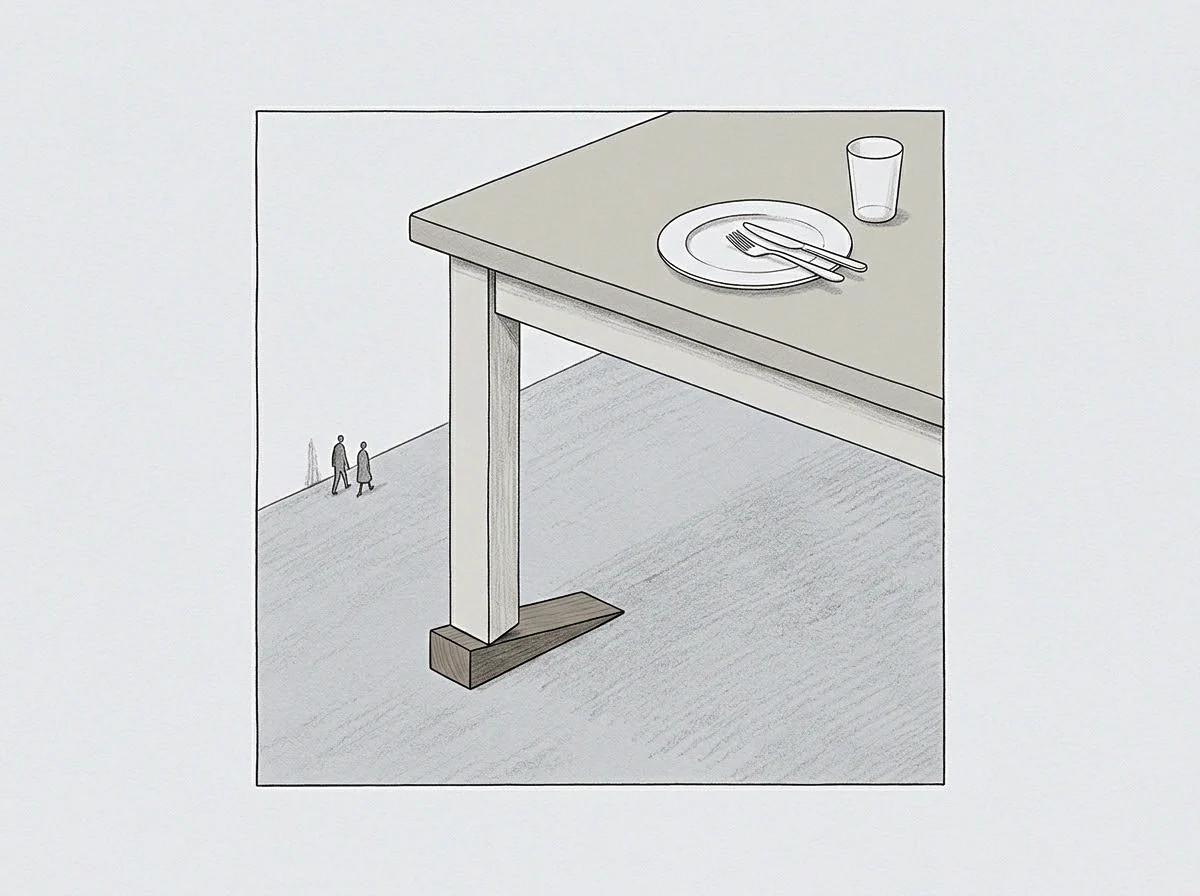
Many executives who rise to stabilizing seats carry an early-formed regulator template. This relational pattern treats the regulation of others and the regulation of the self as a single, identical task. They learned early in their operational careers that safety comes from controlling the environment and steadying volatile superiors.
Consequently, they possess no functional receptor slot for receiving support. Offers of assistance register as operational liabilities or signs of peer weakness rather than genuine physiological relief.
The reserve drains quietly. When a board member or fellow partner asks how the stabilizing executive is coping, the question meets a polite, impenetrable wall of reassurance. The regulator cannot accept containment because their internal working model equates receiving regulation with vulnerability to catastrophe.
They remain biologically trapped in the role of provider, starving for baseline support while actively deflecting every hand extended to steady them.
Composure sustained without rest eventually extracts a higher toll than panic expressed in public.
Channel
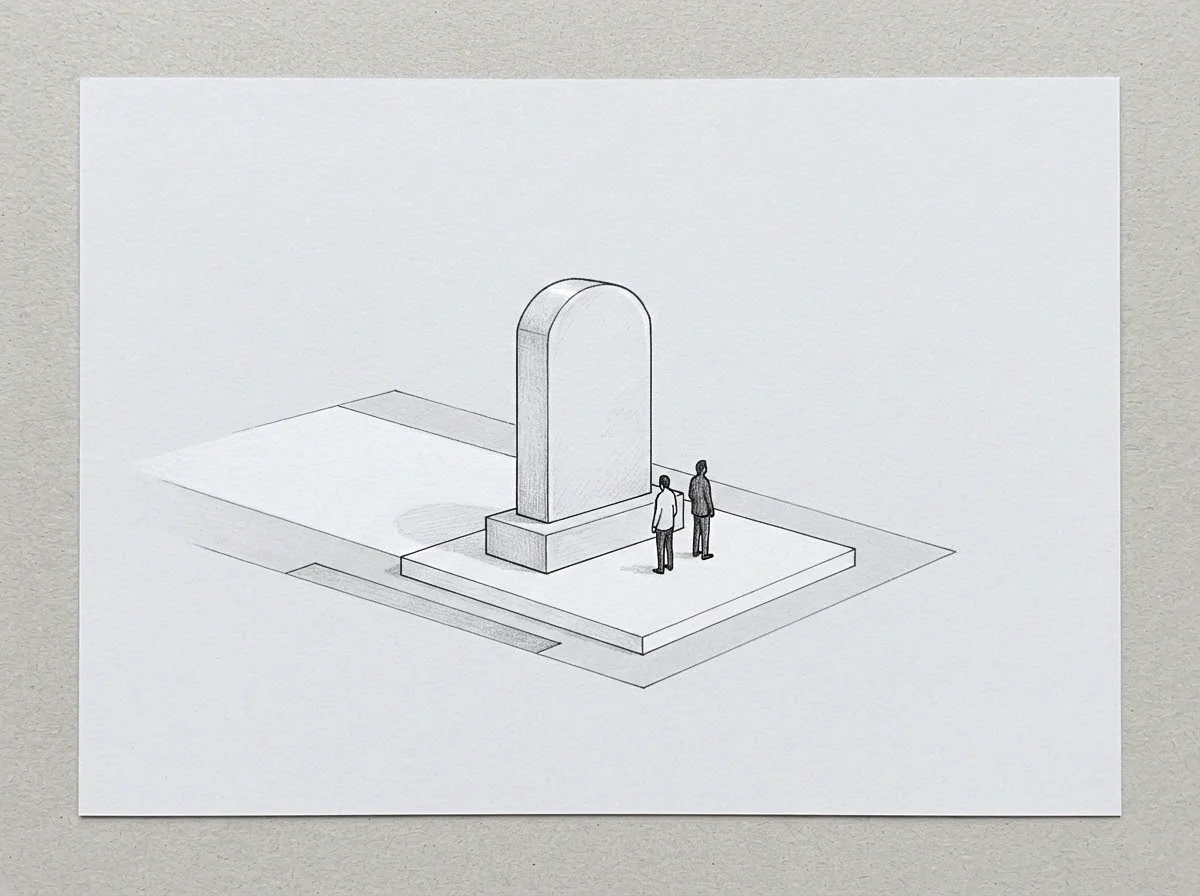
Modern executive teams operate largely through digital conduits that strip communication of somatic nuance. Text interfaces flatten human intent into brief, ambiguous sentences delivered at all hours of the night. This asynchronous environment distorts physiological resource allocation, turning every notification into a potential threat vector that commands immediate cognitive triage.
A notification arrives without vocal tone, facial posture, or respiratory cadence. The recipient brain, operating in isolation, routinely fills these missing sensory dimensions with threat projections. When a chief financial officer receives a four-word message regarding loan covenants late on Sunday evening, their nervous system enters high sympathetic alert.
Without the physical presence of the sender to calibrate severity, the recipient burns immense autonomic reserves merely determining whether the company is facing imminent liquidation.
Asynchronous executive communication transfers unprocessed anxiety across digital interfaces without providing the physical presence required to steady the recipient.
Latency in Asynchronous Communication Conduits
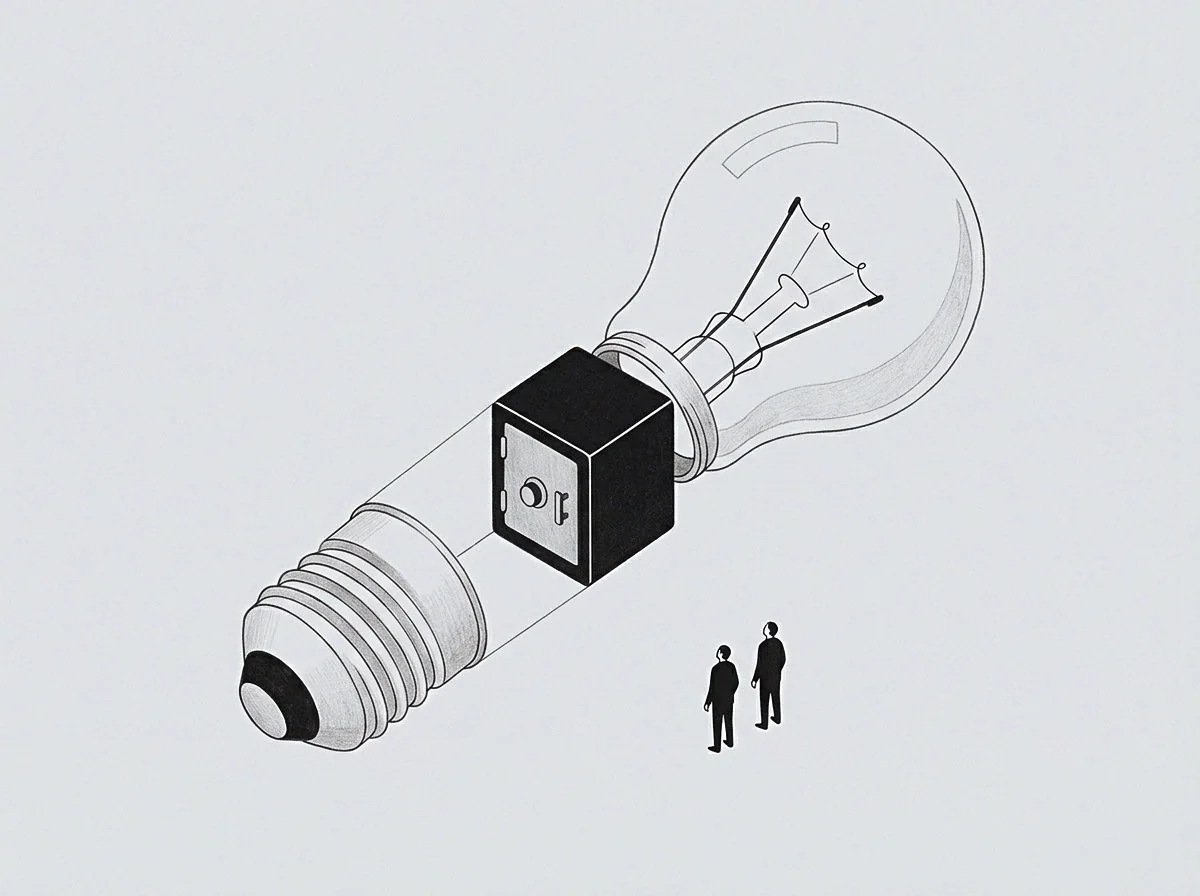
The delay between sending an agitated query and receiving a stabilizing answer creates an open loop of physiological strain. In a shared room, an executive watches a colleague review a problematic report, reading real-time composure in their posture. Online, the empty space following an urgent query forces the sender into prolonged vigilant waiting.
The sender repeatedly checks the screen, experiencing miniature adrenaline spikes with every unread minute.
The partner notices the withdrawal. This friction degrades organizational effectiveness. Leadership teams accumulate hundreds of unresolved micro-stresses throughout the working week, never experiencing the rapid physiological down-regulation that occurs naturally during informal in-person encounters.
The digital environment functions as an amplifier of threat while restricting the bandwidth through which mutual soothing naturally travels.
The Ping as Threat Transfer
Unthrottled messaging channels allow undisciplined executives to offload their internal anxiety onto peers at zero immediate cost. An anxious vice president fires off half-formed concerns to three colleagues simultaneously, experiencing brief somatic relief by passing the hot coal across the screen. The recipients now bear the burden of processing that unresolved alarm.
This dynamic creates a tragedy of the autonomic commons. Executive speech patterns flatten under fatigue. The team becomes inundated with low-grade panic pings that drain collective focus and prevent deep analytical work.
The stabilizing leaders find their days consumed by extinguishing digital panics that would have evaporated within five minutes had the sender been forced to walk down the hall to deliver them in person.
How much collective strategic capacity is permanently lost to the silent buffering of asynchronous executive anxiety?
Pact
Leadership groups that survive sustained pressure abandon intuitive assumptions about emotional endurance and build formal structural agreements. They recognize that human physiology requires explicit boundaries to prevent total system exhaustion. Rather than relying on the heroic capacity of a single uncomplaining partner, they treat collective autonomic stability as an engineered capability that requires specific operational rules.
These agreements replace covert emotional contracts with written operational standards. Teams specify exactly when communication channels close, how emergency threats escalate, and who bears primary stabilization responsibility during distinct phases of a corporate turnaround. They design explicit rotations for high-threat negotiations, ensuring that no single executive acts as the permanent autonomic sink for the group.
Establishing Explicit Reciprocity Limits
Sustainable executive operations require teams to formalize their mutual expectations through clear operating agreements. These standards prevent the predatory extraction of calm from the most composed members of the group while training volatile members to contain their own reactivity.
- Throttling protocols restrict asynchronous messaging outside core operating hours, requiring urgent escalations to occur via direct voice contact with clear evidentiary thresholds.
- Presence rotation alternates the assignment of lead executives in high-conflict board sessions and investor disputes, preserving baseline recovery windows for key personnel.
- Direct accountability mandates that functional leaders arrive at decision meetings with preliminary risk evaluations rather than transferring unanalyzed panic to the executive committee.
Sleep disruption follows within months. The executive schedule compounds strain. When leadership groups construct explicit operational protections, they alter the biological economics of the workplace, shifting the burden from solitary heroics to distributed structural resilience.
The Construction of Earned Security
Updating an ingrained relational pattern cannot happen through intellectual insight alone. An executive who spent twenty years running the reverse template needs repeated, visceral proof that stepping back from the stabilizer seat will not result in organizational collapse. This transformation requires earned security, a neural re-patterning achieved only through repeated physical exposure to peers who hold the line without flinching.
The delta over time becomes visible when a severe operational crisis hits and the habitual regulator intentionally remains silent during the opening ten minutes of deliberation. Another partner steps into the vacuum, articulates the problem clearly, and holds the room steady. The habitual stabilizer watches the table survive without their unilateral biological expenditure.
With each repetition of this experience, the nervous system updates its internal working model, gradually opening the receptor slot necessary to receive support from others.
The formal agreement to rotate crisis leadership guarantees that no single nervous system bears the company alone, permanently dividing the autonomic cost of corporate survival across the entire executive core.