
Inverted Regulator Templates And Autonomous Nervous System Load Accounting
An inverted regulator template forces the nervous system to unilaterally bear social stabilization costs, destroying autonomic reserve headroom over time.
Room
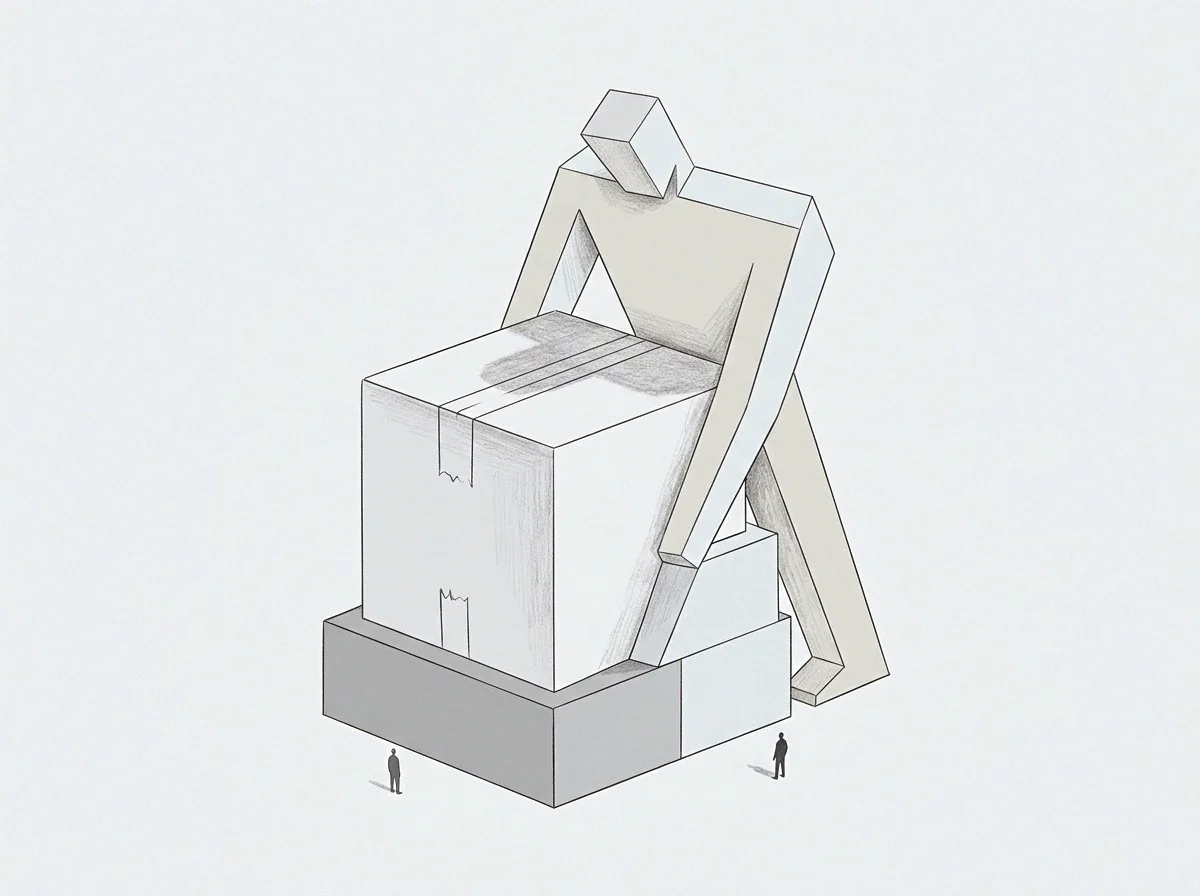
Four communication streams run simultaneously on a laptop screen past midnight while an operating budget waits for sign-off. An executive director sits alone in the office, breathing at an even twelve cycles each minute, composing sentences that steadily drop the panic in three overseas directors. That steadiness is legible to everyone watching the thread.
Colleagues lean on that steady pulse to recover their own baseline. The person generating the calm remains awake until dawn, enduring persistent gastrointestinal distress and peripheral vasoconstriction that no conscious distress seems to accompany. The physical toll stays invisible.
The room registers only stability.
Social baseline theory demonstrates that the human brain budgets neural and physiological resources assuming proximity to reliable conspecifics. Under typical developmental conditions, proximity functions as an energy subsidy. Threat detection in the dorsal anterior cingulate cortex and amygdala dials down when a dependable partner sits within reach, delegating vigilance across multiple organisms.
The primary organism conserves glucose and preserves cardiac reserves. The autonomic nervous system operates with substantial reserve headroom because the work of remaining stable is distributed across an ecological unit. A body in proximity to an allied presence burns fewer calories simply surviving.
Under sustained proximity, an allied presence lowers autonomic vigilance by distributing baseline physiological work across bodies.
An inverted regulator template alters this entire energetic equation. Formed when a developing child acts as the stabilizing center for volatile or incapacitated caregivers, the template internalizes the self as the sole operational anchor. The infant internalizes a model of itself fulfilling the functions of the protective attachment figure.
In this reversed orientation, other people do not represent safety or regulatory support. Other people represent incoming demand, regulatory load, and volatile variance that requires management. When an adult with this template enters an enterprise, the central nervous system does not register the presence of staff or co-founders as a pool of shared capacity.
Instead, the brain treats every nearby human nervous system as an open sensory loop requiring active calibration. The executive regulates down the panic of the executive suite, absorbs the ambient friction of the board, and stabilizes key technical staff during systemic failures. The staff leaves these encounters restored, with diminished cortisol profiles and recovered executive function.
The regulator departs with higher circulating catecholamines and an unpaid autonomic debit. The company was stabilized at midnight. The founder paid for it.
The operational environment misinterprets this endurance as infinite capacity. Observers witness a colleague who never displays dysregulation, who stays rational during existential litigation, and who handles explosive operational disruptions without vocal strain. The team naturally concludes that this individual has access to anomalous biological stamina.
The team responds by routing escalated problems toward that desk. This forms a self-reinforcing load spiral: the more load the regulator buffers without overt distress, the more load the system routes to that station. The system behaves rationally based on observable output, completely unaware that the regulator lacks any receptor slot to receive calming input in return.
When a concerned peer offers tangible support, the regulator registers the approach as an unpredictable variable requiring additional scrutiny. The offering hand is experienced as an added task. If pressed, the surrounding executives would observe that the partner seemed unshakeable and preferred handling critical disruptions without interference.
Circuit

The Receptive Slot Deficit
Early attachment interactions wire internal working models of relational safety into deep cerebellar and limbic circuitry. When early experiences deliver reciprocal co-regulation, the developing brain constructs an internal working model featuring a responsive other. This model includes a clear biological expectation: activation of autonomic distress produces reaching behaviors, which summon proximity, which downregulates autonomic arousal.
The individual develops an intact receptive slot. In adulthood, this manifests as the capacity to lean against another calm nervous system and allow one’s own vagal tone to rise. The physiological cost of survival drops back to the communal baseline.
The inverted template builds an entirely different relational architecture. Because reaching behaviors in childhood produced abandonment or escalated parental collapse, the developing child suppressed the seeking circuitry. The child routed all attachment energy into monitoring and pacifying the external environment.
This survival strategy constructs an internal working model featuring the self as the regulator and the other as the object of regulation. The template lacks an inward pathway for borrowed regulation. The organism has built complex neural pathways for outgoing stabilizing energy, yet possesses no functional wiring to let incoming soothing cross the boundary of the self.
The autonomic machinery is configured exclusively for broadcast, never for reception.
A template configured entirely for outward stabilization treats incoming support as an unexpected operational demand.
This missing receptive capacity explains why conventional restorative interventions fail people carrying inverted templates. Solitary retreats, tactical vacations, and mindfulness exercises address autonomic hyperarousal in isolation, yet they leave the relational architecture untouched. The nervous system remains convinced that any relational engagement is a site of pure output.
The moment the individual re-enters a human environment, the sympathetic branch mobilizes to manage the field. The body cannot rest in the company of others. Solitude becomes the sole condition under which vigilance can diminish.
Isolation remains an expensive form of maintenance that starves the organism of genuine biological co-regulation.
Load Transfer Dynamics
Organizations organize around the lowest common denominator of emotional regulation. When tension emerges across an executive committee, the member possessing an inverted template automatically absorbs the systemic friction. This transfer relies on unconscious biological signaling.
Human autonomic states communicate via facial micro-expressions, pupillary changes, vocal prosody, and respiratory cadence. Team members pick up the steady physiological markers of the regulator and entrain their own nervous systems to that frequency. They borrow stability.
The regulator yields it. The transaction resolves the team crisis, but leaves the underlying systemic dysfunction unresolved because the true emotional price of the organization’s chaos was covered by an individual body.
- Autonomic Entrainment draws peripheral staff toward the physiological tempo of the stablest nervous system in the room, dropping team heart rate variability while concentrating systemic strain into the anchor.
- Allostatic Concealment occurs because early developmental survival demanded the absolute suppression of visible distress, preventing peers from observing the true biological price of carrying the operational load.
- Systemic Over-Reliance develops as the surrounding organization reorganizes around this infinite-capacity assumption, routing structural friction away from institutional processes directly into one human vessel.
The field’s understanding of autonomic contagion rests on robust telemetry studies measuring inter-beat intervals across dyads in laboratory conditions. These studies consistently demonstrate that the individual with lower autonomic variability exerts a regulatory pull on the partner with higher variability. What those studies leave unresolved is the longitudinal boundary condition: does this unidirectional pull permanently reshape the neuroendocrine baseline of the regulator over multi-year operational horizons?
If persistent allostatic strain permanently downregulates glucocorticoid receptor sensitivity in these individuals, recovery requires medical intervention alongside template revision. A human being who functions as an unbuffered dampener eventually breaks the mounting.
Intake
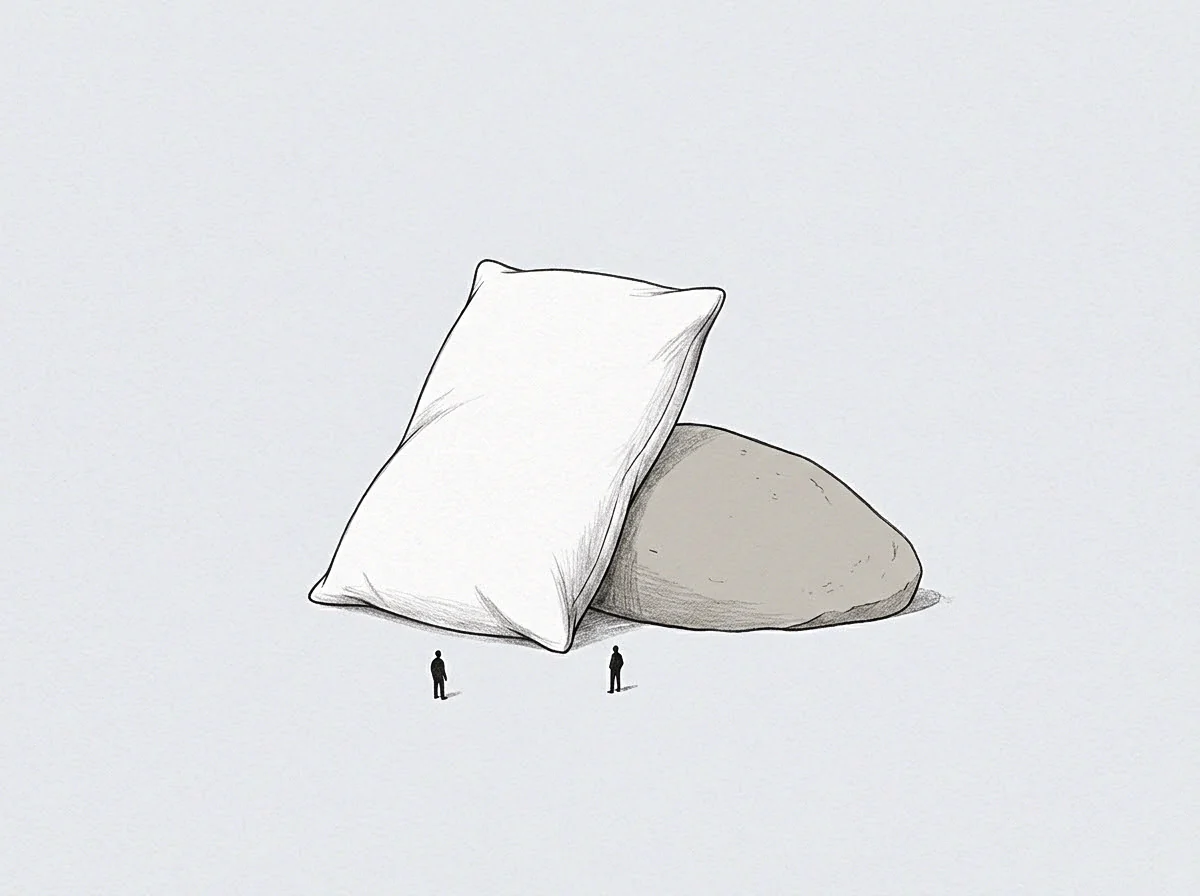
Allostatic Surcharge in Solitary Stabilization
When an organism cannot borrow regulation, every hour of daily survival requires active self-regulation. Self-regulation relies heavily on prefrontal metabolic activity, consuming vast amounts of glucose and requiring relentless inhibitory control over subcortical threat networks. Co-regulation, by comparison, operates through low-energy subcortical resonance, allowing executive cortical areas to idle.
An inverted template forces an individual to run the high-cost prefrontal program continuously. The resulting metabolic tax accumulates as allostatic load. The allostatic surcharge represents the energetic difference between what the environment actually demands and what an unsupported nervous system must spend to survive that environment alone.
Consider the cardiovascular consequences of this prolonged metabolic tax. When threat detection circuits operate without the social baseline buffer, the sympathetic nervous system maintains basal vascular tone at an elevated setting. The heart delivers elevated cardiac output against heightened peripheral resistance.
Endothelial tissue experiences chronic shear stress, while the hypothalamic-pituitary-adrenal axis outputs sustained baselines of cortisol. The body remains permanently cleared for emergency action. The individual reports feeling calm because cognitive control systems have dissociated conscious awareness from somatic distress.
The arterial walls measure what the conscious mind refuses to name. The vessel absorbs the blow.
Baseline allostatic expenditure increases whenever an organism executes high-threat operations without distributing vigilance across an allied collective.
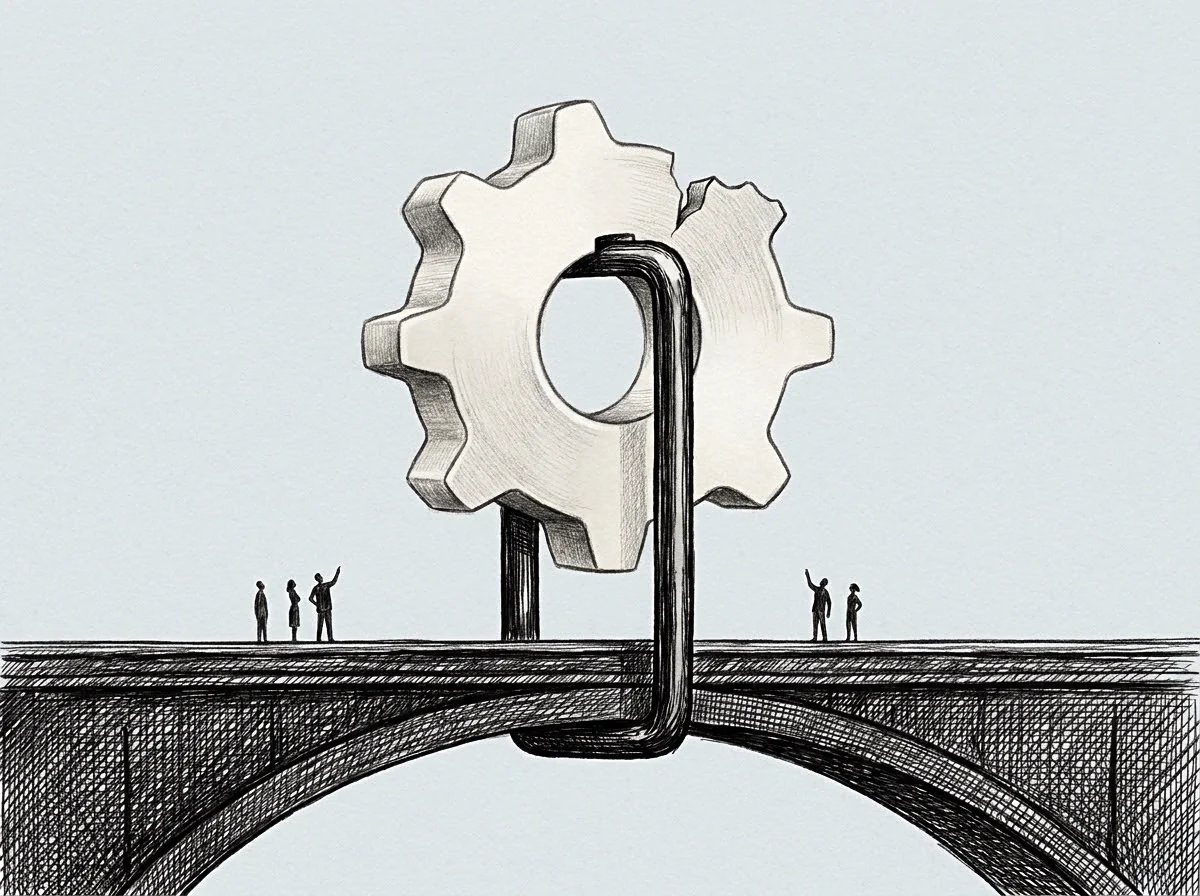
Can An Inverted Template Regulate Inward Load?
Efforts to turn stabilizing tools inward typically fail. An individual holding an inverted template approaches their own somatic exhaustion using the exact same operational stance they use to manage a broken technical rollout: analysis, command, suppression, and optimization. They track their sleep efficiency through wearable sensors, structure rigid nutritional intake, and schedule breathwork sessions with military precision.
These practices convert rest into performance tasks. The nervous system recognizes the familiar stance of the manager demanding compliance from an unruly subordinate. The somatic core tightens under this internal oversight.
Internal stabilization cannot occur through an operational framework that treats the body as an unruly asset needing pacification.
- Instrumentalization of Somatic Signals converts exhaustion and pain into operational variables, stripping bodily inputs of their evolutionary role as stop-signals.
- Cognitive Dissociation Deployment severs cortical monitoring from insular interoception, permitting the executive to run on empty glucose reserves through raw adrenergic output.
- Regulatory Backlash Accumulation triggers profound system throttling, manifesting as acute neurovegetative immobility, autoimmune flare-ups, and sudden cognitive freezing when biological reserves reach exhaustion.
When an operating system ignores low-fuel telemetry, the engine seizes without consultation. The practitioner literature disputes whether this shutdown represents genuine clinical depression or an adaptive involuntary hypometabolic collapse triggered by the parasympathetic dorsal vagal complex. Clinical paradigms tend to classify the collapse as mood pathology requiring psychiatric reuptake inhibitors.
Neurobiological frameworks interpret the state as an emergency conservation response designed to prevent complete cellular exhaustion when sustained sympathetic overdrive exhausts energy reserves. Misinterpreting this protective metabolic brake as a moral failure of will causes the individual to redouble self-optimization regimes, accelerating total physiological collapse.

Scale
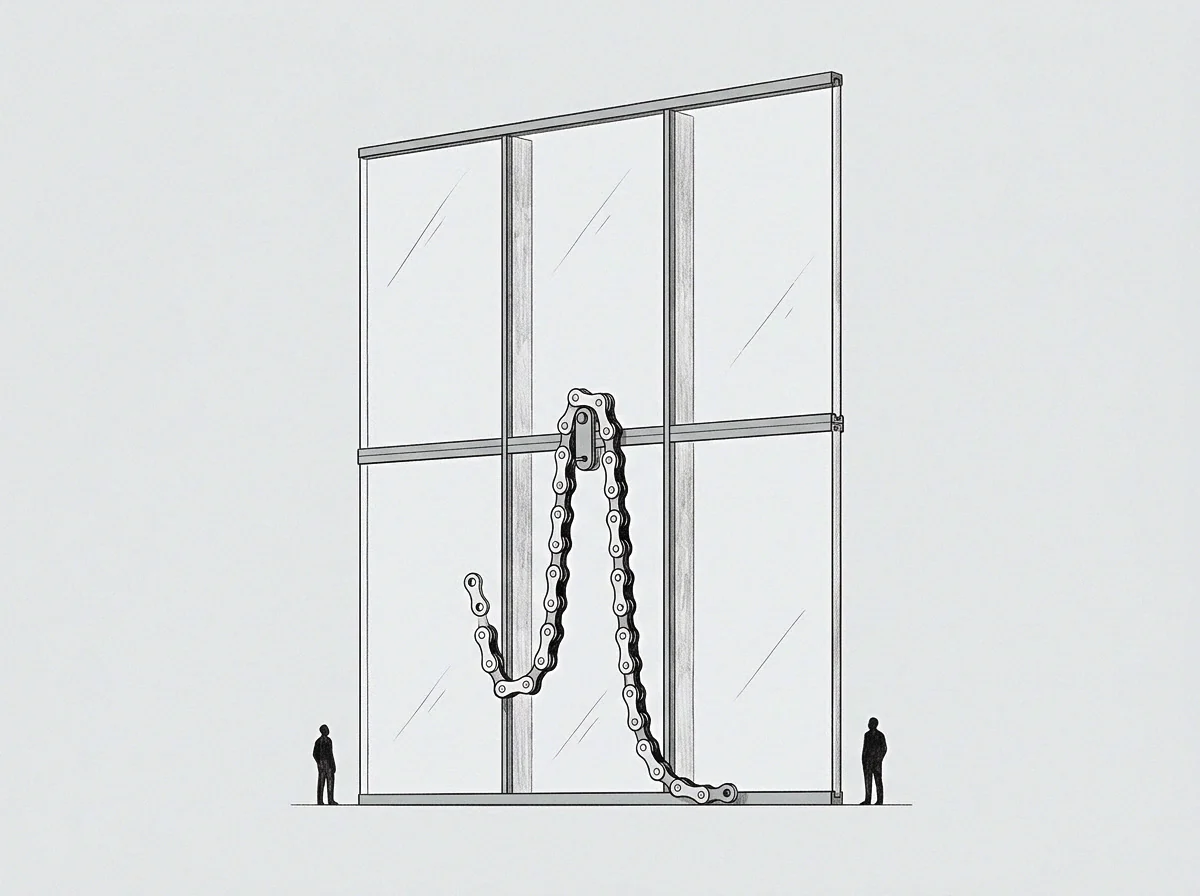
Autonomic Accounting Across Operating Modes
Evaluating an inverted regulator template requires tracking energy across distinct autonomic environments. The biological ledger operates on strict physical parameters: metabolic calories, vascular tension, neuropeptide concentrations, and systemic inflammation markers. An individual who functions within an inverted paradigm operates with fundamentally different metabolic expenditures than an individual who operates from an earned secure baseline.
The following comparative table delineates the physiological mechanics, operational costs, and relational trajectories characterizing these two postures under high-threat enterprise conditions.
| Operational Criterion | Reciprocal Secure Baseline | Inverted Regulator Baseline |
|---|---|---|
| Primary Regulation Source | Distributed social proximity and reciprocal autonomic attunement | Isolated prefrontal inhibitory control and unilateral outward pacification |
| Threat Appraisal Threshold | Elevated; baseline social presence buffers ambient environmental threats | Suppressed; social presence registers as ambient operational load |
| Interoceptive Access | Fluid awareness of somatic limits and physiological fatigue markers | Severed connection between cortical monitoring and somatic exhaustion |
| Response to Relational Support | Autonomic down-regulation, vagal activation, recovery of reserve headroom | Heightened vigilance, sympathetic mobilization, defensive threat assessment |
| Long-Term Biological Cost | Regenerative cycles preserve cardiovascular and immune system integrity | Chronic allostatic wear producing vascular stiffening and metabolic throttling |
The distinction exposed in this audit clarifies the structural vulnerability of organizations built around inverted anchors. When an enterprise scales, complexity multiplies exponentially. A reciprocal regulator scales capacity by forming trust partnerships, distributing regulatory responsibilities across an executive core, and drawing biological restoration from mutual presence.
The inverted regulator attempts to absorb the scaling complexity through personal capacity alone. They broaden their outward stabilizing broadcast across dozens of subordinates, customers, and investors. Because every added relationship represents an outward regulatory expenditure rather than an inbound subsidy, scaling an enterprise directly accelerates autonomic exhaustion.
The founder expands the organization by drawing down internal tissue reserves. The capital table grew. The founder’s endocrine system paid the bill.
Consider a typical corporate crisis. In an enterprise employing sixty people across two continents, the core payment infrastructure fails during a critical billing cycle. The reciprocal leader gathers the operational team, openly acknowledges the operational gravity, and uses the collective presence of trusted technical leaders to steady personal autonomic arousal.
Decisions emerge from a distributed cognitive pool. The inverted leader acts differently. That individual gathers the team, masks all signs of personal concern, projects absolute operational certainty, and absorbs the collective panic of the room.
The inverted leader spends the subsequent forty-eight hours micro-managing system restoration while continuously managing the emotional temperature of nervous investors. The technical problem resolves successfully. Three months later, the inverted leader develops severe cardiac arrhythmias.
The board congratulates the leader on extraordinary crisis stewardship, entirely oblivious to the physical invoice that arrived in the hospital room.
In physical transport systems, structural elements undergo rigorous non-destructive load testing to identify hidden metal fatigue before catastrophic failure occurs. Acoustic emission sensors listen for the microscopic sound of crystalline bonds snapping inside a bridge girder under traffic strain. Corporate governance possesses no such diagnostic instrumentation.
Board governance monitors quarterly EBITDA, customer acquisition efficiency, and product ship cadences, remaining completely blind to the micro-fractures forming in the executive anchor. The executive’s unyielding stability is recorded as governance competence rather than systemic risk. This institutional blindness guarantees that when failure occurs, it arrives not as an orderly transition, but as a catastrophic structural break.
A stated limit in an employment agreement changes this dynamic entirely, transforming subjective endurance into an enforceable biological boundary that halts systemic over-extraction before structural collapse occurs.
Harbor
The Architecture of Earned Security
Updating an inverted template cannot be achieved through intellectual realization. The prefrontal cortex can read volumes of affective neuroscience, memorize attachment terminology, and understand the historical origins of childhood hyper-vigilance without altering the autonomic reactivity of the brainstem by a single millisecond. The template was built through thousands of actual visceral experiences where safety depended on outward stabilization; it can only be rebuilt through thousands of actual physical experiences where safety emerges from surrender to an external anchor.
This update process forms earned security. Earned security is not an intellectual concept. It is the slow, physical growth of a biological receptive slot through repeated, disconfirming somatic experiences.
The construction of this receptive capacity begins with tiny, bounded relational exposures. The regulator identifies an individual who demonstrates sustained personal stability under pressure, someone who does not seek borrowed regulation and who remains unruffled by organizational chaos. The regulator then performs a deliberate biological test: they allow a minor operational vulnerability to remain visible without deploying the outward pacification program.
They withhold the stabilizing broadcast. The nervous system immediately experiences an adrenergic spike, anticipating the relational abandonment or punitive collapse that accompanied vulnerability in childhood. The partner does not collapse.
The partner remains anchored, coherent, and present, offering calm attention without demanding emotional management in return.
Earned security forms only when repeated somatic proof overrules an ancient internal working model of relational danger.
The insula registers this novel outcome as a predictive error. The brain’s predictive coding machinery, operating in deep subcortical hubs, notes that the predicted catastrophe failed to manifest. If this experience is repeated across months and across distinct high-stakes contexts, the nervous system begins to lay down the neural architecture for a functional receptive slot.
The organism learns that another nervous system can absorb load without breaking. Slowly, the prefrontal inhibitory control systems begin to power down their unilateral vigilance programs. The organism discovers the biological economy of letting another human being hold the line.
This evolutionary process involves substantial subjective terror. The transition period exposes the regulator to a disorienting sensation of profound helplessness. Having built an entire personal and commercial identity around unshakeable competence, dropping the outward broadcast feels indistinguishable from dying.
The individual feels hollowed out, stripped of utility, and terrifyingly defenseless. This discomfort explains why so many talented leaders retreat into the familiar exhaustion of the inverted template: the known pain of systemic over-extraction feels safer than the terrifying vulnerability of receiving support. Yet navigating this crossing remains the only pathway back to the human baseline.
The body cannot run the unilateral high-threat program indefinitely without breaking its own vessel. Whether an individual who has spent decades functioning as the foundational baseline for hundreds of others can ever truly learn to drop vigilance completely, or whether the nervous system retains an indelible structural bias toward outward command, remains an unresolved frontier in relational neuroscience.