Meaning
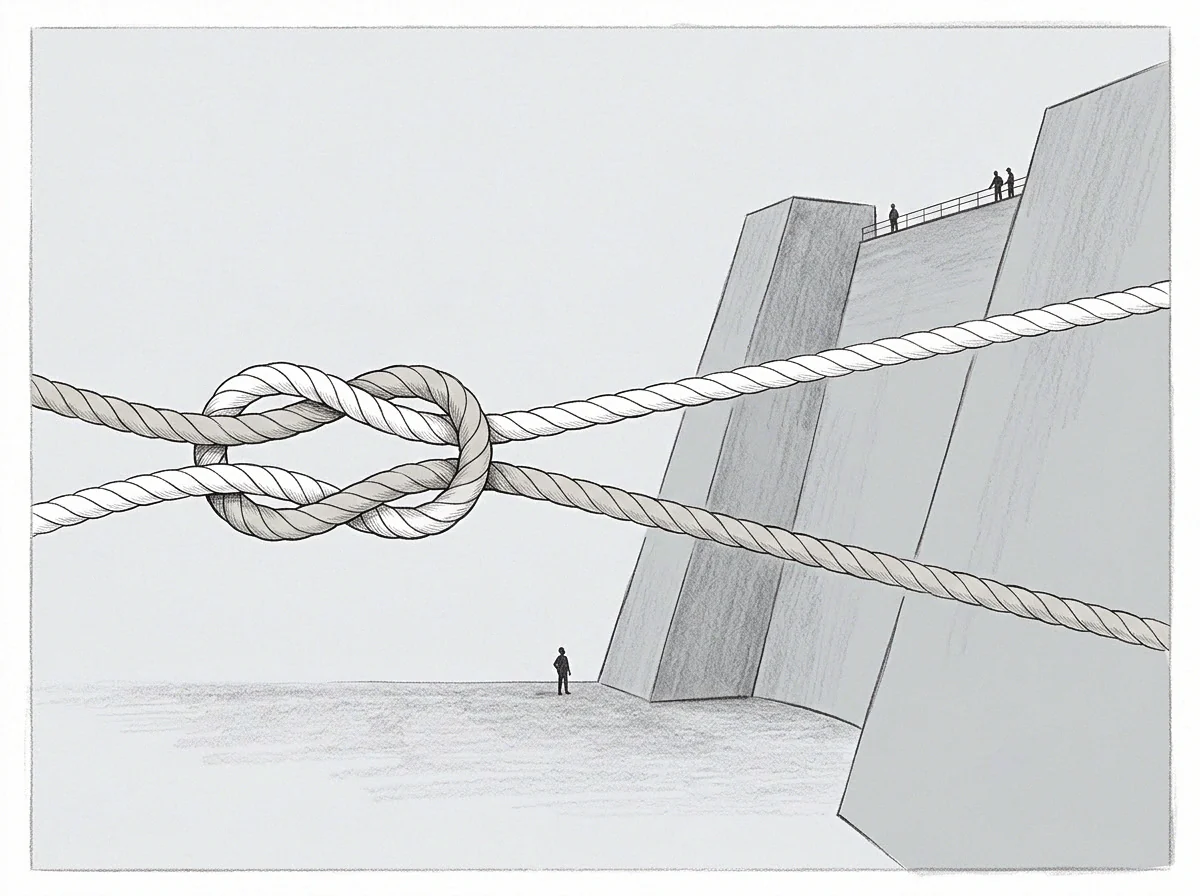
Cognitive systems possess limited windows of availability during which they can absorb and process new information. This window, known as the receptive slot, represents the specific time and attentional space dedicated to receiving external inputs without immediate distraction. When these slots are full or poorly managed, new information cannot be integrated into long-term memory.
Organizing work around these windows is necessary for effective learning and strategic decision-making.
Temporal Dynamics
The brain can maintain deep focus for only limited blocks of time before processing efficiency begins to decline. Each receptive slot is governed by ultradian rhythms, typically lasting between ninety and one hundred and twenty minutes. During this window, the prefrontal cortex is optimized for parsing complex inputs, analyzing options and making associations.
Once the window closes, further information processing feels difficult, and the retention rate drops significantly.
Capacity Cost
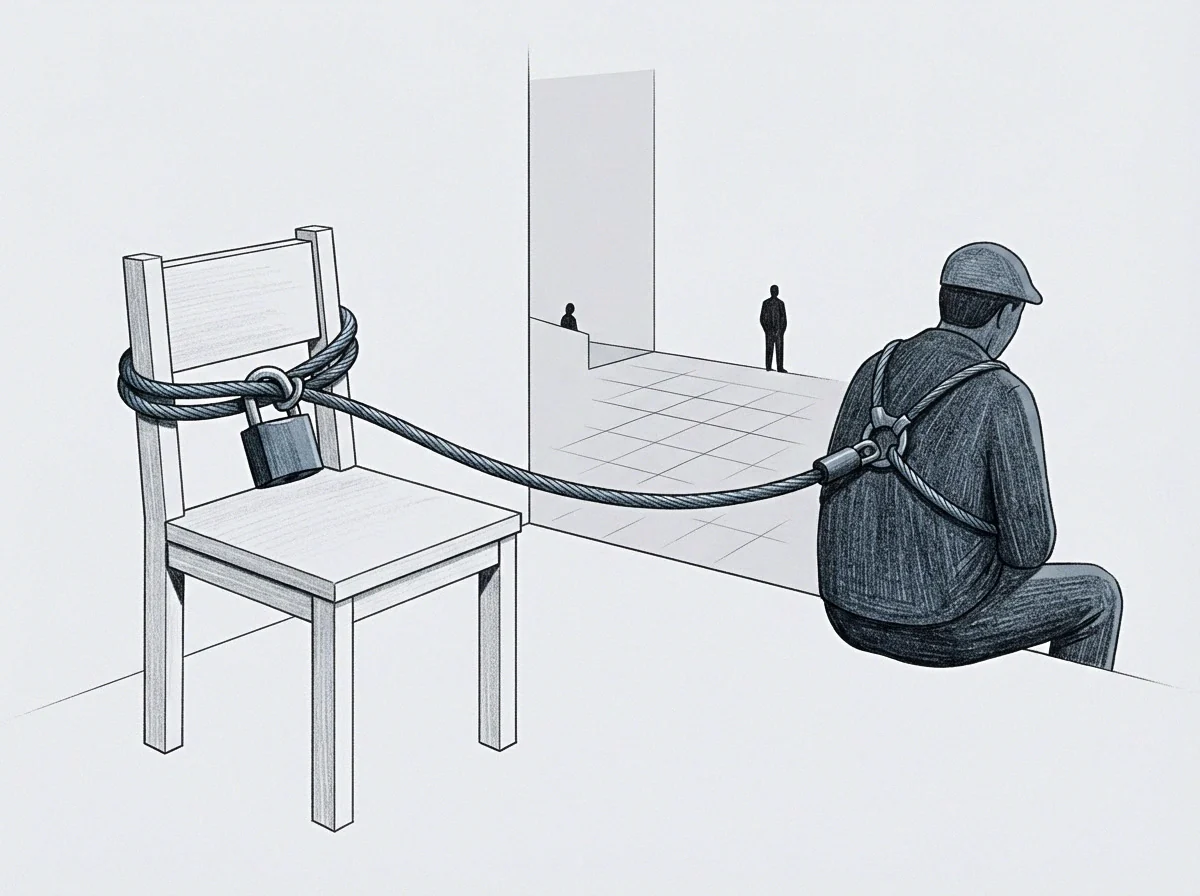
Overloading these attention windows with constant emails, meetings and notifications results in immediate cognitive fatigue. The cost of a depleted receptive slot is paid in a reduced ability to comprehend complex arguments or spot inconsistencies in documents. This forced processing of too many inputs leads to poor decisions and shallow analyses.
Protecting these slots from interruptions is necessary to maintain high executive performance.
Functional Boundary
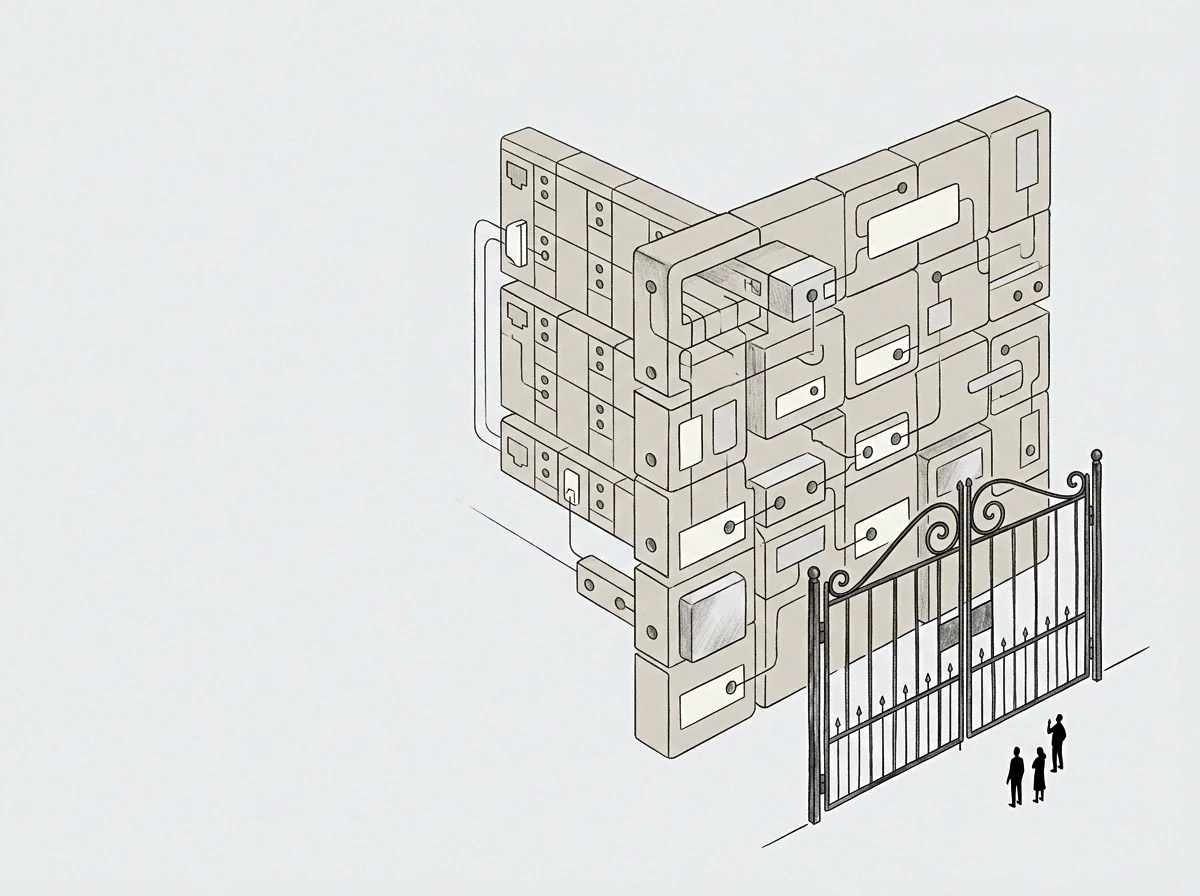
The capability to receive new information stops when the working memory is saturated or when physical fatigue sets in. This boundary cannot be pushed further by increasing the volume or speed of incoming data. When the receptive slot is exhausted, the system requires a period of cognitive silence or physical movement to clear its buffers.
Attempting to work past this point results in wasted time and forgotten details.