
Updating Asymmetric Regulator Templates When Neither Partner Retains Autonomic Capacity For Borrowed Regulation
Asymmetric regulator templates fail during simultaneous depletion; updating requires explicit structural terms to replace non-existent autonomic co-regulation capacity.
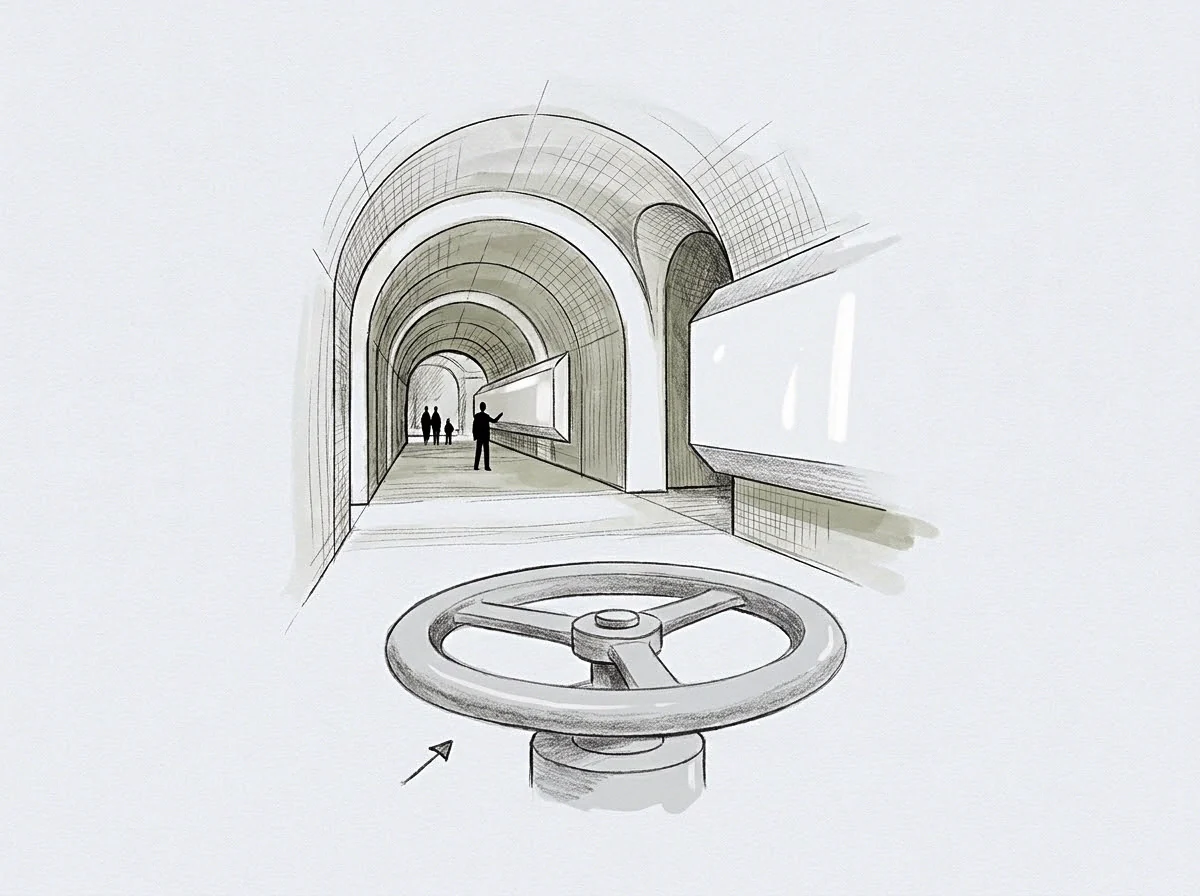
Drain
Four critical system alerts arrive past midnight while the primary operator sits alone in an empty office. The body registers incoming threat immediately. The internal capacity to process continuous threat without an external stabilizing signal reached its limit hours earlier.
Across the building, the secondary operator sits in a parallel state of autonomic burnout, unable to absorb or process any incoming strain. For three years, the organizational architecture functioned through an unstated biological reliance: the primary operator absorbed environmental variance, maintained physiological steadiness, and provided a steady emotional baseline for the leadership team. The secondary operator routinely attached to that steady state to down-regulate personal anxiety during operational spikes.
On this night, both individuals sit with fully saturated allostatic budgets.
When the person who traditionally acts as the physiological anchor runs out of headroom, the expectation of borrowed regulation creates immediate friction. The secondary operator sends a series of fragmented, urgent messages designed to test availability. The primary operator reads these messages not as operational queries, but as incoming demand on a non-existent energy reserve.
Self-regulation alone is an expensive metabolic strategy. When two individuals in a shared system concurrently lose the headroom needed to anchor each other, the relationship encounters a structural wall.

Operational Saturation and Autonomic Exhaustion
Systemic stress alters how the brain calculates metabolic expense during collaborative work. Social baseline theory demonstrates that the human nervous system treats proximity to a predictable, responsive other as the default baseline for energy expenditure. When a reliable partner is present and perceived as available, the brain scales back its own threat-detection vigilance, effectively offloading regulatory work to the social environment.
Conversely, operating without that perceived support forces the brain into an expensive, high-vigilance state where every external input demands primary self-regulation.
In high-stakes environments, founding partners often develop an inverted regulatory arrangement. One partner internalizes an internal working model that links personal safety to maintaining absolute control over their own physiological output. That person becomes the non-reciprocal anchor.
They learn to regulate their own nervous system while simultaneously offering a steady presence for others, operating under an asymmetric template that has no internal slot for receiving support. The arrangement remains stable only as long as the anchor retains sufficient physiological capacity to absorb the system’s baseline stress.
Unstated structural reliance on a single partner’s calm creates systemic fragility when operational strain spikes across the organization.
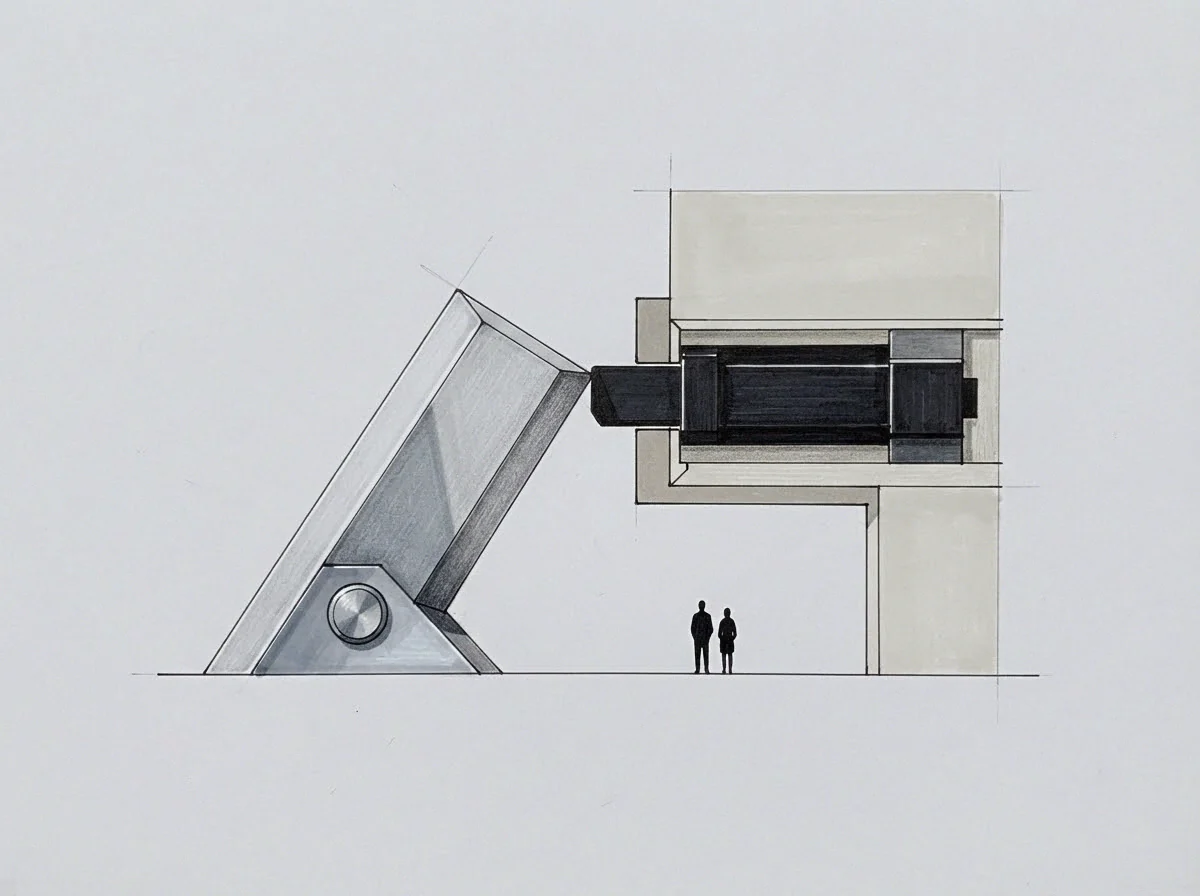
The Collapse of Borrowed Regulation
Physiological reserves fluctuate based on sleep, workload, and continuous threat exposure. Autonomic capacity has a strict ceiling. When environmental demands exceed that ceiling, the anchor’s capacity to supply borrowed calm drops to zero.
The secondary partner, accustomed to relying on the anchor’s steady state to modulate their own internal friction, experiences this sudden withdrawal of presence as an acute threat.
Attempts to draw regulation from an exhausted anchor produce rapid escalations in friction. The secondary partner increases the frequency of contact, sending repeated pings to verify attunement. The depleted anchor experiences these pings as aggressive attempts to siphon depleted metabolic resources.
The primary operator pulls back into complete somatic withdrawal, shutting down communicative channels to conserve energy. The system shifts from an asymmetric regulatory engine into a pair of isolated, high-vigilance units operating in direct opposition.
Continuing to demand calm from a depleted anchor forces the primary operator into total somatic withdrawal, turning potential collaboration into mutual isolation.
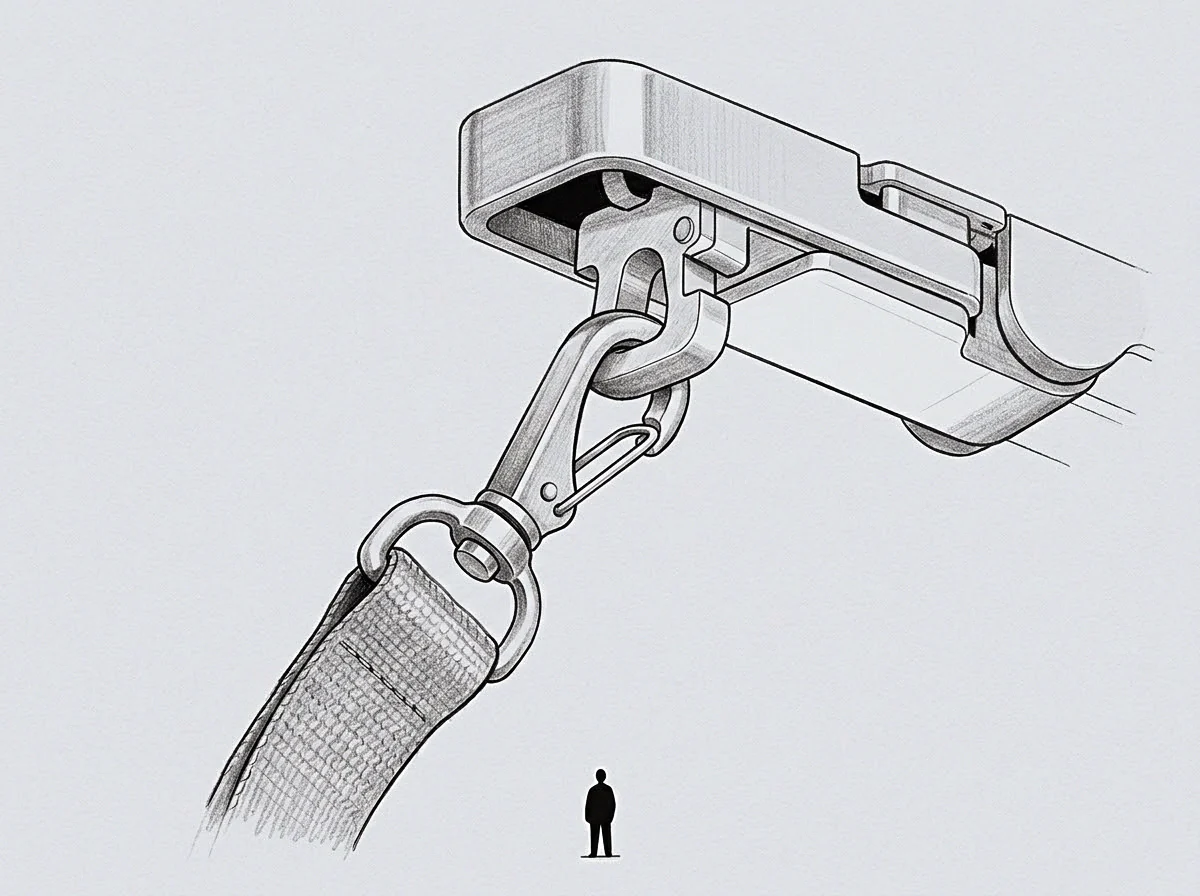
Wall
High-strain environments expose the underlying physiological cost of organizational roles over extended time horizons. Every regulation relies on metabolic resources. When an asymmetric regulator attempts to update an internal template while both partners lack regulatory headroom, the dynamic encounters a hard physical boundary.
The brain cannot construct a secondary working model of mutual support while actively fighting for basic autonomic survival.
The unstated assumptions of asymmetric dynamics fail under sustained pressure. The partner who historically absorbed stress attempts to enforce a boundary, but does so without the autonomic headroom needed to sustain clear communication. The receiving partner experiences the sudden boundary as a violation of the psychological contract.
Without clear signals of shared safety, both participants interpret the other person’s exhaustion as personal betrayal or operational incompetence.
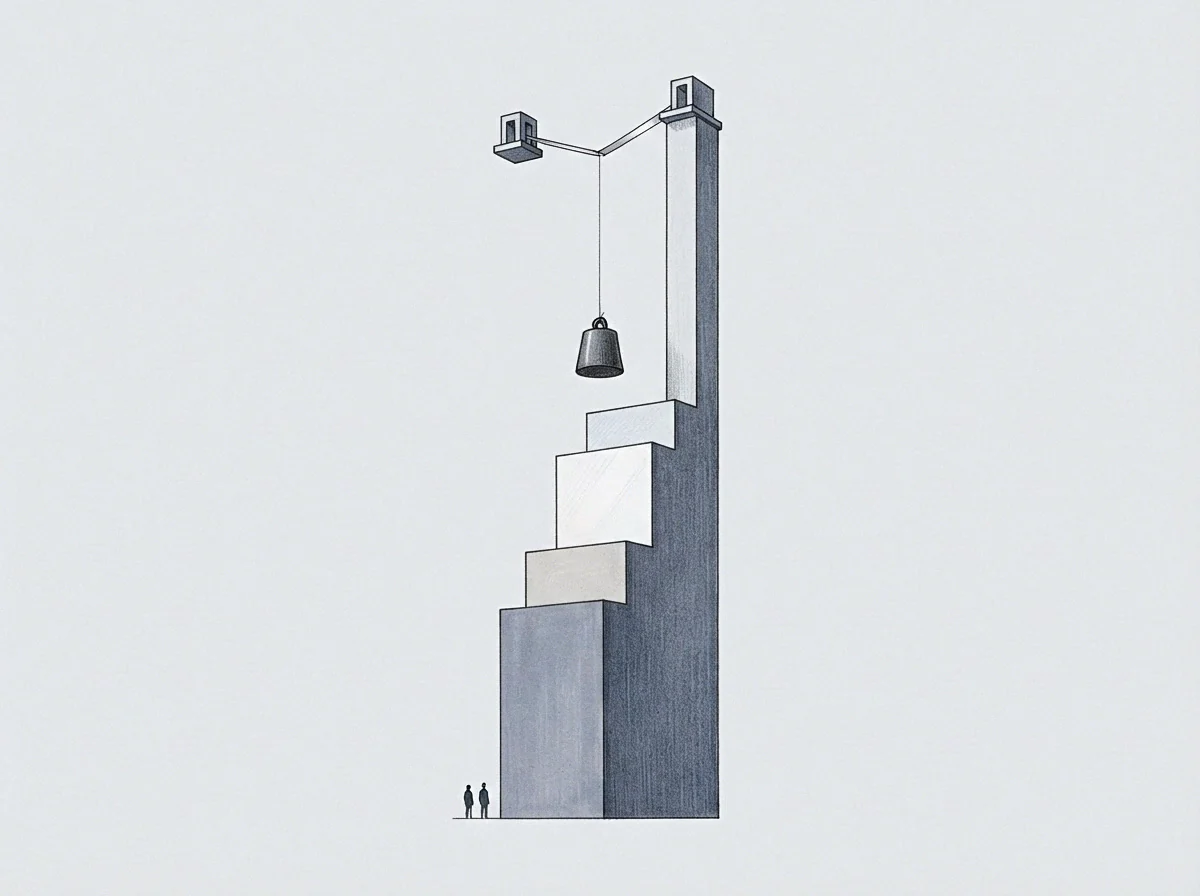
Physiological Budgeting Under Environmental Load
The body tracks energy expenditure through an ongoing process of allostatic regulation. The brain continuously predicts physiological requirements based on internal state signals and environmental demands. When two partners operate in high-proximity roles, their autonomic states continuously influence each other.
Proximity functions as a metabolic subsidy when both partners retain capacity, but turns into a shared liability when both budgets reach zero.
| Operational State | Primary Anchor Capacity | Secondary Partner Capacity | Metabolic Price per Party | System Output Behavior |
|---|---|---|---|---|
| Baseline Dynamic | High physiological margin | Moderate or variable margin | Anchor: High steady cost Secondary: Subsidized baseline | Stable operational throughput; localized threat resolution. |
| Asymmetric Strain | Moderate to low margin | Depleted margin | Anchor: Elevated drain Secondary: High reliance on pings | Increased messaging frequency; subtle operational bottlenecks. |
| Double-Depletion | Zero physiological margin | Zero physiological margin | Anchor: Severe somatic deficit Secondary: Unregulated panic | Communication collapse; defensive posturing; operational stall. |
Operating under double-depletion conditions completely alters threat interpretation. Small disagreements over product priorities or capital allocation suddenly activate primary survival pathways. The brain prioritizes immediate resource preservation over long-term strategic alignment.
Neither partner possesses the metabolic surplus required to process nuance, reframe conflict, or offer repair signals after a breakdown.

Structural Failure Modes of the Unilateral Template
Unbalanced regulatory patterns collapse through distinct operational signatures. The primary operator typically exhibits patterns that reflect systemic overload, while the secondary partner displays patterns driven by the sudden loss of an external anchor.
- Somatic withdrawal describes the primary operator’s complete shutoff of non-essential communicative channels to preserve basic physiological function under severe allostatic overload.
- Cognitive hyper-vigilance occurs when the secondary partner interprets the anchor’s withdrawal as an immediate operational crisis, resulting in rapid-fire messaging and erratic decision-making.
- Non-attunement pinging represents repeated, low-signal inquiries sent by the secondary partner to force a stabilizing response from an exhausted anchor who has no capacity to respond.
- Defensive boundary enforcement occurs when the primary operator attempts to establish limits through sharp, reactive rejections rather than clear, proactive structural terms.
A regulator proven under stress continuously attracts more load until the underlying template is explicitly renegotiated.
When physiological capacity drops to zero across a relationship, structural terms must replace borrowed calm as the primary stabilizing mechanism.
Receptor
Internal working models of attachment determine whether an individual possesses a neural receptor slot for receiving regulation from another person. The primary template forms through early interactions with primary caregivers. When those early interactions teach a person that others are unreliable or dangerous under stress, the individual constructs a unilateral regulator template.
They learn to modulate their own state through self-reliance while offering a steady baseline to others as a means of managing their external environment.
Updating an asymmetric template requires the brain to register repeated experiences of receiving effective co-regulation from an available, competent partner. This process forms what attachment literature defines as earned security. However, when an asymmetric regulator encounters a period of double-depletion alongside a partner who also lacks capacity, the update path stalls completely.
The nervous system cannot build a new model of shared regulation in the absence of actual, real-time experiences of being safely anchored.
Why Does State Synthesis Fail Under Zero Margin?
Down-regulating a hyper-aroused nervous system requires access to a physiological state that is calmer than one’s own. When both partners operate in high-arousal or shutdown states, neither person can supply the stabilizing baseline required for co-regulation. State synthesis fails because both biological systems are actively seeking an external anchor that neither can provide.
Attempts to force co-regulation under zero-margin conditions exacerbate mutual depletion. The secondary operator demands presence that the primary operator cannot supply. The primary operator attempts to force the secondary operator to self-regulate, exposing the secondary partner’s lack of internal tools for self-soothing.
The interaction generates an escalating feedback loop of mutual dysregulation. The primary operator’s internal model is reinforced: reliance on others is dangerous, inefficient, and metabolically expensive.
The Absence of the Internal Holding Model
A missing receptor slot manifests as a physical inability to settle when another person offers presence. Even during rare moments when the secondary partner regains temporary capacity and offers support, the asymmetric regulator fails to register the offer as safe. The primary operator reads incoming support through the filter of past experience, suspecting hidden operational costs or impending vulnerability.
The primary operator’s body treats an offer of care as a preliminary signal for a future demand. The internal working model dictates that receiving help creates an unstated debt that will be called in when capacity is even lower. The secondary template updates slowly.
Reconstructing this internal architecture requires small, repeated exposures to reliable co-regulation over extended timeframes, executed when stress levels remain well below maximum capacity.
A neural template built entirely on self-reliance treats incoming support as an unexpected operational liability.
Whether a nervous system trained on unilateral self-reliance can learn to accept real-time regulation while operating inside a high-stress organizational structure remains an open question for modern work design.
Asymmetry
Shifting an asymmetric relationship toward shared regulatory balance requires moving from implicit physiological reliance to explicit structural terms. The expectation that one partner will indefinitely act as the emotional baseline for an entire organization without receiving reciprocal grounding is unsustainable. The baseline shifts under load.
When both partners recognize that autonomic reserves are finite, they can begin decoupling operational stability from individual physiological states.
Transitioning away from an asymmetric template demands a clear audit of how regulation is distributed across the leadership structure. The primary operator must acknowledge the personal cost of acting as the sole anchor, while the secondary partner must accept responsibility for building independent self-regulation tools or seeking external stabilizing structures. The process involves identifying specific operational triggers that trigger autonomic siphoning and building explicit boundaries to protect metabolic headroom.
Reconstructing the Primary Working Model
Earned security is built through deliberate, repeated experiences that contradict the original asymmetric template. The primary operator needs to practice exposing small areas of vulnerability and operational reliance during low-strain periods. This practice allows the nervous system to experience receiving support without encountering catastrophic failure.
Concurrently, the secondary partner must learn to identify personal autonomic dysregulation before issuing demands for borrowed calm. Recognizing internal somatic signals—such as elevated heart rate, shallow breathing, or urgent messaging compulsions—allows the secondary partner to deploy independent grounding strategies. This shift reduces the continuous regulatory tax imposed on the primary operator, creating the headroom necessary for the primary template to update.
Negotiating Limits in High-Stakes Environments
Establishing clear operational limits protects both partners from reaching total allostatic depletion during high-stress phases. Stated limits protect autonomic headroom. When partners define explicit boundaries around availability, response times, and decision-making authority, they reduce the need for constant real-time physiological negotiation.
- Define explicit availability windows that guarantee non-interruptible blocks of time for primary self-regulation and deep strategic execution.
- Establish protocol-driven communication pathways during crises to prevent panic-driven message flooding between partners.
- Separate personal emotional processing from operational decision-making by engaging professional external advisors or executive peer groups.
- Schedule regular, low-strain alignment reviews to assess load distribution before operational demands reach critical capacity.
Building these operational rails changes how partners interact during crises. Instead of relying on one person’s real-time emotional steadiness to absorb systemic shock, the organization relies on predefined protocols that preserve the physiological integrity of both leaders.
The secondary partner would note that the sudden enforcement of operational boundaries feels like an arbitrary withdrawal of partnership rather than a necessary structural adjustment.
Anchor
Establishing long-term resilience across a leadership team requires replacing single-point biological dependencies with distributed structural stability. The secondary template builder focuses on constructing environment-level support mechanisms that operate independently of any single individual’s immediate autonomic state. By institutionalizing shared regulatory practices, organizations protect their leaders from chronic allostatic overload and prevent catastrophic communication failures during high-strain periods.
The transition from asymmetric reliance to mutual, structured support requires persistent effort and continuous recalibration. Unsaid terms increase baseline cost. When leaders replace unstated emotional expectations with explicit operational terms, they free up significant cognitive and metabolic headroom.
That recovered headroom can then be redirected toward core strategic priorities, long-term innovation, and sustainable organizational growth.

Forming Secondary Templates Through Earned Security
Updating an internal working model relies on the accumulation of new, consistent experiences over time. The primary operator must repeatedly experience scenarios where setting a limit does not lead to relational fracture or operational ruin. As these positive experiences accumulate, the brain gradually updates its predictive models, reducing the automatic drive to take on asymmetric regulatory burdens.
The secondary partner similarly develops earned security by experiencing self-reliance and structured mutual support as effective alternatives to biological siphoning. Over time, the secondary partner builds confidence in their own ability to navigate high-arousal states without leaning exclusively on the primary operator. This mutual development fosters a resilient leadership dynamic rooted in genuine autonomy and deliberate, high-value collaboration.

Sustained Execution Without Autonomic Siphoning
Sustained organizational performance depends on preserving the physiological health of its key operators over multi-year horizons. Designing working environments that respect human allostatic limits prevents burnout, reduces executive turnover, and protects strategic decision-making quality. Proximity without capacity yields non-attunement.
Recognizing this principle allows organizations to build operating cultures that prioritize structural clarity over continuous emotional endurance.
Ultimately, transforming an asymmetric regulatory dynamic is both a personal developmental task and a core operational imperative. Leaders who master this transition construct organizations that are resilient, adaptable, and capable of navigating extreme market volatility without destroying the human engines that drive them.
When an explicit limit clause is introduced into an operating agreement, the system stops using one person’s autonomic capacity as an unpriced insurance policy against organizational friction.