
How Social Baseline Theory Explains Chronic Executive Allostatic Burnout
Social baseline theory demonstrates that executive allostatic burnout occurs when continuous solo regulation forces perpetual neural overdraft without co-regulatory relief.
Economy
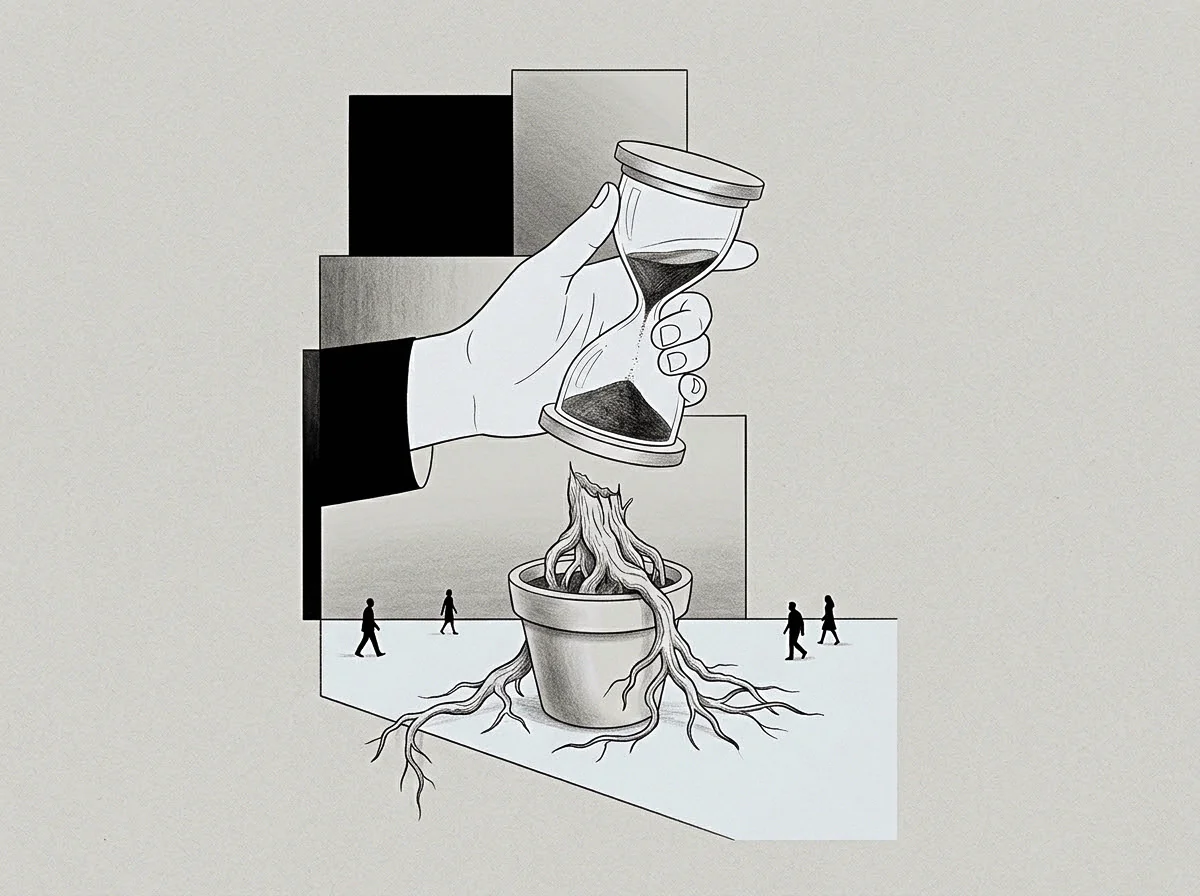
The human nervous system continuously forecasts metabolic demand based on the immediate presence of reliable allies. Isolation acts as an expensive outlier state for the primate brain. When someone works alongside trusted peers, neural systems spread environmental monitoring and threat assessment across the group.
Distributing risk lowers individual glucose consumption, suppresses baseline cortisol, and reduces autonomic arousal. The brain treats shared effort as its baseline, relying on unassisted self-regulation only as an emergency backup.
Decisions made in isolation force the central nervous system into heavy vigilance investments. Social baseline theory explains this through metabolic accounting: the brain accounts for two percent of body weight yet consumes roughly twenty percent of total resting energy. Monitoring threats burns glucose.
Managing structural uncertainty alone keeps prefrontal circuits in constant high-intensity computation, shifting the physiological baseline upward to sustain perpetual readiness. Over extended periods, the energy spent maintaining solo executive function depletes reserves that would normally handle cellular repair and basic immune maintenance.

Human Brains Default To Shared Risk
Brain imaging shows threat responses dropping in direct proportion to how reliable nearby companions are perceived to be. Expecting to face a stressor alone produces elevated activation in the anterior cingulate cortex and hypothalamus, whereas holding a hand or standing near a calm presence reduces that signal sharply. The neural baseline depends on social presence to save energy.
Executives often work under the assumption that self-regulation alone signals strength, but the brain rejects that idea at the cellular level. Serving as the final escalation point obliges the nervous system to sustain emergency energy expenditure indefinitely.
Social baseline theory establishes that neural energy expenditure spikes precisely when an individual operates without reliable social support.
The Metabolic Price Of Autonomous Vigilance
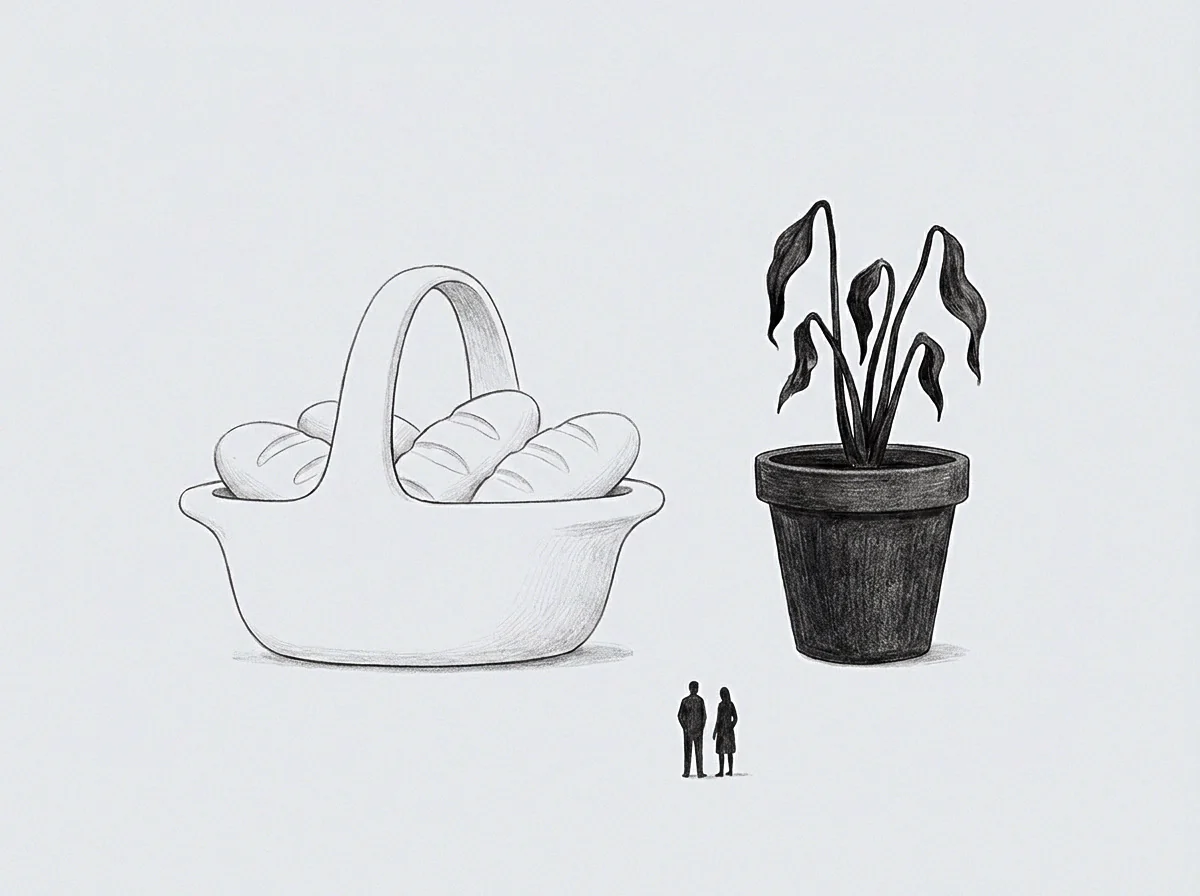
Autonomous vigilance requires steady prefrontal control over autonomic outputs. With the sympathetic nervous system continuously engaged, blood pressure stays elevated and catecholamines remain in circulation, drawing down glycogen reserves and interrupting routine metabolic maintenance. The brain does not distinguish between physical isolation on open terrain and structural isolation at the top of an organization; both register as a total lack of load-sharing partners.
Maintaining a composed posture while bearing single-handed operational liability forces a state of sustained metabolic overdraft.
Long-term solo regulation eventually alters baseline neural architecture. Synaptic connections in threat-detection networks strengthen while prefrontal pathways governing cognitive flexibility degrade. The organism adapts to an environment it perceives as unassisted.
Systematically avoiding the delegation of regulatory work causes the nervous system to reset its baseline expectations from co-regulation to solo defense. This shift manifests as persistent physical exhaustion, systemic inflammation, and disrupted sleep architecture.

Seat
Holding the top leadership role creates a one-way regulatory dynamic. Subordinates, investors, and vendors bring turbulent emotional and operational states into the room, expecting the executive to absorb the tension. Borrowed calm becomes the primary medium of organizational stability.
The figure in authority functions as a central stabilizer for those around them while receiving almost no regulatory stabilization back. The room settles because a single person stays vigilant.
Corporate structures penalize visible signs of executive strain. Capital markets, board members, and staff treat leader anxiety as a structural risk, expecting continuous composure. Executives adapt by suppressing internal threat signals, a process that demands prefrontal energy above and beyond what is needed to solve operational problems.
Absorbing outside panic while concealing internal alarm ends up defining executive fitness.

Structural Isolation At The Anchor Point
The anchor point of an organization carries every unhedged risk. Operational tasks move downward through delegation, but ultimate liability remains in one spot, preventing true load distribution. Even capable leadership teams shift their final anxiety onto the chief executive.
The architecture of corporate authority leaves the central regulator isolated when conditions degrade.
One-way regulation introduces lasting asymmetry into professional dynamics. Expending regulatory energy without replenishment builds deep physiological fatigue. The executive seat becomes a setting of constant social exposure paired with emotional isolation, where the nervous system views everyone around as dependents rather than allies.
- Unidirectional Borrowing occurs when team members stabilize their autonomic nervous systems against the executive without offering a reciprocal presence.
- Asymmetric Threat Perception emerges as operational liabilities gather exclusively at the top of the hierarchy.
- Vigilance Amplification takes hold when every organizational anomaly feels like a personal survival issue for the main regulator.
- Signal Suppression develops when an executive conceals physiological strain to keep the organization from destabilizing.
A lead regulator who masks physiological strain accelerates regulatory overdraft across the entire organization.
The Asymmetry Of Executive Regulation
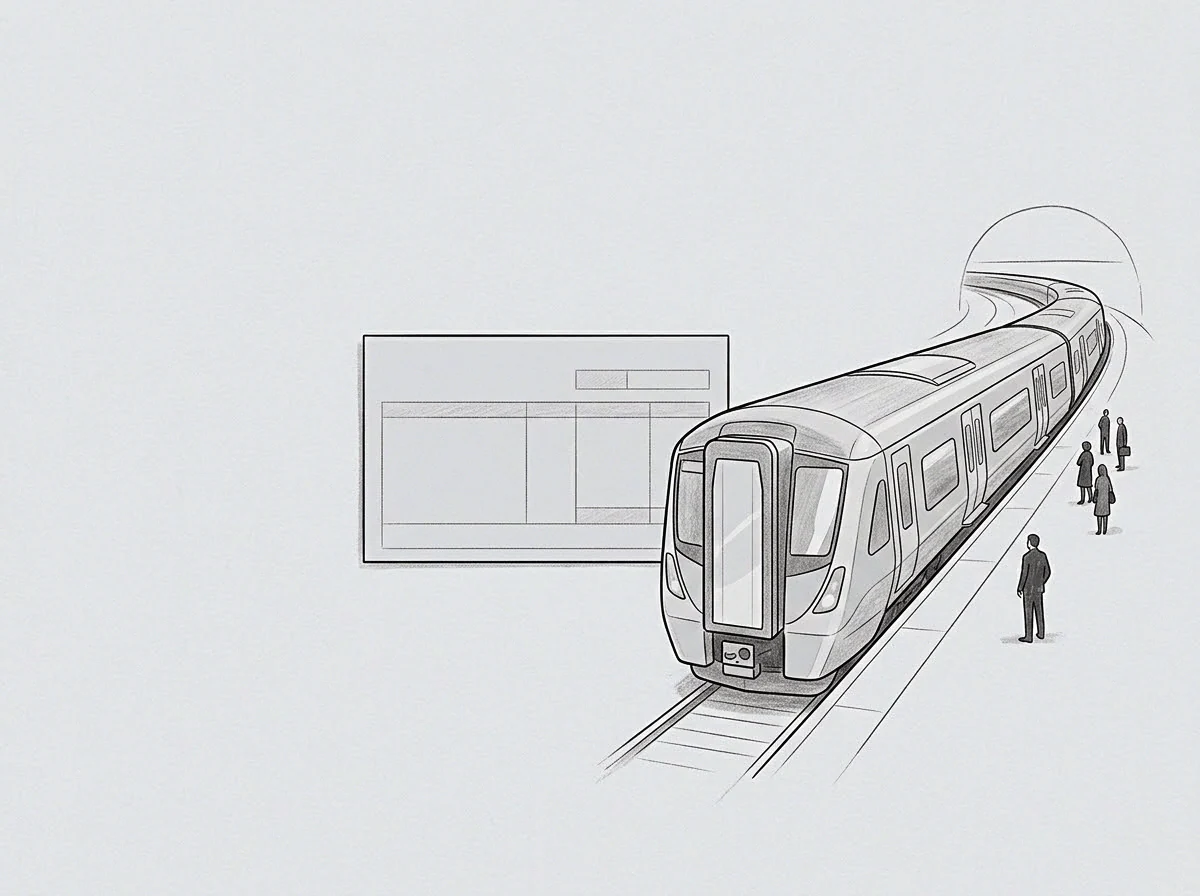
Executive culture routinely celebrates independence while mistaking physiological exhaustion for mental weakness. Boards demand steady returns and rapid answers during volatility; direct reports require emotional containment and direction; partners expect strategic clarity and constant availability. None of these groups enter the executive office to share the regulatory burden.
Every interaction acts as a transaction where the executive provides stability and the counterparty absorbs it. The model functions only until the central regulator exhausts their metabolic resources.
The organization was fine as long as the founder remained indestructible.

Template
Early relational experiences shape the internal working models that dictate how adults respond to stress. Founders and senior leaders frequently develop a primary regulator pattern in childhood, formed when a child learns that personal safety hinges on stabilizing nearby adults. The individual internalizes a framework where they act as the sole provider of calm while viewing others as sources of instability or additional burden.
This template lacks a functional receptor slot for receiving support from outside sources.
This pattern turns self-preservation into a service supplied to others. The individual operates under an implicit belief that showing vulnerability leads to abandonment or operational failure. When stress rises, the automatic impulse is to take total control rather than ask for help.
While high competence and absolute self-reliance produce strong early-career results, the underlying physiological cost stays hidden only so long as metabolic capacity outpaces incoming strain.

Internal Working Models Of Unassisted Control
Internal working models act as predictive frameworks for human interaction. An executive operating under an unassisted control model assumes that seeking help only increases total effort. Past experience suggests that involving others adds coordination overhead, emotional management, and eventual disappointment.
The brain calculates that resolving a crisis alone burns less energy than instructing, monitoring, and steadying a peer, turning this expectation into a structural reality over time.
Without a functional receptor slot, receiving genuine support becomes nearly impossible. When a board member, partner, or co-founder offers assistance, the primary regulator interprets the gesture as an anomaly or a hidden obligation. The nervous system stays hyper-vigilant, watching the other person for signs of operational failure.
Rather than conserving energy, the interaction drains it, causing the underlying template to treat co-regulation as a threat.
| Regulatory Dimension | Primary Regulator Architecture | Co-Regulating Baseline Architecture |
|---|---|---|
| Primary Metabolic Source | Endogenous prefrontal glycogen depletion | Shared autonomic load distribution |
| Threat Perception Circuitry | Continuous hyper-vigilance with delayed suppression | Transient activation with rapid social attenuation |
| Load Transfer Directionality | Strictly incoming; zero upward or lateral transfer | Dynamic, bi-directional regulation across peers |
| Receptor Slot Functionality | Atrophied or absent; external presence reads as load | Active and responsive; external calm lowers heart rate |
| Systemic Degradation Velocity | Exponential decay ending in allostatic overload | Linear, sustainable adjustments with built-in recovery |
Comparing Regulatory Structures Across Organizational Contexts
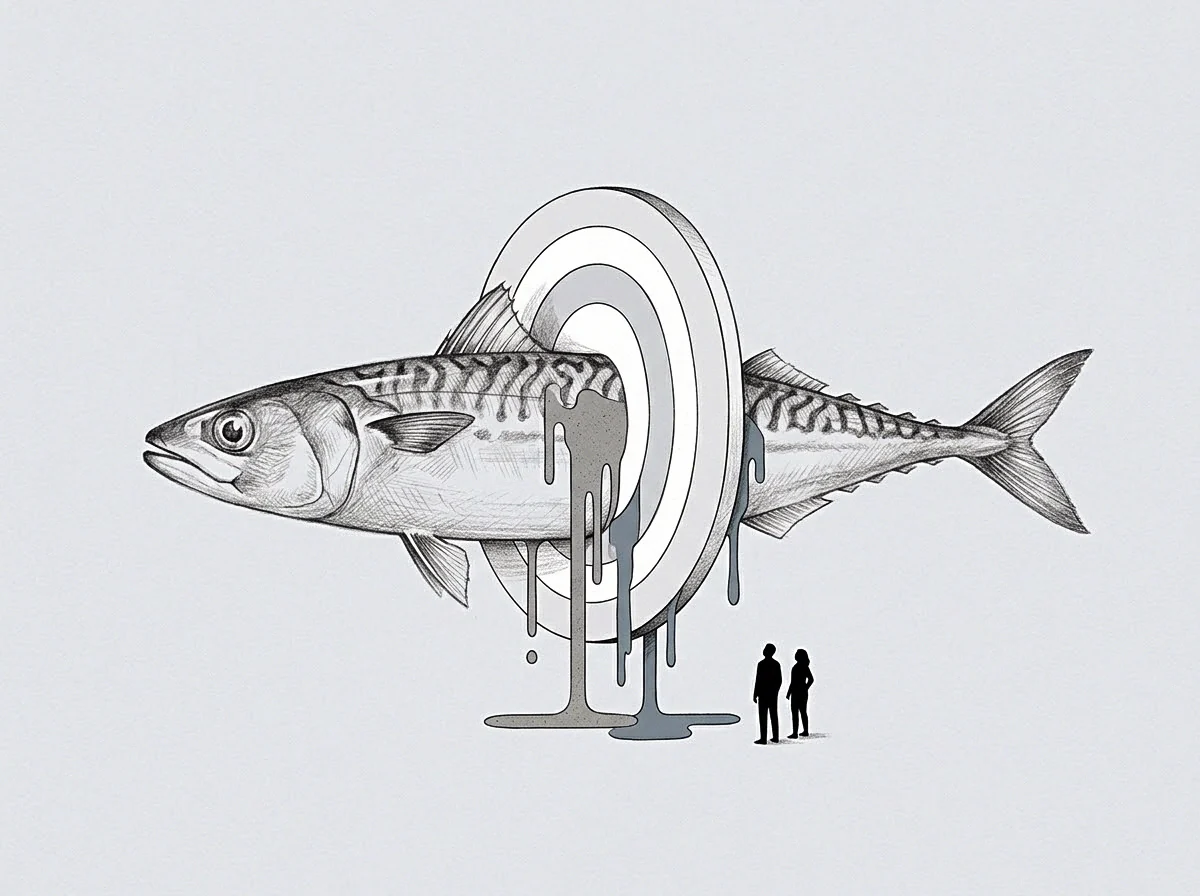
Relying on a single primary regulator creates structural vulnerability across an executive team. Organizations anchored by one non-reciprocating leader carry hidden systemic fragility: when that executive suffers physiological exhaustion, the enterprise loses its baseline stability. Teams accustomed to drawing calm from the leader experience sudden operational disorientation, and decision quality drops because no shared capacity for stabilization exists.
Shifting toward a distributed baseline allows operational strain to spread naturally. A co-regulating model relies on peer executives who actively share strategic and emotional risk. Team members balance one another during crises, reducing the metabolic toll on any single person.
Establishing this architecture requires the primary leader to reset an internal working model that may have operated unchecked for decades.
How does an executive carrying an unassisted control model build receptive capacity before facing total physiological collapse?
Cascade
Sustained metabolic overdraft leads directly to allostatic overload. Allostasis is the biological process of maintaining stability through constant physiological change; when external demands exceed biological capacity, the adaptation cost accumulates as allostatic load. Chronic burnout marks the moment adaptive systems shift into pathological breakdown, as the neuroendocrine system loses its capacity to shut off stress responses, leaving tissues flooded with cortisol and inflammatory cytokines.
This physiological breakdown follows a clear sequence. Elevated baseline cortisol disrupts sleep architecture, suppressing slow-wave recovery and microglial clearance of metabolic waste in the brain. Prolonged sympathetic activation down-regulates beta-adrenergic receptors, triggering deep vascular and physical fatigue.
Meanwhile, chronic low-grade inflammation sets in, gut permeability increases, and the gut-brain axis degrades as the body attempts to force recovery by shutting down non-essential systems.
Does Physiological Exhaustion Differ From Clinical Depression?
Exhaustion caused by allostatic overload is frequently misdiagnosed as clinical depression. Although both conditions present with anhedonia, lethargy, and impaired executive function, their underlying origins differ. Clinical depression typically involves mood dysregulation and negative cognitive patterns regarding self-worth, whereas allostatic burnout is an adaptive energy shutdown triggered by severe metabolic deficit.
The brain curtails motivation to shield vital organs from cellular damage.
Standard cognitive reframing offers little relief to an executive in allostatic overload because the breakdown sits below the level of narrative processing. The nervous system lacks the physical energy to sustain prefrontal control. Asking an exhausted leader to reframe operational challenges demands high-cost cognitive work from a depleted metabolic reserve.
Allostatic overload manifests when physiological recovery systems remain perpetually suppressed by continuous threat monitoring.
Systemic Breakdown Under Continuous Overdraft
Systemic breakdown impacts cognitive, emotional, and visceral functions simultaneously. Working memory capacity drops, hindering the analysis of complex, multi-variable problems. Emotional reactivity rises as limbic circuits override prefrontal inhibition, leading to sudden outbursts or emotional flattening.
At the same time, visceral health declines through persistent gastrointestinal distress, cardiovascular strain, and autoimmune dysfunction, signaling that the current pace is unsustainable.
Leaders entering this phase often increase their reliance on stimulants and sheer willpower, a strategy that only accelerates exhaustion. Driving through allostatic overload consumes remaining cellular reserves, deepening the metabolic deficit until the gap between capacity and demand forces a complete operational collapse.
Once metabolic reserves drop past a critical threshold, the time needed for recovery increases exponentially rather than linearly.
Limit
Reversing allostatic burnout requires establishing non-negotiable operational boundaries. An executive operating without firm limits becomes an open metabolic sink for the organization. Relying on sheer self-control must give way to explicit structural rules, because the nervous system cannot relax while availability remains unlimited.
Constant digital alerts trigger transient cortisol spikes, maintaining threat monitoring even during scheduled downtime.
Operational limits need to be framed as systemic rules rather than personal choices. Presenting boundaries as self-care invites pushback from boards and teams accustomed to constant access. Defining them as operational constraints treats executive availability as a finite organizational resource requiring careful allocation, creating clear windows of complete disconnection to halt ongoing threat monitoring.

Throttling Availability To Protect Baseline Function
Restricting availability protects the lead regulator from constant micro-interruptions. Each notification obliges the prefrontal cortex to assess risk, burning small amounts of glycogen throughout the day. Batching messages, setting firm offline hours, and defining strict escalation thresholds reduces cognitive context switching, giving the brain predictable periods of quiet to restore baseline parasympathetic tone.
Setting these boundaries creates initial friction in companies used to immediate executive access. Direct reports may feel disoriented when their primary source of calm becomes less accessible, leading them to push back or elevate minor issues to restore old communication habits. The executive has to absorb this temporary pushback without compromising the new protocols.
- Define daily windows where operational communications are completely blocked from reaching the executive.
- Transfer decision-making authority for tactical issues to designated leads using clear financial thresholds.
- Establish clear criteria for what qualifies as a genuine emergency requiring off-hours contact.
- Enforce firm evening offline periods to give sleep cycles time to complete full recovery processes.
- Require peer leaders to resolve lateral conflicts among themselves before escalating options to the top.
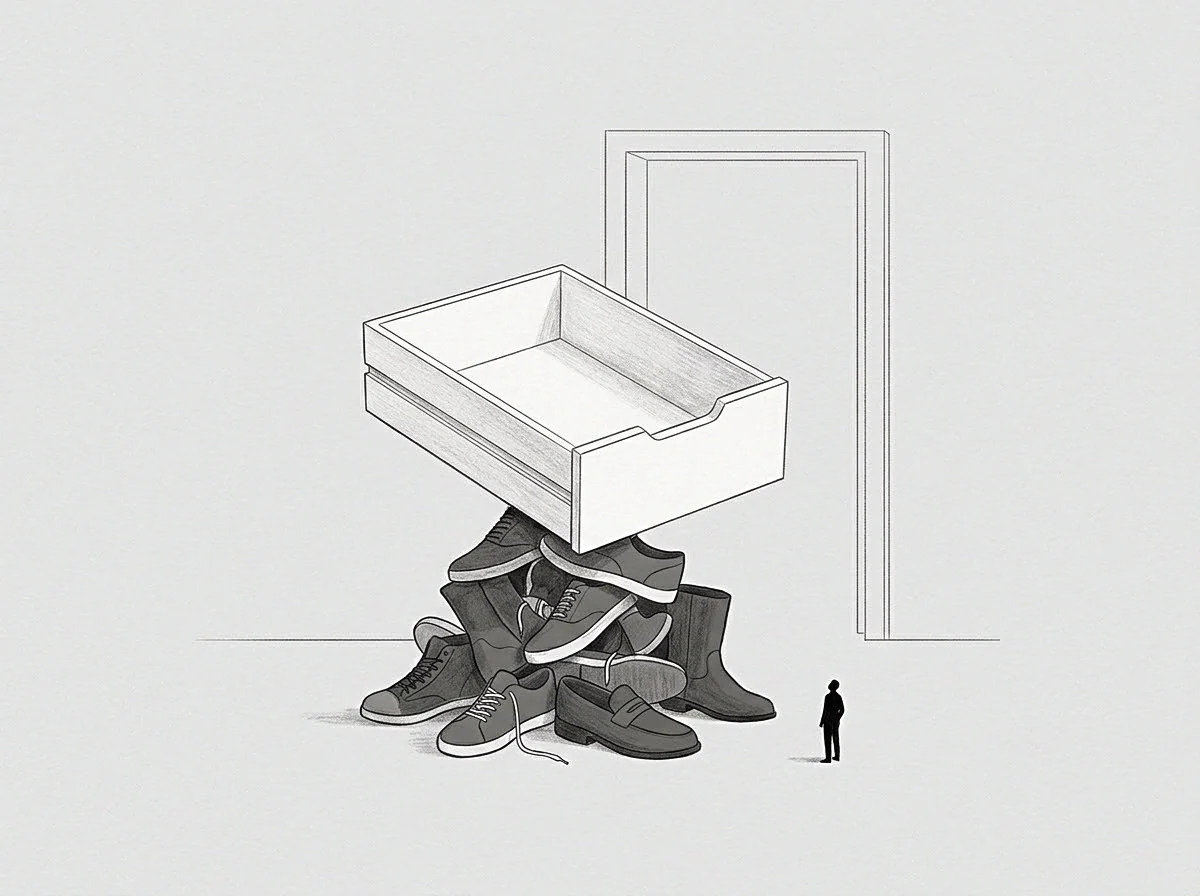
Enforcing Structural Terms For Load Transfer
Load transfer protocols ensure that issues arriving at the executive level come with full operational context and proposed solutions. Offloading raw panic onto a leader forces them to manage both emotional distress and analytical problem-solving. Mandating structured briefs obliges reporting managers to process their own concerns and organize facts before making contact, shifting regulatory effort back to the originator.
Explicit limit clauses in governance frameworks mark the precise boundary where individual leader responsibility ends and institutional accountability begins.
Tenure
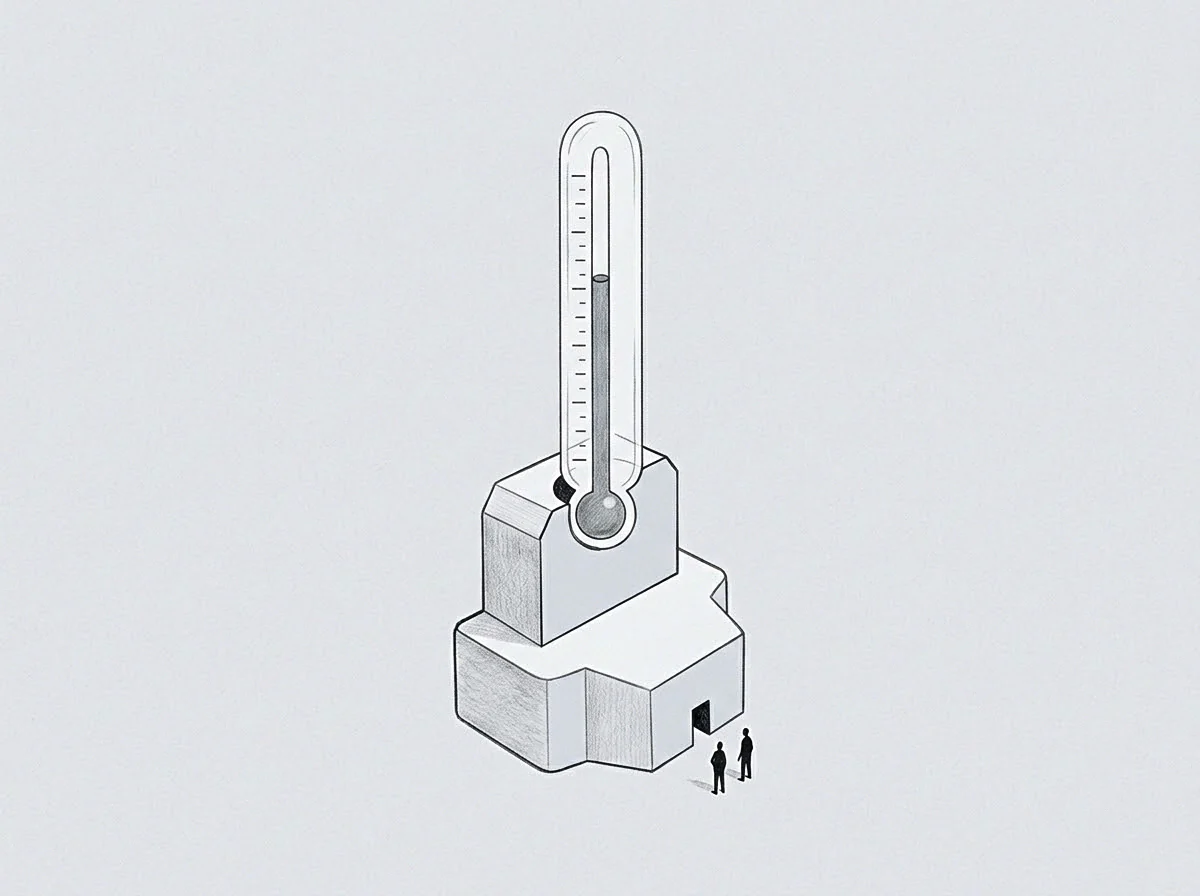
Updating a deeply ingrained regulator template takes prolonged exposure to real co-regulatory experiences. Intellectual grasp of social baseline theory does not alter autonomic patterns on its own; insight identifies the issue, but repeated physical safety rewires neural responses. An executive must experience working alongside a reliable peer under real operational stress without falling back on automatic control behaviors.
Developing earned security means building functional receptive capacity over time through structured, low-stakes interactions. Working with an executive coach trained in affective neuroscience, joining a peer group of equal-status founders, or engaging closely with a partner who refuses to be micro-managed allows the nervous system to test shared load mechanics. Over time, the brain gathers evidence that co-regulation is metabolically efficient and physically safe.

Reconstructing The Capacity For Borrowed Calm
Rebuilding regulatory capacity requires learning to receive calm from external sources, starting with noticing the body’s instinct to brace when help is offered. When a peer steps in, a primary regulator typically declines or takes over the task. Overriding that impulse means staying present while letting the other person bear the operational weight, allowing the nervous system to register the absence of crisis and update its internal models.
Earned security forms through repeated experiences of shared risk rather than intellectual analysis.

The Update Path To Sustainable Governance
Sustainable governance distributes regulatory responsibility across the broader executive team rather than relying on the isolated endurance of a single person. Board members, co-executives, and directors function as mutual stabilizers, absorbing stress through shared capacity and shifting organizational culture from perpetual crisis response to deliberate output.
An executive who updates their regulatory template works from an altered baseline. Threat monitoring returns to a dynamic state—engaging during real emergencies and settling once the pressure clears. Lower energy expenditure allows physiological systems to restore baseline cellular health.
Leadership effectiveness no longer relies on absorbing continuous strain, as stability comes from a network of co-regulating peers rather than a solitary anchor burning through metabolic reserves.
Transitioning from solo regulation to a co-regulating baseline changes how authority is sustained over a career. Leaders who make this shift maintain high operational output without incurring chronic allostatic debt, allowing the enterprise to hold its strategic direction while aligning organizational structure with human neural design.