
Managing Autonomic Exhaustion When Entering Domestic Spaces After Work
Autonomic exhaustion occurs when a depleted nervous system encounters domestic proximity as a renewed demand for social regulation rather than a source of safety.
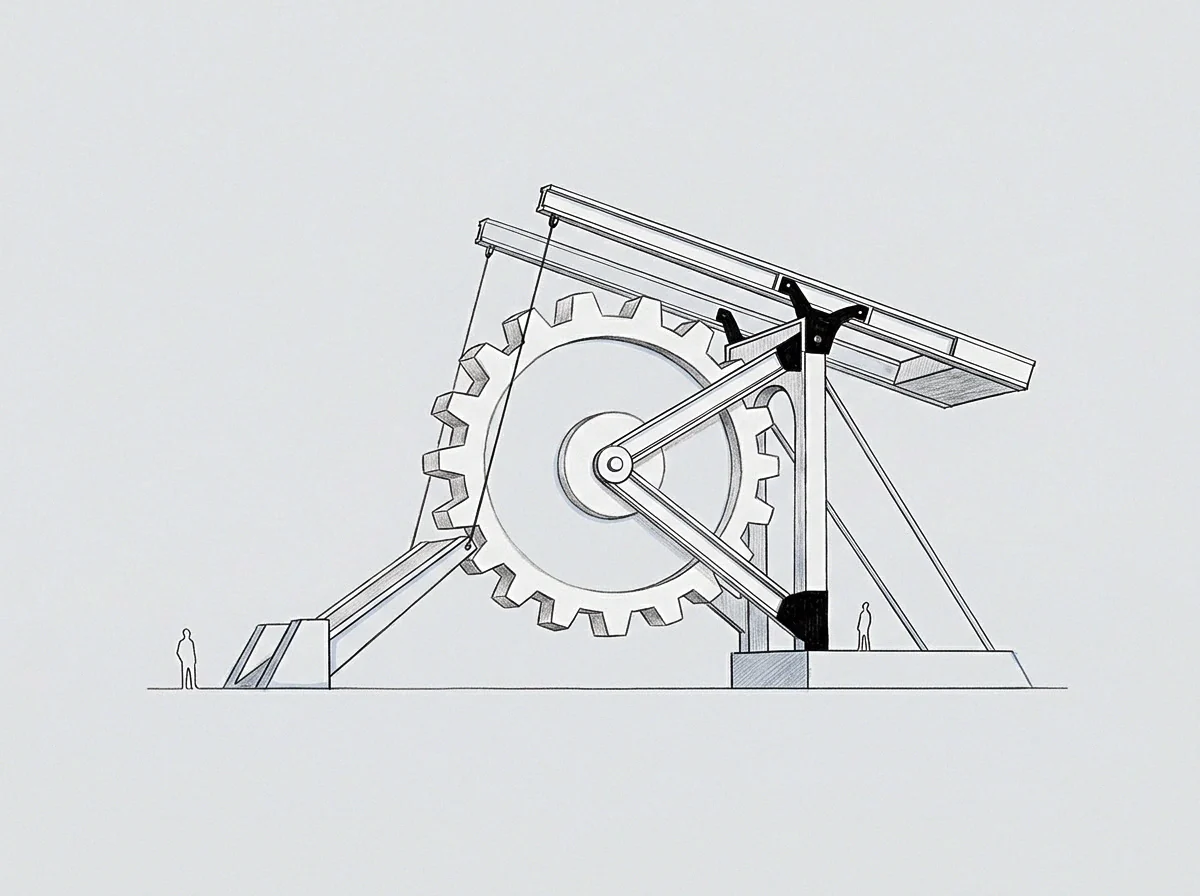
Door
A car sits idling in a driveway for twenty minutes after a commute. Behind the wheel, the driver stays still, staring through the windshield with the engine running. The workday is over, but the sympathetic nervous system remains on high alert.
Heart rate and cortisol levels stay elevated while cognitive processing remains locked in threat assessment. Stepping into the house demands an immediate pivot to social engagement, warmth, and attention. To a drained nervous system, home life feels like more cognitive labor rather than a restful haven.
The engine turns off. Shifting directly from high-stakes professional management to home life reveals a stark mismatch in autonomic capacity. Physical presence does not equal psychological availability.
When allostatic load peaks during the workday, the capacity for adaptive social engagement collapses. Family members naturally treat someone’s physical arrival as an invitation to talk, make decisions, and connect, but an exhausted individual experiences those bids as overwhelming sensory input.
A vehicle idling in a driveway often functions as the only unmonitored transition space between two competing regulatory demands.
Trying to bridge this gap through willpower only increases nervous system strain. Maintaining hypervigilance all day consumes executive control, leaving the biological brake underpowered. Without a clear buffer zone, stepping into a shared living space triggers defensive irritability or deep emotional withdrawal.
The entry silence is often mistaken for intentional emotional distance rather than physiological recovery.
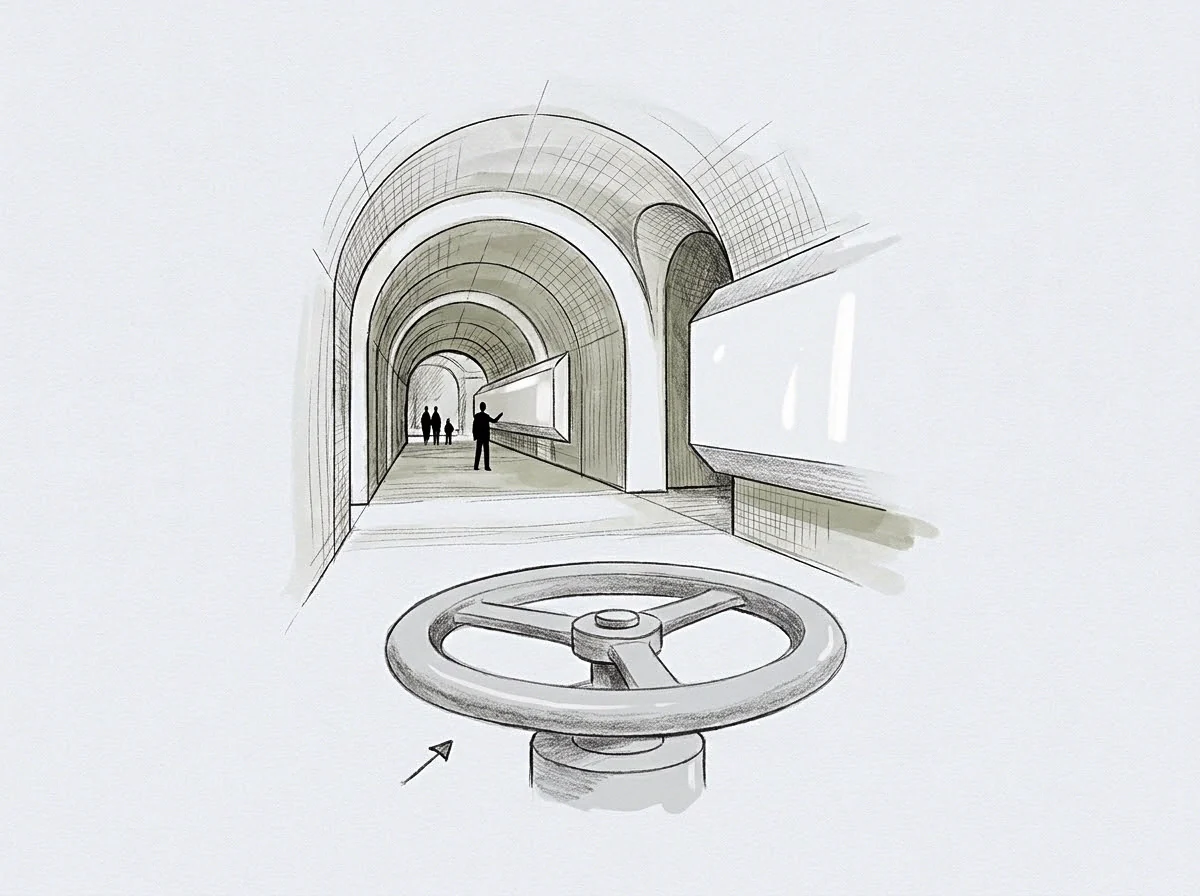
Drain
Autonomic depletion follows a precise biological pathway. High workplace demands stimulate continuous sympathetic activation, suppressing the parasympathetic system that normally facilitates rest and social connection. When an individual spends eight to twelve hours managing their own physiological state while navigating the emotions of colleagues, employees, or clients, the neural hardware dedicated to social engagement wears down.
The brain budgets energy based on anticipated load. Proximity to familiar people normally reduces autonomic expenditure through co-regulation. This efficiency relies on an internal working model that views the other person as a source of safety and low-demand support.
When domestic relationships carry unstated expectations, unresolved conflicts, or high caretaking burdens, the brain categorizes domestic proximity as another environment requiring active vigilance.
Under these conditions, the nervous system displays distinct structural failure modes upon entering domestic territory:
- Vagal withdrawal occurs when the ventral vagal complex disengages, stripping away the capacity for facial expressiveness, vocal modulation, and soft eye contact.
- Sympathetic perseveration keeps the body trapped in a fight-or-flight posture, turning minor household distractions into perceived threats that trigger sudden anger.
- Dorsal collapse forces the individual into complete affective flattening and physical shutdown, rendering them incapable of responding to domestic conversation.
The metabolic expenditure of self-regulation under sustained load forces the brain into resource-preservation choices.
When social proximity demands continuous cognitive evaluation, physical presence increases autonomic expenditure rather than providing co-regulatory relief.
Attempting to force immediate social performance without restoring autonomic capacity deepens physiological strain. The nervous system responds to forced engagement by elevating stress hormone production further.
Treating physiological exhaustion as an emotional defect forces the nervous system into deeper dorsal vagal shutdown, extending the recovery window from hours to weeks.
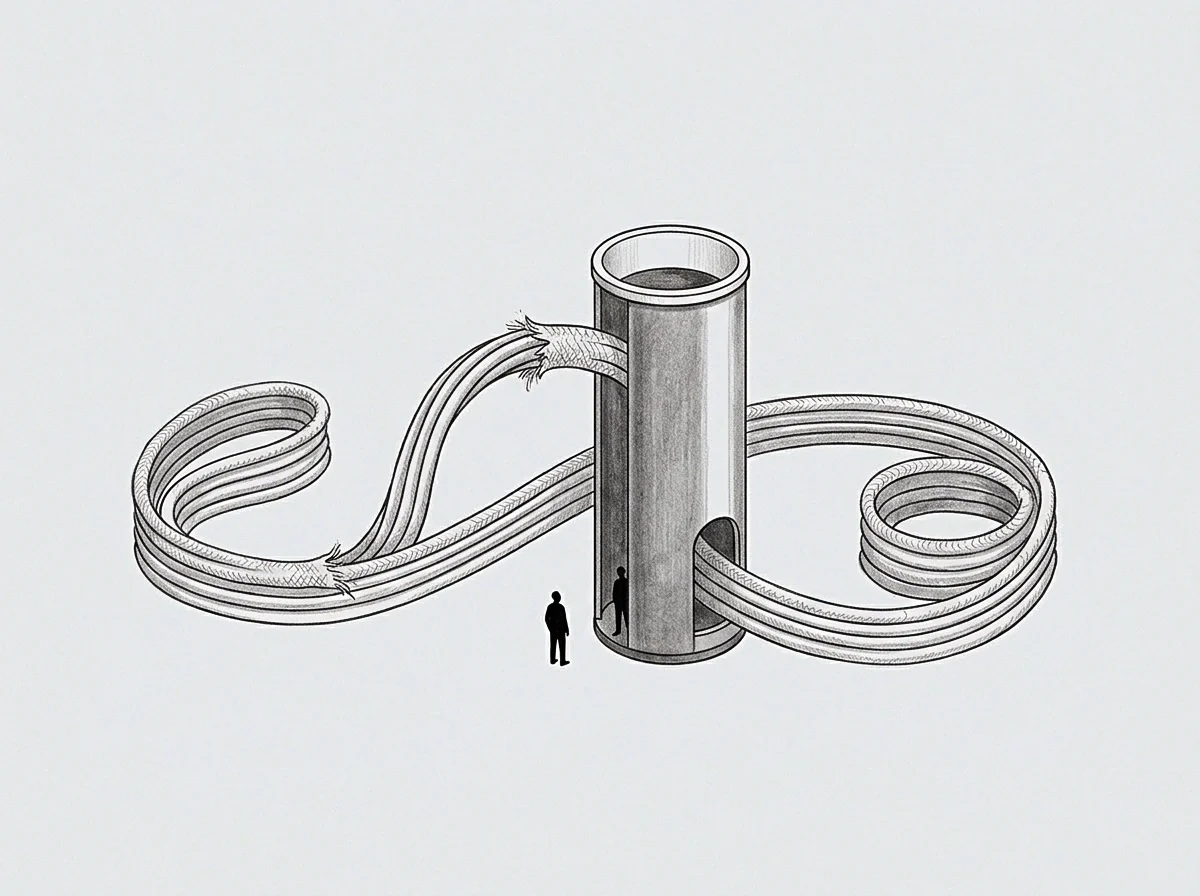
Switch
Shifting from workplace hypervigilance to domestic co-regulation requires a deliberate physiological transition phase. The biological state maintained during high-demand management cannot disengage instantaneously upon crossing a threshold.
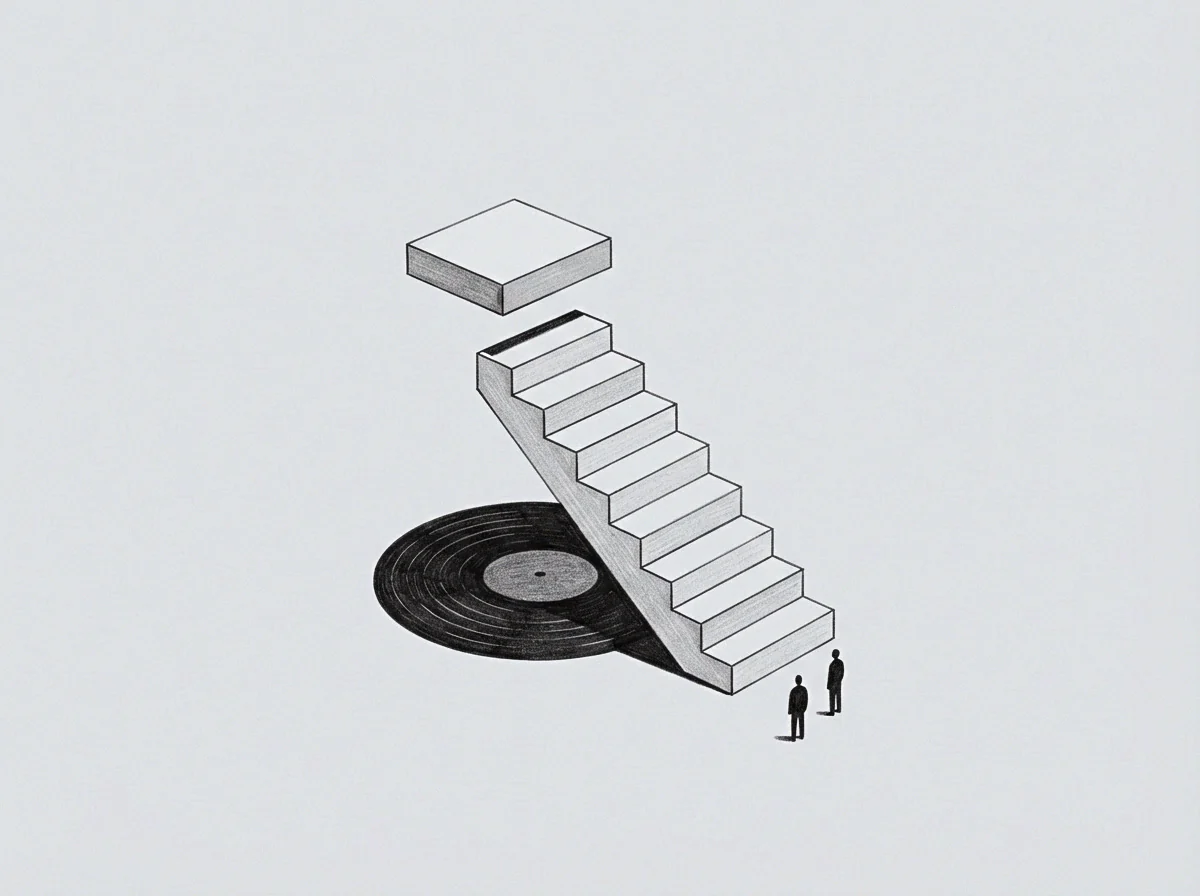
Why Does Immediate Proximity Trigger Domestic Irritability?
When an individual enters a residence, moving from isolated concentration into sensory density creates immediate friction. Running children, partner questions, household chores, and ambient noise hit an already saturated sensory apparatus. The sudden influx of auditory and visual stimuli forces a depleted prefrontal cortex to process complex relational inputs without sufficient metabolic reserves.
The transition process unfolds through three distinct autonomic stages when unmanaged:
- Initial threshold friction occurs when immediate bids for social connection hit a hypervigilant nervous system.
- Acute sympathetic spike manifests as sharp defensive reactions, immediate withdrawal, or verbal bluntness.
- Secondary depressive crash occurs as the ventral vagal network completely disengages, resulting in silent immobility.
The nervous system interprets immediate domestic demands as a continuation of workplace pressure.
Whether an autonomic nervous system conditioned by years of isolated self-regulation can ever naturally interpret unexpected domestic noise as safety remains an open physiological question.
Margin
Creating explicit buffer protocols alters the metabolic trajectory of post-work entry. The contrast between unmanaged entry and structured transitions demonstrates how physiological load can be contained before domestic arrival.
| Entry Protocol | Autonomic State Upon Entry | Metabolic Cost To Individual | Impact On Domestic Co-Regulation |
|---|---|---|---|
| Unbuffered Direct Entry | Elevated Sympathetic Activation | High; continuous self-monitoring forced | Triggers mutual defensiveness and conflict |
| Unannounced Cold Withdrawal | Dorsal Vagal Shutdown | Moderate; prolongs recovery duration | Breeds partner resentment and isolation |
| Structured Autonomic Decompression | Gradual Ventral Vagal Engagement | Low; predictable energy recovery | Facilitates safe, low-demand co-presence |
| Co-Designed Transition Protocol | Stabilized Parasympathetic Tone | Lowest; shared regulation budget | Sustains long-term relational security |
Decompression requires predictable physical boundaries. Establishing a timed transition period, such as twenty minutes of absolute quiet, a warm shower, or isolated physical movement, allows the vagal brake to re-engage.
An unstated limit creates a covert contract that bills the nervous system in sudden outbursts.
When domestic partners agree on an explicit stated limit regarding post-work availability, the arrival shift ceases to be a source of interpersonal friction.
An explicitly stated twenty-minute decompression window converts an unpredictable autonomic withdrawal into a predictable operational boundary, shifting the domestic expectation from immediate availability to timed return.
Rhythm
Updating the nervous system’s entry template requires repeated experience over time. Insight alone rarely changes an autonomic response pattern. The internal working model governing how someone responds to home life took thousands of interactions to build, and shifting it takes consistent physical practice rather than cognitive reframing.
Consider two working arrangements over a twelve-month period. In the first arrangement, an operator arrives home every evening at six o’clock without a decompression protocol. On days with severe cognitive load, the operator attempts to mask exhaustion, participating in family dinner and conversation immediately.
By seven o’clock, the accumulated sensory input triggers intense irritability. The partner experiences the operator as unpredictable and cold, while the operator experiences the household as demanding and unsympathetic. Over time, the nervous system learns to associate domestic entry with threat, reinforcing a sympathetic state before reaching the front doorstep.
In the second arrangement, the same operator establishes a clear post-work entry protocol. Upon arrival, the operator changes clothes, spends fifteen minutes in a quiet room with minimal lighting, and performs slow exhalations without engaging with devices or family members. The partner understands that this quiet period represents a physiological resetting phase rather than emotional avoidance.
When the operator emerges, the ventral vagal system has re-engaged, allowing social connection with far less friction and lower metabolic cost.
After six months of this repeated pattern, the operator’s nervous system updates its predictive baseline. The front door no longer triggers a sympathetic spike, as the brain registers the home environment as a site of true physical restoration. Earned security develops through these small, reliable micro-interactions, turning physical proximity from an energy drain into a restorative asset.
Repeated physical co-presence without verbal demand establishes the physiological baseline required for true autonomic transition.
Establishing steady, predictable entry patterns allows both partners to manage the shared regulation budget effectively. Over time, the capacity for low-demand co-presence expands, restoring domestic spaces as genuine sources of borrowed regulation.
The nervous system gradually adapts to these structured boundaries, allowing domestic proximity to function once again as an asset rather than an exhaustion point.