
Managing Physiological Stress In Early Leadership Teams
Physiological stress in leadership teams transfers through autonomic resonance, requiring explicit structural throttles and relational co-regulation to prevent executive burnout.

Load
Four communication channels remain active at midnight while the operator reviews an unexpected working capital shortage. A partner sends three urgent updates regarding a departing key hire, while an early engineering lead requests immediate approval for an unbudgeted infrastructure commitment. The founder’s heart rate stays elevated at ninety-two beats per minute during rest, a baseline established over five consecutive months of early-stage operations.
The body pays first.
The metabolic budget of the human brain assumes the continuous physical presence of reliable co-regulators. Social baseline theory establishes that the central nervous system conserves energy by offloading threat detection, thermoregulation, and emotional modulation onto nearby conspecifics. When an early leadership team operates in relational isolation or under covert interpersonal conflict, this biological offloading fails.
The brain registers the environment as resource-scarce and high-risk, elevating basal cortisol levels and increasing allostatic load. The physiological toll accumulates silently across quarters, altering heart rate variability patterns and suppressing cellular immune responses long before executive performance metrics register a decline.
Co-regulation lowers metabolic expenditure when the secondary party presents a predictably stable autonomic state.
Isolation increases the bill. Early leaders routinely mistake their own physiological hyperarousal for operational focus. High sympathetic nervous system activity increases executive processing speed for short durations, yet it rapidly exhausts glucose stores within the prefrontal cortex.
The physiological signatures of unthrottled load manifest in predictable patterns across the early management team.
- Allostatic elevation reflects persistent elevation of basal stress hormones that keeps autonomic arousal high during non-working hours.
- Vagal tone suppression marks the reduced capacity of the cardiac vagus nerve to decelerate heart rate following acute workplace conflict.
- Prefrontal glucose depletion limits the duration of complex strategic synthesis before decision fatigue forces low-friction defaults.
- Attentional fragmentation occurs when incoming notification pings trigger transient fight-or-flight spikes that disrupt cognitive consolidation.
The physiological cost of maintaining executive focus under constant threat degrades sleeping architecture. Delta-wave deep sleep drops below the minimum duration required for metabolic waste clearance in brain tissue. This metabolic deficit reduces emotional baseline stability, rendering subsequent interpersonal frictions far more taxing to modulate.
Executive teams operating at this threshold experience heightened reactivity to routine operational setbacks, misinterpreting minor variance as existential risk.
When an early leadership structure relies on unmediated individual self-regulation, the cumulative bioenergetic deficit forces systemic physiological breakdown across the executive tier.

Seat

Autonomic Radiance inside Executive Rooms
Steadiness acts as currency. The occupant of the primary executive seat establishes the autonomic tone for the surrounding room. Members of the leadership team unconsciously track the founder’s respiratory cadence, postural tension, and vocal micro-prosody during crisis meetings.
Through neural resonance and mirror neuron networks, the physiological state of the focal leader transfers directly to subordinates and co-founders.
Presence lowers the baseline cost. A founder who maintains a settled autonomic state allows co-founders to borrow regulation without explicit verbal instruction. This process of borrowed regulation allows secondary leaders to lower their own physiological defense posture, freeing prefrontal resources for creative problem-solving.
Conversely, when the founder carries an unmodulated panic state into a compensation review or strategy session, the surrounding team absorbs the dysregulation. The nervous system of every person in the room shifts into an expensive defensive posture, spiking collective blood pressure and narrowing cognitive focus.
Borrowed regulation transfers autonomic stability without requiring explicit verbal alignment.
The operational efficiency of a founding team depends heavily on whether the structural arrangements support or drain collective autonomic reserves. The comparative dynamics between low-regulation and high-regulation leadership structures demonstrate direct operational consequences.
| Operational Dimension | Low-Co-Regulation Arrangement | High-Co-Regulation Arrangement |
|---|---|---|
| Autonomic Reserve Transfer | Unilateral drain onto primary founder | Reciprocal balance across leadership pair |
| Crisis Communication Cost | Elevated adrenaline spikes during updates | Modulated respiratory baseline during updates |
| Decision-Making Velocity | Stalled by defensive cognitive posture | Accelerated by steady prefrontal capacity |
| Recovery Speed Post-Conflict | Requires days of complete disengagement | Resolves within minutes of physical proximity |
The physical environment of early leadership team interactions dictates the ease of autonomic transfer. Shared physical space accelerates co-regulation through subtle sensory signals, whereas remote text-only communication strips away prosodic and postural cues, forcing the brain to process ambiguous signals as potential threats. The body reads silence as threat.
When text messages replace facial feedback during high-stakes negotiations, the team’s collective allostatic load rises sharp.
If you cannot stay calm during this review, we will have to make these decisions without you.

Template
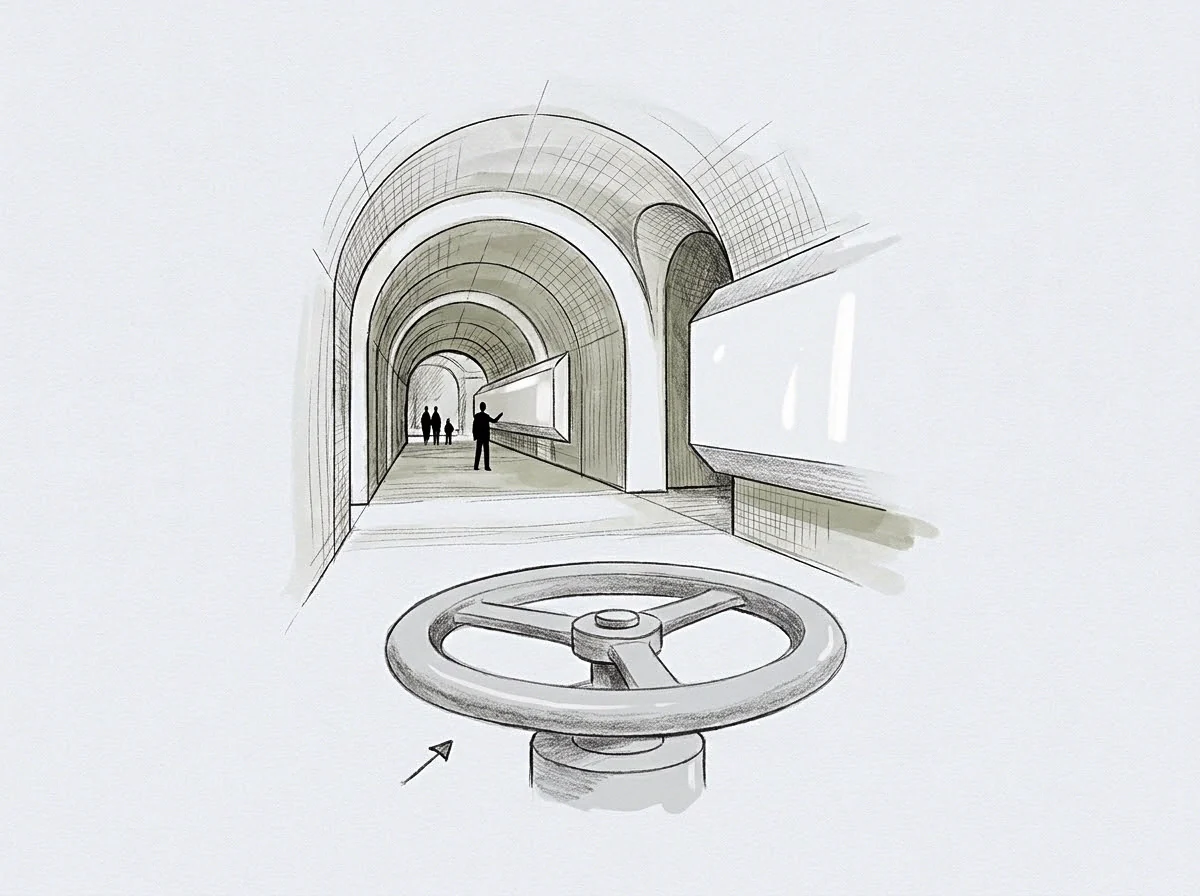
Where Does the Receptor Slot Form?
Early experience forms the internal working model of regulation. Founders who grew up in environments where stability depended on their own capacity to manage adult emotions internalize a backward regulator template. They develop an extraordinary capacity to hold the emotional state of others while completely lacking a biological receptor slot to receive external regulation themselves.
They become the baseline for everyone around them, carrying the team’s entire stress burden while remaining incapable of accepting presence, relief, or physical coregulatory support from partners or co-founders.
Capacity shrinks under continuous pinging. This structural imbalance creates a severe asymmetry in early leadership teams. The founder operates as an unheld holder.
When a well-meaning partner or senior operator offers emotional support or suggests workload reduction, the founder’s nervous system registers the gesture as an anomaly or an additional demand. The offer lands not as relief, but as an operational disruption that threatens the founder’s primary defense mechanism: total self-reliance.
A regulator template built on unilateral containment treats incoming support as an unexpected operational demand.
The template resists verbal reasoning. Intellectual understanding of stress management does not alter the underlying attachment architecture. A founder can read extensive literature on stress physiology while their body continues to reject actual co-regulatory inputs during live crises.
The internal working model views letting down one’s defense posture as identical to systemic failure. Consequently, when stress escalates, the founder doubles down on isolation, tightening control over operational levers and isolating themselves from the exact relational inputs that could lower their allostatic load.
What specific relational inputs would allow a leader with a unilateral containment template to construct a functional receptor slot without compromising executive authority?

Limit

Throttling Mechanisms for Leadership Capacity
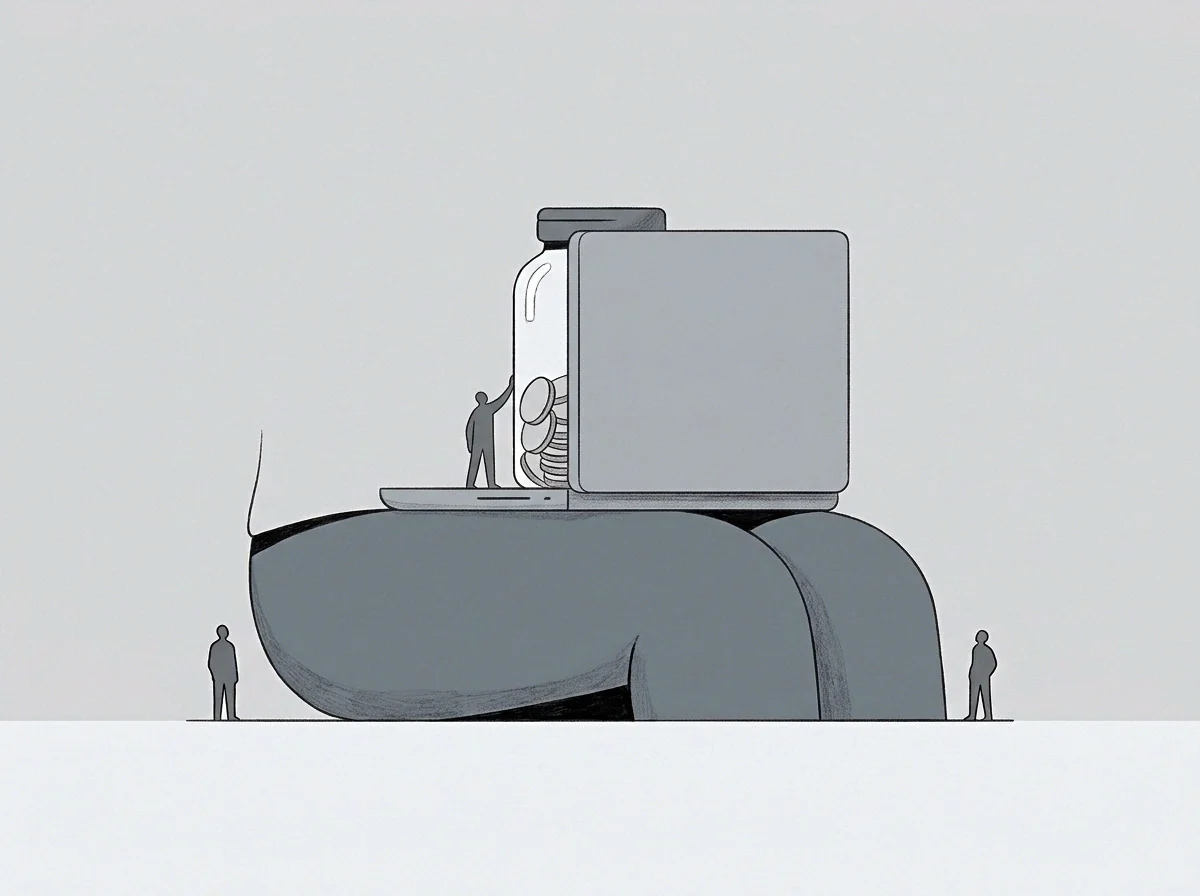
Load transfers without explicit words. Without explicit operational throttling, an early leadership team will push its primary regulators beyond their biological ceiling. Throttling is the deliberate implementation of structural boundaries that limit the concurrency of high-stakes decisions and restrict communication channels during recovery windows.
A limit defines the boundary. Implementing effective capacity throttles requires moving from covert endurance to explicit contractual constraints within the founding team’s agreement. The process follows a structured sequence of operational adjustments.
- The establishing of a maximum concurrency limit on open strategic decisions prevents prefrontal glucose exhaustion.
- The enforcement of mandatory asynchronous communication buffers eliminates nighttime catecholamine spikes among executives.
- The formal delegation of definitive operational boundaries protects primary regulators from low-impact decision friction.
- The institution of mandatory physical disengagement protocols forces autonomic recovery during intense release cycles.
Unthrottled availability damages executive judgment within six months of founding. Founders often resist limits because their early identity rests on total responsiveness. Yet continuous availability guarantees continuous sympathetic nervous system activation.
The brain loses its capacity to distinguish between a minor operational bug and a fatal cash-flow crisis, treating every notification as a red-level emergency.
Continuous availability forces the autonomic nervous system into permanent threat detection.
When the founding contract explicitly specifies that communication channels close between eight in the evening and six in the morning, the baseline cortisol level of the executive team drops by thirty percent within twenty-one days.
Update
Earned Security inside Founder Pairs
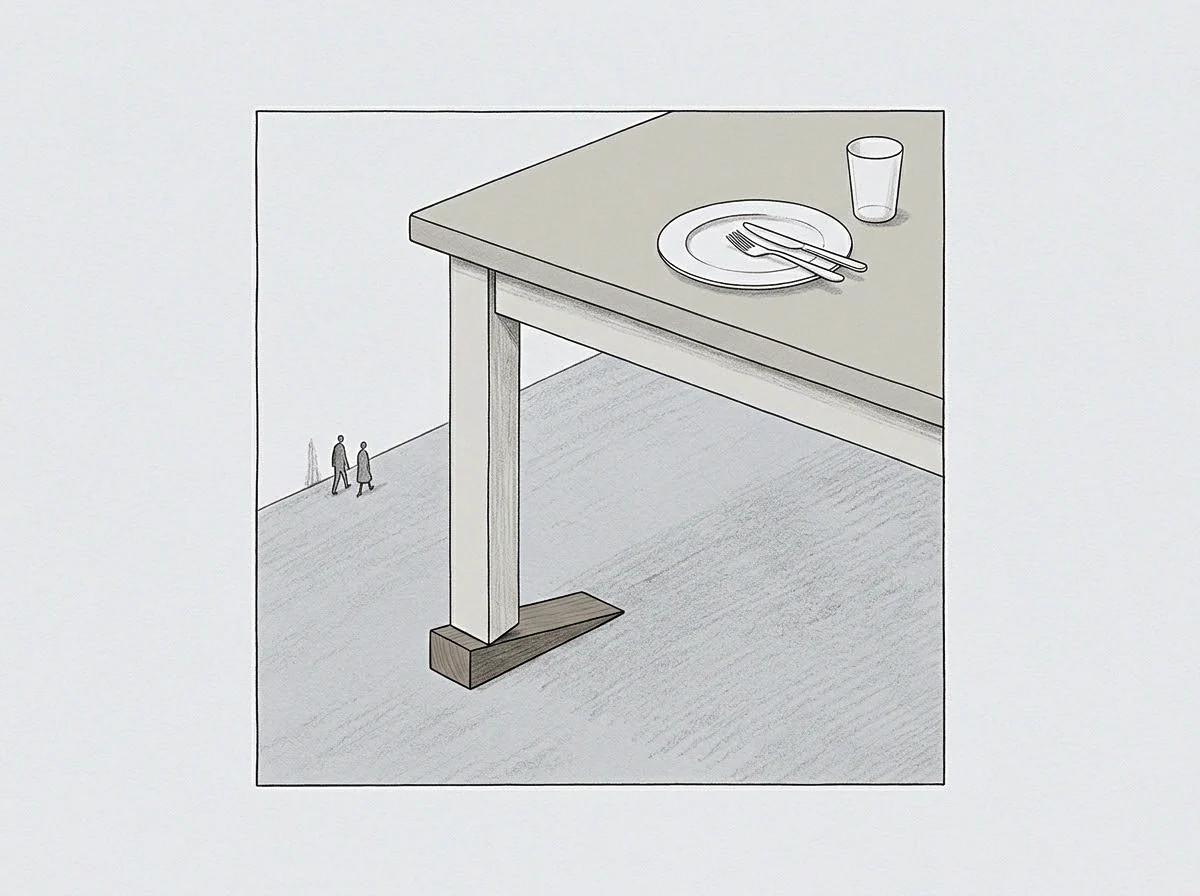
Experience alters the baseline state. Updating a backwards regulator template requires actual physical experiences of shared load over extended operational timeframes. Intellectual insight into one’s stress patterns changes nothing; the autonomic nervous system updates only when it experiences a novel outcome under real threat conditions.
Earned security occurs when a leader repeatedly risks exposing vulnerability or overload to a co-founder and experiences predictable, stabilizing presence rather than abandonment or incompetence.
Repetition rewires the receptor slot. Over a twelve-month period of shared operations, small micro-experiences of relational reliability accumulate. When a cash crunch hits and a co-founder steps into the high-stakes investor presentation without panic, the primary founder’s nervous system registers a new data point: load can be shared safely.
The old internal working model slowly expands to include the possibility of relational support.
Time reveals the actual cost. The delta over time between a team built on defensive self-reliance and one built on earned security shows up in operational longevity. Leadership pairs who cultivate shared regulation navigate intense product pivots, down-rounds, and market contractions without systemic physiological burnout or interpersonal ruptures.
They survive because their biological regulation budget remains balanced, allowing them to process extreme environmental volatility without destroying the human hardware executing the vision.
Trust builds through repeated autonomic steadying during acute operational threat.