
Physiological Regulation Budgets In High Load Founder Teams
Solitary threat monitoring burns prefrontal glycogen, whereas shared baseline presence lowers metabolic cost through automatic autonomic co-regulation.

Outlay
A founder sits in a quiet room at a kitchen table at midnight with four chat channels open, watching a chief technology officer spiral over a production outage. Across three screens, panicked engineers post fragments of logs while the technical cofounder drafts contradictory announcements. The founder types two sentences to steady the room, deletes them, and then enters an operational sequence that halts the panic within four minutes.
The pulse of the team slows across the digital channels, but the founder remains upright, breathing fast and staring at a dark screen until three in the morning.
The human brain budgets metabolic spending around social proximity and available support. When someone operates without an accessible peer who shares responsibility, the central nervous system treats the environment as hazardous. Solitary threat monitoring requires continuous prefrontal vigilance, burning glycogen, raising baseline cortisol, and keeping the sympathetic branch engaged long after an operational emergency ends.
When solitary threat appraisal runs uninterrupted for consecutive quarters, the autonomic nervous system retains elevated sympathetic tone during non-working hours.
Neural Overhead Of Solitary Maintenance
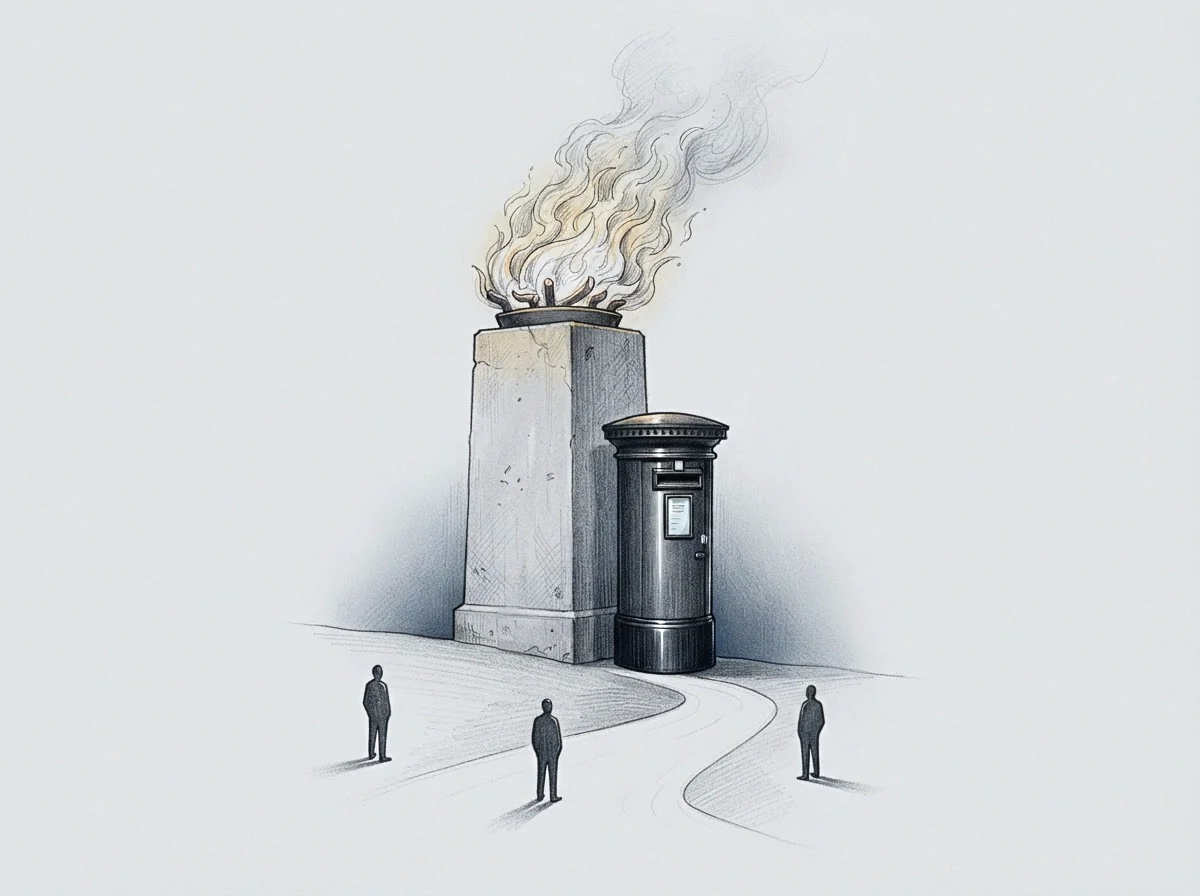
Metabolic conservation depends on reliable social partners. Social baseline theory shows that the human brain defaults to distributed regulation, where physical proximity to trusted companions reduces the neural resources needed to handle threat. When one person governs an enterprise in isolation, that architecture collapses, and every operational surprise, cash variance, or key departure falls on a single biological capacity.
The physiological toll accumulates through unbuffered allostatic load. The cardiovascular system maintains elevated vascular resistance, arterial elasticity declines under continuous catecholamine circulation, and deep slow-wave sleep breaks into shallow stages, though many executives misinterpret this chronic sympathetic state as functional drive.
Baseline Distribution In Small Groups
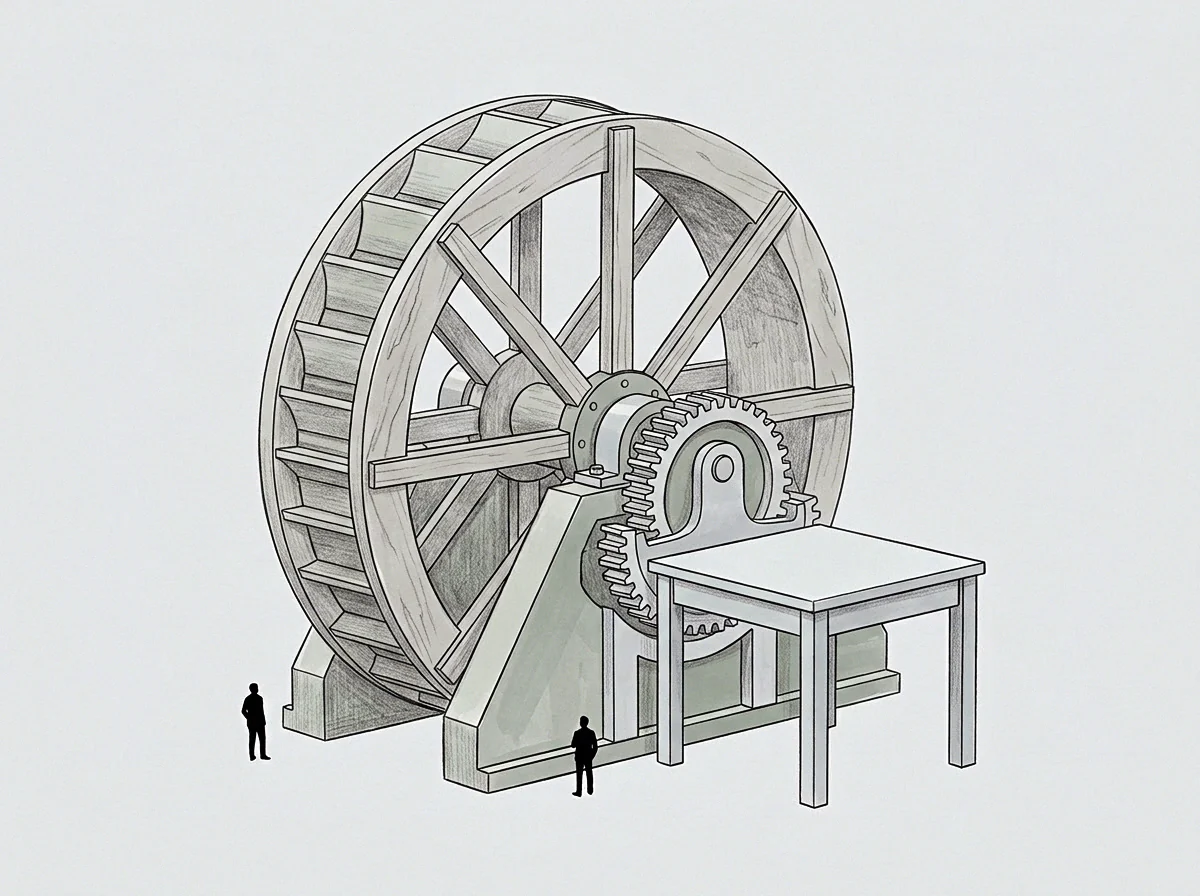
Partnerships in early companies function as biological risk-sharing arrangements. When two or three executive partners maintain mutual predictability, the prefrontal expenditure required for daily problem-solving drops substantially. Shared eye contact, vocal cadence, and physical co-presence signal safety directly to the dorsal vagal complex, dampening amygdala reactivity to sudden commercial setbacks.
This biological buffer fails when one partner consistently serves as the unreciprocated anchor for the rest. Absorbing panic without returning distress turns that partner into a biological dampener, allowing others to borrow calm while remaining blind to the physical strain on the stabilizer. If an executive team ignores this hidden energetic drain, the anchor eventually hits sudden cognitive exhaustion, leaving the enterprise without operational steering during moments of severe stress.

Floor
Biological reserves dictate the operational durability of an enterprise leadership team. When executives exhaust their autonomic headroom, cognitive processing narrows toward immediate threat eradication. Working memory shrinks, pattern recognition falls back on basic heuristics, and interpersonal interpretation shifts toward defensive threat attribution.
Sustaining a high-output commercial pace requires tracking this biological energy expenditure.
A partner who hides autonomic strain invites an immediate transfer of panic from the surrounding room.
The capacity to govern an enterprise depends directly on the autonomic baseline of the people holding governance seats. Operating below that minimum baseline turns strategic decision-making into reactive panic suppression. Maintaining functional governance requires visibility into how physiological strain distributes across leadership pairs during extended commercial turbulence.
| Operating Mode | Vagal Tone Dynamic | Cognitive Processing Bandwidth | Team Load Allocation |
|---|---|---|---|
| Isolated Autonomous | Suppressed respiratory sinus arrhythmia with sustained sympathetic arousal. | Constrained to short-term risk avoidance and immediate tactical triage. | Borne entirely by a single partner with zero biological dissipation. |
| Asymmetric Dampening | One partner maintains artificial composure while absorbing external agitation. | Stabilizer loses strategic focus, secondary partner preserves execution speed. | Transferred systematically from anxious founders to the quiet stabilizer. |
| Reciprocal Co-regulation | Synchronized autonomic recovery with periodic social engagement signaling. | Preserved high-order synthesis, generative modeling, and complex reasoning. | Distributed evenly across partners through direct physiological contact. |

Allocation Metrics Across Executive Pairs
Quantifying physiological state across high-output operators reveals clear markers of breakdown. Heart rate variability serves as a direct proxy for autonomic flexibility, where a sustained drop in the root mean square of successive differences between normal heartbeats indicates a nervous system locked in threat management. Tracking these internal markers makes executive degradation measurable long before financial charts show the impact.
Executive friction frequently stems from divergent recovery timelines. One partner rebounds from an investor dispute within three hours, while another needs two full sleep cycles to restore baseline executive functioning, a mismatch that creates structural resentment and drains energy reserves when mistaken for a difference in work ethic.

Thresholds Where Autonomous Recovery Fails
Self-regulation carries heavy energetic demand. Solitary cognitive reappraisal and somatic down-regulation require substantial anterior cingulate activity. Under heavy workloads, the internal mechanisms for self-soothing wear down, leaving an operator with blunt affect, broken sleep, and persistent visceral dread.
Restoration beyond this point requires genuine social contact. An operator cannot think out of autonomic depletion when the prefrontal cortex lacks the metabolic energy to regulate subcortical threat circuitry. Biological recovery occurs only when leadership agreements formally include mandatory operational pacing, verified offline intervals, and clear limits against late-night emergency escalations.

Contact
Physical proximity acts as an immediate autonomic lever between colleagues facing institutional turbulence. In the same room, micro-expressions, posture, and breathing patterns communicate safety beneath conscious awareness. Digital collaboration strips away this context, forcing founders to decode hazards through text and compressed video at a much higher cognitive cost.
Physical presence settles heart rate variability only when the stabilizing partner holds genuine autonomic headroom.
How Does Proximity Deplete The Stabilizer?
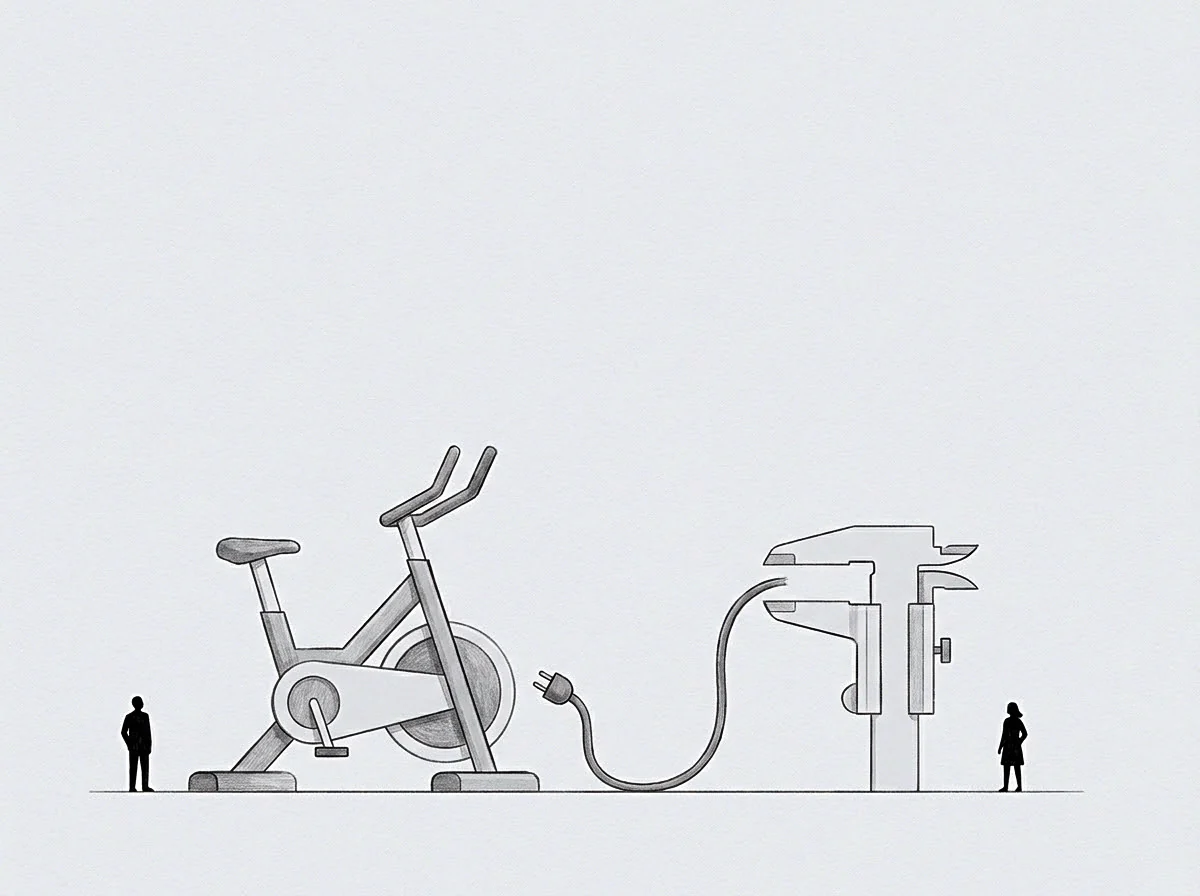
A calm presence in a chaotic room anchors surrounding panic. Team members intuitively seek out the colleague whose voice remains steady and whose breathing is even, borrowing that baseline through autonomic entrainment to regulate their own internal alarm.
The stabilizer absorbs this agitation through mirror neuron activity and neuroceptive tracking. While the panicked partner experiences measurable relief, the stabilizer takes on elevated blood pressure, muscle tension, and rapid glycogen depletion. When an enterprise fails to recognize this dynamic, it mistakes biological strain for executive resilience.
The Asymmetry Of Attaching To Presence
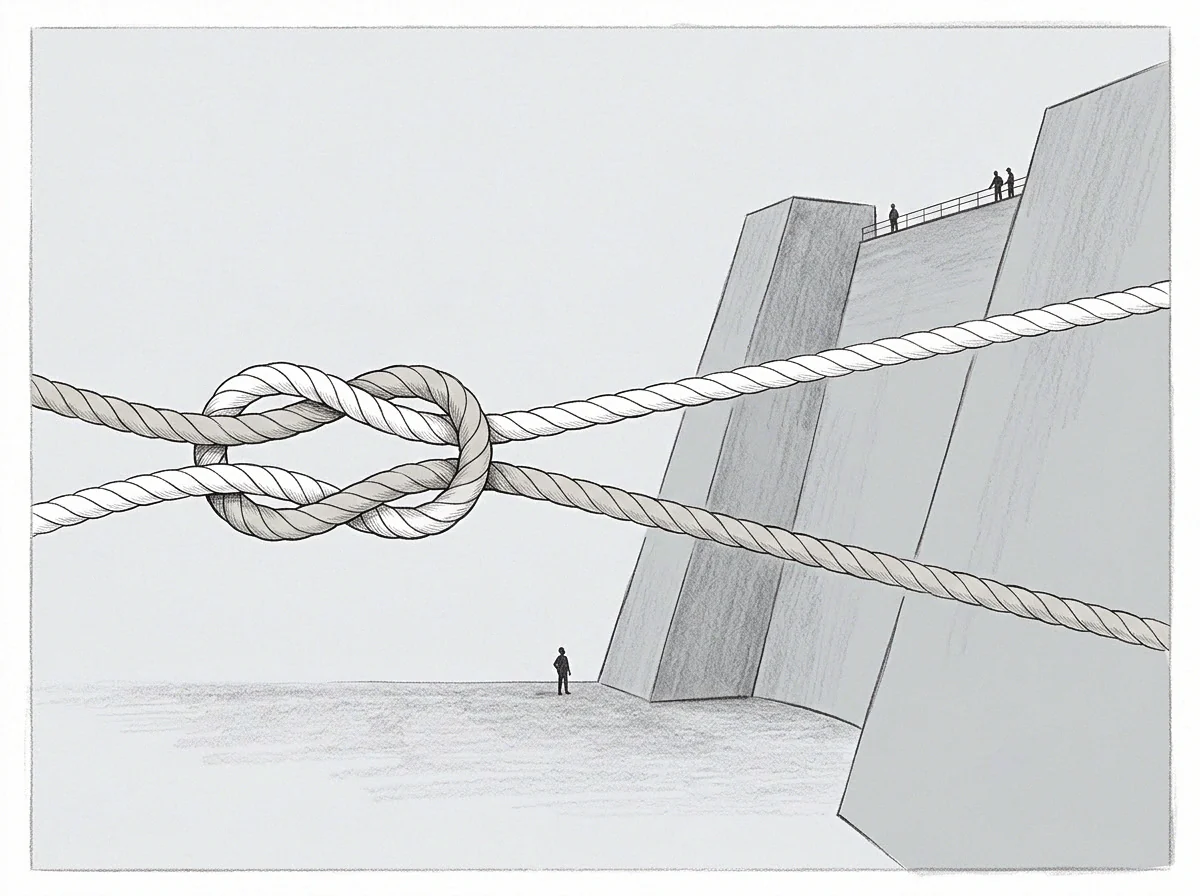
High-load partnerships often generate asymmetric regulatory bonds. Founders accustomed to managing unstable early environments frequently recreate those dynamics in commercial settings, stepping into the role of a constant caretaker who insulates others from difficulty.
- Unreciprocated biological containment occurs when one partner fields panic without ever expressing personal dread, creating systemic vulnerability for the organization.
- Somatic withdrawal cycles surface when the over-leveraged partner eventually experiences sensory exhaustion, disconnecting from communication channels without warning.
- Escalating threat transfer begins as the anxious partners sense the stabilizer pulling away, driving them to flood communication channels with increasingly desperate operational updates.
Recognizing this structural trap requires both parties to evaluate the physical direction of their daily interactions. Regulatory equilibrium returns only when the calm partner stops serving as an emotional shock absorber and the anxious partner develops the capacity to tolerate uncertainty without demanding instant stabilization.

Valve
Consider two partners who built an enterprise software firm over four years, scaling to seventy employees without putting an operational governance boundary in writing. The chief executive holds sixty percent of equity while the technical cofounder holds forty percent. Every time a major contract stalls, an infrastructure outage emerges, or an investor raises concerns, the technical cofounder sends urgent messages across chat, phone calls, and sudden calendar invites.
The chief executive answers every message within three minutes, uses an unwavering voice, and methodically deconstructs each catastrophic scenario until the technical cofounder settles and returns to work. This pattern repeats five times a week for sixteen consecutive months, viewed by the chief executive as operational duty and by the technical cofounder as evidence of an indestructible leader.
The operator who answers midnight pings within five minutes guarantees an accelerated transfer of team anxiety into the executive seat.
Throttling In The Executive Room
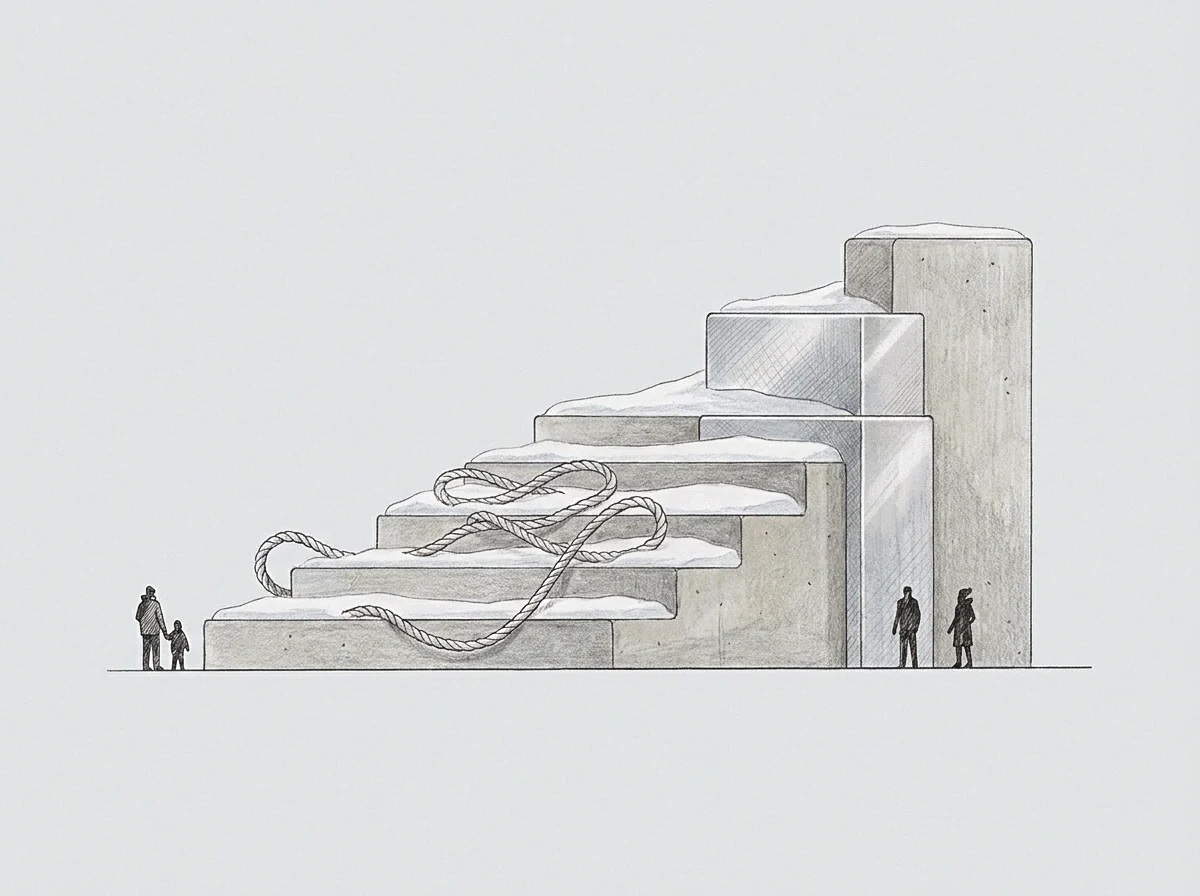
This dynamic represents an unchecked biological transfer. The technical cofounder uses the chief executive as an external regulator, avoiding the work of building personal distress tolerance. Meanwhile, the chief executive takes on an identity anchored in absolute reliability, concealing physiological strain until acute cognitive exhaustion sets in.
Setting a firm operational limit interrupts this cycle. When the chief executive institutes a communications blackout between eight in the evening and seven in the morning, the technical partner experiences intense autonomic panic, forcing them to process uncertainty internally when immediate access to calm disappears.
- Threshold declaration establishes explicit communication parameters, prohibiting panic communications during specified rest intervals and requiring written syntheses instead of rapid emotional pings.
- Anxiety containment testing reveals whether the secondary partner can hold operational ambiguity without immediate access to borrowed calm, exposing underlying deficiencies in emotional self-sufficiency.
- Structural load redistributing assigns concrete risk ownership, preventing one executive from serving as the default emotional container for the entire management team.
The anxious partner inevitably pushes against the new parameter, demanding immediate reassurance during the next crisis and asserting that operational progress stops when urgent questions go unanswered.

Repair
Transitioning an executive team away from asymmetric regulation dynamics requires intentional operational changes. Understanding the biological budget intellectually changes little; the mammalian nervous system adapts its responses through repeated experiences of safety, limits, and steady co-presence under operational pressure.
Earned security develops when leaders establish reciprocal stability. In this model, distress flows bidirectionally and uncertainty meets predictable containment, so neither partner acts as an infallible anchor nor remains a chronically panicked dependent.

Forming A Second Template Under Pressure
Changing deeply ingrained habits during high-stakes execution requires discipline. An operator conditioned to manage distress through constant caretaking must learn to sit quietly while a cofounder wrestles with operational dread, suppressing the urge to intervene so the space itself signals stability.
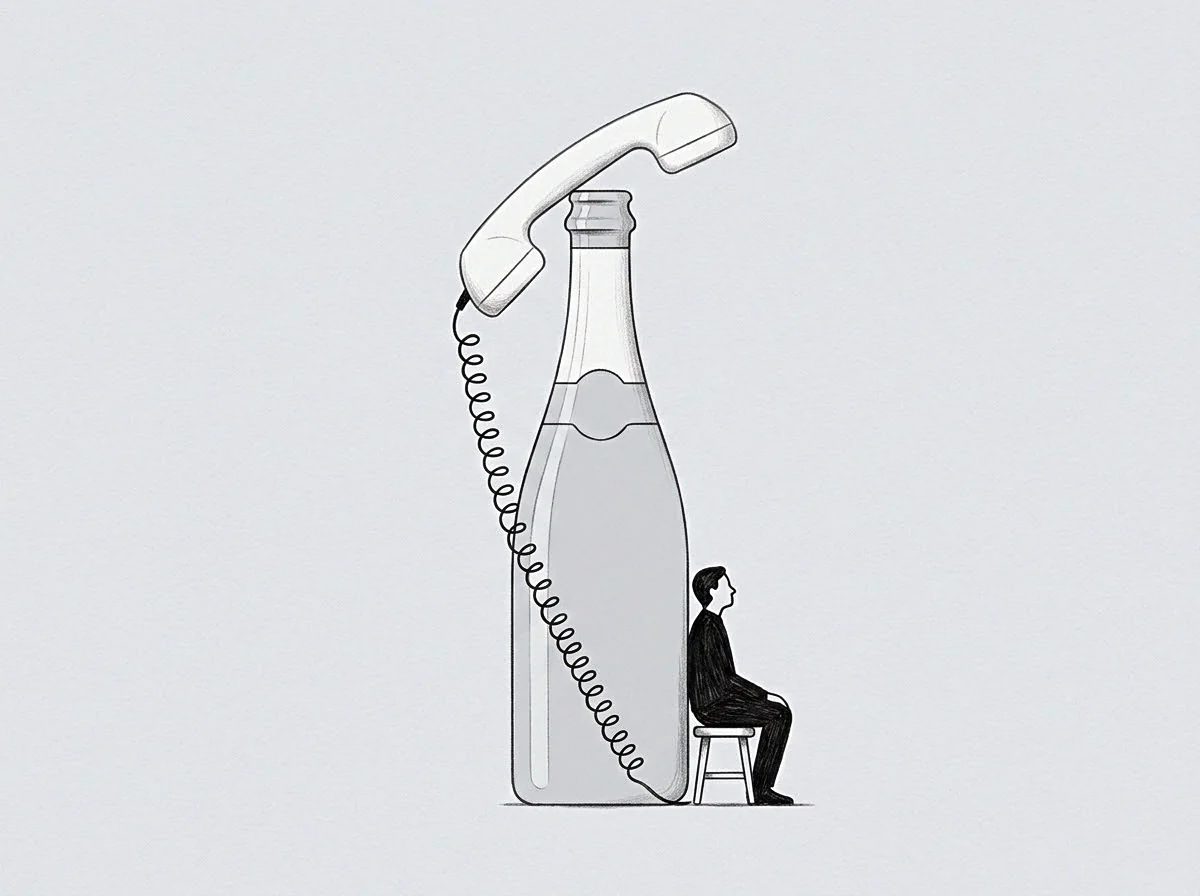
Similarly, an anxious operator must practice enduring physical discomfort without reaching for a channel to offload internal alarm. This reciprocal forbearance builds biological capacity across the team, giving each partner distinct autonomic headroom and expanding collective resilience during genuine enterprise emergencies.
Earned Security In Sustained Operations
Long-term commercial durability rests on physiological stability as much as intellectual capability. Teams that build sustainable biological baselines maintain strategic clarity across multi-year horizons, avoiding leadership breakdowns that derail promising ventures during critical growth phases.
The stabilizer learns to accept support without treating offers of help as an operational risk. A fundamental tension remains regarding whether an executive who built an early career on solitary regulation can abandon that protective pattern without stepping away from the demands of enterprise creation.