
Nervous System Elevation During Shared Work Desk Hours
Shared desk hours elevate nervous system arousal through autonomic entrainment, transferring stress from erratic workers to adjacent stable operators.
Tether
Shared Air and Sympathetic Entrainment
Four people sit at a single oak table with laptops open. By three in the afternoon, every resting pulse in the group settles within five beats of the fastest person. Social baseline theory shows that the human brain treats physical proximity as an energy-saving default: when someone sits nearby, the autonomic nervous system scales back threat monitoring and lowers basal metabolic spend.
But that relief depends on a single condition: the person next door must seem benign, predictable, and capable. If an adjacent coworker is operating under sustained strain—typing with sharp force, checking notifications every ninety seconds, holding a stiff torso—the surrounding bodies stop saving energy and start absorbing that unmanaged strain as an environmental threat.
The autonomic system tracks micro-cues without any conscious thought. Pupil dilation, breathing rhythm, sighing, and slight muscular bracing all broadcast biological signals across the room. In a shared office, these cues pass between desks continuously.
If one person remains in a state of chronic sympathetic dominance, the people beside them show matching physiological stress: vagal braking weakens, heart rate variability drops, and cortisol levels rise toward whatever baseline is highest in the room.
Co-regulation works in both directions, reducing metabolic demand next to a calm body and raising vigilance next to a tense one.
The physical strain accumulates quietly. Someone can sit in silence for four hours, write three documents, speak to nobody, and still step away from the desk thoroughly exhausted. That fatigue rarely comes from the mental work itself; it comes from the body spending energy to resist the stress signals originating sixty centimeters away.
Managing one’s own nervous system takes effort, but insulating it against an agitated neighbor doubles the biological cost.
Biological entrainment pushes bodies toward a shared physiological state. When high stress dominates a shared table, staying calm and focused requires constant internal dampening.
Bench
Biometrics of the Open Table
Open office layouts strip away the spatial barriers that once protected individual nervous systems. By placing workers deep within each other’s personal space without the safety signals the primate brain relies on, open tables force the body to interpret unvetted proximity as constant exposure.
- Vigilance induction happens when peripheral vision catches continuous, unpredictable movement from nearby desks, driving frequent micro-saccades that prevent the body from settling into a parasympathetic state.
- Acoustic compression stems from ongoing background noise—clacking mechanical keys, quiet clearing of throats, muttered complaints—which forces the auditory cortex to burn energy sifting useful sound from subtle threat signals.
- Postural contagion spreads as people unconsciously copy tight shoulders, clenched jaws, and shallow breathing from those next to them. This bodily mirroring can take hold within minutes of sitting beside an anxious coworker.
- Inverted buffering occurs when the steady presence at a table absorbs the surrounding tension, consuming personal energy reserves to stay visibly composed.
This condition leads to sympathetic resonance. The adrenal cortex releases steady norepinephrine to keep the body prepared for sudden disruptions, accelerating liver glycogen consumption and leaving workers mentally drained before noon.
A worker who remains calm during long hours at a shared table invariably absorbs the ambient stress of the room.
Without physical boundaries between shared workstations, teams see quicker spikes in friction, shorter focus windows, and higher turnover among their most dependable members.
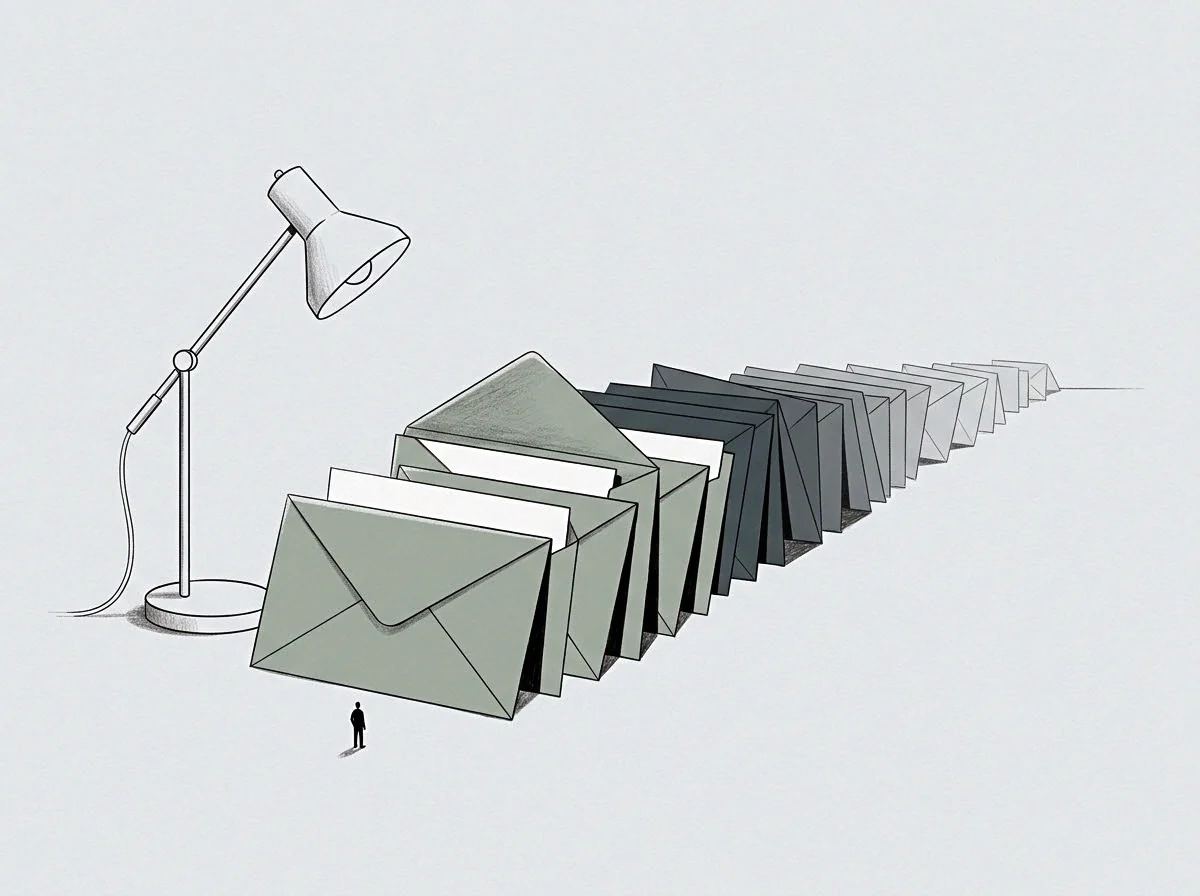
Transfer
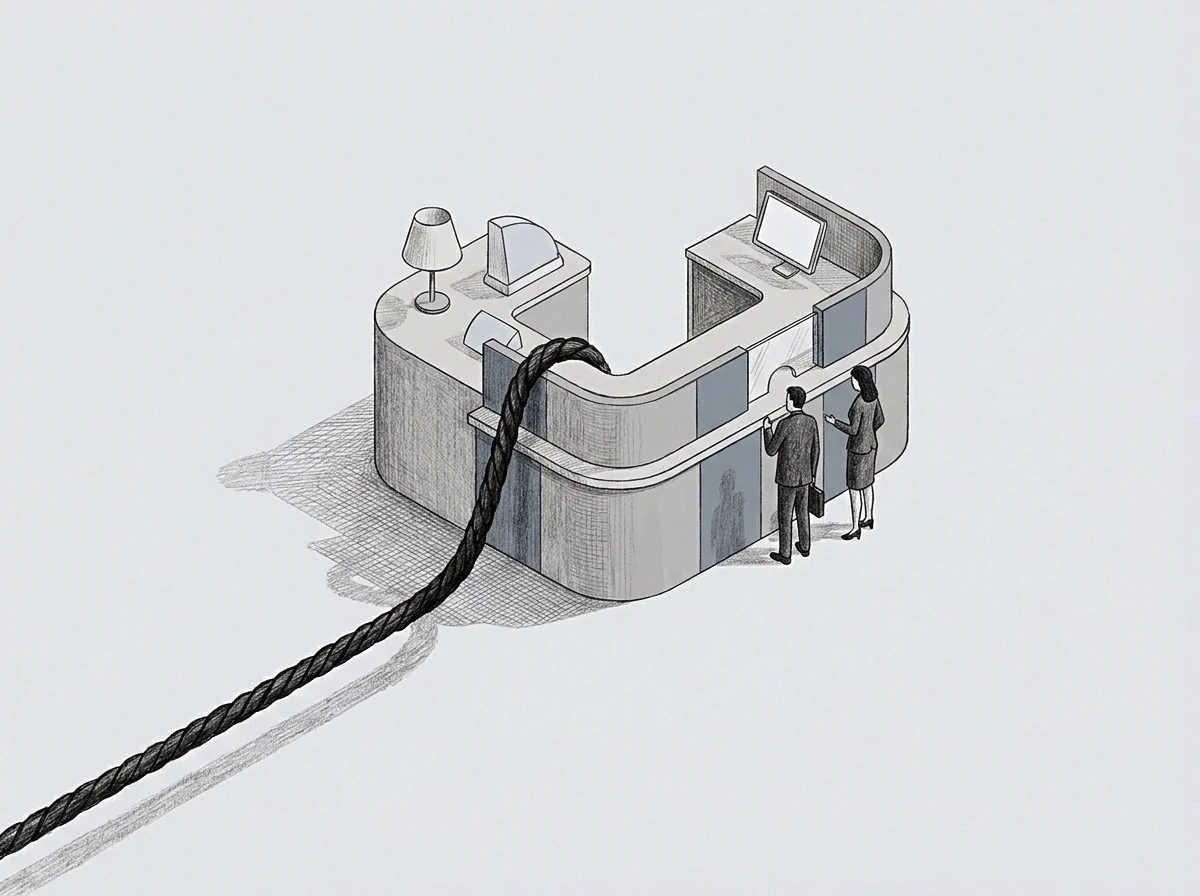
The Asymmetry of Borrowed Regulation
Physiological regulation in a shared workspace moves in one direction. An imbalance naturally forms between those broadcasting tension and those maintaining calm. People tend to settle near a composed coworker because proximity to a steady physiological state lowers the energy needed to stay focused.
The person borrowing that calm feels focused without realizing where the stability originates, while the person supplying it absorbs the ambient tension through constant internal adjustment.
| Exchange Dimension | The Regulated Provider | The Aroused Borrower |
|---|---|---|
| Vagal Tone Modulation | Dampens personal stress responses to maintain a steady ambient baseline | Gains stability, displaying higher heart rate variability |
| Attention Allocation | Spends thirty percent of cognitive capacity shielding personal boundaries | Recovers full focus through the steadying presence of others |
| Glycogen Expenditure | Depletes quickly due to continuous physiological dampening | Saves energy while carrying out tasks |
| Post-Session Recovery | Needs two to three hours of quiet isolation to restore baseline | Finishes work feeling organized, energetic, and clear-headed |
Take two engineers sitting at a twelve-foot table for four straight weeks. The first, dealing with pressing financial pressure, stays tense, sighs frequently, and shifts constantly in their seat. The second, working on core software, maintains a calm, steady rhythm.
By the third week, the first engineer reports deep focus while working alongside their peer. The second develops insomnia, higher morning resting heart rates, and an increasing dread of coming to the office. The first engineer drew on stability that cost the second engineer dearly in physical stress.
This setup remains sustainable only if clear physical and schedule boundaries break up the unchecked transfer of physiological strain.
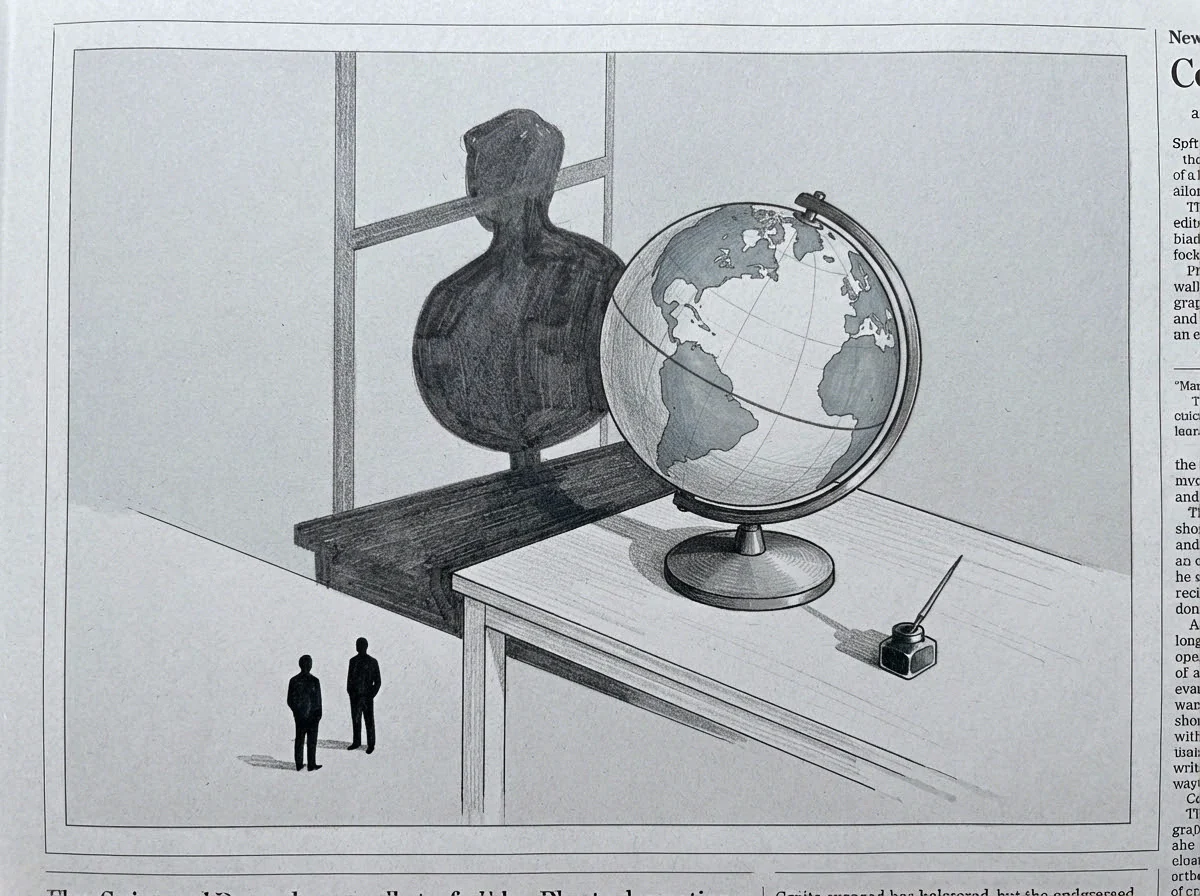
Partition
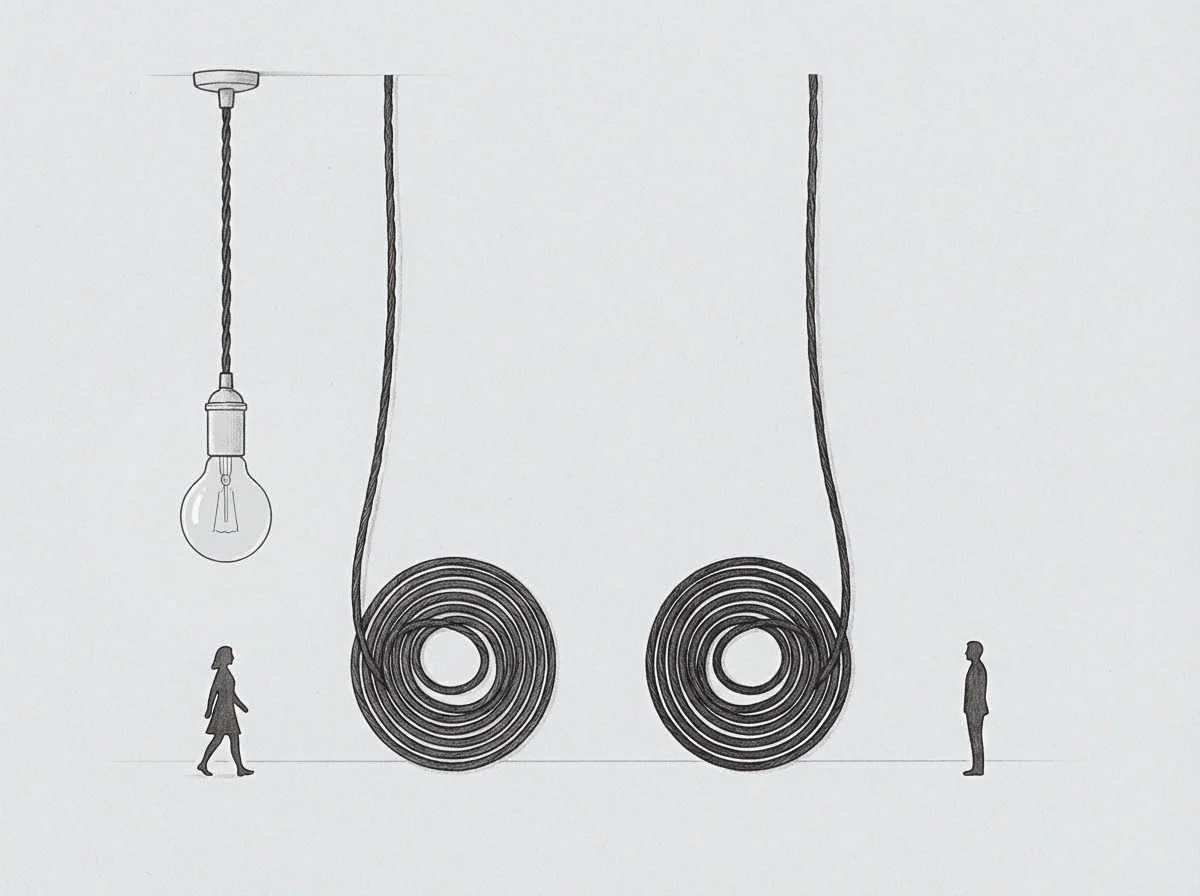
Where Does Borrowed Regulation Dissipate?
Reducing the physiological toll of shared spaces takes structural changes, not sheer willpower. Mental effort cannot stop autonomic entrainment; the nervous system responds to physical distance, sound damping, and structured time blocks.
Physical layout reshapes autonomic reactions faster than conscious effort can reframe them.
Lowering autonomic stress transmission relies on straightforward physical measures:
- Installing solid visual dividers at least forty-five centimeters high to block movement in peripheral vision.
- Setting strict two-hour quiet periods where unscheduled desk interruptions are entirely barred.
- Maintaining at least two and a half meters of space between fast-paced operational desks and deep-focus workstations.
- Scheduling twenty-minute solitary outdoor breaks every ninety minutes to disrupt physical synchronization.
Founders and team leads frequently resist these separations, confusing the restless activity of open seating with genuine collaboration.
High stress states often foster the belief that sitting together is essential for keeping a team aligned.
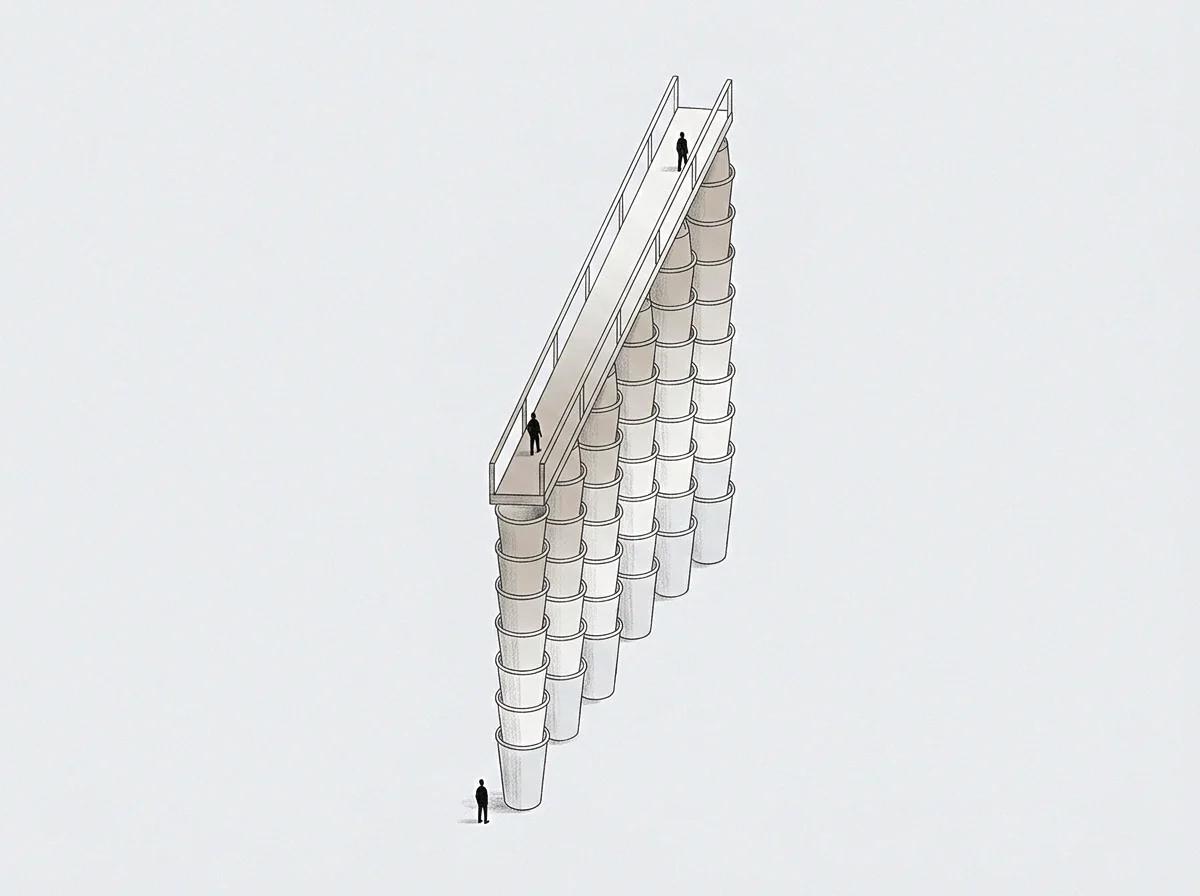
Yield
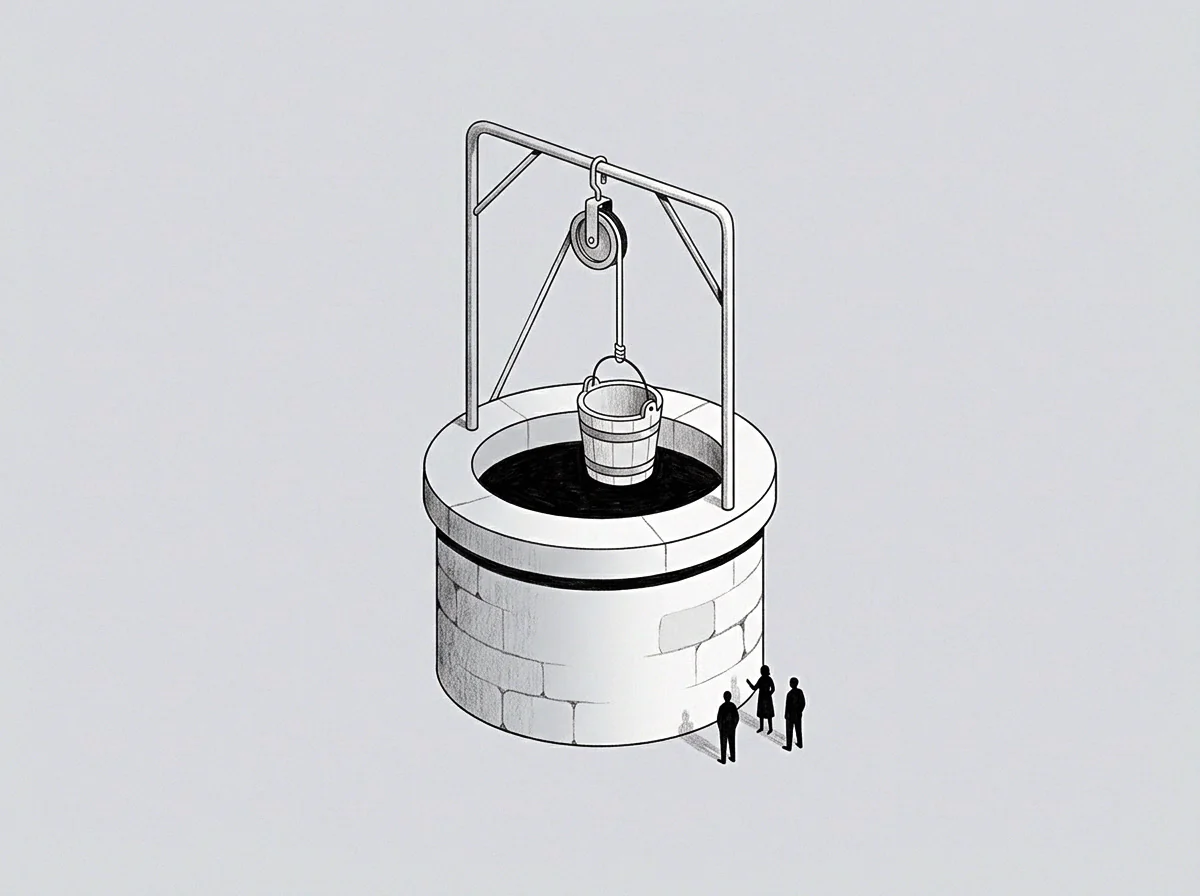
Constructing Earned Security Under Load
Lasting resilience in shared spaces cannot rely on borrowed stability. Relying on a calm peer to ground work output leaves personal regulation underdeveloped, reinforcing a dependence on proximity. Genuine self-regulation builds only through handling demanding work alone over time.
Those accustomed to serving as the stabilizing presence for others often struggle to accept calm in return. Their baseline functions in reverse: they can steady an entire room, but lack the capacity to let someone else’s presence lower their own heart rate. Resetting that pattern requires consistent time in environments where they bear no responsibility for the surrounding mood.
It remains uncertain whether demanding teams can maintain open desk arrangements without wearing out their most grounded members over long project cycles.