
The Energetic Cost Of Isolated Nervous System Regulation
Solitary nervous system regulation increases metabolic baseline expenditure by treating isolation as an active threat requiring continuous sympathetic throttling.
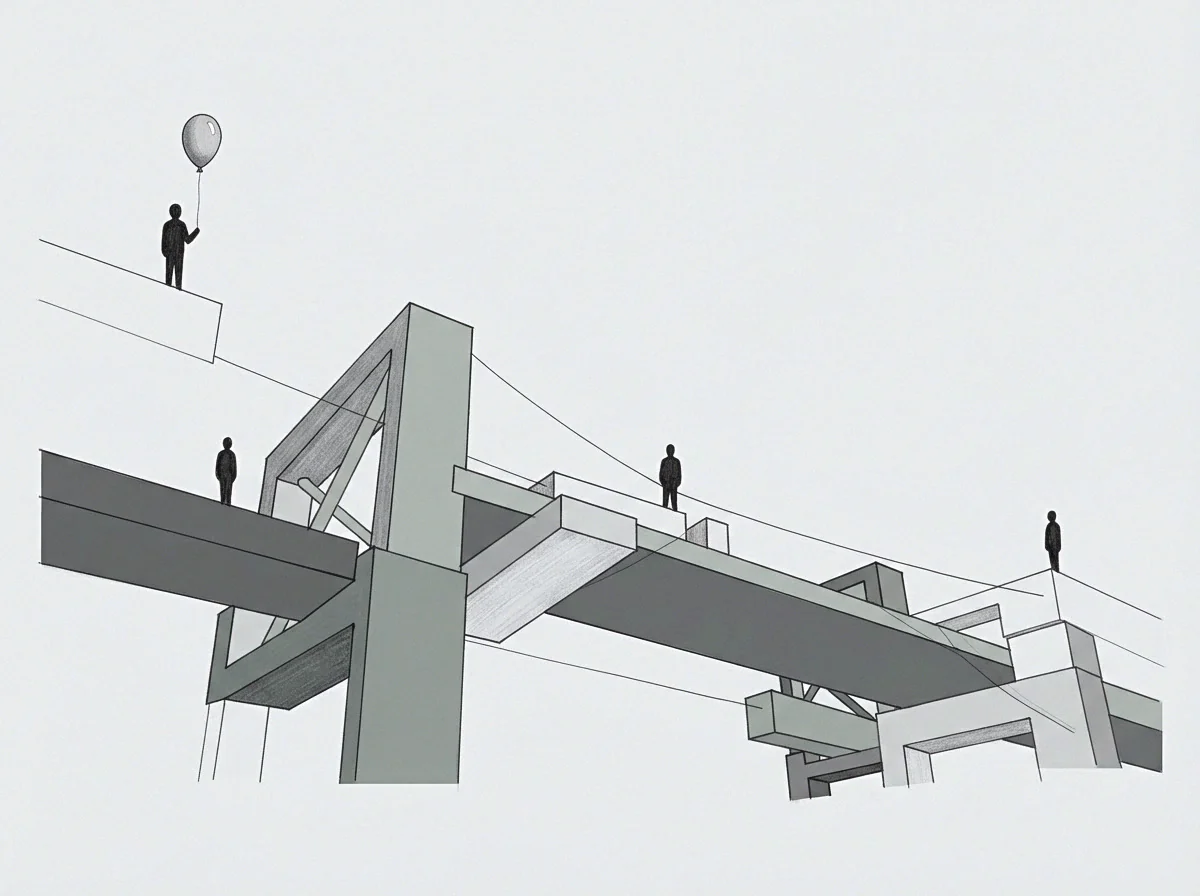
Demand
Four communication feeds remain open at midnight while an operator sits alone at a wooden desk. Decisions on capital allocation, personnel, and product deployment wait in the queue. Pulse stays steady at sixty-four beats per minute while bloodstream glucose drops fast.
To an outside observer, the body looks quiet. Underneath, the central nervous system burns fuel rapidly to maintain homeostasis without another human presence in the room.
Mammalian nervous systems evolved expecting social proximity. Social baseline theory shows that human neural architecture treats the presence of trusted conspecifics as the default, low-energy state. When someone operates alone, the brain anticipates greater environmental risk and higher energy expenditure for each task.
Solitary work shifts the biological baseline from shared risk to individual threat monitoring.
When people are together, threat detection and physiological regulation are shared. Signals of safety pass between bodies through micro-expressions, vocal tone, and posture. When those signals disappear, a solitary brain has to generate its own soothing feedback while watching for external threats.
The brain treats isolation as an active hazard, raising baseline arousal and spending metabolic resources just to remain functional.
The human brain budgets physiological regulation under the standing prediction that a reliable other is nearby to share environmental load.
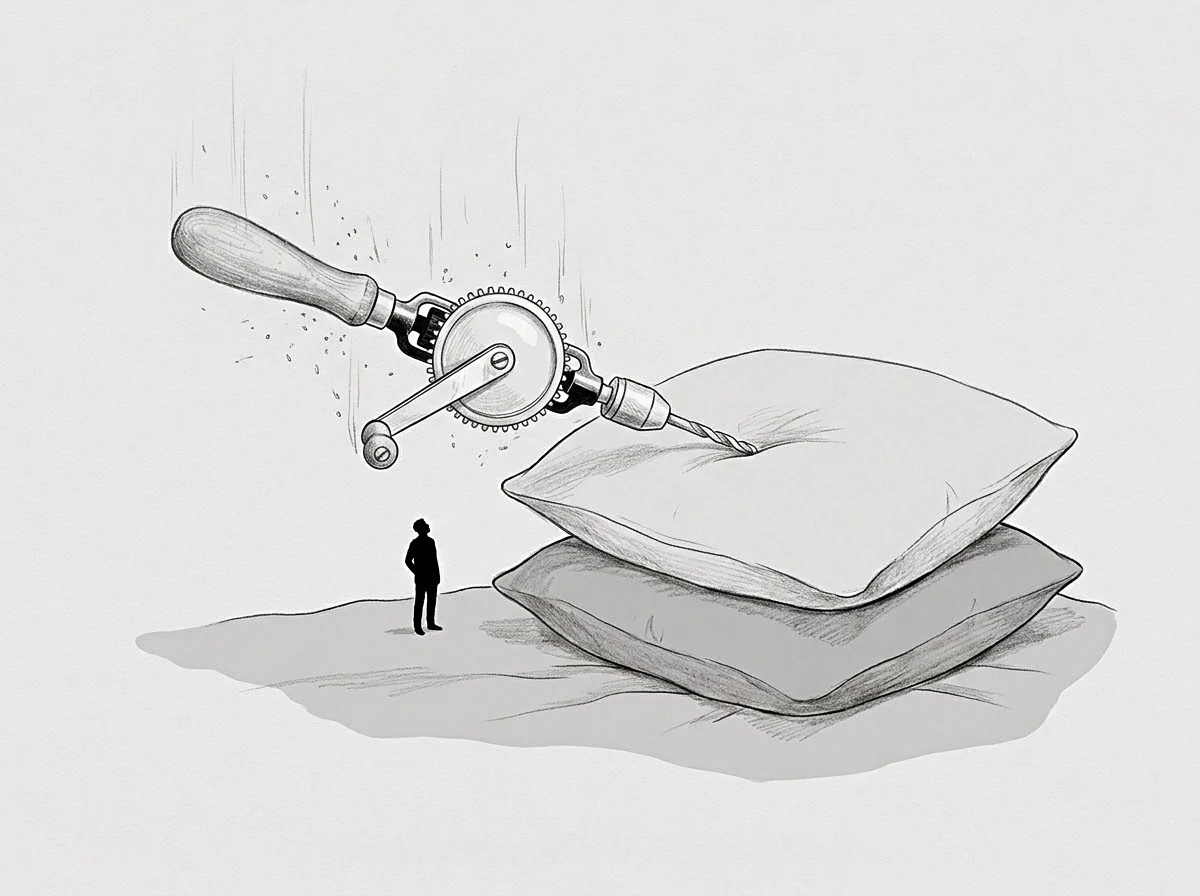
Baseline Neural Economy and the Solo State
Resource allocation in the prefrontal cortex follows strict biological limits. The neural circuits responsible for executive function, impulse control, and emotional regulation depend on continuous glucose consumption. During acute stress, proximity to a stable partner reduces neural activation in the anterior cingulate cortex and hypothalamus.
The presence of a calm counterparty acts as an external dampener on autonomic fight-or-flight signals.
Without that dampening, self-soothing becomes a continuous and costly intervention. A solitary operator exerts conscious cognitive control to counteract sympathetic activation. Every act of self-reassurance, emotional containment, or cognitive reframing costs metabolic energy.
What feels like normal mental effort is, at the cellular level, the constant suppression of an alarm signal. Glucose drops quickly.
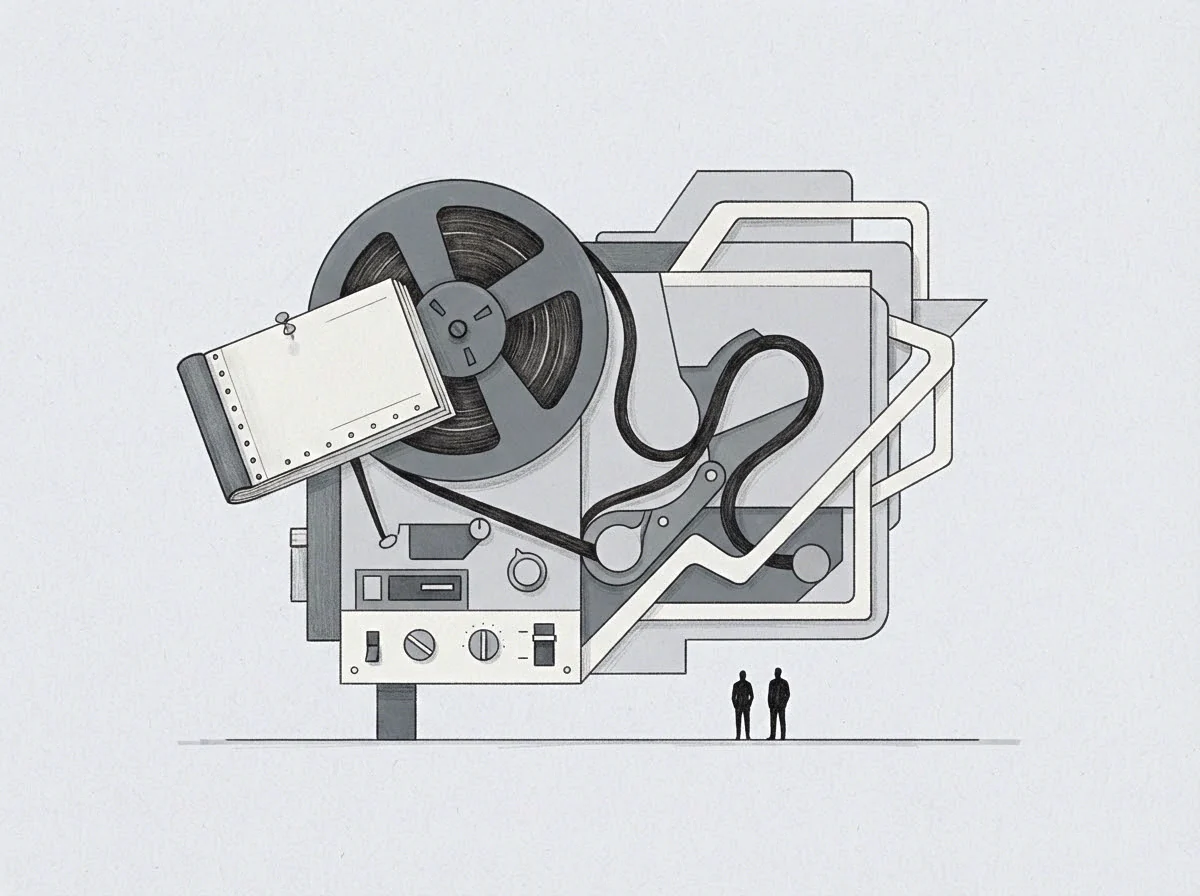
Why Proximity Changes Metabolic Resource Allocation
Physical proximity transfers part of the regulatory burden from conscious internal control to passive somatic mirroring. When two nervous systems share a room, heart rate variability and breathing rhythms synchronize through non-verbal channels. This alignment lowers the biological cost of staying emotionally stable.
The brain reduces threat-monitoring bandwidth because the immediate environment signals safety.
Solitary execution cuts the individual off from these physiological savings. The operator must generate internal safety signals while absorbing operational volatility. Over weeks of isolated decision-making, that metabolic surcharge compounds.
The brain performs its executive duties, but pays an unacknowledged metabolic tax on every decision.
This hidden expense explains why solitary leadership produces deep exhaustion even when workload volumes look manageable on paper. The task list itself is not the main energy sink. Instead, the constant exertion required to stabilize the nervous system without a co-regulatory anchor drains the system.
The central processor runs hot because it carries baseline stabilization alone.
A solitary nervous system can only absorb unmitigated threat signals for so long before its internal energy distribution breaks down entirely.
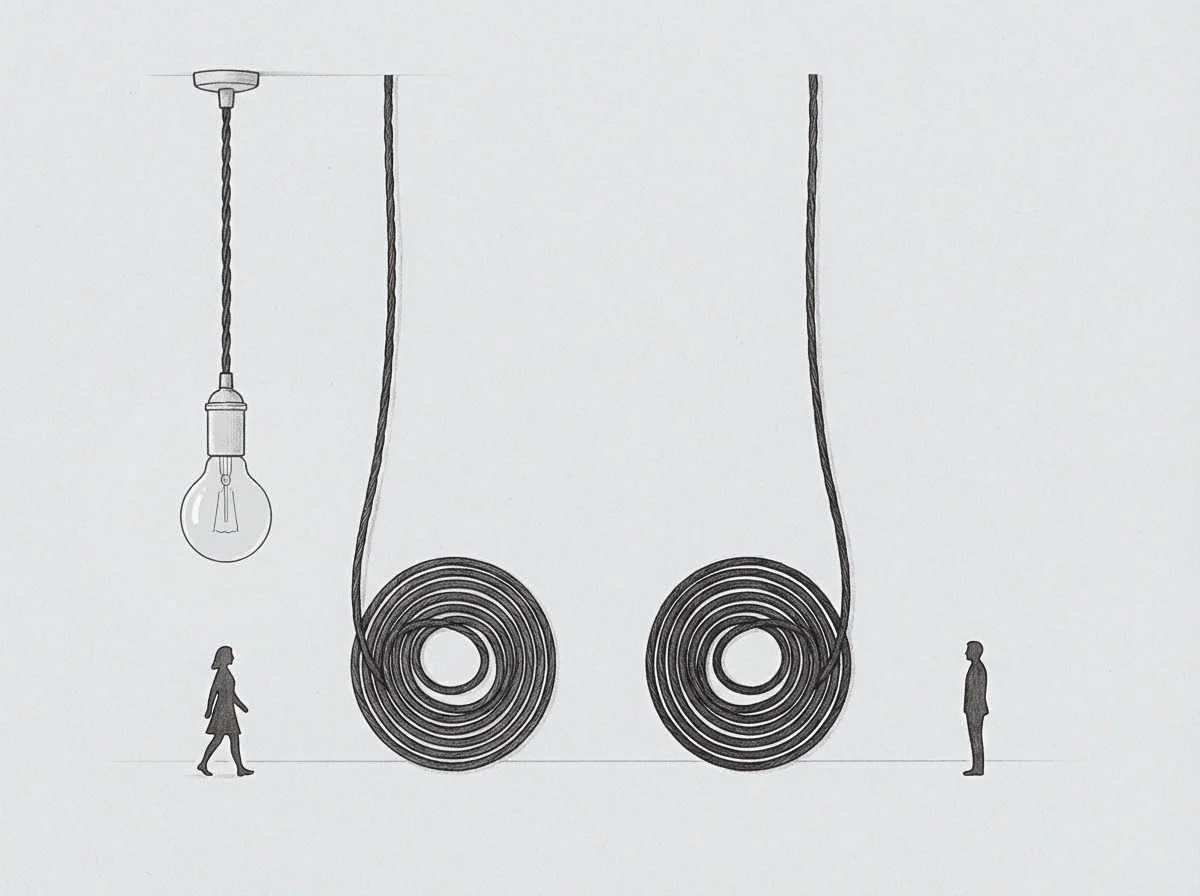
Drain
Continuous self-regulation under operational load creates chronic autonomic vigilance. The sympathetic nervous system stays slightly elevated, preparing the body for action that never arrives. At the same time, the parasympathetic system works overtime through the ventral vagal nerve to suppress visible stress.
This dual activation creates a condition where gas and brake pedals are down at once.
The metabolic consequence of this constant internal tension is a steady increase in allostatic load. Allostasis refers to achieving stability through physiological change. When baseline adjustments remain high for months, wear and tear on tissues, cardiovascular structures, and endocrine pathways accumulates.
The biological system becomes less efficient at returning to a true resting baseline, even during periods of nominal rest.
The mind pays first.
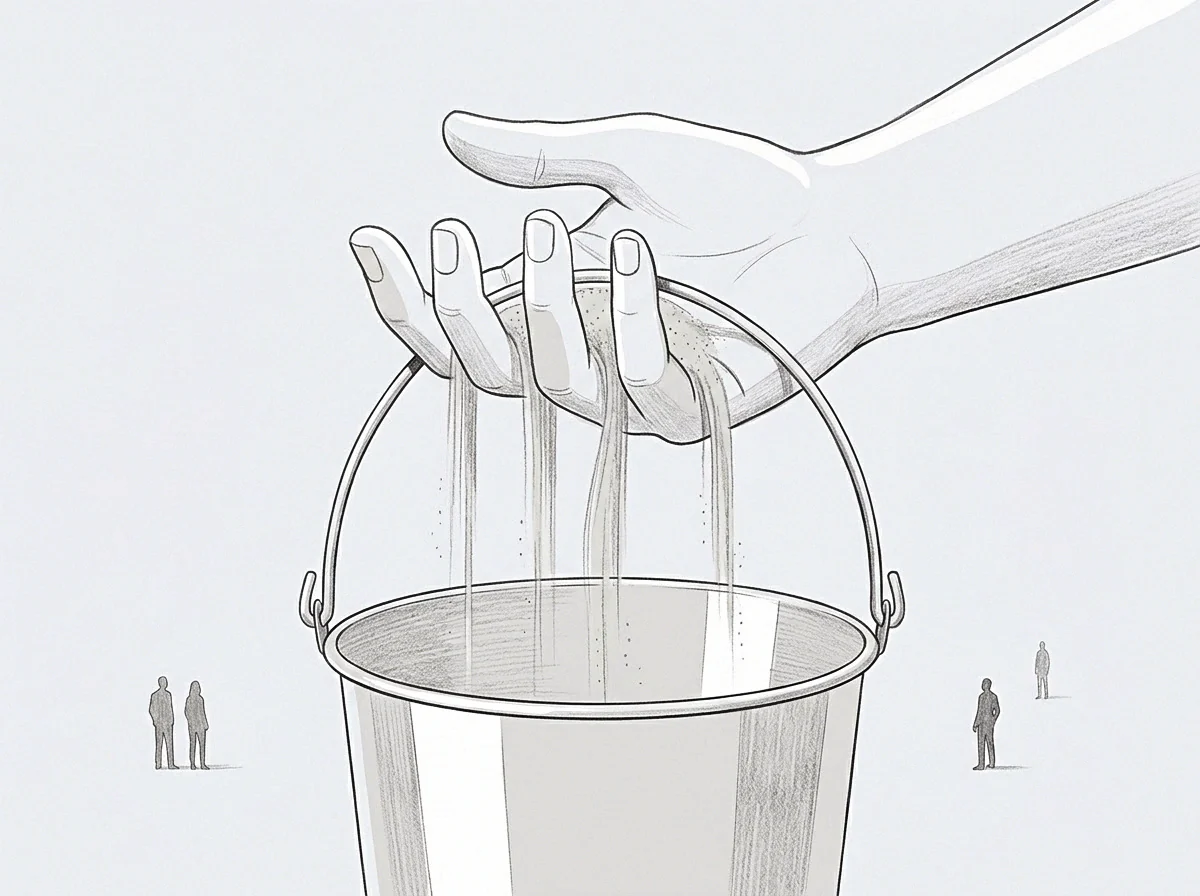
Why does proven steadiness attract additional load?
An operator who maintains an even disposition under high pressure creates an illusion for partners, employees, and investors. Because the internal cost of regulation stays hidden, observers assume energy capacity remains high. The ability to absorb stress without outward distortion is misread as an absence of stress.
Organizations and teams then direct their hardest problems toward the person who appears least disrupted by them.
Steadiness under stress attracts additional operational weight. The stable operator becomes the main regulatory anchor for the entity. Colleagues bring unresolved anxiety, unstructured conflicts, and operational risks to borrow calm.
The operator absorbs this input, processes the emotional turbulence, and returns a calm, structured response. This transaction stabilizes the organization while shifting the physiological burden onto the operator.
When a regulator maintains external calm through continuous internal effort, surrounding actors read that stability as available operational capacity and assign more load.

Metabolic Surpluses and Silent Allostatic Accumulation
Borrowing regulation from a stable leader helps an organization survive, but it creates a severe structural asymmetry. Team members leave interactions feeling grounded and capable, their regulatory costs lowered by the operator’s steady state. The operator returns to a solitary desk having spent significant metabolic energy absorbing external chaos.
Over time, this dynamic creates a systemic deficit inside the regulator.
Solitary regulation under persistent load produces distinct physiological failure modes across cognitive, somatic, and behavioral domains:
- Cognitive Throttling occurs when executive function narrows to short-term triage, sacrificing long-term strategic synthesis to conserve immediate glucose reserves.
- Somatic De-amplification manifests as a blunting of internal bodily signals, masking fatigue and hunger to sustain continuous operational focus.
- Vagal Exhaustion develops when the parasympathetic brake loses dampening precision, leading to sudden spikes in irritability or emotional withdrawal.
- Affective Flattening emerges as a protective adaptation where the brain reduces emotional responsiveness across all domains to prevent further energy depletion.
These failure modes reflect biological adaptations to resource depletion rather than character defects or psychological weaknesses. When energy reserves drop below critical thresholds, the brain turns down non-essential functions to preserve core survival routines. The operator continues to function, but within a narrowing bandwidth of cognitive and emotional flexibility.
When an operator mistakes biological exhaustion for a lack of discipline, the standard response is tighter internal control, which accelerates metabolic drain and compounds system failure.

Mirror
Long-term isolation during high-stakes regulation alters an individual’s internal working model. This model represents the brain’s internal map of relational safety, expectations of help, and self-reliance assumptions. Formed through early experiences and reinforced in adulthood, the implicit blueprint dictates whether the brain anticipates assistance or prepares for solitary defense during a crisis.
When someone spends years as the sole emotional anchor for an enterprise, the internal working model inverts. The brain internalizes a basic rule: safety exists only when self-generated control is absolute. External inputs are scanned for potential disruption rather than support.
The operator develops an operational pattern where providing regulation to others comes naturally, but receiving it feels uncomfortable or dangerous.
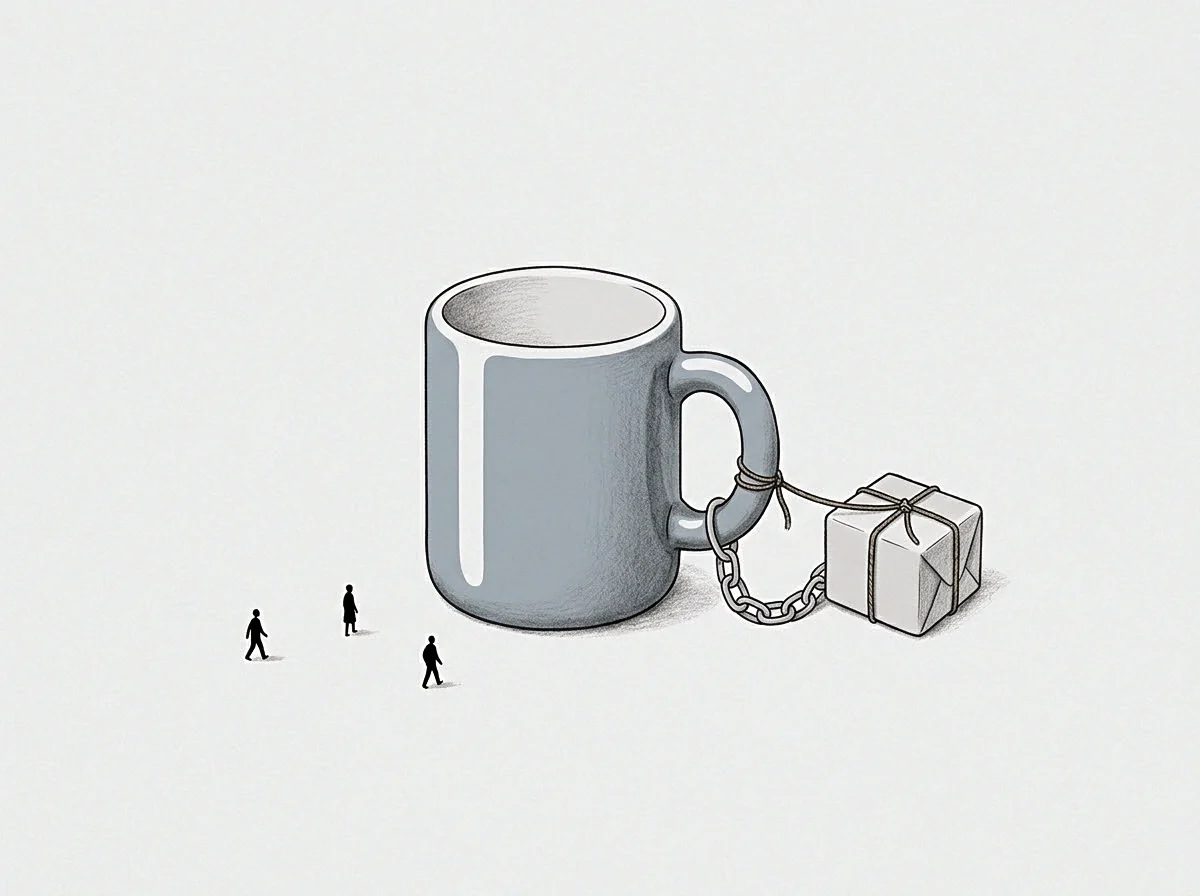
Construction of the Inverted Internal Model
The inverted model forms when someone consistently acts as the primary responsive adult in every environment they occupy. Over time, the person internalizes a view of themselves as the sole provider of calm. They become highly attuned to the physiological states of those around them, developing advanced capacities for empathy, non-verbal reading, and emotional stabilization.
Their nervous system becomes an instrument designed for outward deployment.
This outward focus creates a structural asymmetry in the brain’s regulatory apparatus. Robust neural pathways develop for regulating others, while pathways for receiving regulation remain undeveloped. The receptor slot for external soothing stays vacant.
When a friend, partner, or colleague offers genuine presence or assistance, the inverted system fails to recognize the input as safe. Silence arrives at a price.
An internal working model built entirely on self-reliance interprets offers of external support as threats to operational control.
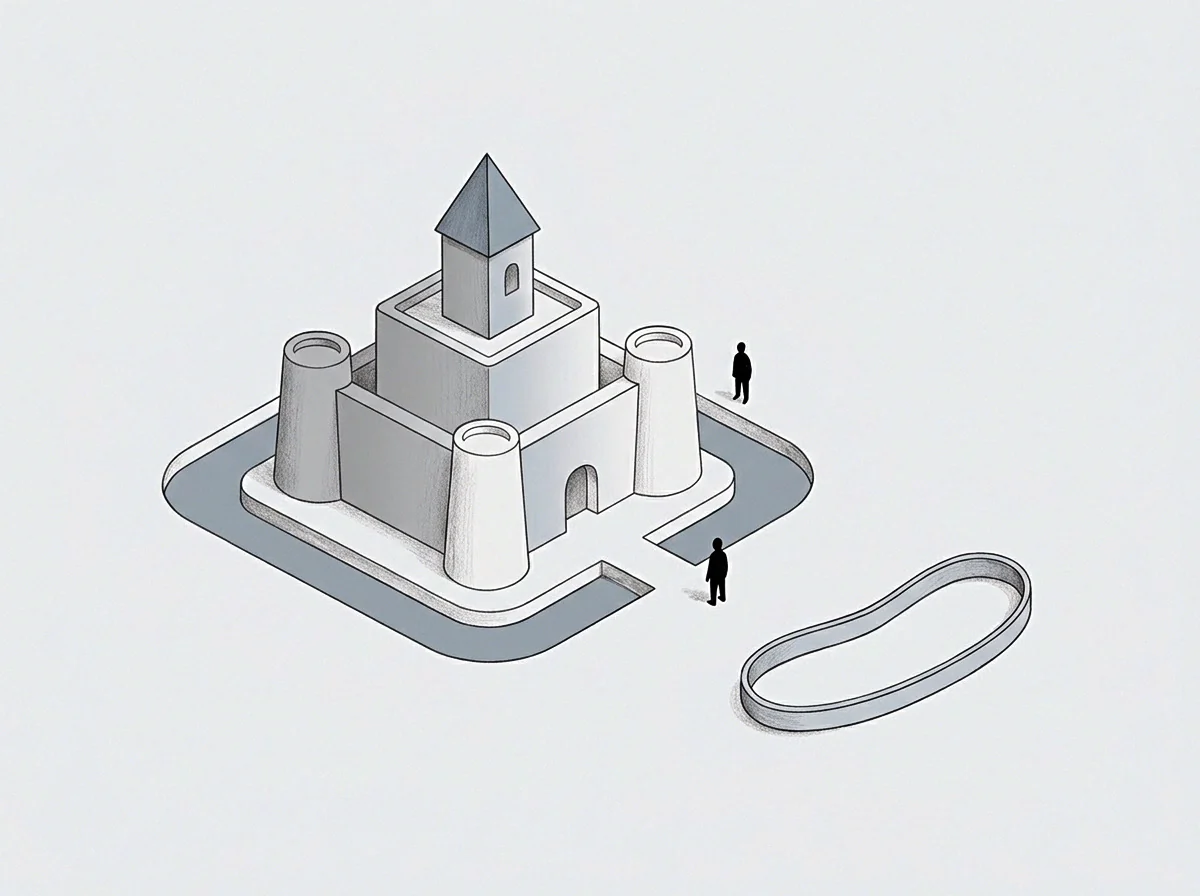
Structural Absence of the Primary Receptor
Without a functional receptor slot, offers of care or co-regulation register as anomalies. If a partner offers quiet presence, the operator’s nervous system can misinterpret the gesture as an added demand for engagement or monitoring. The system stays hyper-vigilant, analyzing the partner’s emotional state rather than settling into shared ease.
Co-regulation fails because the operator cannot shift from regulating to receiving.
This structural limitation isolates operators within their own competence. Surrounding people notice that offers of support are met with distance, polite dismissal, or increased control. Over time, others stop offering support, concluding that the operator neither needs nor wants external stabilization.
The operator’s initial prediction, that no one is available to share the load, is confirmed when the surrounding environment retreats.
This dynamic creates an echo chamber where isolated self-regulation seems like the only rational choice, deepening the conviction that survival requires absolute self-sufficiency.
The operator builds a wall around the desk and then complains about working alone.
Scale
Evaluating the biological efficiency of different regulation strategies requires looking at physiological cost metrics. Self-regulation in isolation relies on high-energy prefrontal suppression, while co-regulation uses passive neuroception and shared somatic dampening. The energy differential between these modes dictates long-term operational sustainability.
The structural trade-offs between isolated regulation and proximate co-regulation show distinct differences across physiological mechanisms, operational limits, and recovery dynamics.
| Dimension | Solitary Regulation Mode | Proximate Co-Regulation Mode |
|---|---|---|
| Primary Neural Pathway | Prefrontal cortical inhibition and conscious cognitive reframing | Passive ventral vagal resonance and non-verbal somatic mirroring |
| Glucose Expenditure | Continuous high consumption to maintain active threat suppression | Low baseline consumption through shared threat distribution |
| Allostatic Load Accumulation | Rapid, continuous elevation leading to high chronic strain | Moderate, intermittent elevation with clear recovery windows |
| Response to External Crisis | Tightening internal control and increasing isolation | Seeking proximity and sharing tactical processing load |
| Systemic Vulnerability | Sudden catastrophic exhaustion when capacity threshold is reached | Gradual capacity deterioration with visible early warning signals |
The transition from isolated regulation to sustained co-regulation does not happen in a single decision. It follows a sequence of structural realignments across an operator’s working life. Operational load shifts over time as specific boundary conditions enter the working environment.
- Identification of the Regulation Tax requires mapping the exact physical costs, energy dips, and cognitive fog following periods of solitary crisis management.
- Introduction of Low-Demand Proximity involves sitting in the physical presence of a calm, trusted person without engaging in active problem-solving or verbal processing.
- Micro-Delegation of Threat Processing establishes small operational tests where non-critical decisions are assigned to capable partners without monitoring or secondary oversight.
- Integration of Explicit Terms creates clear operational boundaries that define maximum availability hours, decision limits, and required recovery windows.
When the term of engagement is explicitly limited to six hours of intense operational focus per day, the underlying biological system shifts its threat predictions and allows resting parasympathetic tone to return.

Shift
Intellectual understanding of regulatory mechanics does not alter neural architecture. An operator can read extensive research on social baseline theory, analyze allostatic load, and identify an inverted internal working model without altering real-time physiological stress responses. Conceptual knowledge resides in explicit cortical memory systems, while baseline regulatory responses sit in implicit somatic memory structures below conscious awareness.
Updating an inverted template requires repeated physical experiences that contradict the baseline prediction of isolation. The brain has to experience safety and load reduction alongside another person before updating its implicit threat assessments. This process builds what attachment researchers call earned security: the structural transformation of an isolated working model into an adaptable, relationally grounded framework through deliberate, repeated relational experiences.
Re-engineering the Regulation Template Through Direct Experience
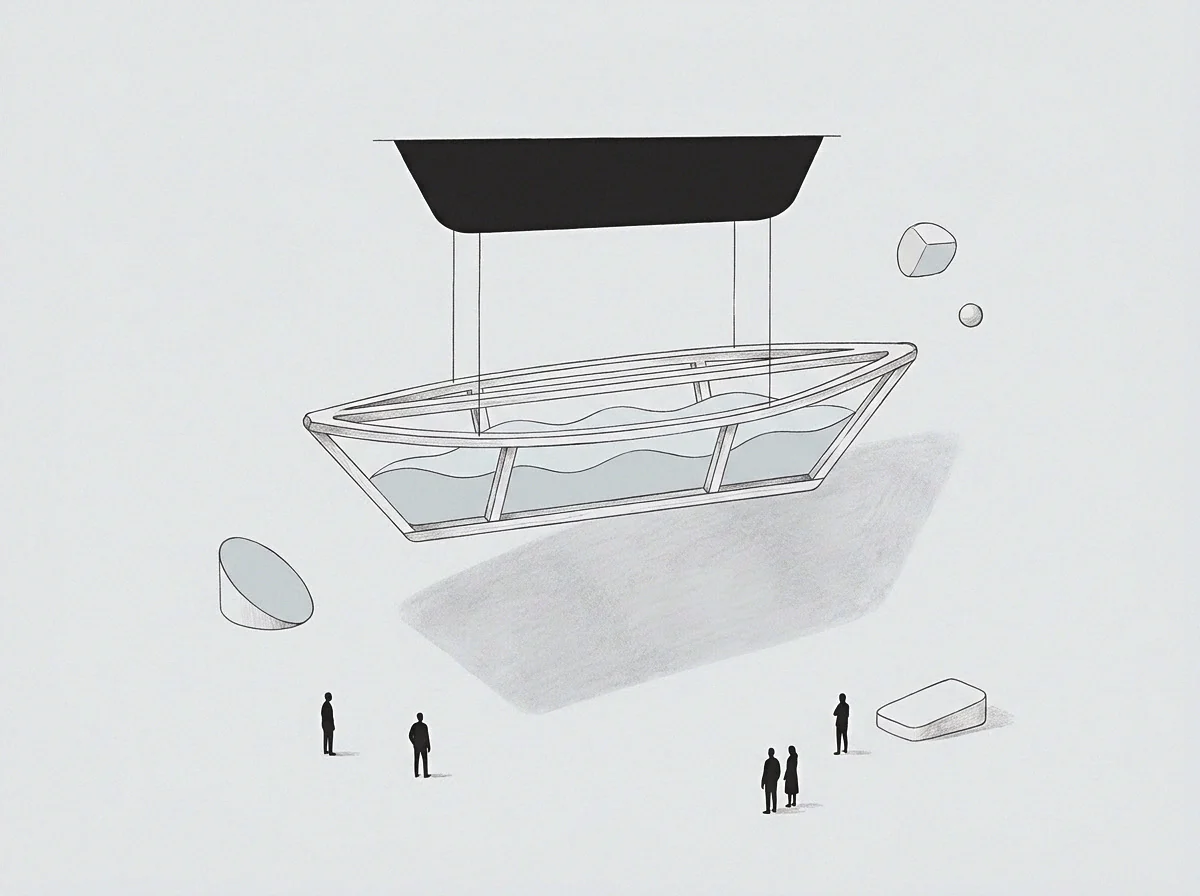
Forming a secondary, adaptive template requires small controlled experiments in shared regulation. The operator exposes the nervous system to high-stress conditions while remaining physically close to a stable counterparty, deliberately restraining the urge to take full control. This exposure creates cognitive and somatic dissonance: the old template predicts disaster, while present experience reveals safety.
Capacity drops under load.
Repeated exposure to this dissonance forces the brain to revise its map. As the counterparty remains calm and capable, the operator’s threat prediction algorithms recalibrate. The prefrontal cortex scales down active inhibition, allowing passive somatic mirroring to absorb part of the regulatory work.
Over time, a secondary neural pathway forms, providing an option that requires significantly less metabolic energy.
Earned security forms when repeated real-world experience disproves the neural prediction that isolation is required for safety.
Cultivation of the Functional Receptor
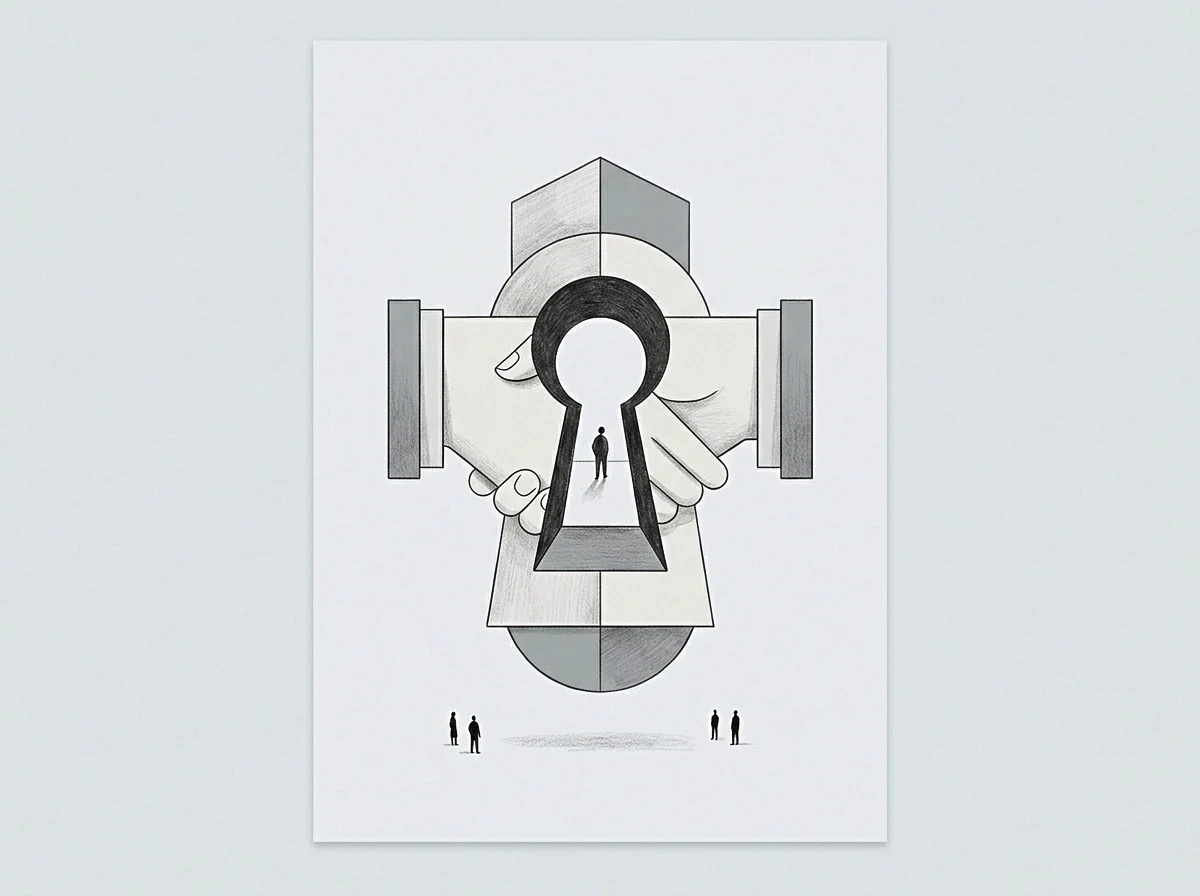
Developing a functional receptor slot requires tolerating the initial discomfort of receiving support. When an operator lets a partner or colleague hold space during a crisis, the immediate bodily response is often increased tension rather than relief. The old template interprets receiving help as a dangerous loss of control.
The operator must remain present through that initial wave of anxiety without reverting to habitual self-reliance tactics.
With practice, the somatic response shifts. The nervous system learns that receiving regulation does not bring a loss of safety or operational failure. The physical sensation of settling into another person’s stable state becomes recognizable and acceptable.
The primary receptor slot opens, allowing borrowed calm to register as genuine stability rather than an anomaly.
This structural update alters the operational economics of the operator’s life. The central processor no longer runs at maximum capacity just to maintain baseline stability. By distributing regulation across a network of trusted counterparties, the operator reclaims metabolic bandwidth.
Energy spent on continuous sympathetic throttling becomes available for strategic synthesis, creative execution, and physical vitality.
The operator still faces high-stakes operational volatility, but the metabolic cost of navigating that volatility drops permanently. The seat remains occupied, but the person in it no longer pays for baseline regulation alone.