
Neuroendocrine Limits On Rebuilding Social Baseline Capacity When Prolonged Isolation Has Downscaled Oxytocin Receptors
Prolonged isolation downregulates central oxytocin receptors, causing incoming social proximity to trigger amygdalic threat cascades instead of borrowed calm.
Vault
An operator returns to a shared workspace after eighteen months of solitary remote execution. Four open messaging channels sit on the primary display. A colleague walks in, pulls up a chair at the next desk, and offers a quiet greeting.
The operator reacts immediately on a physiological level: heart rate surges, shallow breathing takes over, and executive focus collapses into hyper-vigilant scanning. While the conscious mind wants connection, the underlying nervous system processes another person’s physical presence as a sensory intrusion.
Downscaled Receptors Alter Central Amygdalic Tone
Prolonged social isolation alters the physical density of oxytocin receptors across the central nervous system. Under typical conditions, oxytocin binding in the central amygdala, nucleus accumbens, and hypothalamic nuclei dampens sympathetic nervous system reactivity, acting as a built-in brake on stress responses. Without ongoing social input, the transcription of these receptor proteins slows, leaving fewer functional binding sites on the cell surface for circulating peptides.
When someone remains isolated for extended periods, neural tissue conserves metabolic energy by downregulating g-protein coupled receptors that are not being used. As a result, oxytocin signaling loses its structural targets. When social contact resumes, the brain still releases oxytocin into the synaptic cleft, but the shortage of active binding sites limits signal transduction, leaving the brain unable to convert a safety signal into reduced threat processing.
Metabolic Conservation in Low Signal Environments
Synthesizing peptide receptors and inserting them into cell membranes carries a heavy metabolic cost. When social touch, vocal attunement, and eye contact are absent over long stretches, hypothalamic expression pathways downregulate gene transcription for those sites to conserve energy. The nervous system adjusts its baseline, operating on the assumption that solitary execution will continue.
When sustained social isolation reduces central oxytocin receptor density, incoming social signals initiate hypothalamic threat cascades rather than downregulating sympathetic arousal.
Re-entering a social environment under these neuroendocrine conditions creates a functional mismatch. High-density sensory inputs arrive without the receptor infrastructure needed to translate them into physiological calm. Another person’s presence imposes a metabolic monitoring load without offering any offsetting reduction in regulatory effort, and forcing social engagement while receptor counts are depleted leads directly to allostatic overload and physiological exhaustion.
Budget
The human brain functions as a predictive energy manager. Under Social Baseline Theory, the central nervous system assumes that physical proximity to familiar conspecifics is the default human operating baseline. Proximity allows the brain to distribute metabolic costs—sharing threat detection, thermoregulation, and emotional regulation across individuals—making solitary operation the far more expensive state.

Predictive Processing and Social Baseline Capacity
Extended isolation disrupts this baseline allocation model. When social inputs disappear for months, the brain’s predictive architecture updates its internal model to treat complete self-reliance as permanent. It stops expecting co-regulation, adjusting sensory thresholds so that proximity changes from an energy-saving resource into unexpected environmental variance.
A second person in the room requires real-time predictive tracking: the isolated brain must monitor gaze direction, vocal cadence, micro-expressions, and spatial distance. When oxytocin receptor density is intact, neurochemical suppression of stress cascades offsets this tracking burden. When receptor density is depleted, the sensory load arrives without that buffer, increasing overall regulatory demand.
| Parameter | Downscaled Baseline State | Restored Baseline Capacity |
|---|---|---|
| Primary Regulation Driver | Solitary executive suppression | Shared autonomic co-regulation |
| Metabolic Cost of Proximity | Elevated sensory tracking expenditure | Decreased baseline energy requirement |
| Response to Direct Eye Contact | Sympathetic arousal spike | Vagal tone activation |
| Signal Translation in Amygdala | Threat assessment escalation | Inhibition of fear signaling |

The Cost of Borrowed Regulation Under Low Receptor Density
Borrowing calm from another person requires functional receptor machinery. If a colleague offers a steady, grounded presence, that signal must pass through neural pathways equipped to convert social cues into cellular responses. Without adequate receptor density, the gesture cannot land, and the colleague’s presence is registered instead as an unearned demand for attunement.
A downscaled receptor template converts borrowed regulation into an additional metabolic tax, raising heart rate variability suppression during shared presence.
The metabolic balance shifts immediately. An isolated individual expends substantial cognitive energy maintaining a composed exterior while their autonomic nervous system enters fight-or-flight activation. Holding that posture while processing unwanted sensory input drains cognitive reserves within minutes, leaving them exhausted rather than supported.
An observer watching the exchange notices only the stiffened posture and assumes the individual simply prefers working alone.

Spill
Pushing past neuroendocrine capacity triggers acute autonomic dysregulation. When someone forces themselves through extended social exposure despite depleted receptor arrays, circulating peptides overflow available binding sites and engage secondary pathways—including vasopressin receptors and circuits in the bed nucleus of the stria terminalis—that heighten anxiety and territorial defensiveness.

Does Low Receptor Density Render Proximity Threatening?
When central binding capacity is exceeded, the nervous system converts proximity signals into threat responses. Sustained eye contact, extended conversation, and overt emotional expressions demand heavy neural processing. In a typical brain, oxytocin facilitates social approach by dampening fear responses in the central amygdala; when receptor counts are low, binding falls short of the threshold needed for inhibition, leaving sensory input to travel directly to autonomic panic centers.
As amygdala reactivity escalates, cues that normally signal warmth—such as a quiet voice or steady eye contact—are reinterpreted as subtle dominance displays or predatory tracking. The individual feels a sudden urge to retreat, isolate, or assert defensive boundaries. This is not a personality preference or a deliberate choice, but a neuroendocrine escape response to metabolic overload.
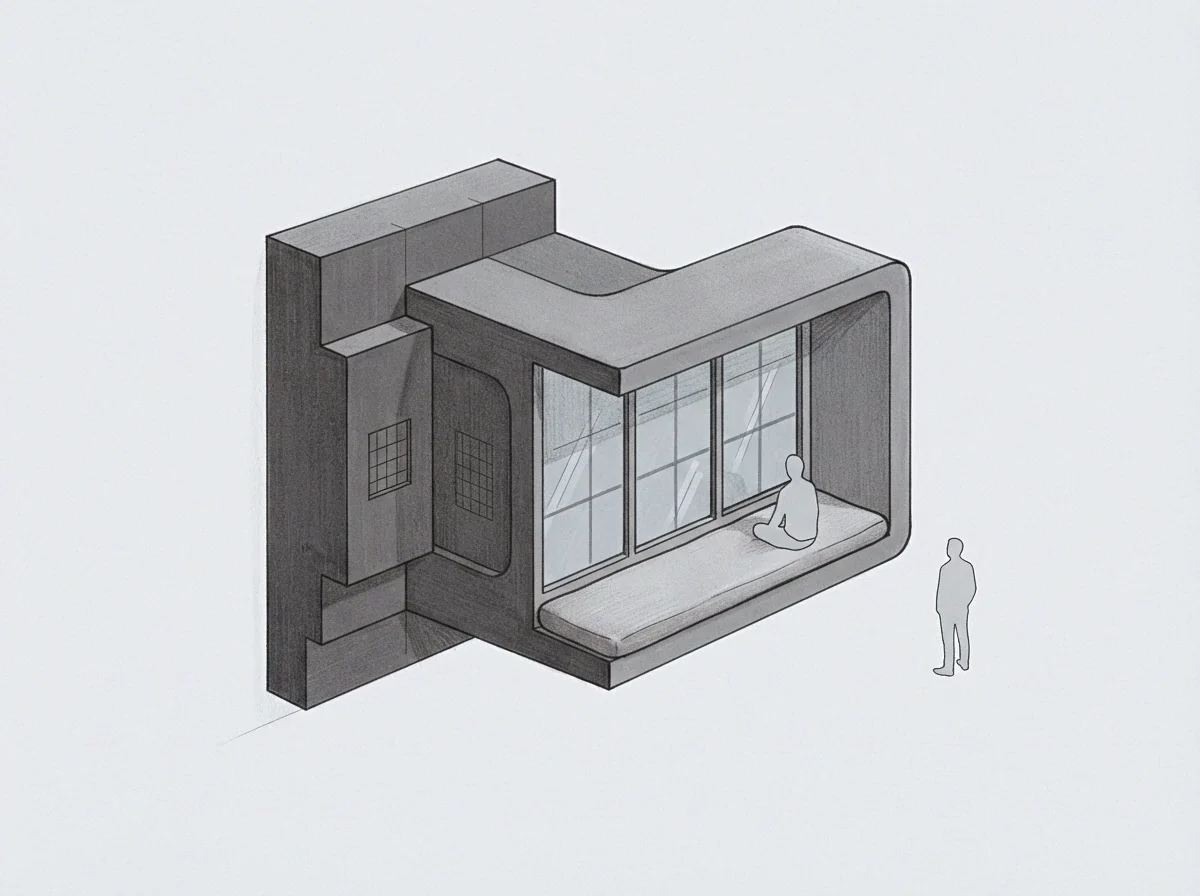
Worked Case of Premature Reintegration
Consider two co-founders attempting to resume direct collaboration after two full years of remote work. Founder A spent that period working alone in a high-stress environment, reducing oxytocin receptor density to survival baselines. Founder B maintained an active social household and returns with intact regulatory capacity.
They schedule an eight-hour strategic alignment session in a small conference room.
The sequence unfolds across predictable physiological stages:
- Hour One Autonomic Surge The founders sit directly across from each other. Founder B leans forward, maintaining steady eye contact to establish rapport. Founder A experiences a continuous increase in baseline heart rate and quiet suppression of heart rate variability, as processing Founder B’s presence requires active, ongoing tracking.
- Hour Three Cognitive Fatigue Sensory processing demands drain Founder A’s prefrontal reserves, eroding executive control. Founder A begins fidgeting, leaning back, and offering one-word responses. Founder B reads this withdrawal as disinterest or passive hostility and steps up emotional engagement to bridge the gap.
- Hour Five Regulatory Exhaustion Excess oxytocin released over hours of contact fails to bind to depleted sites and spills into lateral septal vasopressin circuits. Founder A experiences sudden waves of irritability and defensiveness, causing a minor strategic disagreement to trigger a full threat response.
- Post Event Withdrawal Founder A cuts the meeting short and retreats into four consecutive days of solitude, concluding that in-person collaboration is inherently incompatible with operational focus.
Titrating social proximity below the threshold of autonomic activation allows receptor density to recover without triggering allostatic escape.
The session fails because it ignores neuroendocrine limits. Pushing through initial discomfort did not build resilience; it imposed a heavy allostatic load that reinforced the brain’s baseline prediction that proximity is dangerous. The alignment breaks down where neurobiology collides with enforced social expectation.
When operational plans demand immediate, full-time physical collaboration without accounting for depleted receptor arrays, the arrangement routinely leads to chronic friction and retreat.

Joint
Rebuilding social baseline capacity requires a structured, non-coercive approach. Receptor density cannot be restored by conscious effort or intellectual insight alone; gene expression and protein synthesis follow fixed biological timelines. Upregulation requires repeated, low-intensity social exposure kept strictly below the threshold of autonomic threat activation.

Micro-Dosage Protocols and Parallel Work
Titrated exposure stimulates receptor upregulation without causing overload. Instead of long or emotionally demanding interactions, recovery depends on brief, predictable social encounters. Parallel work is the primary tool here: two people share a physical workspace while handling independent tasks, keeping sensory demands to a minimum.
In a parallel work setup, there is no need for continuous eye contact, fast-paced conversational tracking, or emotional attunement. Another person’s presence remains ambient and predictable. The brain registers low-level social cues—subtle breathing shifts, quiet movement, soft background sounds—without triggering threat pathways, creating the conditions for gentle oxytocin synthesis and release.

Non-Evaluative Co-Presence as Neuroendocrine Bridge
For receptor recovery to occur, another person’s presence must carry no perceived evaluative threat. If the isolated individual feels watched, assessed, or pressured to perform socially, prefrontal threat circuits remain engaged and block neuroendocrine recovery. Low-demand co-presence eliminates that evaluative pressure.
- Establish shared workspaces where interaction is explicitly optional and non-performance is the default rule.
- Keep early shared sessions brief, capping exposure at thirty minutes to avoid autonomic fatigue.
- Position desks side-by-side or angled away, removing required eye contact while preserving peripheral visual presence.
- Schedule complete returns to solitary space immediately after shared working blocks to let the autonomic nervous system settle.
Working at adjacent desks in complete silence restores the regulatory baseline without overtaxing low-density receptor arrays.
Over repeated sessions, steady low-level oxytocin binding at available receptor sites signals the cell nucleus to activate transcription factors and synthesize new receptor proteins. As membrane density gradually increases, the nervous system recalibrates its predictions and expands its capacity for shared regulation.
A steady, low-demand routine gradually rebuilds neural infrastructure.

Pace
Restoring central oxytocin receptor density follows the timeline of protein turnover and neural membrane remodeling. Rebuilding social baseline capacity requires weeks or months of consistent, low-demand exposure; biological transcription cycles cannot be rushed by operational urgency.
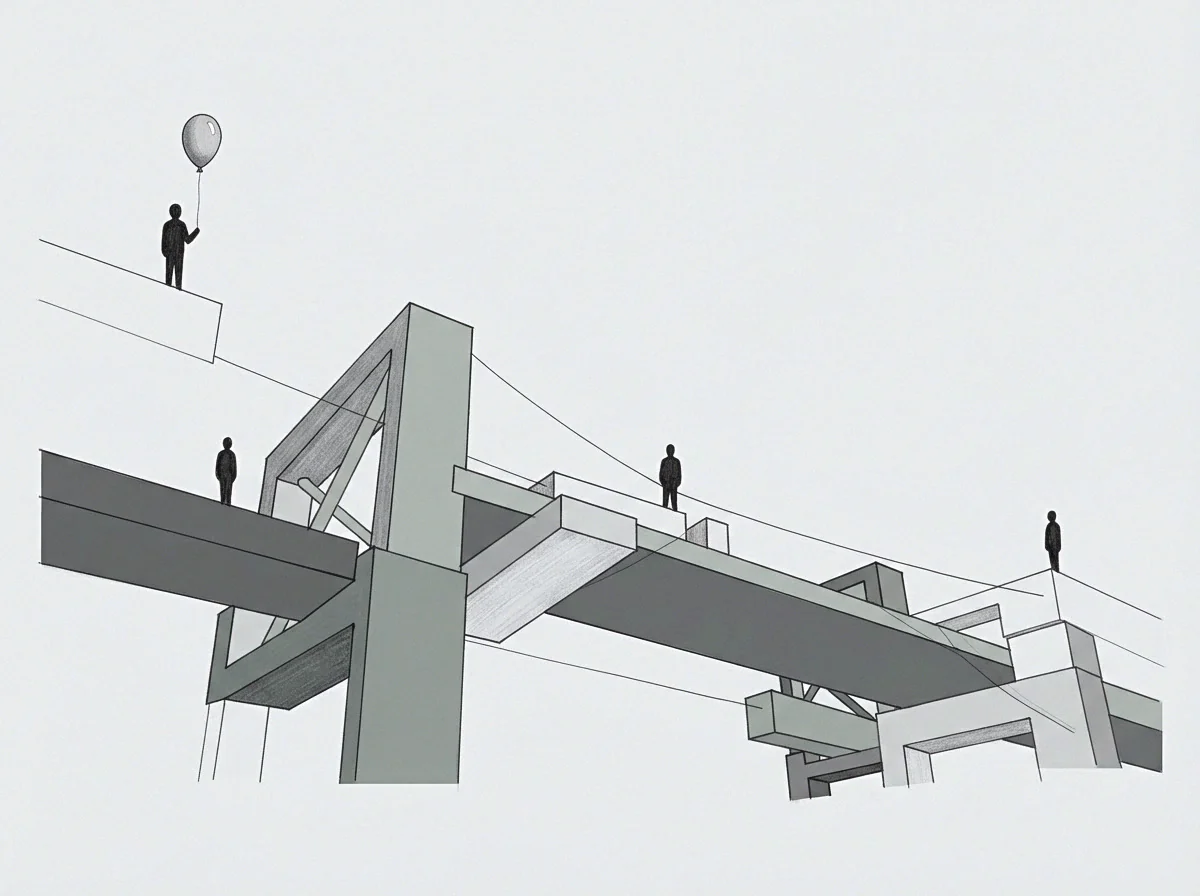
Upregulation Kinetics and Earned Baseline Security
Transcriptional recovery unfolds through a sequence of cellular steps. Gene expression produces mRNA transcripts, which are translated into receptor proteins within the endoplasmic reticulum, modified, and transported to the cell membrane. Because each stage operates on fixed biological timelines, consistent, low-intensity oxytocin exposure is required to sustain the synthesis pipeline.
As receptor density expands across amygdalic and hypothalamic networks, co-regulation capacity returns. Incoming social cues bind effectively, engaging inhibitory GABAergic interneurons that quiet threat processing and reduce the physiological cost of shared presence. The brain gradually shifts away from complete self-reliance, re-engaging the energy-saving mechanisms of social baseline theory.

Delta Over Time in Baseline Reconstruction
The transition from hyper-vigilance to restored capacity shows clear systemic changes over time. Early in recovery, a fifteen-minute conversation can trigger lingering sympathetic arousal and cognitive drain; three months into a titrated re-entry protocol, that same individual can work alongside a team for hours without autonomic depletion. While the physical environment is identical, the underlying neuroendocrine template has transformed.
This biological recovery builds earned baseline security. The individual updates their internal working model through repeated neurochemical experiences of safe, low-demand co-presence. Another person’s presence shifts from a metabolic burden back into a source of physiological stability, as a fully restored receptor template grounds the individual within a shared environment.