
Neuroendocrine Regulatory Threshold Boundaries During Prolonged Un-gated Multi-Channel Operational Stress
Continuous un-gated operational inputs cause persistent neuroendocrine activation, downregulating cellular receptors and forcing biological throttling.

Surge
Four communication streams deliver incoming notifications simultaneously while an operator reviews a quarterly cash forecast. The mobile device displays an incoming customer escalation, an operations lead requests an immediate contract review in chat, a lender sends an inquiry regarding covenants, and an engineering director asks for approval on infrastructure spend. Each incoming item lands on an un-gated reception surface without triage or delay.
The central nervous system treats each discrete demand as an environmental change requiring systemic adaptation.
Neuroendocrine activation begins before conscious appraisal evaluates the technical content of the inputs. The paraventricular nucleus of the hypothalamus releases corticotropin-releasing hormone into the hypophyseal portal system. Adrenocorticotropic hormone subsequently enters peripheral circulation from the anterior pituitary gland, signaling the adrenal cortex to produce cortisol.
Simultaneously, the sympathetic-adrenal-medullary axis discharges epinephrine and norepinephrine from the adrenal medulla. Heart rate variability contracts, blood pressure rises, and glucose mobilization accelerates to support immediate vigilance.
The system operates under an assumption of transient engagement. Baseline equilibrium typically restores within ninety minutes after acute environmental stimulation terminates. When incoming inputs arrive without temporal interruption, the clearance interval disappears entirely.
The adrenocortical axis remains continuously stimulated, preventing circulating cortisol from returning to diurnal baseline concentrations.
Sustained catecholamine release maintains elevated vascular tone whenever input channels operate without arrival gates.
The acute response changes into chronic allostatic load when hormonal mediators remain in circulation for extended operational spans. Receptor sensitivity across target tissues begins to adjust downward to protect intracellular structures from steroid saturation. Mineralocorticoid receptors in the hippocampus reach persistent saturation, shifting negative feedback control to lower-affinity glucocorticoid receptors.
The physiological cost accumulates silently across vascular, metabolic, and neural compartments while operational productivity appears stable on daily progress logs.
Uncorrected adrenocortical saturation degrades peripheral insulin sensitivity, accelerates arterial stiffening, and impairs prefrontal executive function across consecutive quarters.
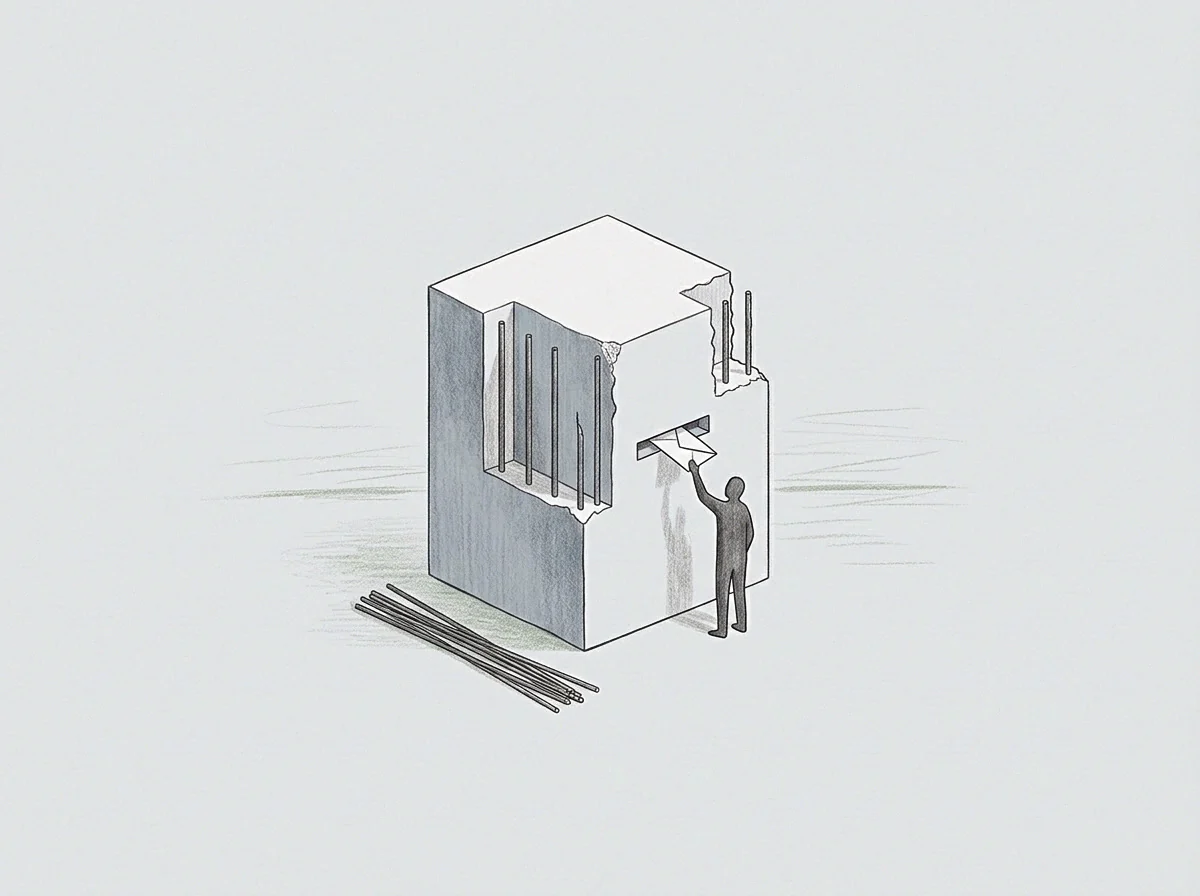
Wire
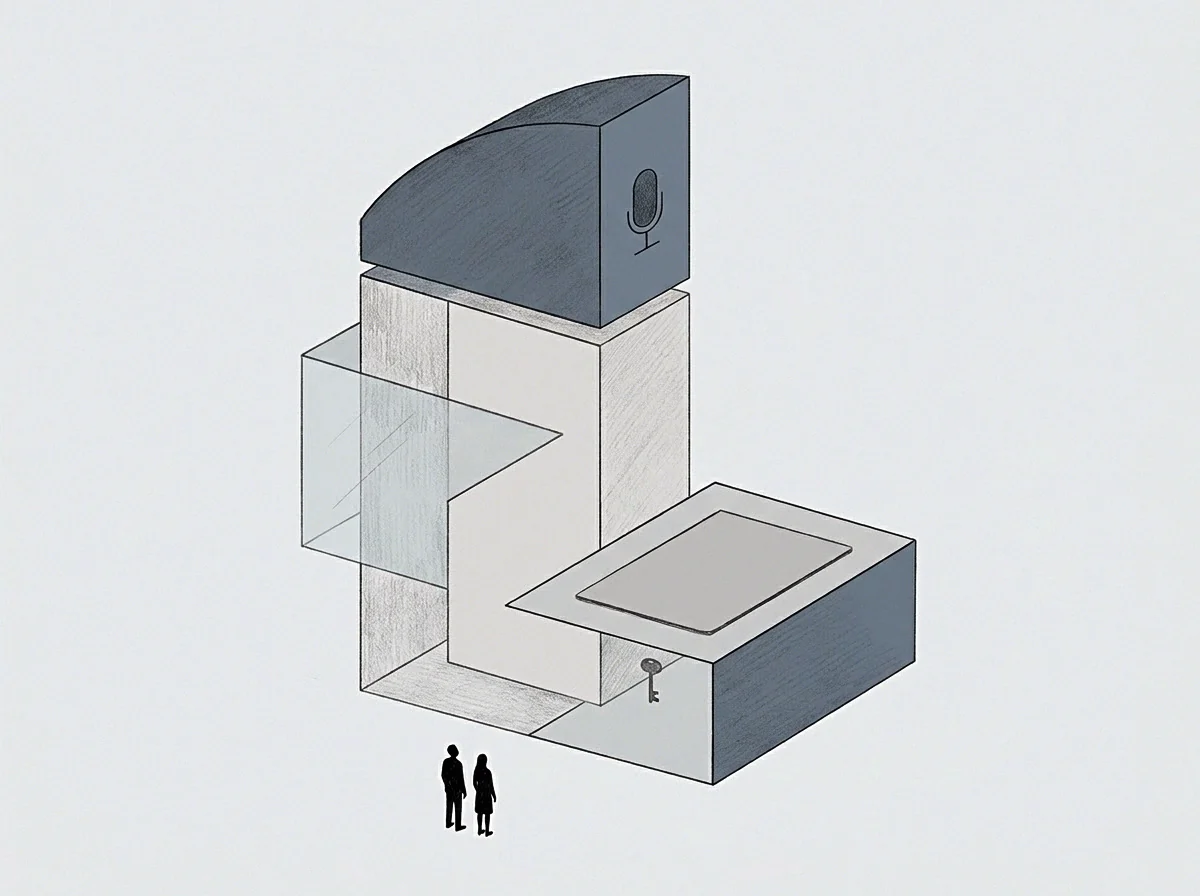
Neurochemical Transmission Under Multi-Channel Saturation
Signal processing inside the prefrontal cortex relies on precise monoaminergic tuning. Working memory operates best under moderate concentrations of dopamine acting on D1 receptors and norepinephrine acting on alpha-2A adrenoceptors. Continuous operational demands trigger excessive catecholamine discharge that breaks this balance.
High concentrations of norepinephrine stimulate low-affinity alpha-1 and beta adrenoceptors, triggering cyclic adenosine monophosphate production. This intracellular cascade opens hyperpolarization-activated cyclic nucleotide-gated channels, disconnecting prefrontal cortical networks. Attention shifts rapidly across sensory inputs rather than sustaining logical integration.
The person scans incoming items compulsively as working memory degrades. The brain shifts from reflective top-down deliberation to habitual bottom-up reactivity managed by the amygdala and striatum. The incoming notification occupied the third slot.
Incoming inputs compete directly for limited neurocomputational capacity. In an un-gated operational setting, switching attention across four open conversation lines strips metabolic resources from core organizational decision-making.
| Operational State | Glucocorticoid Dynamics | Monoaminergic Tuning | Cognitive Profile |
|---|---|---|---|
| Gated Flow | Normal diurnal variation with rapid clearance after task completion | Optimal D1 and alpha-2A adrenoceptor engagement in prefrontal cortex | Sustained concentration with deliberate context switching |
| Acute Exposure | Elevated plasma cortisol with preserved negative feedback sensitivity | Surging norepinephrine with transient alpha-1 activation | Rapid threat processing and compressed sensory focus |
| Throttling | Blunted diurnal curve with elevated midnight nadir and receptor downregulation | Persistent beta-adrenoceptor stimulation with striatal dominance | Compulsive input monitoring with flat executive initiative |
Organizations often treat sustained reactivity as personal dedication, but the biological reality reflects progressive monoaminergic exhaustion within executive circuits. Synaptic spines within the dorsolateral prefrontal cortex exhibit dendritic retraction under sustained high glucocorticoid concentrations, while the basolateral amygdala displays dendritic hypertrophy. The physical wiring of the brain reorganizes around rapid alert detection at the direct expense of abstract structural foresight.
Imposing a formal communication protocol with fixed hourly processing intervals restores prefrontal dendritic stability and terminates bottom-up attentional capture.
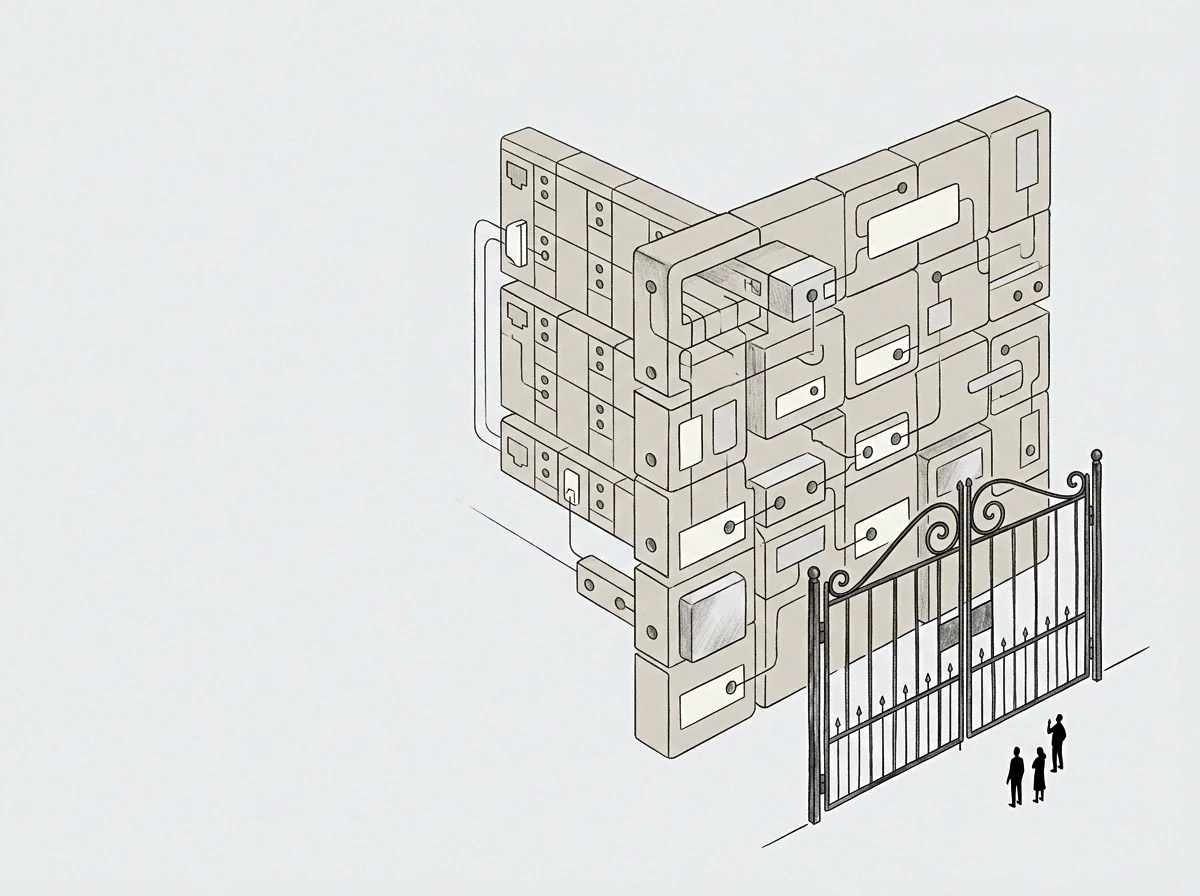
Surcharge

Downregulation and Behavioral Presentation
Prolonged operational stress without arrival boundaries alters cellular receptor density. When circulating glucocorticoids stay elevated across weeks, the organism adapts by downregulating cytoplasmic glucocorticoid receptors within leukocytes and neural tissue. This adaptive state prevents immediate cytotoxic damage from excess steroid signaling while compromising systemic negative feedback regulation.
The endocrine system enters a state of throttling. Throttling is an active biological protection protocol that limits cellular throughput to avert catastrophic metabolic collapse. Observers routinely confuse this state with clinical depression.
Clinical depression involves pervasive anhedonia, loss of self-worth, and generalized motivational detachment across every domain of life. Throttling, by contrast, preserves execution on immediate external requirements while selectively terminating self-initiated expansive projects. A person answers every incoming client request within four minutes yet feels completely incapable of drafting a long-term commercial contract.
The physical capacity for unconstrained output has simply met an internal safety threshold.
A throttled nervous system continues executing delegated obligations while refusing self-initiated creative expansion.
The functional deficit emerges from metabolic preservation rather than psychological withdrawal. The adrenal gland reduces responsiveness to adrenocorticotropic hormone after months of uninterrupted high-frequency inputs. Morning cortisol spikes flatten into persistent waking fatigue, while evening cortisol levels remain elevated above normal baseline parameters, preventing restorative slow-wave sleep.
The nervous system relies on borrowed catecholamines to meet daytime deadlines.
Subordinate operators interpret the sudden lack of strategic initiative as personal disengagement from the organization.

Yield
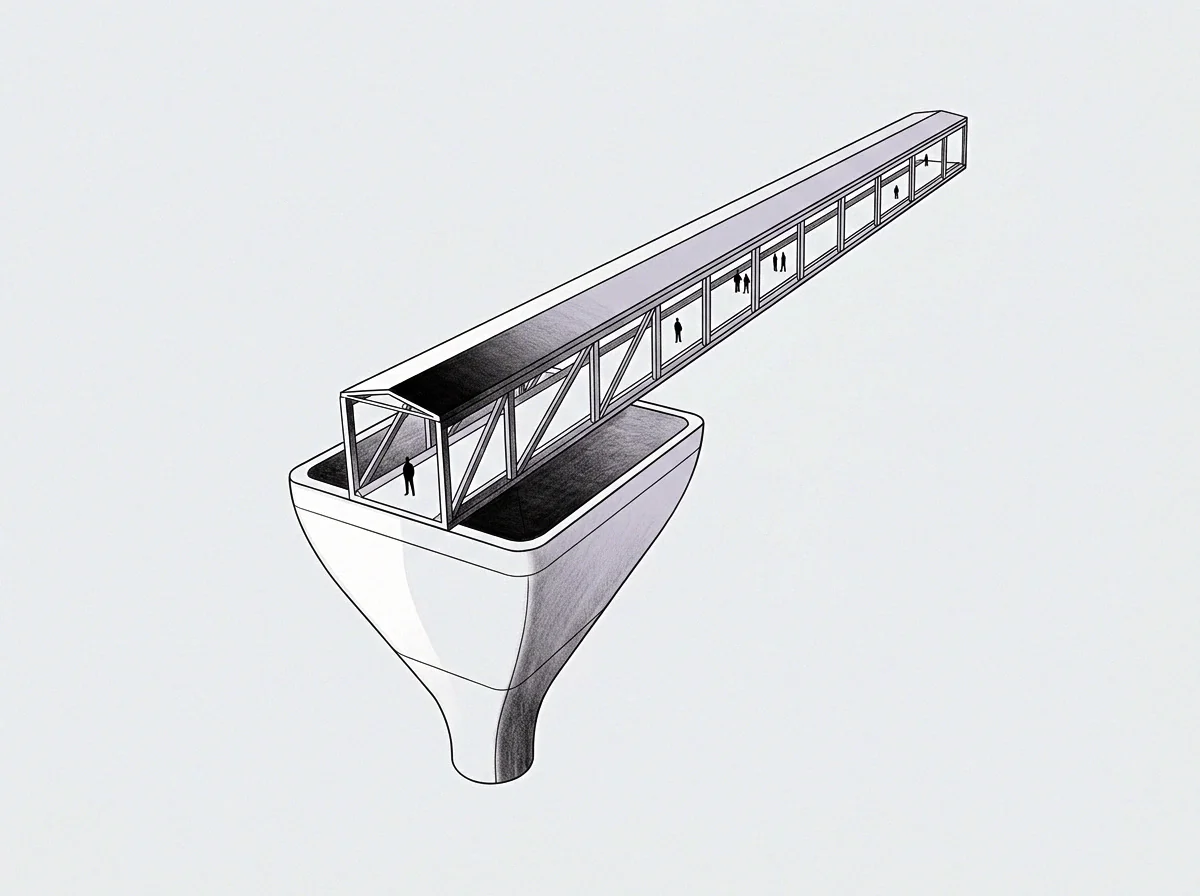
The Structural Cost of Open Operational Loops
Every un-gated communication channel functions as an open metabolic obligation. An incoming message left without explicit parameters of time, scope, and resolution forces the neural architecture to maintain active tracking loops in working memory. The brain consumes glucose to keep incomplete operational lines available for instant reactivation.
Human capacity tolerates only a limited count of concurrent open items before executive performance degrades. When an operator attempts to hold fifteen un-gated streams simultaneously, internal cognitive headroom disappears. Consider a typical operational setting where a founder manages four direct investor dialogues, three customer negotiations, and multiple internal team chats without stated response windows.
The un-gated status of the streams causes the damage rather than the volume of information itself. Each channel can demand immediate intervention at any minute, forcing the nervous system to remain on high alert indefinitely.
The neuroendocrine apparatus pays an ongoing maintenance tax for each un-gated operational stream:
- Open channel holding consumes working memory slots through continuous unconscious vigilance.
- Intrusion latency forces repeated hypothalamic activation whenever an unexpected chime signals an incoming request.
- Autonomic recovery failure blocks parasympathetic rebound because the operational day lacks a definitive termination boundary.
Restoring regulatory headroom requires converting open streams into bounded items. An open line carries undefined delivery expectations and continuous access. A gated line carries agreed delivery schedules, explicit criteria for escalation, and complete silence outside specified hours.
Closing an operational loop frees neurobiological bandwidth immediately. Mental exhaustion lifts when three open operational items receive definite completion dates and clear scope limits.
Input streams lacking explicit delivery parameters consume metabolic capacity continuously regardless of task complexity.
A persistent unresolved question concerns whether biological receptor sensitivity returns to initial baseline levels once structural gating is established, or if chronic operational saturation permanently alters the set point of the adrenocortical axis.
Reset
Recovery of neuroendocrine regulatory boundaries requires systematic structural containment rather than psychological intervention. An operator cannot meditate away the endocrine consequences of twenty un-gated communication channels. The physical inputs driving the hypothalamic cascade must be structurally intercepted before reaching neural reception surfaces.
The first structural intervention isolates synchronous communication from asynchronous analysis. A founder who allows real-time notifications during strategic work guarantees continuous adrenergic stimulation. The nervous system cannot establish parasympathetic tone while listening for incoming alarms.
Setting dedicated batch windows for inbound inquiries establishes predictable periods of low neuroendocrine demand, allowing the paraventricular nucleus to cease corticotropin discharge.
Establishing clear operational interfaces protects regulatory headroom:
- Channel isolation routes all incoming emergency alerts through one single dedicated path with narrow escalation rules.
- Batch processing restricts communication reading to three discrete temporal blocks during the working cycle.
- Explicit terms define exact turnaround expectations for every external partner, eliminating the obligation for instant replies.
The second structural intervention establishes hard boundaries between operational execution and metabolic restoration. Parasympathetic dominance requires long uninterrupted spans devoid of potential task demands. The vagus nerve increases inhibitory control over cardiac pacemaker tissue only when the environment signals safety.
An un-gated mobile device on the bedside table maintains low-grade sympathetic arousal throughout the sleep window, suppressing nocturnal growth hormone release and impairing tissue repair.
The capacity to govern complex organizational structures over multi-year cycles depends entirely on protecting the neurobiological substrate that generates decisions. When operational stress runs without arrival boundaries, biology eventually enforces its own limit through structural collapse. The operator who designs unyielding containment gates preserves the nervous system that sustains the enterprise.
Clear boundaries set early cost far less than biological repair attempted late.