
Physiological Evaluation Strain When Fatigued Leaders Share A Working Space
Shared fatigue converts workspace proximity from a co-regulatory asset into a continuous physiological evaluation burden that suppresses heart rate variability.
Desk
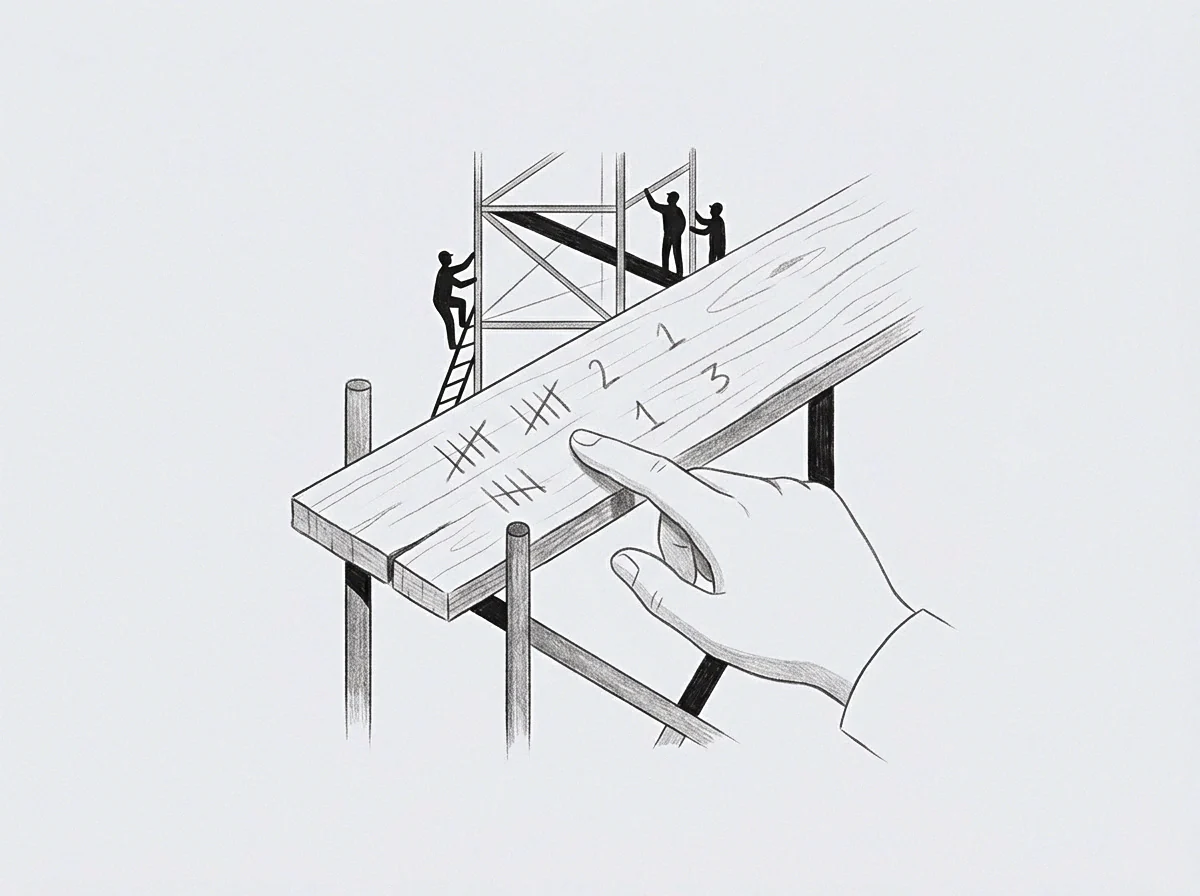
Two co-founders sit three feet apart in a silent room late in the evening. Neither speaks, yet both experience a steady rise in baseline heart rate and muscular tension. The physical proximity that usually reduces cognitive load during early-stage operations has reversed its effect.
When individual energy reserves drop below a critical threshold, sharing an immediate working surface transforms passive presence into an active physiological load.
Social baseline theory establishes that the human brain treats proximity to a familiar, competent peer as a metabolic resource. Under normal operating conditions, sitting near a calm colleague allows the central nervous system to offload environmental monitoring and threat detection. The brain budgets energy assuming that effort can be shared.
This economy functions smoothly only when at least one person in the space maintains physiological stability. When both individuals experience prolonged exhaustion, the brain can no longer outsource regulation. Instead, proximity forces each person to monitor a second depleted nervous system while struggling to maintain their own operational capacity.
Autonomic Baseline Shift
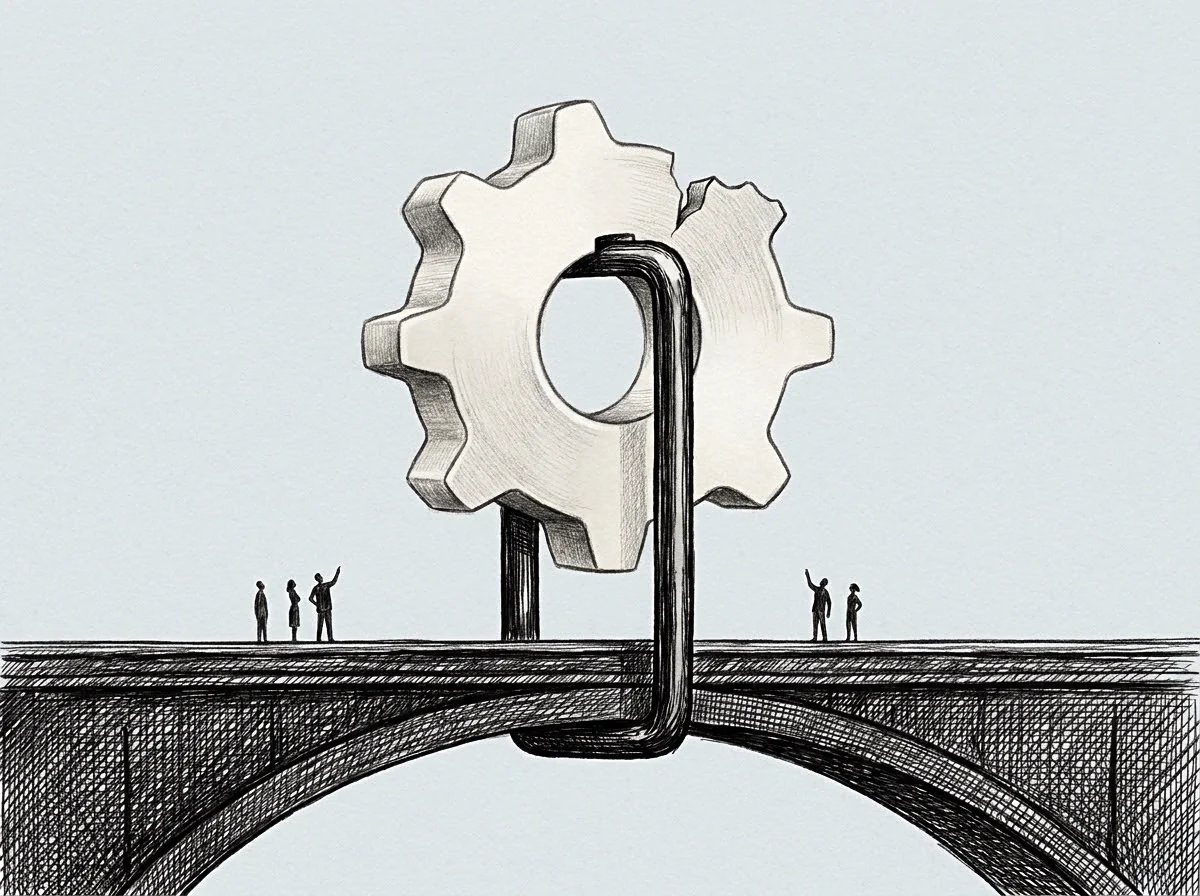
In a shared office environment, subtle non-verbal signals continuously update each occupant’s autonomic state. Breathing cadence, posture shifts, keyboard rhythm, and vocal pitch supply continuous data to the surrounding environment. When leaders operate with healthy allostatic reserves, these signals register as neutral background noise or reassuring proof of shared effort.
The autonomic nervous system remains in a ventral vagal state, supporting clear executive function and flexible social engagement.
Proximity shifts the budget. Chronic fatigue alters how the nervous system interprets these same sensory inputs. As exhaustion accumulates, the brain loses the metabolic capacity required to smooth over small environmental stressors.
Neutral cues are reprocessed through a lens of potential threat. A sudden shift in a chair or a heavy breath across the table stops being background sound and becomes a data point requiring evaluation as the brain allocates extra glucose and neural processing power to answer a quiet, persistent question: is the partner beside me about to collapse, disengage, or make a severe error?
Metabolic Burden of Unregulated Proximity
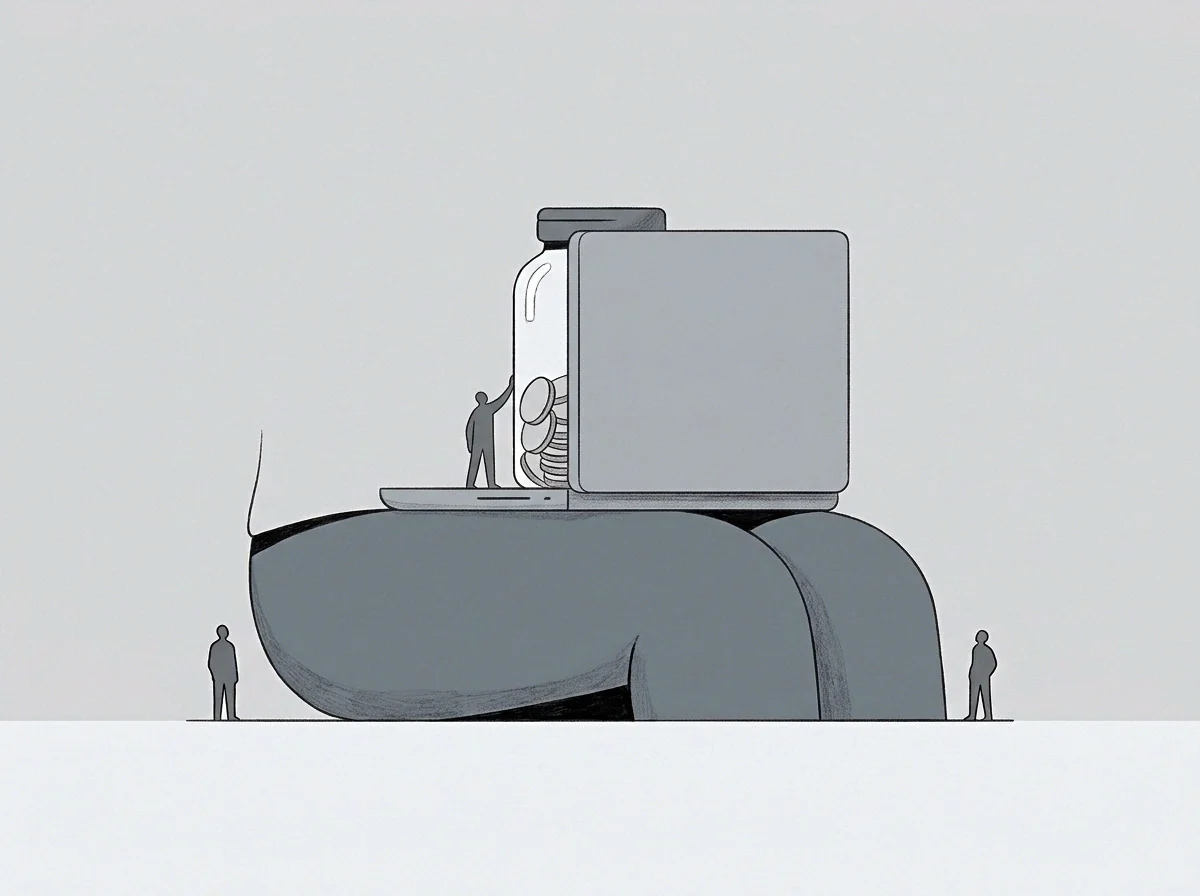
The cost of this vigilance accumulates silently throughout the working day. Self-regulation alone is an expensive metabolic process. Forcing self-regulation while simultaneously absorbing the unbuffered stress signals of a co-located peer doubles the baseline energy tax.
Instead of drawing calm from the room, each leader spends energy attempting not to absorb the other person’s somatic strain.
Social baseline theory demonstrates that physical proximity lowers metabolic expenditure only when the present companion signals physiological stability.
This dynamic creates a reflexive loop inside shared workspaces. As one leader experiences an autonomic stress spike, their body exhibits micro-expressions of strain. The adjacent leader detects these signals involuntarily, triggering a parallel sympathetic response.
Because both individuals lack the reserve needed to act as an anchor, neither person can break the cycle. The physical surface between them becomes a conductor for mutual physiological strain, leaving both parties more exhausted than if they had worked in total isolation.
Whether two depleted operators can remain co-located without escalating each other’s physiological evaluation burden remains dependent on individual nervous system capacity.
Vigilance
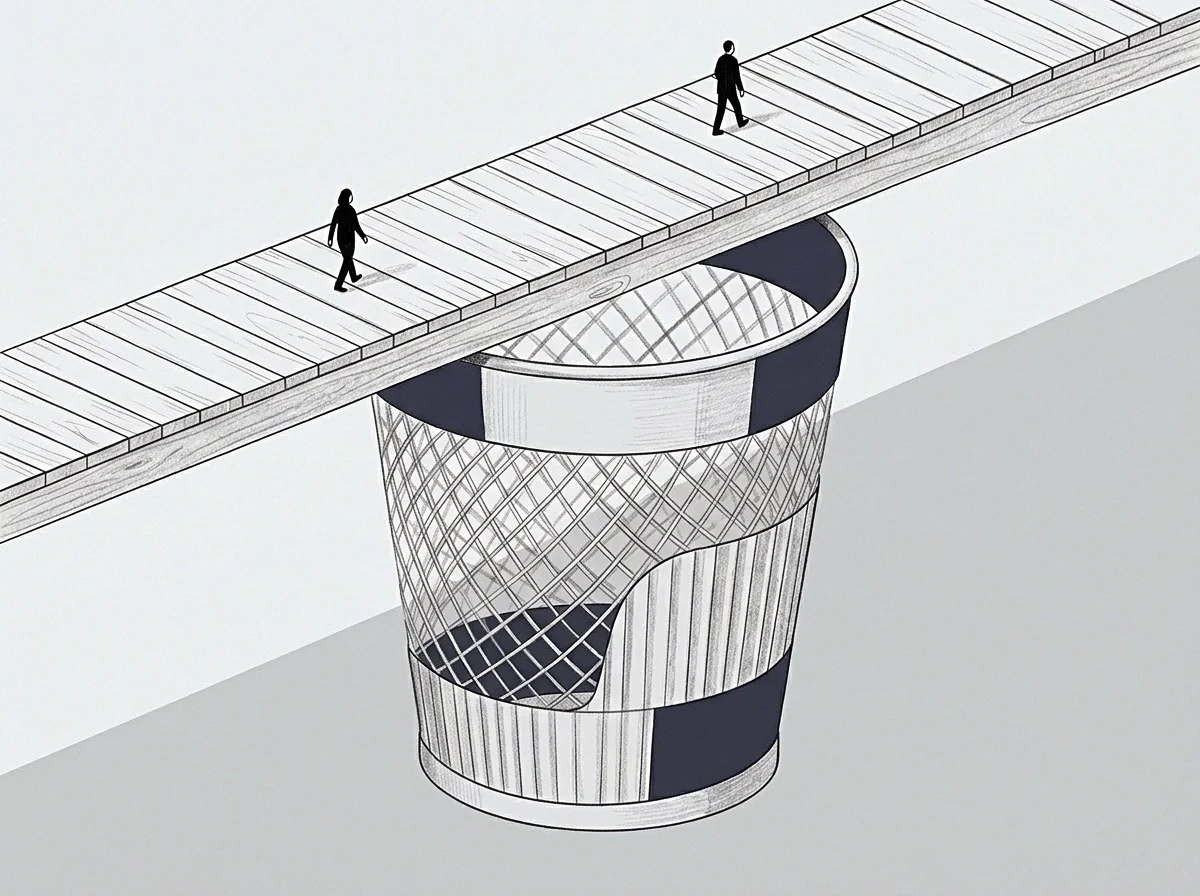
Subconscious monitoring of an adjacent leader operates below conscious awareness. Long before an executive articulates feeling frustrated or anxious, their autonomic nervous system tracks the micro-behaviors of the person sitting across the room. Cardiac autonomic monitoring reveals that co-located individuals often exhibit synchronized heart rate variability patterns.
When fatigue takes hold, this synchronization shifts from a shared state of calm to a shared state of high alert.
Evaluation strain occurs when the brain must dedicate continuous attentional resources to reading a counterparty’s physical state. In healthy partnerships, high relational security and clear operational boundaries create a wide margin of safety. A partner can look tired without triggering alarm.
Under chronic fatigue, this margin collapses. The internal working model of the relationship shifts from an asset that saves energy to a vulnerability that demands constant assessment.
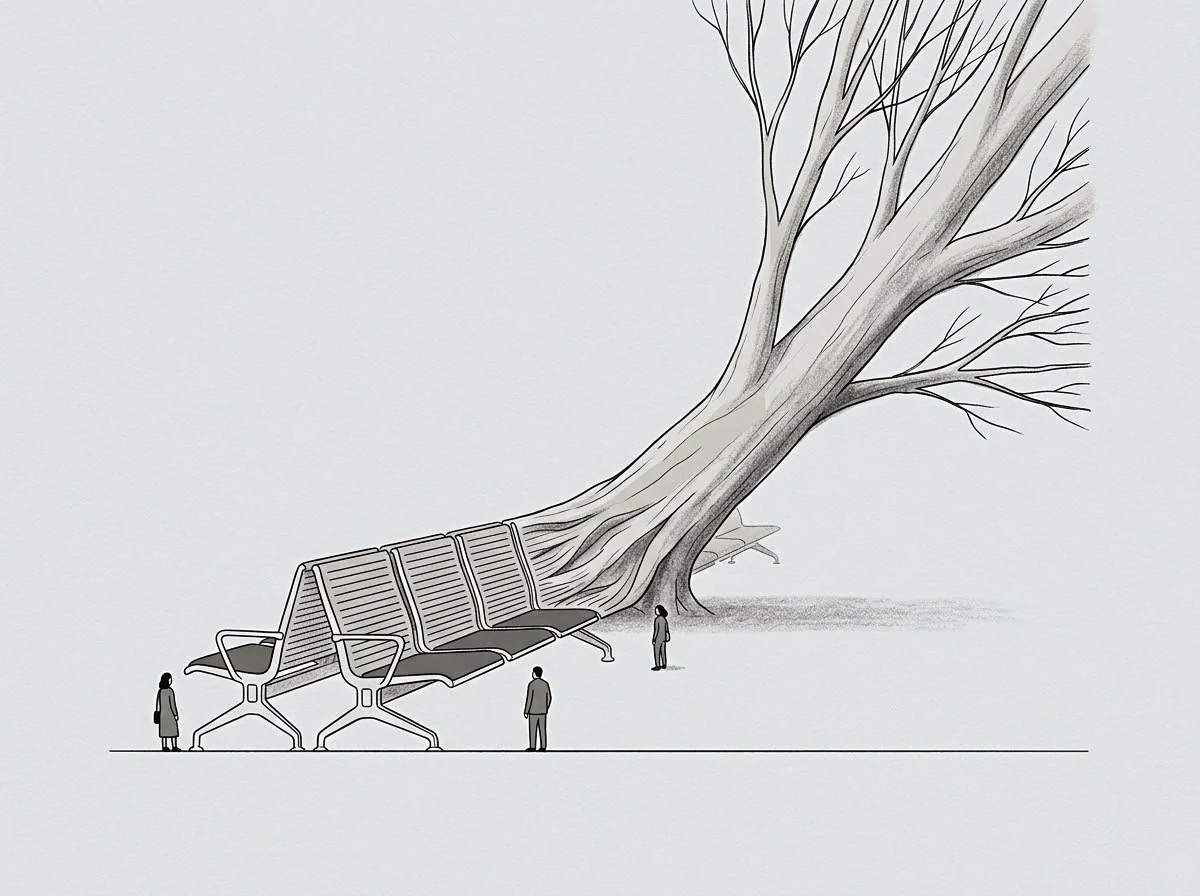
Micro-Expression Scanning Under Exhaustion
Fatigued leaders engage in hyper-vigilant scanning of facial muscles, eye contact duration, and somatic posture. The brain performs these calculations automatically to predict operational friction or emotional outbursts. Depletion alters baseline perception.
When cognitive resources run low, the prefrontal cortex exerts less inhibitory control over the amygdala. Consequently, ambiguous physical movements are interpreted as negative indicators. A neutral facial expression is read as passive disapproval, and silence carries weight as the physical labor of constantly re-evaluating these micro-cues consumes executive bandwidth that belongs on strategic work.
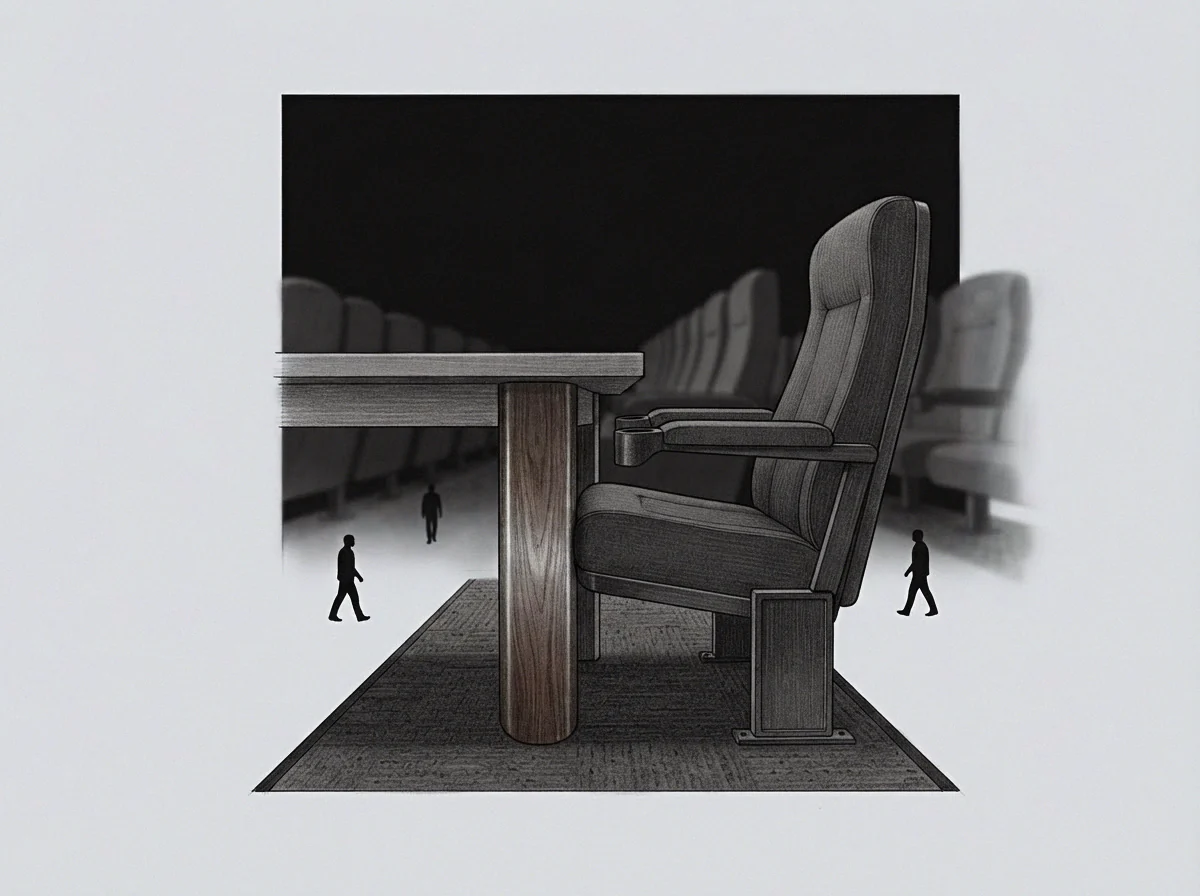
Heart Rate Variability Suppression
Physiological monitoring confirms that shared fatigue leads to sustained heart rate variability suppression in both occupants of a room. Heart rate variability reflects the autonomic nervous system’s capacity to adapt flexibly to environmental demands. High variability indicates recovery and resilience, while low variability signals persistent sympathetic dominance or incomplete recovery.
When two exhausted leaders occupy the same footprint, their nervous systems enter a state of defensive co-vigilance. The body prepares for sudden demands by maintaining elevated muscle tone and higher resting heart rates, a sustained physiological activation that prevents deep focus and accelerates burnout.
- Autonomic hyper-arousal occurs when minor ambient auditory cues trigger immediate sympathetic activation across the room.
- Respiratory dysregulation spreads through unconscious breathing pattern alignment during shared task execution, reducing oxygenation and focus.
- Vocal tone hyper-sensitivity causes flat declarative statements to register as covert conflict between co-located partners.
A heavy sigh across a shared table reads as imminent operational failure when allostatic capacity hits zero.
When one operator reaches maximum capacity, the strain transfers instantly, imposing an unspoken demand on the other to compensate. If the second operator is also depleted, the shared environment turns hostile to cognitive recovery.
Ignoring continuous autonomic evaluation strain leads to systemic relational exhaustion and premature operational breakdown.
Coupling
Nervous systems in close physical proximity inevitably influence one another through unconscious sensory feedback. Autonomic coupling refers to the real-time physiological alignment between individuals occupying the same physical room. Under favorable conditions, coupling accelerates alignment, builds trust, and speeds up complex communication.
Under conditions of deep operational fatigue, coupling acts as a vector for shared exhaustion.
The mechanism relies on mirror neuron systems and subconscious peripheral nerve monitoring. When a person observes signs of strain in a peer, their brain replicates elements of that physical state to understand it. If the observer has sufficient metabolic headroom, they process this reflection without taking on the stress.
If the observer is exhausted, their system adopts the somatic distress directly. Borrowed strain registers as one’s own tension, creating an unearned layer of physical discomfort.
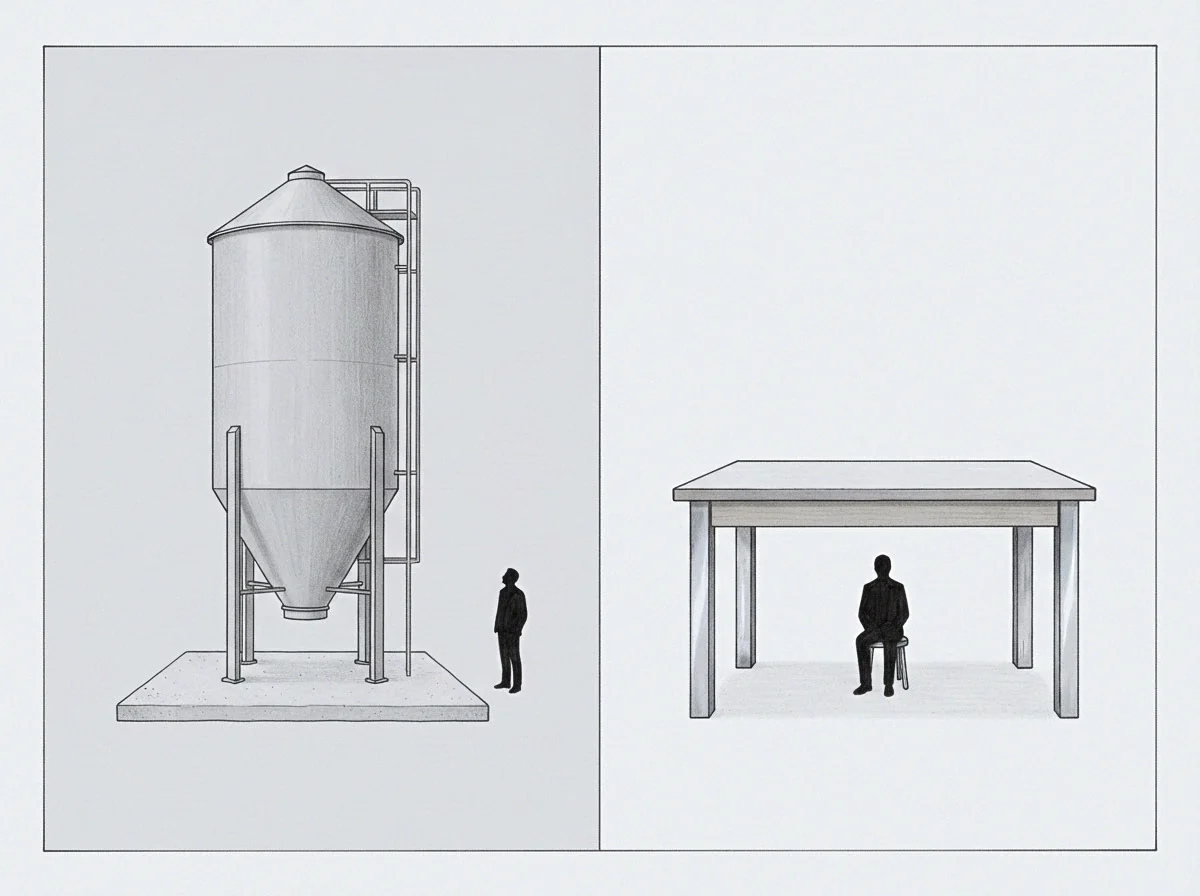
Physiological Resonance in Shared Airspace
The table below outlines how specific autonomic metrics diverge based on whether co-located leaders possess adequate allostatic reserves or operate in a state of severe fatigue.
| Autonomic Metric | Shared Operational Reserve | Shared Chronic Fatigue |
|---|---|---|
| Heart Rate Variability | High flexible variance with rapid recovery after acute stress | Sustained suppression and flat autonomic tone throughout the day |
| Respiratory Cadence | Deep, rhythmic abdominal breathing with autonomic coherence | Shallow, rapid chest breathing with frequent involuntary sighs |
| Muscle Tone & Posture | Relaxed muscular baseline with open physical posture | Elevated shoulder and jaw tension with defensive posture |
| Arousal Spikes | Infrequent, localized spikes linked to explicit work tasks | Frequent, persistent spikes triggered by physical partner movements |
Metrics of Autonomic Synchronization
Research into physiological synchronization demonstrates that individuals sharing a workspace often align their sympathetic nervous system activations within minutes of entry. This connection operates independently of verbal communication. A leader may maintain a calm, professional tone while their cardiovascular metrics signal extreme stress.
The physical body of the counterparty responds to the internal physiological reality rather than the external professional facade.
This discrepancy between spoken words and somatic signals increases physiological evaluation strain. The counterparty receives two conflicting data streams: a reassuring verbal statement and a threatening autonomic signal. Resolving this incongruity requires conscious cognitive effort, further draining an already depleted prefrontal cortex.
Shared fatigue transforms passive co-presence into an ongoing metabolic tax.
Over time, co-located leaders develop a habit of continuous somatic monitoring. They learn to anticipate changes in the room’s atmosphere before any work topic is raised. This continuous baseline adjustment prevents true rest, even during nominal downtime at the desk.
“The room feels heavier whenever both operators try to sit together through the afternoon.”
Friction
Operational friction within executive teams frequently stems from unidentified physiological strain rather than genuine strategic disagreement. When two co-located leaders experience ongoing evaluation strain, their capacity for high-level decision-making deteriorates. Small operational choices take on artificial weight because the nervous system is already operating at its limit.
Cognitive throttling occurs when the brain intentionally narrows focus and reduces processing speed to preserve core metabolic functions. In a throttled state, leaders struggle to process nuanced information, consider alternative viewpoints, or manage complex trade-offs. The presence of a similarly throttled partner in the immediate workspace compounds this limitation by creating an environment where any unexpected request feels like an impossible demand.
Cognitive Throttling and Executive Depletion
The autonomic cost escalates rapidly when critical decisions must be made in a high-friction room. Executive function requires significant prefrontal activity, which relies on steady glucose consumption and a calm autonomic foundation. When physiological evaluation strain diverts energy toward monitoring a partner’s physical state, executive control drops.
Leaders in this condition display predictable behavioral shifts. They become defensive, struggle with ambiguity, and exhibit reduced frustration tolerance. As strain transfers instantly, micro-aggressions, terse emails, and abrupt interruptions increase while the body attempts to protect itself from further energetic drain.

Does Physical Separation Instantly Restore Nervous System Baseline?
Moving to separate rooms removes immediate sensory input, but it does not automatically reset an over-sensitized nervous system. The brain retains a memory of the workspace as a zone of physiological expenditure. Recovery requires a deliberate shift in working structures alongside physical distance.
- Exhausted leaders misinterpret autonomic arousal in the room as disagreement over strategy, escalating minor process debates into relational conflicts.
- The effort spent suppressing physical startle responses reduces working memory capacity for complex analysis during shared work blocks.
- Co-located teams develop overt communication friction as an unconscious strategy to force physical distance and reduce co-regulatory burden.
Without structural intervention, physical co-location continues to erode the working relationship until the partners establish explicit space boundaries and baseline calm can return.
A formal remote work buffer changes the baseline physiological load by eliminating continuous micro-expression evaluation.

Boundary
Resolving physiological evaluation strain requires spatial and operational separation designed to reset autonomic baselines. Continuing to share a working desk while attempting to talk through the exhaustion usually worsens the condition. Words cannot easily override an involuntary autonomic threat assessment.
The physical environment must change to allow individual nervous systems to drop their vigilance.
Establishing clear spatial boundaries provides immediate metabolic relief. When a leader knows they are unobserved, their nervous system stops allocating energy to impression management and micro-expression monitoring, lowering the evaluation burden so the prefrontal cortex can disengage from threat evaluation, allowing heart rate variability to recover and muscular tension to dissipate.

Spatial Architecture for Nervous System Recovery
Physical separation does not signify failure in a partnership; it represents a physiological intervention. Implementing dedicated single-occupancy work zones, asynchronous communication periods, and scheduled remote days breaks the continuous cycle of mutual autonomic monitoring. These structural changes establish an environment where leaders can regulate independently before coming together for collaborative work.
Consider a working arrangement where two co-founders shift from sharing a single office to working in separate rooms with a shared central table for specific, time-bounded meetings. The assumption of constant physical availability is replaced by structured contact. This shift immediately lowers the baseline metabolic cost of simply being at work, freeing up capacity for strategic execution.
Re-Establishing Earned Autonomic Security
Updating the internal working model of a partnership takes time and repeated non-stressful interactions. Earned security develops when both individuals consistently experience the shared space as safe, predictable, and low-cost. Restoring this state requires establishing clear limits around availability and physical proximity during periods of high operational stress.
Separating physical workstations breaks the reflexive cycle of mutual autonomic monitoring.
When leaders understand the physiological mechanics of shared fatigue, they stop personalizing the friction in the room. The realization that tension often reflects nervous system depletion rather than operational incompatibility allows for practical environmental adjustments. By designing working spaces that respect physiological limits, organizations protect both the health of their executives and the long-term stability of their leadership teams.
Physical distance restores autonomic baseline faster than verbal assurances between depleted partners.