
How Internal Working Models Shape Regulation Budgets In High Stress Seats
Internal working models govern executive regulation budgets by dictating whether stress is shared through co-regulation or paid individually via allostatic load.
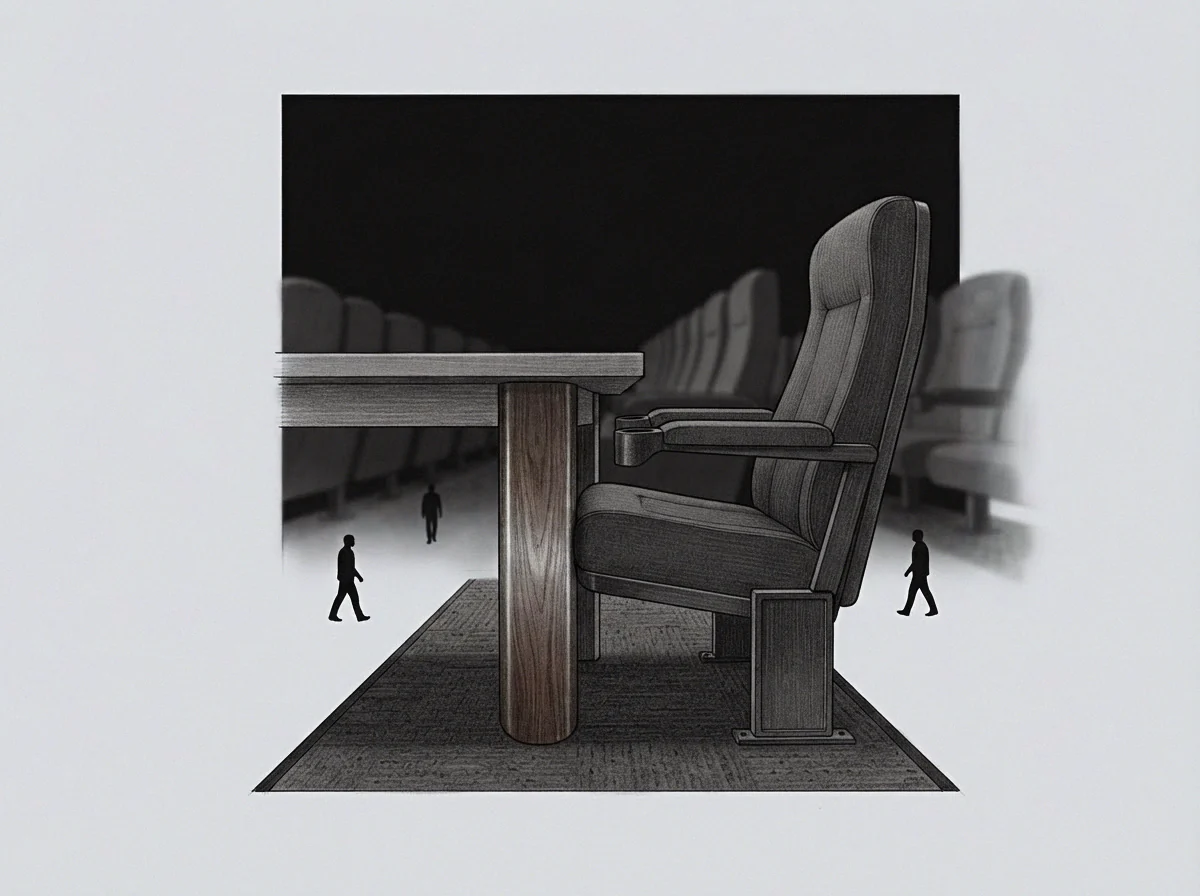
Capacity
Four operational streams sit unaddressed on a screen at three in the morning while a critical infrastructure deployment stalls. The person in the executive seat reads the alert stream without any visible jump in heart rate or shift in breathing rhythm. Team members nearby regulate their panic against that stillness, grounding their physiological arousal by staying in physical and verbal contact with the seat holder.
The decision clears execution, and the deployment finishes.
Behind this calm sits a hidden bioenergetic cost. Social baseline theory establishes that the human brain treats proximity to predictable, reliable conspecifics as its default baseline for energy expenditure. Operating alone or among unpredictable parties leads the central nervous system to treat the environment as an elevated threat, engaging the hypothalamic-pituitary-adrenal axis and consuming blood glucose to maintain hypervigilance.
Proximity to a trusted counterpart lets the brain offload threat detection, effectively outsourcing part of its metabolic regulation budget. In high-stress seats, this physiological economy operates in reverse: the occupant supplies the baseline for an entire organization while receiving no incoming baseline support from the environment.
The metabolic price of remaining steady for an organization scales directly with the absence of a reliable co-regulating counterpart.
Executive focus under threat carries an immediate metabolic price. Prefrontal cortex function demands continuous glucose consumption to sustain impulse inhibition, emotional suppression, and deliberate planning. Self-regulation without external co-regulation represents the most expensive metabolic mode in human neurobiology.
The seat occupant who maintains composure during an operational collapse pays for that composure through elevated allostatic load, drawing down physical reserves that would otherwise service tissue repair, immune surveillance, and cognitive flexibility.
Operational headroom diminishes silently under this sustained draw. Occupants experience no conscious sensation of distress because the neural systems governing threat response are actively suppressed to preserve executive signaling. Physiological breakdown arrives as a sudden step-function failure rather than a smooth decline.
Structural capacity vanishes long before the person in the seat registers a conscious need for relief.
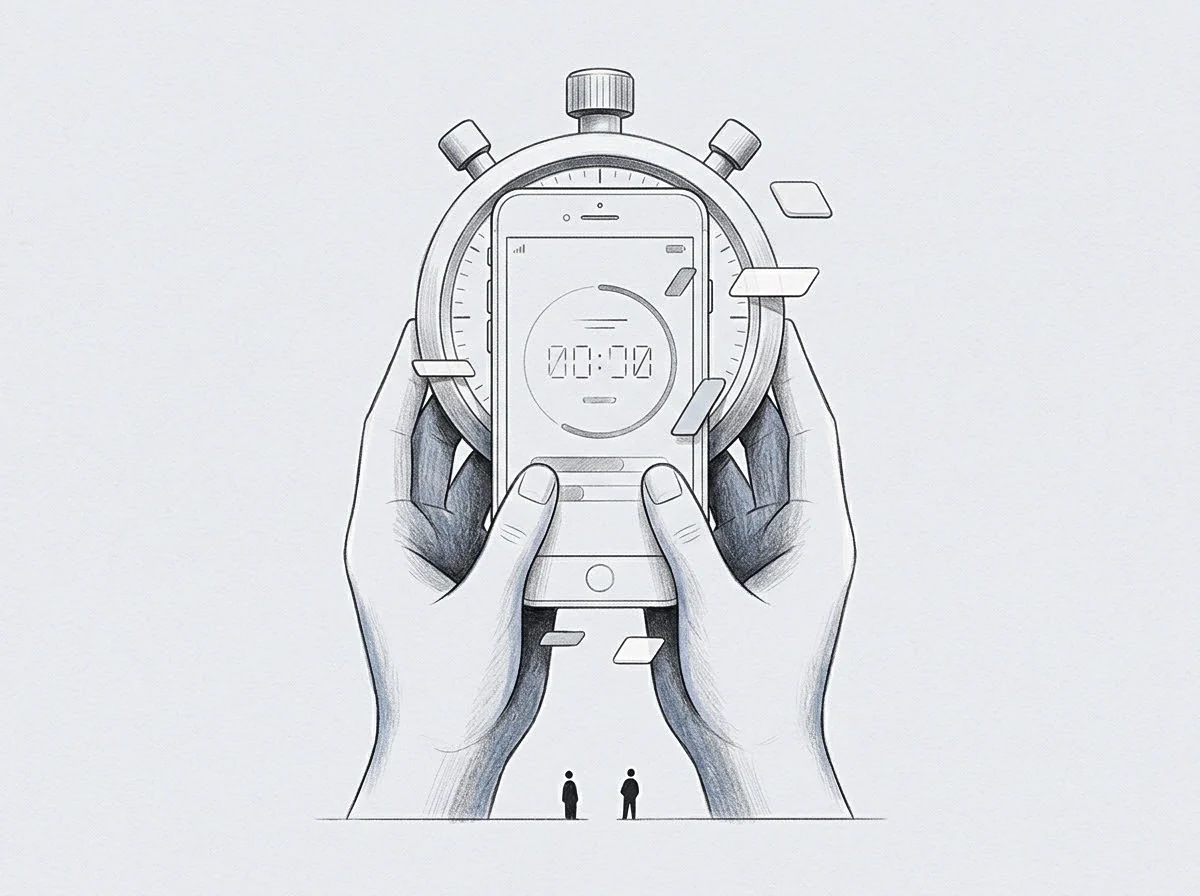
Conduit
Early relational experience shapes an internal working model, functioning as an automated routing architecture for emotional and physiological stress. Attachment research demonstrates that repeated interactions with early caregivers establish implicit cognitive templates regarding whether others are safe, responsive, and available under load. These internal working models dictate how an adult brain assigns metabolic resources during crisis.
A person with an internal working model built on reliable responsiveness defaults to seeking co-regulation, reflexively sharing cognitive and physiological load with trusted counterparts.
High-stress seats routinely draw individuals with an inverted version of this template. When early environments reward self-reliance or require a child to stabilize volatile adults, the individual internalizes a backward template. The person models themselves as the sole source of regulation while treating others purely as recipients of stability.
Regulating self and regulating others merge into a single operation performed on one internal pipeline. The system contains no receptor slot for receiving regulation from an external source.
A backward template converts every incoming offer of support into an additional operational obligation to be managed.
This structural absence of a receptor slot distorts administrative reality inside high-stress seats. When a board member, co-founder, or advisor offers genuine presence or structural support, the backward template processes the gesture as an anomaly or an indirect demand for performance. The internal model contains no syntax for held load.
The seat occupant responds to support by increasing self-monitoring and tightening internal control, doubling the metabolic cost of the interaction.
Persistent operation through a backward template generates predictable failure modes across executive teams:
- Systemic slot closure prevents the absorption of external co-regulation, turning even empathetic executive coaching into a net draw on physiological headroom.
- Reflexive load capture compels the seat holder to absorb operational anxieties from subordinate directors, converting organizational noise into personal metabolic strain.
- Attunement distortion causes the occupant to mistake a partner’s quiet competence for complete independence, leaving mutual regulation uncultivated across the executive team.
- Threshold masking hides physiological depletion until executive function suffers catastrophic degradation during acute crisis events.
The seat holder remains entirely steady right up until the moment the system stops cold.
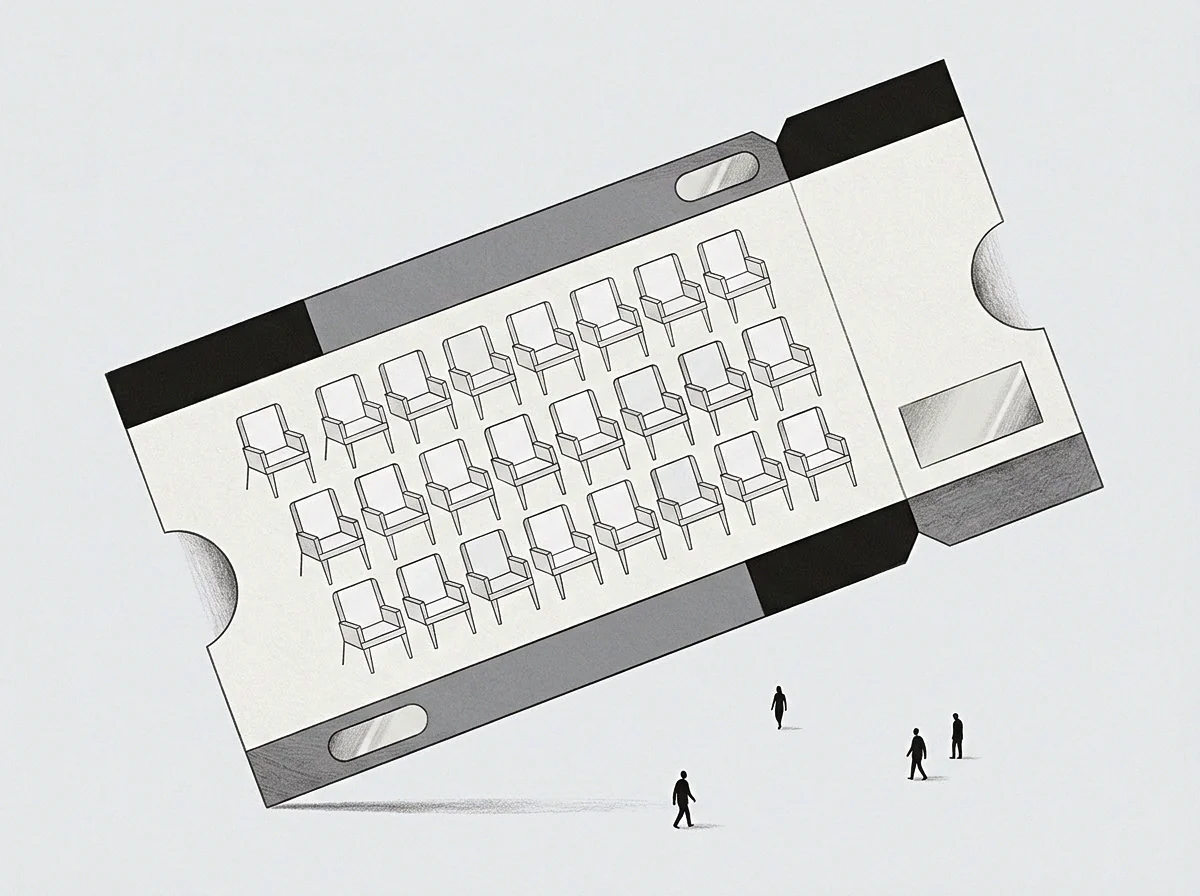
Distribution
Organizational stress follows the path of least physiological resistance toward whichever presence in the structure is most stable. Subordinates, peers, and investors constantly evaluate the vocal tone, facial muscle tension, and responsiveness of the person holding the central seat. When that person exhibits continuous steadiness, others attach their nervous systems to that state, offloading their internal anxiety onto the executive anchor.
The seat holder becomes an involuntary regulator for the enterprise.
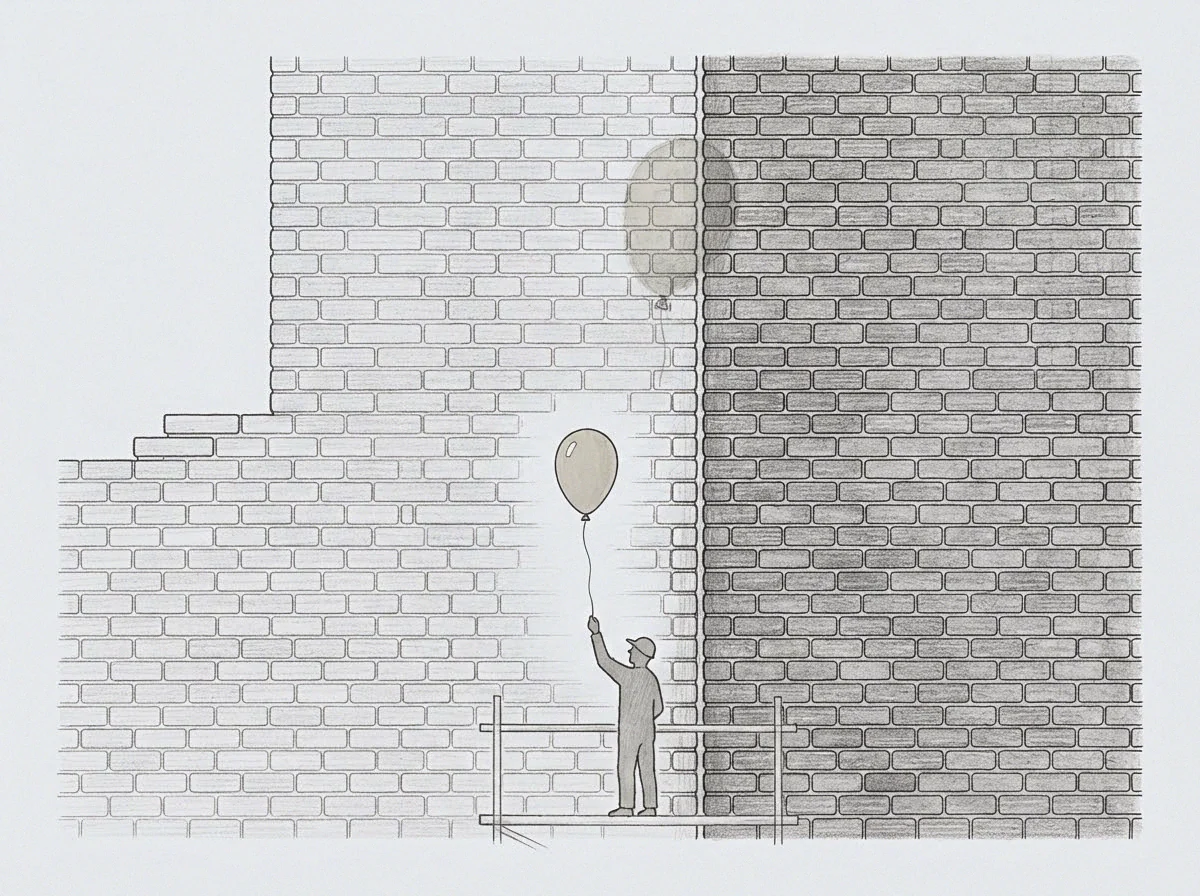
Where does incoming load go when headroom vanishes?
Capacity limits operate irrespective of dedication or capability. When incoming organizational stress exceeds the metabolic budget of the individual holding the seat, the central nervous system engages automated throttling mechanisms. The brain protects vital metabolic functions by dampening peripheral attention and slowing down social engagement systems.
The seat holder begins to display subtle delays in message response times, flattened vocal inflection, and reduced willingness to hold unscheduled dialogue.
Team members immediately sense this physiological withdrawal. Lacking the vocabulary of neuroenergetic budgets, the organization interprets this necessary energy preservation as emotional distance, executive dissatisfaction, or strategic drift. The team increases its checking behaviors, sending duplicate alerts and requesting additional alignment meetings to re-establish contact with the stabilizing state.
This reactive pinging increases incoming load precisely when the seat holder’s functional capacity reaches zero.
An organization increases its demand for reassurance exactly at the moment its anchor runs out of metabolic headroom.
The system enters a destructive feedback loop. The seat holder attempts to restore operational order by forcing composure through sheer effort, further deepening the physiological deficit. The administrative structure consumes its own leadership capacity because no party in the arrangement recognizes that stability is a finite physical resource rather than an infinite character trait.
The cycle continues until the seat holder disengages completely, leaving the administrative layer without a baseline anchor.
An unspoken condition governs every high-stress seat: an unmonitored baseline eventually converts its anchor into a bottleneck.
Asymmetry
Comparing operational dynamics across different regulatory templates reveals the underlying cost structure of high-stress leadership seats. The internal working model dictates whether an executive arrangement generates sustainable throughput or accelerates structural depletion.
| Operational Parameter | Co-Regulatory Baseline | Isolated Self-Regulation | Backward Template Operation |
|---|---|---|---|
| Metabolic Cost per Decision | Low; shared across counterparts | High; borne entirely by occupant | Extreme; occupant regulates self and team simultaneously |
| Receptor Availability | Open; absorbs external presence | Functional; accessible under high trust | Closed; reads support as additional load |
| Organizational Load Path | Distributed horizontally across peers | Buffered individually until overload | Funneled down into central seat holder |
| Systemic Response to Crisis | Increased proximity and alignment | Task hyperfocus and isolation | Compulsive stabilization of surrounding parties |
| Long-Term Capacity Delta | Sustained baseline throughput | Linear decline in operational headroom | Step-function failure at capacity ceiling |
Consider an operational crisis involving two founding partners handling a severe regulatory audit. Assume both partners possess equal equity, equal domain expertise, and equal commitment to the survival of the enterprise. Partner A operates from a co-regulatory template formed through secure early experiences, while Partner B operates from a backward template developed through childhood parental stabilization.
When the audit notice arrives, Partner A reaches out immediately to talk through options, using Partner B’s physical presence and shared focus to settle physiological arousal. Partner A processes the threat as a shared problem, keeping baseline energy costs manageable. Partner B experiences Partner A’s outreach as an incoming wave of partner anxiety that must be managed on top of the audit itself.
Partner B suppresses personal fear, projects total certainty, and takes on the primary burden of drafting the audit response to spare Partner A distress.
Three weeks into the process, Partner A remains functional and open to tactical shifts. Partner B experiences severe physiological exhaustion, cognitive rigidity, and sudden irritability over minor administrative errors. Partner A notices Partner B’s withdrawal and offers to take over several workstreams.
Partner B, operating through the backward template, views this offer as proof that Partner A perceives executive failure, triggering an additional surge of self-defensive exertion. The partnership fractures not from a lack of skill or trust, but from the unaddressed metabolic asymmetry of their internal working models.
Steadiness under threat attracts incoming weight until the structure supporting the anchor breaks.
Integration
Updating an internal working model cannot occur through intellectual insight or conceptual mastery alone. Executive coaching, analytical understanding, and strategic awareness alter conscious narratives, but they leave implicit neurobiological routing intact. The brain updates its metabolic budgeting algorithms exclusively through repeated, actual experiences of shared load under real operational stress.
Earned security is the physiological outcome of this iterative update process.
Building a second template requires the deliberate cultivation of micro-experiences where the seat holder allows an external counterpart to hold a real operational boundary without stepping in to manage the counterpart’s internal state. This process demands precise, low-stakes practice. The seat holder opens the receptor slot by permitting a trusted operator or co-founder to carry complete accountability for an isolated crisis, deliberately refraining from monitoring or stabilizing the counterpart during the execution window.
The neurobiological system records the outcome. When the counterpart successfully holds the boundary and manages their own state, the seat holder’s nervous system receives a rare empirical data point: external safety exists without personal intervention. Repeated across months, these micro-experiences create a parallel neural pathway alongside the backward template.
The brain begins to recognize that proximity can reduce metabolic load rather than increase it.
Over time, this secondary template expands its operational range. The seat holder learns to distinguish between a genuine need for intervention and the compulsive urge to act as an unasked-for anchor. The budget resets.
Executive presence shifts from an expensive, continuous force of will to a flexible, context-sensitive allocation of physical energy. The seat remains demanding, but the person holding it stops paying for the enterprise out of their own tissue.