
Preserving Earned Security Under Heavy Organizational Load
Earned security under organizational load requires structural containment, intentional communication latency, and non-commercial reciprocal relational anchors.
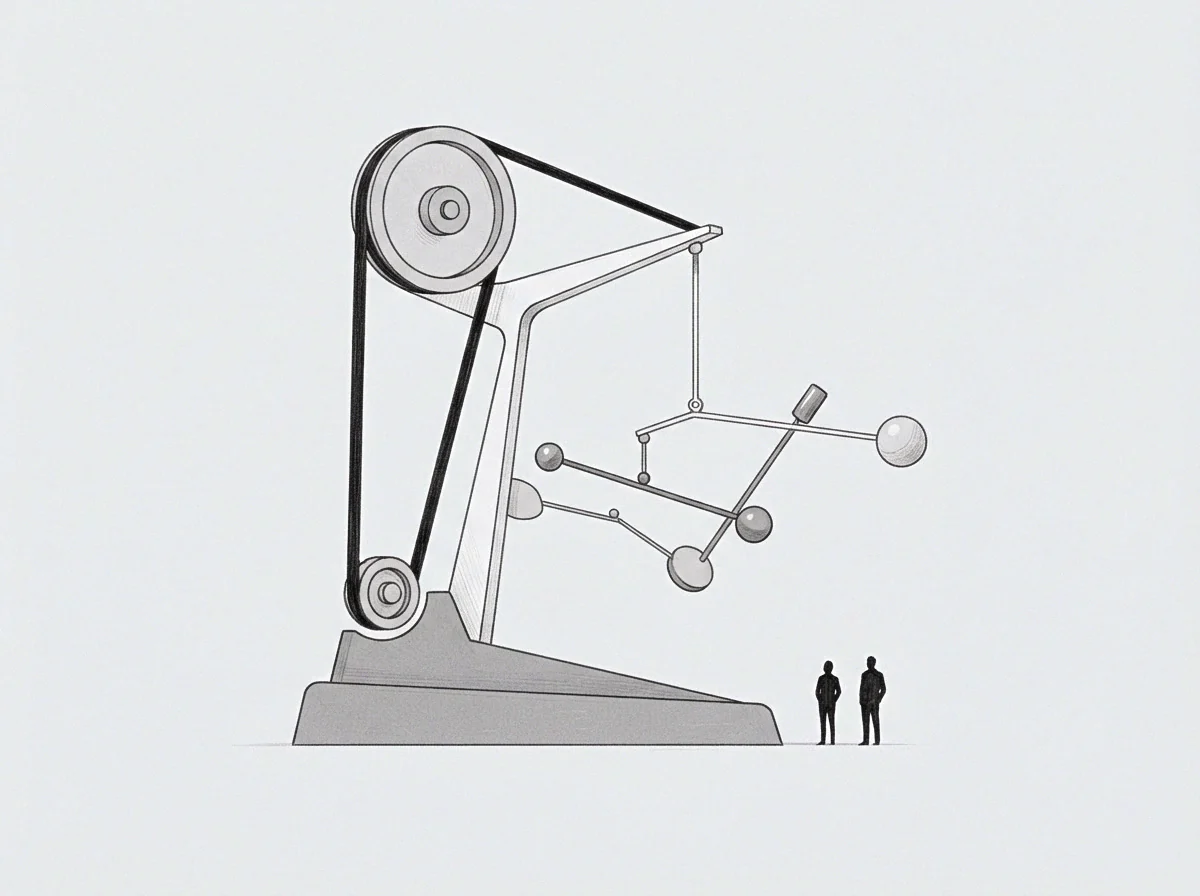
Tether
An operator managing four active operational escalations late on a Thursday evening often feels pulled toward total self-reliance. That physiological shift signals a quick retreat to early defensive adaptations. Earned security describes an internal working model formed through adult relationships, allowing someone without an early secure attachment to maintain trust, physiological balance, and accurate risk assessment.
Under heavy organizational throughput, the nervous system faces sustained metabolic strain. The brain defaults to baseline computational strategies whenever energy expenditure exceeds immediate relational replenishment.
Social baseline theory holds that human neural architecture expects close proximity to reliable conspecifics to share the energetic burden of environmental vigilance. Without accessible social regulation, the prefrontal cortex handles threat calculation alone, driving up blood glucose expenditure, continuous sympathetic arousal, and hormonal signaling. The person in the operational seat absorbs this biological expenditure directly.
Under sustained operational strain, autonomic resources drain rapidly when an operator isolates decision processes from trusted relational contact.
When leadership demands accelerate, an individual operating from an earned secure baseline encounters a specific risk. Early procedural models of self-soothing and isolation remain latent in subcortical circuits. Acute organizational volatility creates somatic friction, activating these older pathways before reflective awareness can intervene.

Predictors of Relational Equilibrium
Preserving an earned relational template across prolonged commercial stress depends on observable operational conditions:
- Relational reciprocity functions through mutual vulnerability where both individuals consistently register and validate shared cognitive weight.
- Somatic congruence appears when nonverbal indicators align with verbal statements of capacity during negotiations.
- Discretionary deceleration permits intentional reduction in communication cadence during complex negotiations to prevent nervous system overload.
When shared regulation fails, autonomic fatigue follows quickly.
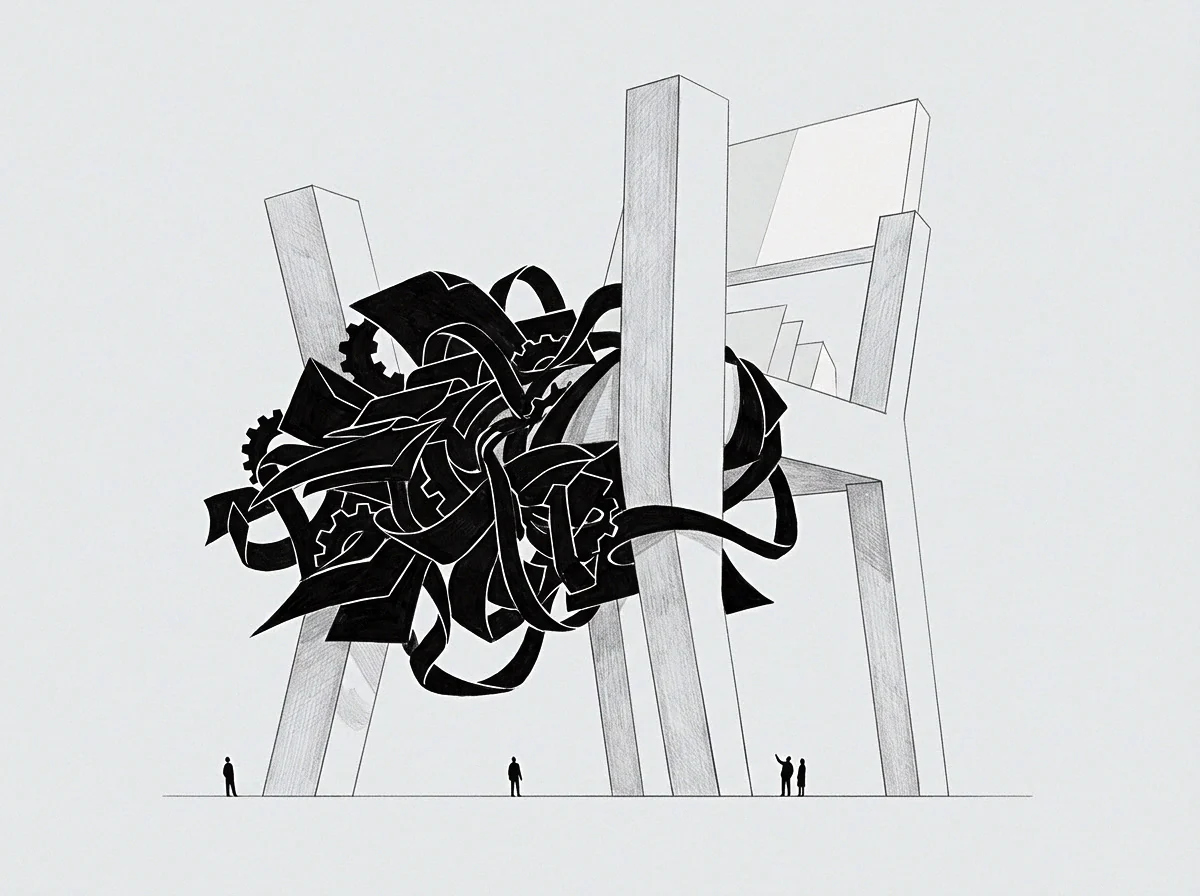
Clock
Temporal friction accelerates autonomic depletion across executive teams. Latency in operational communication determines whether an executive remains within a window of regulatory tolerance or drops into protective hyper-independence. The interval between a critical decision and its relational processing leaves a clear physiological footprint.
Consider an executive team navigating a commercial restructuring. The chief operating officer carries forty percent of direct company reporting lines while managing an unexpected liquidity contraction. When status updates arrive across three disparate channels with irregular frequency, the central nervous system registers that uncertainty as an immediate physical hazard.
Continuous channel polling fragments executive attention and depletes regulatory reserves.
A stated communication window preserves regulatory stability by binding incoming operational noise to predictable temporal intervals.
The pacing of executive contact establishes the baseline for relational stability. Rapid synchronous pinging forces reactive cognitive postures, while bounded asynchronous exchanges allow prefrontal restoration. The operator who structures availability around fixed daily blocks retains access to complex social cognitive functions during protracted disputes.
Unbounded communication windows predictably erode relational discernment and accelerate autonomic collapse.
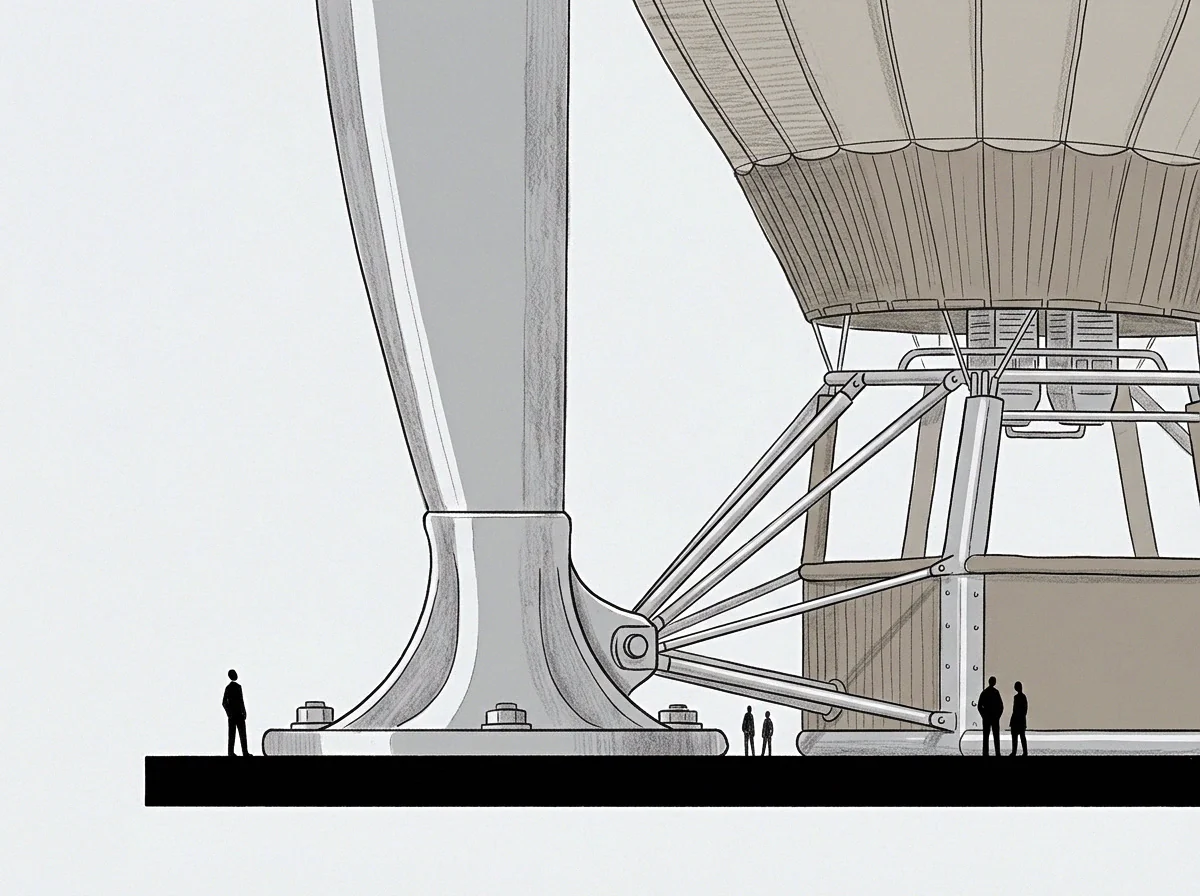
Drain
A steady leader frequently acts as an unacknowledged regulatory resource for surrounding personnel. Staff members attach to the leader’s internal equilibrium, stabilizing their own nervous systems against that composure. This asymmetric exchange extracts a steady metabolic toll from the person occupying the stabilizing seat.

How Do Regulators Absorb Structural Tension?
Subordinates and peers transfer operational anxiety through repeated reassurance-seeking interactions. The central operator processes this continuous agitation and returns measured responses. This stabilizing effort consumes substantial energy, leaving fewer internal reserves for executive oversight.
| Operational Dimension | Borrowed Stability Pattern | Earned Security Maintenance |
|---|---|---|
| Source of Regulation | Relies on continuous outward compliance and total situational control to suppress internal unrest. | Draws upon established internal models of mutual trust and biological pacing. |
| Response to Ambiguity | Triggers immediate unilateral action and cognitive withdrawal from collaborators. | Maintains openness to collaborative input while holding firm execution standards. |
| Metabolic Cost Profile | Generates high chronic allostatic load through constant hypervigilance. | Preserves baseline autonomic variability through bounded engagement cycles. |
| Relational Posture | Treats colleagues as potential liabilities or passive recipients of direction. | Engages counterparts as capable agents of shared responsibility. |
The disparity between these two modes becomes pronounced during quarters marked by operational contraction. A leader using earned secure adaptations distributes responsibility across the team, while an insecure baseline consolidates control.
Counterparts often expect the operational leader to absorb turbulence without requiring external support.

Partition
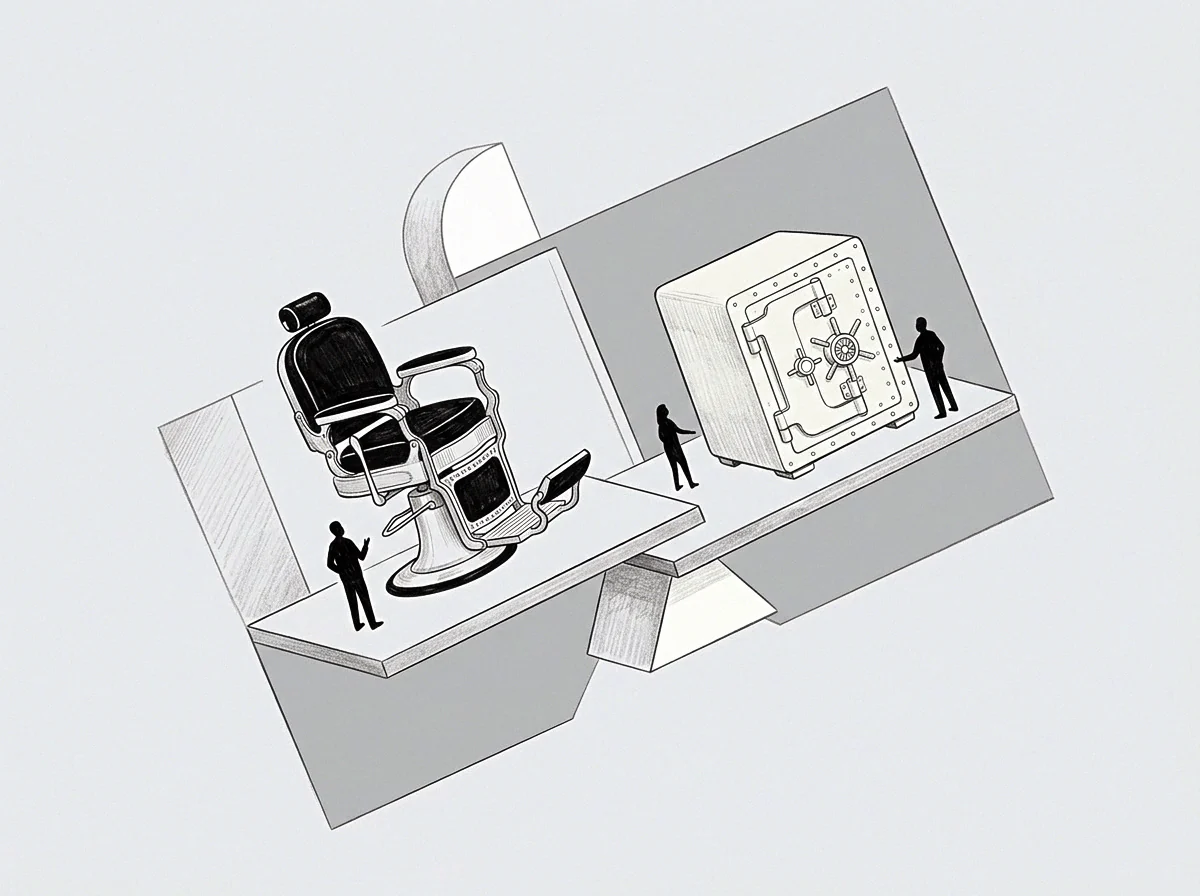
A structural division between enterprise survival and personal regulatory architecture remains essential. An operator cannot sustain an earned secure posture when every human connection within reach ties directly to equity performance or payroll survival. External relational counterweights provide the grounding necessary to preserve second-template adaptations.
Relational safety outside commercial hierarchies remains the primary determinant of long-term executive equilibrium.
Preserving earned security demands distinct structural arrangements that separate personal worth from corporate outcomes. An executive who anchors all identity within the enterprise entity exposes their nervous system to severe volatility whenever market conditions fluctuate.
Parameters of Structural Containment
Maintaining clear functional separation involves several direct measures:
- Independent advisory relationships operate entirely outside company reporting structures and commercial compensation.
- Explicit operational limits define non-negotiable boundaries on daily executive availability and emergency escalation thresholds.
- Somatic regulation routines maintain baseline biological stability independent of immediate organizational crises.
Whether an operator can sustain deep relational equilibrium while remaining the sole stabilizing force in an under-capitalized enterprise remains a difficult question.

Habit
Repeated behavioral patterns sustain internal working models over time. Earned security persists through consistent, micro-level actions executed across standard workweeks. Intellectual understanding of attachment models offers little defense against high-stress regression; daily procedural execution provides the necessary biological anchoring.
An operator maintains equilibrium by intentionally slowing physical speech cadence during contentious board discussions. Posture adjustments, deliberate breathing pace, and structured transitions between meetings serve as physiological buffers. These concrete behaviors signal safety to subcortical centers, keeping protective defensive states from emerging.
The systematic implementation of relational habits protects the operator from organizational erosion. Regular engagement with peers who demand no regulatory output restores internal reserves. Over extended market cycles, these deliberate physical and relational disciplines convert fragile earned adaptations into permanent somatic baselines.