

Metabolic Costs of Autonomous Regulation During Chronic Executive Isolation
Chronic executive isolation forces continuous prefrontal inhibition of somatic threat without co-regulatory relief, driving severe metabolic depletion.
Chronic executive isolation forces continuous prefrontal inhibition of somatic threat without co-regulatory relief, driving severe metabolic depletion.

Executive stress physiology shifts toward chronic depletion when solo threat appraisal continuously exceeds the biological capacity for self-regulation.
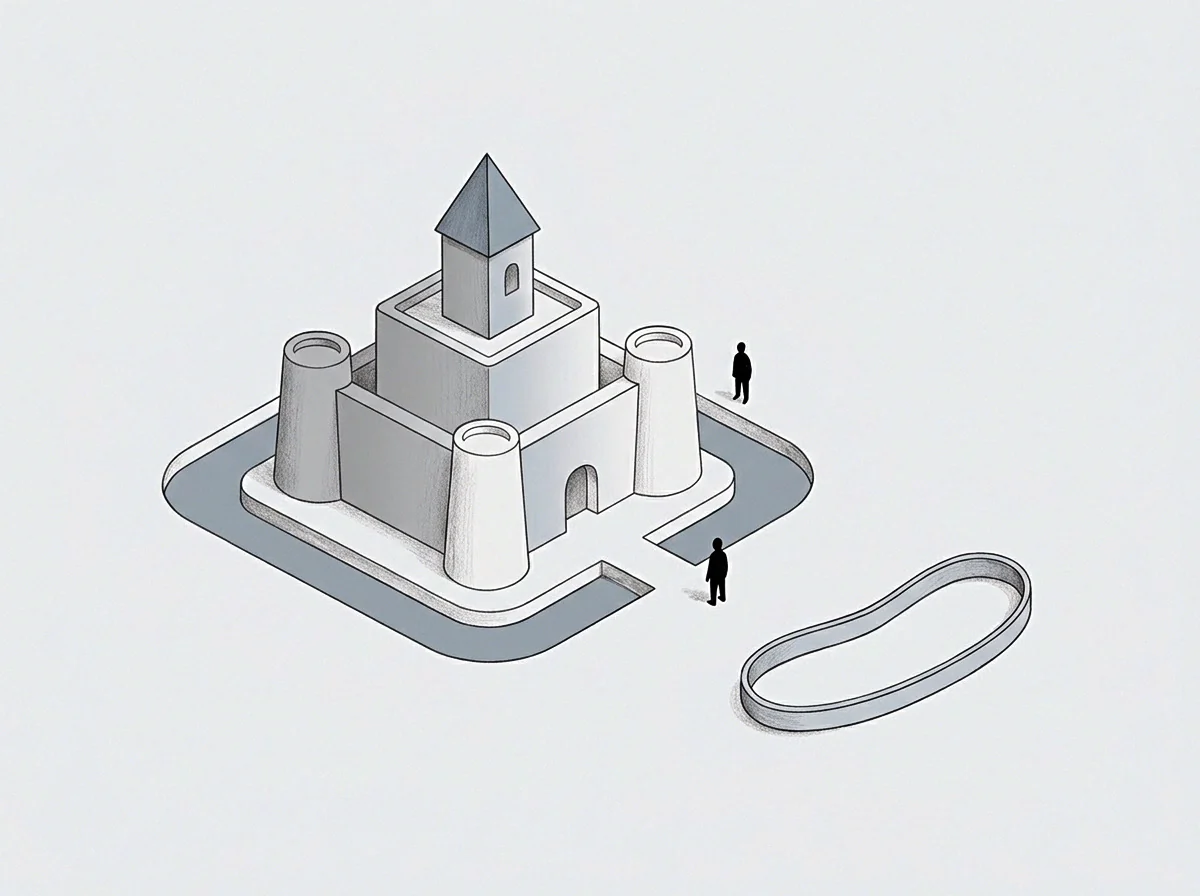
Executive isolation forces the brain to budget environmental threat without social baseline regulation, accelerating autonomic exhaustion and decision failure.
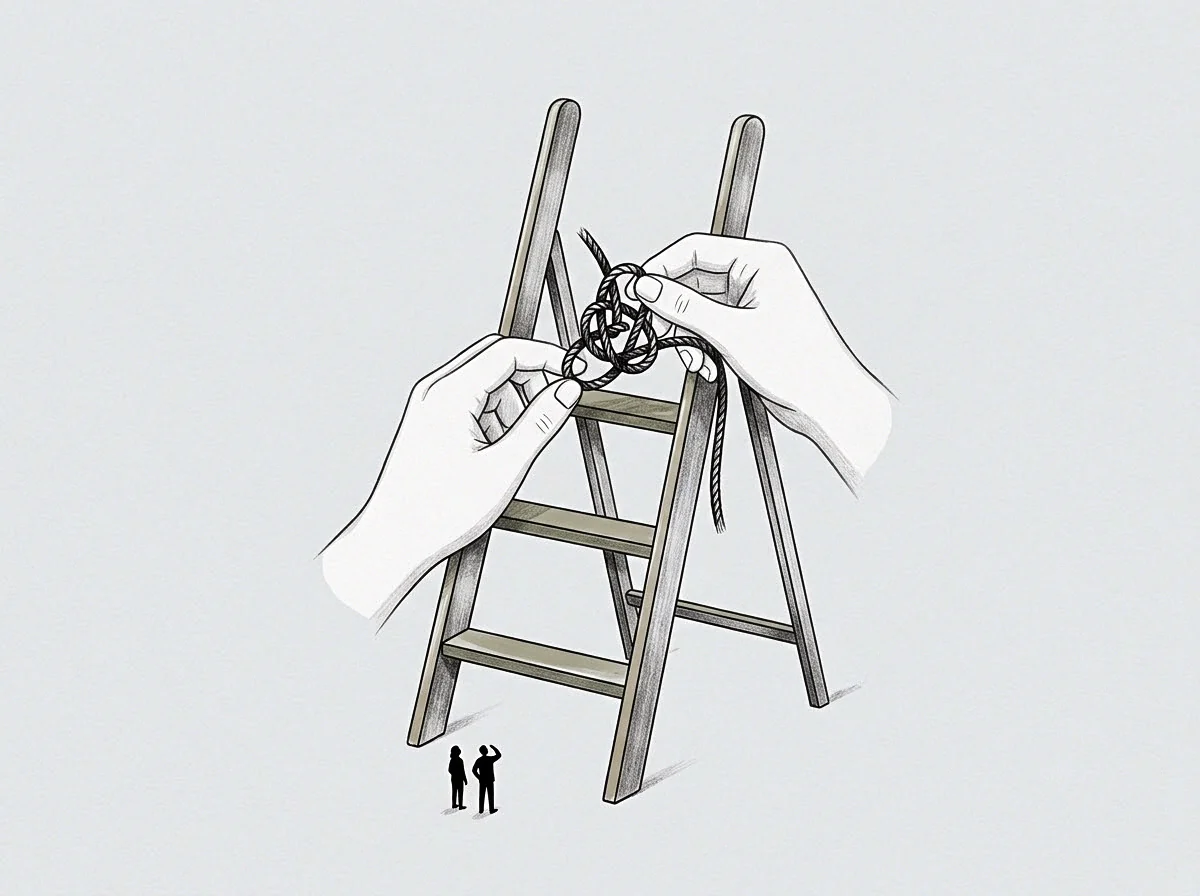
Solitary executive seats elevate prefrontal metabolic costs by stripping away social baseline co-regulation, forcing autonomic vigilance and bioenergetic debt.

Relational maintenance demands consume executive bandwidth through chronic coregulation, elevating allostatic load until structural availability gates bound open interpersonal threads.

Isolated executive self-regulation restructures neural templates to downregulate co-regulatory receptors, turning solo containment into an expensive biological baseline.
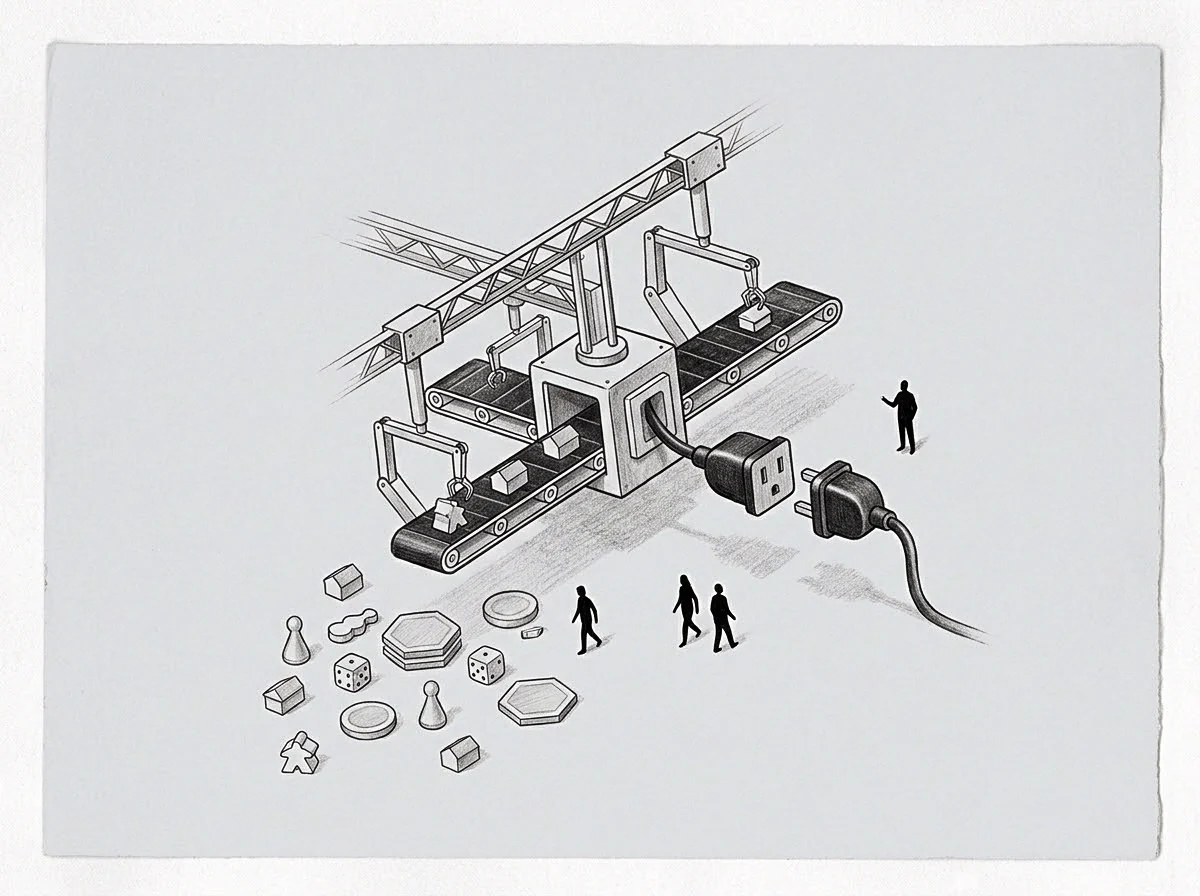
Rebuilding relational receptor slots across unequal power requires calibrated low-stakes exposure that keeps structural authority from triggering threat responses.
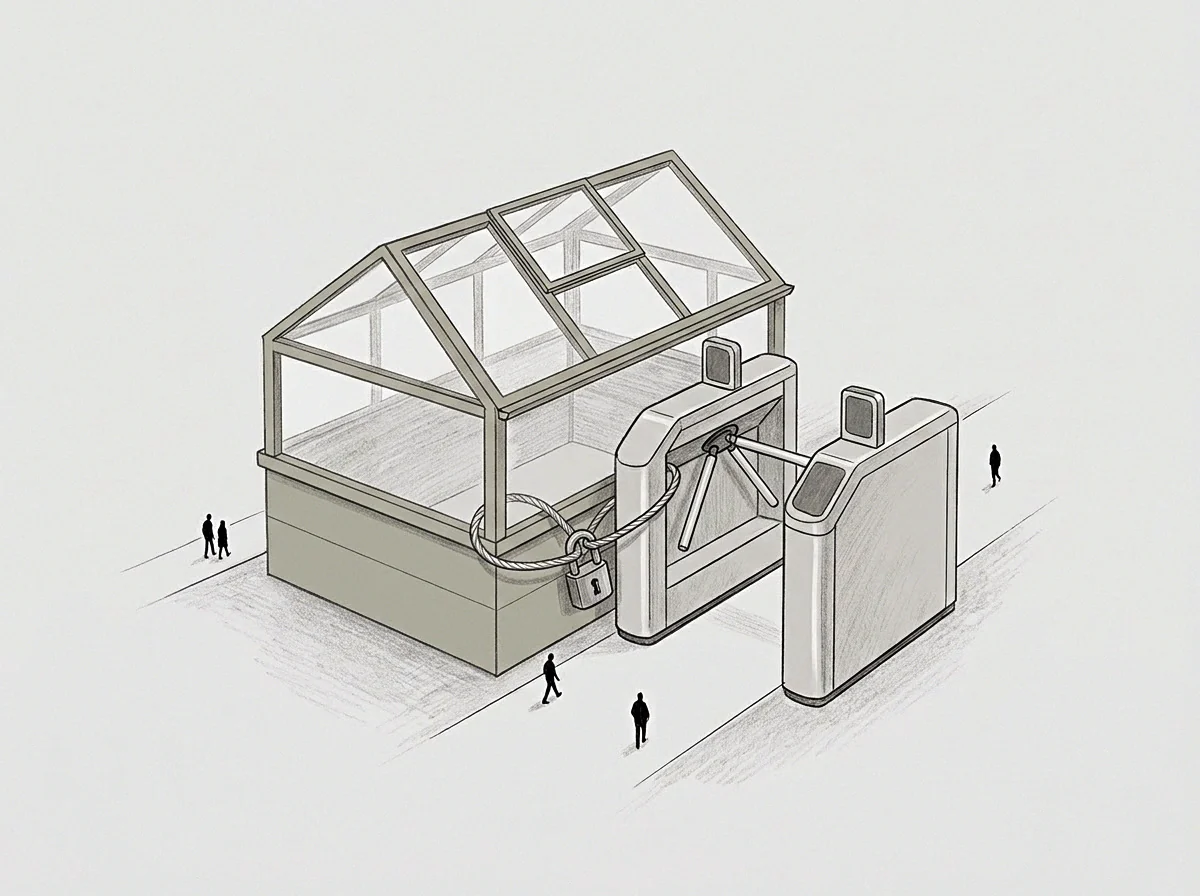
Unshared executive regulation causes autonomic throttling, down-regulating decision capacity when chronic co-regulatory load exceeds human biological limits.
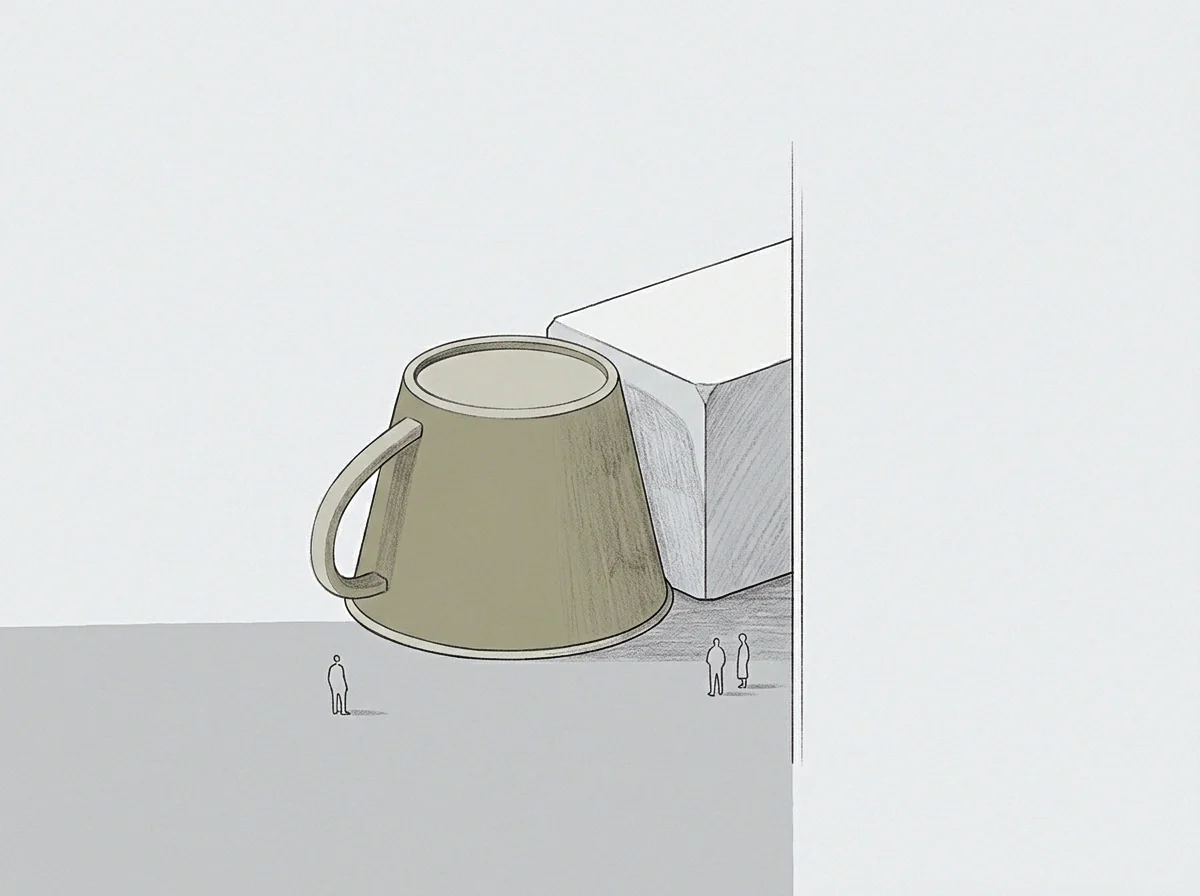
Earned security under organizational load requires structural containment, intentional communication latency, and non-commercial reciprocal relational anchors.
The terms are written where they belong. Each field holds three desks, and every entry a desk writes raises the terms it uses, each term given a meaning, a mechanism and the places it appears. The record on these pages stays first person and hand made; the fields grow the nomenclature.