

Calibrating Dynamic Enterprise Autonomy Boundaries Under Rapid Headcount Expansion
Dynamic enterprise autonomy scales through explicit state-gated decision ceilings that substitute automated retrospective auditing for central pre-approval gates.
Dynamic enterprise autonomy scales through explicit state-gated decision ceilings that substitute automated retrospective auditing for central pre-approval gates.

Delegating operational decision rights replaces centralized executive sign-offs with structural setpoints, eliminating latency and recovering executive bandwidth.

Extended isolation recalibrates the nervous system to treat self-regulation as the zero-cost baseline and social presence as a metabolic surcharge.

Automated governance gates maintain artificial equilibrium when invisible human interventions absorb upstream schema errors, hiding structural decay until human capacity reaches exhaustion.

Physical separation of operational triage from balance sheet authority prevents cognitive exhaustion from mispricing long-term capital investments.

Persistent defensive resource reallocation accelerates productive asset decay, creating non-linear restoration premiums that exceed deferred maintenance savings.

Operational boundaries succeed when structured intake forms and explicit response intervals replace direct executive responsiveness under scaling counterparty volume.

Executive boundaries transfer unmediated load during scaling until explicit terms establish rigid structural stops and isolate residual operational strain.
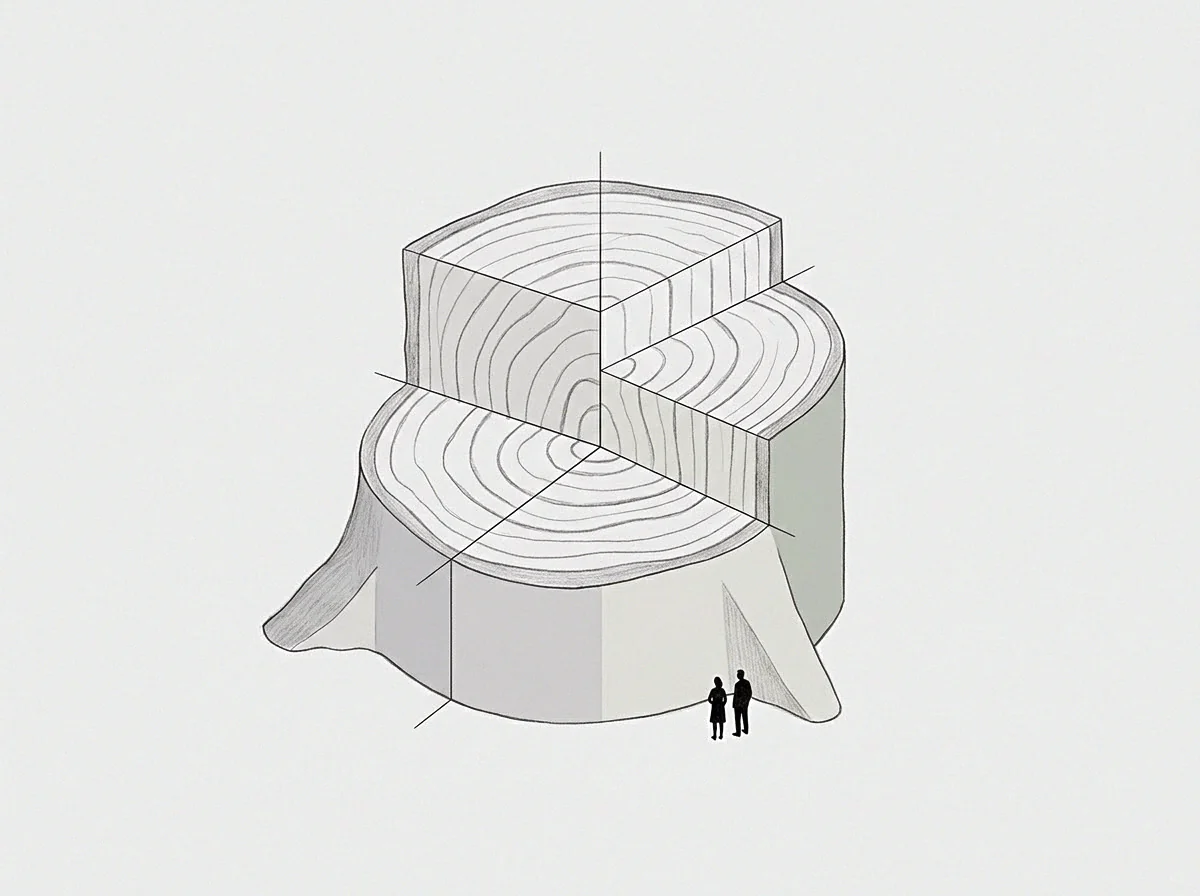
Delegated authority thresholds eliminate operational latency by establishing explicit boundaries for autonomous spending and execution without executive consent.

Structural governance interventions replace reactive bilateral negotiations with bounded decision rights and gated queues to prevent relational collapse.
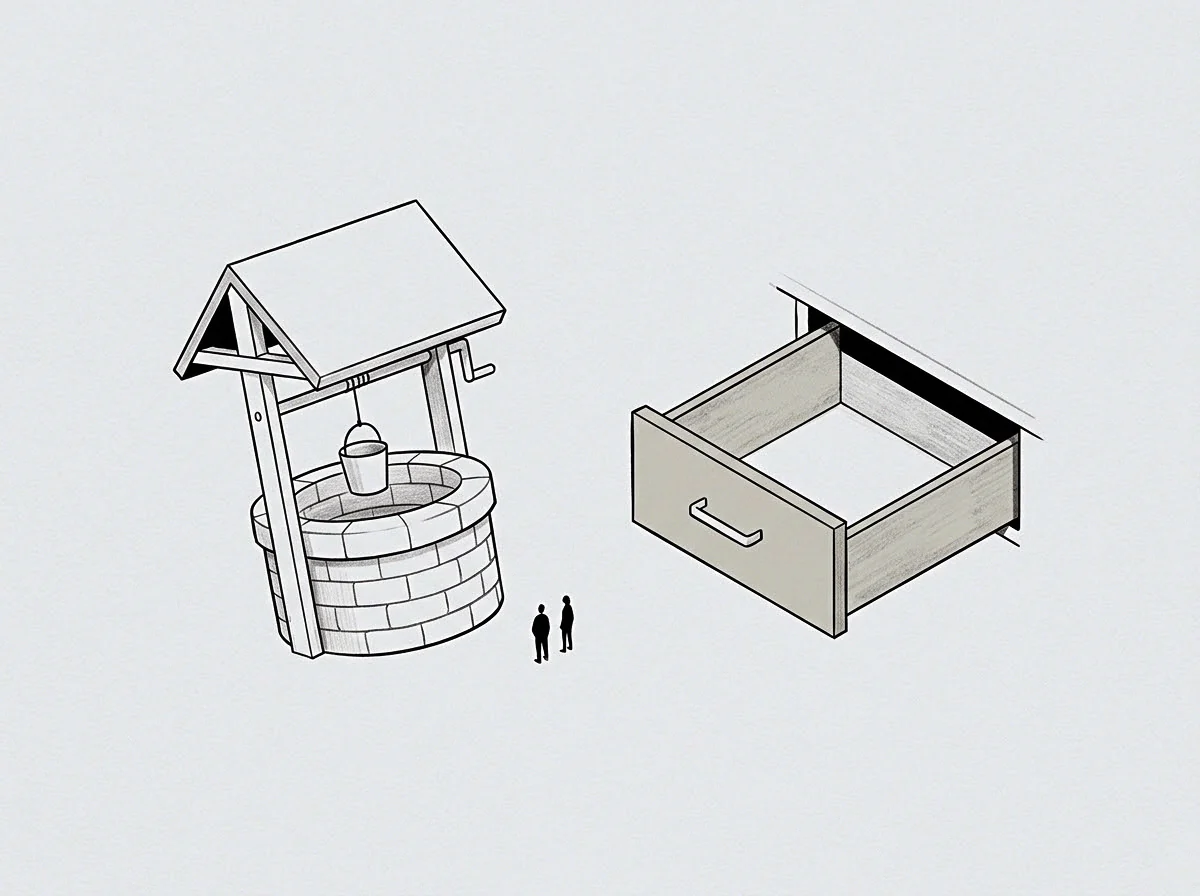
A stated limit functions as a wall only when operational intake halts automatically at capacity without relying on ongoing personal refusal.

Executive capacity under unstructured demand depletes through ungated task switching and open cognitive loops rather than nominal working hours.

Systemic boundaries enforce operational capacity through objective setpoints that automatically shed load when incoming volume exceeds physical structural limits.

Exceeding working memory concurrency limits triggers biological throttling, requiring unilateral operational gating and parked lines to restore capacity.

Scaling outpaces social borrowing when operational demands exceed proximity buffering, forcing operators to derive explicit state gated setpoints.
The terms are written where they belong. Each field holds three desks, and every entry a desk writes raises the terms it uses, each term given a meaning, a mechanism and the places it appears. The record on these pages stays first person and hand made; the fields grow the nomenclature.