
Rebuilding Autonomic Receptive Capacity Following Extended Solo Operation
Extended solo operation down-regulates receptive vagal capacity, requiring gradual, non-verbal micro-exposures to safe proximity to restore co-regulation.
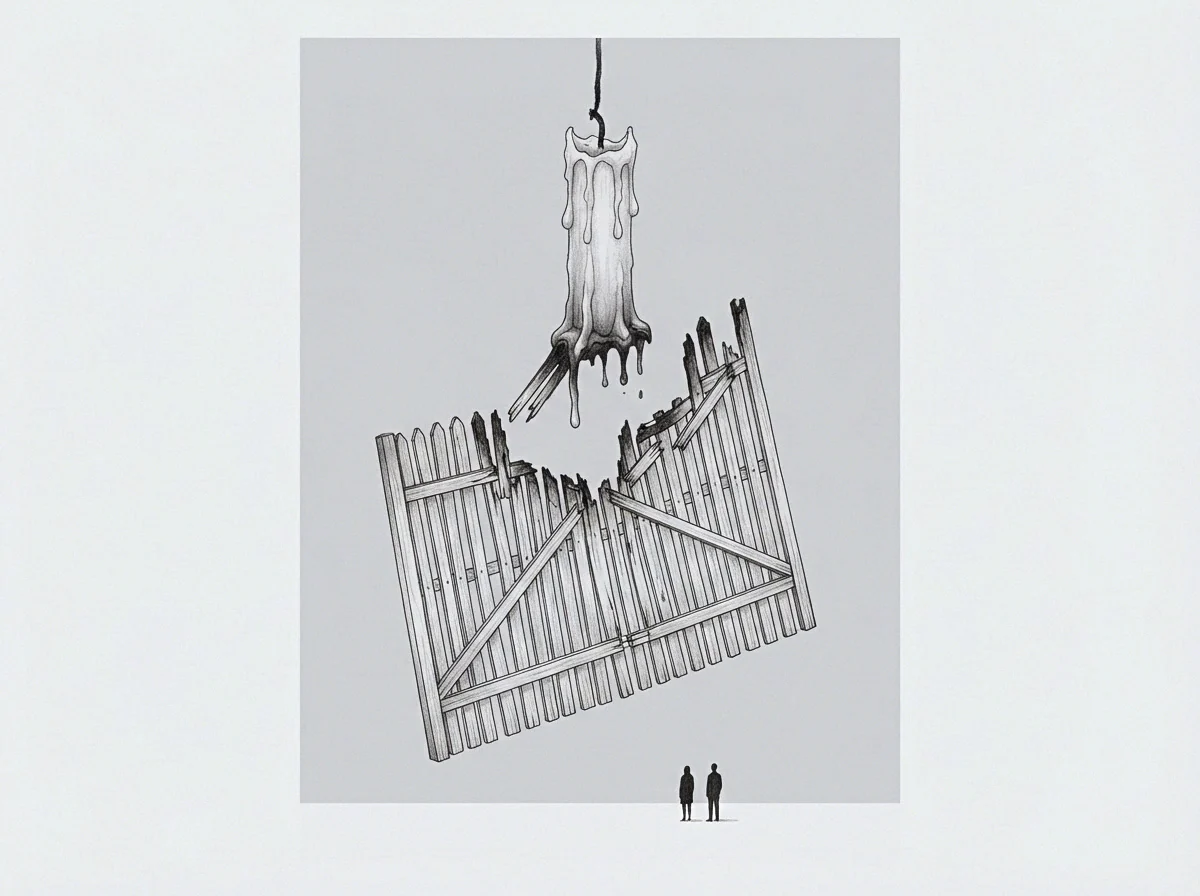
Brace
Four unread status pings sat on the primary monitor at midnight while an overseas supplier contract stalled on the second. The room stayed quiet. Pulse rate remained at sixty-two beats per minute, flat and steady, after thirty-six months of treating autonomic deceleration as an operational hazard.
Survival across three years of solitary building demanded total sympathetic containment. When every payroll run, customer dispute, and infrastructure crash rests on one pair of shoulders, the body locks into high tone until stability feels like uninterrupted vigilance rather than rest.
In this state, the nervous system suppresses the ventral vagal brake while dorsal and sympathetic branches coordinate posture, analytical models, and uninterrupted output. Social contact, which unburdened physiology handles as metabolic relief, registers instead as an incoming energy draw. The founder handles queries with cold precision, but every voice in the room requires sensory sorting, intent parsing, and emotional containment, shifting the system from shared expenditure to solitary defense.
A tired operator reads quiet rooms as threats because vigilance kept the enterprise solvent.
When solo operation stretches past twenty-four months, this defensive stance hardens into a model where another person’s presence registers as operational friction. The physiological machinery that processes social soothing gradually turns down its sensitivity.
- Ventral vagal withdrawal reduces facial expressivity and locks heart rate variability into narrow bands during interpersonal exchange.
- Metabolic threat conversion treats unscripted interpersonal gestures as unassigned tasks requiring containment.
- Sensory sensory gating prioritizes systemic telemetry over human speech inflection and physical proximity cues.
A founder who spent years regulating alone cannot step into a room and immediately experience dyadic relief. The neurobiology rejects the transmission. Dropping the protective armor registers as a physiological threat, and forcing receptive capacity without structural safety triggers an autonomic withdrawal that leaves the operator more isolated than before.
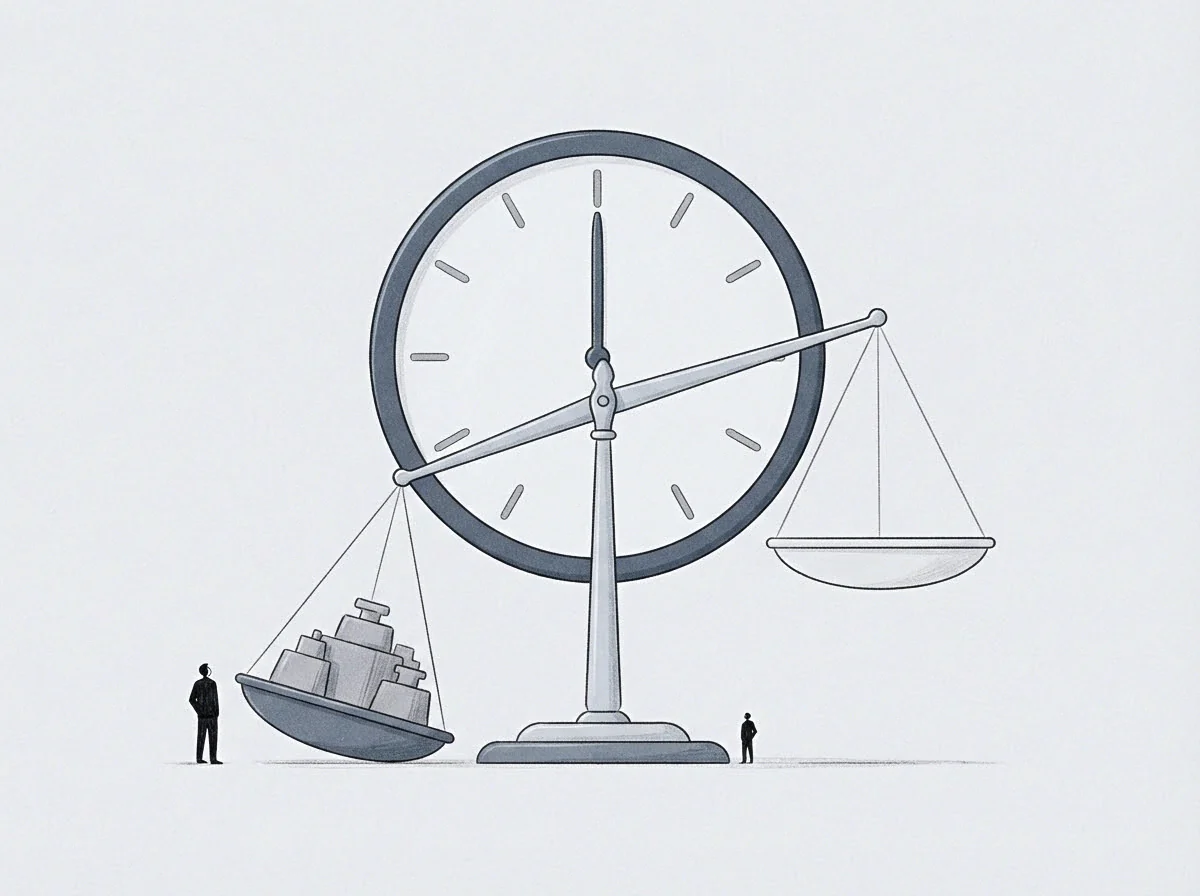
Current
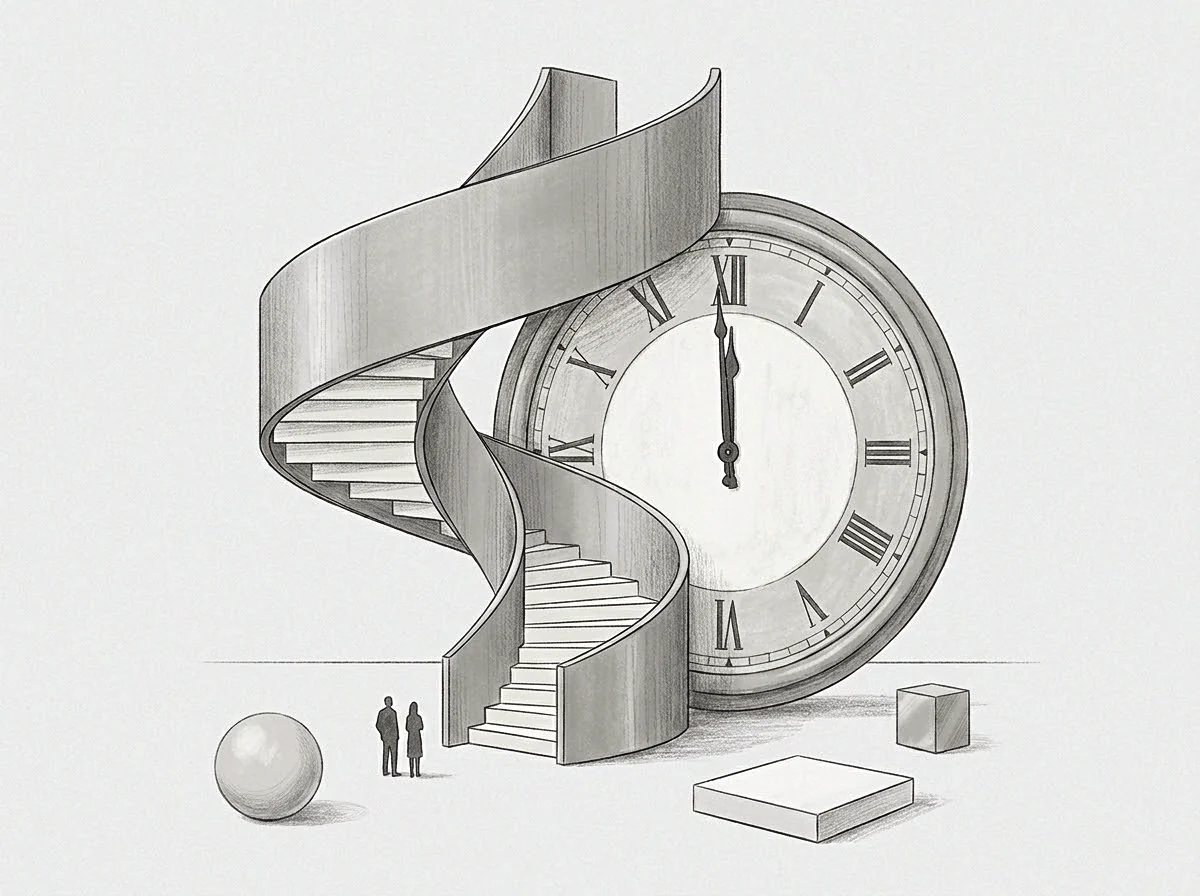
Metabolic Physics of the Solo Baseline
Social baseline theory shows that the human brain budgets energy expecting reliable conspecifics to be physically present. Threat detection, thermoregulation, and problem-solving draw fewer calories when another body sits within reach. In extended solo operation, that subsidy disappears.
The operator pays full physiological price for every hour of systemic maintenance: glucose consumption spikes, baseline cortisol rises to sustain tissue perfusion, and the amygdala handles surveillance alone.
A solitary operator pays full metabolic retail for vigilance that proximity normally subsidizes.
Over hundreds of days, the nervous system adapts through allostatic accommodation, assuming isolation is permanent. To prevent exhaustion, it reduces receptor sensitivity for relational soothing. The capacity for incoming care shuts down until an offer of presence no longer registers as calm: coffee brought to the desk feels like an interruption, an inquiry about capacity sounds like criticism, and an unhurried conversation feels like lost time.
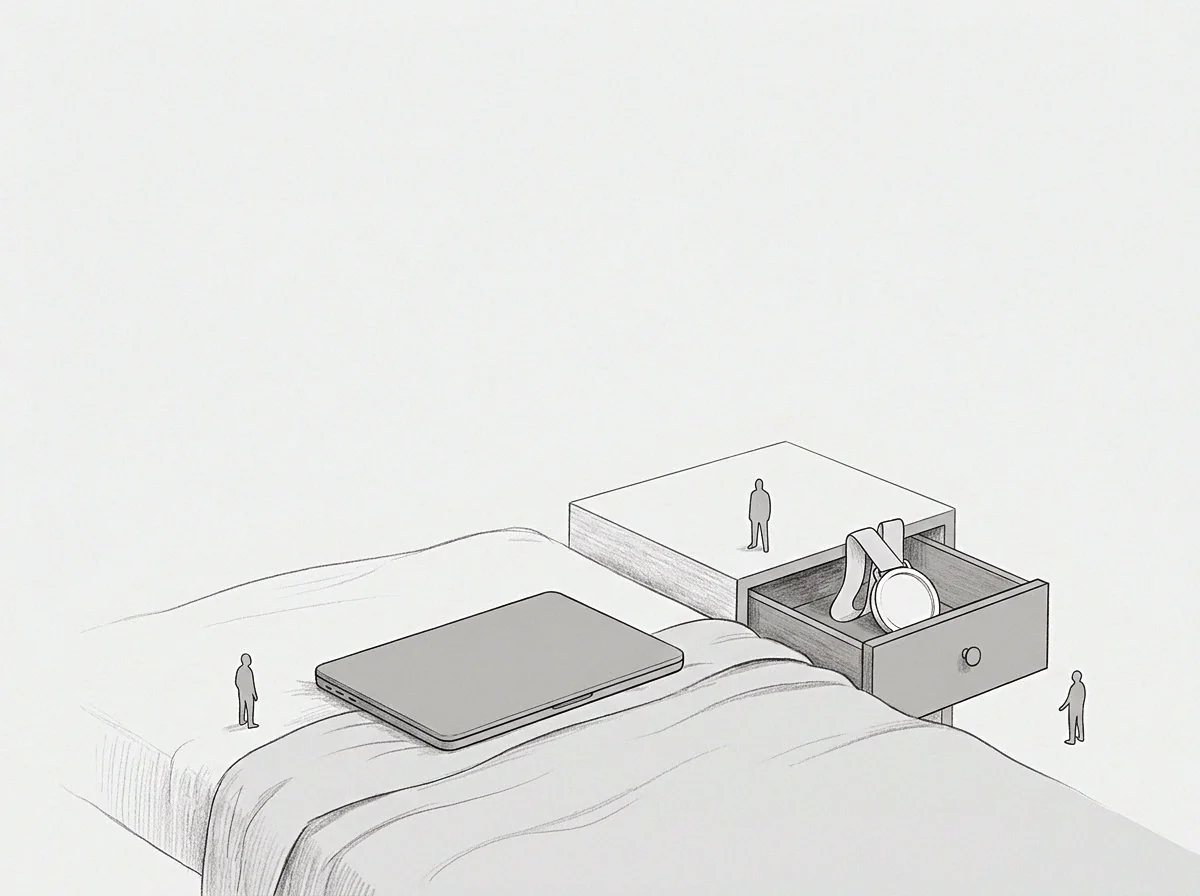
The Transmission Failure Across the Table
When a partner or colleague sits beside someone running in this state, a disconnect occurs at once. The partner offers cues of safety—relaxed tone, unhurried posture, steady breathing, an open gaze—that would normally prompt parasympathetic engagement. In the solo operator, those same cues trigger quiet suspicion, prompting a search for hidden incompetence, deferred requests, or impending administrative failure.
The steady state of another person becomes an anomaly. Having served as the sole source of order in an indifferent market for years, the operator sees unearned calm as naivety or detachment from operational reality. The partner reads the distance, tight jaw, and shallow breath as personal rejection, assuming the operator simply prefers distance over contact.
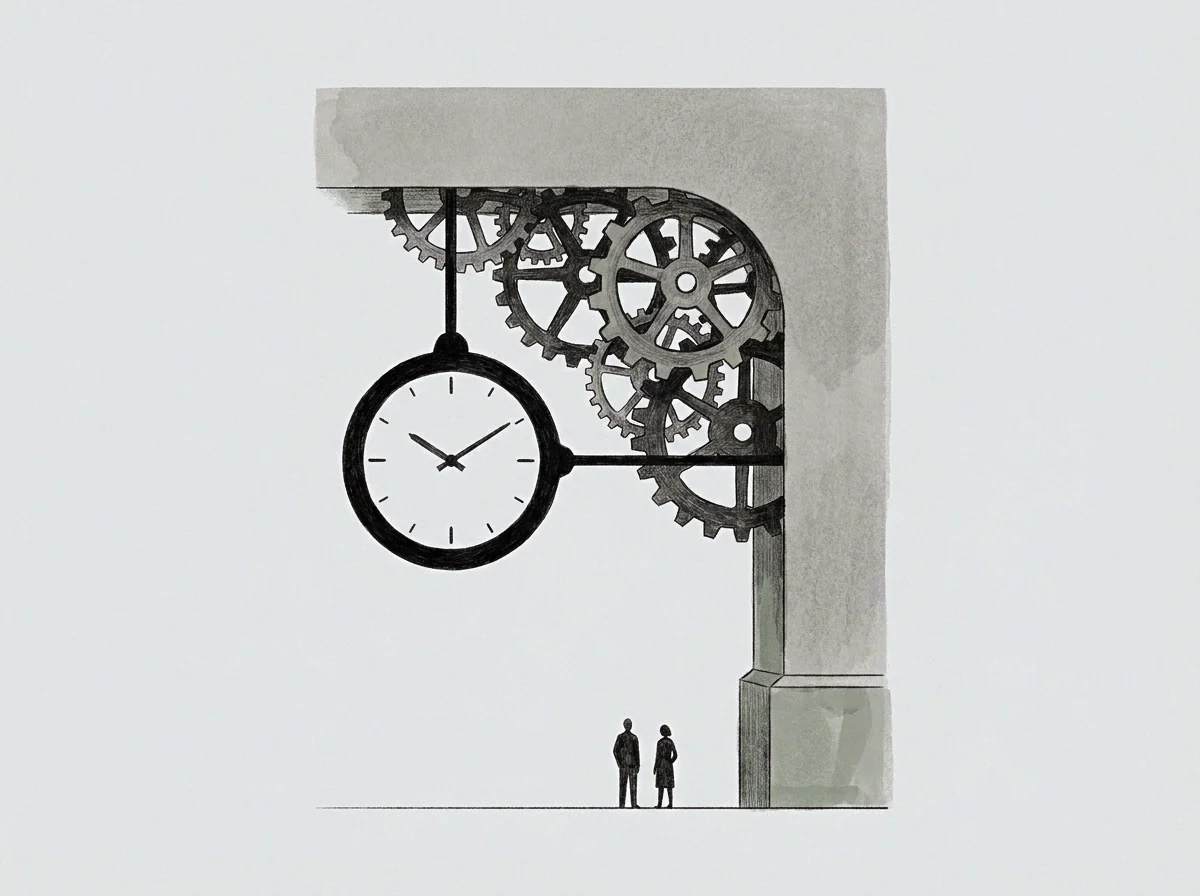
Table
Comparing the physiological and operational parameters of solitary containment against dyadic co-regulation shows why moving between the two modes generates acute autonomic friction.
| Parameter | Solitary Containment Mode | Dyadic Co-Regulation Mode |
|---|---|---|
| Primary autonomic driver | Sympathetic tone paired with functional dorsal suppression | Ventral vagal brake modulating cardiac output dynamically |
| Perception of other presence | Operational overhead and prospective task allocation | Shared metabolic reserve and threat buffering |
| Respiratory cycle shape | Shallow thoracic breathing with prolonged inspiratory hold | Diaphragmatic excursion with extended passive expiration |
| Interpersonal gaze tracking | Focal, saccadic, hunting for intent indicators | Soft, distributed, registering autonomic status markers |
| Recovery latency post-stress | Protracted elevation over twelve to twenty-four hours | Rapid return to baseline within ninety minutes of contact |
The distinction between these states is biological, not philosophical. An operator locked in solitary containment cannot access co-regulation merely by wanting it; the sensory pathways that register safety must recalibrate under conditions where performance demands drop to zero.
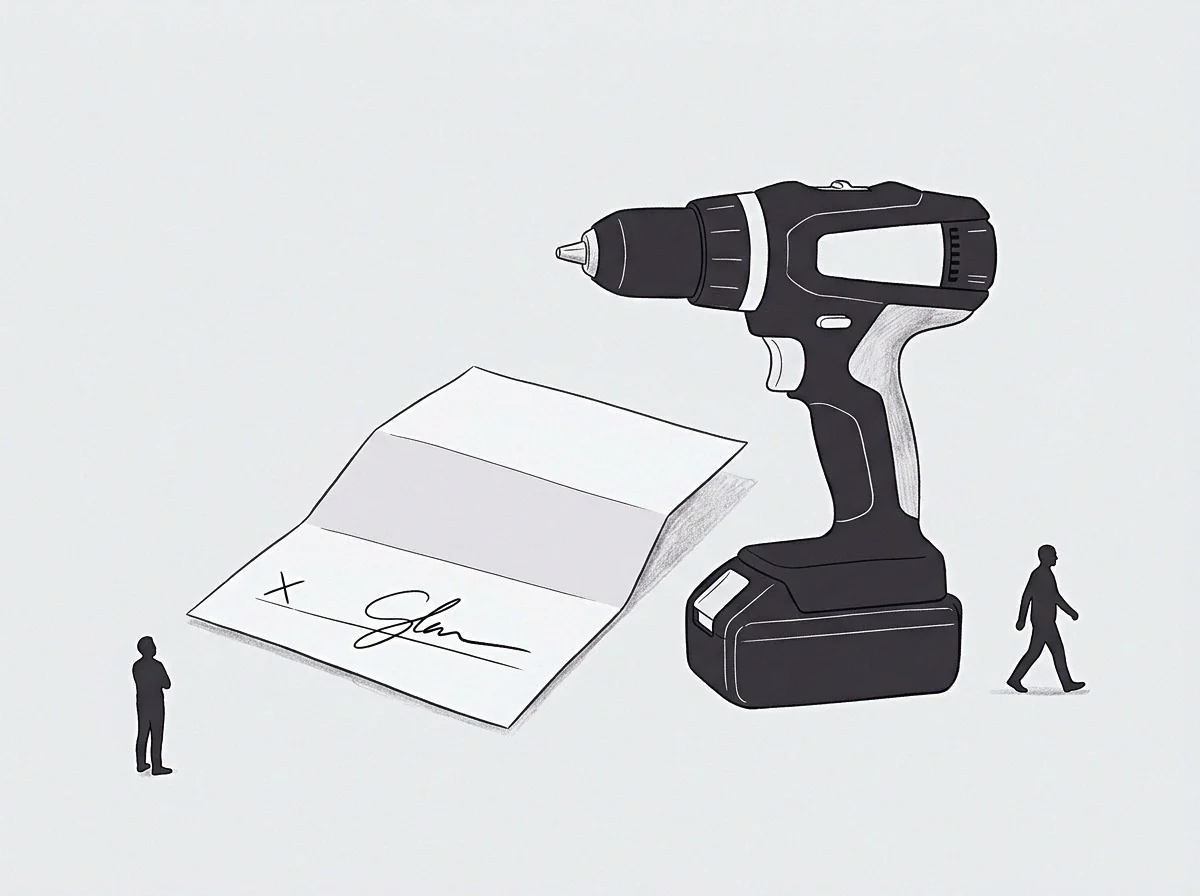
A contract written without explicit capacity limits binds the nervous system to permanent emergency.
When an operating contract omits explicit capacity limits, the autonomic system defaults to total containment, leaving the receptor apparatus sealed against external input.
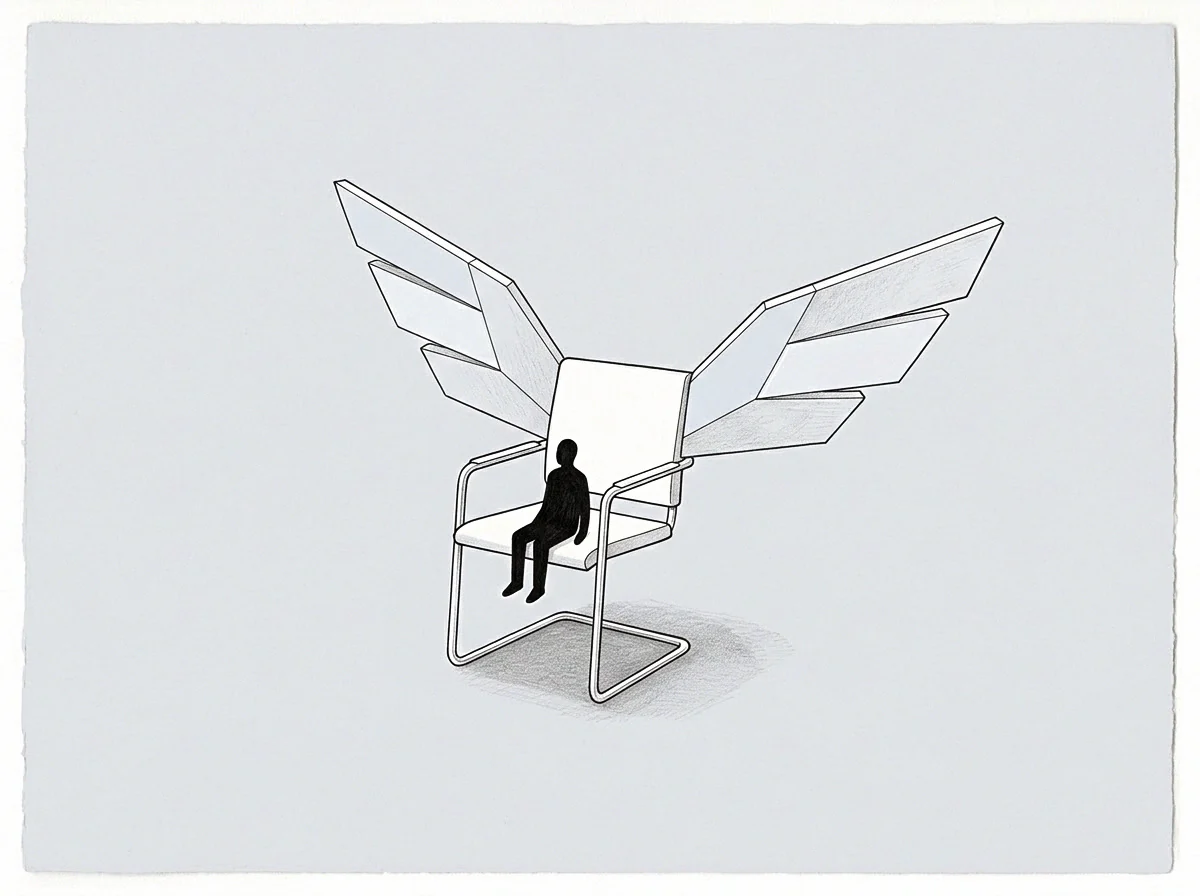
Friction
Where Does the Capacity to Receive Actually Return?
Reopening receptive capacity cannot happen through conversation alone. The cerebral cortex generates endless narrative, allowing an articulate founder to analyze attachment patterns, polyvagal theory, and nervous system dynamics for hours without lowering baseline heart rate by a single beat. Conceptual understanding becomes another form of containment, explaining the brace to protect it.
Re-sensitization requires micro-exposures to non-contingent physical proximity. The nervous system needs direct physical proof that another human body can stay within sensory range without assigning a task, seeking validation, or requiring defensive monitoring.
- Passive co-presence establishes baseline safety by placing two people in the same physical room engaged in separate, non-overlapping tasks for sixty minutes without conversation.
- Low-bandwidth contact introduces brief tactile or visual grounding cues that conclude before the operator feels compelled to reciprocate or entertain.
- Explicit operational delegation transfers structural authority to an associate with written guarantees that no back-channel surveillance will occur during execution.
The sequence moves slowly. During early trials, the operator experiences intense restlessness: the chest tightens, fingers tap desk surfaces, and phantom notifications vibrate in empty pockets as the nervous system signals that vigilance has lapsed.
A short walk across a gravel path during an afternoon break shows this tension clearly. The operator walks three paces ahead, scanning the fence line and calculating return transit down to the minute, body resisting the cadence of a slower companion. The companion steps softly, breathing through the nose, without accelerating or asking for explanations.
Five minutes pass in silence. The operator’s shoulders drop half an inch. The breath catches, then settles from high collarbones down toward the navel, releasing an involuntary sigh as a fraction of baseline subsidy reaches the operator.
Whether this physiological re-attunement can fully restore baseline receptivity to its pre-founding state remains an open question among clinicians and researchers.
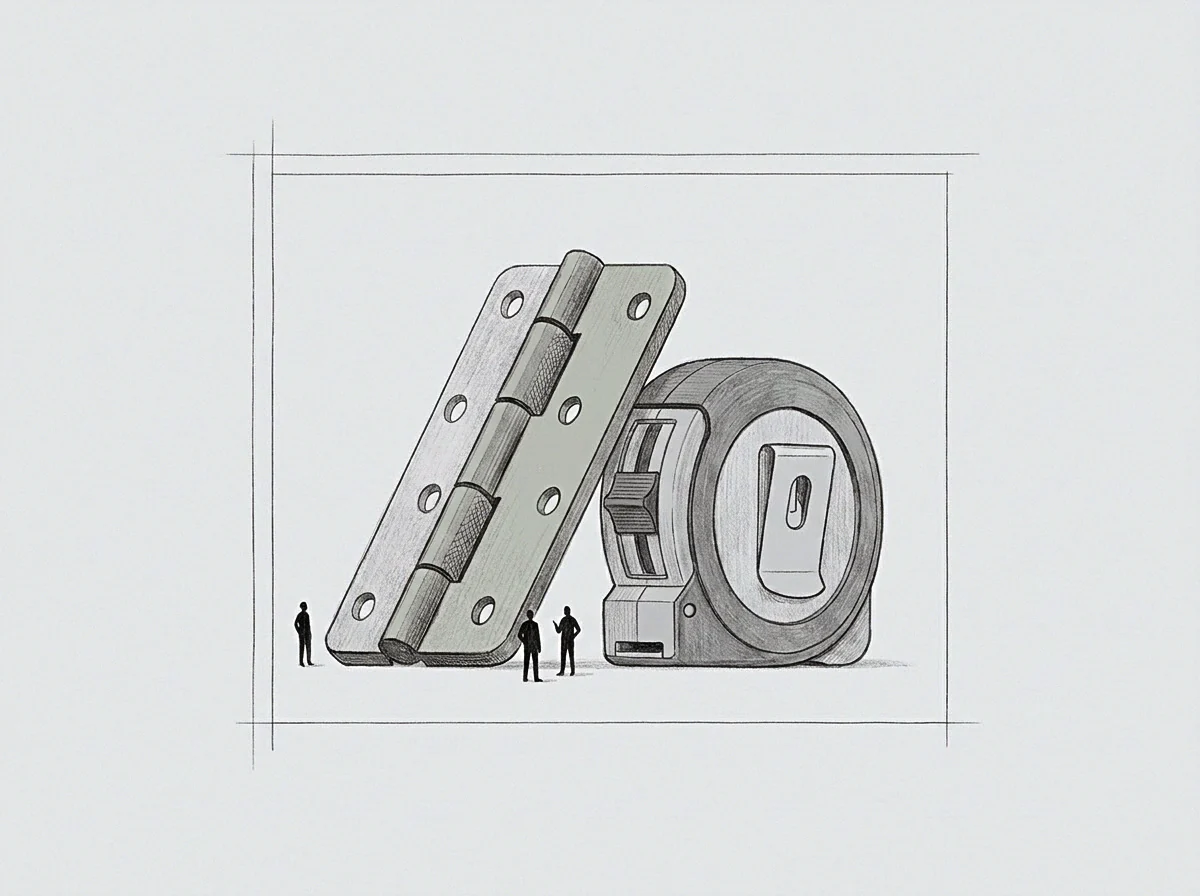
Latch
Earned security develops as a secondary physiological template built through repeated, unpunished vulnerability under real operational stakes. The original template, forged in isolation, established that survival demanded self-reliance, vigilance, and structural imperviousness. The secondary template does not replace the first; it sits alongside it as an alternate operating mode.
The difference shows over time in how quickly the body settles after an operational shock. Early on, an unexpected outage triggers three weeks of heightened arousal. Two years into the secondary template, the same outage prompts a six-hour surge of sympathetic focus, followed by an unforced return to rest beside a partner within an hour of resolution.
A regulator proven under stress naturally draws more load unless a limit stops the transfer.
The capacity to receive opens because the operator learns, across dozens of mundane trials, that relying on another person does not cause the enterprise to collapse. The partner sits on the porch at dusk. The founder sits on the wooden step below, leaning back against the partner’s knees.
No conversation takes place, and no tally is kept. The partner’s hand rests lightly on the founder’s shoulder with a weight that is neither heavy nor expectant. The founder’s chest expands into the quiet evening air, drawing on a calm that does not come from solitary reserves.
A person who carried the building alone learns that sharing weight preserves the spine where solitary lifting breaks it.