
Rebuilding Autonomic Receptivity And Partner Baseline After Chronic Operational Burnout
Chronic operational burnout forces the autonomic nervous system to process partner presence as operational load rather than baseline calm, requiring structured non-demanding micro-exchanges to rebuild somatic receptivity over time.
Grid
A founder finishes a three-year operational push unable to feel settled near a partner. Sitting in a quiet room beside someone offering undivided attention brings on unexplained muscular tension, shallow rapid breathing, or complete somatic numbness. The expected physiological drop in alert state fails to occur.
Instead, the autonomic nervous system processes proximity as another incoming stream requiring active monitoring and internal management.
Social baseline theory establishes that the human brain treats relational proximity as the default operational economy. When a reliable, familiar person is nearby, the neural baseline assumes shared load, downregulating threat-detection circuits in the dorsal anterior cingulate cortex and reducing metabolic expenditures in the hypothalamus. Solitary self-regulation acts as an expensive fallback mode, consuming measurable glucose and sympathetic energy to keep baseline vigilance intact.
Under normal conditions, proximity to a responsive partner functions as an automated energy subsidy, lowering the energetic price of maintaining homeostasis.
Proximity functions as a metabolic energy subsidy only when neural threat architecture registers the partner state as reliable zero.
Chronic operational overload systematically dismantles this baseline. Months or years spent managing existential organizational threats force the sympathetic nervous system into sustained hyper-vigilance, accumulating severe allostatic load. The brain adapts to prolonged operational strain by recalibrating its internal threat model: every external signal becomes a potential demand, and every input requires tactical evaluation.
When this hyper-vigilant neural posture becomes entrenched, the autonomic apparatus loses its capacity to shift into passive receptivity.
Under operational load, partner presence undergoes a structural inversion. Instead of serving as a low-cost regulatory anchor, the partner becomes another entity inside the threat-appraisal loop. The brain evaluates the partner’s mood, body language, and expectations as potential operational liabilities that demand energy to manage.
Autonomic receptivity collapses because receptor architecture interprets the incoming social signal as a potential drain on depleted reserves rather than a source of baseline relief.
Continuing to force relational interaction while the autonomic nervous system remains in chronic operational defense deepens relational distance and reinforces somatic avoidance.

Socket
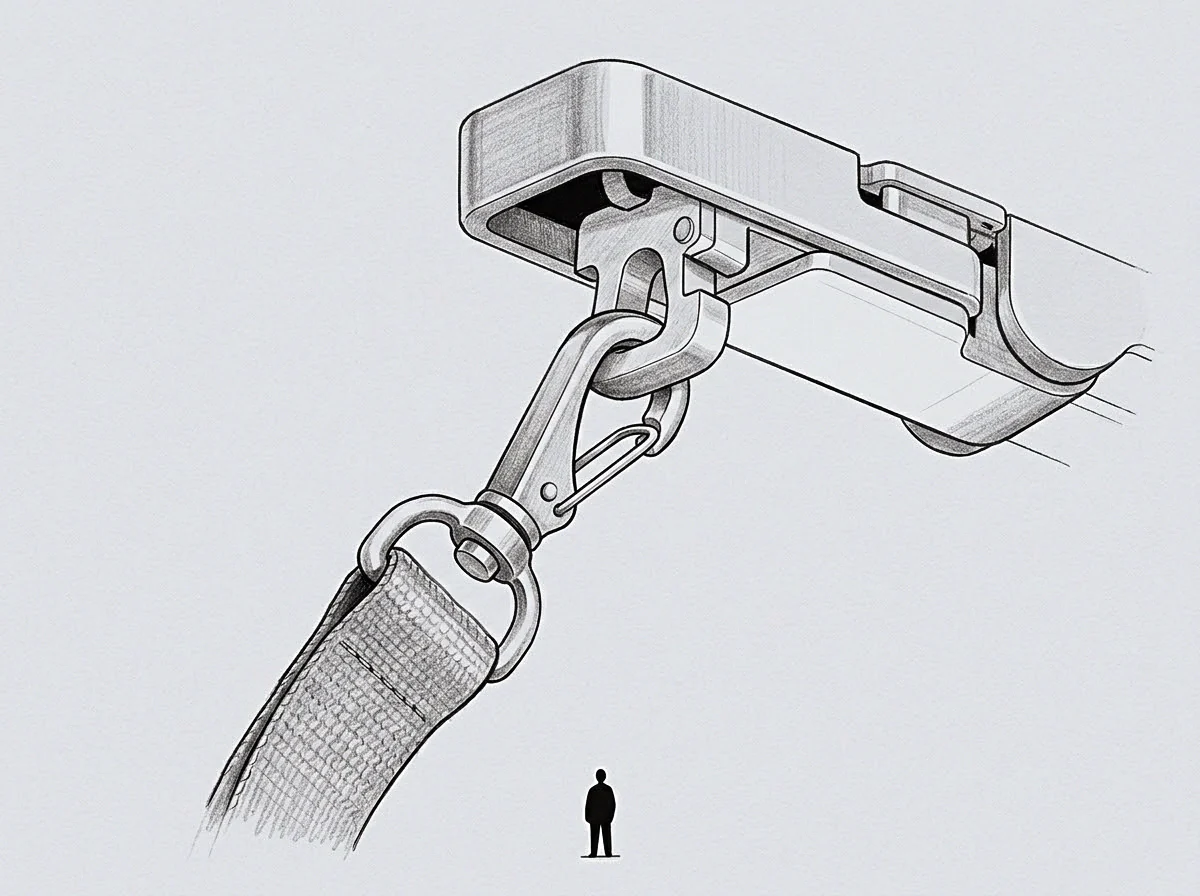
Long-term operational survival often demands that a founder become the primary regulatory anchor for an entire enterprise. Investors, executive teams, and employees continuously attach their anxieties to the founder’s calm state, using that steadiness to regulate their own panic. To survive this demands profile, the founder constructs a specific internal working model: a backwards regulator template where the self exists exclusively to stabilize external systems, with no internal architecture dedicated to accepting stabilization from outside.
This backwards template operates efficiently in high-threat environments, but it destroys the somatic receptor slot required for relational co-regulation. Over time, the neurological habit of absorbing and neutralizing incoming tension hardens into an automatic response pattern. When a partner offers calm, care, or non-demanding physical presence, the backwards template cannot process the incoming gesture as support.
Lacking a functional receptor slot, the system classifies the gesture as an anomaly, triggering defensive detachment or sudden irritation.
A backwards regulator template processes offered care as an operational demand because the internal architecture contains no receiving slot.
The atrophy of autonomic receptivity manifests through predictable operational failure modes in intimate or close co-founder relationships:
- Interference reading occurs when the founder interprets a partner’s quiet physical presence as an implicit demand for emotional performance or operational status updates.
- Attunement reflex inversion converts an offer of comfort into an immediate instinct to inspect the partner for hidden distress or emerging personal instability.
- Somatic closure blocks physical touch or soft vocal tones by abruptly tightening the chest and diaphragm to preserve solitary energetic reserves.
- Evaluative shifting turns unstructured relational hours into a structured problem-solving session to regain familiar operational control over the interaction.
The partner recognizes this structural wall long before the founder can articulate its existence. The partner senses that their calm state finds no somatic landing pad, leaving their own attempt at relational connection suspended without grounding.
The presence offered produces no easing of the burden, only a harder shell around the person sitting across the room.

Cost
Restoring a compromised partner baseline requires evaluating the precise somatic expenditure associated with different regulatory postures. Self-regulation under high allostatic load carries a vastly higher metabolic cost than functional relational co-regulation. When autonomic receptivity breaks down, a founder relies entirely on solitary mechanisms such as emotional throttling, cognitive suppression, or forced somatic calm.
These mechanisms deplete executive function and accelerate burnout.
What Breaks When Proximity Fails To Downregulate Threat?
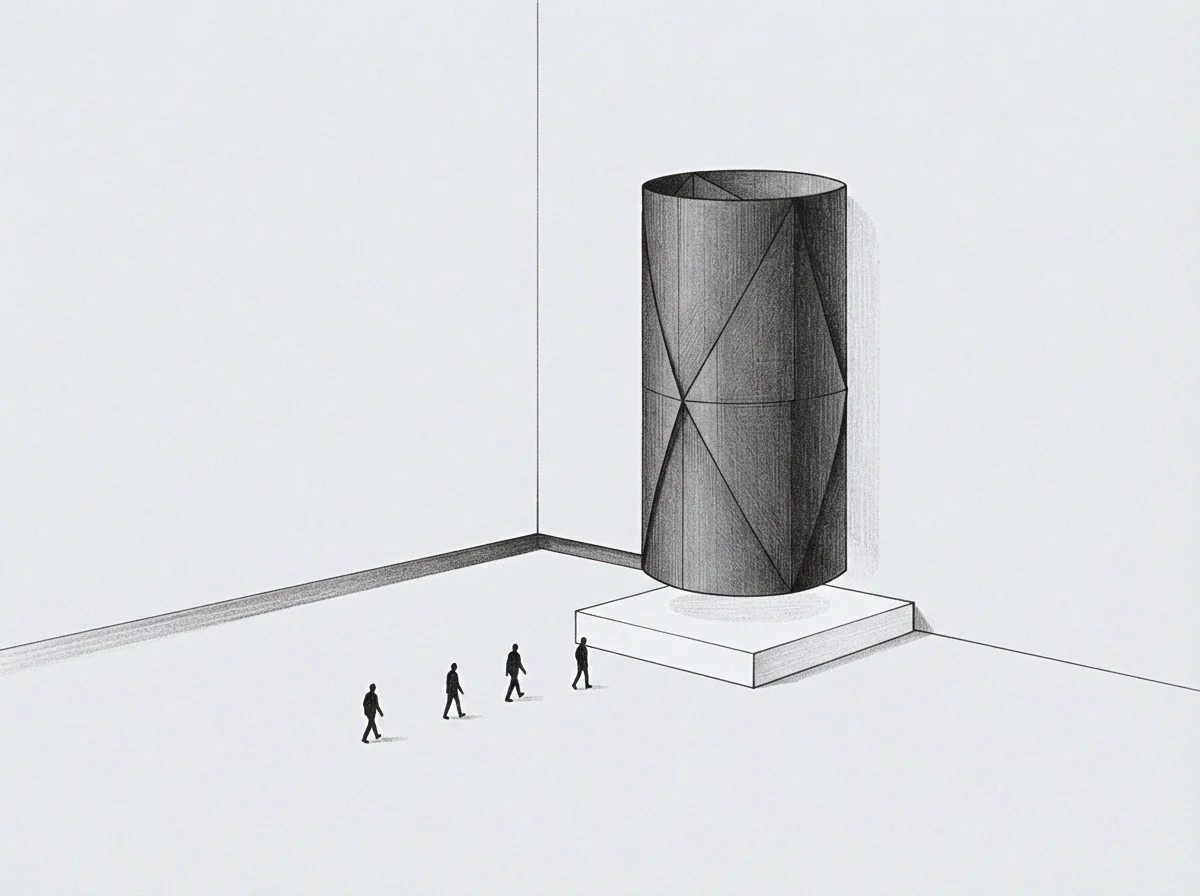
When relational proximity fails to reduce autonomic strain, the energy budget of the home environment mirrors the energy budget of the corporate workplace. The brain remains on active duty, maintaining elevated cortisol profiles and suppressed vagal tone even during off-hours. This persistent physiological cost drains the neural reserves needed for executive decision-making, creative synthesis, and emotional resilience.
| Regulatory Mode | Autonomic Mechanism | Systemic Metabolic Cost | Impact on Partner Baseline |
|---|---|---|---|
| Solitary Emotional Throttling | Active prefrontal suppression of limbic activation; sympathetic overdrive maintained. | Extreme glucose drain; rapid executive fatigue and emotional exhaustion. | Erodes trust; establishes partner as an external variable to be managed. |
| Forced Somatic Calm | Conscious muscular inhibition masking ongoing physiological arousal. | High motor cortex strain; sustained cardiovascular stress under surface stillness. | Creates dissonance; partner senses underlying tension despite calm surface. |
| Functional Co-Regulation | Passive autonomic alignment with partner baseline via ventral vagal pathways. | Minimal metabolic cost; downregulates hypothalamic stress response. | Rebuilds shared baseline; establishes partner presence as an energy subsidy. |
The choice between these modes is not a matter of willingness or affection. It depends entirely on whether the autonomic threat threshold allows ventral vagal engagement in the presence of the partner. If the autonomic threat threshold remains set to operational defense, any attempted co-regulation reverts instantly to forced somatic calm or active emotional throttling.
When autonomic threat thresholds remain locked in operational defense, forced co-regulation consumes more energy than total solitary isolation.
The threshold shifts only when external operational inputs drop below the system’s current capacity line, or when the partner baseline is re-engineered to eliminate all implicit demands for emotional output.
Signal
A central dispute in operational recovery centers on distinguishing chronic emotional throttling from clinical depression. Operational throttling represents an active, energy-intensive somatic defense mechanism designed to restrict emotional outputs when capacity hits absolute ceiling. Clinical depression involves a systemic downregulation of dopamine and motor output resulting from prolonged helplessness.
Mistaking operational throttling for depression leads to misdirected recovery attempts that often increase load rather than relieving it.
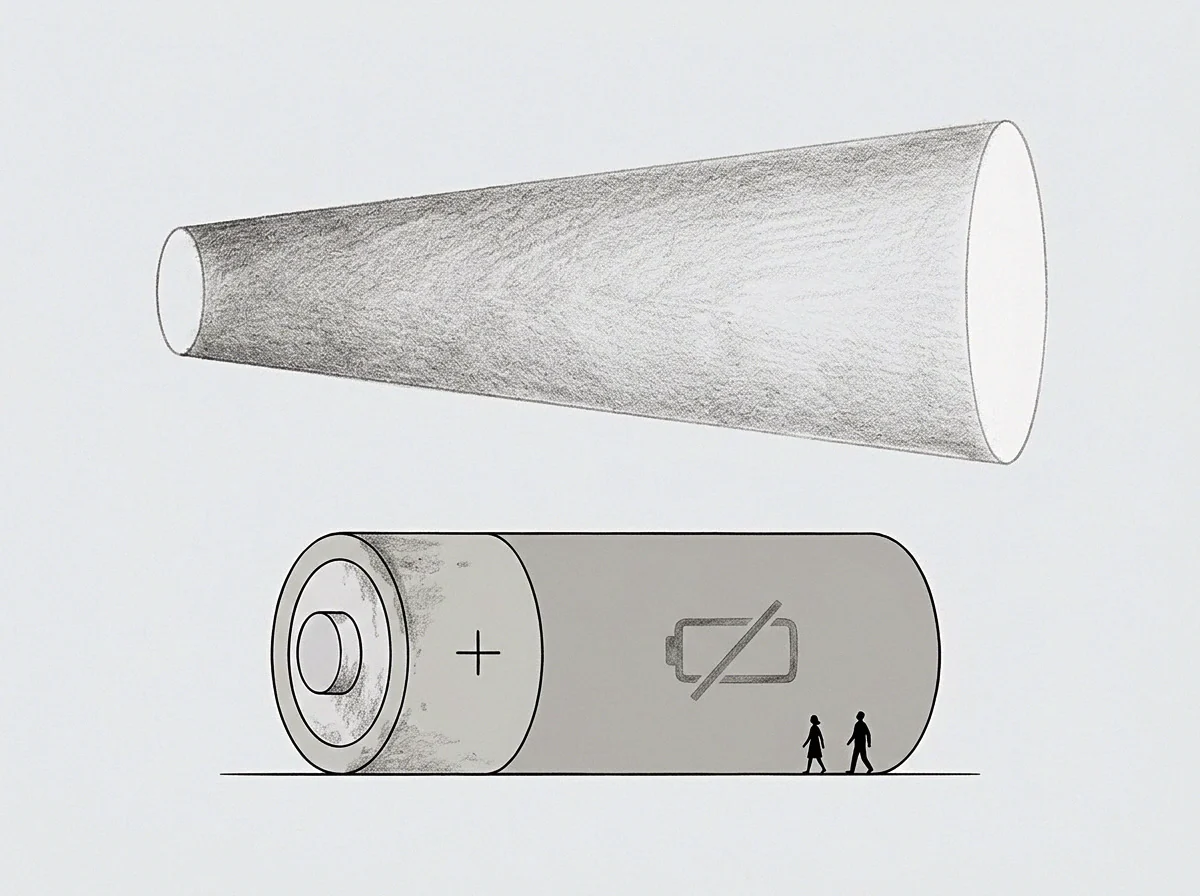
When a founder operates in a throttled state, partner baseline signals are routinely misread. The partner offers a calm, non-demanding presence intending to signal safety. The throttled nervous system, however, reads the subtle cues of partner expectation, hope, or lingering concern as structural signals that demand immediate response.
The signal meant to convey relief acts instead as an incoming ping on an overcommitted circuit.
A founder in this state experiences the partner’s steady gaze not as warm attention, but as an operational audit. The partner’s gentle question regarding the founder’s well-being registers as a query requiring an articulate, reassuring report. Because the founder lacks the capacity to deliver this report without expending precious reserves, the system responds with abrupt withdrawal or defensiveness.
An offer of relational care registers as an operational audit whenever internal capacity sits below the baseline cost of engagement.
This dynamic creates a severe relational lock. The partner, sensing distance, often increases attunement efforts, projecting warmer signals or seeking deeper engagement. This escalation increases the volume of incoming social data, forcing the founder’s throttled system to tighten its defensive boundary even further.
The cycle continues until both parties disengage into cold, parallel isolation.
Does the autonomic system require complete physical isolation to reset its threat thresholds, or can low-density partner signals bypass the hyper-vigilant security architecture without triggering defensive throttling?

Ground
Rebuilding autonomic receptivity requires shifting from cognitive analysis to structural, repeated micro-exchanges over time. Understanding the physics of social baseline theory or recognizing a backwards regulator template does not alter the autonomic threat threshold. Physiological re-patterning occurs strictly through repeated, non-catastrophic experiences of shared quiet where zero operational demands are made or implied.
Earned security develops when the brain accumulates consistent sensory evidence that proximity to the partner consistently results in zero metabolic outlay. This requires designing low-density, parallel presence protocols where both individuals occupy the same physical space without requiring conversational engagement, eye contact, or mutual emotional processing. The primary goal is to establish the partner’s physical state as a neutral, non-demanding element of the background environment.
The update path follows a distinct sequential progression over time:
- Parallel non-interactive proximity where both parties engage in unrelated, low-arousal activities in the same room without obligation to acknowledge each other.
- Passive sensory contact, such as sitting back-to-back on a couch while reading, allowing somatic signaling to occur through steady spinal contact without conversational load.
- Time-bounded somatic grounding, where physical contact is maintained for a pre-agreed five-minute period with an absolute, explicit rule against discussing operational work or relationship dynamics.
- Initiated receptive requests, where the founder actively seeks out brief, non-verbal proximity specifically when operational load spikes, training the brain to view the partner as a primary relief valve.
Over months of executing these low-density protocols, the autonomic nervous system gradually updates its predictive baseline model. The brain slowly re-classifies the partner’s presence from an external operational variable requiring monitoring to a reliable, baseline environmental anchor. The receptor slot re-opens through the slow, undeniable accumulation of somatic safety data, restoring the natural economy of shared human regulation.