
Rebuilding Vagal Regulation After Prolonged Solitary Leadership Under Pressure
Solitary leadership forces the nervous system to fund regulation through solo metabolic expense, requiring repeated low-stakes proximity to rebuild vagal tone.

Draft
Four browser windows sit open beside an unanswered thread from an operating officer at eleven at night. The solitary operator stares at the glass, heart rate elevated and respiration held in a shallow pattern that has persisted for eighteen months. The physiological baseline of solitary leadership under pressure rests on continuous self-funding of autonomic stability.
When a leader operates without a reliable peer to distribute threat assessment, the brain categorizes the entire operating environment as an unshared risk. Social baseline theory establishes that the human nervous system is metabolically adapted to budget energy assuming the physical presence of trusted conspecifics. In isolation, the nervous system treats the absence of social support as an immediate increase in load.
Maintaining homeostasis becomes significantly more expensive because every unit of vigilance comes directly from personal metabolic reserves.
The primary mechanism governing rapid cardiac deceleration and autonomic recovery is the vagal brake. Originating in the nucleus ambiguus, the myelinated ventral vagus nerve projects directly to the sinoatrial node. Under safe conditions, this pathway continuously slows the intrinsic heart rate from roughly one hundred beats per minute down to resting baseline.
When load arrives, the brake lifts, permitting immediate cardiac output without demanding massive sympathetic activation. During prolonged solitary command, this dynamic braking mechanism atrophies through chronic disuse, leaving the nervous system locked in continuous sympathetic mobilization or high-cost solitary suppression.
Prolonged solitary threat appraisal forces the nervous system to maintain autonomic stability at maximal individual metabolic cost.
Sustained solitary operations generate a distinct physiological surcharge. Cortisol and catecholamines remain elevated, suppressing heart rate variability and flattening the circadian amplitude of autonomic tone. The leader experiences this debt as persistent muscle tension, fragmented sleep architecture, and an inability to downshift into genuine autonomic settling even during prolonged periods of operational silence.
Allostatic load accumulates quietly across quarters of unshared responsibility.
Neglecting this metabolic drain causes the autonomic baseline to reset at a permanent state of high vigilance, turning ordinary administrative inputs into perceived threats and degrading executive decision capacity across successive operating cycles.
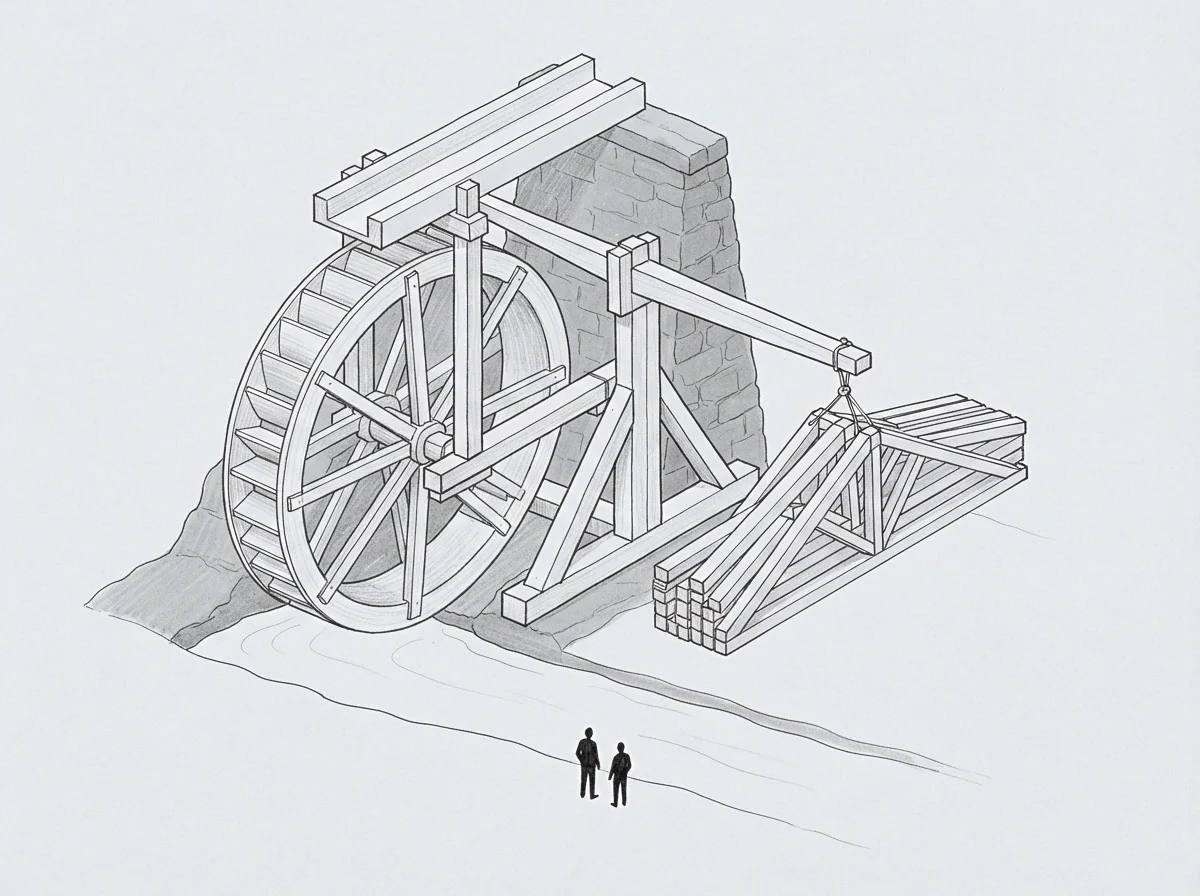
The Direction Of Borrowed Calm
In high-pressure organizations, calm functions as a currency. Team members, junior partners, and investors continuously read the physical presentation of the person in command to stabilize their own nervous systems. Borrowed calm occurs when one individual uses the visible stability, vocal prosody, and physiological settling of another to down-regulate their own threat response.
This transfer is rarely named aloud. The organization consumes the stability of the solitary leader as an ambient resource.
The leader acts as the unspoken social baseline for the executive floor. Subordinates enter the office with acute operational panics, speak for twenty minutes, and leave noticeably calmer. Their autonomic recovery occurs through proximity to the leader.
The leader pays the metabolic invoice for both parties. Suppressing internal agitation to project composure demands substantial prefrontal glucose utilization and intense inhibitory control. The organization registers the leader as untroubled, mistaking metabolic expenditure for effortless invulnerability.
A proven capacity to absorb collective panic attracts higher volumes of incoming operational turbulence.
This structural dynamic creates a self-reinforcing trap. Because the leader appears steady under escalating pressure, the organization routes the most ambiguous, high-friction problems directly to their desk. The leader becomes an autonomic sponge.
The receptor capacity of the leader remains entirely unused, while their output capacity operates at ceiling. Over multiple years, the leader loses the procedural memory of being physiologically supported by another human presence.
The team assumed the steady demeanor signaled boundless energy, continuing to route every unresolved operational dispute directly to the corner desk.
Bench
Physical isolation during periods of high consequence distorts normal relational processing. Solitary leaders frequently attempt to rebuild vagal tone through isolated practices such as breathwork, cold exposure, or structured meditation. While these modalities provide temporary sympathetic down-regulation, they fail to address the core evolutionary mismatch: the solitary nervous system remains isolated.
Autonomic circuitry recovers complete flexibility only through relational feedback loops.
Comparing Regulation Pathways
The nervous system evaluates threat and allocates metabolic resources differently depending on whether it operates in isolation, under asymmetric leadership demands, or within balanced proximity. The following comparison maps the physiological and operational differences across these three regulation environments under identical corporate stress levels.
| Regulation State | Primary Autonomic Driver | Metabolic Expenditure | Relational Direction | Long-Term Capacity |
|---|---|---|---|---|
| Solitary Vigilance | Unchecked Sympathetic Tone | Individual Ceiling | None (Isolated) | Progressive Exhaustion |
| Asymmetric Command | Ventral Suppression Under Load | Maximal Output | One-Way Export | Autonomic Blunting |
| Reciprocal Proximity | Dynamic Vagal Braking | Shared Economy | Bidirectional Feed | Sustainable Resilience |
Reciprocal proximity restores the respiratory sinus arrhythmia amplitude far more rapidly than solitary recovery protocols. When two peers share accountability for catastrophic outcomes, the insular cortex records a measurable reduction in threat salience. The presence of an equal co-regulator distributes the cognitive and autonomic burden.
The vagal brake regains its capacity to engage and disengage dynamically, rather than staying locked in defensive postures.
True physiological co-regulation requires an environment where accountability is shared equally between parties.
Vessel
Prolonged solitary leadership systematically alters the internal working model of relational safety. When an executive spends half a decade holding organizational structures together without experiencing reciprocal support, the brain constructs a regulator template based on total self-reliance. In this distorted model, other people are categorized exclusively as consumers of calm or sources of demand.
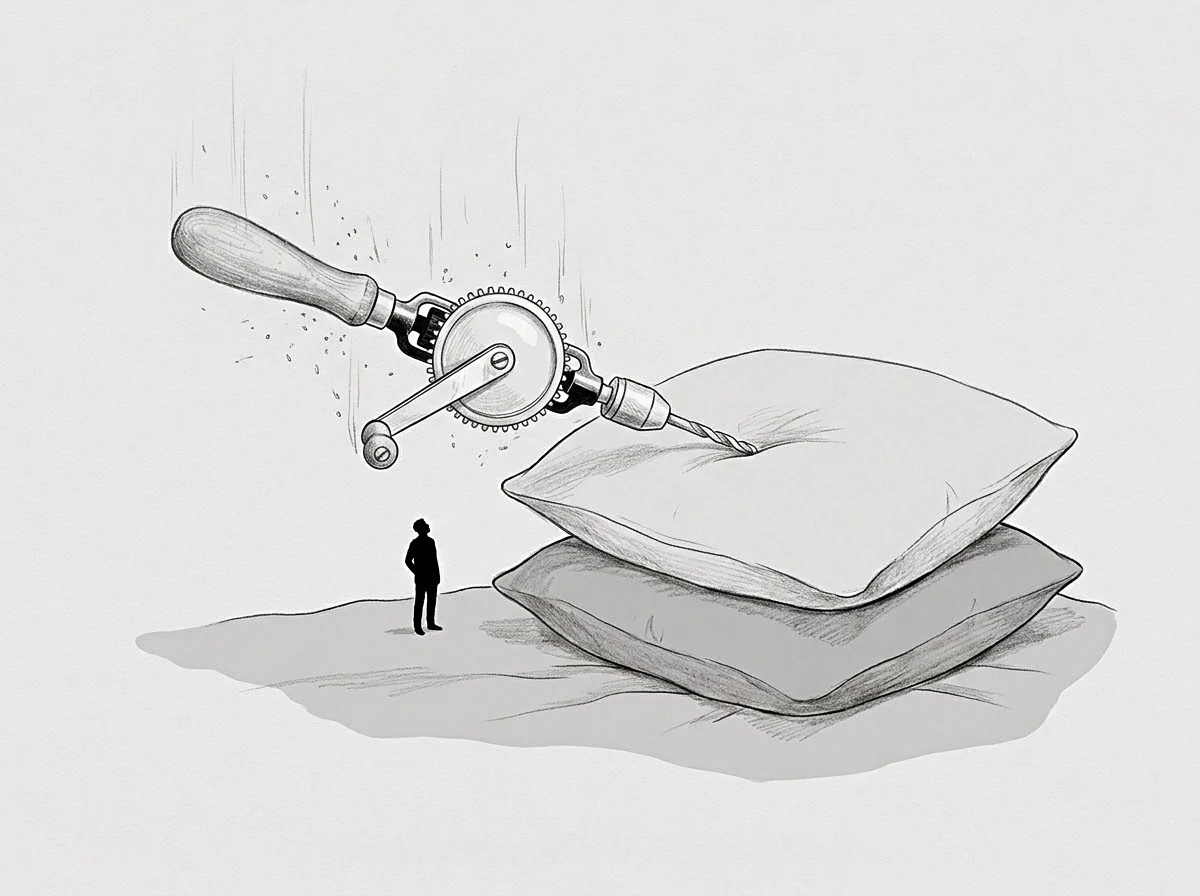
The receptor slot for receiving support atrophies.

The Structural Inversion Of Support
When an authentic peer or partner offers genuine presence, the solitary leader often experiences an acute spike in sympathetic tension rather than relaxation. The nervous system misinterprets an offer of care as an unvetted obligation or a prelude to failure. The leader cannot simply decide to trust.
The physiology of reception requires an available neural receptor that has been shut down through years of continuous outward transmission.
- Asymmetric vigilance keeps the leader scanning every social interaction for hidden operational costs, preventing spontaneous down-regulation in non-work settings.
- Somatic guarding presents as chronic contraction of the intercostal and neck musculature, preventing diaphragmatic excursion and vagal nerve stimulation.
- Attunement fatigue emerges when the nervous system spends years tracking the emotional states of dozens of employees while keeping its own internal state sealed.
How Long Before The Receptor Operates?
The timeline for reopening a dormant relational receptor depends on the frequency of low-stakes contact. Attempting deep emotional disclosure too early often backfires, triggering sudden defensive withdrawal or irritability. The leader requires exposure to presence that carries no operational demands, no hidden crises, and no expectations of performance.
The field remains divided on whether an individual who operated in complete solitary command for over a decade can fully restore original autonomic flexibility without permanent baseline shifts in resting vagal tone.
Tenure
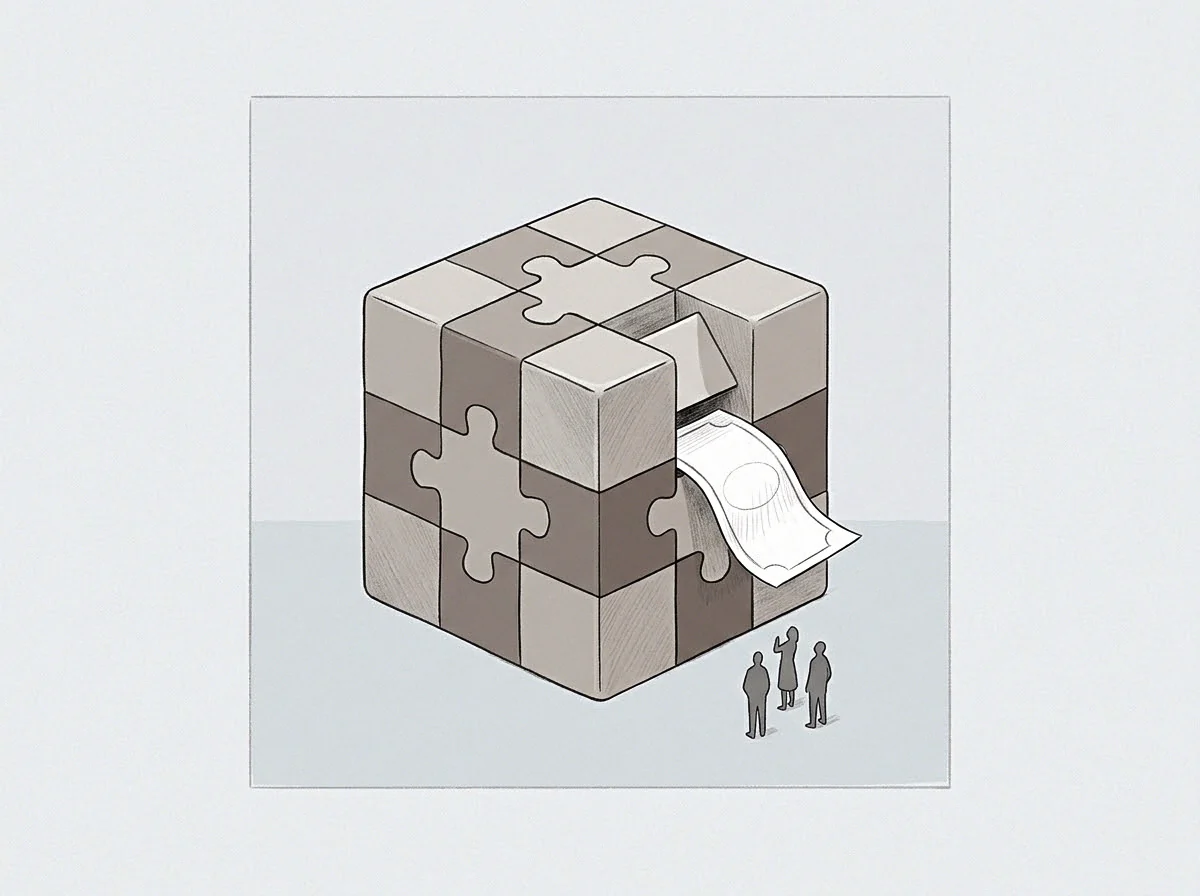
The process of rebuilding autonomic capacity after years of solitary command is defined by the gradual accumulation of earned security. Insight alone does not alter the firing rate of the ventral vagus. Somatosensory updating occurs exclusively through physical, repeated proof that presence does not extract an operational toll.
The leader must construct a second relational template through physical proximity that demands zero performance.
Rebuilding starts at the perimeter of work. The executive seeks low-density environments where no one in the room knows their title, their balance sheet, or their operational liabilities. Sitting in a quiet public room, walking beside a trusted peer without talking business, or sharing a simple meal without an agenda allows the myelinated vagus to register safety without vigilance.
These micro-exposures slowly reactivate the vagal brake.
Autonomic security updates through quiet somatic repetition rather than intellectual insight.
Over twelve to eighteen months of deliberate, non-transactional proximity, the resting heart rate drops and respiratory sinus arrhythmia deepens. The leader begins to perceive the physical presence of others as an energy resource rather than a metabolic liability. The capacity to be seen without performing restores the baseline of the nervous system, returning sustainable executive endurance to the person in the seat.
The formal execution of a non-transactional presence agreement resets the neural expectation of threat across successive relational cycles.