
Regulator Template Breakdown When Borrowed Calm Bandwidth Empties Completely
Exhaustion of borrowed calm bandwidth causes total breakdown of the regulator template, forcing autonomic disengagement and revealing the biological cost of unbilled co-regulation.

Reserve
Four communication threads sit open on a desktop at eleven o’clock on a Thursday evening, each carrying an urgent demand for clarity, reassurance, or strategic direction. The individual in the seat reads the incoming text without typing a response, experiencing a distinct physiological flatness where decisive guidance previously lived. For three consecutive years, colleagues and partners drawn to this desk have regulated their own operational anxiety against the steady tone of the founder.
When internal tension spiked across the organization, proximity to this calm state suppressed threat responses across the management layer. The arrangement operated without explicit billing, registering to the organization as leadership capability while consuming the founder’s metabolic baseline. On this specific night, the biological account holds no remaining balance.
The system has reached complete exhaustion.

Affective Capacity as a Finite Resource
Human neural architecture processes environmental uncertainty through an economy of social baseline regulation. When a reliable baseline individual remains present, surrounding nervous systems expend less glucose maintaining emotional stability. The neural cost of vigilance decreases for the group while concentrating upon the stabilizing figure.
In high-growth environments, this physiological offloading occurs continuously without formal acknowledgment. Teams attach to the state of an executive who appears unshakeable, mistaking biological borrowing for infinite institutional bandwidth. The stabilizing figure internalizes an early working model where personal regulation and external soothing function as a single unyielding duty.
No internal mechanism prompts the individual to request biological support from others.
Load accumulates silently over extended operational quarters. Every unvoiced panic offloaded by a team member draws down the stabilizing individual’s physiological headroom. The biological toll manifests as subtle autonomic shifts long before structural failure becomes visible to external observers.
Baseline heart rate variability narrows, sleep architecture degrades, and the neural capacity to digest additional cognitive ambiguity shrinks. The organization continues to route complex friction toward the desk proven capable of absorbing it. Biological systems face strict physical limits regardless of professional commitment.
Co-regulation lowers threat processing costs for attached team members only while the primary stabilizing individual maintains uncompromised metabolic reserves.
The desk bears the accumulated weight of unmanaged ambient anxiety. When ambient threat signals exceed the primary regulator’s real-time baseline capacity, the internal stabilization model begins to fragment. Continued exposure to external anxiety under empty baseline conditions forces the nervous system into protective conservation.
Continued operation beyond biological exhaustion converts covert regulatory support into sudden systemic failure.

Transfer
Nervous systems in shared working environments lock onto physiological cues rather than written policies or verbal assurances. Team members read micro-expressions, vocal cadence, and respiratory rhythms to assess whether an operational crisis presents a fatal threat. A founder who maintains structural composure during capital constraints or product delays effectively absorbs the terror of the room.
Surrounding operators anchor their daily stability to this calm presence, mistaking their resulting steady focus for self-generated resilience. Borrowed regulation registers mentally as personal equilibrium, masking the underlying dependency. The arrangement persists because it yields immediate productivity gains without requiring explicit structural adjustments.
Implicit Reliance and the Unnamed Budget
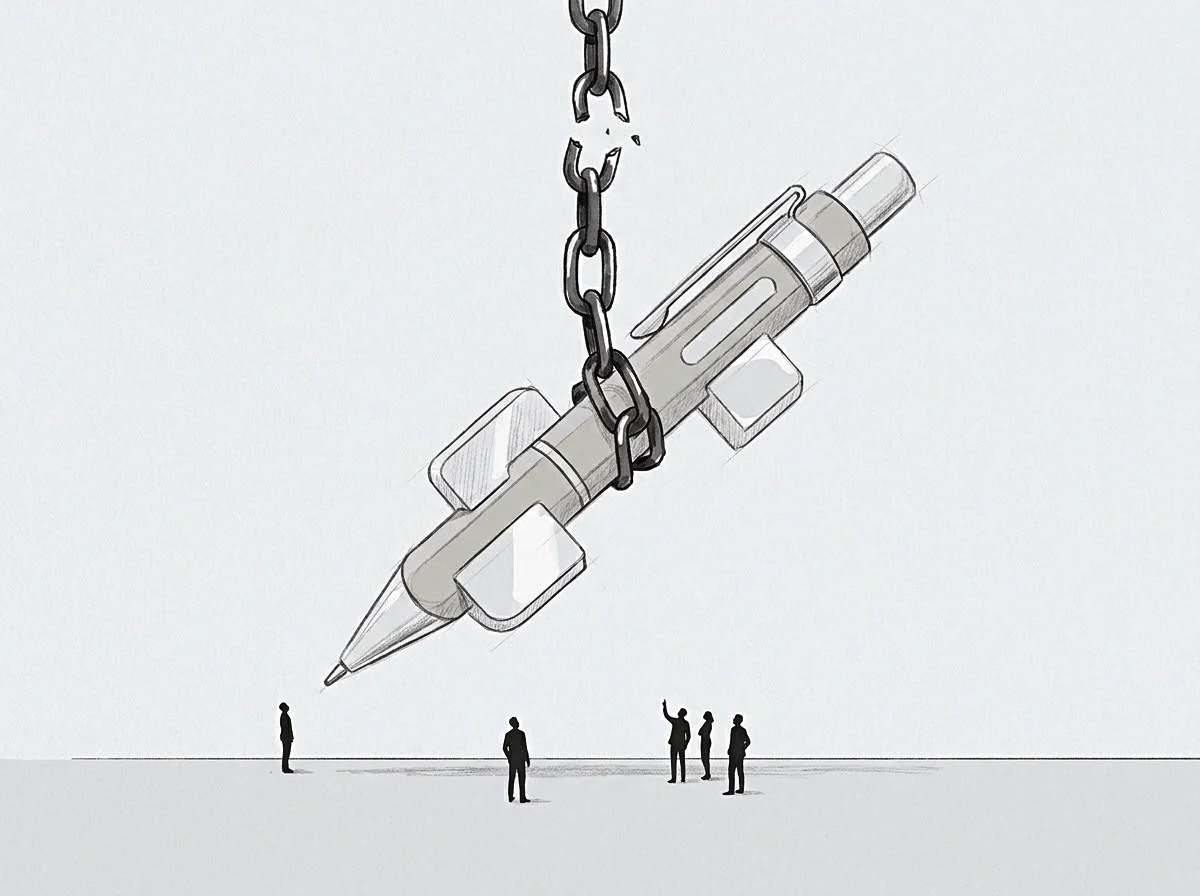
Organizational structures naturally accelerate the routing of ambiguity toward proven stabilizing figures. Management teams escalate unmitigated risk upward not merely for operational sign-off, but to relieve their own affective burden. The executive seat becomes an emotional dampening field for the firm.
Over time, the environment treats the executive’s calm state as an baseline public utility rather than an expensive biological expenditure. The founder seldom names the metabolic cost of maintaining this posture, fearing that displaying strain will destabilize the enterprise. The operational tax remains completely unbilled until the underlying energy clears out entirely.
Pathways of Unregulated Load Accumulation
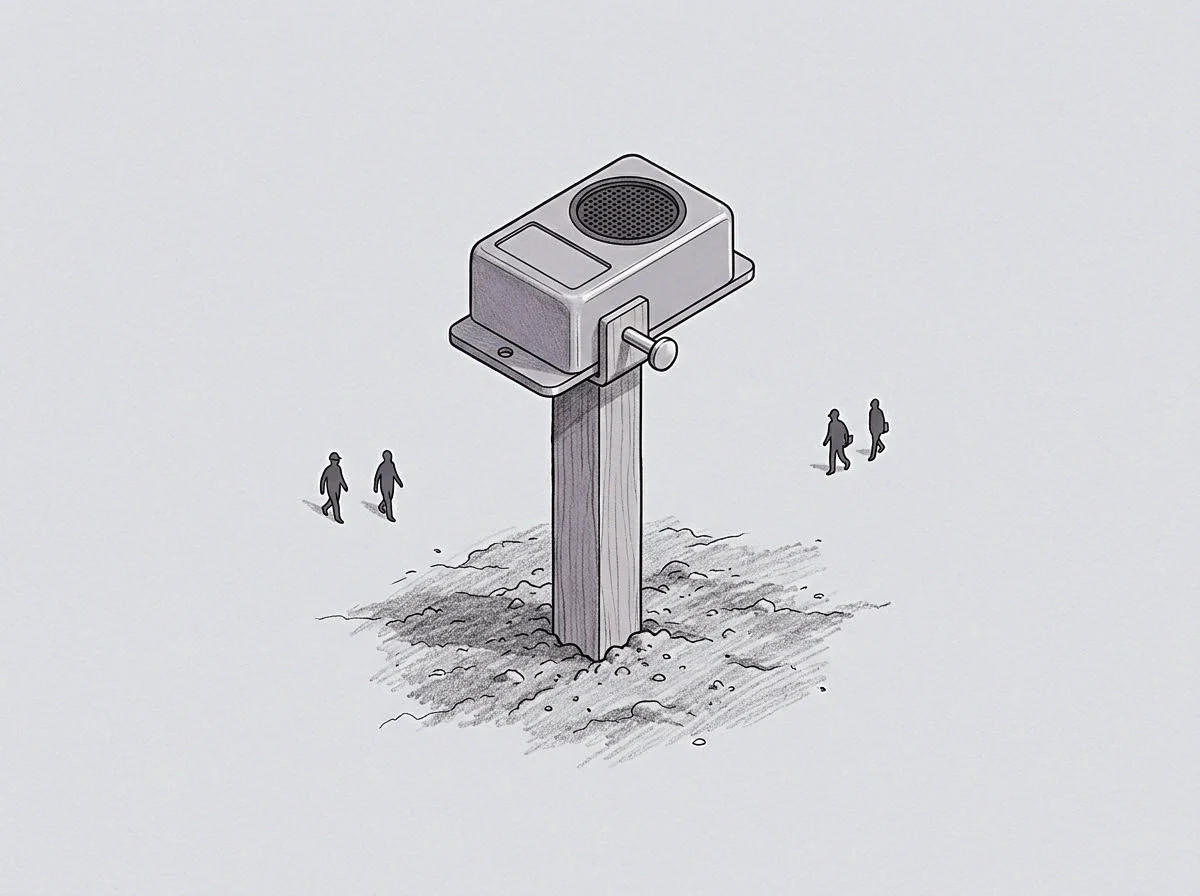
The habit of providing unreciprocated stability produces predictable operational breakdowns across expanding organizations.
- Asymmetric Availability Expectations develop when team members treat an executive’s emotional equilibrium as a perpetual background service, escalating minor operational panics without pre-filtering.
- Absence of Reciprocal Receptor Slots prevents the primary stabilizing individual from signaling personal exhaustion, creating an organizational culture where leadership vulnerability is interpreted as structural failure.
- Misattributed Personal Resilience leads attached operators to overestimate their own stress tolerance, causing widespread organizational collapse when the central stabilizing figure suddenly withdraws.
- Unbilled Affective Overdrafts accumulate across multi-year build cycles, eventually forcing the primary regulator into severe autonomic shutdown to preserve basic physiological integrity.
The central regulator bears the hidden deficit. As team size expands, the ratio of incoming threat signals to available regulatory bandwidth shifts dramatically. The executive attempts to compensate through increased cognitive effort, attempting to mentally simulate the calm that previously arose spontaneously.
Forced composure consumes double the metabolic energy of authentic physiological regulation. The internal model begins to strain under the dual weight of external management and internal suppression.
The counterparty increases pressure.
Unvoiced regulatory contracts inevitably convert biological exhaustion into abrupt operational disengagement.
When the internal reservoir empties, the capacity to project artificial calm vanishes completely. The environment detects the sudden change in tone immediately, interpreting neutral boundary enforcement as an alarming personal rupture. Attached team members experience the withdrawal of borrowed calm as acute instability, escalating their demands for reassurance at the exact moment the executive has zero capacity to provide it.
Expecting an exhausted baseline figure to maintain continuous emotional buffer destroys organizational trust.

Panel
Tracking the structural decline of regulatory bandwidth requires observing specific physiological and behavioral indicators. When borrowed calm bandwidth empties, the transition from active stabilization to protective shutdown follows distinct operational stages. The quantitative metrics below outline how autonomic availability shifts as total load approaches biological limits.
| State | Autonomic Baseline Metric | Incoming Load Processing | Counterparty Behavioral Response |
|---|---|---|---|
| Sustained Co-Regulation | High heart rate variability, stable respiratory rate during friction | Immediate absorption and neutralization of team ambiguity | High team focus, low ambient anxiety, passive borrowing of calm |
| Throttled Borrowing | Narrowing heart rate variability, elevated resting sympathetic tone | Delayed processing, selective engagement, artificial composure | Increased monitoring of executive tone, repetitive requests for validation |
| Complete Capacity Collapse | Flatlined heart rate variability, acute sympathetic or dorsal vagal dominance | Total refusal of incoming affective load, cognitive paralysis | Panic escalations, claims of executive hostility, structural disorganization |

How Does the Primary Regulator Signal Zero Capacity?
The shift from high availability to absolute depletion manifests through systematic behavioral changes. Physiological studies measuring neural threat response under social proximity protocols confirm that co-regulation reduces baseline threat activity primarily within attached romantic or high-trust pairs in controlled laboratory environments. Translating these findings to professional founding teams requires caution, as organizational hierarchies introduce power dynamics that alter baseline threat processing.
If future studies demonstrate that professional co-regulation relies on authority incentives rather than neural proximity benefits, current models of executive burn rate will require structural revision.
- The regulator introduces rapid verbal brevity, reducing responses to functional directives to conserve vocal processing energy.
- Unscheduled access channels close down as the executive stops answering non-critical communications outside core operational hours.
- Micro-expressions of frustration surface during routine operational updates, replacing previous baseline composure.
- Total withdrawal occurs when the executive completely ceases attending non-essential strategic forums or informal syncs.
Silence replaces the baseline. The transition between these stages often occurs faster than management teams anticipate. An operator who maintained high availability for years can drop into complete signal shutdown within days once biological thresholds are crossed.
The rapid onset confuses colleagues who mistook long-term emotional suppression for infinite capacity.
Throttling incoming affective load acts as an automatic emergency brake when biological reserves hit absolute zero.
Systemic stability breaks when the organization treats throttled availability as a temporary mood fluctuation rather than a hard physical wall. Continuing to demand emotional containment from an empty reserve accelerates complete autonomic withdrawal. The organization must adjust its operational cadence to match the actual biological capacity remaining at the center.
Rupture
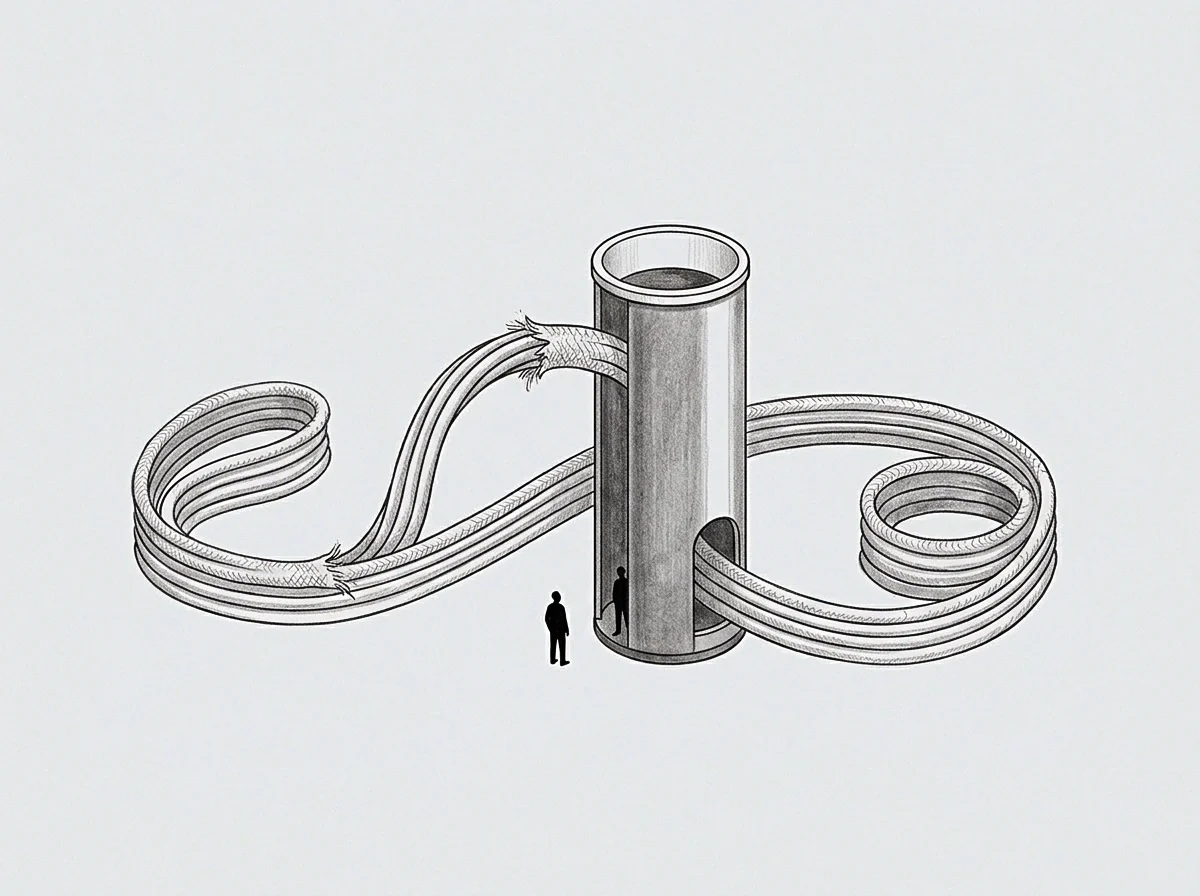
Zero capacity triggers an immediate change in how an executive processes incoming human interaction. When internal bandwidth empties completely, the neural mechanisms responsible for dampening personal distress disengage. The individual no longer possesses the metabolic surplus required to frame feedback gently or absorb external frustration.
Every incoming request for emotional holding feels like a direct threat to biological survival. The executive responds by erecting rigid, unyielding barriers or dropping into complete flat affect. The sudden shift shatters the implicit social baseline that governed daily operations.

Misinterpretations of Regulatory Throttling
Surrounding team members rarely understand the biological necessity behind sudden emotional withdrawal. Attached colleagues frequently interpret the executive’s flat tone as personal rejection, institutional failure, or passive-aggressive punishment. When an unbilled regulatory service vanishes without warning, the sudden exposure to raw operational friction induces acute anxiety across the executive team.
The organization often diagnoses the executive with clinical depression or sudden leadership failure, failing to recognize that the behavior represents a protective conservation protocol.
Uncertainty surrounds the long-term relational impact of sudden regulatory termination. Field observations reveal conflicting outcomes regarding whether sudden availability shutdown permanently damages founding team cohesion or eventually forces necessary boundary distribution. The precise point where protective disengagement shifts from a temporary preservation state to permanent structural decay remains unmapped by empirical research.
Under this uncertainty, a prudent executive implements explicit structural boundaries immediately while communicating current capacity constraints without apology.
The state changes instantly. The internal template that governed the executive’s identity for decades now faces a existential contradiction. The individual built self-worth upon being the reliable, unshakeable center for others, yet their body now physically rejects the role.
Reconciling this gap requires dismantling the covert belief that personal value depends on absorbing unbilled emotional load. The collapse of the old template causes severe internal disorientation before a healthier baseline can take root.
Expecting continuous composure from an depleted system guarantees structural rupture across the enterprise.
Can an organization rebuild trust after its primary stabilizing figure experiences complete regulatory breakdown?
Shedding
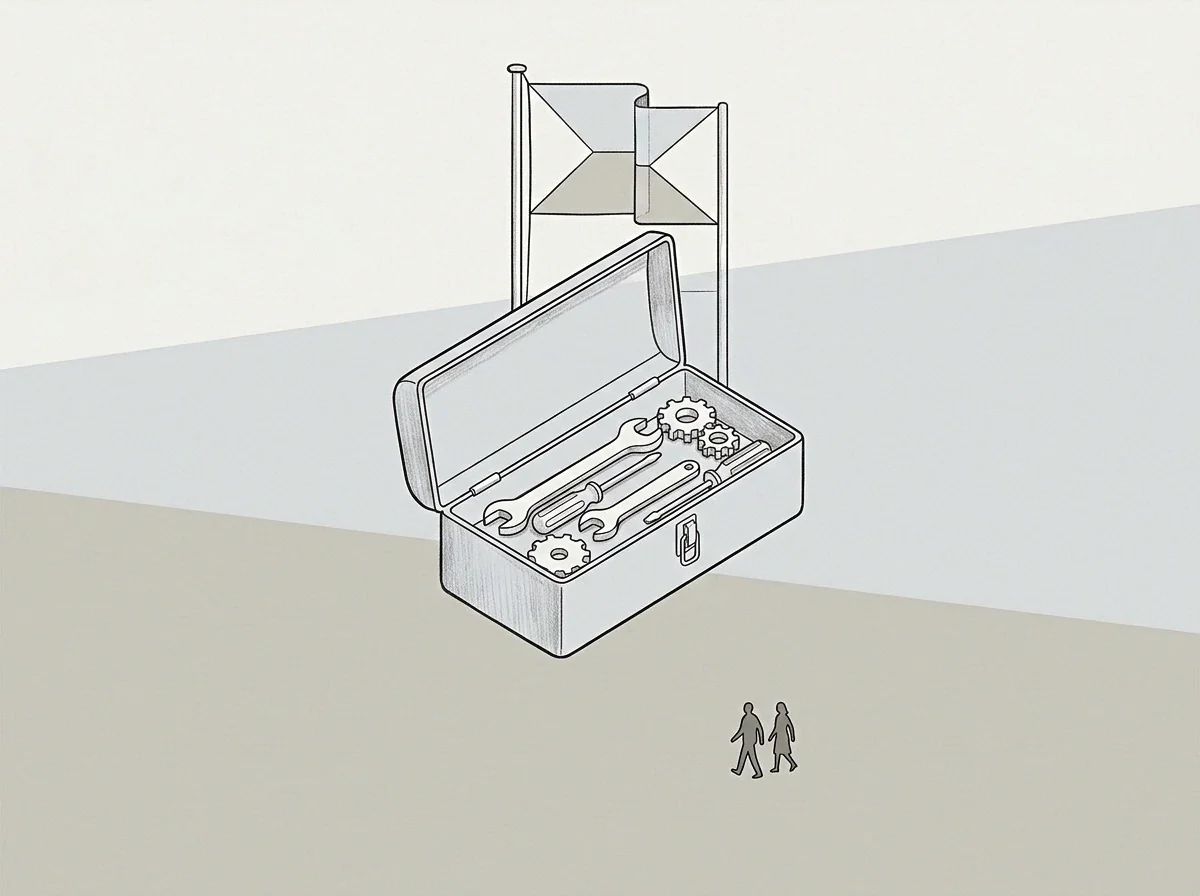
Rebuilding operational capacity requires transitioning from implicit biological regulation to explicit structural agreements. The founder must abandon the belief that holding the room’s anxiety represents a core professional requirement. Earned security develops through repeated experiences of setting firm operational limits and watching the enterprise survive the absence of immediate emotional buffering.
The operator learns to distinguish between true strategic crises and ambient team panic, refusing to deploy personal autonomic bandwidth to soothe routine uncertainty. The transition demands deliberate practice and tolerance for initial organizational discomfort.

Constructing the Second Template
Developing a sustainable regulatory template involves creating explicit receptor slots for reciprocal support. The executive establishes clear operational parameters detailing when, where, and how operational friction is escalated. Team members learn to build internal self-soothing mechanisms and peer-level support structures rather than defaulting to executive intervention.
The organization shifts from a hub-and-spoke emotional topology to a distributed network of shared responsibility. Biological capacity restores gradually as unbilled load transfers off the central seat.
The second template requires time. The body keeps the tally. Over months of consistent boundary enforcement, the baseline neural economy rebalances, restoring baseline heart rate variability and cognitive headroom.

Explicit Boundaries Over Borrowed Calm
Replacing implicit calm with explicit agreements protects both the leader and the organization from future catastrophic collapse. The operator institutes formalized communication protocols that replace ad-hoc emotional offloading with structured operational reviews.
Capacity reaches zero. The contract remains implicit. Load transfers to the perimeter.
Earned security emerges when leadership presence shifts from unbilled biological absorption to explicit structural clarity.
A stated limit on availability alters the operational contract from an open biological drain into a clear, bounded professional arrangement.