
Long Term Attachment Template Updates Through Repeated External Regulation Limits In High Growth Companies
Repeated enforcement of mechanical external limits stops organizational metabolic extraction and builds earned security by updating the executive attachment model.
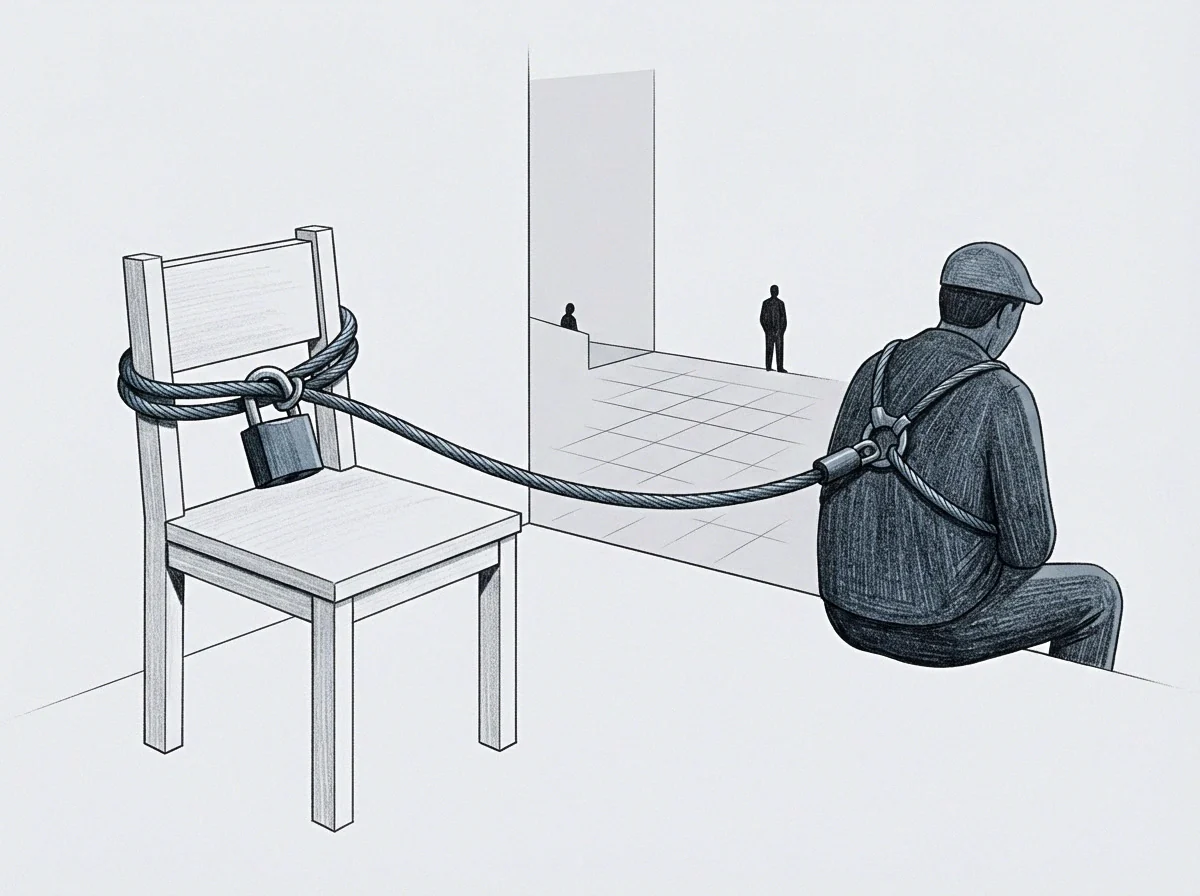
Margin
Four direct reports send messages past midnight while the commercial expansion stalls in its third month. Each message requests intervention on an operational conflict that earlier design reviews left unresolved. The person receiving them sits in the dark, matches the breathing rate of the quiet room, and answers each thread with complete operational composure.
The staff read that promptness as reserve energy. They conclude that the senior officer possesses surplus physiological span, so they route three more structural disputes to the same desk before morning.
This operational sequence defines the distribution of biological expense during rapid commercial scaling. Social baseline theory documents that human neural circuits budget vigilance, caloric expenditure, and metabolic homeostasis against the perceived availability of a reliable other. The physical or communicative presence of a dependable co-regulator lowers the activation threshold of the prefrontal cortex during acute challenge, allowing the organism to conserve glucose and keep hypothalamic pituitary adrenal axis reactivity within sustainable bounds.
When one party in an enterprise absorbs operational turbulence without requesting metabolic assistance from colleagues, that party functions as an uncompensated biological shock absorber.
A team systematically offloads metabolic strain onto whichever participant maintains autonomic stillness during operational volatility.
Rapid growth multiplies structural ambiguity. Each unassigned responsibility generates chronic uncertainty across junior personnel, elevating sympathetic nervous system tone and prompting an urgent search for external stabilization. Staff naturally attach to the steady internal state of a senior colleague.
That individual becomes a living regulatory surrogate, granting borrowed calm to the surrounding floor while privately absorbing an escalating allostatic toll. The organization misinterprets autonomic suppression as boundless competence.
The internal working model of the individual occupying this anchor seat usually took form decades prior to corporate incorporation. Childhood environments characterized by inconsistent parental responsiveness frequently compel a young participant to master self-soothing in total isolation, pairing survival with unilateral self-sufficiency. The developing nervous system constructs an operational premise where safety demands total management of surrounding emotional instability.
Regulating the self and regulating the room merge into a singular defensive program. That program excludes any operational receptor for receiving support from another human body.
Prolonged execution of this unilateral pattern without external boundary enforcement culminates in systemic endocrine depletion, executive exhaustion, and chronic cognitive blunting across the operational core.

Latch

Structural Containment of Inflow
Deliberate mechanical limits alter relational physics by stopping the transfer of emotional and operational panic at predetermined organizational boundaries. Unregulated operational channels function as open conduits through which subordinate anxieties continuously drain an executive baseline. Installing rigid access criteria interrupts that metabolic extraction.
The intervention operates as an external boundary, compelling peers and subordinates to process secondary variance inside their own functional squads.
Attachment templates resist intellectual revision. An analytical executive can comprehend the cognitive architecture of insecure self-reliance while still instinctively absorbing every ambient organizational threat that surfaces across the executive committee. Structural containment operates directly upon autonomic nervous system budgets rather than cognitive insight.
When communication channels physically close at fixed intervals, the nervous system confronts the visceral absence of caretaking duties, exposing the historical defense mechanism to direct operational reality.
Enforcing explicit operational stoppage conditions prevents continuous autonomic depletion during market volatility.
The transition from unyielding self-reliance toward earned security requires surviving repeated relational exposures where unilateral regulation is actively withheld. Earned security names the developmental achievement of secure relational functioning built through corrective adult attachments and disciplined regulatory reorganization. In high growth corporate environments, this reorganization begins with three distinct mechanical interventions:
- Asynchronous Intake Thresholds restrict ad hoc executive interventions to documented operational memos delivered twenty-four hours before scheduled committee meetings. This latency demands internal baseline processing by junior staff prior to executive escalation.
- Explicit Availability Windows designate non-negotiable operational blocks where real time internal messaging remains disabled across functional divisions. The silence forces lateral collaboration among department leads rather than vertical emotional reliance.
- Refusal of Urgent Surrogation declines emergency decision rights on unvetted departmental crises lacking concrete risk models. The operational boundary transfers accountability directly back to functional originators.
Enacting these constraints generates immediate systemic resistance across the enterprise. When an executive stops absorbing ambient team tension, the organization registers that withdrawal as operational abandonment or managerial hostility. The corporate system attempts to restore equilibrium by escalating crisis rhetoric, testing whether the boundary will yield under acute social pressure.
The contract clause establishing absolute escalation thresholds and forty-eight-hour evaluation intervals permanently ends the expectation of instant executive rescue.
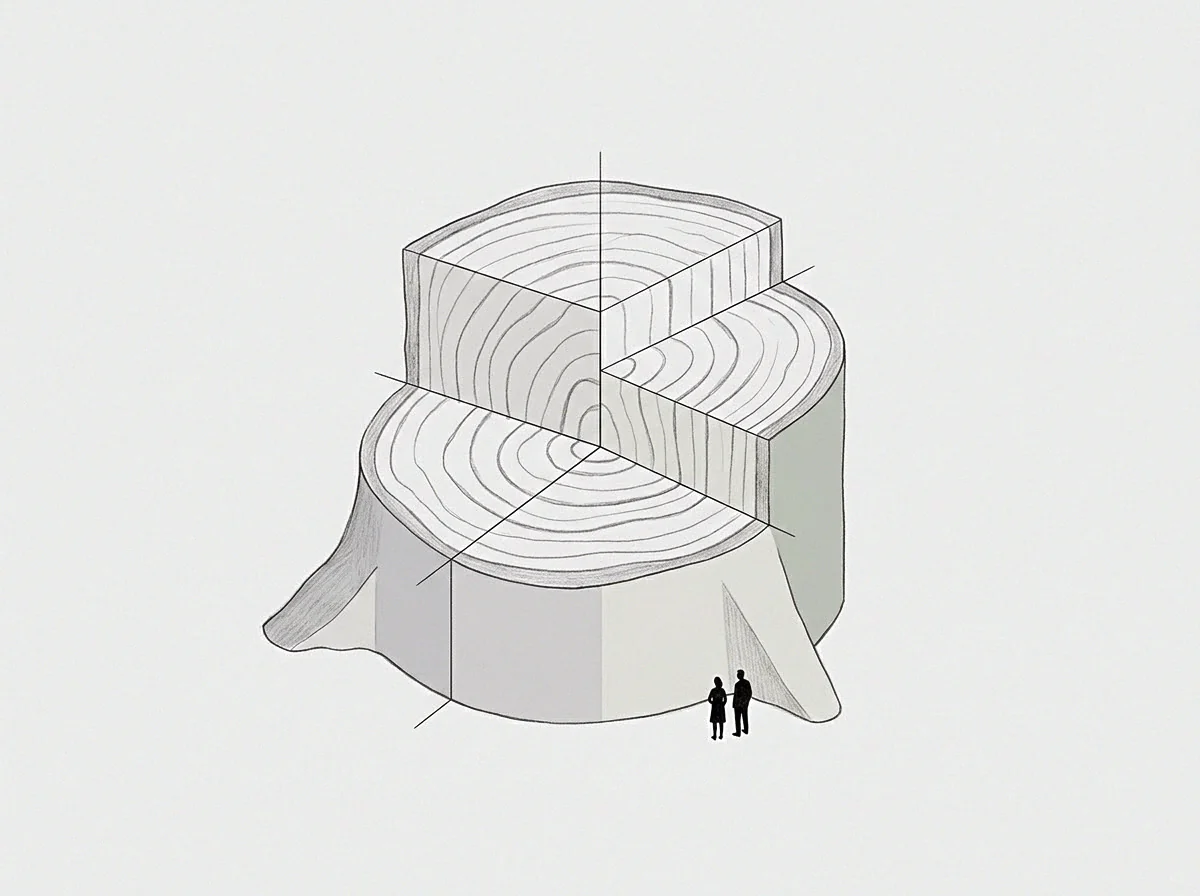
Friction

Systemic Shock at Regulatory Withdrawal
Department leads accustomed to continuous vertical soothing experience acute disorientation when executive containment mechanisms take effect. The sudden withholding of regulatory surrogation exposes latent skill deficits and unmanaged anxieties that were previously masked by executive intervention. Colleagues interpret structural boundaries as relational coldness.
Their immediate impulse is to flood operational channels with escalated warnings of commercial failure to force the executive back into their traditional baseline role.
The executive experiences equivalent internal disturbance. Halting habitual regulatory caretaking activates intense visceral alarms rooted in the primitive working model that equates total vigilance with safety. Sitting motionless while a departmental launch slips schedule demands severe distress tolerance from an over-functioning leader.
The physiological impulse to intervene feels indistinguishable from commercial duty, yet intervening merely perpetuates systemic fragility and personal physiological exhaustion.
| Evaluation Vector | Continuous Regulatory Surrogation | Constrained External Limit Architecture |
|---|---|---|
| Autonomic Load Distribution | Senior executive absorbs aggregate operational panic; junior teams operate at baseline expense. | Operational distress remains distributed across functional units; executive preserves regulatory headroom. |
| Systemic Problem Solving Capacity | Atrophies at departmental tier; functional directors wait for top-level emotional authorization. | Strengthens lateral execution; squads resolve internal friction without vertical intervention. |
| Relational Dynamics Under Stress | Co-dependent attachment; staff mistake executive exhaustion for managerial indifference when limits slip. | Differentiated interdependence; team members develop localized distress tolerance mechanisms. |
| Executive Longevity Risk | Severe allostatic overload; sleep fragmentation; endocrine dysfunction; sudden operational collapse. | Sustainable cognitive expenditure; preserved metabolic margin; stable strategic discernment. |
Debate persists over whether rapid growth enterprises can survive the initial productivity dips caused by strict regulatory containment. One view holds that volatile early-stage ventures require round-the-clock executive responsiveness to navigate shifting market conditions, treating boundary enforcement as an unaffordable luxury. An opposing body of organizational research demonstrates that chronic executive over-functioning creates operational bottlenecks, ensuring enterprise failure once headcounts exceed forty employees.
A team shielded from distress never develops the shared nervous system required to handle enterprise scale.
When the executive refuses to soften an intake constraint during a staged production incident, the vice president of operations mutters across the conference table that leadership no longer cares about the outcome of the business.

Graft
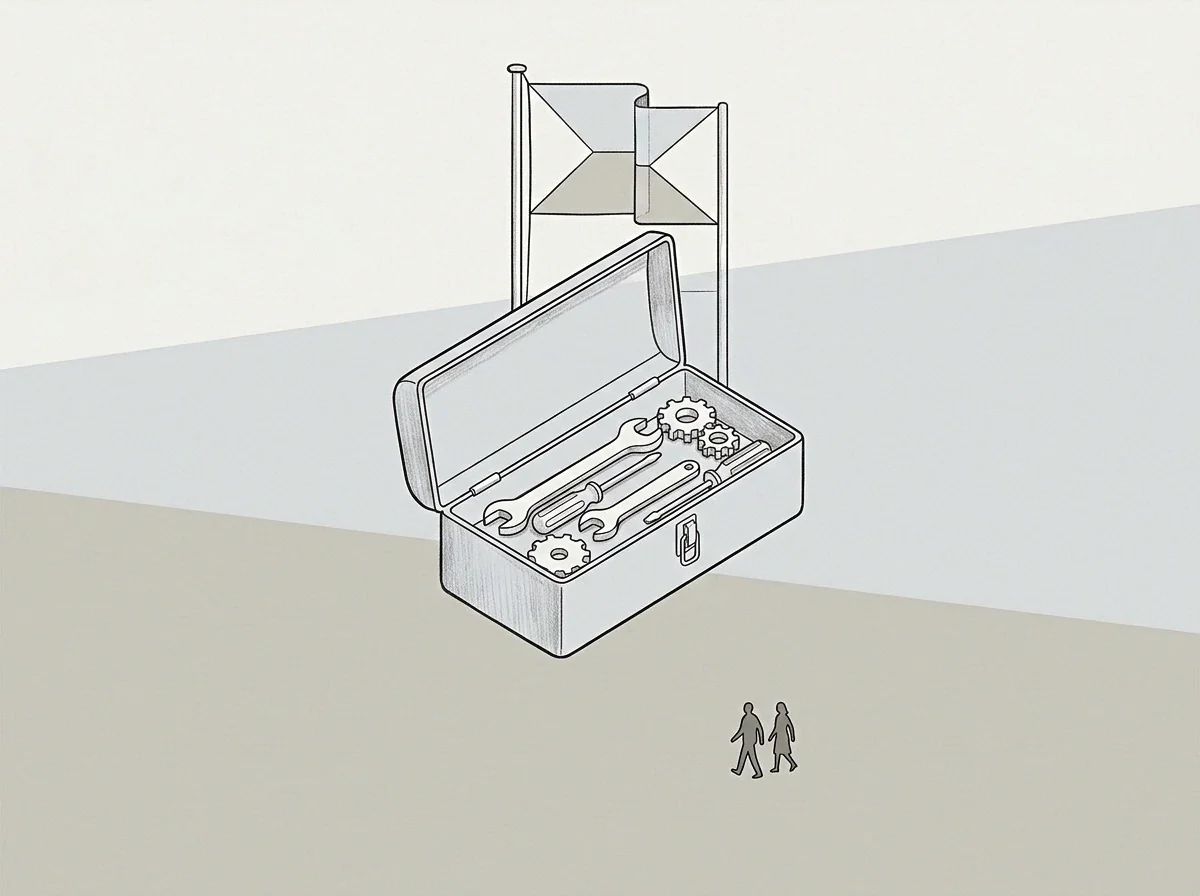
Formation of the Secondary Baseline
Repeated survival of boundary friction initiates profound structural reorganization within the executive attachment model. As catastrophic outcomes fail to materialize following withheld interventions, the nervous system gradually updates its predictive coding. The executive registers that organizational viability does not require total personal self-sacrifice.
This visceral realization breaks the long-standing identity loop connecting professional worth with constant physiological absorption of corporate strain.
This perceptual shift opens an authentic receptor slot for peer co-regulation. For decades, the leader maintained an exclusively downward flow of regulatory capital, soothing subordinates while remaining structurally incapable of receiving comfort or operational support. Experiencing the enterprise survive independently allows the executive to view executive peers as viable regulatory partners rather than additional dependants requiring management.
True co-regulation becomes biologically accessible only when unilateral defense strategies are mechanically deactivated.
The enterprise itself matures through this regulatory recalibration. Subordinate teams forced to process their own acute operational ambiguity develop internal metabolic resilience, creating distributed pockets of emotional stability throughout the hierarchy. The company ceases to resemble a fragile hub-and-spoke biological circuit powered by a single sacrificial battery.
The executive gradually experiences the unprecedented sensation of leaning into an organization that holds its own operational weight under market duress.
When operational volatility spikes across an enterprise, maintain the stated intake constraint regardless of surrounding emotional pressure.