
Restoring Autonomic Stability Through Shared Proximity In High Load Teams
Shared physical proximity lowers team threat expenditure by allowing unconscious somatic co-regulation to stabilize autonomic baselines during operational crises.

Desk
Four glowing monitors reflect off the laminate tabletop at midnight while a production cluster fails across three continents. Breathing inside the room remains shallow, rapid, synchronized to the cadence of incoming alert chimes. Two senior operators sit shoulder to shoulder, their forearms resting six inches apart on the shared surface.
Neither speaks. The physical presence of the second engineer alters the neurobiology of the first before any diagnostic command runs. Muscle tone in the neck softens slightly.
Peripheral vascular resistance drops as somatic awareness registers another human body occupying the immediate perimeter. The room stays quiet.
Isolation amplifies threat processing in the mammalian nervous system. When an individual manages catastrophic operational risk alone, the autonomic nervous system mobilizes sympathetic resources without an external anchor. The heart rate accelerates, pupil diameter expands, and cognitive bandwidth narrows to immediate survival cues.
In contrast, physical proximity introduces involuntary perceptual feedback through peripheral vision, bone-conducted vibration from keystrokes, and the audible pace of an associate’s respiration. These micro-signals inform the central nervous system that metabolic expenditures can be distributed.
A silent co-worker seated within arm’s reach slows respiratory pacing during catastrophic operational failures.
Sympathetic arousal typically spikes when uncertainty outpaces an operator’s local working memory. Under solitary conditions, the brain treats ambiguous alert states as existential hazards requiring unilateral defense. Shared physical space introduces continuous somatic cross-checks that temper this alert cascade.
The auditory register picks up steady exhalations, posture shifts, and measured finger cadence. Threat budgets contract in proximity. Without deliberate conscious intervention, heart rate variability begins to align between persons sharing immediate airspace, anchoring the autonomic baseline against runaway panics.
Engineers and founders regularly interpret this calming influence as psychological solidarity or mutual competence. The primary stabilizer is neurobiological co-regulation operating below the threshold of narrative thought. The body calculates the distance.
Proximity functions as an energetic subsidy where the perceived load of a crisis contracts simply because another nervous system is physically available to share the baseline cost of vigilance.
Metabolism
Social baseline theory demonstrates that the human brain constructs its energy budget under the assumption of social proximity. Solitary task performance during severe system outages demands that the prefrontal cortex finance vigilance entirely from internal glycogen and catecholamine stores. The baseline state of an isolated human is vigilance against ecological threat, an arrangement that extracts substantial biological taxation over hours of high-load performance.
Biobehavioral Threat Distribution Under Heavy Operational Stress
Neural threat processing decreases measurably when a dependable teammate sits adjacent to the primary operator. Functional imaging literature reveals diminished activation in the anterior insula and dorsal anterior cingulate cortex during threat exposure when an individual holds the hand or simply shares the physical space of a trusted partner. Within technical operations, physical proximity acts as a physical conductor for threat attenuation.
The brain calculates environmental friction as lower when physical assistance is immediately accessible, dampening the output of the hypothalamic-pituitary-adrenal axis.
Consider an operational incident where three engineers maintain site reliability during an infrastructure outage lasting nine hours. In a remote setup, each operator regulates autonomic arousal using solitary cognitive strategies, suppressing panic through conscious self-talk while staring into isolated displays. In a shared physical room, autonomic regulation occurs largely through passive sensory absorption.
Vocal tone cadence, postural stability, and rhythmic tactile sounds continuously signal physical safety to the subcortical brain. Blood pressure follows the baseline.
Prolonged solitary activation degrades executive function by exhausting the prefrontal cortex’s finite glucose stores, precipitating premature decision fatigue, irritable communications, and catastrophic operational errors. The body demands a physical social anchor to sustain biological equilibrium under crisis.
- Solitary Threat Budgeting forces the nervous system to bear the metabolic expenditure of catastrophe response without distribution, accelerating adrenal fatigue and cognitive narrowing within three hours of incident onset.
- Somatic Load Sharing distributes the energetic expenditure of threat evaluation across all bodies occupying the physical boundary, maintaining prefrontal cortical perfusion during protracted incidents.
- Sensory Attenuation Failure emerges when mediated communication channels drop non-verbal stability signals, leaving individual sympathetic systems running uninhibited fight-or-flight loops.
When high-load teams rely entirely on decentralized, screen-mediated crisis management, the continuous solitary taxation precipitates neuroendocrine exhaustion, converting an acute operational challenge into chronic autonomic burnout.
Transmission
Calm transfers across the room through involuntary physical entrainment. Human physiology relies on reciprocal autonomic coupling, wherein the calmer nervous system provides an organizing rhythm for the dysregulated one. Respiratory sinus arrhythmia, pupillary oscillation, and micromovements of the facial musculature communicate autonomic safety faster than digital text can render on a monitor.
The anchor absorbs the surge.
Do Shared Physical Boundaries Accelerate Vagal Tone Recovery?
Direct exposure to an individual with elevated vagal tone accelerates the return of a stressed operator’s parasympathetic branch. The ventral vagal complex, which governs social engagement and physiological soothing, activates in response to prosodic vocal cues, relaxed cervical posturing, and steady diaphragm motion. When an incident lead sits upright, breathes deeply into the lower abdomen, and types with unhurried rhythm, nearby teammates unconsciously mimic these somatic patterns.
The physical boundary holds the team.
A grounded team lead sitting within direct visual line provides an external pacing signal that shortens parasympathetic recovery latencies.
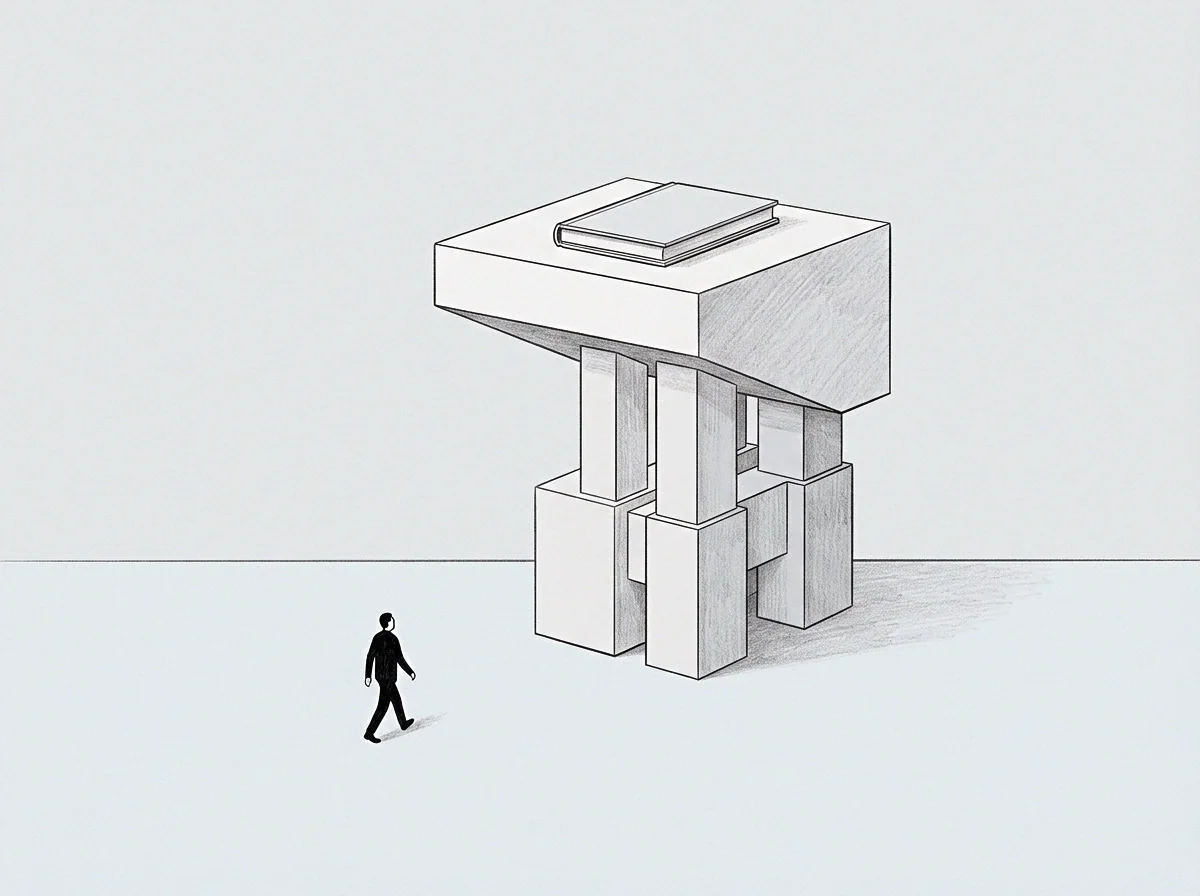
This dynamic introduces an asymmetric energetic burden. The person acting as the physiological anchor absorbs the room’s systemic arousal, functioning as a biological damper for the collective panic. A founder or principal engineer who displays unflinching composure during systemic collapse frequently pays for that composure through post-crisis collapse.
The anchor regulates the team while lacking an external body capable of regulating the anchor. Someone always bears the difference.
Under repeated emergency operations, this backward regulation pattern depletes the anchor’s nervous system. The team borrows somatic composure from the leader without recognizing that composure as an exhaustible physical reserve. The lead operator absorbs the secondary shockwaves of team agitation until autonomic exhaustion forces total operational shutdown.
We thought you possessed unlimited reserves because your hands never shook during the entire outage.
Partition
Geographic separation introduces sensory fragmentation that digital interfaces cannot repair. Video conference windows and team chat streams strip away low-frequency vocal resonance, peripheral spatial tracking, and tactile micro-vibrations. The human brain interprets this sensory deprivation as social isolation, demanding elevated sympathetic vigilance despite active digital communication.
Solitude becomes expensive under catastrophe.
| Operating Arrangement | Primary Sensory Channels | Parasympathetic Reset Speed | Allostatic Taxation Per Individual |
|---|---|---|---|
| Co-located War Room | Peripheral vision, direct auditory prosody, tactile resonance | Rapid reset, typically twelve to twenty minutes post-incident | Low individual taxation through passive biobehavioral distribution |
| Distributed Video Stream | Focal visual attention, compressed audio, zero tactile presence | Moderate latency, often extending beyond forty-five minutes | Elevated taxation driven by continuous gaze strain and sensory mismatch |
| Asynchronous Text Channel | Unilateral screen focus, text comprehension, silence | Protracted recovery, frequently exceeding three hours | Severe individual taxation requiring unbuffered self-regulation |
Crisis coordination carried across text channels forces the human threat detection apparatus to interpret ambiguous pauses as impending operational doom. Silence in a chat channel during an active outage invites catastrophic neural projection. In a physical room, silence often communicates focused composure.
An engineer glancing sideways sees a colleague methodically analyzing a stack trace, instantly satisfying the threat evaluation loop. Silence communicates autonomic safety directly.
Presence without digital intermediaries converts ambiguous delays from existential alerts into ordinary task latency.
Remote crisis protocols attempt to resolve autonomic distress through structural process modifications, adding frequent status check-ins and video stand-ups. These administrative interventions increase cognitive switching costs without delivering the somatic calming of co-presence. Video meetings maintain high sympathetic arousal because direct ocular staring across monitors triggers primate threat circuits rather than social soothing.
Establishing a concrete room mandate where core response personnel physically co-locate during high-stakes incidents eliminates the cognitive friction of digital translation, transforming systemic shock into manageable collaborative labor.
Repose
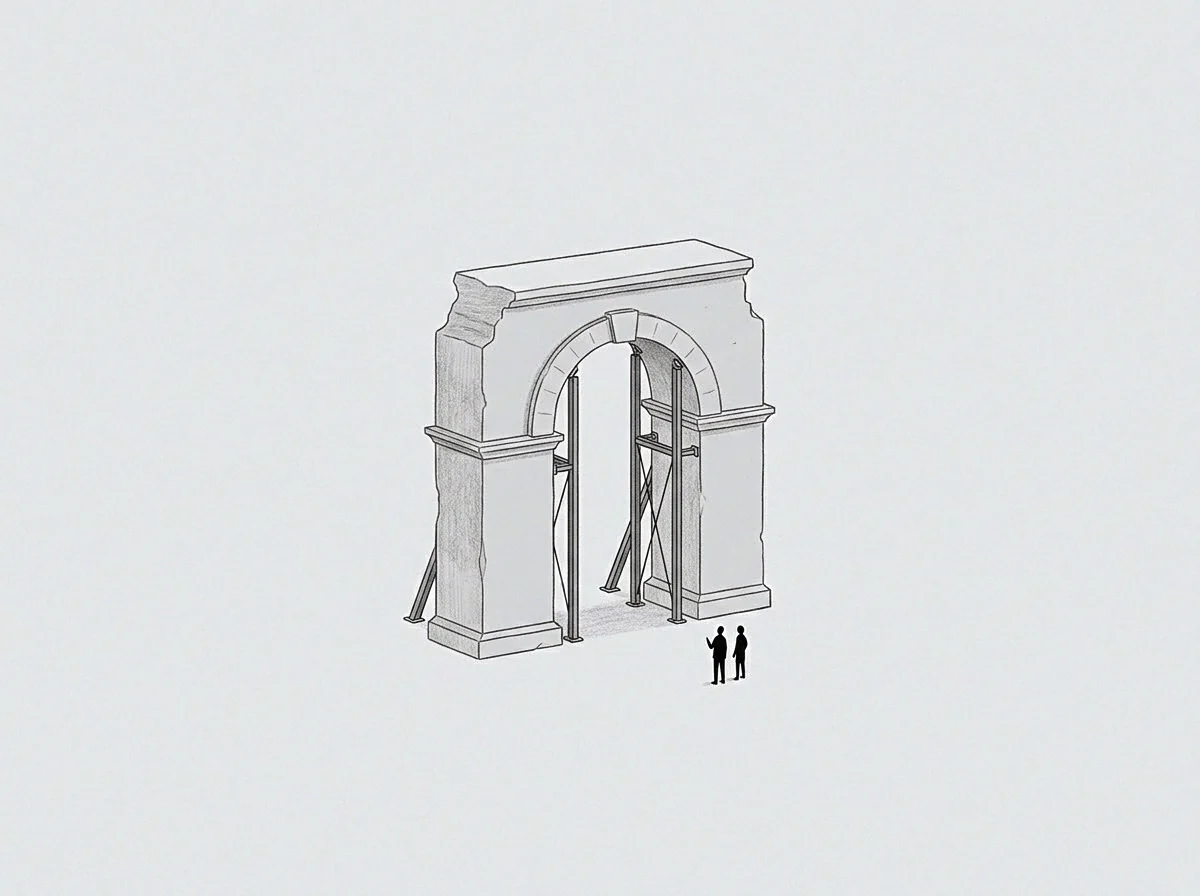
Returning to autonomic equilibrium following an intense operational surge requires deliberate physical decompression. Once the emergency subsides, team members must transition out of high sympathetic coupling to prevent hypervigilant fixation. Remaining in high physical density after the operational threat terminates can prolong autonomic excitation, as the collective nervous systems continue reverberating from secondary exhaustion.
De-escalation Mechanics Following Acute Mobilization
Recovery arrives through physical co-presence that shifts from focused tension toward relaxed social rest. After the deployment succeeds and the telemetry stabilizes, the operational space requires a tonal shift. Tight postures unlock, physical distance between team members increases, and the pacing of vocal communication drops to half its crisis speed.
The prefrontal cortex disengages from threat tracking, allowing parasympathetic vagal activity to restore baseline heart rate variability.
A team that immediately disperses into solitary recovery after acute operational shock retains elevated systemic cortisol for prolonged durations.
Repeated exposure to high operational load without structured autonomic recovery produces systemic neurobiological burnout. Teams that survive consecutive high-stress events without catastrophic breakdown share physical decompression routines: joint meals where work conversations are suspended, shared physical walks away from monitors, or fifteen minutes of unstructured physical rest within the room. These activities ground the somatic nervous system, signaling the definitive end of the threat cycle.
Whether modern decentralized engineering organizations can engineer a synthetic equivalent to physical co-regulation that dampens sympathetic exhaustion during existential crises without demanding continuous physical co-location remains an unresolved question for remote operational teams.