
Asymmetric Autonomic Regulation in Shared High Strain Workspaces
Shared strain causes one partner to absorb the autonomic arousal of the other through proximity, depleting metabolic reserves without conscious disclosure.
Draft
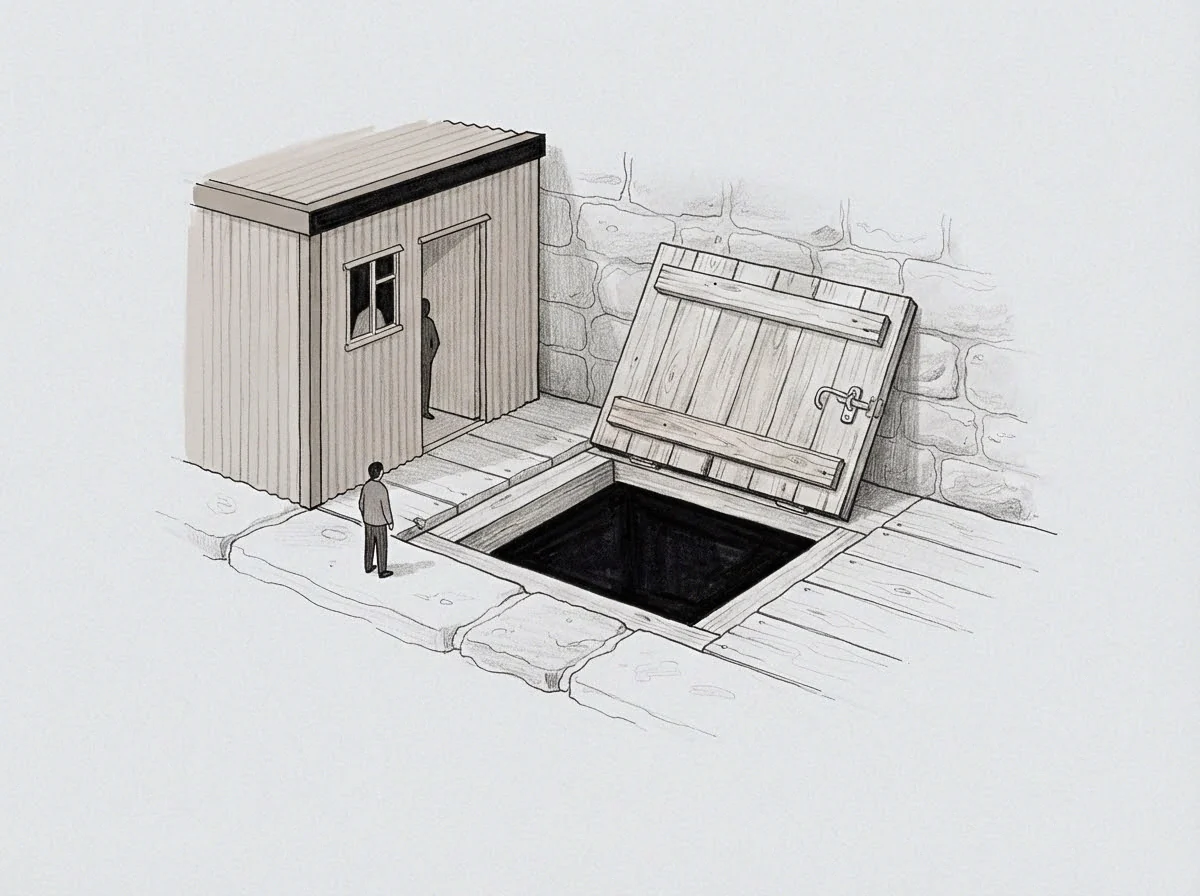
Two operators sit three feet apart across a shared plywood surface at nine on a Tuesday evening while cash runout accelerates toward zero. One stares at a banking terminal with shallow clavicular breathing, feet tapping an erratic meter against the floor braces. The second sits entirely upright, eyes level, hands resting loose beside an open spreadsheet, exuding an unbroken stillness that anchors the room.
The agitated partner looks up every four minutes, draws a deep breath, relaxes their shoulders, and returns to work with temporary focus. The quiet operator absorbs the ambient panic without changing posture. The steady body pays.
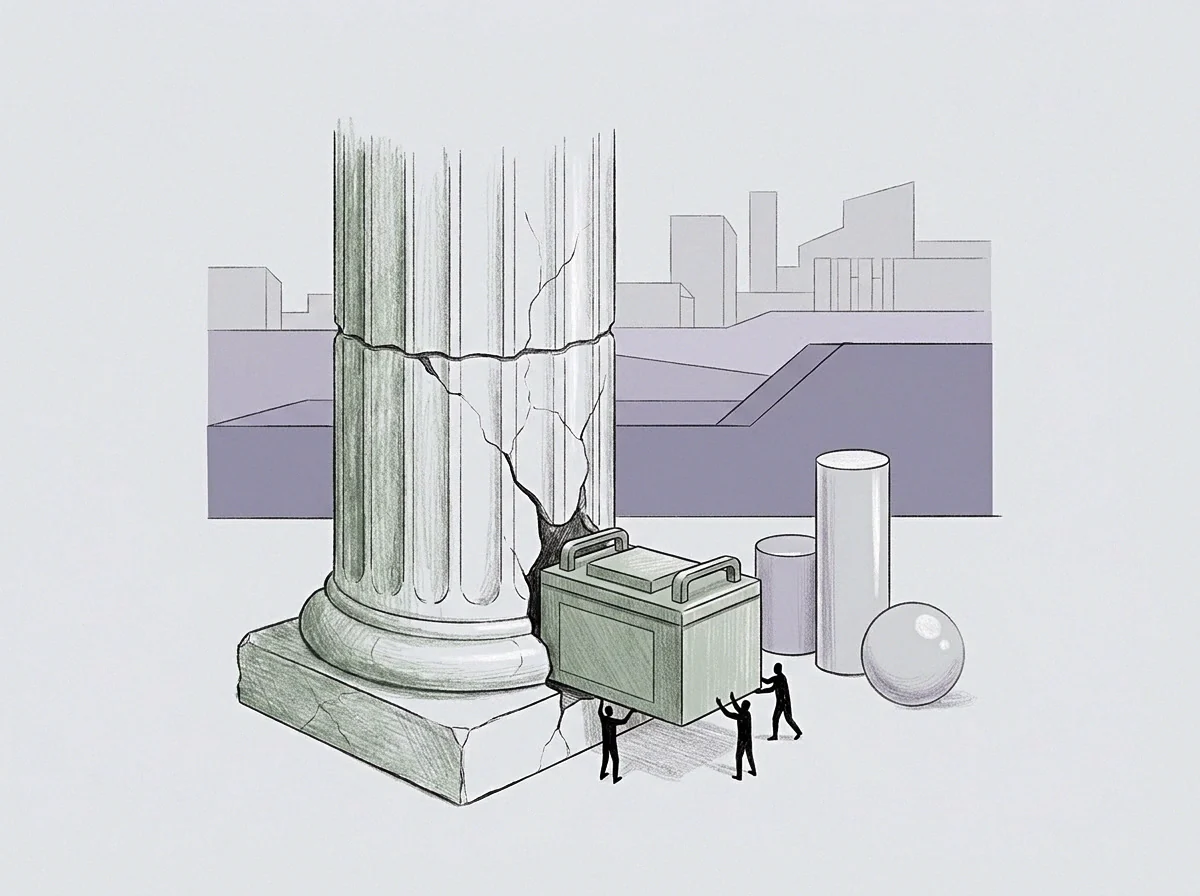
This silent transfer of physiological stability operates through basic mammalian proximity. Under social baseline theory, the primate brain treats proximity to an ostensibly competent conspecific as an energy-saving asset. When social resources appear reliable, the neural architecture budgets less metabolic energy for baseline vigilance, threat detection, and cardiac load.
The agitated operator unconsciously registers the partner as an active dampening circuit, offloading the physical exertion of autonomic recovery onto the adjacent body. The borrowing party feels an influx of functional clarity. The supplying party experiences an accelerating biological debit.
The quietest person in a room full of acute distress steadily loses metabolic reserves while appearing completely untouched.
Because borrowed stability registers subjectively as personal composure, the borrower never asks permission for the extraction. The panicked operator believes the clarity originates inside their own skull. The calmer individual senses an encroaching exhaustion that seems completely disproportionate to the administrative tasks at hand.
Nobody names the transaction.
Hidden Mechanics of Baseline Extraction
Visual and acoustic signals broadcast an organism’s autonomic state across open square footage. Micro-expressions, vocal pitch variation, pupil dilation, and subtle respiration patterns act as continuous biofeedback. When high-pressure workspaces remove physical partitions, nervous systems automatically harmonize toward either collective panic or unilateral stabilization.
- Respiratory entrainment pulls adjacent breathing rates into unconscious synchrony, compelling the steadier person to exert continuous inhibitory control against panic.
- Acoustic startle leakage from percussive keystrokes, abrupt sighs, and muttered curses repeatedly triggers peripheral sympathetic micro-spikes in nearby listeners.
- Continuous threat assessment forces the stabilizing operator to evaluate every partner tremor for existential enterprise peril.
- Inhibitory muscular clamping locks the stabilizing person’s postural muscles into artificial immobility to prevent escalating the colleague’s distress.
The asymmetric nature of this exchange creates an invisible structural vulnerability. The operator supplying the stability exhausts their own cognitive headroom merely neutralizing ambient terror. The space felt manageable only while that specific chair remained occupied.
Desk
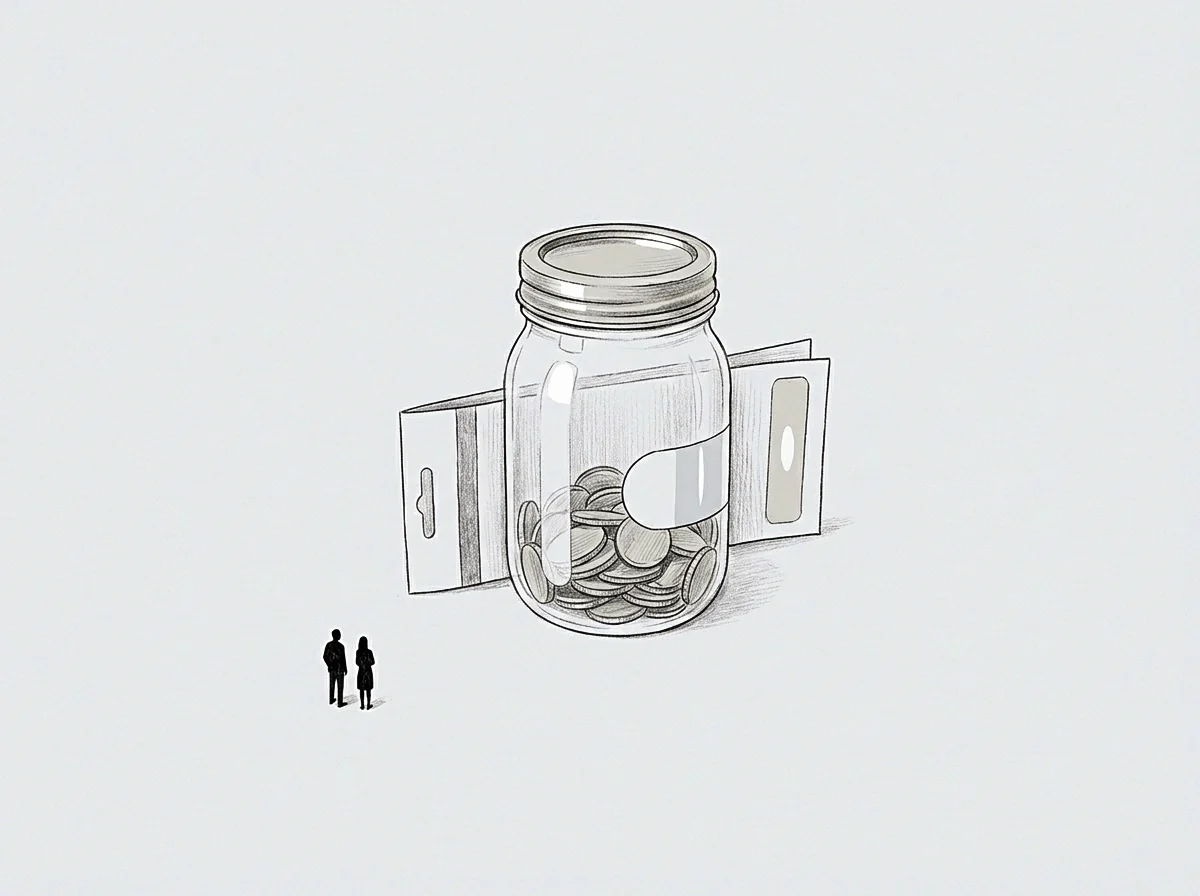
Physical surfaces dictate the radius of biological extraction. The physical perimeter separating two work stations either permits or interrupts unmetered autonomic contagion. In typical open configurations, the boundary between individual work surfaces collapses to zero, ensuring uninterrupted sensory transmission.
An operator seated within arm’s reach cannot shield their neurobiology from an adjacent panic state without completely disengaging from the shared environment. Proximity extracts energy.
Distance acts as a physical filter for low-frequency autonomic distress cues. A separation of twenty feet breaks the unconscious sensory loop that drives involuntary respiratory matching. At that perimeter, peripheral vision ceases tracking minute somatic twitches, and the brain downgrades the ambient threat level from acute personal danger to distant operational data.
The room ceases to function as an open biological conduit.
When physical proximity drops below conversational distance during acute operational panic, the steadier body absorbs the respiratory rhythm of the more volatile counterpart.
Partition density alters the baseline economy of the floor. Solid acoustic barriers arrest vocal inflections and abrupt mechanical noises that otherwise register as emergency sirens to the autonomic nervous system. Glass walls preserve optical exposure while cutting acoustic transmission, leaving visual stress markers intact while eliminating auditory shocks.
Spatial design choices govern whether an enterprise operates on sovereign regulation budgets or communal autonomic debt.
Physical separation restores autonomic self-sufficiency before cognitive agreement does.
Burn
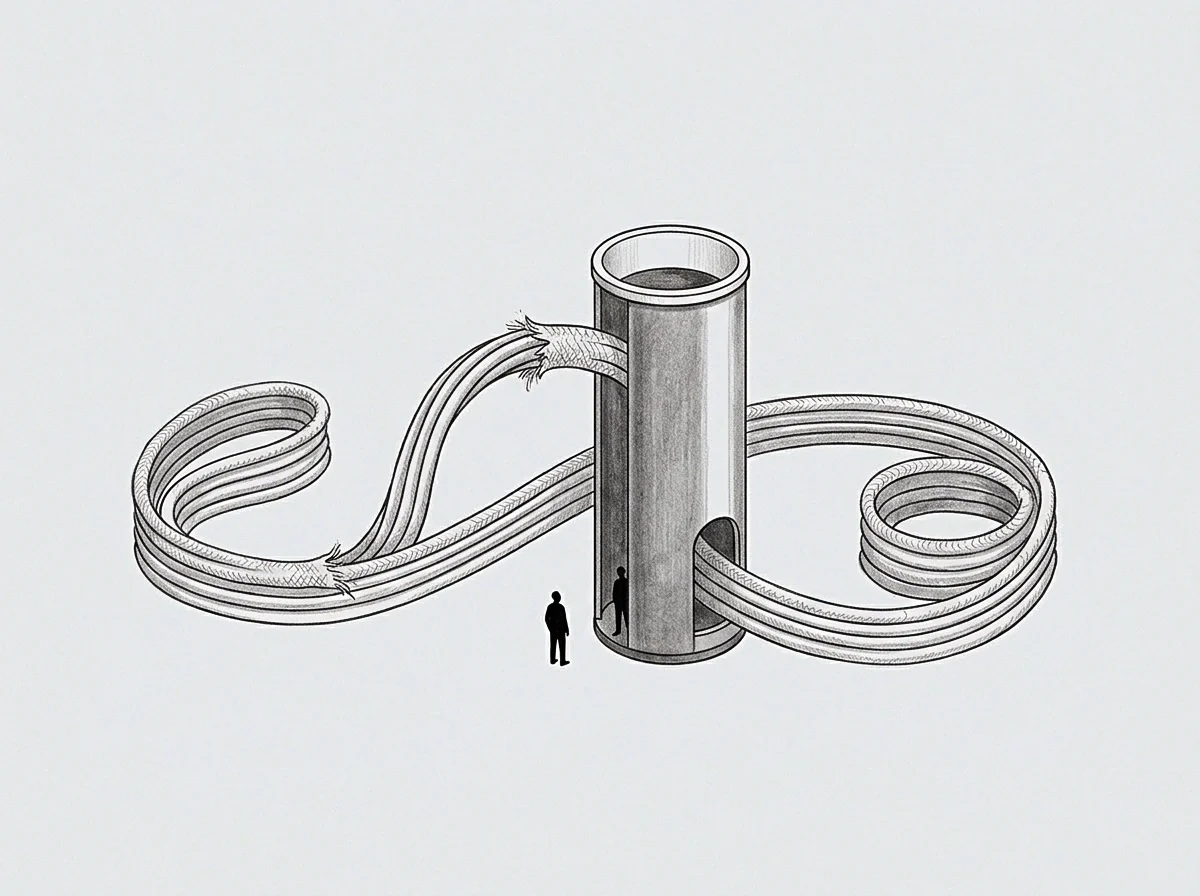
Extended physiological underwriting consumes severe quantities of cellular glucose. When an individual continuously suppresses sympathetic fight-or-flight activations to maintain an island of outward composure for others, the prefrontal cortex burns systemic reserves at unsustainable rates. Allostatic load accumulates silently behind an unmoving face.
The liver, heart, and adrenal axes operate as if undergoing prolonged physical combat, even while the person sits perfectly still reviewing cap tables.
Whose Nervous System Pays for the Shared Floor?
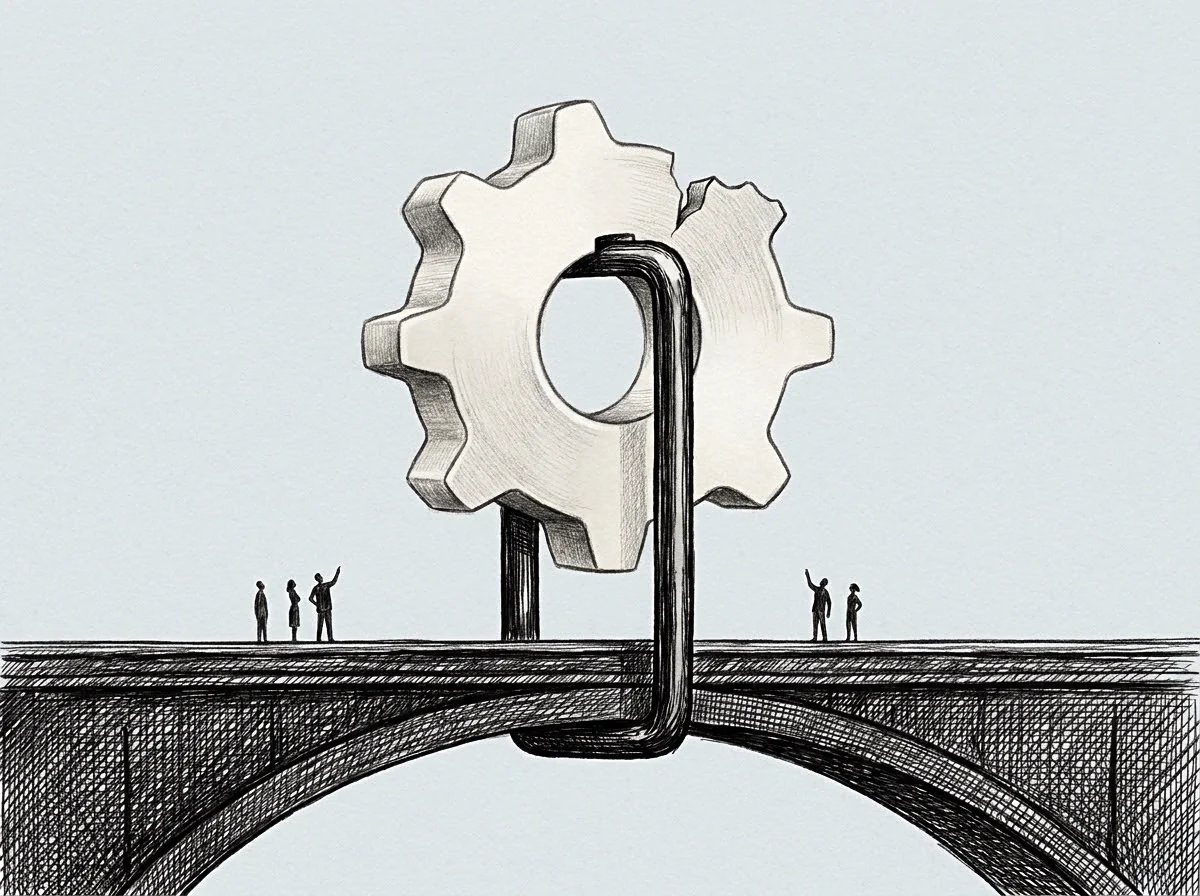
The structural distribution of autonomic strain inside a partnership rarely matches formal equity splits. A fifty-percent equity partner often shoulders ninety percent of the physiological ballast required to keep the enterprise functional during liquidity crises. That partner acts as an uncompensated biological shock absorber.
Load moves toward stillness.
| Operating Mode | Metabolic Draw | Threat Assessment Baseline | Individual Headroom |
|---|---|---|---|
| Isolated Autonomous Work | Standard basal expenditure | Self-contained task vigilance | Full strategic reserves intact |
| Asymmetric Lending Mode | Severe metabolic depletion | Compounded dual-operator load | Rapid exhaustion of cognitive headroom |
| Sovereign Parallel Work | Regulated baseline demand | Independent objective focus | Sustained problem-solving capacity |
The empirical research behind these dynamics rests primarily on laboratory measurements of cardiac vagal tone, galvanic skin conductance, and frontoparietal glucose metabolism during dyadic puzzle-solving under threat of electric shock. Those studies demonstrate that handholding or physical presence reduces the neural response to threat in the less stable participant while demanding continuous inhibitory prefrontal activation from the stabilizer. Field validation in unstructured operational settings remains constrained by the difficulty of continuous ambulatory biometric recording during high-stakes commercial disputes.
Biometric monitors alter participant behavior. If future telemetry reveals that proximity under commercial stress produces identical cortisol trajectories in both parties regardless of outward demeanor, the hypothesis of unilateral stabilization would require profound revision.
Unvoiced stabilization always compounds until physical presence itself triggers autonomic defense.
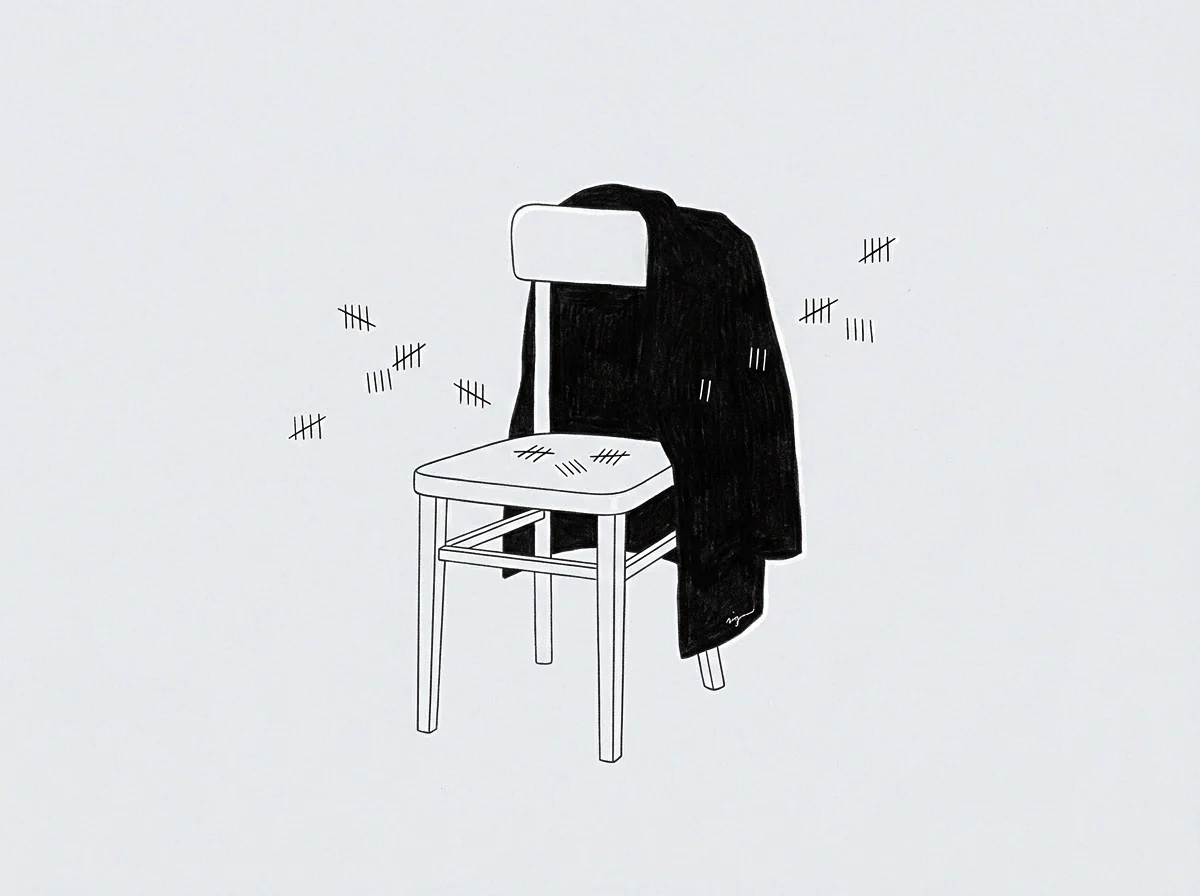
When the steady partner exhausts their regulatory reserves, the failure mode is almost never a simple verbal dispute. The breakdown appears as total visceral collapse, profound emotional detachment, or abrupt executive paralysis. The destabilized partner reads this sudden withdrawal as malicious abandonment or inexplicable apathy.
The stabilizer simply ran out of metabolic fuel. Protracted autonomic lending without recovery flattens systemic output into sudden catastrophic operational stalling.
Shift
Arresting unmetered physiological extraction requires a deliberate reorganization of working routines. An enterprise cannot survive if its steadiest operators must continuously quarantine their own nervous systems against ambient office turbulence. Operational handoffs must move from spontaneous synchronous contamination toward asynchronous, structurally contained exchanges.
- Spatial decoupling relocates core analytical work to physically isolated zones, eliminating baseline sensory contamination during crisis intervals.
- Asynchronous batching funnels operational updates through structured written summaries, replacing continuous verbal crisis chatter with bounded information payloads.
- Synchronous timeboxing caps direct operational alignment meetings at twenty focused minutes to prevent collective autonomic decay.
- Signaled availability institutes visible mechanical indicators of cognitive isolation, terminating casual environmental interruptions.
The desk cannot fully defend the claim that spatial separation preserves relational cohesion across every early-stage venture team. Some commercial operations genuinely depend on raw, synchronous physical momentum to iterate through rapid operational pivots, and imposing physical quarantine can degrade operational speed faster than it preserves nervous system capacity. Under conditions where collective speed outweighs individual biological preservation, operators deliberately accept heightened allostatic accumulation as an expendable capital asset.
Whether any collective operational pace can survive true sovereign regulation without fracturing the underlying partnership remains unanswered.
Term
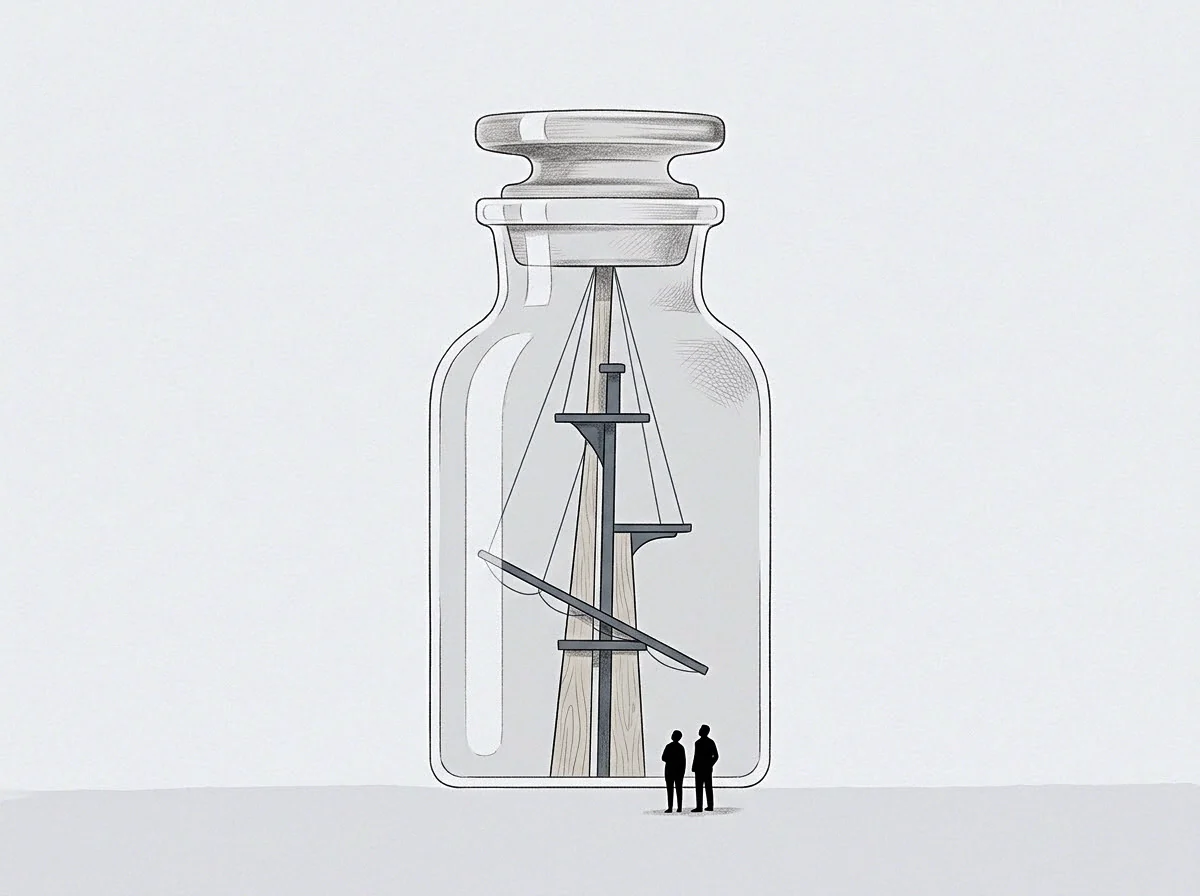
Explicit boundaries must replace informal physiological lending arrangements. When a founder or operational lead establishes a stated limit on shared physical presence, the system experiences an initial surge of friction. The partner accustomed to free autonomic stabilization encounters their own raw anxiety for the first time in months.
They interpret the boundary as rejection. The steady operator feels acute guilt for withdrawing an unvoiced stabilization service that they never formally agreed to deliver. The contract stays invisible.
A scheduled isolation block preserves sovereign executive function by terminating unmetered baseline extraction.
True operational resilience requires each participant to cultivate earned security within their independent workspace. When two operators each carry their own autonomic load, physical collaboration becomes an intentional exchange between sovereign agents. The meeting room transforms from an intensive care unit into a site of genuine strategic execution.
Each person regulates their own baseline, evaluates corporate exposure against real balance sheets, and returns to their sovereign desk with cognitive reserves intact.
A stated quarantine on synchronous physical presence converts informal nervous system extraction into explicit operational handoffs.