
Short Term Regulation Costs In High Growth Environments
Self-regulation alone taxes human physiology, forcing sole regulators in high-growth firms to throttle operational output when total allostatic load hits ceiling.
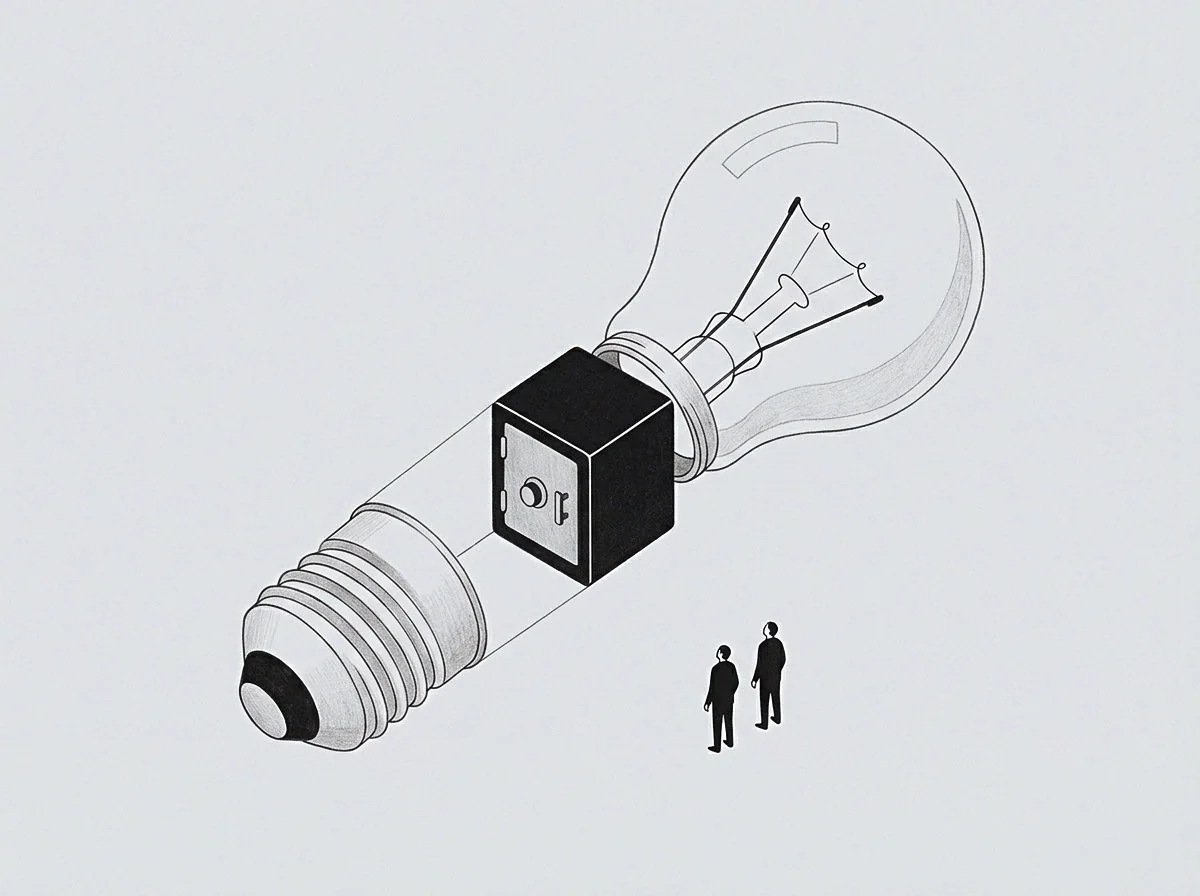
Seat

Transferred Equilibrium Under Ceiling Load
Four unanswered operational pings sit open on a desktop terminal while a midnight term sheet review begins. The phone vibrates with a direct message from a department lead who cannot stabilize a team conflict without external intervention. Autonomic threat responses rise: elevated resting heart rate, shortened breathing, and muscle tension concentrated in the shoulders.
The operator reads the room, takes a breath, and slows their speech cadence. Within three minutes of structured voice delivery, the lead settles, agrees to the revised expansion timeline, and logs off feeling steady, while the operator remains at ceiling capacity with no internal mechanism left to process the remaining financial models.
The human autonomic nervous system evaluates physical and social environments through continuous risk assessment. High-growth environments accelerate incoming operational changes, forcing rapid recalibration across several teams at once. When leadership displays composure under acute stress, surrounding team members draw on that composure to regulate their own responses, lowering their autonomic cost through proximity.
In tech ventures and scaling firms, this regulatory dynamic operates as an unpriced transfer of physiological stability, where staff attach to the steady state of a key leader rather than developing independent coping mechanisms.
An incoming ping at midnight functions as a request for transferred equilibrium across a remote arrangement.
This transfer creates an illusion of operational capacity. Because the lead leaves the interaction regulated, they perceive the organization as stable and well-resourced, while the leader who supplied the calm carries the full metabolic cost of both individuals in isolation. When this pattern repeats across twenty direct reports, the central leader accumulates excessive allostatic load, the aggregate physiological wear and tear of chronic stress exposure.
The central figure operates as a sole regulator, expending metabolic capacity to maintain organizational equilibrium without receiving any regulatory input in return.
Because the founder appeared steady throughout the funding crisis, the operational expansion was assumed to be well within baseline capacity.
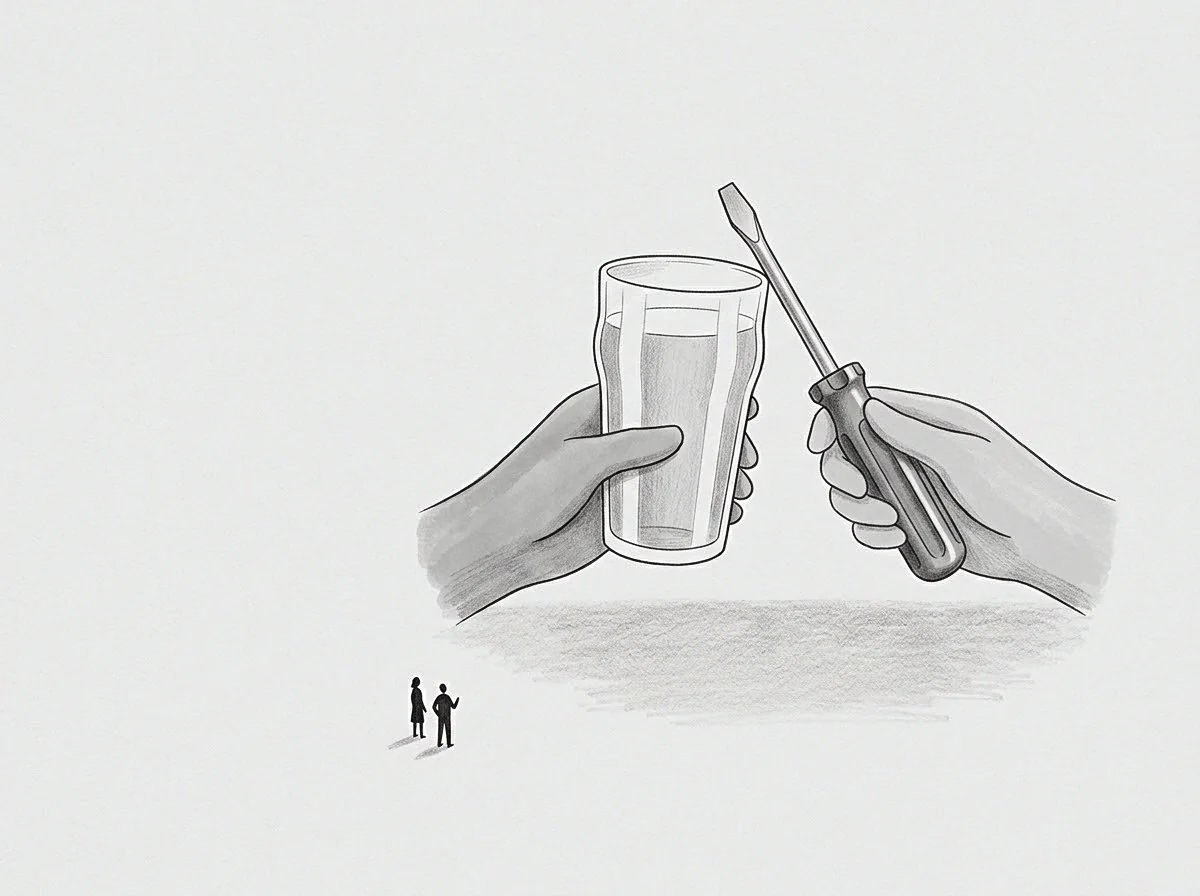
Baseline
Social Economy and Metabolic Budgeting
The brain manages energy expenditure through predictive budgeting systems that account for environmental demands and available social assets. According to social baseline theory, human neural architecture assumes the presence of reliable social partners as its default baseline. Operating near trusted, responsive partners allows the brain to offload part of its threat-monitoring load to the group, reducing neural activity in vigilance regions such as the hypothalamus and anterior cingulate cortex.
Solitary operation, by contrast, forces the brain to run every threat assessment alone, sharply increasing baseline glucose and metabolic consumption.
Threat budgeting happens continuously. In rapid scaling scenarios, leaders frequently operate under solitary regulation conditions while their teams operate under shared conditions, turning the leader into the primary environment against which the rest of the company regulates. The organization benefits from low individual regulation demands while the leader absorbs an exorbitant physiological cost in energy.
Because team members interpret steadiness as evidence of boundless reserves, they escalate higher volumes of routine decisions and invest less effort in self-regulation across the workforce.
| Evaluation Dimension | Solitary Self-Regulation Mode | Co-Regulation in Proximity Mode |
|---|---|---|
| Metabolic Cost | High energy expenditure via continuous glucose draw | Low energy expenditure via shared vigilance network |
| Autonomic Nervous System State | Dominant sympathetic activation with elevated cortisol | Vagal tone support with modulated sympathetic spikes |
| Neural Threat Response | Full activation of anterior cingulate cortex | Attenuated threat signaling in baseline neural circuits |
| Operational Resilience | Rapid exhaustion at ceiling load limits | Sustainable endurance across extended scaling cycles |
| Data reflects physiological measures established in social baseline research under acute load conditions. | ||
This dynamic alters the fundamental baseline of the organization. As operational complexity expands, the energy required to hold the regulatory baseline scales non-linearly, with the single regulator absorbing the friction of shifting targets, market changes, and interpersonal friction. Without an explicit count of regulatory draw, leadership teams mistake this unstated physical strain for structural stability.
When an organization relies continuously on one person for composure, that individual reaches physiological saturation and eventually throttles operational throughput to protect basic autonomic function.

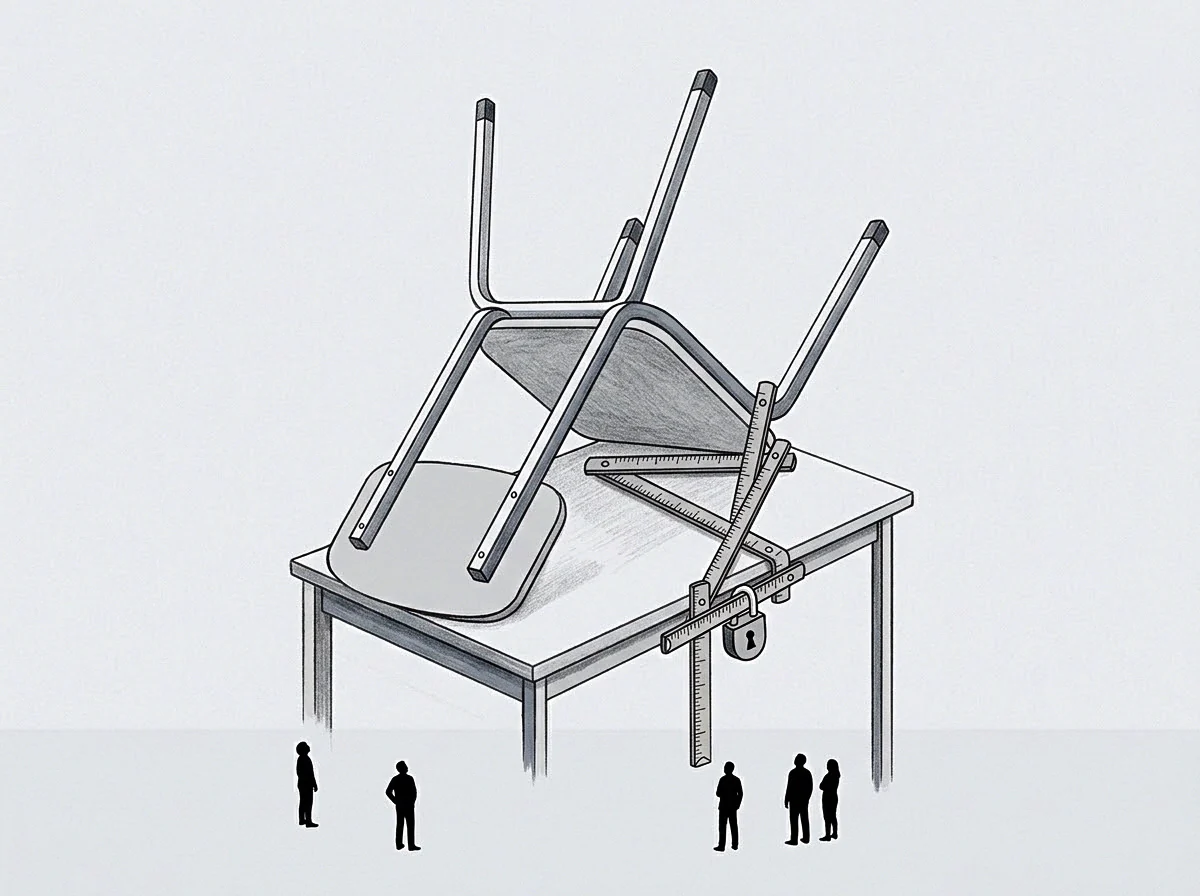
Thrust
The Internal Working Model Under Velocity
Early relational development shapes an individual’s internal working model, establishing how they process stress, seek support, and respond to environmental demands. Those who develop early self-reliance often construct a template where regulating oneself and regulating others merge into a single operational pattern. The assumption is that safety lies in remaining the responsive party for everyone else while suppressing personal needs for external support.
In high-growth settings, this pattern attracts heavy administrative and strategic responsibility, as investors and colleagues view the individual as dependable and steady during volatile cycles.
When operational speed accelerates, the single regulator defaults to historical templates, absorbing panic from executive staff, filtering chaotic signals into actionable instructions, and projecting absolute stability.
Strength maintained under continuous threat invites additional load from every adjacent department.
The vulnerability in this structure lies in the absence of a receptor slot for external regulation. While the individual possesses well-developed mechanisms for broadcasting calm, they lack pathways for taking in co-regulation from others. Offers of support from colleagues are frequently treated as operational anomalies or distractions, misinterpreting another person’s presence as an extra task that requires managing.
Regulatory energy flows exclusively outward, drawing down core reserves while reinforcing organizational dependency.

Does High Growth Accelerate Template Atrophy?
Accelerating operational milestones reduces the time available for interpersonal recalibration. When demands outpace human bandwidth, historical templates solidify, trapping the central regulator in a cycle where any display of strain appears structurally dangerous to the firm’s valuation or survival.
- The missing receptor slot prevents the founder from accepting regulatory input from peers, turning offers of support into additional management tasks.
- Attaching to personal state leads surrounding teams to rely on the founder’s calm demeanor rather than establishing clear organizational protocols.
- Unstated operational terms allow continuous load transfers across executive boundaries, accelerating physiological exhaustion across scaling phases.
This dynamic creates a sharp disconnect between administrative performance and physiological endurance. The firm hits milestones, closes funding rounds, and expands its footprint, while the key regulator experiences severe autonomic depletion. Because external outputs look successful, the internal cost in energy and attention remains unaddressed until operational performance breaks down.
An explicit limit on operational availability converts an implicit expectation of constant availability into a bounded operational agreement.

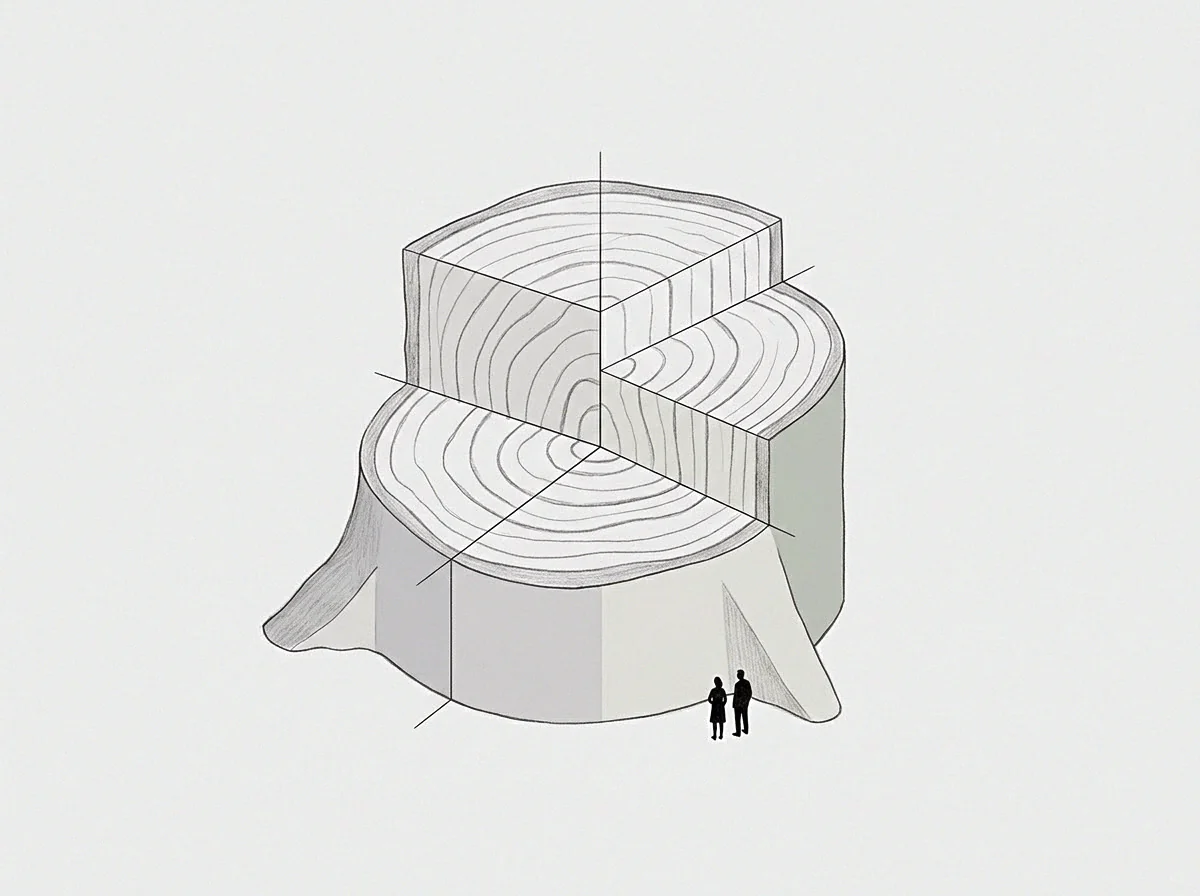
Slot
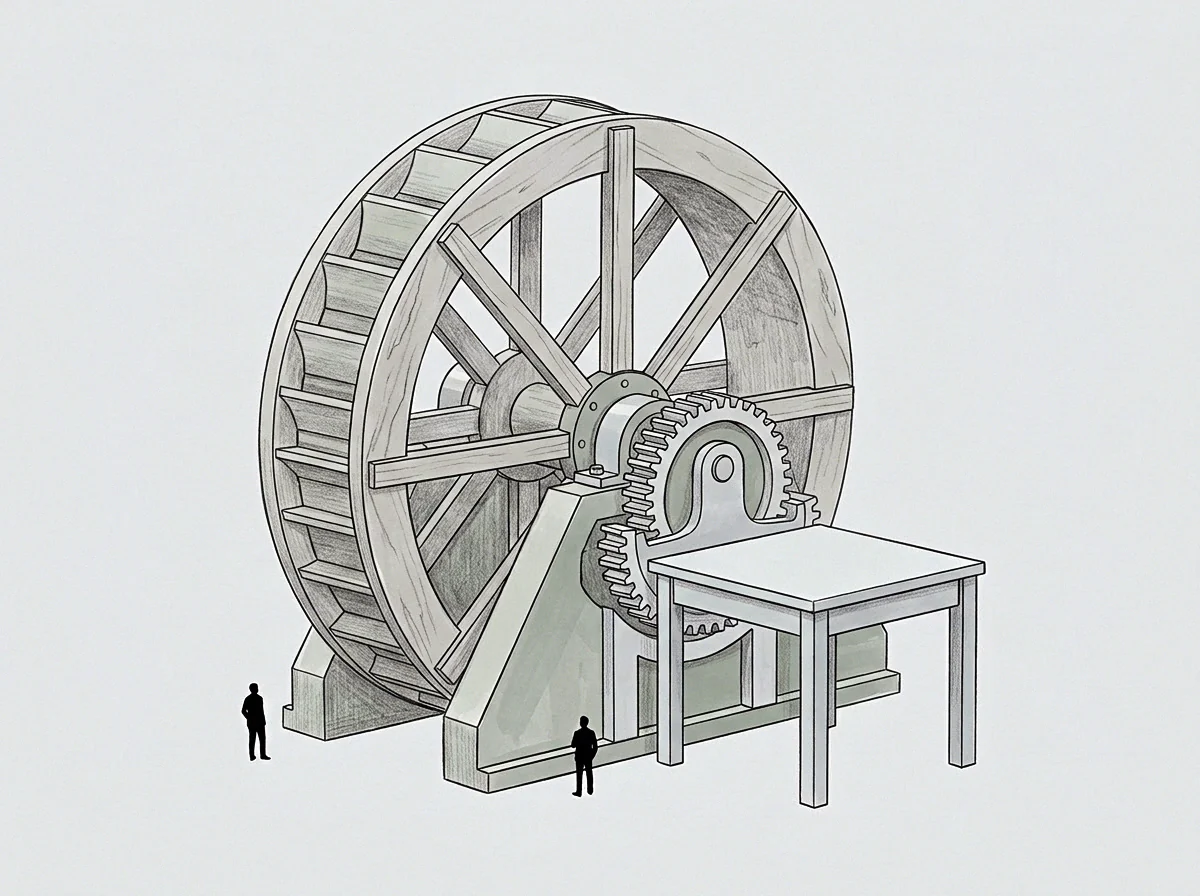
Comparative Walkthrough of Unstated Availability Terms
Consider two executive partners who built a venture software company for three years without a stated term regarding personal availability. The primary operator holds forty percent equity and directly manages twenty department heads. In Scenario A, the operator maintains constant availability, taking late-night calls, resolving minor staff disputes, and projecting complete composure during board conflicts.
The second founder focuses entirely on product architecture, assuming human operations run with minimal personal energy cost. Over eighteen months, the operator experiences rising blood pressure, disrupted sleep, and cognitive fatigue, eventually delaying critical approvals to manage load and unintentionally bottlenecking company growth.
In Scenario B, the operator introduces explicit boundaries during quarter one, defining hours for real-time communication, setting strict escalation thresholds for urgent issues, and requiring department heads to resolve lateral conflicts through internal protocols first. The change creates immediate friction, with team members experiencing brief anxiety when denied instant regulation from executive replies. Within two quarters, however, department heads develop lateral co-regulation mechanisms, the operator’s baseline cortisol drops, decision throughput rises thirty percent, and executive turnover stabilizes.
Proximity to a steady partner reduces baseline neural threat responses during acute organizational shocks.
To establish functional operational limits inside scaling companies, leadership teams follow a structured progression:
- Quantify current regulatory draws by tracking communication touchpoints outside defined core operational hours.
- Define explicit escalation paths that separate routine friction from high-priority emergency responses.
- Establish peer-level co-regulation structures across executive teams to distribute regulatory demands horizontally.
When an executive team relies on unstated availability, they convert their operational infrastructure into a single point of failure. The short-term convenience of constant access produces long-term organizational brittleness.
It remains an open question whether an executive accustomed to one-way regulation can build receptive capacity without stepping completely out of the operating role.

Update
Earned Security Through Repeated Experience
Updating an ingrained internal working model does not happen through intellectual analysis alone. An operator can understand social baseline theory, memorize the mechanics of allostatic load, and still default to solitary regulation under pressure. Neural adjustments require direct physical experiences that contradict the historical template, repeatedly showing that setting a boundary or naming a capacity limit brings structural support rather than operational failure.
This shift is termed earned security.
Earned security develops through deliberate interactions over extended operational timelines. The leader sets a boundary, watches the organization absorb it without collapse, and registers the physiological relief. Over time, the nervous system updates its predictive baseline, allowing incoming co-regulation from trusted partners and peers.
A stated limit enforced across three consecutive quarters transforms structural dependency into distributed operational ownership.
The practical difference between a firm reliant on solitary regulation and one built on distributed regulation shows up clearly in operating metrics. Department heads resolve issues independently under pressure, middle management turnover declines, and executive tenure lengthens. The leader moves from acting as a continuous regulatory donor to operating as an integrated member of the executive group, opening a functional receptor slot that receives baseline support while sustaining strategic velocity across demanding corporate growth cycles.