
Somatic Co-Regulation Mechanics in High Threat Environments
Somatic co-regulation lowers individual neural energy expenditure by distributing autonomic threat processing across proximal physiological baseline systems.
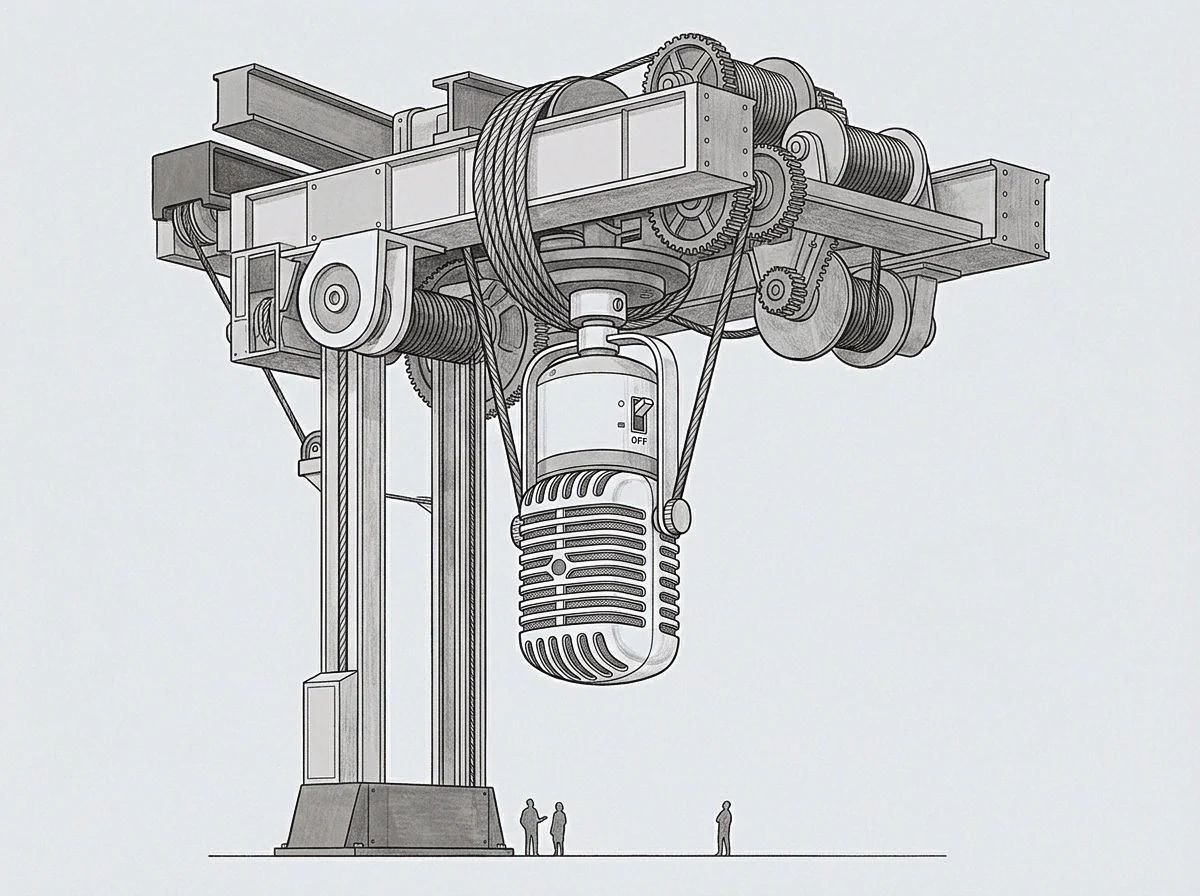
Room
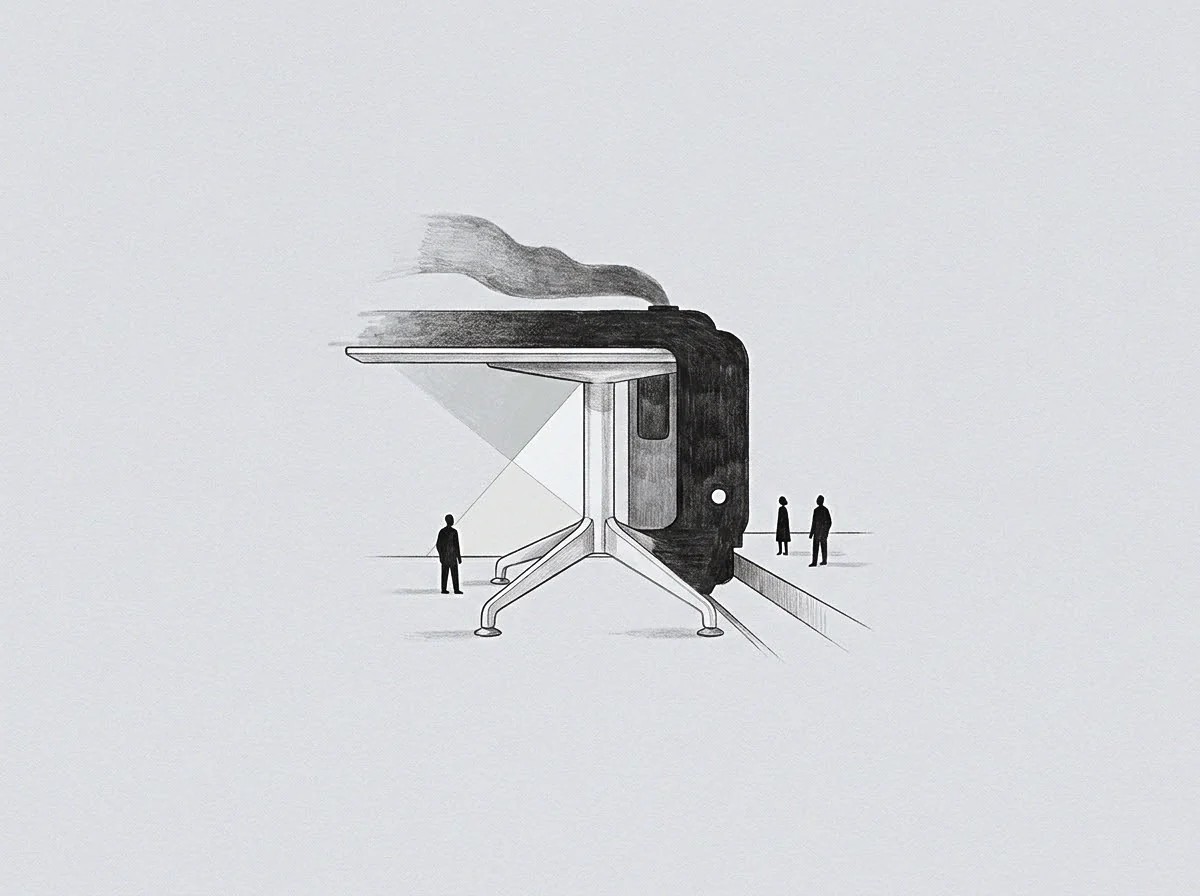
Autonomic Signaling in Threat Environments
Four critical system failures register on monitoring screens while an executive leadership team sits in complete silence. The operational environment presents an immediate existential threat to the enterprise, yet the physical physiology inside the command space remains stable. Rather than originating from cognitive rationalization or strategic confidence, the primary mechanism suppressing panic across the group is the steady biological baseline of the chief operator sitting at the head table.
Respiration remains deep, cardiac variability maintains high frequency, and muscle tone across the facial vascular beds conveys absolute somatic calm. Physiological sensors in acute stress environments consistently demonstrate that autonomic nervous system states radiate outward through subtle micro-expressions, postural dynamics, and vocal prosody.
Human nervous systems budget metabolic resources based on the perceived presence of reliable external regulators. Social baseline theory establishes that the brain treats proximity to a socially trustworthy individual as an ecological resource that lowers the energetic cost of survival. When a leader maintains biological composure under intense threat, peripheral observer nervous systems adjust their internal risk calculations, downshifting neural threat processing from hyper-vigilant defense to regulated monitoring.
Co-regulation operates as a metabolic efficiency mechanism where a stable autonomic state lowers the biological cost of threat processing for nearby individuals.

The Economics of Borrowed Vagal Tone
Ventromedial prefrontal cortical structures evaluate environmental danger by measuring both ambient threat vectors and local biological resources. In isolation, acute threat triggers immediate sympathetic activation, elevating heart rate, mobilizing glucose, and suppressing executive planning in favor of immediate defensive reflexes. When an individual displays high vagal tone during crisis, nearby nervous systems lower their own defensive output through subconscious biological mirroring.
This biological offloading allows peripheral team members to retain executive cognitive capacity during severe operational instability. Borrowed composure functions as a physiological grant where the recipient nervous system conserves cellular energy, maintains working memory capacity, and preserves complex problem-solving abilities.

Slot
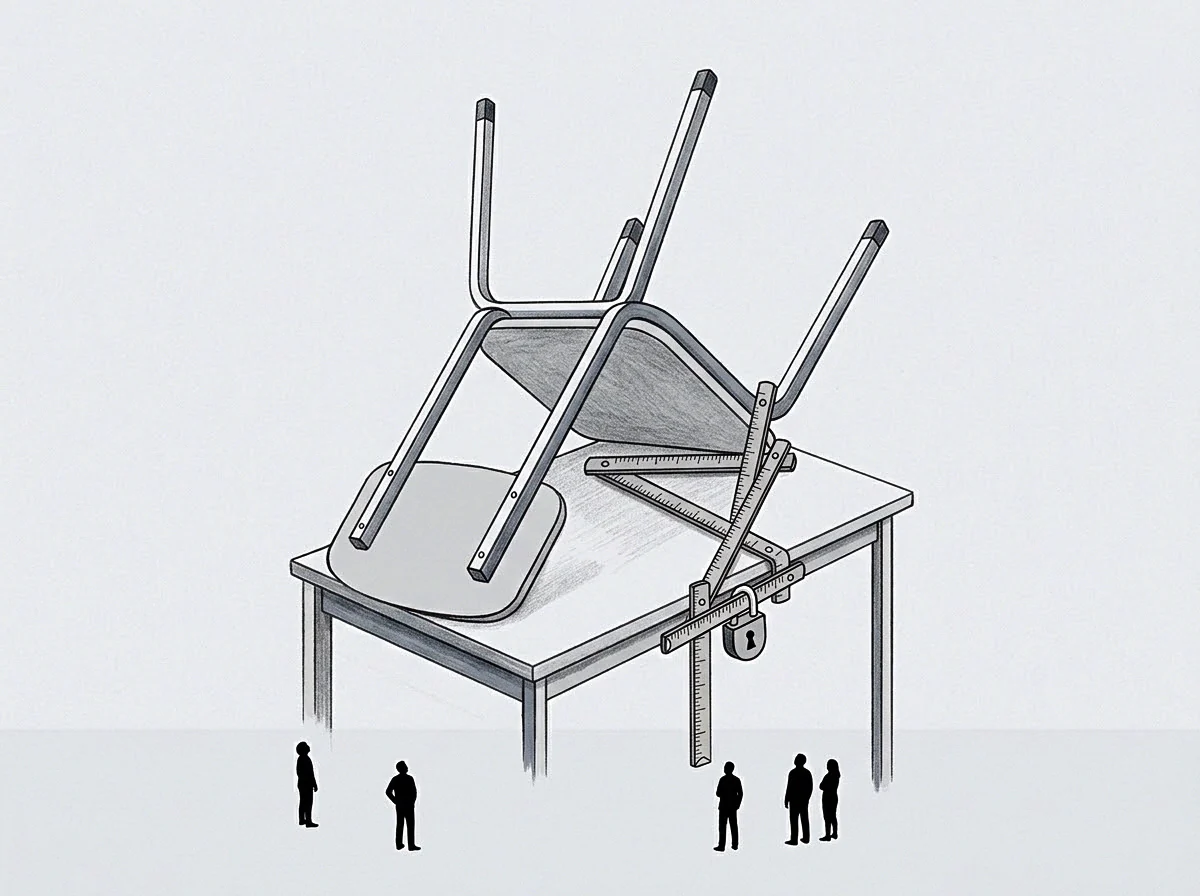
The Mechanics of Backward Coregulation
A person who learned early that adult stability depended on their own calm develops a reversed somatic architecture. During formative developmental periods, these individuals performed external calming functions for dysregulated primary caregivers. Instead of receiving biological containment, they provided the somatic anchor that lowered the adult’s autonomic arousal.
This inversion builds an internal working model where safety exists only when the individual occupies the role of the stabilizing regulator.
An individual with a backward regulation template experiences internal safety exclusively while absorbing and dampening the physiological distress of others.
This reversed template produces a distinct physiological structure in adult leadership settings. The operator maintains hyper-stabilized vagal suppression while surrounded by high-stress operational conditions, holding no physiological receptive capacity for incoming regulation. When a colleague offers support, presence, or shared responsibility, the operator’s nervous system reads the gesture as an unpredictable variable rather than a stabilizing resource, responding by tightening central autonomic control.
Consider an operational founder managing a severe liquidity crisis alongside a co-founder and two principal investors over six months. The founder works eighty hours a week, handles every high-stakes counterparty negotiation, and maintains an unshakeable, calm demeanor in every board meeting. When the co-founder offers to take over counterparty negotiations to reduce operational strain, the founder’s nervous system interprets this offloading attempt as an elevated threat to system stability.
Instead of experiencing relief, the founder experiences a surge in cortisol and sympathetic arousal, declining the offer to maintain control over all external communication channels and continuing to process the enterprise’s total strain through a single physiological system.
- Inverted Autonomic Orientation The individual perceives personal dysregulation as an immediate threat to the environment, forcing continuous somatic over-regulation regardless of internal physiological cost.
- Receptor Atrophy The neural pathways responsible for registering and integrating external biological calm remain unexercised, preventing real-time regulation intake from supportive counterparties.
- Compensatory Omnipresence The operator maintains artificial baseline stability by constantly monitoring and correcting the autonomic states of everyone in the immediate operational ecosystem.
- Hyper-Vigilant Autonomy External offers of operational or emotional assistance register as unstable inputs that threaten the operator’s carefully maintained baseline balance.
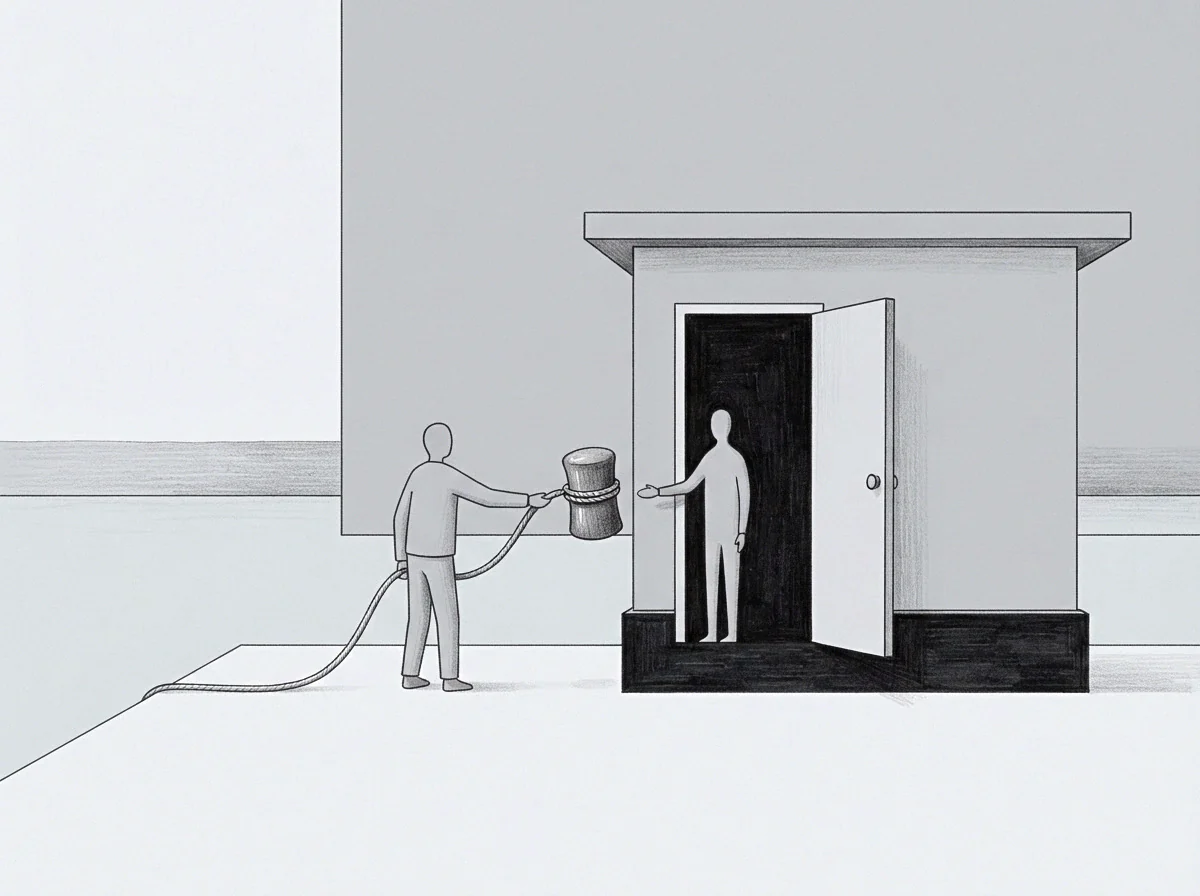
Internal Working Models Under Load
Under chronic high-threat conditions, backward templates generate severe biological debt. The operator continually absorbs atmospheric operational panic, processes ambient threat through their own physiological machinery, and projects biological calm back into the organization. Partners, employees, and board members use the operator’s physical state as a baseline metric for enterprise viability, relying on the operator as a unilateral regulatory utility.
This dynamic creates a structural asymmetry. The team conserves metabolic energy by relying on the operator’s baseline, while the operator burns finite energetic reserves to maintain the stabilizing projection. Because the operator lacks a functional receptor position, they cannot utilize the team’s growing stability to down-regulate their own physiological strain.

Tally
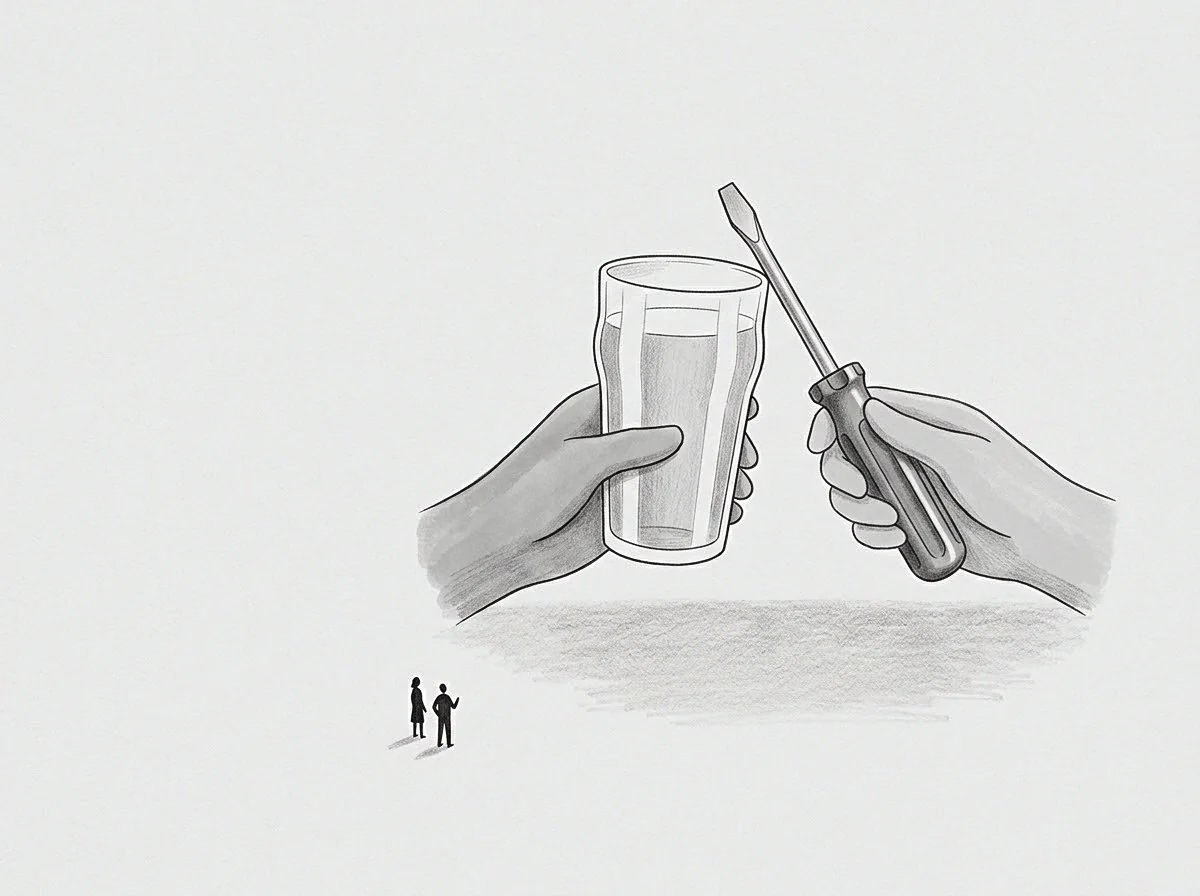
Comparative Economics of Stress Processing
Energy accounting in high-threat operations demonstrates that neural regulation burns metabolic glucose at measurable rates. The chosen mode of physiological stress processing dictates the systemic burn rate across an organization.
| Regulation Mode | Metabolic Glucose Burn | Prefrontal Executive Retention | Systemic Sustainability Limit | Impact on Counterparty Baseline |
|---|---|---|---|---|
| Isolated Self-Regulation | Severe metabolic depletion | Degraded prefrontal capacity | Brief operational endurance | Zero coregulatory transmission |
| Mutual Co-Regulation | Conserved metabolic energy | Sustained prefrontal capacity | Indefinite operational endurance | Mutual baseline stabilization |
| Backward Unilateral Regulation | Maximum single-point depletion | Concentrated executive burnout | Finite single-point failure window | Parasitic baseline extraction |
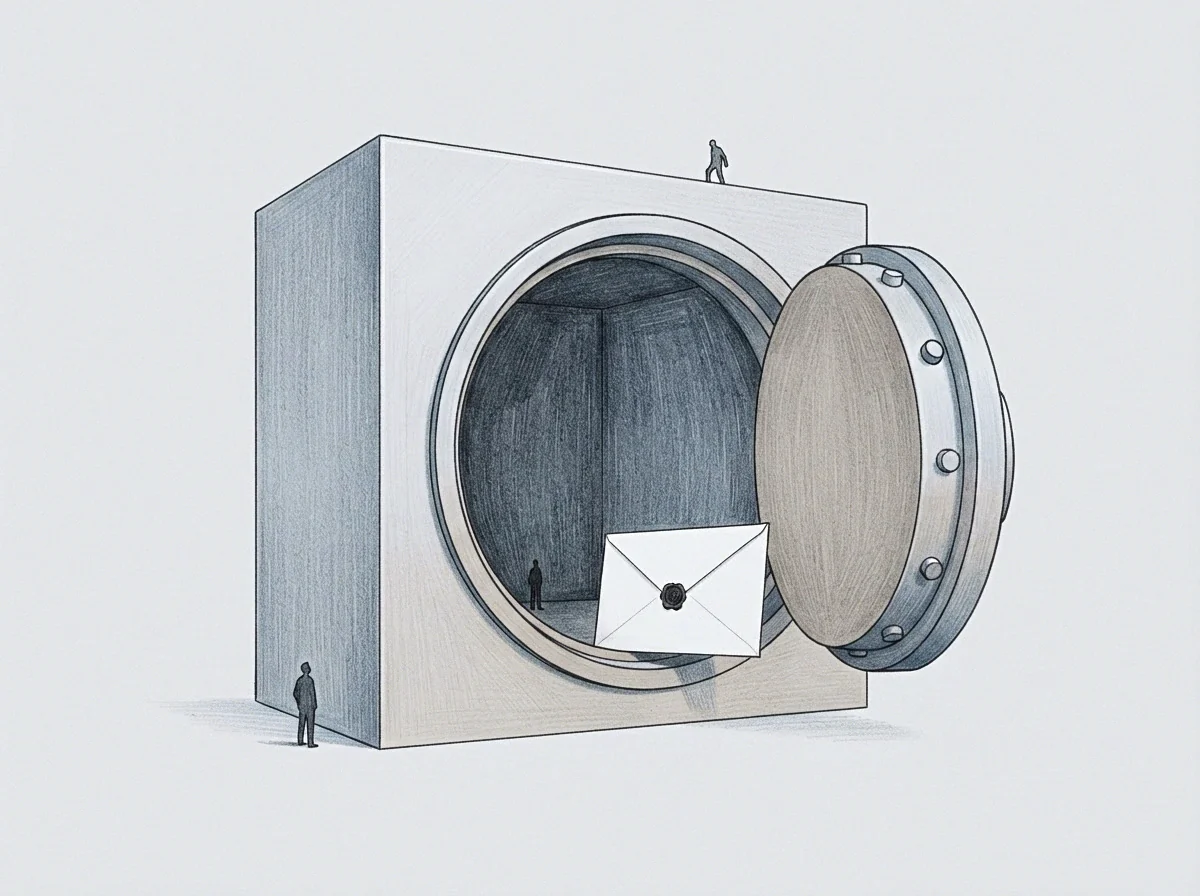
Allostatic Load Allocation Across Teams
When an enterprise operates under continuous operational threat, total physiological strain settles somewhere within the human architecture. In organizations governed by backward regulatory leadership, allostatic load concentrates entirely inside the lead operator. Allostasis represents the active bodily process of maintaining stability through physiological change.
When allostatic load remains permanently elevated, cardiovascular, neuroendocrine, and immune systems experience progressive degradation.
- Environmental operational shock triggers immediate biological panic across the peripheral organizational network.
- Peripheral network members seek proximity to the lead operator to mirror the operator’s stable vagal baseline.
- The lead operator absorbs atmospheric threat signals, suppressing internal sympathetic surges to project unyielding physical composure.
- Peripheral members achieve autonomic down-regulation, restoring their executive cognitive functions at zero metabolic cost to themselves.
- The lead operator accumulates unreciprocated allostatic load, sustaining cellular micro-damage while maintaining external operational continuity.
This allocation model functions effectively until the lead operator reaches physical capacity limits. Because the peripheral network experiences artificial calm, it fails to recognize the impending failure of the single-point regulator, leaving the external enterprise appearing stable until the moment the central nervous system collapses.
Limen
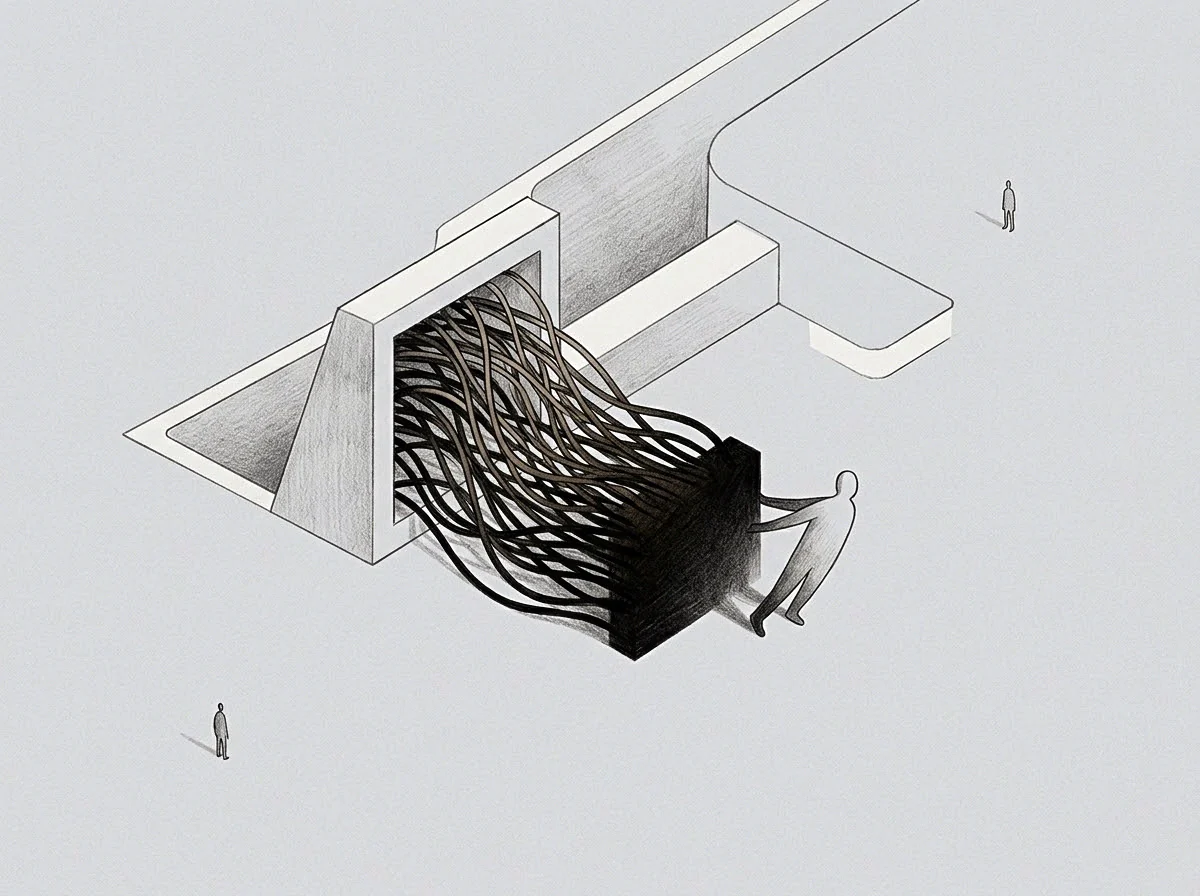
Can Borrowed Stability Update an Internal Model?
A central dispute in affective neuroscience centers on whether an adult nervous system with an inverted template can construct a functional receptive slot purely through exposure to a stable counterparty. One perspective holds that passive exposure to a steady external baseline automatically updates internal regulatory circuitry through persistent neuroplastic adaptation. The opposing perspective establishes that passive exposure fails to alter backward templates because the operator’s internal system categorizes incoming calm as an external resource to maintain, rather than an internal resource to receive.
Somatic availability requires a explicit operational limit that halts unilateral regulation before metabolic exhaustion forces systemic failure.
Updating a backward template requires active somatic disruption rather than passive exposure. The operator must experience a state of heightened operational threat, consciously cease projecting biological composure, and allow the surrounding ecosystem to manage its own autonomic dysregulation. This intentional release of control creates the initial biological opening for a receptive slot.
Boundary Conditions of Somatic Availability
Establishing operational boundaries serves a direct physiological purpose. A stated limit acts as a mechanical backstop that halts the continuous transfer of external environmental stress into the lead operator’s biological system. Without explicit operational thresholds regarding availability, communication protocols, and decision-making responsibility, the backward template defaults to continuous absorption.
When an operator states a firm operational boundary, the immediate result is a spike in local organizational anxiety. Team members who previously relied on borrowed vagal tone experience the sudden re-emergence of their own raw autonomic threat processing, which the lead operator must tolerate without stepping back into the stabilizing role.
Drift
Earned Security Through Experiential Repetition
Shifting away from backward regulatory templates occurs through earned security, a process where structural internal working models undergo systematic re-engineering through deliberate biological experience. Intellectual recognition of an inverted template provides no structural relief, as the autonomic nervous system updates strictly through physical repetitions that contradict historical survival expectations.
Earned security develops when an operator repeatedly experiences vulnerability or dysregulation in the physical presence of a counterparty who remains steady, non-demanding, and somatically grounded. The counterparty must display no expectation that the operator fix, soothe, or manage the room. When the operator’s nervous system registers that its own temporary dysregulation does not cause environmental destruction or relational abandonment, the historical imperative for unilateral composure begins to dissolve.
Building the Missing Receptor
Constructing a functional receptive slot requires slow, deliberate physiological conditioning across real operational cycles over extended timeframes. The process moves through distinct structural phases:
First, the operator learns to identify the immediate physical markers of unilateral regulatory exertion, such as shallow apical breathing, jaw tension, and sub-vascular facial tightening during crisis meetings. Second, the operator practices micro-disclosures of physiological state, verbally acknowledging internal strain to stable counterparties while deliberately refraining from correcting the situation. Third, the counterparty maintains an unbothered, supportive biological baseline, offering quiet physical presence without attempting cognitive intervention or unsolicited problem-solving.
Over repeated cycles, the operator’s ventromedial prefrontal cortex registers that external stability can be ingested rather than continuously manufactured. The regulatory budget balances across the organizational system, transforming co-regulation from a unilateral metabolic drain into a shared, sustainable operational asset.
True operational resilience emerges when stability flows bidirectionally across an organization during acute crisis conditions.