
Autonomic Costs Of Returning Home After Stress
High sustained work load delays parasympathetic recovery upon entering home environments, converting domestic proximity into acute sympathetic expense.
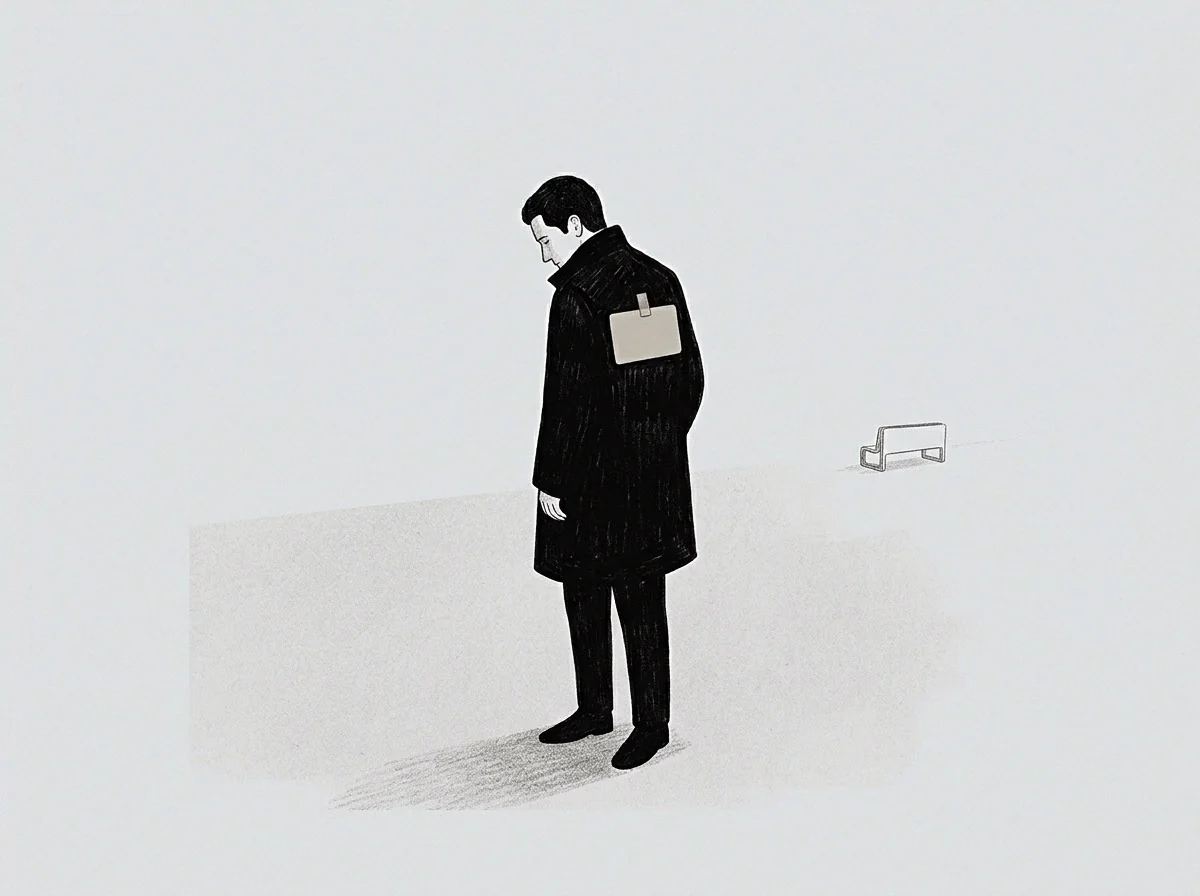
Gate
The car sits in the driveway with the engine off, headlights throwing cold beams across the garage door. Ten unread operational messages sit on the passenger seat. Blood pressure remains twenty points above baseline, peripheral arterioles stay clamped, and core body temperature holds half a degree high.
The workday ended thirty minutes ago, but arterial stiffening and elevated cardiac output persist well after leaving the office.
Entering domestic space demands a physiological shift that biological systems cannot produce instantly. The vascular system needs time to clear circulating catecholamines, dilate constricted capillaries, and let the vagus nerve slow cardiac pacing. Crossing a residential threshold with unmitigated catecholamine saturation turns the arrival itself into an unmanaged metabolic hazard.
A biological system operating under sustained threat treats the sudden cessation of tasks as an exposure rather than a relief.

The Threshold Vasoconstriction
Arriving home after twelve hours of organizational triage does not produce immediate somatic deceleration. Cortisol and epinephrine continue binding to vascular adrenoreceptors, muscles hold their defensive tone, and shallow thoracic breathing maintains blood gases tuned for rapid physical action rather than digestion.
Opening the front door in this condition lands incoming sensory demands (voices, domestic clutter, requests for attention) directly onto a sensitized nervous system. Operating on depleted metabolic reserves, the brain evaluates ordinary domestic bids as fresh operational threats.
Sympathetic Lag Across Physical Boundaries
Physiological deceleration lags behind physical relocation. The autonomic transition curve follows pharmacokinetic decay rates rather than geographic movement: unassisted catecholamine clearance takes between forty-five and ninety minutes. Throughout that window, sensory sensitivity stays high, acoustic startle reflexes remain sharp, and minor disruptions trigger outsized reactivity.
The conversation can wait until morning if stepping into the kitchen costs this much blood pressure.
Toll
Operating in prolonged isolation under heavy occupational demands forces the nervous system to fund its own biological stability. Under standard conditions, human nervous systems offload up to forty percent of their threat vigilance when situated near familiar, supportive peers. The solitary operator forfeits this biological subsidy entirely, paying full cost in glucose utilization and vascular wear for every hour spent regulating alone.
Solitary threat vigilance extracts forty percent more metabolic fuel than identical tasks faced in verified company.
That sustained self-regulation builds deep autonomic debt. Upon returning to domestic quarters, a depleted nervous system lacks the reserves needed for conversational reciprocity, emotional attunement, and executive coordination. These tasks require substantial prefrontal oxygenation and parasympathetic engagement that the exhausted operator simply cannot supply.
Metabolic Extraction Of Solitary Holding
Sustaining operational composure while absorbing team anxiety rapidly drains central glycogen stores. When an individual acts as the sole foundation for an organization, the brain continuously dampens its own distress signals, blocking normal homeostatic recovery cycles during working hours.
- Allostatic Carryover keeps circulating glucocorticoid concentrations high throughout the early evening, suppressing digestive motility and delaying cellular repair mechanisms.
- Baroreceptor Resetting sustains elevated mean arterial pressure across the transition from commercial office to domestic living spaces.
- Parasympathetic Tone Deficit inhibits rapid vagal reactivation, preventing the cardiac deceleration needed for deep restorative evening rest.
- Sensory Gating Failure permits minor environmental stimuli such as children shouting or kitchen appliances running to trigger disproportionate startle responses.
Which Conditions Precipitate Vasomotor Crash In Proximity?
A sudden drop in systemic vascular resistance occurs when chronic occupational vigilance abruptly collapses upon reaching home. The sudden drop in sympathetic drive removes arterial tone faster than cardiac output can adjust, inducing acute fatigue, lightheadedness, and cognitive fog. The individual sits on the edge of the bed unable to speak, immobilized while the autonomic system recalibrates.
Suppressing sympathetic discharge in the driveway precipitates sudden mid-evening somatic collapse and gastrointestinal cramping.

Spill
Human nervous systems continuously exchange physiological information through vocal cadence, micro-expressions, and respiratory rate. When a fatigued operator enters a shared room, that internal tension broadcasts into the domestic environment. Family members and domestic partners register the stiff posture, rapid blink rate, and tonal flatness, shifting their own physiology in response.
The domestic baseline shifts from rest to mutual defensive bracing. The partner absorbs ambient tension and responds with protective distancing or sharp questions. The tired operator reads that response as unprovoked domestic hostility, fueling a secondary cycle of conflict driven entirely by autonomic dysregulation.
Unspoken physiological exhaustion registers in an observer as coldness rather than fatigue.
The Inverted Social Baseline
Under healthy conditions, domestic presence provides a stabilizing regulatory resource. In households carrying chronic stress carryover, physical presence inverts its functional role, becoming a source of additional autonomic expenditure. The operator arrives home expecting restoration, encounters a dysregulated room, and mobilizes emergency sympathetic reserves to manage domestic tension.
This dynamic consumes the remaining evening capacity. Instead of resting, the operator enters a second shift of defensive monitoring. The home ceases to function as a recovery chamber, transforming instead into a secondary environment of threat surveillance.
Borrowed Arousal In Confined Spaces
Confined domestic spaces accelerate physiological transmission. A small kitchen or shared dining table concentrates acoustic and kinetic signals. When one body vibrates at a high sympathetic register, nearby bodies mirror that arousal through autonomic resonance.
The resulting evening tension is a shared biological contagion rather than an ideological disagreement.
To an outside observer, unacknowledged physical exhaustion regularly presents as emotional withdrawal.
Gap
The divergence between operational expectations and domestic reality creates acute friction across evening routines. The corporate environment rewards rapid decisive intervention, continuous problem identification, and emotional suppression. Domestic relationships reward receptive listening, physical softness, and shared presence.
Applying commercial operational habits to domestic spaces produces immediate relational resistance.
A founder who treats domestic life as a sequence of operational bottlenecks damages intimate bonds. The partner seeks connection and shared vulnerability, whereas the founder seeks task completion and silence. This mismatch creates profound communicative estrangement, leaving both parties isolated inside shared quarters.
| Physiological Parameter | Solitary Occupational State | Dysregulated Domestic Return | Stabilized Transition State |
|---|---|---|---|
| Vagal Brake Activation | Suppressed | Erratic | Progressively Restored |
| Mean Arterial Pressure | Sustained Elevation | Volatile Spikes | Gradual Baseline Decay |
| Sensory Receptivity | Narrow Threat Focus | Sensory Overload | Diffuse Environmental Attunement |
| Metabolic Fuel Source | Rapid Glucose Oxidation | Depleted Reserves | Lipid Base Utilization |
Realigning these physiological states requires intentional structural separation. The human nervous system cannot pivot between adversarial vigilance and intimate attunement in sixty seconds. Establishing explicit transition rituals allows the autonomic nervous system to shed commercial vigilance before engaging domestic relationships.
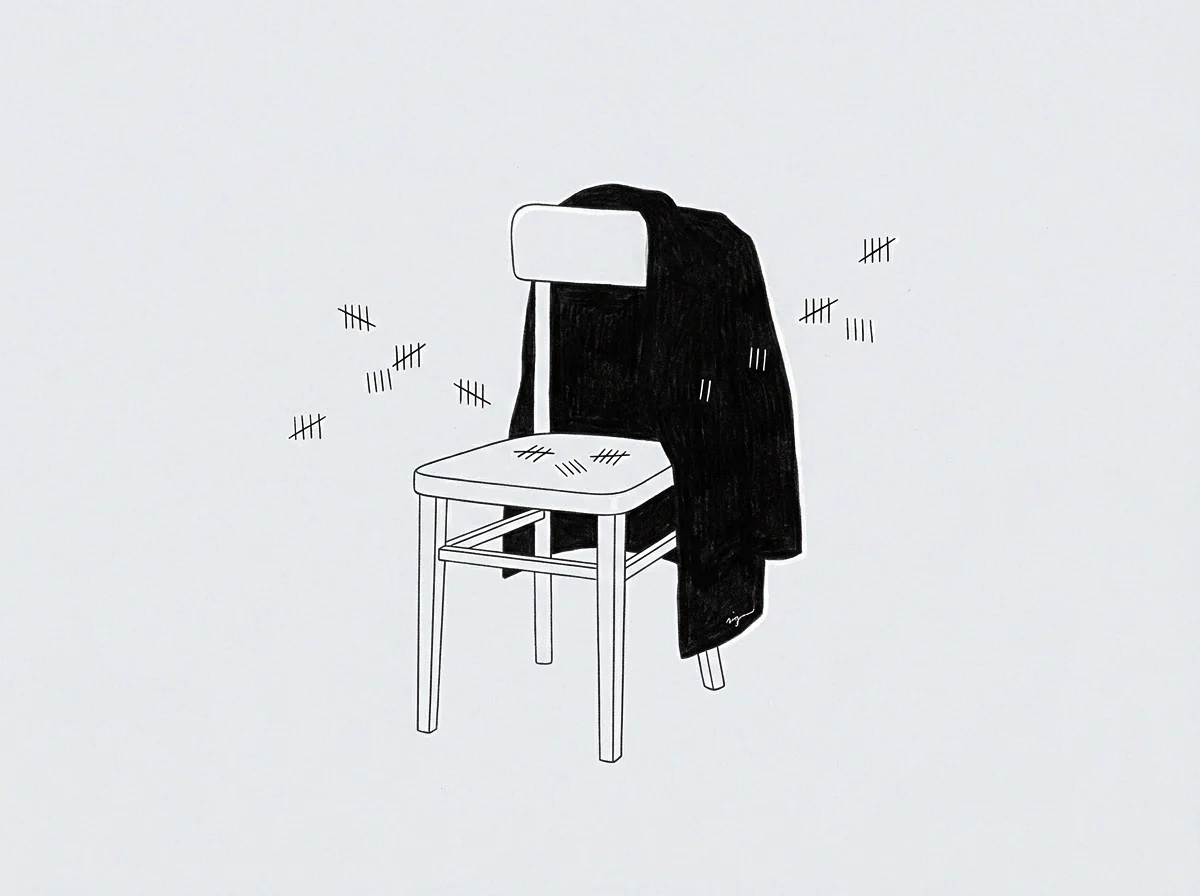
A stated forty-minute silence protocol changes sympathetic settling from an interpersonal contest into predictable biological decay.
Repair
Recovering homeostatic balance after prolonged occupational strain demands active physiological pacing. The operator sets clear temporal boundaries between office departure and domestic engagement. A deliberate transitional period (walking in cold air, sitting in silence, engaging slow diaphragmatic breathing) provides the necessary metabolic runway for vagal reactivation.
This transition protocol protects domestic space from occupational spillover. The operator allows heart rate variability to rise and peripheral blood flow to return before entering shared living quarters. The resulting domestic interactions become restorative rather than exhausting, restoring the biological function of the home.
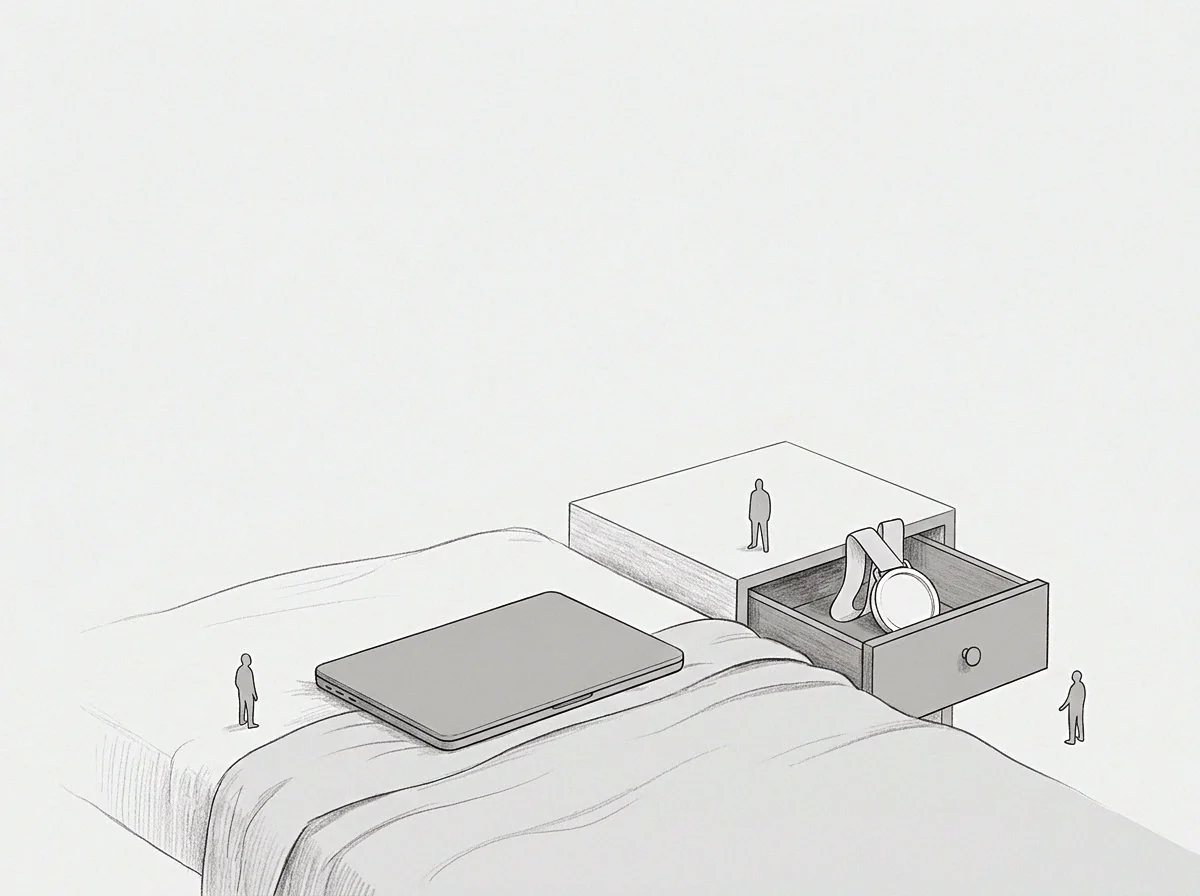
A thirty-minute solo decompression buffer restores the vagal brake before domestic engagement begins.
Earned Parasympathetic Tone Through Explicit Cadence
Building reliable autonomic flexibility requires daily repetition of deliberate decompression sequences. The nervous system learns safety through predictable environmental cues and structured pacing. When an individual consistently executes a structured transition sequence, the brain anticipates the shift, accelerating cortisol clearance and vascular softening.
This earned biological resilience protects long-term health and intimate partnerships. The operator preserves professional effectiveness while cultivating genuine domestic presence. The home recovers its essential role as a space of physiological repair.
Whether an autonomic nervous system trained to equate proximity with operational demand can ever fully de-escalate without physical solitude remains unproven in longitudinal measurements.