
Social Baseline Theory And Relational Regulation Under Severe Load
The human brain treats proximity to a reliable peer as its energy baseline, making solo regulation a metabolically expensive default under severe load.
Room
Four messaging windows remain open on a monitor at midnight while operating capacity hits zero. In each conversation, an operator or partner seeks direction, re-assurance, or structural decisions during an operational crisis. The person sitting before the screen maintains a steady tone, precise syntax, and measured breathing, transmitting an impression of complete stability.
External observers read this steadiness as deep reserve capacity. In practice, the calm function acts as an anchor for others while consuming the remaining energy of the person supplying it.
Human nervous systems do not calculate environmental threat in isolation. When individuals operate near reliable peers, the brain budgets metabolic expenditure on the assumption that threat response and problem solving are shared responsibilities. The presence of a predictable counterparty lowers heart rate variability spikes, suppresses baseline cortisol release, and decreases neural activation in threat-processing regions such as the anterior insula and dorsal anterior cingulate cortex.
Self-regulation alone is the metabolically expensive default mode of the human brain. Proximity to an attuned individual is the baseline energy-saving strategy of the species.
Co-regulation functions as an energy distribution system where physiological baseline stability is borrowed rather than generated independently.
When an individual assumes the role of perpetual stabilizer, the normal bidirectional economy of relational regulation breaks down. Others attach to the stable state itself rather than to the person’s explicit artifacts or statements. The internal working model of the stabilizer often reflects a reverse template built in early development.
In this arrangement, safety was achieved by anticipating and regulating the affective state of caregivers. Regulating others and maintaining self-control become integrated into a single operational pattern. The system lacks a functional receptor slot for receiving co-regulation from external sources, leaving the person unable to register offers of support when capacity drops.

Operational Dynamics of Borrowed Calm
The primary signal transmitted by an overwhelmed baseline provider is quiet efficiency. Counterparties interpret the absence of overt distress signals as evidence of unyielding strength. Consequently, additional operational tasks, strategic uncertainty, and relational demands are directed toward the steady node in the organization or partnership.
The system operates on an asymmetric circuit. One party expends regulatory energy to keep the shared environment calm, while remaining counterparties consume that calm to lower their own active stress response.
Capacity issues surface when the baseline provider encounters severe external load. Operational fires, financial strain, or illness deplete the physical reserves required to maintain the steady state. Because the provider lacks the internal mechanism to request co-regulation or show vulnerability, the system continues to demand baseline stability until total structural failure occurs.
Unspoken expectations of constant baseline stability convert relational proximity into an uncompensated metabolic burden.

Template
Attachment strategies shape how nervous systems assign metabolic resources during high-stress periods. An individual operating from a secure internal baseline perceives environmental threats as manageable through personal effort combined with relational support. Early experiences with responsive caregivers establish a relational blueprint where turning toward others reduces physiological distress.
When severe stress arrives, this baseline permits the individual to signal distress clearly and accept incoming regulation without cognitive resistance.
A different pattern governs individuals who developed earned security or hyper-independent coping mechanisms. Early environments characterized by unpredictable or demanding relational figures force the developing nervous system to adopt solo self-regulation as the sole reliable strategy. The brain learns that relying on others carries an unpredictable energy cost or direct danger.
Under severe operational load, this template treats relational proximity not as a source of relief, but as an additional variable to monitor and manage.
Why Does High Regulatory Capacity Attract More Load?
Organizations and partnerships naturally route complexity toward the entity that exhibits the lowest affective variance. The node that demonstrates steadiness under acute pressure reads as an open capacity reservoir. Systems optimize for immediate efficiency by transferring regulatory debt onto the stable node, blind to the underlying metabolic depletion.
The table below compares structural characteristics across three primary relational regulation templates operating under severe operational strain.
| Regulatory Template | Physiological Strategy | Relational Dynamics | Capacity Under Load |
|---|---|---|---|
| Solo Self-Regulation | High metabolic spend via executive prefrontal suppression of threat signals | Rejects support; maintains complete operational distance; treats offers of help as noise | Rapid depletion; sudden onset exhaustion; complete system throttling without warning |
| Unilateral Co-Regulation | Continuous expending of energy to stabilize counterparties while suppressing personal distress | Absorbs incoming organizational anxiety; functions as an anchor; lacks intake capacity | High initial tolerance; progressive internal erosion; systemic failure when reserves hit zero |
| Mutual Relational Regulation | Dynamic distribution of regulatory effort between internal control and shared baseline | Signals limits early; accepts co-regulation; alternates lead stabilizer role under stress | Sustainable capacity preservation; flexible recovery cycles; predictable operational output |
Reconfiguring a regulatory pattern requires replacing abstract understanding with direct physiological experience over time. Intellectual recognition of an asymmetric dynamic does not alter the autonomic nervous system’s threat budget. The brain updates its threat calculations only through repeated trials where distress is expressed, proximity is maintained, and the expected metabolic collapse does not occur.
Updating an internal regulatory map requires repeated physical experience of shared stability rather than conceptual agreement.
Without an active update pass, the baseline provider remains trapped in unilateral regulation. The nervous system continues to process counterparty distress as an urgent task requiring immediate intervention. The operational footprint expands, the personal reserve shrinks, and the relational contract quietly shifts from mutual partnership to uncompensated stabilization duty.
The partner relies on the constant anchor while assuming the provider operates without cost or limit.

Cost
Sustained solo self-regulation during severe operational crises induces a distinct physiological debt known as high allostatic load. Chronic activation of the hypothalamic-pituitary-adrenal axis elevates baseline cortisol, disrupts sleep architecture, and alters prefrontal cortex function. Prefrontal neural circuits responsible for executive control, working memory, and cognitive flexibility require high levels of glucose and oxygen to suppress autonomic threat reactions.
When those energy resources run low, executive function declines, leaving the individual prone to sudden cognitive throttling.
Throttling is often mischaracterized as clinical depression or burnout. In operational environments, throttling represents an adaptive protective mechanism executed by the central nervous system to prevent total somatic exhaustion. When metabolic intake can no longer sustain the current level of regulatory output, the brain forcibly downregulates motivation, emotional responsiveness, and social engagement.
The individual becomes indifferent to previously critical milestones, uncommunicative in key channels, and emotionally flat.
Physiological Expressions of Depleted Regulatory Reserve
Depletion across long operational cycles follows a predictable sequence of somatic and behavioral markers.
- Autonomic Hypervigilance occurs when the sympathetic nervous system stays perpetually activated, generating elevated baseline heart rates and muscle tension even during inactive hours.
- Cognitive Throttling surfaces as a sudden drop in executive processing capacity, preventing complex decision making while preserving basic routine execution.
- Relational Withdrawal manifests when an individual cuts off communication channels to eliminate incoming social input and prevent further regulatory demands.
- Somatic Decompensation appears as chronic physical fatigue, gut microbiome disruption, and weakened immune function brought on by sustained glucocorticoid exposure.
When an operator reaches cognitive throttling, standard motivation tactics fail entirely. Offering encouragement or demanding higher alignment increases the cognitive processing load on an already bankrupt nervous system. The only intervention that restores functional headroom is the absolute reduction of incoming regulatory demands paired with predictable, non-demanding proximity.
Does the nervous system permanently alter its baseline threshold after enduring prolonged solo regulation under ceiling load?
Shelf
Consider an operational scenario involving two co-founders running an enterprise company through an unexpected liquidity freeze. Assume both individuals built the enterprise over four years without explicit agreements regarding personal regulatory capacity or communication limits. Founder A manages executive decisions and client relationships, while Founder B holds primary accountability for internal operations and team performance.
Founder B possesses high natural regulatory capacity and has historically acted as the operational anchor for the company.
When the liquidity freeze begins, incoming strain spikes across all departments. Team leads turn to Founder B for daily reassurance, operational re-prioritization, and emotional containment. Founder A, facing severe stress over financing options, relies heavily on Founder B’s calm demeanor during daily alignment calls.
Founder B maintains an uninterrupted posture of steady control for six weeks, absorbing organizational anxiety while working sixteen-hour days.
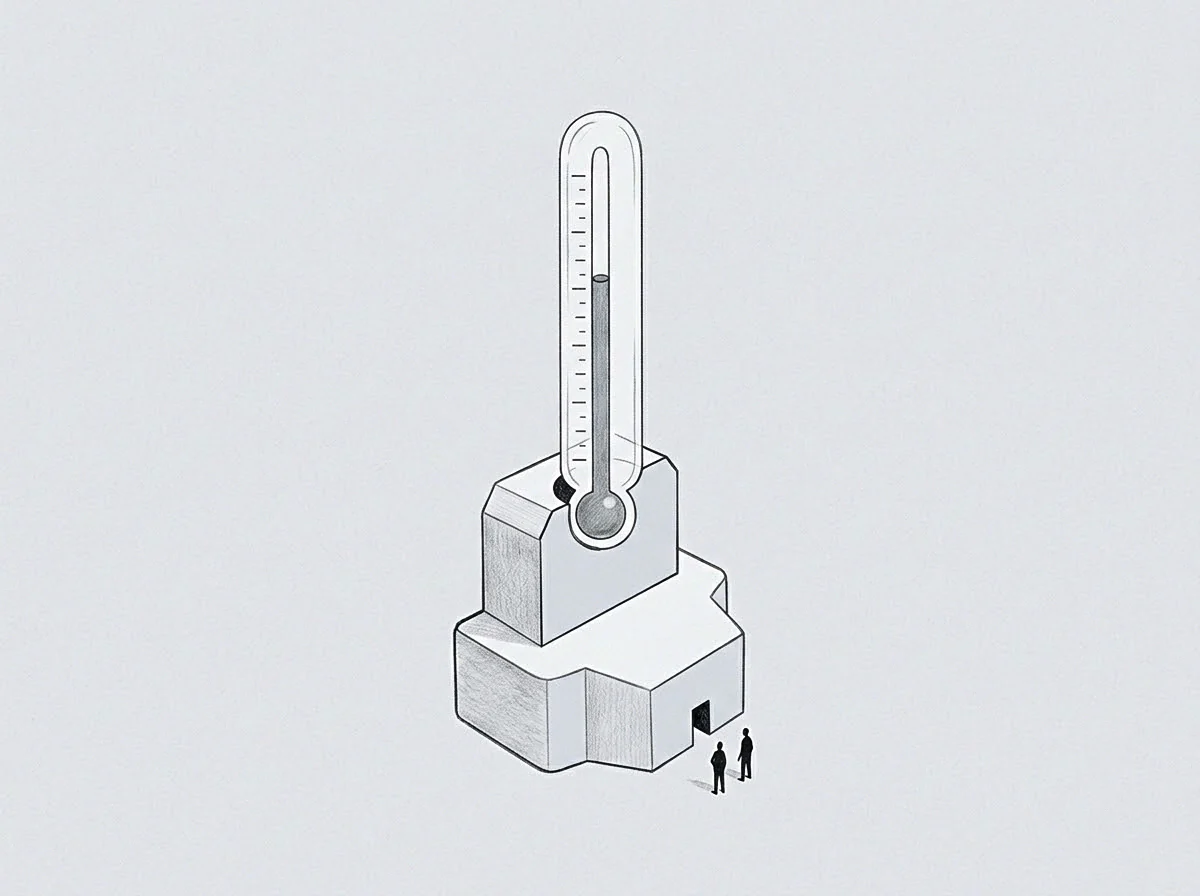
Cognitive throttling acts as a mechanical safety shutoff when autonomic reserves can no longer fund executive prefrontal suppression.
By week seven, Founder B’s total regulatory expenditure exceeds metabolic recovery. Because Founder B lacks a functional intake model for co-regulation, no distress signals are transmitted to Founder A or the executive team. Instead, Founder B enters acute cognitive throttling overnight.
Messages go unanswered for three days, critical operational sign-offs halt, and Founder B exhibits complete emotional detachment during board discussions.
Sequential Failure of Unilateral Baseline Support
The breakdown of an unmonitored baseline node follows a distinct temporal sequence within high-pressure organizations.
- The initial shock increases incoming threat signals across all organizational tiers simultaneously.
- The primary stabilizer absorbs incoming distress, masking the true operational cost from surrounding peers.
- Executive prefrontal reserves breach critical thresholds, forcing the stabilizer’s nervous system into protective throttling mode.
- Systemic disruption spreads as dependent workflows collapse around the suddenly unresponsive anchor node.
Founder A interprets Founder B’s sudden absence as structural failure, personal betrayal, or lack of commitment to the company. The relational contract fractures because neither party understood that Founder B was funding organizational stability through uncompensated personal allostatic load. Had explicit capacity limits and mutual co-regulation protocols been established before the crisis, the load could have been redistributed or externalized.
A stated limit on operational availability alters the load calculation across the entire organizational system before total system shutdown occurs.

Limit
Constructing a functional relational baseline after prolonged period under load requires building a second regulatory template. This process, known as developing earned security, replaces automatic solo self-regulation with calculated, conscious relational engagement. The transition does not rely on intellectual insight alone.
The individual must systematically introduce structured boundaries, clear availability signals, and explicit capacity statements into core working relationships.
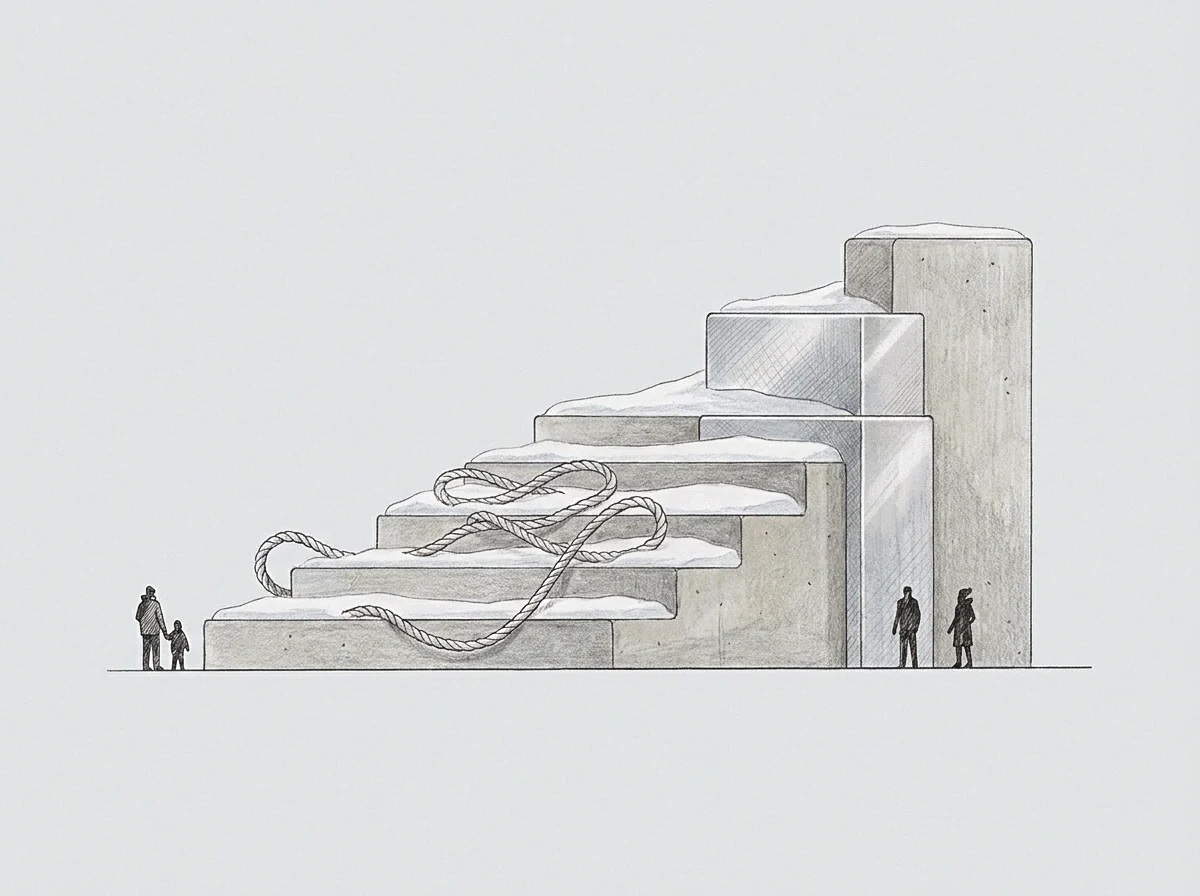
The first structural intervention is setting an explicit, unambiguous limit on relational availability. High-capacity stabilizers routinely allow open-ended access to their regulatory state out of habit or fear of relational rupture. A stated limit establishes a clear boundary between operational responsiveness and mandatory recovery windows.
When incoming demand meets a firm boundary, counterparties are forced to utilize their own internal regulation or distribute the load elsewhere across the team.
Constructing the Intake Receptor
Building a functional intake model requires deliberate, repeated practice in low-stakes operational settings. The stabilizer practices issuing low-level distress signals before capacity reaches zero, explicitly asking peers or partners to hold specific operational threads. Concurrently, the individual practices accepting incoming co-regulatory inputs, such as remaining in physical or vocal proximity with a reliable counterparty without attempting to direct, correct, or calm their state.
Over time, these deliberate experiences overwrite the old internal working model. The nervous system registers that revealing limits and receiving support does not lead to relational abandonment or operational collapse. The shift from forced independence to selective, mutual co-regulation lowers baseline physiological expenditure, restoring executive prefrontal bandwidth for strategic execution.
The delta over time between a high-performing system that breaks and one that endures under severe load is the presence of explicit, mutually maintained regulation limits.