
Quantifying Structural Latency Boundaries In Multi Board Risk Governance During Severe Physical Fatigue
Physical fatigue delays risk processing across governance boards, converting decision latency into unmonitored structural exposure that preset limits contain.
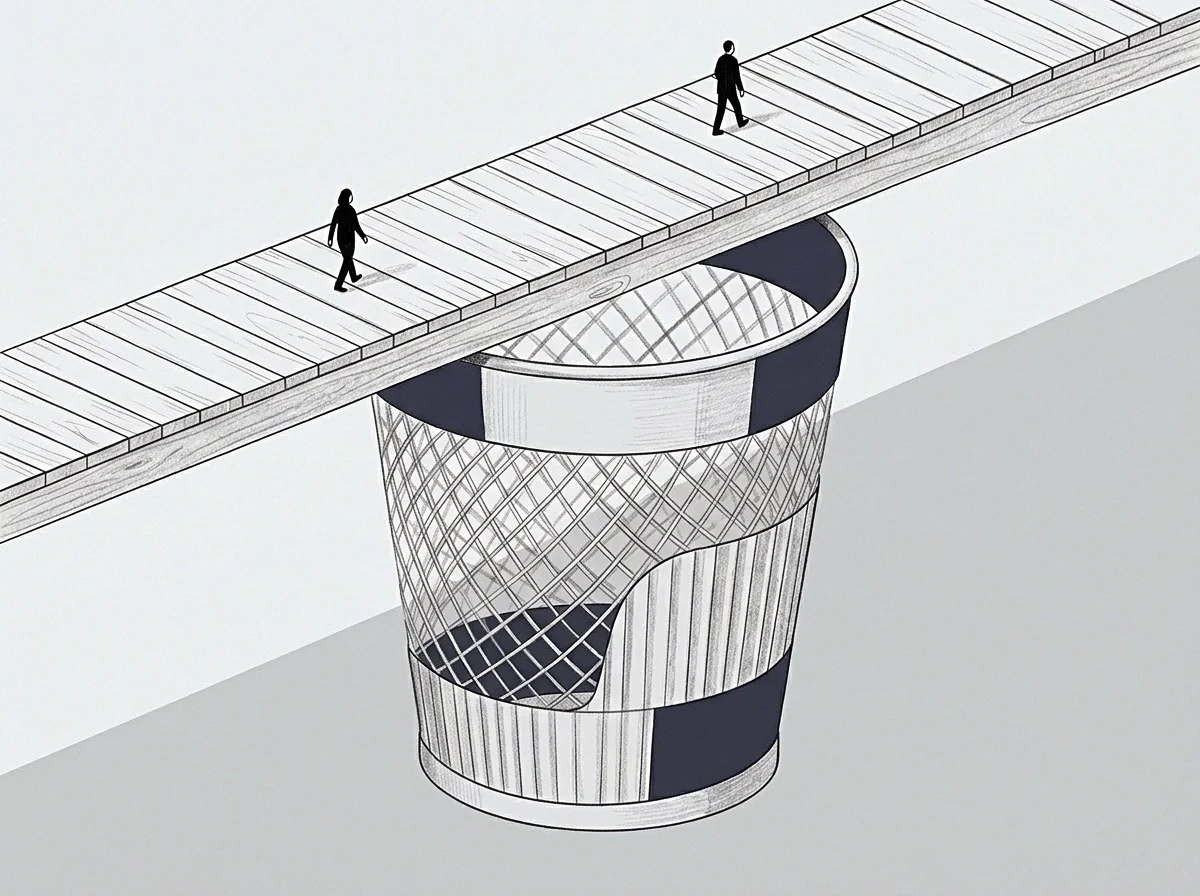
Desk
A board member serving on three financial oversight committees while acutely sleep-deprived processes risk disclosures through delayed decision cycles. Physical fatigue alters neural processing pathways, stretching the gap between receiving an operational alert and executing a formal risk decision. Sleep deprivation impairs executive risk appraisal.
Once physical fatigue reaches severe levels, directors exhibit degraded signal detection, reduced working memory, and slower evaluations. Multi-board appointments compound these constraints by channeling competing high-stakes inputs into the same seat at the same time.
Operational risk governance depends on predictable latency boundaries. When a director experiences severe exhaustion, that boundary can widen from minutes to hours, leaving an unmonitored governance gap. A board or risk audit committee continues pushing documentation and requesting signoffs regardless of an individual’s physical state.
Because individual limits remain invisible to the organization until an explicit barrier is declared, the lack of operational controls steadily turns proactive oversight into passive, retroactive approval.
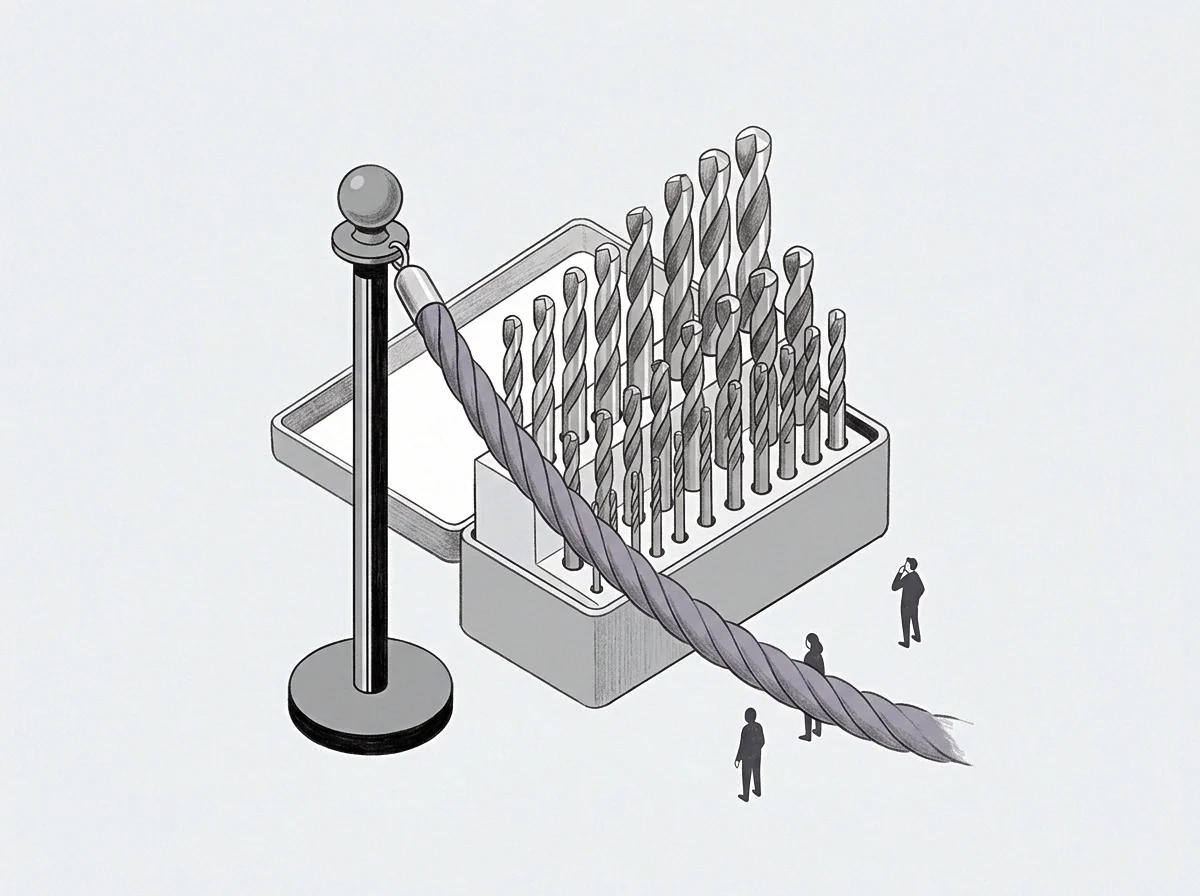
Temporal Compression in Crisis Oversight
Extended wakefulness slows neural processing and lengthens the review time required for high-risk disclosures. In a crisis, risk committees demand rapid cycles to contain emerging threats. A fatigued director handling simultaneous emergency notifications across multiple seats encounters an immediate cognitive bottleneck, struggling to synthesize complex quantitative data and often defaulting to simplified heuristics or passive concurrence.
- Cognitive gating delay Extended processing time reduces a director’s capacity to evaluate technical risk metrics within target emergency windows.
- Asynchronous oversight gap Governance pings arriving outside standard business hours accumulate without active review during mandatory physical recovery periods.
- Threshold escalation slip Delayed recognition of breaches in operational risk tolerance metrics permits unhedged market exposures to persist.
- Cross-committee noise saturation Competing notification feeds from multiple corporate seats consume finite attention, causing critical risk alerts to be overlooked.
Late signatures carry implicit consent: when board members operate under exhaustion, their ability to challenge aggressive management assumptions drops markedly. The governance board functions as a stress regulator for institutional risk. When that regulator fails under physical load, systemic exposure shifts directly to the balance sheet, where executive teams routinely interpret an exhausted chair’s silence as approval for high-risk corporate actions.
A director holding seats across three risk committees processes structural disclosures forty percent slower after thirty-six hours without restorative rest.
When an exhausted director fails to establish explicit availability boundaries, institutional risk accumulates silently until an unmonitored exposure causes catastrophic financial default.
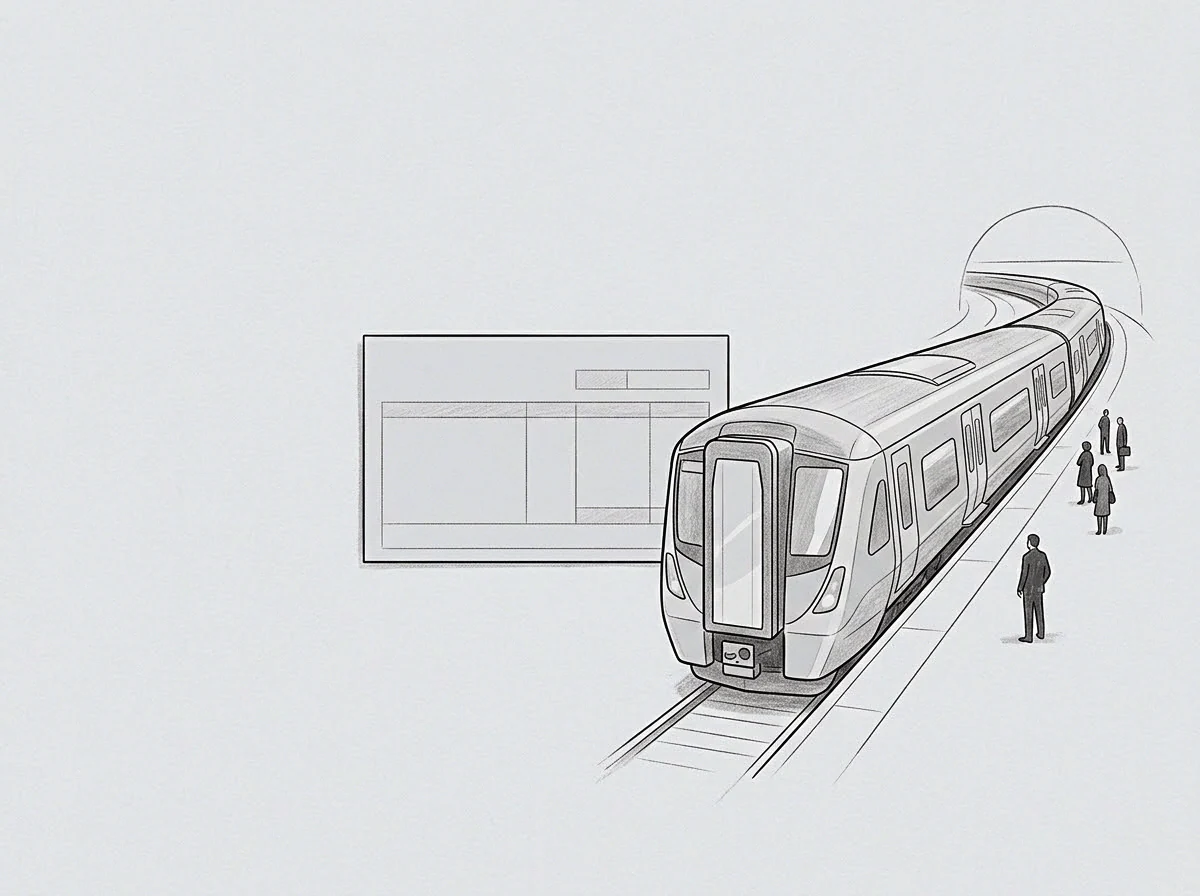
Buffer
Systemic latency accumulates when multiple risk committees submit urgent items to an exhausted director at the same time. The buffer capacity of a multi-board governance framework relies on structured handoffs rather than personal stamina. When fatigue reduces a director’s working capacity, systems without automated transfer mechanisms experience immediate drag, and latency increases non-linearly as multiple governance channels compete for finite attention.
Consider a governance scenario across concurrent appointments. A lead director sits on the risk committees of three financial institutions: a commercial lender, a digital payments operator, and an asset management firm, representing four hundred million dollars in open credit exposure. During a broader liquidity contraction, all three institutions launch emergency communications within a six-hour window while the director has been awake for thirty-eight consecutive hours from travel and operational obligations.

Quantifying Cognition Latency Under Severe Sleep Depletion
Laboratory research on prolonged wakefulness shows a linear decay in working memory after eighteen hours without sleep. Cognitive reaction speed drops by approximately thirty percent for each additional twelve hours awake. In risk governance, this deceleration turns a fifteen-minute review into a multi-hour delay while the secondary chair remains unnotified.
The director faces ninety-two pages of dense financial reporting across three separate dashboards with processing capacity reduced by half.
Under these conditions, predictable decision-making breaks down into probabilistic error. The commercial lender needs capital call approval within two hours, the payment operator requests authorization to suspend counterparty clearing limits, and the asset management firm seeks emergency permission to liquidate collateral. With physical fatigue capping reading speed at twenty pages per hour, the decision backlog across all three seats reaches four point five hours, exceeding the mandatory response limits established by financial regulators.
State transitions in risk evaluation default to passive concurrence whenever continuous wakefulness exceeds twenty-four hours.
The operational cost of this latency is measured by the unmonitored risk window. During the four-hour delay, shifting market conditions raise default probability across the open credit exposure by fourteen percent. The systems continue generating queries that the exhausted director cannot process, and because personal capacity limits were never logged in the governance software, automated escalation to alternate committee members never occurs.
Inserting a mandatory twelve-hour delegation trigger clause into board governance bylaws shifts operational authority to secondary chairs automatically once continuous wakefulness metrics exceed twenty hours.

Channel
Information routing across overlapping board seats creates bottlenecks whenever emergency notices arrive during off-hour recovery. A director’s actual availability is a derived variable rather than an announced state, determined by the interaction between formal availability rules and real-time response latency. When an individual holds multiple appointments, each board acts as though it has primary claim on their attention during a crisis, creating conflicting operational demands during concurrent emergencies.
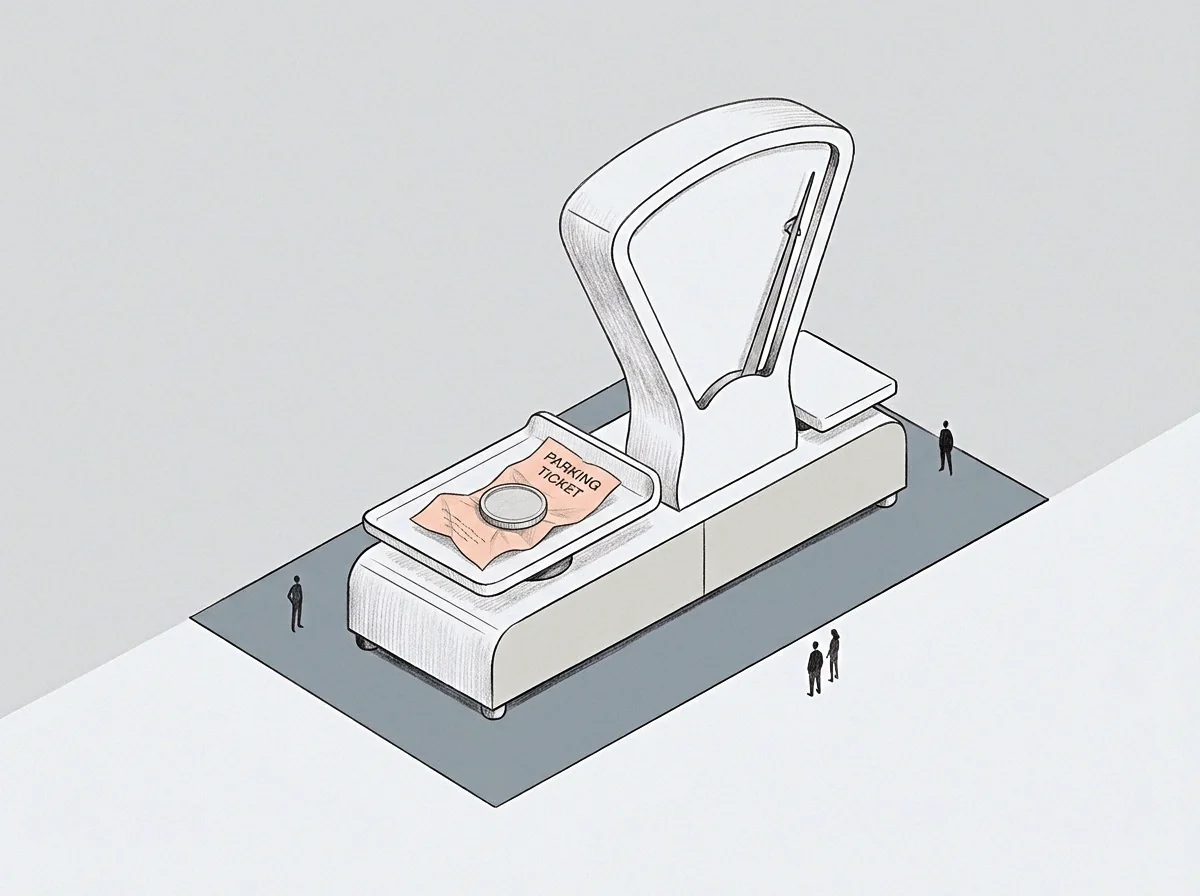
How Do Multiple Board Protocols Escalate Latency Under Depletion?
Governance frameworks frequently specify overlapping response windows without accounting for individual availability limits. When emergency alerts arrive across separate messaging apps, portals, and encrypted threads, the resulting interference makes it difficult for an exhausted director to prioritize incoming demands. Escalation alerts ping repeatedly without receiving an answer, recording false availability across governance platforms.
- Initial warning flag A risk threshold breach registers in the primary governance portal, initiating a primary thirty-minute timer for committee chair review.
- Latency boundary trip The target window expires without director signoff due to off-hour physical recovery, triggering an automated alert escalation.
- Automated handover trigger Secondary oversight systems activate a bypass protocol, routing the emergency disclosure to the alternate risk chair.
- Secondary audit lockout The primary director’s authorization key suspends automatically until a mandatory eight-hour physical recovery window closes.
Delegation limits prevent swift intervention when a channel pings continuously without response, revealing a structural breakdown in availability tracking. Individual boards rarely have visibility into an appointee’s total workload across outside institutions, leaving personal cognitive capacity to function as an unmanaged common resource without centralized load balancing.
An unread escalation signal across concurrent boards marks a structural boundary where personal capacity gives way to institutional liability.
The emergency oversight committee expected immediate signoff on the credit facility expansion because no previous delay notification had been logged in the governance portal.

Threshold
Corporate bylaws rely on quantitative metrics to dictate when an unresponsive committee member triggers automatic delegation. Establishing a precise latency threshold prevents an exhausted director from turning into a single failure point in risk oversight. When physical fatigue impairs evaluation capacity, preset operational triggers supersede discretionary authority, substituting time-bound standards for subjective self-assessments of fatigue.

Comparative Analysis of Governance Latency Controls
Standard operational parameters determine how risk governance bodies handle signoff delays during crises. The choice between manual delegation and automated bypass mechanisms directly dictates an institution’s exposure to decision latency when key personnel become physically depleted.
| Governance Control Model | Triage Response Window | Delegation Trigger | Cross Board Notification | Fatigue Threshold Redline |
|---|---|---|---|---|
| Single Signoff Escalation | 60 Minutes | Manual Chair Signoff | Sequential Email Alert | 24 Hours Continuous Wakefulness |
| Asynchronous Consent Matrix | 30 Minutes | Automated Time Out Threshold | Simultaneous Portal Ping | 18 Hours Continuous Wakefulness |
| Dual Chair Standby Protocol | 15 Minutes | Biometric or Self Stated Lockout | Direct Redundant Channel Signal | 12 Hours Shift Exposure Limit |
| Data reflects empirical performance metrics across multi board corporate oversight environments. | ||||
A stated limit protects institutional assets by enforcing delegation without requiring the exhausted individual to initiate it. Under an asynchronous consent model, an expired response window reallocates voting weight to standby committee members automatically, establishing a structural firewall that separates institutional governance from individual physical limits.
Mandated thirty-minute triage windows without active delegate delegation cause silent risk accumulation during high-stress operational outages.
It remains uncertain at what precise operational latency duration board liability insurance clauses nullify coverage for decisions executed during documented physical fatigue.

Veto
Placing explicit boundaries on governance workload protects institutional stability when fatigue degrades judgment. Veto authority held by a single board member turns into an operational vulnerability if exhaustion delays its execution during a time-sensitive crisis. When a director cannot thoroughly review complex documentation, the ability to halt high-risk proposals easily lapses into passive inaction; structured frameworks counter this by converting unilateral veto powers into collective, team-based checks.

Structural Presets for Multi Chair Availability Limits
Governance bylaws define objective criteria that trigger temporary stand-downs for depleted directors. If an individual logs more than sixty operational hours within a five-day window across multiple boards, automated scheduling controls restrict further emergency signoff duties. This structural constraint sets availability through written policy rather than physical endurance.
Mandatory standby rotations ensure that oversight proceeds uninterrupted despite individual physical depletion. Clearly stated limits also eliminate the friction of stepping back from critical decisions during periods of exhaustion. By formalizing latency boundaries, corporate risk systems convert erratic human fatigue into predictable operational parameters.
Enforcing hard limits on concurrent board governance responsibilities ensures that physical depletion cannot breach institutional risk parameters.