
Structural Reconstruction of Interpersonal Receptor Capacity in Post Founding Operational Life
Extended operational leadership inverts the regulator template, causing external coregulation offers to register as cognitive load rather than physiological relief.

Seat
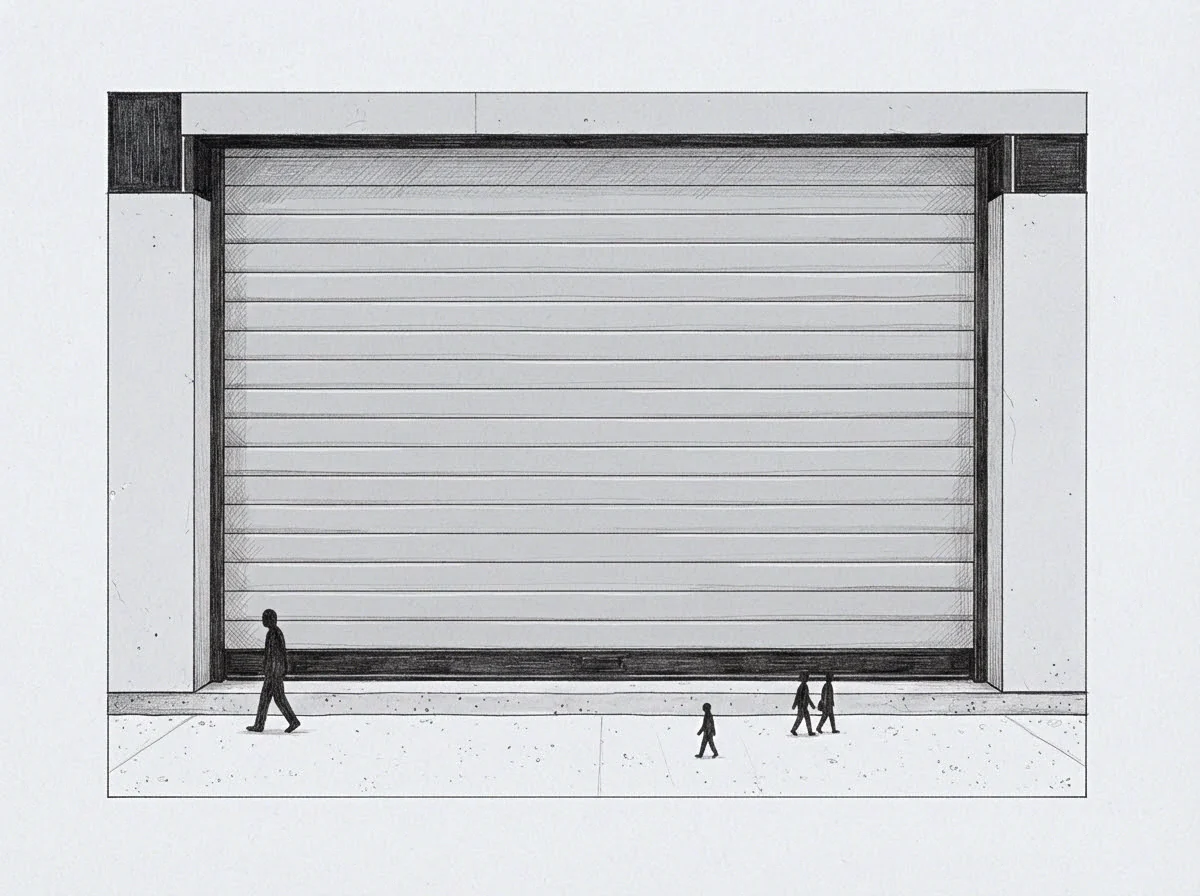
Four unread messages from executive leads sit on a desk beside an open phone screen at seven in the evening. Each message carries a distinct operational problem requiring immediate decision authority. Across the table, a partner offers a quiet inquiry about the day, intending to provide personal connection.
Instead of offering relief, the inquiry registers as a fifth operational input requiring processing capacity. The individual’s central nervous system evaluates every incoming signal through a unified queue, treating relational outreach and organizational threat as equivalent drains on cognitive attention.
Years spent bearing primary structural responsibility alter how the brain constructs interpersonal expectations. When an operator spends extended periods dampening organizational volatility, the internal architecture reorganizes around self-reliance. This shift alters the receptor slot, which is the internal neurobiological capacity to receive external emotional regulation.
In healthy baseline states, proximity to a calm, reliable other reduces metabolic expenditure. In post-founding operational life, that receptor slot often closes or inverts completely.
The Inverted Regulator Template
Leadership during company creation demands continuous emotional dampening for an organization. Teams attach to a stable leader’s state rather than to abstract operational plans. When anxiety surges across an enterprise, the founder absorbs the excess systemic strain, serving as the primary baseline for colleagues, investors, and vendors.
Over time, this dynamic establishes an inverted regulator template, wherein the individual internalizes a model of themselves as the sole provider of stability with no operational expectation of receiving it in return.
Four unread messages from executive leads sit beside a partner asking how the evening went, and both inputs register as incoming operational noise.
Regulating others and regulating oneself become merged into a single habitual operation on this inverted template. The brain adapts to a unilateral flow of regulation. When someone else offers presence or stabilization, the internal model lacks the structural receptor to integrate the input.
The individual cannot process borrowed calm because their regulatory architecture has evolved exclusively to export it.
Operational Headroom and the Zero Receptor State
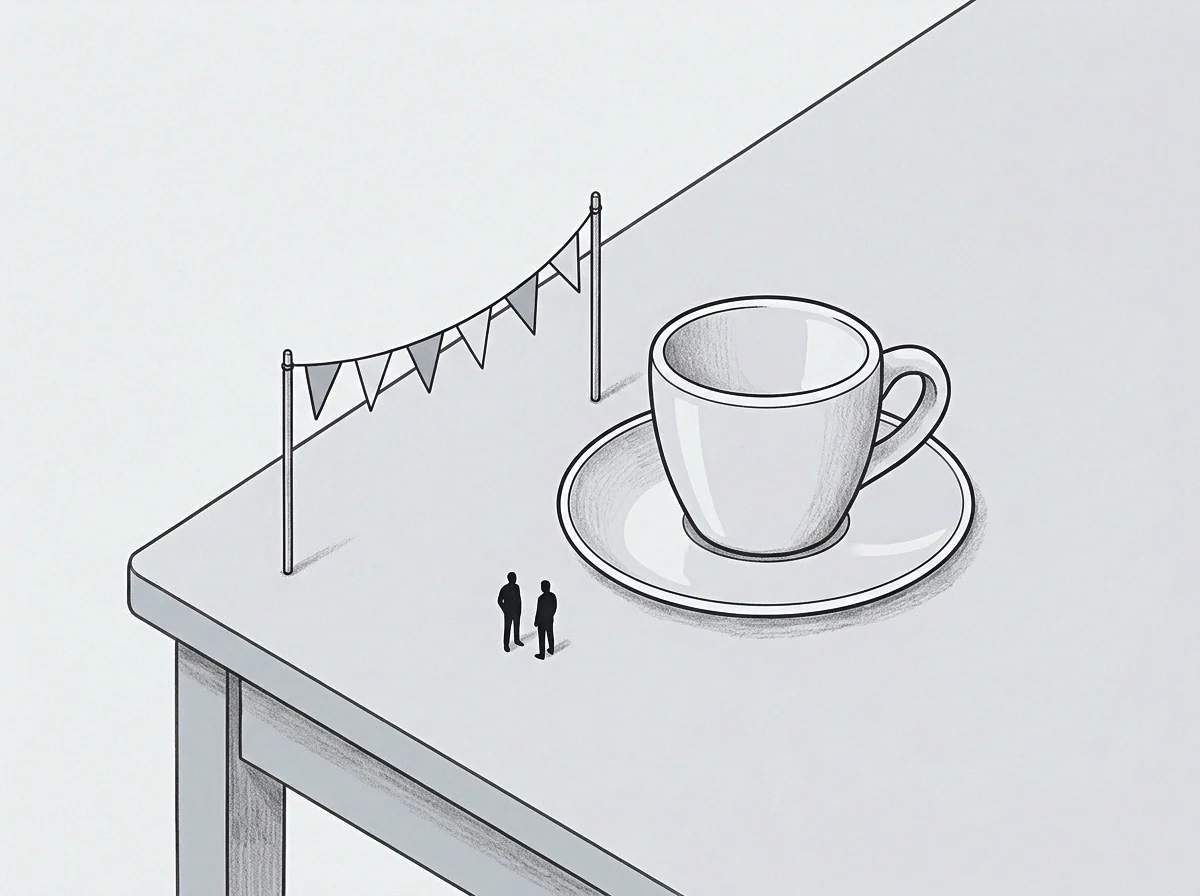
Sustained high-pressure environments force the central nervous system to adapt. The human brain continuously calculates allostatic load, which represents the cumulative physiological wear and tear resulting from chronic stress exposure. To survive years of continuous high-load operations, the brain throttles non-essential sensory processing, dropping capacity below baseline.
This zero receptor state is an adaptive defense. By closing the receptor slot for interpersonal coregulation, the operator protects themselves from unexpected relational demands. Receiving regulation requires perceptual openness, which feels dangerous when operational threats are ongoing.
The system absorbs the delta. Consequently, the founder maintains complete internal control at the expense of isolating their nervous system from external stabilization.
The partner observes that no matter how quietly they enter the room, their presence gets handled like a late-arriving agenda item.
Circuit
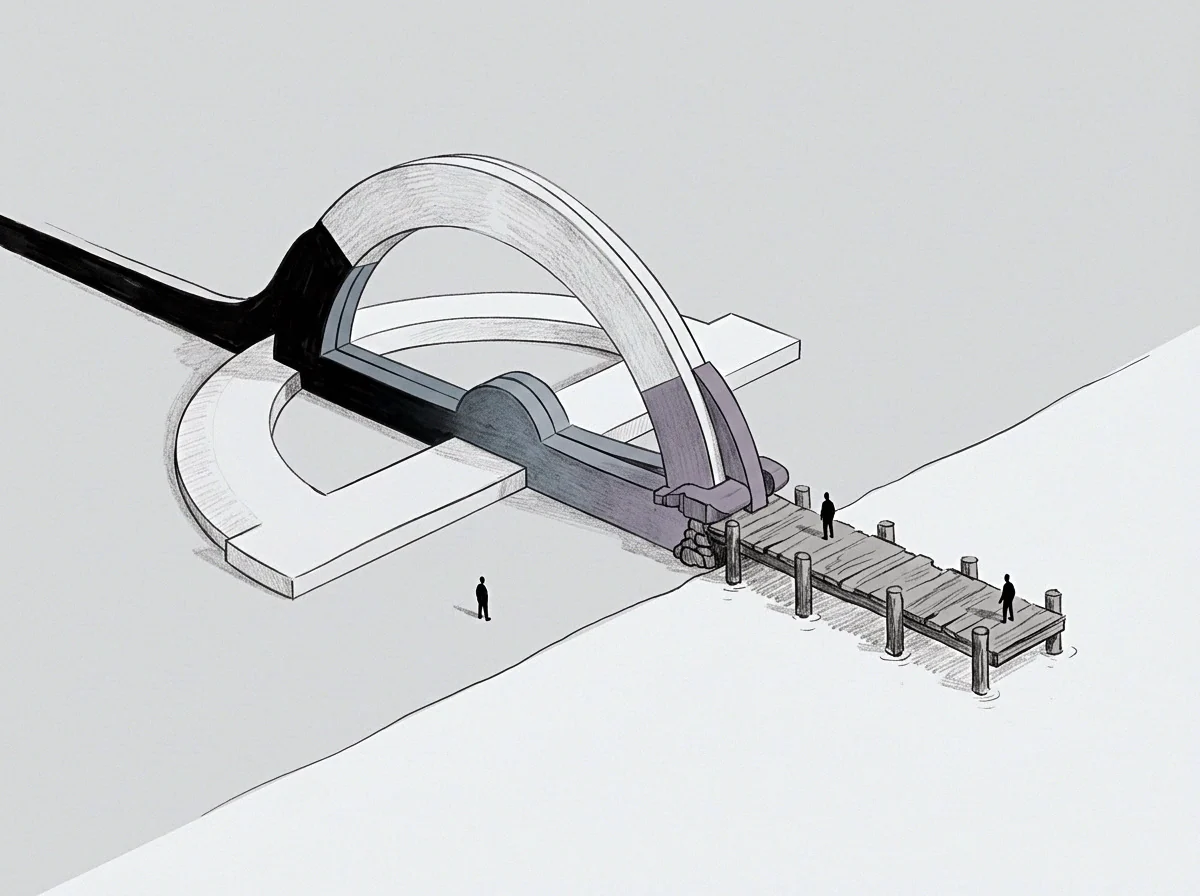
Human nervous systems budget energy based on the presence of predictable companions. Social baseline theory establishes that the human brain defaults to assuming shared effort and shared risk when co-located with trusted others. In this baseline state, proximity to a reliable companion lowers the neural baseline cost of environmental monitoring and threat response.
Solitary regulation is the expensive mode. The brain expends significantly more glucose and metabolic resources when it perceives itself as isolated under threat.
During early-stage company building, founders operate in continuous solitary regulation mode even while surrounded by teams. Because employees and stakeholders rely on the founder for dampening, proximity to these individuals does not lower metabolic expenditure. It increases it.
The operator’s brain classifies team members as populations requiring regulation rather than partners sharing the baseline burden.
Solitary self-regulation consumes measurable glucose reserves whenever an environment presents ongoing baseline uncertainty.
Social Baseline Economy Under High Allostatic Load
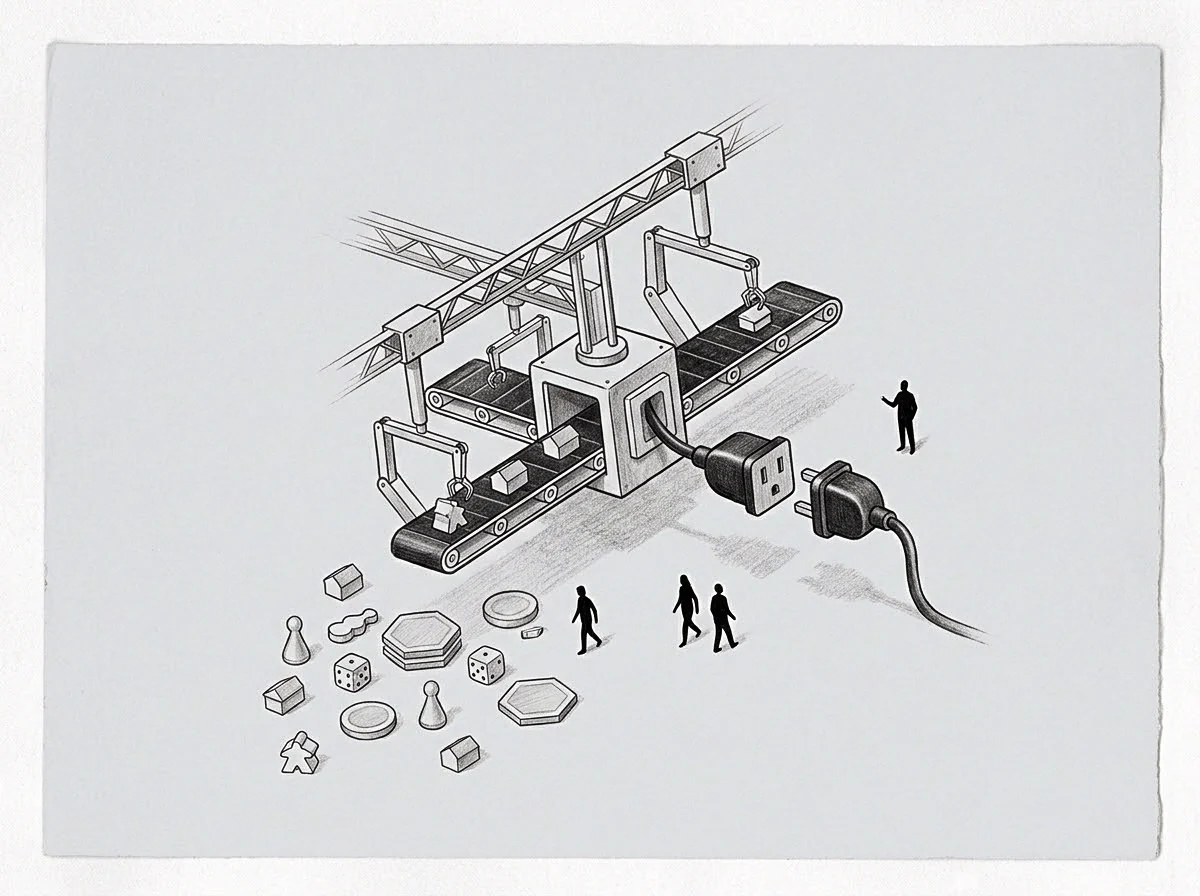
Maintaining internal stability without external coregulation costs substantial glucose. The continuous activation of the hypothalamic-pituitary-adrenal axis elevates baseline cortisol levels, suppressing long-term restorative physiological functions. Over several years, this unremitting metabolic cost leads to systematic neurobiological exhaustion.
The operational environment reinforces this metabolic strain through predictable structural patterns:
- Attaching to state occurs when team members rely on the founder to dampen their own acute anxiety during structural stress.
- Receptor slot atrophy leaves the operator unable to process calm offered by an external partner.
- Allostatic load throttling forces the central nervous system to reduce sensory uptake to protect cognitive baseline.
- Internal working model inversion trains the individual to equate safety with absolute personal control.
Strength under stress attracts more load. When an operator proves capable of dampening massive organizational volatility, the surrounding ecosystem naturally routes more operational threat toward their desk. The organization treats the founder’s stability as an infinite resource, accelerating the depletion of their internal reserves.
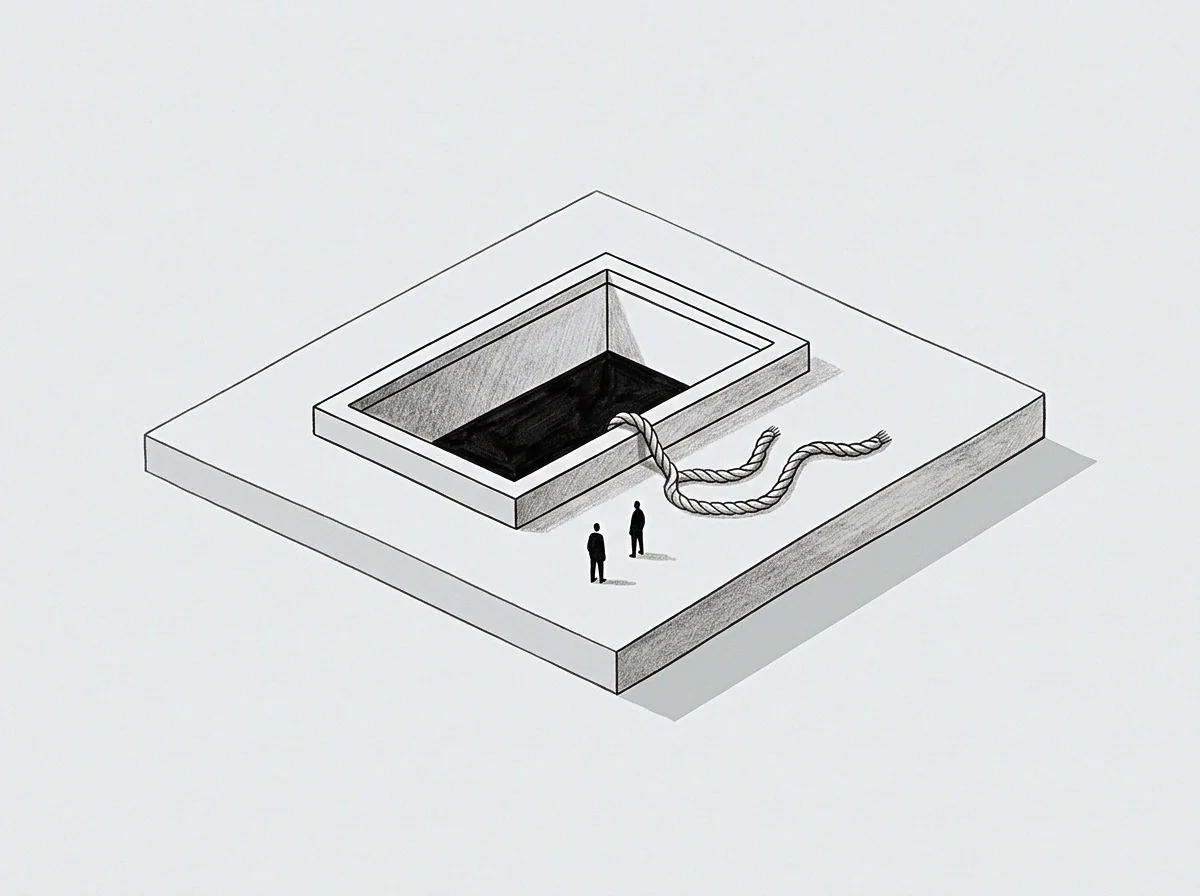
Metabolic Costs of Continuous Solitary Regulation
Prolonged individual threat processing alters neuroendocrine balance. When an individual lacks functional access to coregulation, their central nervous system remains locked in a state of elevated vigilance. In this hyper-vigilant posture, sensory inputs that would normally signal safety, such as a quiet home, a partner’s touch, or unstructured time, trigger defensive monitoring instead of physiological rest.
Self-regulation drains metabolic reserves. Without access to borrowed regulation, where one individual temporarily anchors their nervous system to another’s genuine physiological calm, the founder experiences cumulative metabolic debt. This debt cannot be resolved through passive rest or time off alone.
Rest without coregulation leaves the underlying inverted template intact, ensuring that any return to operational life immediately reinstates the solitary regulation tax.
Continuous reliance on unassisted internal dampening leads directly to peripheral somatic breakdown and systemic cognitive withdrawal.

Anomaly
When an individual spends years functioning as the sole emotional anchor, incoming care feels disruptive. Offers of support from partners, friends, or advisors violate the founder’s internal predictive model. The brain expects to regulate others; receiving regulation requires a complete reversal of baseline expectations.
Consequently, genuine relational warmth is misclassified as an anomaly requiring analytical evaluation.
When a partner offers comfort, the gesture lands as weight, and the operator’s central nervous system searches for the hidden operational cost. The individual asks themselves, consciously or unconsciously, what performance or disclosure will be required in exchange for this care. Because historical experience taught them that proximity equals management, passive reception of care feels structurally impossible.
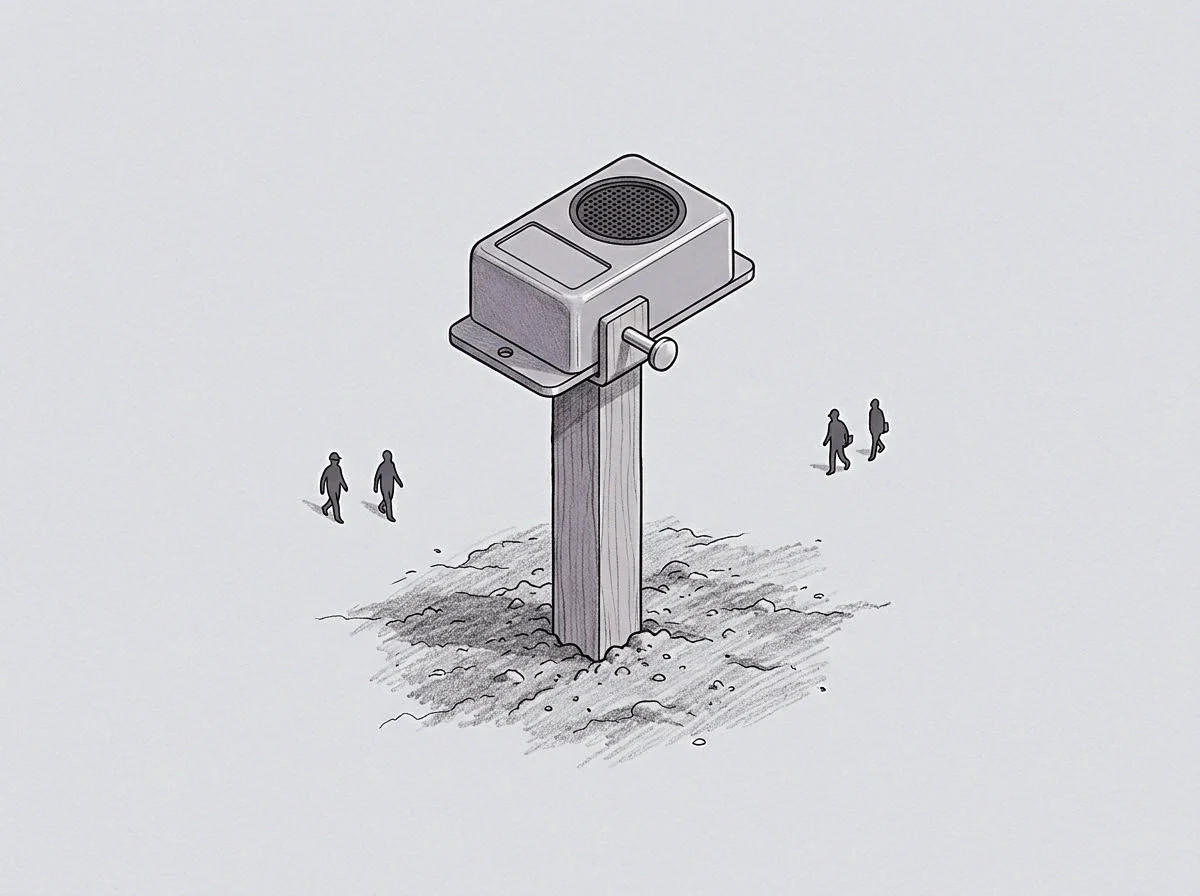
Incoming Presence Read as Operational Threat
Perceptual pathways conditioned by chronic management misinterpret genuine offers of support. The brain categorizes incoming attention as an implicit request for attention. When a partner asks how they can help, the operator experiences the question as an administrative burden, demanding that they articulate, delegate, or manage their own recovery process.
An unstated limit transfers allostatic debt to the person holding the steady state.
This dynamic creates severe interpersonal friction in post-founding life. Partners often interpret the founder’s withdrawal or irritation as emotional rejection. The partner does not realize that their presence is triggering defensive cognitive routines designed to protect a depleted operational budget.
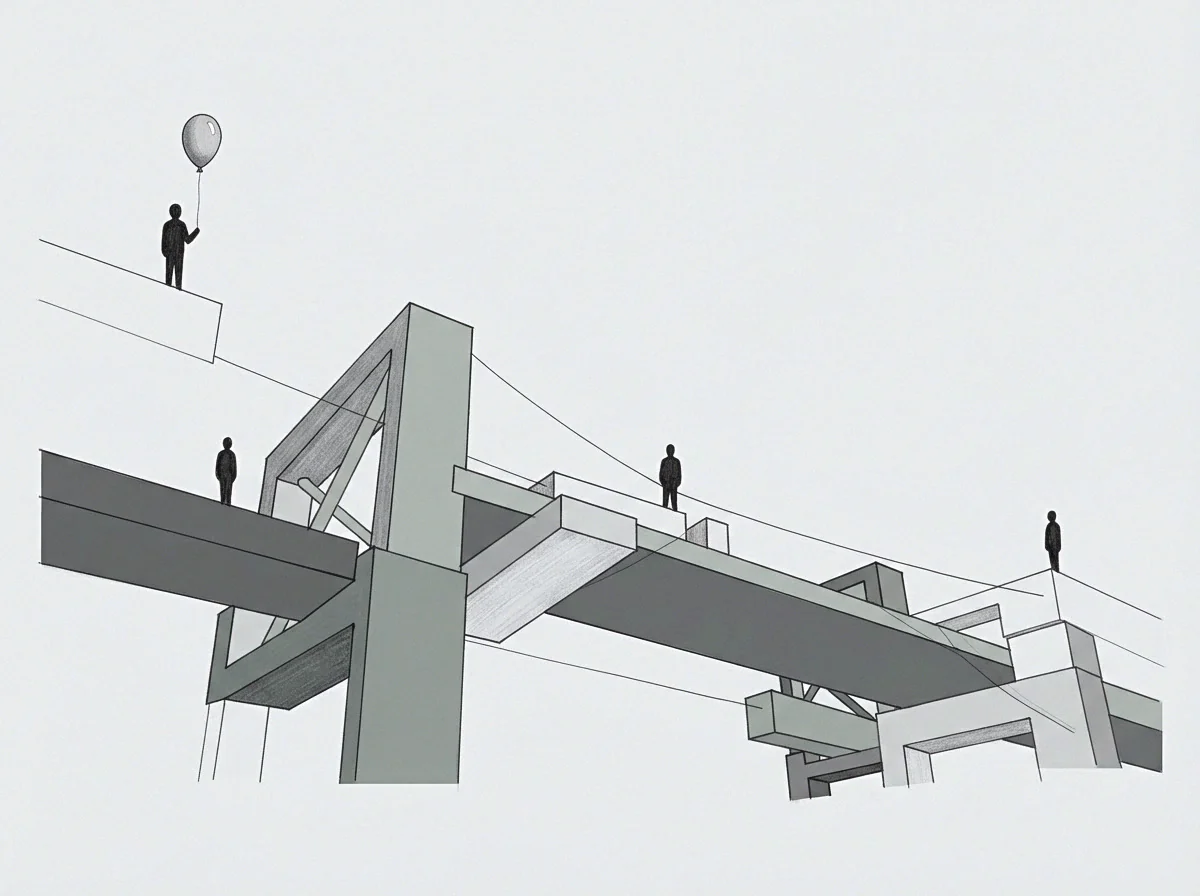
Is Coregulation Possible Without Disclosing Stated Load?
Clear boundaries create the structural room necessary for physiological stabilization. Many operators attempt to restore interpersonal relationships without disclosing their actual internal exhaustion or stating clear limits on their availability. They attempt to perform availability while maintaining their defensive inverted template, leading to rapid burnout and defensive outbursts.
A stated limit provides the structural baseline necessary for true coregulation to occur. When an operator clearly communicates their availability threshold, they reduce the internal cognitive work of real-time boundary enforcement. This reduction in baseline vigilance permits the central nervous system to drop its defensive posture and test the safety of external presence.
A stated limit on availability converts incoming relational proximity from an active obligation into passive physiological coregulation.
Scale
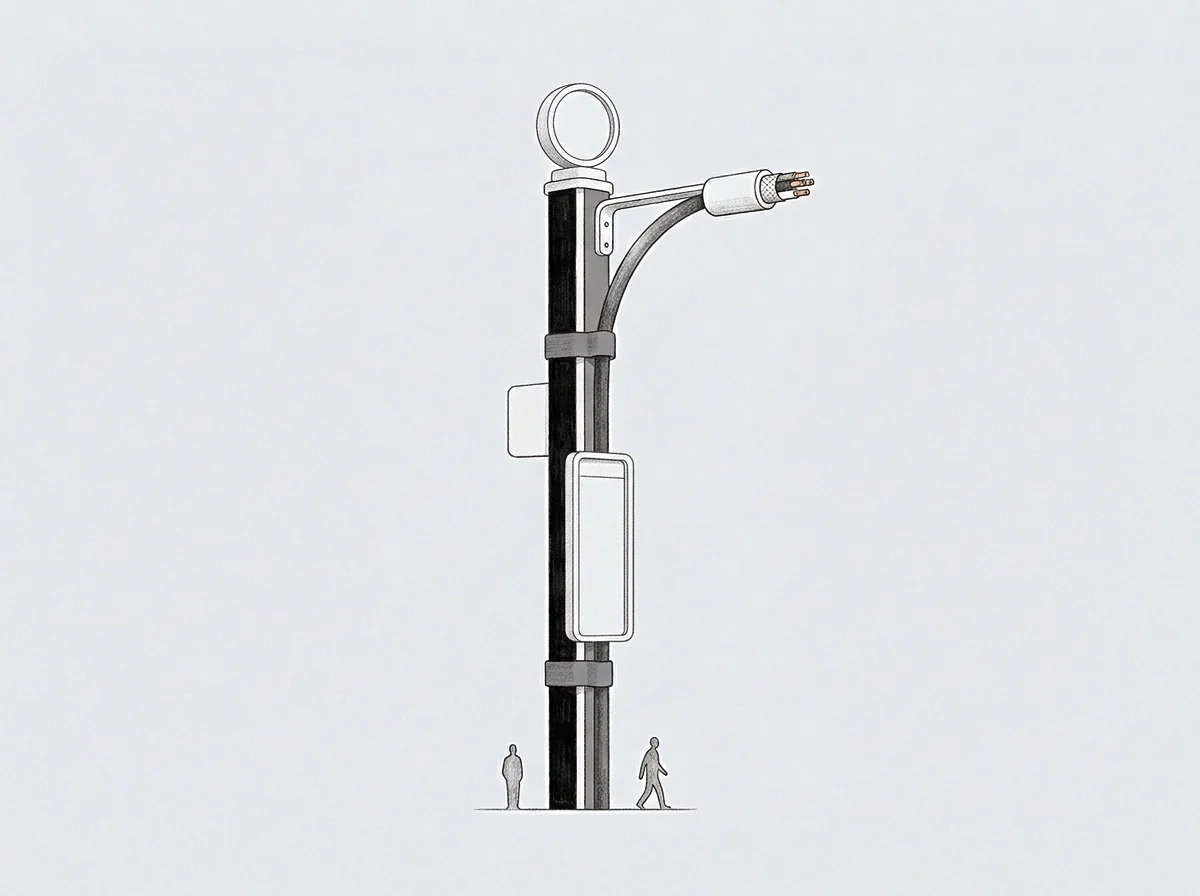
Transitioning out of active founding roles exposes deep interpersonal friction. When operational demands decrease after an exit, secondary buyout, or delegation shift, founders expect immediate personal relief. However, removing the operational stressor does not automatically repair the damaged interpersonal receptor slot.
The underlying neurological template persists long after the corporate seat is vacated.
Structural Differences in Post Founding Co-Regulation
Comparing baseline relational dynamics reveals fundamental shifts in internal resource allocation. The transition from founding operational life to post-founding recovery involves moving from high-cost solitary dampening to low-cost coregulation.
| Dimension | Solitary Regulation Mode | Reconstructed Receptor Mode |
|---|---|---|
| Metabolic Cost | High metabolic expenditure during sustained organizational threat | Lowered expenditure through shared social baseline regulation |
| Relational Framing | Incoming presence evaluated as administrative overhead or demand | Incoming presence recognized as borrowed stabilization |
| Internal Model | Self functions as sole regulator for internal and external states | Dual capacity to regulate self and receive external coregulation |
| Operational Yield | Short-term survival paired with long-term allostatic exhaustion | Sustainable operational capacity with restored interpersonal receptivity |
Rebuilding receptor capacity requires shifting away from sole self-reliance toward shared social baselines; without this structural shift, the operator remains vulnerable to chronic post-operational fatigue.
Differentiating Relational Need From Relational Choice
Distinguishing between survival-driven attachment and deliberate connection requires time. In high-load operational phases, individuals attach to partners out of acute desperation for an anchor, or they distance themselves entirely to protect their remaining operational bandwidth. Neither state reflects relational choice.
Both represent defensive adaptations to extreme metabolic strain.
As the central nervous system slowly recovers its baseline headroom, the operator begins to differentiate between needing a partner for survival dampening and choosing a partner for mutual engagement. The underlying template resists rapid updates, and only when physiological threat recedes can true relational choice emerge.
Relational choice becomes visible only when the impulse to stabilize every person in proximity has ceased to function as a survival requirement.
Ledge
Rebuilding the capacity to receive presence involves systematic experiential updates. Insight alone is insufficient; knowing that one possesses an inverted regulator template does not alter the underlying neurobiology of threat detection. The central nervous system updates its predictive models exclusively through repeated, safe physical and relational experiences over extended timeframes.
Earned security represents the process by which an adult with an insecure or inverted internal working model develops stable, flexible relational capacity. This development occurs through repeated exposure to a responsive other whose calm presence requires no operational management, defense, or performance from the operator.
Rebuilding receptor capacity depends on experiencing proximity without converting the other person into an operational assignment.
Repeated Experiential Micro-Adjustments Over Time
Cognitive understanding alone cannot alter established physiological defense mechanisms. The brain requires concrete physical evidence that proximity to another person is metabolically cheap. This evidence is accumulated through small, unmanaged interactions where no decision, performance, or emotional dampening is requested.
Systematic reconstruction follows a defined operational sequence:
- Stated limit declaration establishes clear boundaries around non-negotiable personal recovery windows.
- Low-demand proximity exposure anchors the nervous system to safe external presence without active engagement.
- Earned security integration replaces historical survival patterns with reliable relational coregulation over time.
The limit remains unstated until intentionally declared. By establishing clear structural parameters around time and availability, the operator removes the continuous burden of real-time threat monitoring.

Establishing Functional Receptor Capacity
Long-term restoration depends on quiet proximity that demands no performance. The internal model holds firm until counter-evidence accumulates across hundreds of low-stakes interactions. Sitting in the same room with a trusted companion while engaging in completely separate, unmanaged activities provides the exact neural inputs required to repair the receptor slot.
Gradual exposure to calm presence without tasks builds the missing neural receptor over months of repeated non-demanding contact. The internal model updates as the nervous system experiences safety without active management, leaving the operator capable of holding their own ground while benefiting from the presence of others.