
Rebuilding Safe Relational Receptors Across Power Asymmetry
Rebuilding relational receptors across power asymmetry requires external peers who share structural parity without holding financial or operational leverage.
Rebuilding relational receptors across power asymmetry requires external peers who share structural parity without holding financial or operational leverage.
Prolonged solitary responsibility forces the brain to budget regulation without social damping, locking neural circuits into autonomous threat appraisal.
Autonomic depletion during home transitions occurs when external operational demands suddenly vanish, exposing unmasked sympathetic exhaustion before parasympathetic deceleration can engage.
Solitary remote operations force prefrontal cognitive suppression to replace physical co-regulation, driving autonomic throttling and progressive exhaustion.

Reciprocal regulation in high limit systems requires developing neural receptor capacity to ingest external calm rather than using boundaries for isolated throttling.
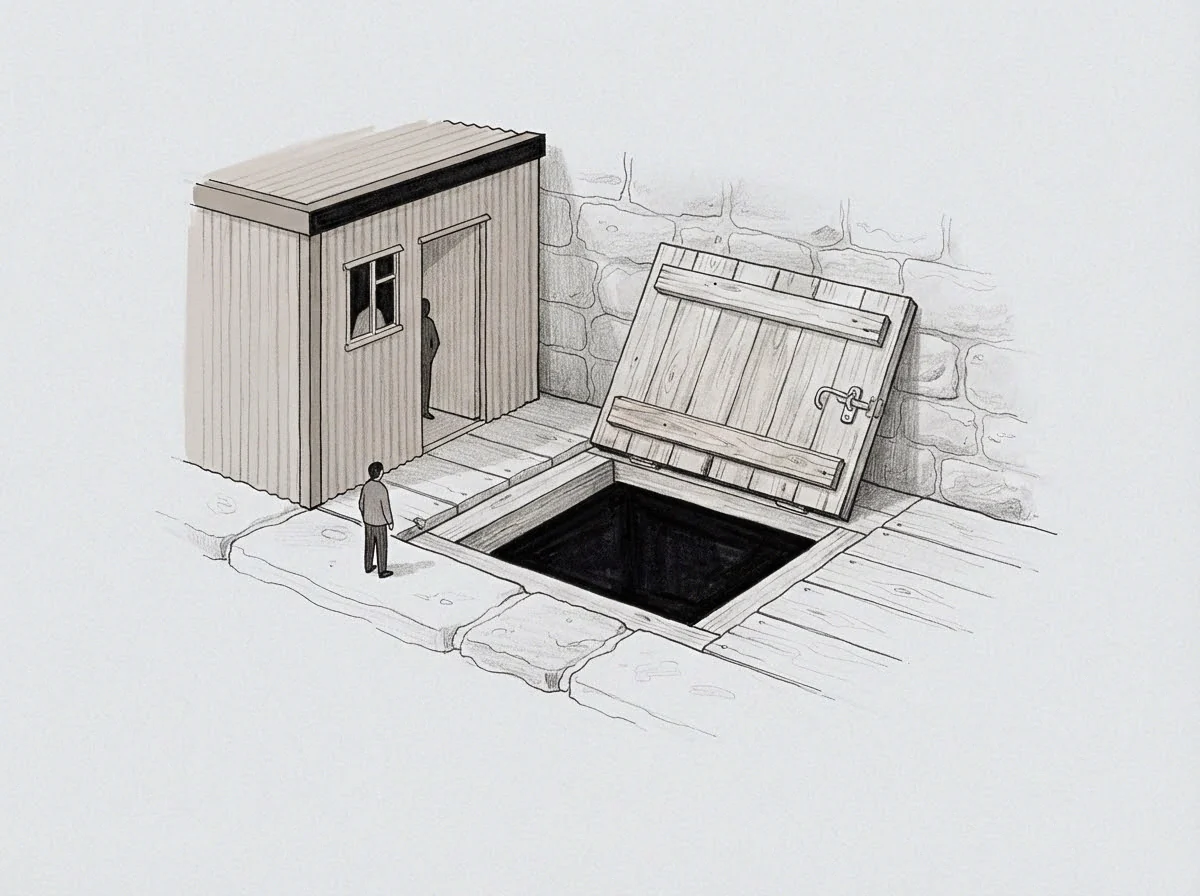
Executive stress physiology shifts toward chronic depletion when solo threat appraisal continuously exceeds the biological capacity for self-regulation.
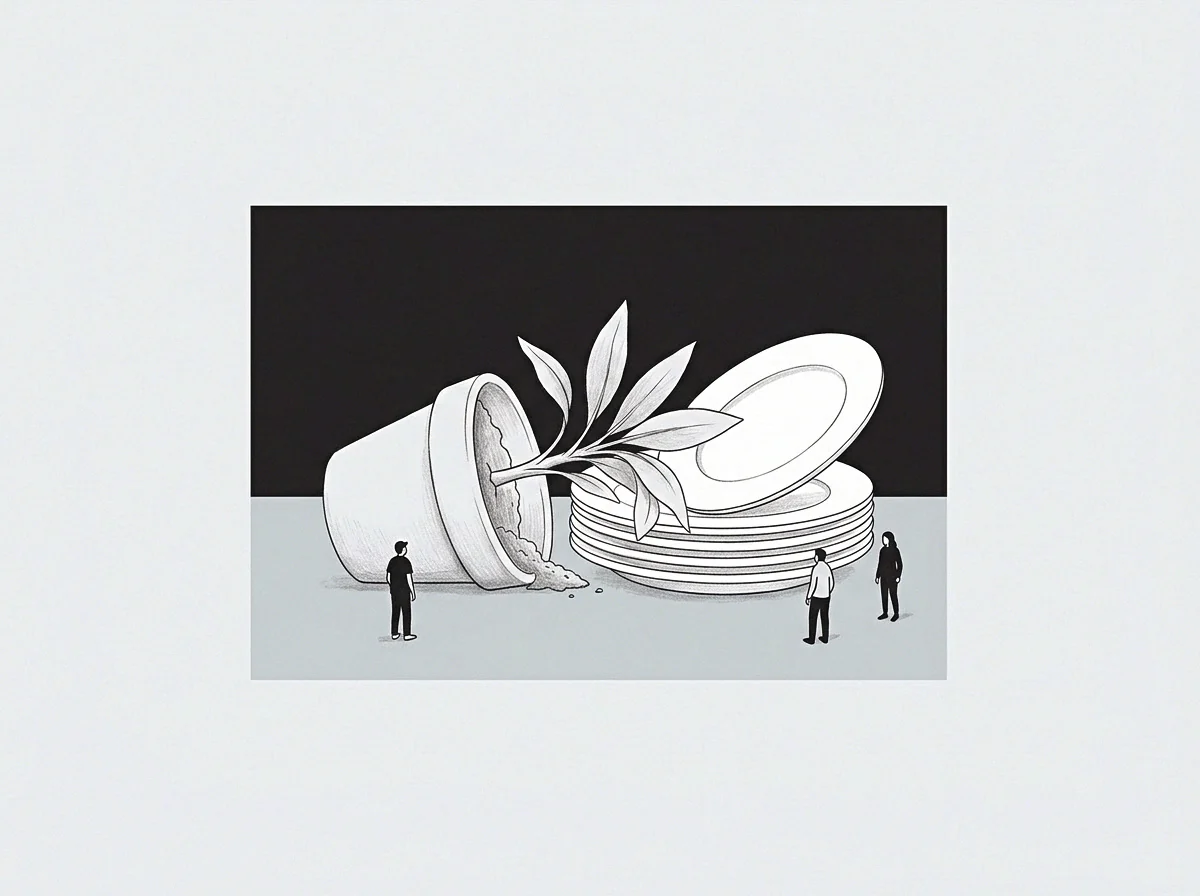
Asynchronous governance gates fail when open review loops exceed executive working memory capacity, forcing biological throttling and organizational delay.
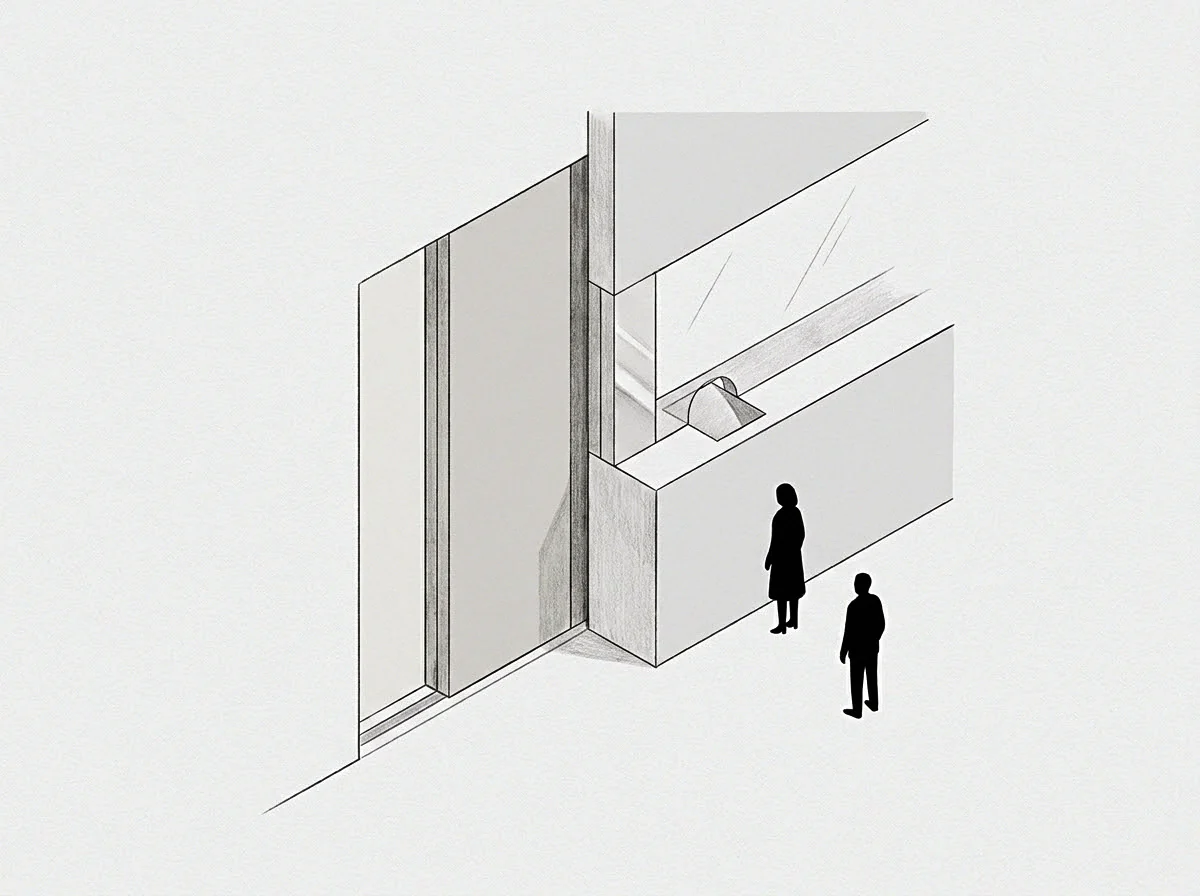
Unbuffered group regulation forces a central leader to metabolize collective team anxiety, causing autonomic exhaustion without structural dampers.
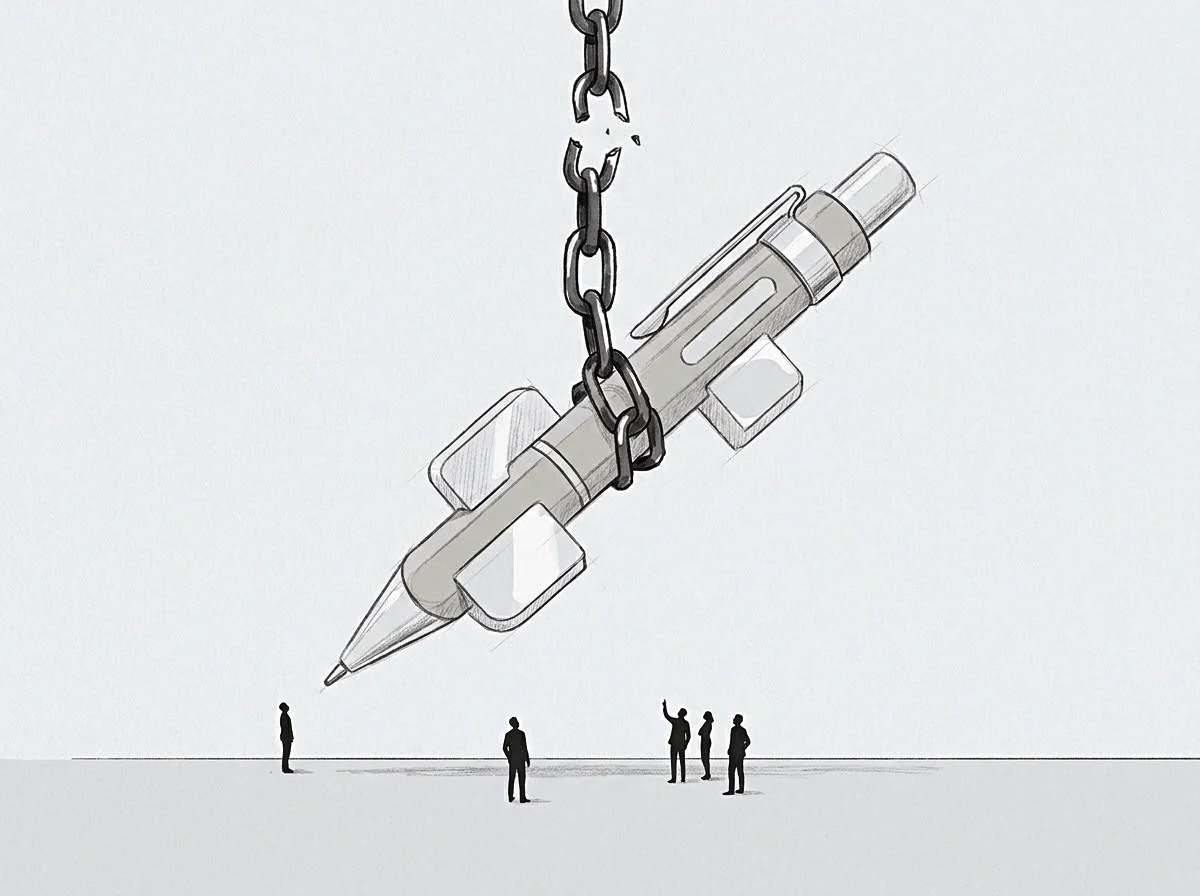
When borrowed regulation capacity empties, the primary regulator's internal working model snaps, forcing autonomic throttling and relational detachment.

Unreciprocated social baseline regulation forces a leader's brain to expend continuous metabolic energy on top-down inhibition, raising allostatic load.
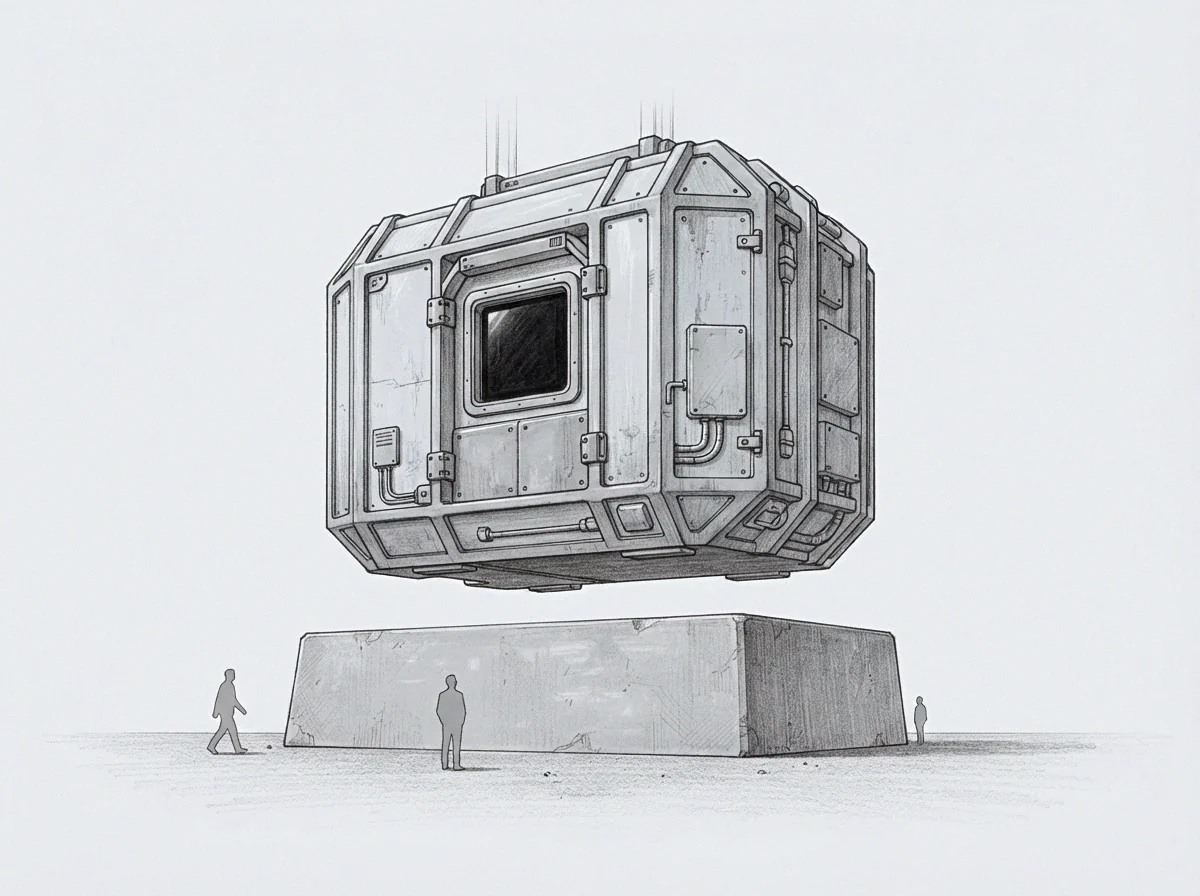
Isolated nervous system regulation forces the brain to spend extra metabolic energy on self-soothing, accelerating physiological wear under operational load.

Executive concurrency drops when subordinate co-regulation consumes working memory slots, transforming strategic capacity into real-time emotional stabilization.
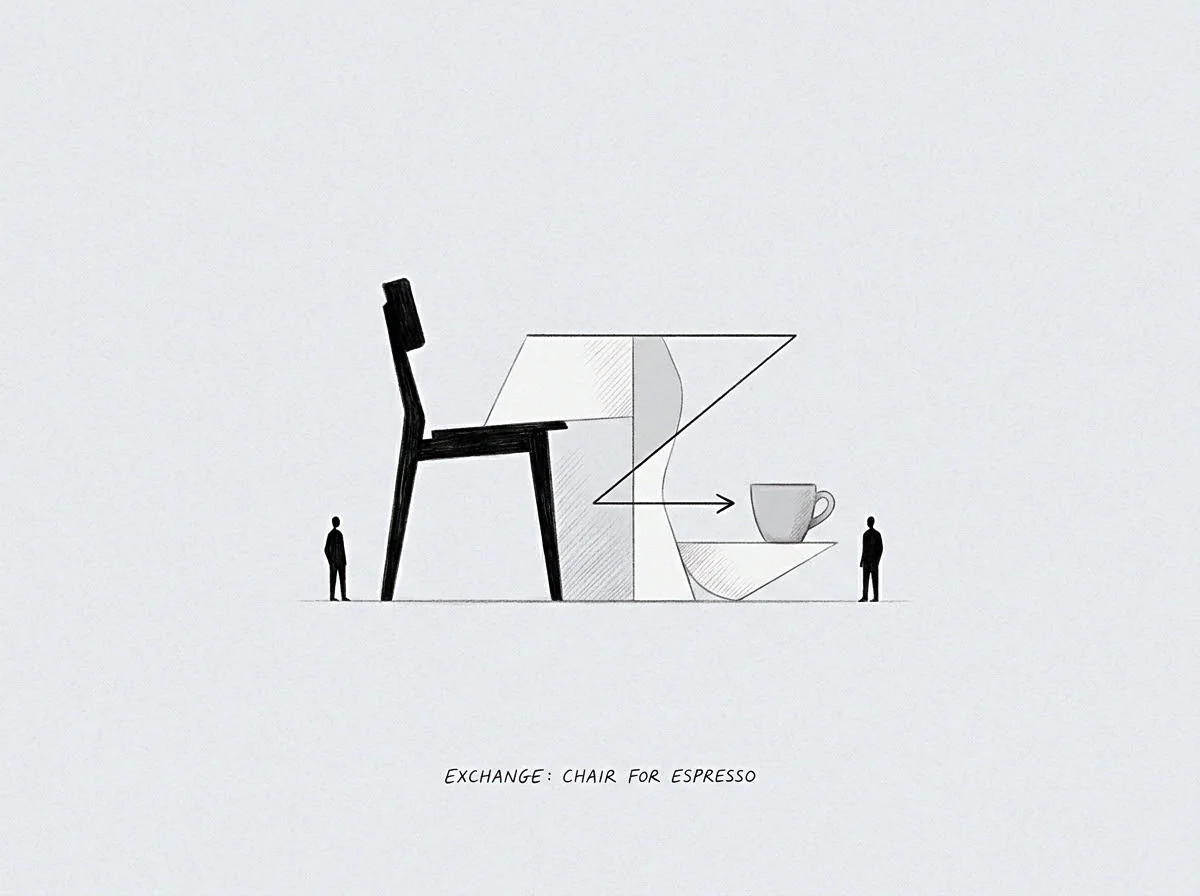
Social baseline economics shows that professional dyads share regulatory load, where one partner's steady physiological state lowers another's metabolic stress cost.
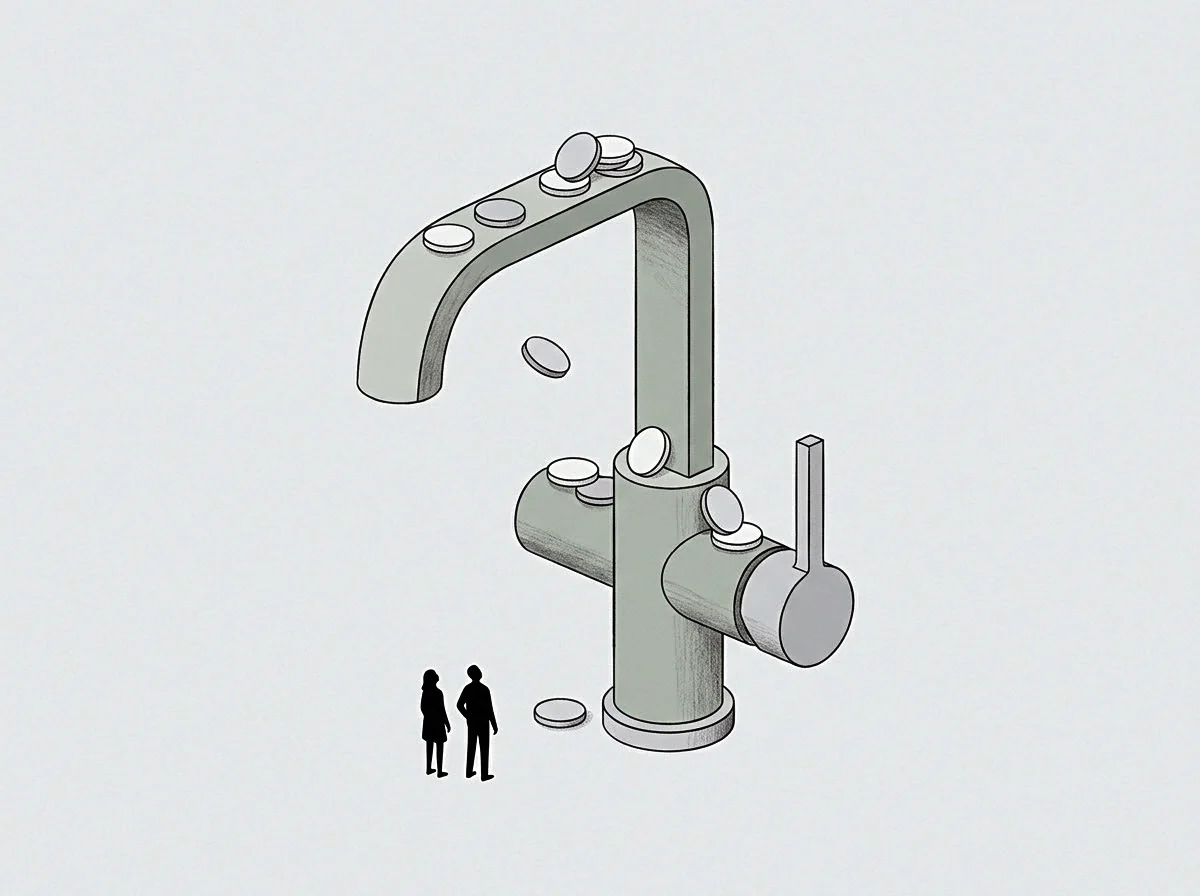
Intellectual understanding fails to soothe autonomic threat because subcortical regulation requires repeated relational safety signals rather than cognitive insight.
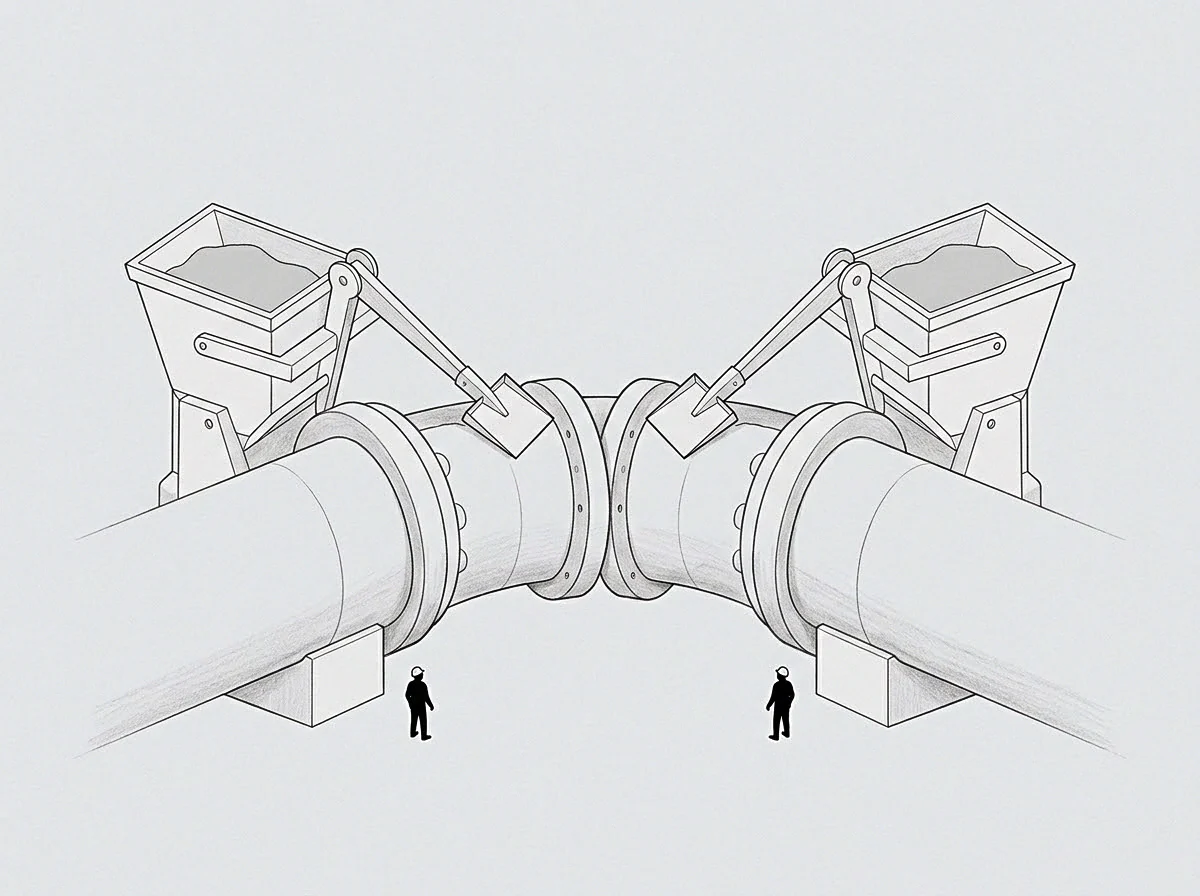
Transitioning from unilateral buffering to distributed accountability requires hard governance latches that force local teams to absorb operational variance directly.
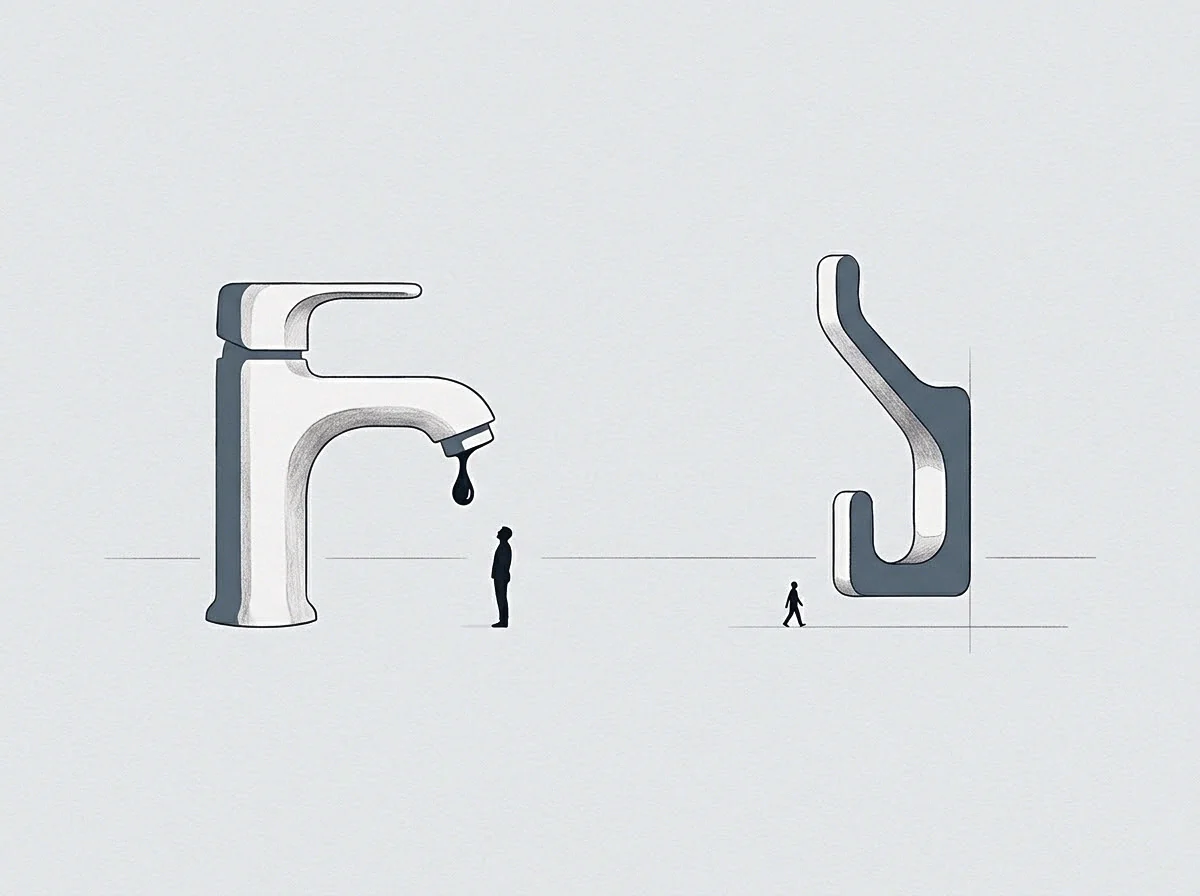
System throttling is an adaptive physiological down-regulation caused by allostatic overload, distinct from clinical depression's neurochemical failure.
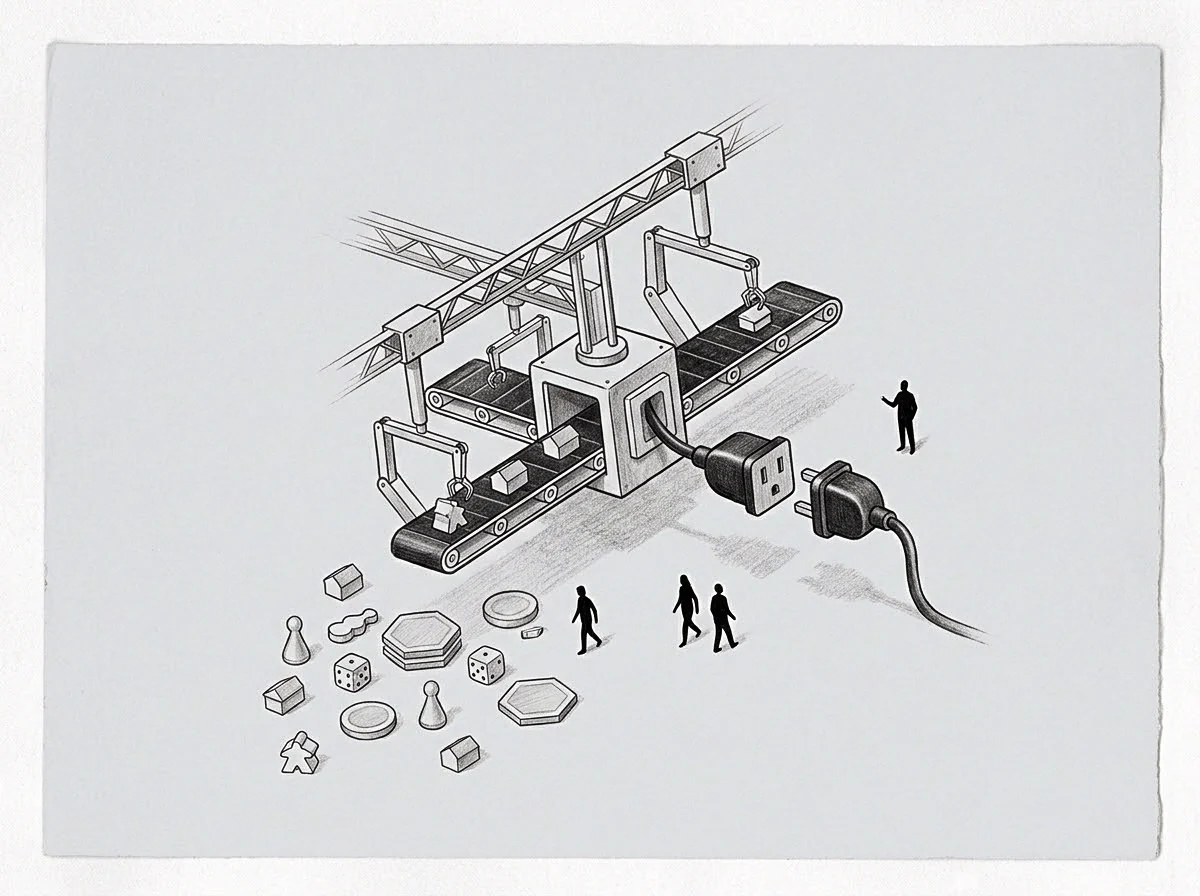
Rebuilding relational receptor slots across unequal power requires calibrated low-stakes exposure that keeps structural authority from triggering threat responses.
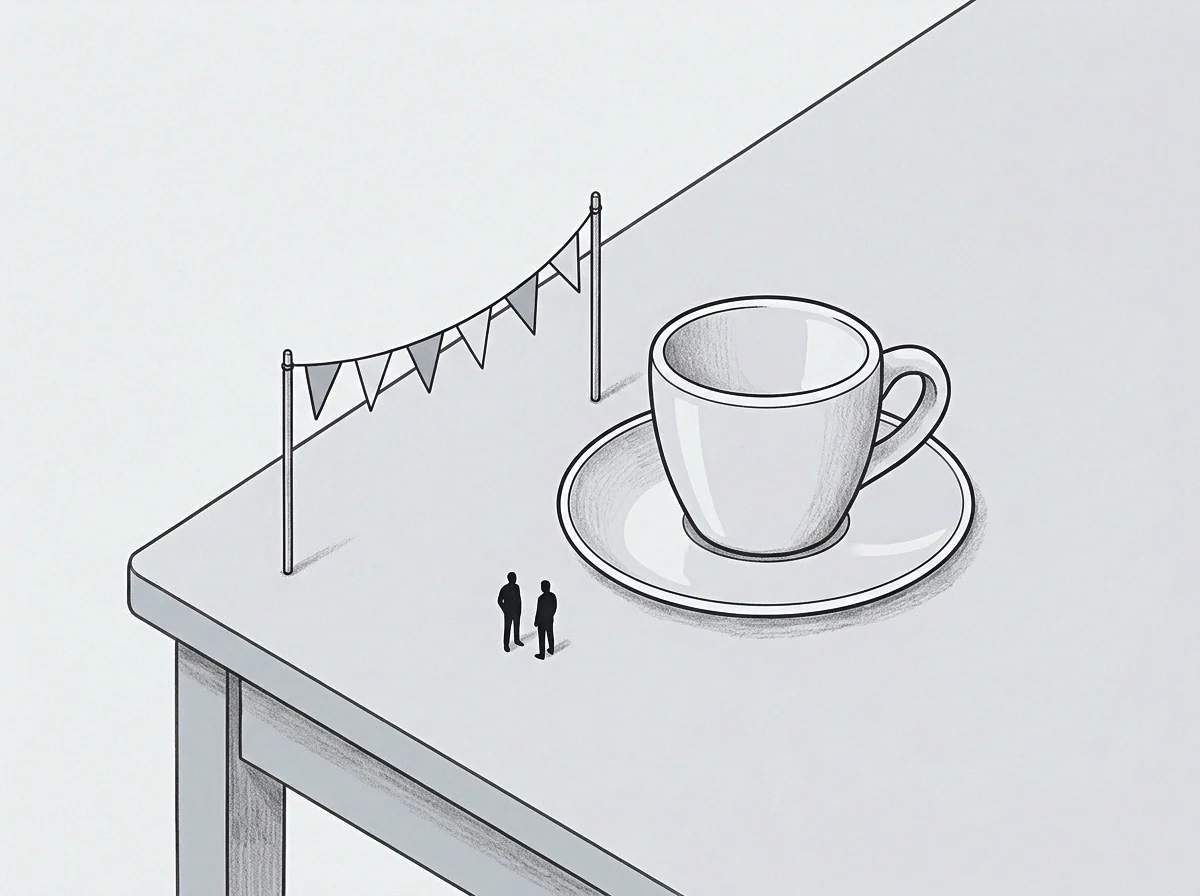
Extended operational leadership inverts the regulator template, causing external coregulation offers to register as cognitive load rather than physiological relief.

Structural pressure forces co-founders to share autonomic regulation costs, shifting threat processing load onto the partner displaying lower physiological reactivity.
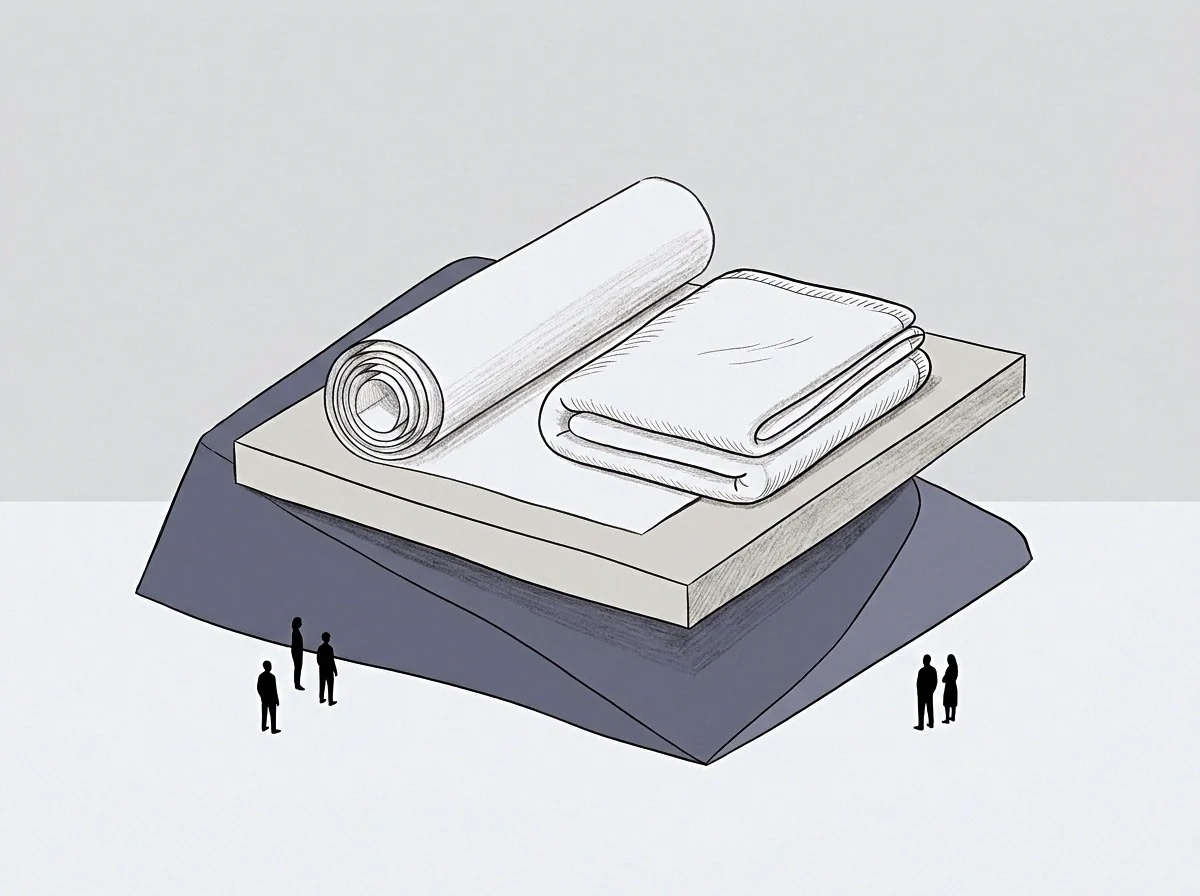
Unbuffered leaders absorb group panic at private metabolic cost, accelerating somatic depletion while subordinates borrow calm without sharing systemic wear.
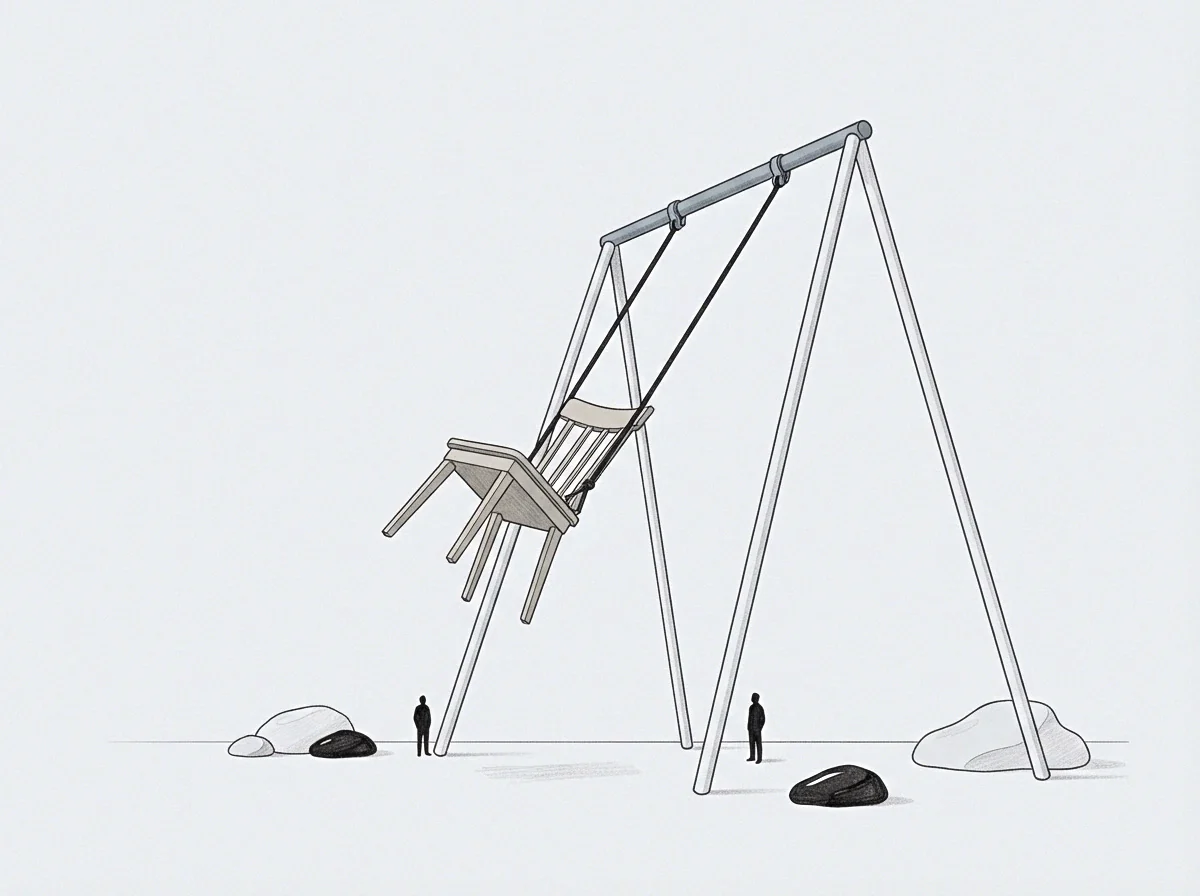
Chronic high operational load desensitizes parasympathetic receptivity, turning shared rooms from energy-conserving baselines into demanding threat environments.
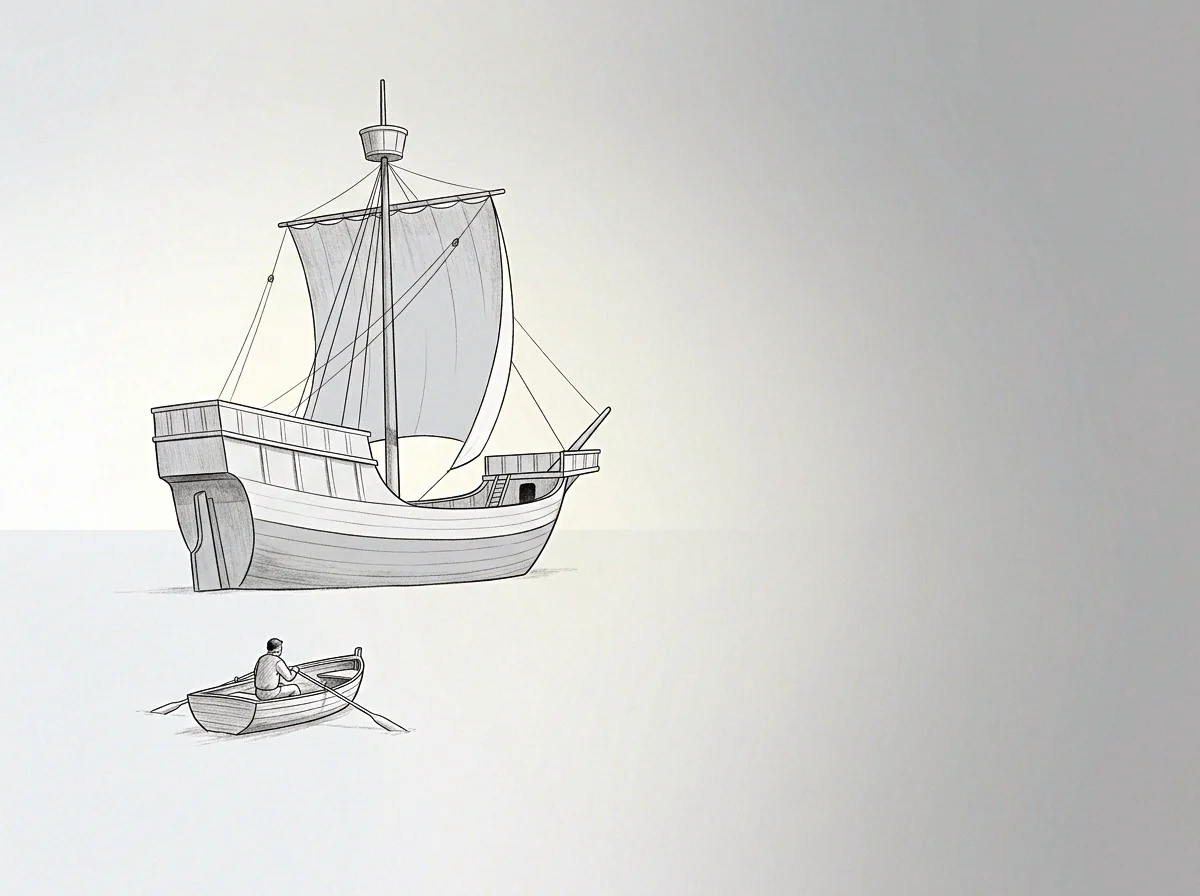
Autonomic threat detection operates milliseconds faster than cortical insight, requiring repeated visceral co-regulation under pressure to rewire somatic function.
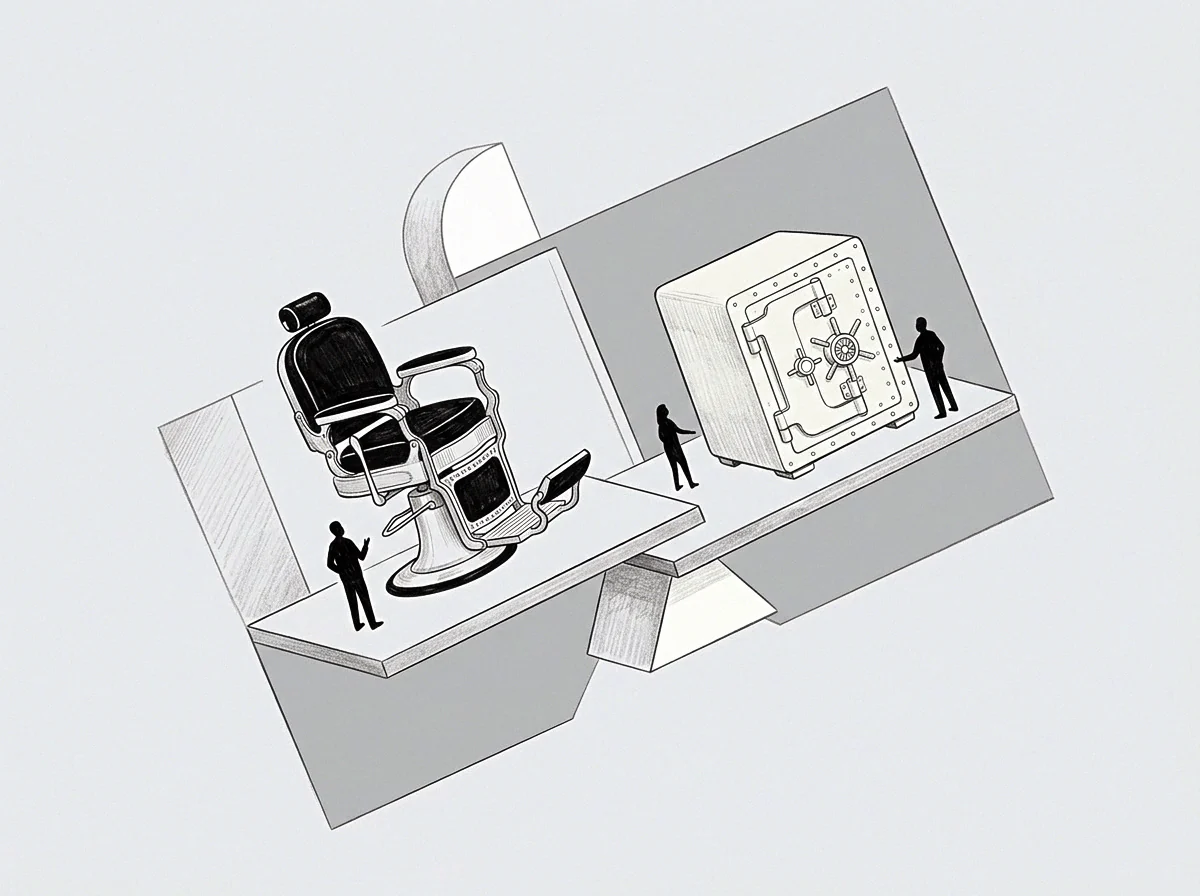
Unilateral load absorption exhausts executive neural reserves; updating internal working models requires earned security through reciprocal co-regulation.
The terms are written where they belong. Each field holds three desks, and every entry a desk writes raises the terms it uses, each term given a meaning, a mechanism and the places it appears. The record on these pages stays first person and hand made; the fields grow the nomenclature.