
Structural Separation Strategies For Reestablishing Baseline Nervous System Recovery In Depleted Founder Pairs
Structural separation interrupts shared sympathetic dysregulation in depleted founder pairs, restoring autonomic baselines through predictable boundaries.

Asynchrony
Two officers operating in constant proximity after thirty-six months of building gradually merge their threat-detection baselines. When shared financial runway shrinks or product milestones slip, the sympathetic activation of one partner immediately triggers an identical neuroendocrine pulse in the other. This passive physiological coupling eliminates the dampening buffer that a settled counterparty normally provides.
Instead of borrowing calm from a stable baseline, each executive absorbs the unbuffered allostatic load of the room, turning mutual presence into a continuous force multiplier for stress.
The human brain constructs a internal baseline budget based on the physical availability of reliable co-regulators. In early company formation, shared workspace and real-time messaging lower the individual energy expenditure required to resolve operational threat. Proximity functions as a metabolic subsidy.
When chronic exhaustion saturates both nervous systems, this operational subsidy collapses. The presence of an equally depleted partner no longer signals safety or shared effort; it signals impending cognitive demand, unresolved dispute, or mutual instability.
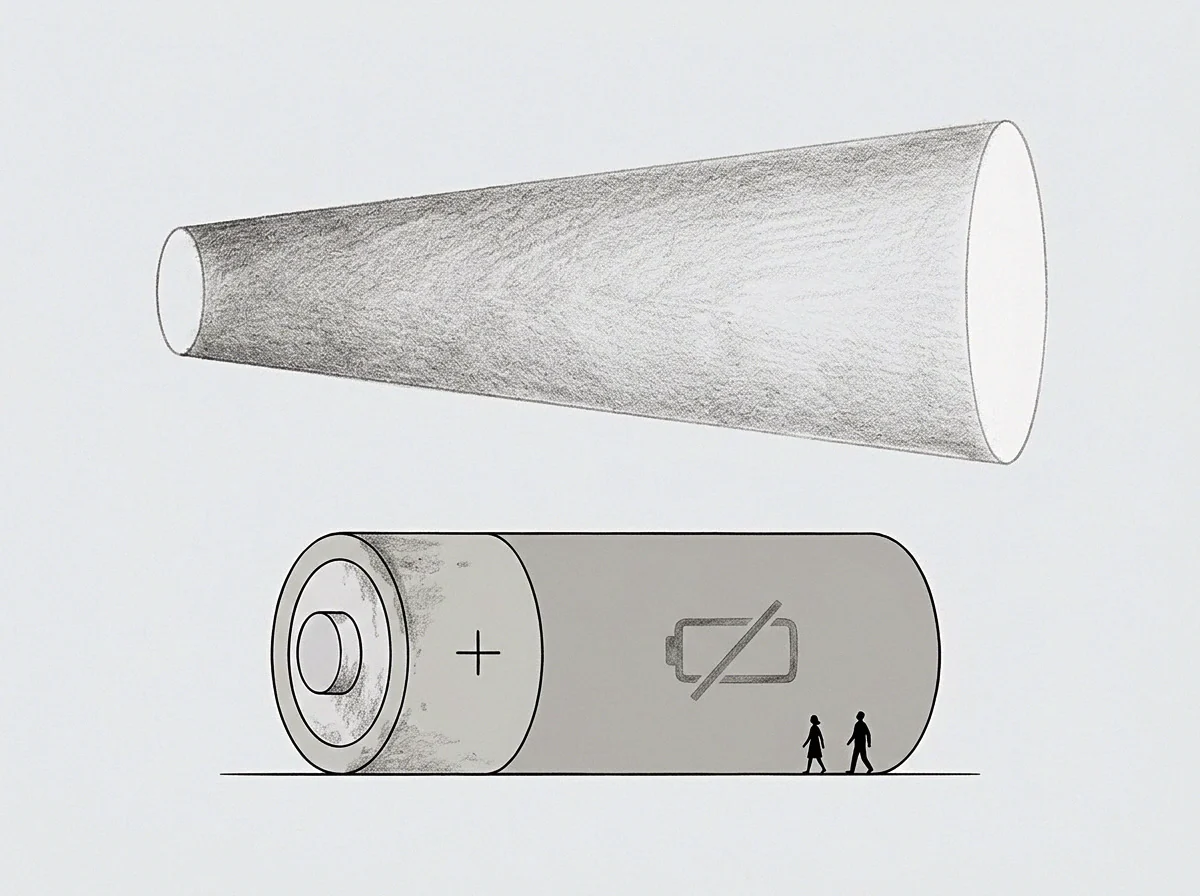
Autonomic Coupling in Closed Operating Environments
Continuous proximity between depleted executives shifts the baseline nervous system from passive co-regulation to active dysregulation. Heart rate variability tracking in co-located leadership shows that passive observation of a partner’s stress cues, such as rapid speech, postural tension, or frequent micro-aggressions, causes immediate cortisol spikes in the observer. The body pays first.
Over time, the receptor slot designed to receive regulating inputs becomes conditioned to expect threat. The baseline holds.
Operating in this state creates specific physiological patterns across executive pairs:
- Vagal Brake Withdrawal reduces cardiac parasympathetic control, maintaining elevated heart rates even during non-operational hours and preventing restorative sleep cycles.
- Sympathetic Vigilance Amplification converts minor strategic differences into acute threat signals, accelerating conflict frequency while degrading decision accuracy.
- Neuroendocrine Recovery Blockade keeps baseline cortisol levels elevated across weekends, preventing the tissue repair and cognitive consolidation required for high-level synthesis.
- Attunement Exhaustion causes complete emotional blunting, where neither officer can register or respond to the subtle operational feedback provided by the team.

The Allostatic Transmission Channel
Shared communication channels function as direct physiological conduits. A sudden notification or unannounced calendar invite from a depleted partner activates the same neural circuits as an immediate physical hazard. The signal drops.
The receiving executive experiences a surge in blood pressure before reading a single word of text. This anticipatory reaction proves that the relationship itself has transformed from a recovery resource into a primary source of metabolic drain.
When two leaders reach this stage, attempts to resolve tension through structured alignment conversations consistently fail. The physiological real estate required for perspective-taking, active listening, and compromise is unavailable. Every interaction reinforces the autonomic association between the partner and metabolic threat.
Continuing to operate in identical spaces or continuous Slack availability under these conditions makes recovery mathematically impossible.
I cannot stay on this call because every sentence you utter feels like physical weight on my chest.

Threshold
Every executive operating under acute startup load possesses a strict concurrency limit for emotional and operational inputs. When prolonged exposure to high-stakes uncertainty depletes systemic energy reserves, the brain prioritizes survival signaling over long-term strategic analysis. In founder pairs, this drop in metabolic headroom reduces the capacity to absorb minor friction.
What was once handled with quick humor or rapid compromise becomes a focal point for systemic autonomic panic.
Co-regulation fails the moment both executives cross their baseline capacity limits simultaneously, converting shared physical space into a passive metabolic tax.
Borrowing calm from a partner requires that the partner actually possesses surplus regulatory headroom. When both individuals run a deficit, attempts to co-regulate produce a compounding drain. The executive who reaches for reassurance finds only amplified anxiety, while the executive asked to provide stability experiences the request as an unacceptable demand on empty reserves.
Presence is expensive. This operational state leads directly to acute withdrawal or explosive interpersonal conflict.

Metabolic Expenditure of Borrowed Regulation
The energy cost of maintaining professional poise while internally dysregulated is measurable. Executive teams operating in chronic high-stress environments consume excessive glucose and oxygen to maintain prefrontal cortex inhibition over amygdala-driven threat responses. This internal suppression leaves minimal cognitive bandwidth for executive function, product architecture, or capital allocation.
Every hour spent managing interpersonal micro-tensions reduces the depth of strategic focus by a corresponding margin.
When executive pairs attempt to force co-location during deep metabolic exhaustion, the cost compounds daily across multiple operational vectors:
Consider two executives managing a eighty-person organization during a difficult extension round. Assume executive A holds primary responsibility for revenue and executive B manages product and engineering. If both officers operate from depleted baselines without structural isolation, every daily standup becomes a arena of hidden friction.
Executive A reads executive B’s silent tension as a lack of confidence in the fundraise. Executive B interprets executive A’s rapid speech as executive incompetence. Each spending three hours daily managing the emotional fallout of their interactions leaves twenty-four percent less functional energy for their core domain mandates.

Capacity Limits in Co-Located Leadership
The myth of infinite executive availability destroys startup leadership capacity. Traditional founder culture treats constant proximity and zero-latency communication as indicators of operational rigor. Physiology demonstrates the opposite.
Distance changes the budget. Without clear structural boundaries that separate nervous systems, continuous contact ensures that the most dysregulated officer sets the physiological state for the entire leadership team.
Allowing an exhausted partner to dictate the baseline emotional atmosphere of an enterprise guarantees executive burnout, strategic errors in product direction, and ultimate co-founder split.

Gate
Interrupting shared sympathetic panic requires immediate physical, temporal, and digital separation. Structural separation is not a interpersonal break or a permanent corporate restructuring; it is a structured physiological quarantine. By establishing absolute boundaries around communication channels, work environments, and decision domains, executive pairs eliminate the constant micro-triggers that maintain elevated sympathetic tone.
The primary objective of structural separation is to create absolute predictability for the nervous system. When an executive knows with certainty that their partner cannot ping them, enter their workspace, or demand an immediate decision, the brain drops its baseline threat monitoring. Load demands structure.
This sudden reduction in anticipatory anxiety unlocks the parasympathetic states required for biological recovery and sleep architecture restoration.

Architectural Interruption of Resonance
Implementing effective separation requires clear, enforceable protocols across physical and digital operational layers. Executives must move from fluid, high-frequency interactions to batched, highly predictable communication gates. Silence carries weight.
The goal is to reduce the frequency of unbuffered physiological inputs to zero for a predetermined recovery window, typically spanning fourteen to twenty-one days.
Establishing absolute structural separation drops anticipatory cortisol production by removing the unpredictability of inbound operational demands.
The table below compares three primary structural separation topologies utilized by depleted executive teams during baseline recovery periods:
| Separation Topology | Primary Mechanism | Autonomic Impact | Operational Latency | Recovery Speed |
|---|---|---|---|---|
| Asynchronous Batching | Eliminates real-time threat perception and anticipatory vigilance spikes. | Moderate latency; non-urgent decisions delayed by twenty-four hours. | Gradual restoration over four to six weeks. | |
| Domain Sovereignty Split | Complete isolation of operational authority with zero cross-domain status reporting. | Restores internal control models and removes cross-executive monitoring friction. | Low latency within domains; zero cross-functional consensus building. | Rapid stabilization of individual baseline within fourteen days. |
| Complete Physical Isolation | Geographic separation combined with total digital radio silence for a set interval. | Triggers full parasympathetic rebound and restores natural circadian recovery cycles. | High latency; requires designated interim decision proxy or complete operational pause. | Maximum recovery acceleration; baseline reset within seven to ten days. |
| Topology selection depends on executive exhaustion severity and underlying business liquidity runway. | ||||
Choosing the correct separation topology requires a honest assessment of executive health rather than operational convenience. A severely depleted founder pair attempting mild asynchronous batching will consistently breach the boundary during minor operational bumps, destroying the recovery effect. Recovery takes time.
Implementing a sovereign separation plan involves specific sequence steps:
- Domain Boundary Declaration defines absolute operational authority for each founder, completely removing the requirement for consensus or consultation on daily decisions.
- Channel Containment Protocol restricts all cross-executive communication to a single written memo platform, disabling real-time chat, personal messaging, and voice calls.
- Proxy Decision Routing assigns senior vice presidents or operational leads to handle inter-departmental alignment, filtering operational noise before it reaches the founders.
- Physical Space Segregation mandates geographically distinct working environments, prohibiting shared office presence during the baseline recovery window.
- Emergency Escalation Threshold establishes single numeric metric triggers that break isolation, preventing minor operational anxieties from violating recovery protocols.
The specific separation contract remains active until objective physiological metrics indicate full baseline recovery.

Sovereignty
Rebuilding baseline autonomy requires that each officer re-establish self-regulation mechanisms without relying on the partner’s state as a reference point. When leaders operate in continuous proximity, they develop a covert reliance on the counterparty’s approval, energy, or calm to stabilize their own internal baseline. Sovereignty dismantles this covert reliance.
The individual learns to manage internal allostatic load through direct personal recovery practices rather than borrowed external stability.
This phase demands a explicit update to the executive’s internal working model. The neural template built during early partnership often assumes that self-care is secondary to shared output, or that individual boundary setting constitutes abandonment of the shared mission. Updating this template requires repeated, concrete experiences of holding absolute boundaries while maintaining operational effectiveness.
The state updates slowly.

Rebuilding Internal Autonomic Working Models
A functional executive nervous system relies on internal mechanisms to down-regulate threat. When an executive has spent years using a partner as a external regulator, these internal circuits atrophy. Isolation restores headroom.
Rebuilding them requires targeted solitude, deliberate physical exercise, and strict protection of sleep architecture away from the operational footprint of the enterprise.
Take two founders who reached complete autonomic collapse after a failed acquisition attempt. Assume they agree to a twenty-one day structural separation protocol with complete domain sovereignty. Founder A takes full ownership of existing customer operations and burn management.
Founder B takes full ownership of product development and future strategy. They commit to zero direct communication, using a chief operating officer to pass critical operational status reports twice weekly.
During the first six days of separation, founder A experiences severe acute anxiety. The absence of founder B’s daily input feels like a systemic failure. Founder A attempts to check founder B’s calendar and Slack status repeatedly, searching for the external signal previously used to calibrate personal effort.
Because the structural boundary is absolute, founder A cannot reach founder B. Forced to sit with this internal dysregulation, founder A’s system slowly recalibrates. By day ten, founder A’s baseline cortisol drops, sleep efficiency increases by thirty percent, and decisive operational management returns without needing counterparty validation.
Concurrently, founder B experiences a deep parasympathetic rebound. Without the constant threat of defensive alignment conversations with founder A, founder B’s brain exits chronic fight-or-flight mode. Product focus returns.
By day fourteen, both founders operate with clear internal stability, proving that sovereign regulation restores leadership capacity far faster than forced co-location.
True executive sovereignty exists when an officer maintains baseline physiological stability regardless of the partner’s emotional or operational state.
Individual baseline stability must precede any attempt to re-establish joint operational alignment.

Recalibration
Re-integrating depleted executive pairs after a period of structural separation must be treated as a delicate operational phase. Rushing back into continuous physical proximity or unstructured real-time communication immediately reinstates old neural pathways and autonomic coupling. The return to shared leadership must be deliberate, measured, and continuously monitored against objective physiological markers.
The initial re-coupling phase should limit shared presence to structured, highly agenda-driven intervals. Unstructured brainstorming sessions or open-ended strategic debates must be strictly prohibited during early re-entry. Stated terms limit spill.
By controlling the duration, scope, and environment of joint interactions, the executive pair prevents the resurgence of unbuffered sympathetic resonance while testing their updated internal working models.

Controlled Re-Coupling and Delta Tracking
Measuring recovery requires tracking the physiological delta between pre-separation baseline and current autonomic state. Executive pairs should monitor heart rate variability resting averages, sleep architecture quality, and subjective ratings of anticipatory anxiety before scheduled joint interactions. Capacity dictates focus.
If a scheduled meeting causes a significant drop in heart rate variability or a spike in anticipatory stress, the re-coupling cadence must be immediately reduced.
Structured re-entry protocols protect newly established baseline recovery from disappearing under the weight of historical interpersonal patterns.
Long-term operational success requires converting temporary structural separation strategies into permanent enterprise architecture. Executive pairs who successfully re-establish baseline recovery do not return to the unbuffered, continuous proximity that caused their initial collapse. Every loop bills daily.
Instead, they institute permanent structural buffers: distinct domain ownership, batched communication cadences, separate physical office spaces, and scheduled, non-negotiable isolation blocks throughout the operational calendar.
How much operational efficiency can an enterprise safely trade for executive nervous system stability before the market punishes the latency?