
Structural Delegation Gates Restoring Autonomic Parasympathetic Recovery
Structural delegation gates decouple executive physiology from operational variance, terminating open cognitive loops to restore parasympathetic tone.
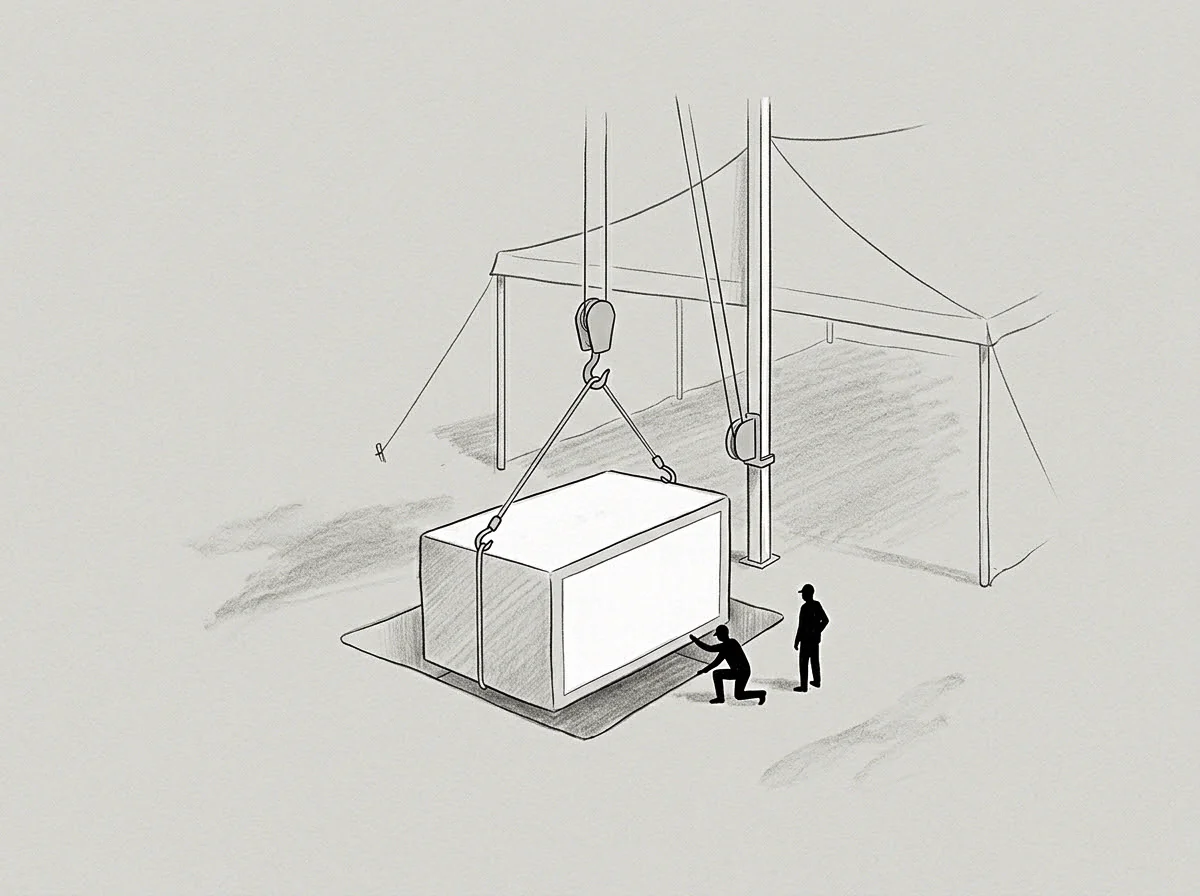
Wall
Four messages wait on a screen at eleven at night, each asking for a different operational decision, while the person reading them sits with a resting heart rate twelve beats above baseline. The body treats every open loop as an active stimulus requiring metabolic supply. When authority remains centralized in a single seat, incoming demands reach the nervous system without attenuation.
The physiological cost accumulates as chronic regulatory demand, measurable through suppressed heart rate variability and flattened diurnal cortisol slopes. A structural delegation gate places explicit conditions between incoming operational variance and the person occupying the executive seat.
A structural barrier halts the unregulated transfer of operational volatility into physiological strain. Most systems allow raw events to ping the executive seat directly, recruiting constant sympathetic arousal to maintain readiness. Introducing a verification layer ensures that only issues meeting predefined criteria cross into the founder’s awareness, protecting autonomic balance.
The boundary functions mechanically: incoming items lack authority to command attention until passing stated verification criteria. The seat stops absorbing ambient operational instability.
A structural boundary stops operational variance before it commands sympathetic metabolic arousal.
The autonomic nervous system responds to structural organization rather than intentions. When an operating environment lacks distinct structural stops, the brain processes every operational component as an immediate, concurrent demand. This perpetual readiness exhausts regulatory reserves.
Establishing explicit handoffs transfers systemic load away from personal physiology and into procedural rules, enabling autonomic down-regulation.
What remains unsettled is the precise threshold where procedural gating begins to degrade organizational responsiveness during market volatility.

Channel
Communication pathways dictate metabolic expense. Unrestricted channels allow unvetted problems to enter cognitive space at arbitrary hours, forcing the autonomic system to maintain continuous vigilance. The physiological system remains locked in sympathetic tone, anticipating the next operational interruption.
Chronic alertness suppresses parasympathetic restoration, blocking restorative sleep cycles and cardiovascular rest. The channel demands active structural controls to limit this continuous drain.

Protocol Architecture and Interruption Filters
Structured operational conduits limit metabolic expenditure by organizing transmission parameters. Establishing strict constraints on communication formats shields the central operator from unfiltered operational interruptions. The channel processes transfers under explicit criteria:
- Variance Thresholds determine whether an incident requires executive attention or stays within delegated parameters.
- Batching Schedules restrict inbound reviews to predetermined intervals, freeing intermediate hours for continuous physiological down-regulation.
- Escalation Syntax specifies the precise data format required before an issue crosses the gate into cognitive space.
A message arriving without required escalation syntax bounces back to the perimeter automatically. The founder avoids reviewing raw logs, incomplete balance checks, or ambiguous operational requests. The operational pipeline handles preliminary synthesis, preserving the central operator’s cognitive bandwidth for high-leverage arbitration.
Restricting access points insulates cardiovascular activity from sudden daytime operational surges.
Restricting operational conduits protects cardiovascular stability from unscheduled volatility.
Operational interruptions carry immediate cardiovascular penalties. Laboratory protocols tracking autonomic responses demonstrate that unpredicted, ambiguous demands trigger immediate vagal withdrawal followed by prolonged sympathetic elevation. When interrupts happen unpredictably throughout the day, the parasympathetic brake fails to re-engage, leaving the system running at high physiological expense.
Gated operational channels insulate against these erratic stimuli, stabilizing daily neuroendocrine output.
The operator formulates the communication standard, leaving operational variance to resolve at the perimeter.
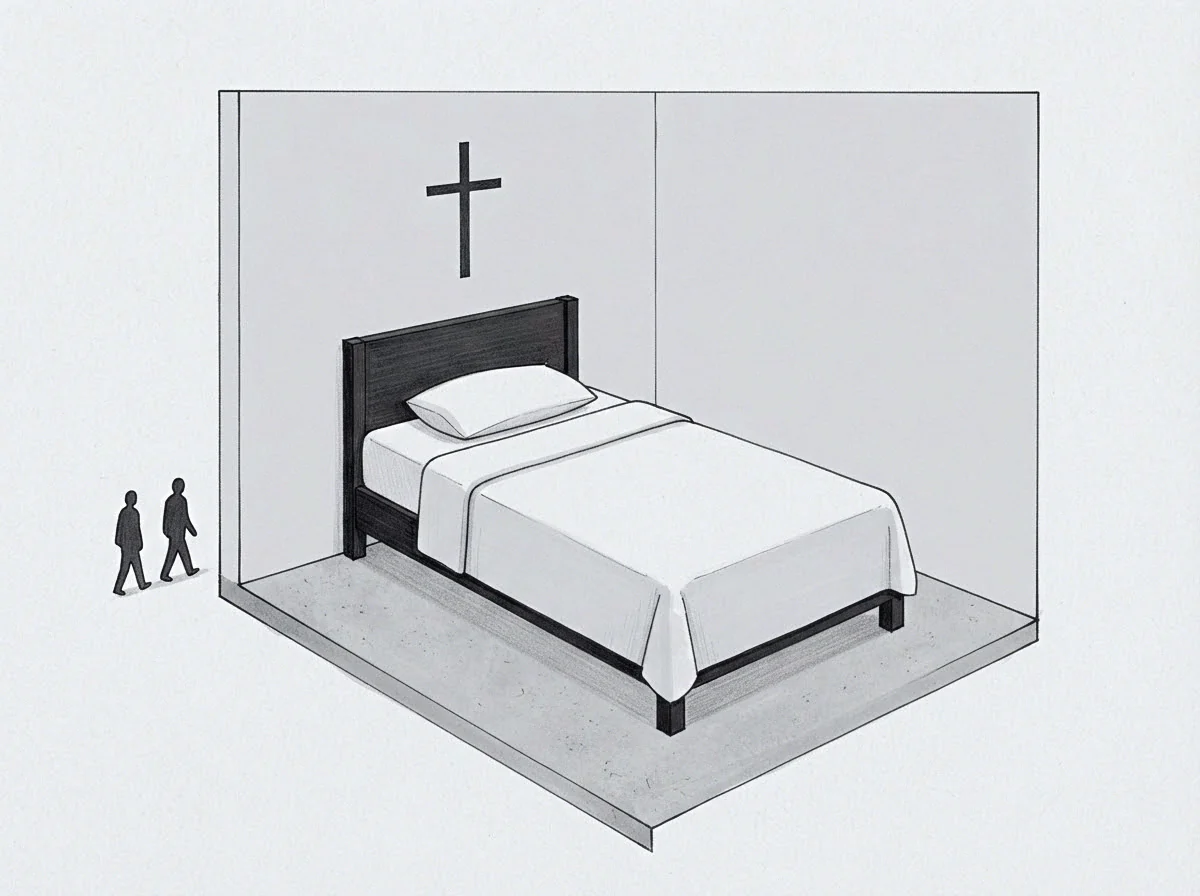
Screen
System design governs biological expenditure. When administrative mechanisms fail to isolate executive attention from baseline operations, systemic friction transfers directly to personal physiology. Installing formal delegation gates converts open operational loops into discrete, predictable informational events.
The table below outlines how operational boundaries change physiological parameters across active environments.
| Operational Dimension | Ungated Operational Channel | Gated Delegation Interface |
|---|---|---|
| Alert Distribution | Continuous notifications through open channels | Filtered batches delivered at scheduled intervals |
| Decision Locus | Executive seat arbitrates baseline incidents | Explicit parameters guide perimeter resolution |
| Vagal Tone Index | Chronic high-frequency suppression | Restored high-frequency spectral power |
| Cortisol Rhythm | Flattened diurnal slope with evening elevation | Normalized morning peak and clear evening decline |
| Attention State | Continuous vigilance across concurrent inputs | Sequential processing within bounded intervals |
Converting open operational loops into bounded reviews frees up cognitive resources. An ungated workflow consumes capacity by maintaining open cognitive loops, even when tasks sit idle. The brain processes unresolved operational tasks as active issues, sustaining heightened sympathetic activation throughout the day.
Procedural gates enforce accountability at the perimeter, relieving central operators from tracking routine executions.
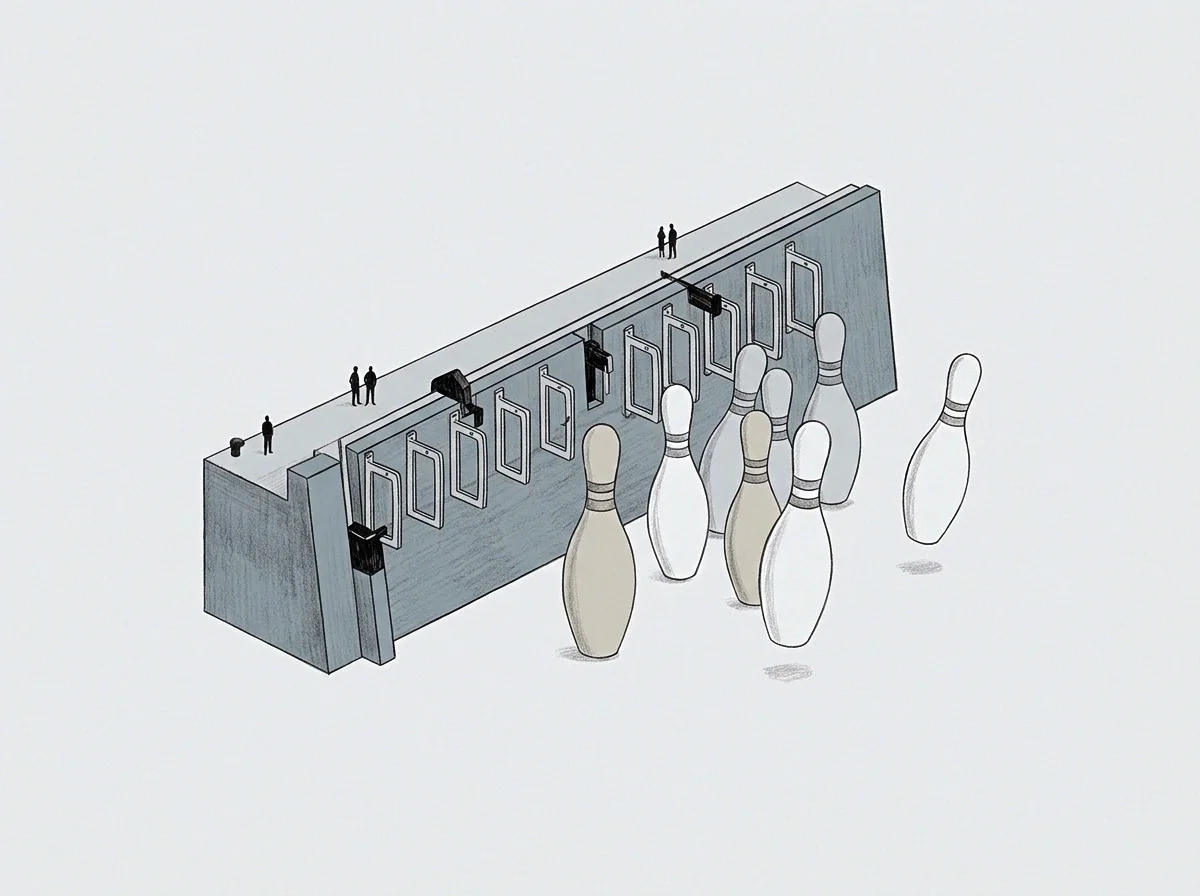
Predictable Escalation Protocols
Predictable escalation paths directly preserve parasympathetic tone. The human nervous system interprets ambiguity as chronic risk, allocating continuous autonomic resources to track uncertain trajectories. Codified delegation gates remove operational ambiguity by establishing explicit triggers for executive intervention.
Perimeter operators manage routines independently until incidents meet predefined escalation thresholds.
This operational boundary frees the central actor from monitoring systemic baseline states. Physiological indices reflect this operational decoupling through increased heart rate variability and restored rest phases. The operator rests securely, knowing structural mechanics govern operational stability.
Failing to establish verified boundaries leaves the executive nervous system acting as the default shock absorber for systemic variance.

Switch
Shifting operational authority demands structural mechanics rather than subjective trust. When delegation relies entirely on informal expectations, founders maintain passive monitoring loops that quietly consume attentional reserves. This background tracking prevents genuine nervous system recovery, keeping sympathetic activation simmering during non-working hours.
A definitive operational transfer requires formal structural mechanisms that completely reassign task ownership.
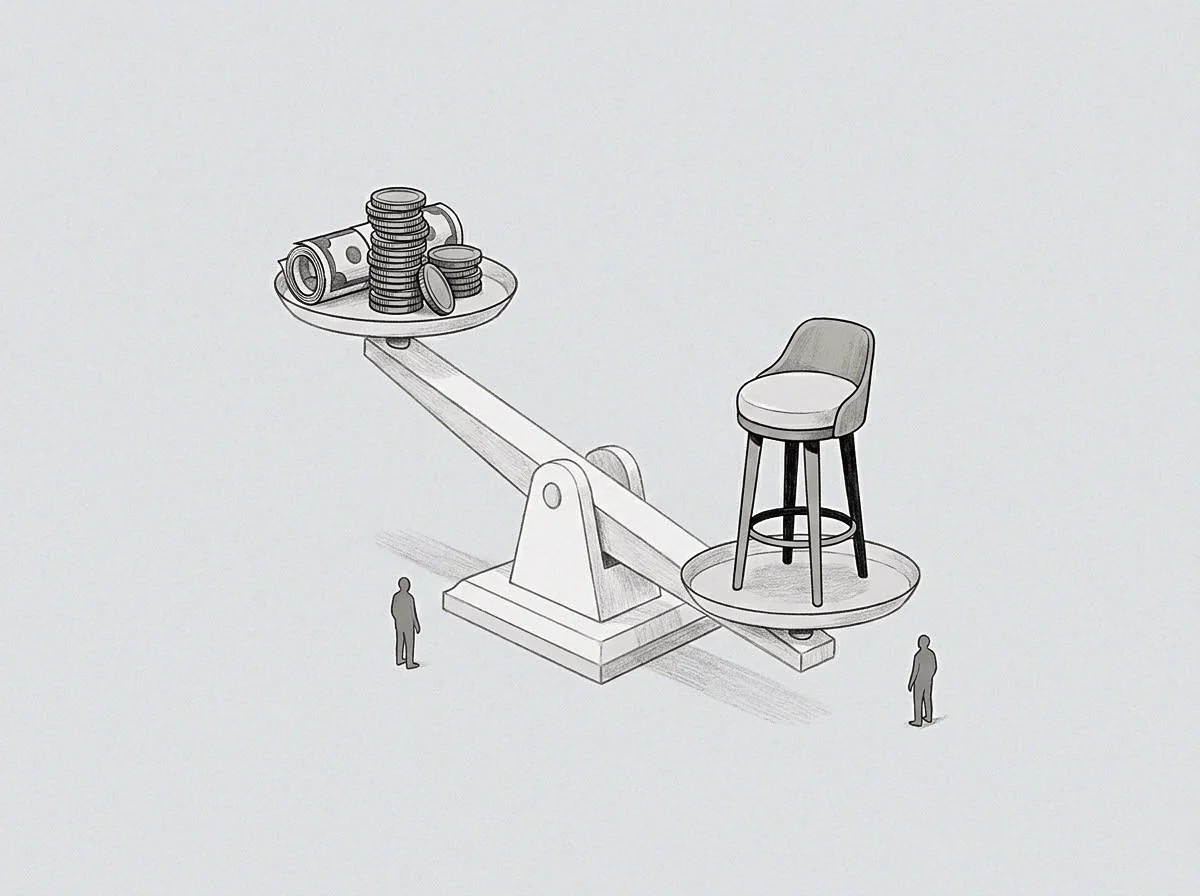
Why Do Delegation Handoffs Leak Cognitive Load?
Attentional drag persists when operational boundaries lack precise definition. The executive seat retains cognitive custody of a delegated task until systemic conditions definitively transfer accountability. Without structured gates confirming receipt and authority, the central nervous system continues monitoring the variable, preserving elevated baseline arousal.
Resolving this metabolic tax requires precise, measurable criteria governing operational transfers.
An effective handover pairs defined decision boundaries with complete informational custody. The central seat relinquishes active operational tracking once an issue transitions through the delegation screen. The perimeter assumes direct ownership, eliminating the need for ambient supervisory monitoring from the founder.
This sharp operational break terminates persistent cognitive tracking, allowing the vagal brake to re-engage.
A handover without rigid operational parameters maintains constant cognitive strain.
The perimeter team executes within verified boundaries without requiring continuous executive oversight. Operational independence at the edge directly reduces regulatory drag on the core team. When authority transfers cleanly, background autonomic monitoring subsides, allowing deep parasympathetic recovery to stabilize system biology.
The central actor steps away from ongoing operational surveillance.
The operational team owns the domain until agreed parameters trip an escalation gate.

Seat
Occupying the executive seat without structural protection damages human biology. Chronic exposure to operational volatility without functional barriers degrades neuroendocrine regulation, causing systemic physiological exhaustion. Installing rigorous delegation screens shields the central executive from unnecessary operational variance, preserving parasympathetic recovery cycles.
Protective structural design safeguards personal biology from the relentless pressures of systemic demand.
Systems run smoothly when their core operator remains physiologically resilient. Inserting systematic checkpoints between day-to-day operations and executive attention prevents metabolic burnout, ensuring sustainable leadership. Preserving parasympathetic tone safeguards long-term cognitive clarity and emotional stability.
Structural delegation gates protect executive health, creating an organizational foundation that maintains operational excellence without exhausting human capital.