
Rebuilding Autonomic Regulation After Years Of Building Alone
Extended solo building forces the nervous system into high-cost solo regulation, requiring repeated sensory proximity to rebuild capacity for co-regulation.
Budget
Managing a business for years without an external backstop forces the central nervous system into continuous solo regulation. The brain acts as a prediction engine, weighing environmental demands against available neural capacity. Under baseline conditions, having a dependable peer lowers the expected metabolic cost of handling operational threats.
When a founder builds alone over time, this allocation mechanism resets its baseline. The nervous system begins treating the environment as permanently unshared, redirecting energy toward constant vigilance and autonomic arousal.
Resources that normally support cellular repair, tissue maintenance, and restorative sleep are funneled into constant threat screening. Sympathetic nervous system activation stays elevated even in calm periods because the predictive model expects sudden, unshared volatility. This sustained sympathetic tone, combined with reduced parasympathetic braking, marks a state of high allostatic load.
Over time, that metabolic posture alters vascular function, disrupts circadian rhythms, and raises baseline cortisol. The shift feels like an inability to drop into physical ease, even when operational metrics show total safety.
Social proximity reduces metabolic expenditure by permitting the central nervous system to offload threat detection onto trusted peers.
Maintaining perpetual hyper-vigilance carries a high metabolic cost that accumulates as physiological debt. In ordinary relational settings, co-regulation helps reset autonomic tone. A stable partner or peer offers subtle physical cues—vocal cadence, breathing rhythm, postural ease—that signal the observing nervous system to lower its defenses.
A solo builder lacks those inputs. The central nervous system adapts by dampening its receptors for external safety signals, treating self-generated control as the only dependable way to stay stable.
Forced relaxation techniques usually fail during this phase. Scheduled breaks, somatic exercises, and downtime often feel like uncomfortable anomalies to a system wired for continuous output. Without an external baseline to draw stability from, dropping internal vigilance feels like abandoning defense in an active environment.
The system requires clear evidence of security before it will reallocate resources away from survival.
Prolonged operational isolation locks the autonomic system into costly solo regulation, forcing every new input to draw maximum metabolic energy until the underlying predictive model changes.
Slot
Extended operational isolation alters the internal model governing interpersonal expectations. When someone acts as the final backstop for every organizational stressor, their internal architecture adapts by reversing the regulatory cycle. They internalize a role as the sole source of stability, which flows strictly outward to employees, partners, and stakeholders.
This configuration leaves no capacity to receive regulation from outside. The nervous system builds a pattern in which maintaining composure for others and regulating oneself fuse into a single, one-way obligation.
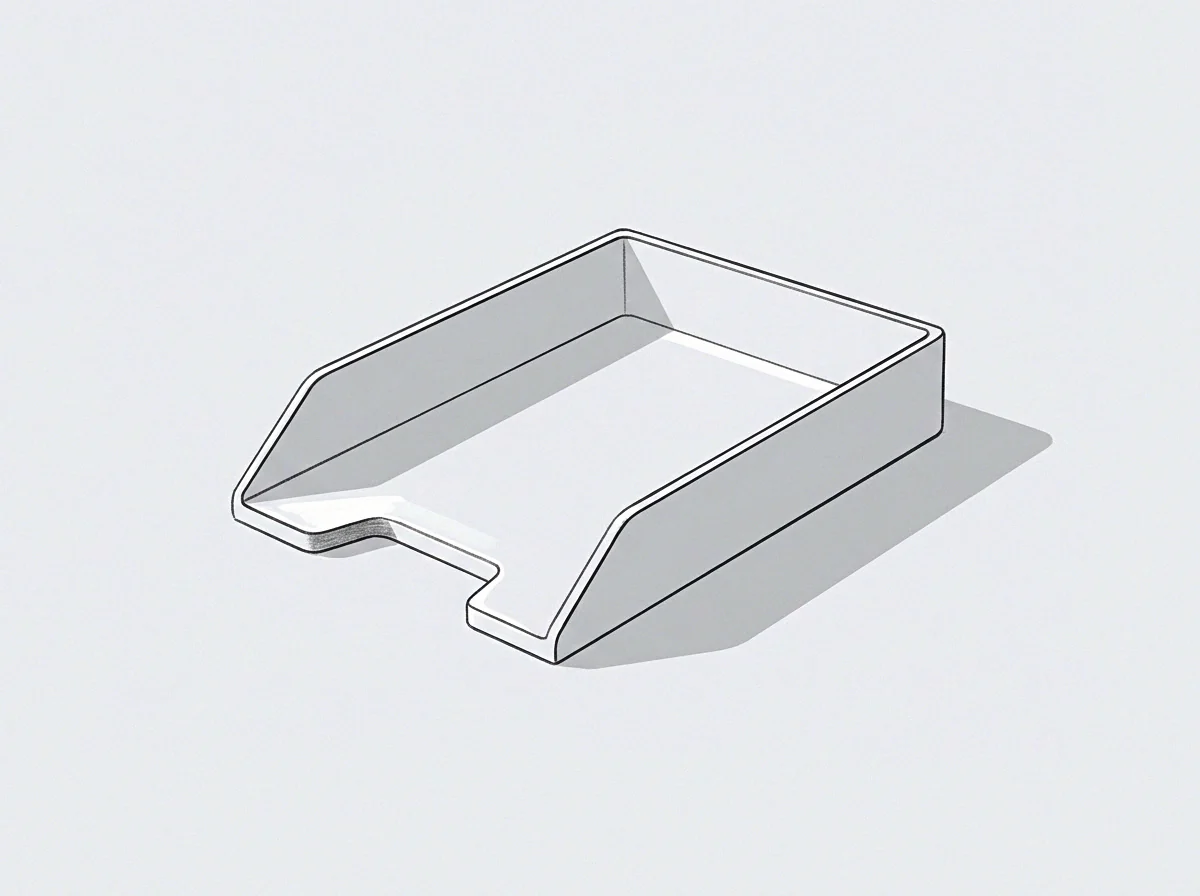
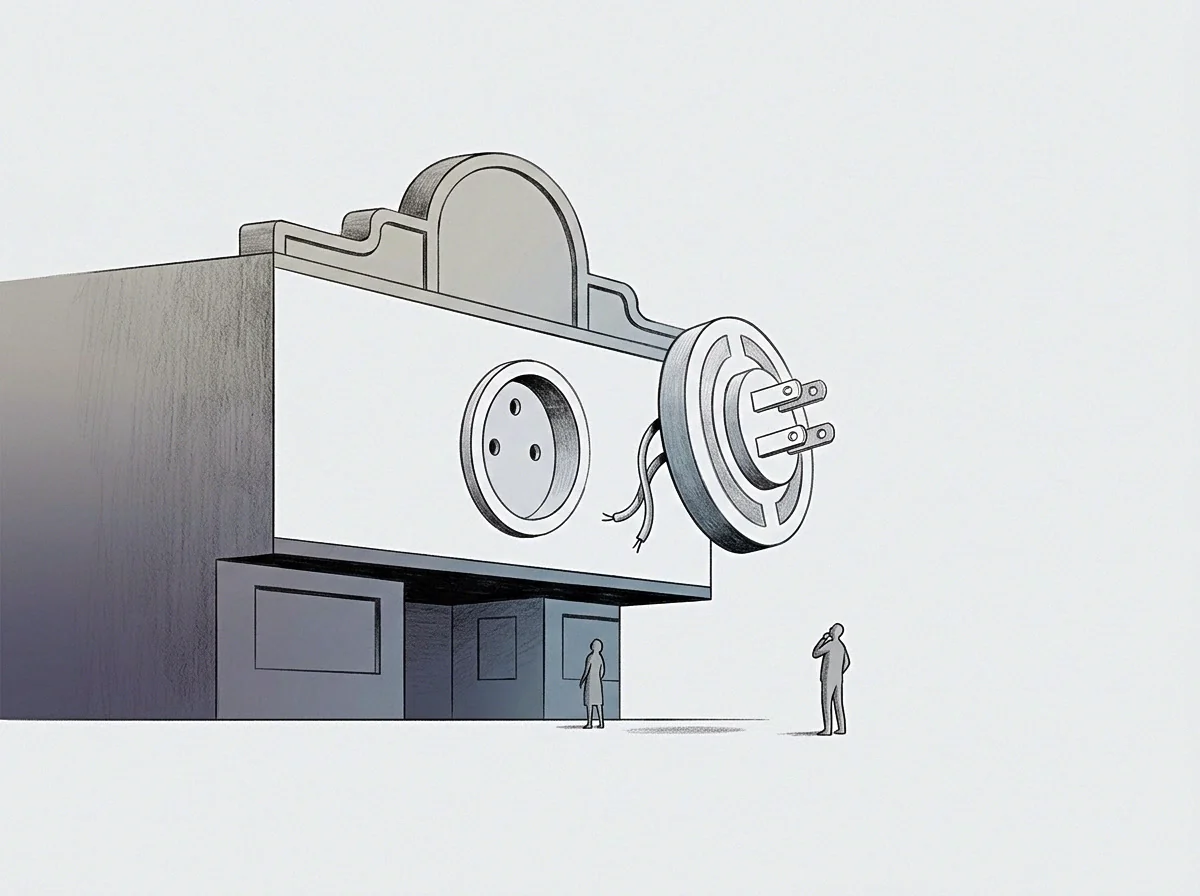
Offers of support encounter a structural mismatch against this reversed pattern. The person has no active internal slot to receive an external presence. Rather than registering a partner’s calm as a source of physical relief, the system treats incoming emotional or physical closeness as another operational task to manage.
Another person’s presence gets processed as a potential demand, a boundary to monitor, or a situation to balance, raising autonomic load instead of lowering it.
- Interrupted Receptivity creates immediate autonomic tension whenever a partner offers physical or emotional grounding without asking for anything in return.
- Compensatory Over-Stabilization prompts the person to manage and calm the emotional state of anyone offering help, turning an offer of support into an outward expenditure of energy.
- Cognitive Neutralization reframes offers of shared responsibility as operational inefficiency, pushing the person back into solo execution.
A reversed internal template converts incoming offers of co-regulation into renewed operational demand.
Without a functional receptor slot, relational dynamics shift over time. People close to a long-term solo builder often feel subtly pushed away during stressful moments. The founder is not intentionally rejecting them; instead, the founder’s nervous system automatically neutralizes the incoming signal to protect its fragile internal balance.
Unable to absorb external regulation, the proximity of someone else’s agitation threatens that tight equilibrium. The founder responds by stiffening their internal posture so no outside variable can disturb it.
This creates a clear relational pattern after leaving a founding role. The person remains highly effective in high-pressure operational settings, yet unavailable for mutual grounding in quiet, personal moments. The partner learns that offering presence causes strain rather than connection, eventually stopping attempts at co-regulation altogether.
The person trying to help eventually stops offering physical presence, as every attempt to share a baseline leaves both people more exhausted than staying alone.
Weight
Measuring the cost of autonomic management means looking at how different modes consume cognitive and physiological resources. Solo regulation is the most expensive mode, requiring constant internal energy to maintain composure against external pressure. Borrowed regulation with unstated terms seems cheaper initially, but creates covert contract friction when the stabilizing partner expects unspoken returns.
Explicit, reciprocal baseline sharing carries the lowest metabolic cost, spreading threat monitoring across integrated nervous systems.
Regulatory State Specifications
The operational characteristics of these regulatory modes vary in physiological cost, relational transparency, and long-term sustainability.
| Regulatory Mode | Primary Energy Source | Metabolic Expenditure | Relational Demand | Long-Term Impact |
|---|---|---|---|---|
| Solo Regulation | Internal Glycogen and Cortisol Drives | Maximum Continuous Output | Zero External Allocation | Systemic Allostatic Exhaustion |
| Unstated Borrowed Regulation | External Partner State Extraction | Moderate with Sudden Spikes | Unspoken Reciprocity Expectations | Relational Friction and Latent Resentment |
| Reciprocal Baseline Sharing | Shared Social Baseline Architecture | Optimized Minimal Output | Explicit Reciprocal Boundaries | Autonomic Recovery and Earned Security |
| Data reflects physiological resource expenditure patterns observed across extended operational isolation and co-regulatory recovery phases. | ||||
Moving from solo regulation to reciprocal baseline sharing takes more than an intellectual decision. The central nervous system needs clear, repeated, low-stakes physical evidence that external regulation is safe, predictable, and free of hidden costs. When someone has relied solely on internal reserves for years, forcing sudden intimacy causes autonomic shock.
The system interprets the sudden shift as a loss of control, triggering withdrawal or acute hyper-vigilance.
Lowering autonomic expenditure requires explicit agreement on the terms under which proximity is offered and received.
Because rebuilding capacity demands precise pacing, the nervous system must learn to tolerate micro-doses of unearned safety—brief moments where someone else offers stability without demanding performance, emotional balancing, or oversight. Over time, those short experiences build a secondary regulatory pathway alongside the old solo template.
A clear, explicit agreement that proximity carries no hidden performance expectations immediately lowers the threat calculation within the central nervous system.
Hand
Physical touch and spatial proximity act as direct sensory inputs for autonomic recalibration. Early in rebuilding regulatory capacity, simple contact—like a firm hand on the upper back or sitting shoulder-to-shoulder—carries high information density. The solo builder’s nervous system scans these inputs for pressure, manipulation, or impending operational demands.
If the touch stays steady, unhurried, and free of emotional agenda, the predictive architecture registers it as a grounding anchor rather than a new assignment.
The physical sensation of a calm body operates below verbal processing. Breathing patterns naturally align through entrainment when two people sit close together in silence. This synchronization reduces heart rate variability strain and lets parasympathetic tone rise gradually.
For someone used to solitary survival, experiencing that shift without explaining or discussing it keeps cognitive capacity from overloading.
Can a baseline update without direct proximity?
Remote communication, text exchanges, and digital tools cannot provide the sensory density needed to update a deep autonomic template. Distance can yield cognitive clarity, but recalibrating the autonomic system requires physical presence, vocal tone, and unmediated micro-expressions. The nervous system uses these non-verbal signals to confirm that an environment is safe.
Without direct proximity, it keeps running solo prediction scripts, depending entirely on internal reserves for equilibrium.
Tolerating real-time physical presence requires resisting the impulse to lead, fix, or organize the interaction. Taking charge is often a defensive somatic strategy to manage external variables. Sitting quietly next to another person, letting them remain calm without taking over the room, introduces a new experience: safety without active personal control.
Sensory density in physical space provides the non-verbal proof required to alter hardcoded autonomic prediction models.
Repeated exposure to this physical input gradually weakens the belief that safety depends on constant oversight. The person experiences moments where the environment stays stable even as their own vigilance drops. That physical discovery allows space for the missing receptor slot to begin forming.
How long can the central nervous system tolerate unmanaged physical proximity before the defensive impulse to organize the interaction takes over?
Anchor
Updating an autonomic template built over years of solo execution is measured by the change over time between reactive self-reliance and allowed co-regulation. Earned security grows through accumulated experiences where dropping vigilance leads to safety rather than collapse. The process does not erase the old solo template; instead, it creates a secondary, efficient pathway that the nervous system can select when reliable peers are present.
This structural shift changes how relationships are formed and maintained. Need-based attachment, where a founder ties people to them to cover unacknowledged baseline gaps, gives way to choice-based alignment. The person stops seeking people who need stabilizing or partners to carry unaddressed physical burdens.
Instead, they engage from restored capacity, connecting with others whose nervous systems are grounded and capable of true baseline reciprocity.
Physical signs of this shift show up clearly in daily routines. Tension in the shoulders and jaw softens during routine tasks, sleep deepens, and unexpected quiet no longer triggers the sense of an incoming crisis. The person regains the ability to sit still without a physiological drive to produce work, plan outcomes, or defend territory.
The ability to be supported by an environment replaces the constant need to hold everything together.
Small, consistent exposures to shared stability rebuild autonomic regulation far more effectively than sudden, intense efforts to force relaxation.