
Reactivating The Vagal Brake Through Repeated Low Cost Relational Proximity
Repeated low-demand physical proximity reactivates the ventral vagal brake by lowering metabolic threat prediction and restoring autonomic baseline regulation.

Ledge
Four open terminal windows sit unread on the monitor at two in the morning. An operator under high strain remains in continuous sympathetic mobilization, with elevated heart rate, constricted peripheral blood vessels, and cortical focus narrowed onto operational risks. Solitary threat processing forces the central nervous system to calculate metabolic allocation as if environmental security depends entirely on individual vigilance.
The human brain functions as an organ of risk prediction, balancing environmental demands against accessible support resources. When an individual manages high operational volatility without external physiological anchors, neural threat circuits treat the surrounding environment as baseline hostile. Sustaining vigilance, monitoring open loops, and suppressing baseline anxiety consumes a disproportionate share of daily glucose and oxygen capacity.
Allostatic overload develops when neural architecture sustains high mobilization without regular parasympathetic dampening. Top-down cognitive attempts to calm the nervous system through logical reassurance draw heavily on prefrontal cortex energy. The brain spends metabolic reserves to inhibit its own alarm signals, creating a secondary drain on executive capacity.
Isolation drains systemic energy reserves.
Processing threat demands a metabolic budget.
The operator sits alone late at night carrying operational uncertainty without physiological baseline support.
Social baseline theory establishes that the primary evolutionary adaptation of human nervous systems is the distribution of metabolic load across trusted group members. Physical proximity to a non-threatening conspecific changes the primary environmental baseline calculations performed by the amygdala and hypothalamus. Solitary regulation carries a high physiological cost for human beings, whereas co-presence reduces baseline threat calculations without requiring conscious effort.
When operational pressure rises, leaders routinely isolate themselves to process decisions, inadvertently choosing a high-cost mode of neural regulation. The body interprets this physical isolation as increased ambient risk, escalating sympathetic nervous system tone and withdrawing parasympathetic inhibition. This state of continuous physiological readiness degrades executive decision-making, emotional stability, and long-term autonomic resilience.
Sustaining operational commitments without autonomic baseline support accelerates nervous system exhaustion and triggers unannounced operational breakdown.

Brake
The myelinated motor fibers of the tenth cranial nerve originate in the nucleus ambiguus, exerting inhibitory control over the cardiac sinoatrial node. This myelinated pathway functions as an autonomic deceleration mechanism, dampening heart rate and suppressing the hypothalamic-pituitary-adrenal axis within milliseconds. When operational stress withdraws vagal inhibition, cardiac output surges, inflammatory cascades initiate, and the body prepares for physical survival.
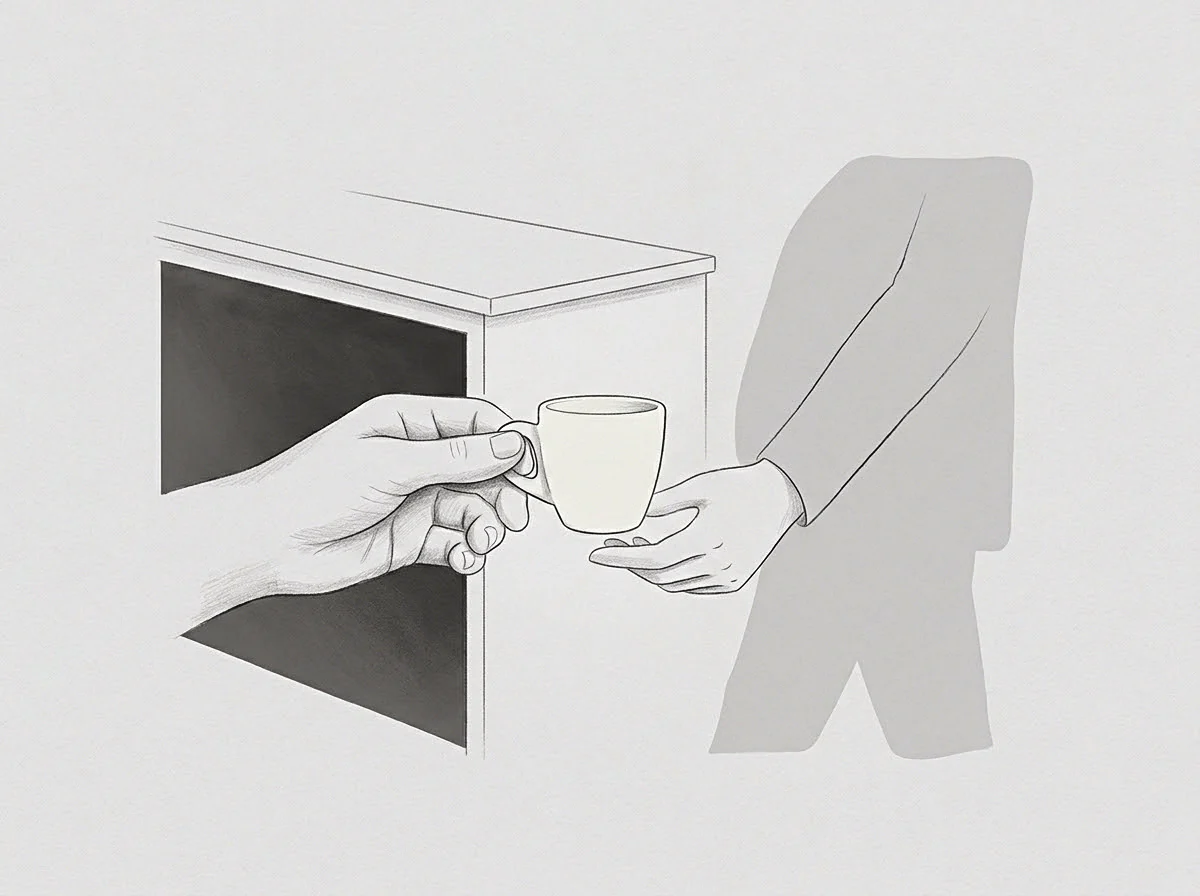
Mechanisms of Autonomic Deceleration
Pacing cardiac rhythm requires steady parasympathetic outflow. Under acute threat, the brainstem decreases vagal tone, allowing fight-or-flight mechanisms to dominate the physiological state. Restoration of baseline functioning relies on the re-engagement of these vagal pathways to suppress sympathetic drive and lower metabolic energy expenditure.
Heart rate slows down.
The autonomic system registers safety.
Cognitive strategies for stress reduction rely on higher-order prefrontal structures instructing lower brainstem centers to reduce arousal. This top-down pathway operates slowly and consumes executive resources that are already depleted during operational crises. Autonomic deceleration through social baseline cues operates through rapid, bottom-up sensory processing that directly influences brainstem cardiorespiratory centers.
Ventral vagal suppression of cardiac pacemaker activity increases when physical proximity to a stable presence reduces environmental threat prediction.
Ventral vagal activation suppresses sympathetic tone without requiring conscious decision-making or emotional processing. Sensory inputs indicating the presence of a calm, predictable human presence travel through visual, auditory, and somatosensory pathways directly to the brainstem. The nucleus ambiguus responds by increasing cardiac vagal tone, dropping resting heart rate, and reducing circulating cortisol levels.
A zero-evaluative condition restores myelinated vagal inhibition to the cardiac pacemaker by eliminating continuous cognitive monitoring of social risk.
Proximity
Physical presence acts as an autonomic signaling channel when two people occupy the same space without conversational obligations. The autonomic nervous system continually scans the immediate environment for cues of safety and threat through neuroception. High-demand social interactions, such as performance evaluations, strategic negotiations, or emotionally charged debriefs, keep neuroceptive circuits on high alert despite physical closeness.

When Does Proximity Lower Regulation Cost?
Autonomic energy expenditure drops specifically during zero-demand co-presence. When relational proximity involves continuous verbal interaction, social signaling, or evaluation, the nervous system maintains active social engagement networks, preventing deep autonomic recovery. Low-cost relational proximity requires removing expectations of performance, output, or emotional management.
| Interaction Mode | Autonomic State | Perceived Evaluation Load | Vagal Brake Status |
|---|---|---|---|
| High-Demand Evaluation | Sympathetic Mobilization | High Operational Exposure | Withdrawn |
| Structured Conversation | Mixed Sympathetic / Social Engagement | Moderate Social Risk | Partially Engaged |
| Parallel Silent Activity | Ventral Vagal Dominant | Low Operational Risk | Active |
| Passive Zero-Demand Presence | Restoration Baseline | Negligible Threat Signal | Fully Engaged |
Calm registers without conscious effort.
Attention shifts back to tasks.
Sitting in the same space with a reliable, calm individual without engaging in conversation allows the nervous system to sample safety signals passively. Sensory channels absorb the steady respiratory rhythm, non-defensive posture, and lack of sudden movements from the other person. Neural prediction networks adjust ambient risk estimates downward, allowing the ventral vagal brake to re-engage naturally.
Relational environments with explicit performance expectations maintain sympathetic baseline activation regardless of physical closeness.
The efficacy of low-cost proximity depends on the non-evaluative nature of the interaction. If the operator perceives that the other person is observing, judging, or waiting for a response, the nervous system treats the encounter as an operational task. True autonomic offloading occurs only when the relational environment demands zero output from the activated individual.
It remains unmeasured how many minutes of zero-demand co-presence a hypervigilant nervous system requires before sympathetic arousal yields to vagal dampening.
Rhythm
Habituation of the threat response depends on repeated short exposures rather than prolonged single encounters. Neural circuitry governing allostatic load adjusts baseline expectations through frequent, consistent sensory validation. Irregular, high-intensity attempts at rest fail to alter long-term environmental threat predictions.
Parameters for Low Cost Relational Contact
Designing co-regulation into a working week requires structural clarity. Intermittent and predictable presence signals allow threat monitoring circuits to down-regulate anticipation of danger. Establishing predictable intervals of shared physical space trains the autonomic nervous system to anticipate periods of reduced metabolic demand.
- Explicit zero-demand agreement establishing that neither party needs to initiate or sustain conversation during the shared period.
- Physical predictability where the co-regulating partner sits in a fixed position without abrupt movement or unpredictable shifts in stance.
- Absence of evaluation removing any expectation that performance, decisions, or emotional states will be reviewed or discussed.
- High frequency cadence scheduling brief contact periods three to four times per week rather than relying on biweekly long meetings.
- Bounded time duration setting a firm start and end time so the hypervigilant nervous system does not anticipate an open-ended obligation.
Physiological state influences operational structure.
Repeated exposure builds environmental safety.
Frequent short periods of shared low-demand presence update baseline neural predictions faster than infrequent extended discussions.
Short periods of silent co-presence embedded directly into the work environment prevent the accumulation of severe allostatic load. A twenty-minute period of parallel work or silent reading alongside a stable colleague provides sufficient autonomic dampening to lower resting heart rate and reduce sympathetic tone. Cumulative exposure over weeks re-patterns internal threat thresholds.
Brief predictable contact without verbal requirements consistently lowers sympathetic baseline tone faster than long unstructured conversations.

Gate
Founders and senior operators frequently act as the emotional baseline for entire organizations, holding high threat capacity while lacking a receptive pathway for co-regulation. Individuals who habituate to regulating others internalize an operational model where they function exclusively as the provider of stability. This pattern creates a structural inability to register or accept external regulatory signals, effectively closing neural receptor slots for incoming safety cues.
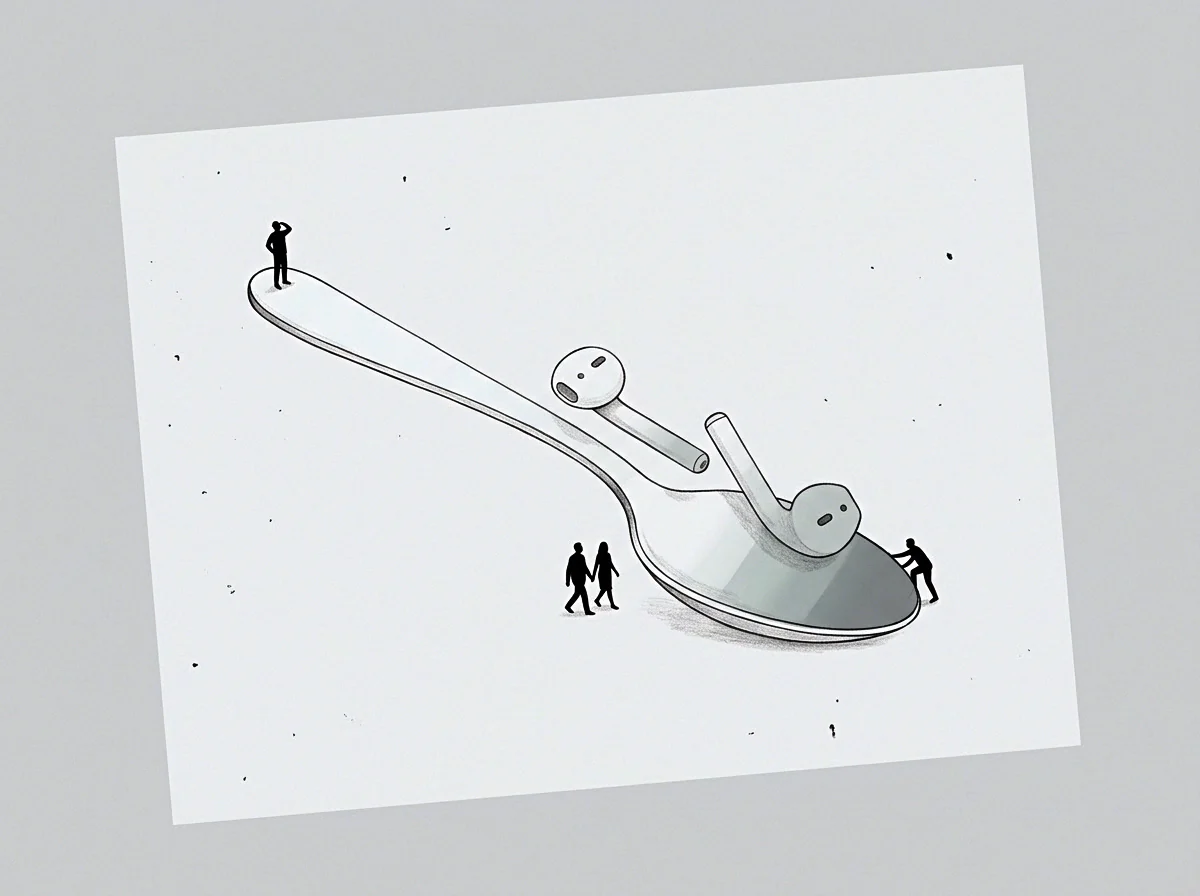
The Receptor Slot Dilemma
Sustained organizational authority conditions the autonomic system to transmit calm without absorbing it. When another person offers support, the operator’s nervous system categorizes the offer as an incoming task or social expectation. Defense architecture interprets relational closeness as operational load, blocking parasympathetic integration.
- Continuous operational stress forces the nervous system to maintain elevated sympathetic activation without autonomic recovery.
- The operator interprets offers of social support as additional operational tasks requiring cognitive management and output.
- Physical presence from others triggers defensive vigilance instead of vagal brake re-engagement.
- Total allostatic load reaches functional capacity, leading to sudden cognitive fatigue and involuntary emotional withdrawal.
The regulatory receptor slot opens.
Metabolic load shifts downward.
Opening the receptor slot requires experiences that explicitly detach relational proximity from operational demand. When an operator experiences repeated physical presence where no input, emotional processing, or leadership behavior is solicited, neural architecture gradually stops classifying proximity as a threat. This shift occurs through sensory accumulation rather than conscious cognitive decisions.
A space remains peaceful when no attention is demanded and no performance is judged.

Update
Earned security develops when repeated physical experiences contradict historical threat predictions stored within internal working models. Internal working models are neural representations of relational safety forged through previous developmental and operational stress. These implicit models dictate whether the autonomic nervous system defaults to solitary self-reliance or permits co-regulation under high load.

Re-patterning Internal Working Models Through Experience
Cognitive insight alone leaves autonomic threat responses unaltered. Understanding the mechanics of vagal tone, social baseline theory, or nervous system regulation does not lower heart rate during acute stress. Physiological re-patterning occurs through direct sensory experiences that provide empirical proof of relational safety.
The nervous system adapts over repeated exposures.
Relational security develops incrementally.
Repeated micro-doses of low-cost relational proximity provide the physiological inputs necessary to update core relational templates. As the brain experiences repeated episodes of proximity paired with zero evaluation and zero operational demand, the threat prediction matrix adjusts. Neural plasticity favors repeated, low-intensity physiological states over occasional dramatic interventions.
The delta between initial hypervigilance and long-term autonomic baseline stability measures the structural update of the internal working model. Over time, the physiological system shifts from treating solitary regulation as the primary defense to accepting relational proximity as a viable metabolic strategy. Vagal brake responsiveness improves, allowing faster recovery from acute operational spikes and preserving prefrontal cortex functionality under uncertainty.
Autonomic safety registers through repeated physical reality rather than intellectual reasoning. Over months of predictable contact, the body accepts shared presence as a permanent metabolic baseline.