
Updating Backward Working Models In Executive Roles Through Earned Security Practices
Earned security updates backward working models through repeated experiences of reliable co-regulation, redistributing executive metabolic load to shared baseline infrastructure.
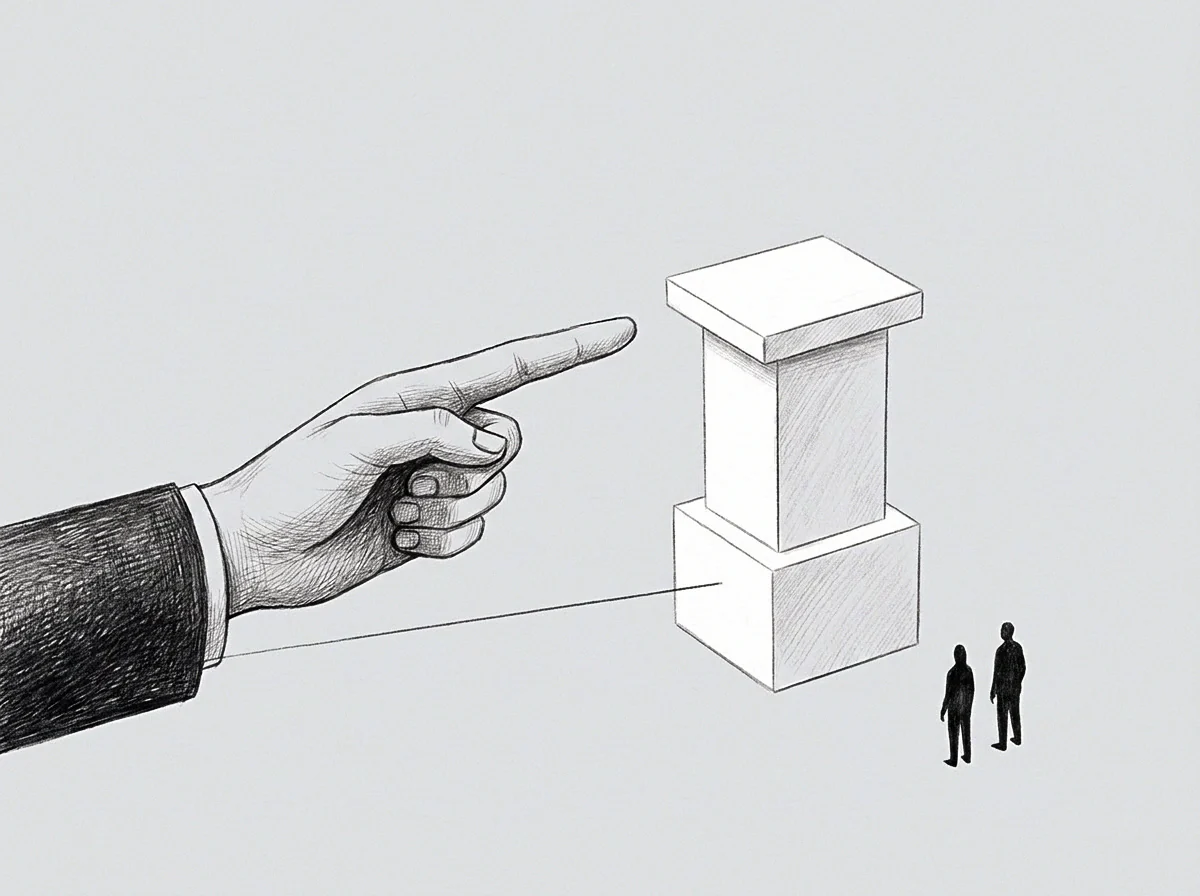
Anchor
A midnight message sits on a cold screen while four department leads sleep undisturbed. The person reading it absorbs the shock alone, drafts three versions of an adjustment plan, deletes two, and sends out a calm directive by morning. Downstream teams read the update and regain their footing.
The organization keeps moving because a single body absorbed the unbuffered shock.
Attachment research traces this imbalance to early survival strategies, where an infant regulates a chaotic caregiver instead of receiving care. That inversion produces a backward working model: an internal template where the person acts as an unconditional source of stability with no expectation or slot for support coming back. Under social baseline theory, the mammalian brain measures risk and spends metabolic resources on the assumption that others help carry the load.
Near reliable peers, neural circuits turn down baseline vigilance, saving glucose and reducing overall wear. Running on a backward working model forces an executive to operate alone, taking on the metabolic cost of organizational volatility while acting as the uncredited baseline for hundreds of staff.
A backward working model treats social proximity as an incoming demand rather than a metabolic subsidy.
Standard leadership literature praises this endurance as executive composure. Stress physiology sees it as continuous load bearing that speeds up physical depreciation. The operational risk sets in when the executive treats structural isolation as a duty.
Every crisis then reinforces the conviction that stability requires holding everything alone.
Moving forward is not a matter of insight or reframing. Cognitive understanding labels a habit without changing autonomic reflexes. Updating an internal model requires earned security, a change brought about by repeated, real-world interactions where support is sought, received, and registered under genuine operational pressure.

Draft
An internal working model forms as an adaptive neural map to predict whether caregivers will be available when needed. In standard development, an infant feels distress, signals, and receives attuned care. Over time, the child builds an internal sense of a dependable other, creating an open receptor slot for help.
In unstable environments where a caregiver is volatile or fearful, the infant flips this arrangement. Survival comes to depend on managing the parent’s state to avoid abandonment, leaving the child with a model of self as the only stabilizing force and the outside world as a constant drain.
In adulthood, this pattern fits surprisingly well into institutional hierarchies. People drawn to it seek roles defined by heavy accountability and constant friction. Founding a high-growth company or stepping into executive leadership recreates the early environment.
The backward model turns the leader into an institutional shock absorber. Subordinates, co-founders, and board members sense the calm demeanor and lean their own nervous systems against it—a process known as borrowed regulation.
The asymmetry deepens because borrowed regulation works quietly. When an executive calms a panicking leadership team during a liquidity crisis, team members often credit their steady focus to personal grit. Meanwhile, the person anchoring the room carries the elevated heart rate, high cortisol, and mental exhaustion, paying the physical bill in full.
This dynamic creates a quiet trap in leadership. The backward model assumes that showing strain will cause collapse or overwhelm others. So the executive hides severe fatigue, the team assumes capacity is unlimited, and the board assigns more complexity to the role.
Structural isolation starts to look like normal operational duty.
The table below contrasts how unilateral containment and earned security distribute these operational demands across an organization.
| Operational Dimension | Backward Model (Containment) | Updated Model (Earned Security) |
|---|---|---|
| Systemic Risk Absorption | Executive absorbs operational shocks alone without passing them downstream. | Operational shocks are distributed across redundant leadership roles with clear boundaries. |
| Relational Information Flow | One-way communication; the executive takes in distress cues and sends back stabilizing directives. | Two-way communication; the executive clearly states capacity limits and operational needs. |
| Metabolic Budgeting | Persistent high-vigilance state with an unshared physical tax. | Lower energy expenditure through shared responsibility and verified support. |
| Receptor Slot Function | Closed; offers of help feel like an operational risk or a sign of failure. | Active; external assistance integrates directly into workflows without defensive resistance. |
The contrast between these two approaches determines how long an executive can endure. The backward model burns up the person in the seat to keep the organization moving.
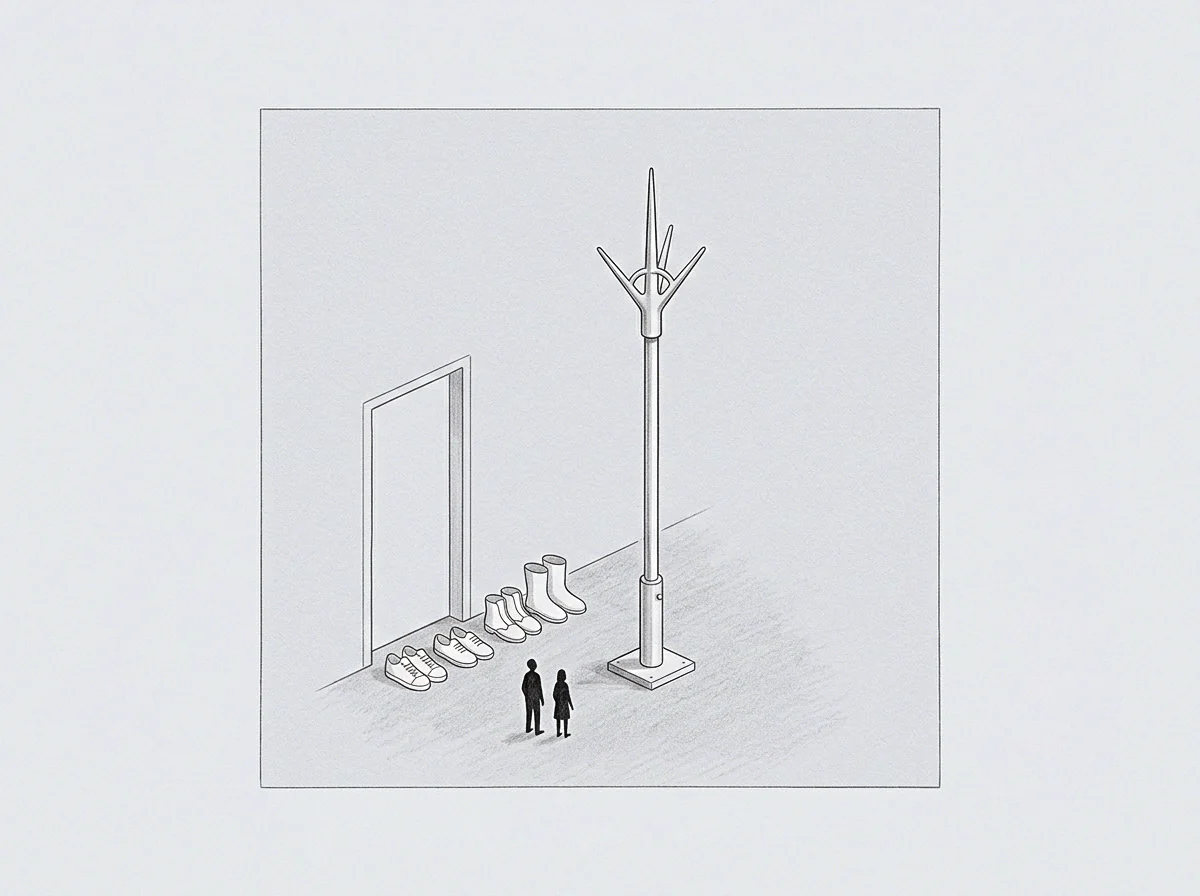
Cable
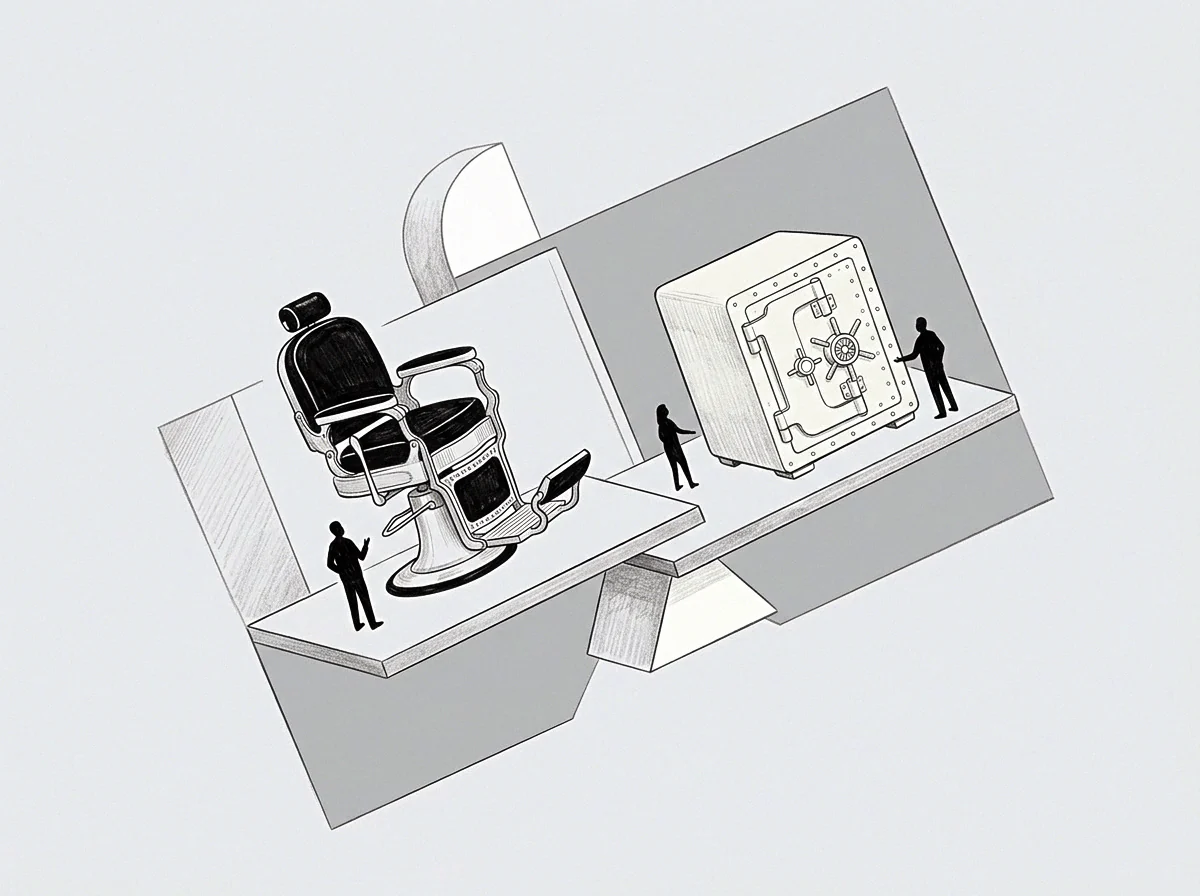
The Economics of Unshared Baseline Vigilance
Social baseline theory shows that the human nervous system does not operate as an isolated processing unit. Instead, the brain treats social connections as shared infrastructure. Near a reliable partner, imaging shows reduced activity in threat-processing regions like the anterior insula and dorsal anterior cingulate cortex.
The brain budgets physical energy according to the support available around it.
Operating without that support eliminates this energy savings. The brain treats the environment as a constant threat, keeping baseline vigilance turned up. Heart rate variability falls, systemic inflammation rises, and working memory narrows to immediate crises.
The executive usually interprets this physical strain not as a product of isolation, but as proof that everything is on the line.
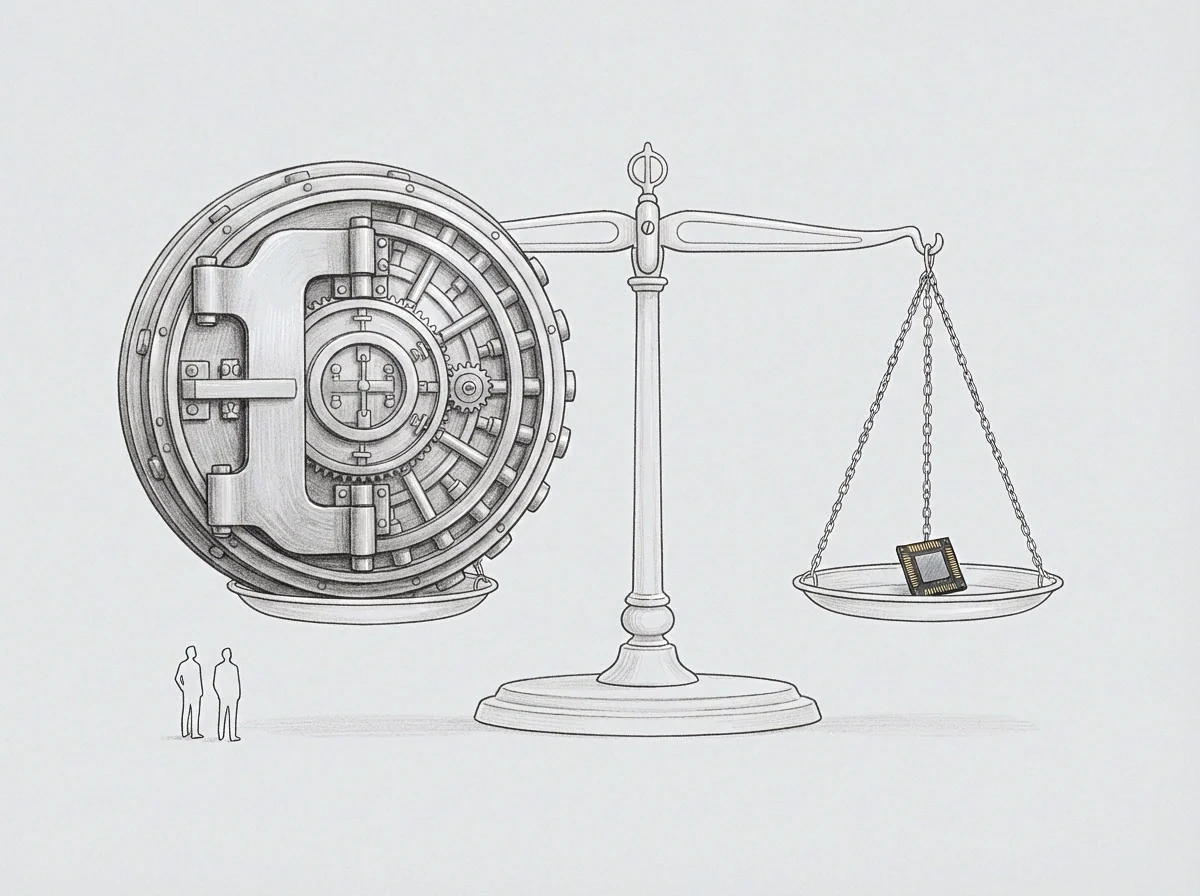
Unilateral self-regulation requires triple the metabolic expenditure of distributed baseline regulation.
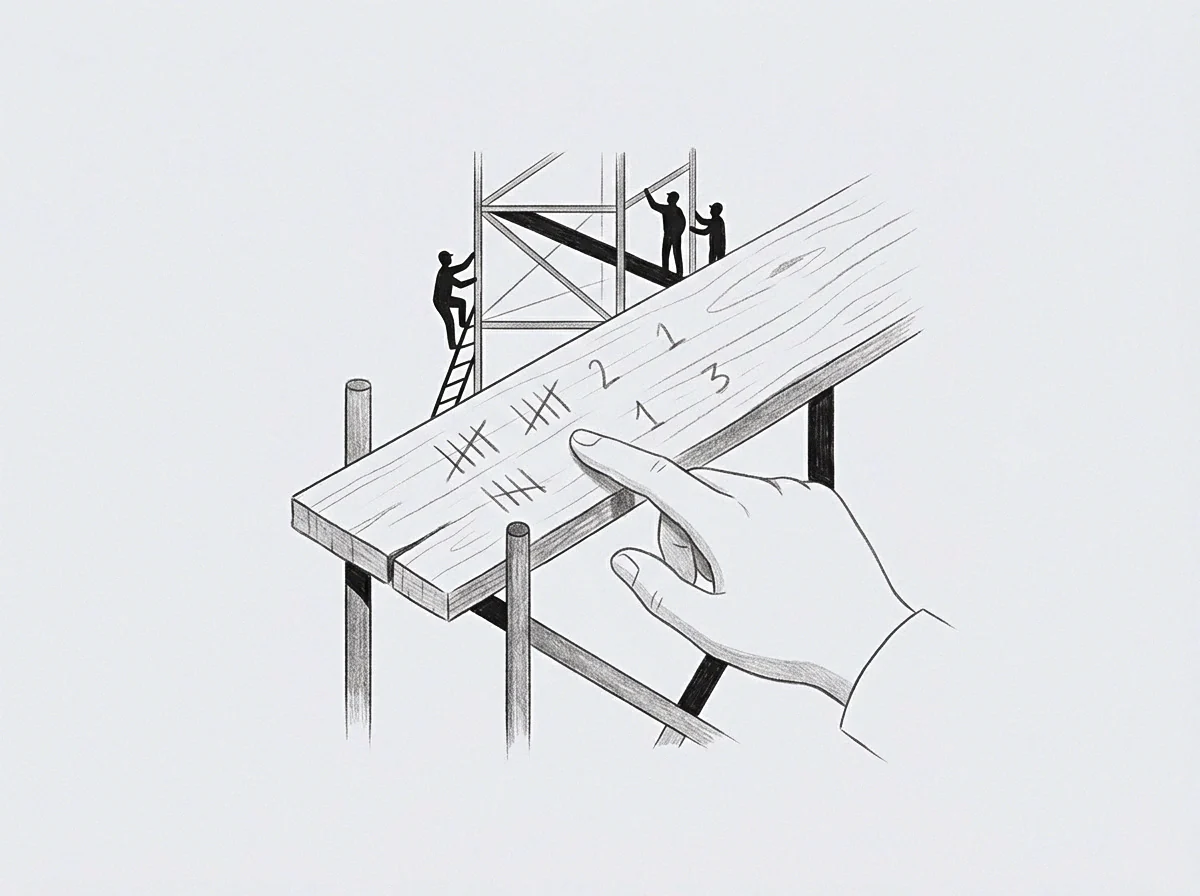
An analogy from mechanical engineering illustrates the structural risk. Suspension bridges rely on multiple redundant cables spread across heavy anchors. If a single main cable takes the full load without secondary support, wind shear creates microscopic fractures inside the steel long before the road deck starts to sag.
An executive functioning as an isolated cable undergoes the exact same wear.
Researchers debate whether high-performing executives can maintain this posture indefinitely without breaking down. Some occupational studies argue that certain individuals possess unique personal resilience that bypasses the need for shared support. But much of that evidence relies on self-reported surveys collected from surviving leaders during economic booms.
In contrast, longitudinal studies measuring physical stress markers in long-term command roles show that metabolic debt accumulates in everyone, regardless of personal mindset. Mammalian biology is not something a person can think their way out of.
When a leader misreads that rising physical toll, strategic judgment narrows. Capital gets spent prematurely, senior talent leaves over unclear communication, and board arrangements strain under unstated expectations.

Seat
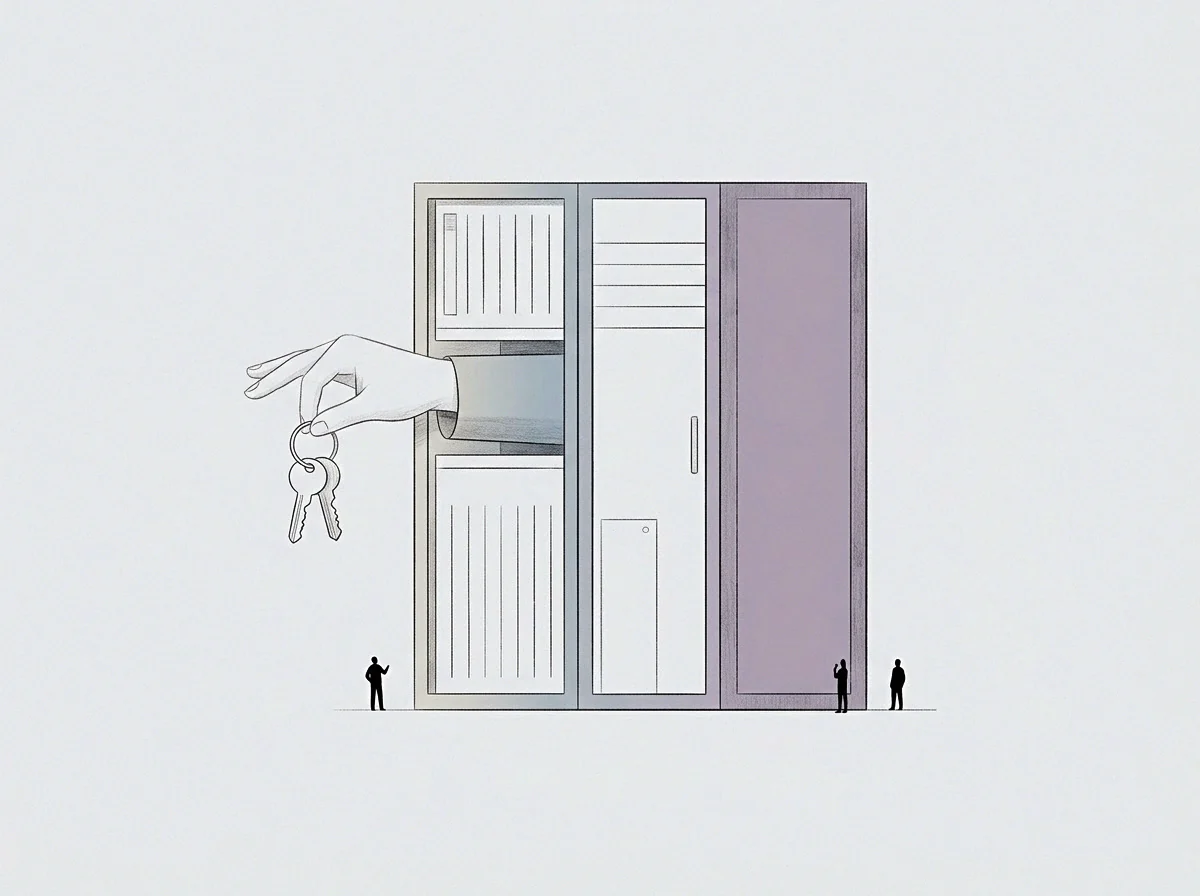
Structural Conditions in Executive Design
The backward working model persists on more than personal habit. Corporate structures actively select for it and lock it into daily operations. Governance systems reward single-point accountability because boards want one clear line of responsibility.
The executive seat becomes an isolated enclosure where showing strain looks like showing weakness.
Consider a common scenario in a scaling company—an enterprise growing from fifty to three hundred employees over twenty-four months. The executive holds forty percent of common stock, retains sole signing authority on debt covenants, and manages seven department heads directly. Three conditions keep the backward pattern in place:
- Unilateral Information Gatekeeping keeps critical organizational risks contained in a single leader’s calendar to prevent company panic, cutting off any chance to share the burden.
- Asymmetric Boundary Maintenance ensures immediate availability for every crisis while remaining entirely silent about the executive’s own limits.
- The Strength Under Strain Dilemma means that surviving a crisis looks like unlimited capacity to the board, bringing in even more troubled projects.
Under this structure, the executive functions under an implicit agreement to maintain unbroken stability. Direct reports learn that passing problems upward absorbs the impact, turning the leader into a dump for unresolved friction. Staff morale stays high while the executive runs on empty.
A partner waiting at home late each night sees someone with nothing left to give.
Understanding this pattern intellectually does not change it. A leader can study attachment theory endlessly while maintaining the same underlying baseline. Changing the model requires specific, repeated interactions that build the missing capacity for support.
Press
The Update Architecture of Earned Security
Earned security is the physical and psychological recalibration of an insecure model through reliable adult relationships. The internal baseline shifts when a person encounters what attachment theory calls a responsive other—a peer, advisor, or partner who stays grounded under stress, acts without exploitation, and requires no emotional management in return. This change does not come from discussion, but from repeated, low-stakes experiences of shared vulnerability.
Building a working receptor slot comes first. Because the backward model views outside support as a threat, creating this opening requires deliberate steps. The executive establishes connections outside the operational hierarchy with peers of comparable responsibility who cannot be removed or overruled by executive authority.
Earned security forms when an individual tests the relational boundary and finds the counterparty stable under the shared load.
The process moves through several structured steps:
- The executive selects a high-stakes problem with non-fatal consequences and defines its exact boundaries.
- The relevant information is shared with a trusted peer or advisor without framing it with pre-planned answers or qualifiers.
- The executive steps back for forty-eight hours, giving the other person space to evaluate the problem and offer direct support.
- The nervous system experiences the reality of shared effort, learning that exposure did not lead to abandonment, exploitation, or failure.
Repeating this practice fifty times over eighteen months reshapes underlying assumptions. The nervous system recalculates its baseline energy spend as it learns that operational stress can be shared across a network. The executive moves from holding everything alone to operating as part of a distributed leadership structure.
This shift changes how executive decisions get made. Instead of responding to pressure with isolated overwork, the leader begins drawing on external support and structural leverage. The role stops acting as a single shock absorber and becomes a clear conduit for management.
A core tension remains: whether a leader can safely test these behaviors within competitive corporate governance systems where others hold conflicting financial and political incentives, or whether earned security must be developed outside the organization before it can endure inside it.