
Updating Internal Working Models To Prevent Unilateral Allostatic Load Absorption
An internal working model updates when repeated reciprocal presence replaces unilateral allostatic load absorption during high stress operational cycles.

Signal
Late evening brings four separate messaging threads into a single queue, each carrying unmanaged anxiety from different departments. Operational leads seek immediate direction on minor discrepancies, sending frequent notifications to verify routine choices. A steady response calms each sender and settles immediate tension across the organization, but leaves the recipient in prolonged physiological activation.
The brain budgets energy under the implicit assumption that a reliable co-regulator sits nearby. When one individual serves as an asymmetric baseline for an entire organization, they absorb transferred stress without receiving reciprocal somatic stabilization.
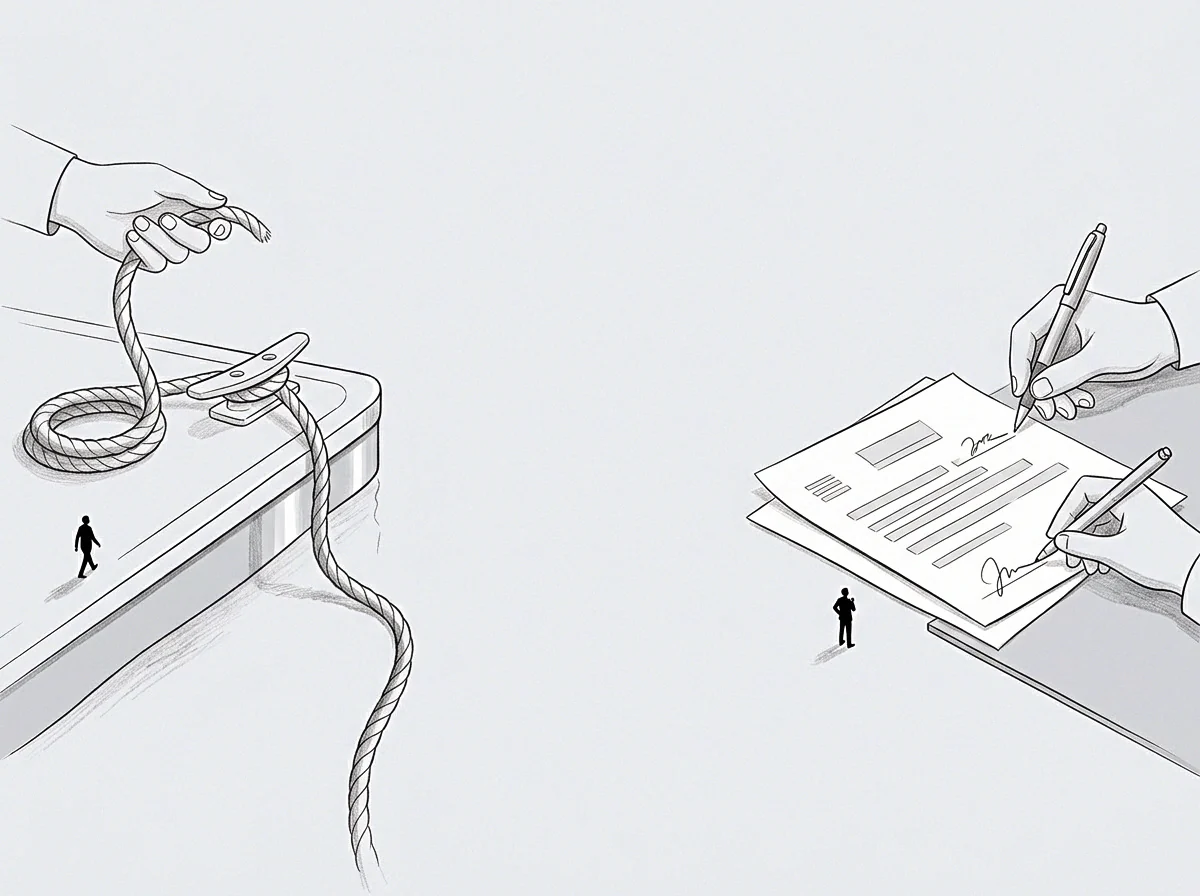
The Structural Deficit of Asymmetric Baseline Provision
Human nervous systems balance energy expenditure around expected environmental support. Proximity to a stable counterpart reduces the neural effort needed to evaluate threat and manage autonomic arousal. In many operational settings, a single founder functions as the system’s sole source of calm.
Social baseline theory shows that holding threat assessment entirely within one brain consumes disproportionate glucose and metabolic resources.
When team members regulate their own panic against a leader’s steadiness, they offload their metabolic expenditure onto that leader. Borrowed regulation feels like internal calm to the sender, masking the transfer of strain. The leader absorbs this load through heightened cardiac activity, elevated baseline cortisol, and reduced heart rate variability.
Because their internal working model expects no support from others, the leader accepts the incoming burden as an unalterable operational fact.
While proximity reduces metabolic expenditure, isolation increases systemic cost. When a team routinely routes its anxiety upward, the central receiver becomes a metabolic sponge for the entire enterprise.
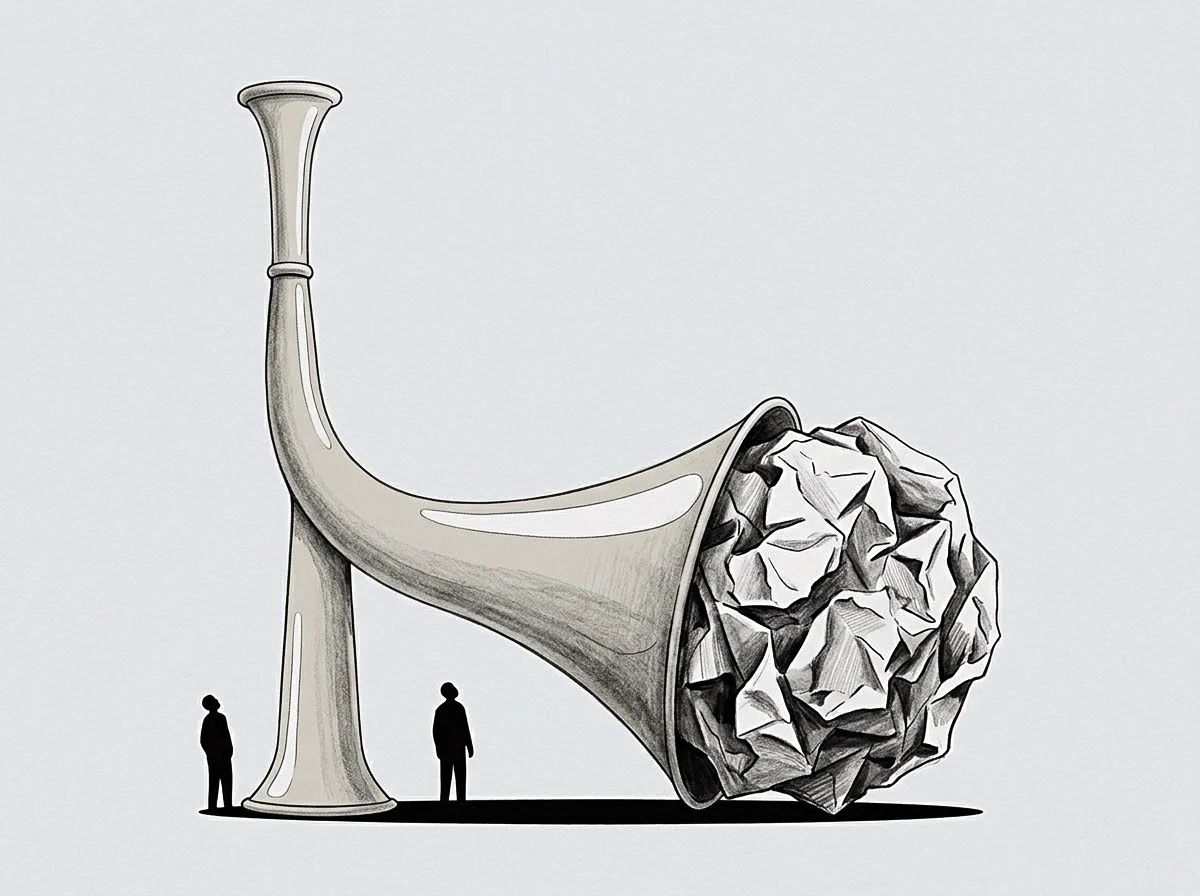
Physiological Debt in Unilateral Load Distribution
Continuous absorption of external tension accelerates neuroendocrine wear without producing proportional organizational output. This cumulative strain manifests as allostatic load, the structural wear and tear on biological systems under persistent stress. When an organization lacks reciprocal regulation mechanisms, the primary regulator burns through adaptive reserves merely to preserve stability.
Borrowed regulation functions as a silent metabolic loan drawn from the steady party, steadily eroding their somatic headroom. As unstated expectations and delays create an unreciprocated load, the regulator bears the deficit, which over time restricts strategic capacity and leads directly to autonomic exhaustion.
An unshakeable presence at the head of the table allows the rest of the organization to focus entirely on execution.
Chamber
Early environments shape how the brain models interpersonal safety and energy allocation. An internal working model develops early in life, encoding expectations about whether others will prove responsive, accessible, and regulating under threat. When early caregiving involves volatile or distant figures, a child learns that safety demands hyper-vigilance and proactive stabilization of nearby adults, making self-soothing synonymous with controlling surrounding conditions.
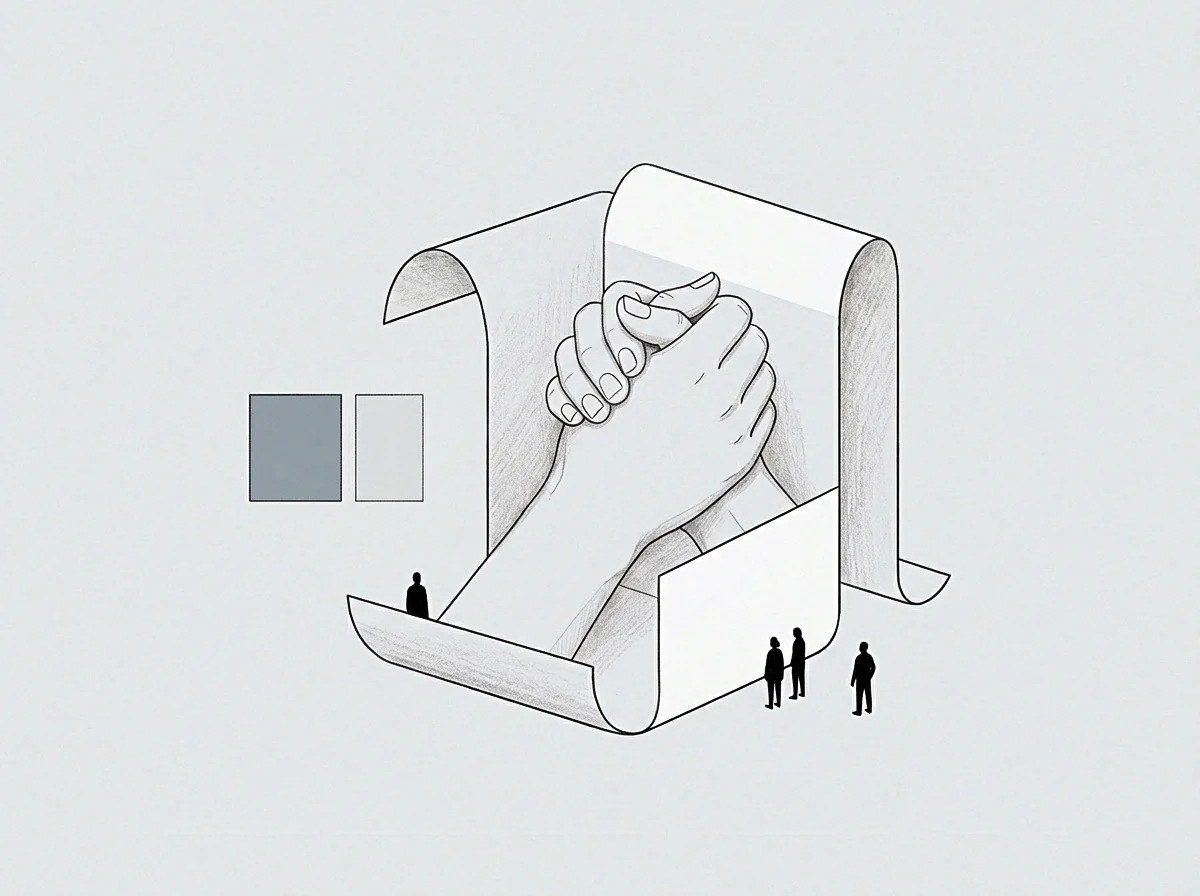
Inverted Regulation Templates Formed Under Chronic Instability
Children raised in unpredictable emotional landscapes often adopt protective operational roles. They construct an inverted regulator template, treating themselves as the sole stabilizing force in every relational field. Under this arrangement, the person develops a hyper-capacity to soothe others while lacking the neural receptor capacity to receive calm from an external source.
Calming others becomes their primary strategy for managing personal threat.
When this inverted dynamic persists into professional life, a founder replicates early survival strategies within corporate architecture. The organization becomes the volatile entity requiring constant stabilization, and the founder assumes that relaxing vigilance will bring immediate structural collapse. Consequently, they actively invite incoming strain, equating extreme load absorption with personal safety and control.
A brain operating under an asymmetric internal working model interprets every incoming request for support as a mandatory physiological draw on its own reserves.
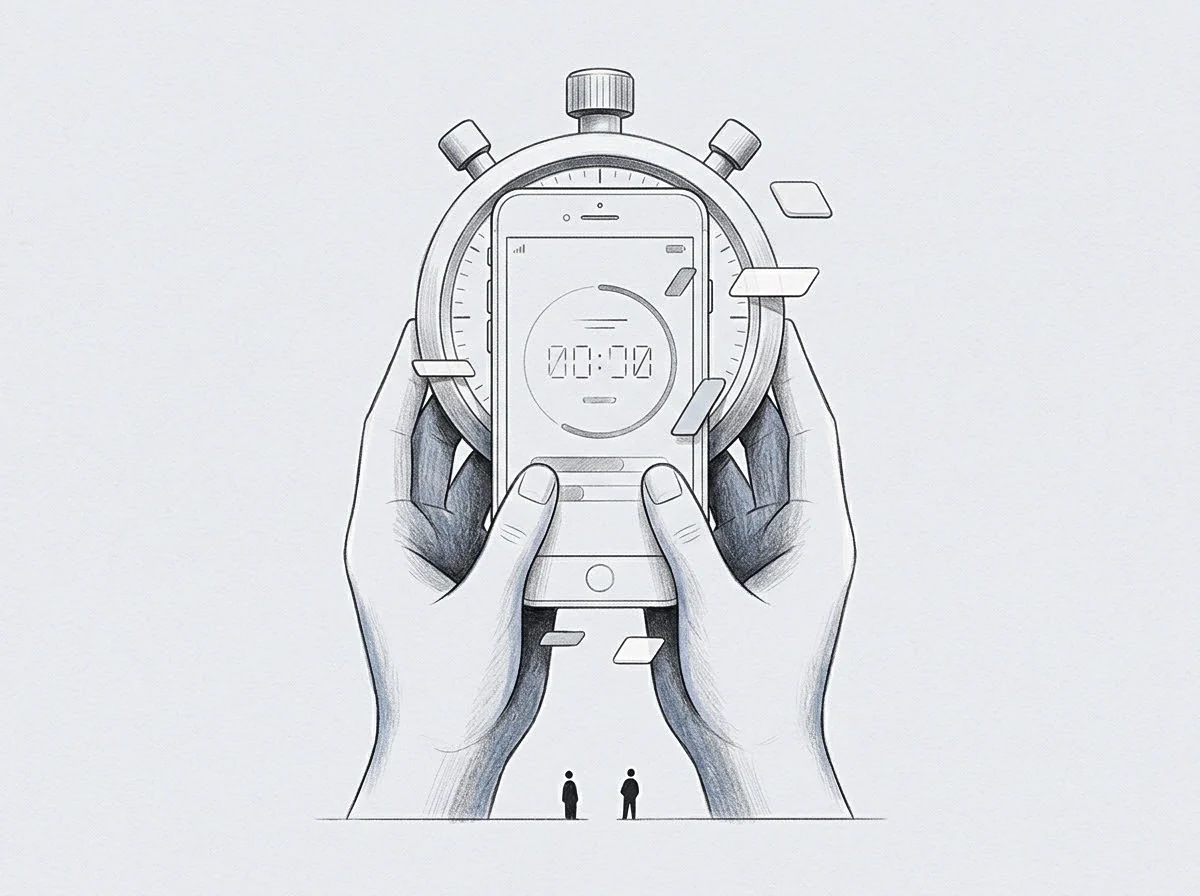
The Perception of Support Offers as Operational Anomalies
When external actors offer assistance, a system accustomed to solo burden management meets the gesture with suspicion. Help feels unpredictable or dangerous because the early model equates reliance on others with inevitable failure or sudden instability. The individual rejects incoming coregulation, preferring the familiar strain of self-reliance to the threat of interdependence.
This structural avoidance preserves the isolated baseline. The person remains locked in unilateral absorption, treating genuine offers of support as operational anomalies or latent obligations. Because relational presence carries a real cost and capacity drops whenever regulation fails, the internal template continues to demand complete containment of systemic friction within a single set of biological boundaries.
Perpetuating an unexamined early template guarantees that physiological capacity is exhausted long before operational commitments reach completion.

Equilibrium
Comparing organizational designs reveals how regulatory burdens distribute across operational nodes. In a centralized dynamic, stress flows upward toward a single point of stabilization, whereas a co-regulated network distributes emotional load across clear boundaries and reciprocal channels. Because the baseline operates as a physical metric, silent absorption destroys operational headroom, converting organizational friction directly into biological strain.
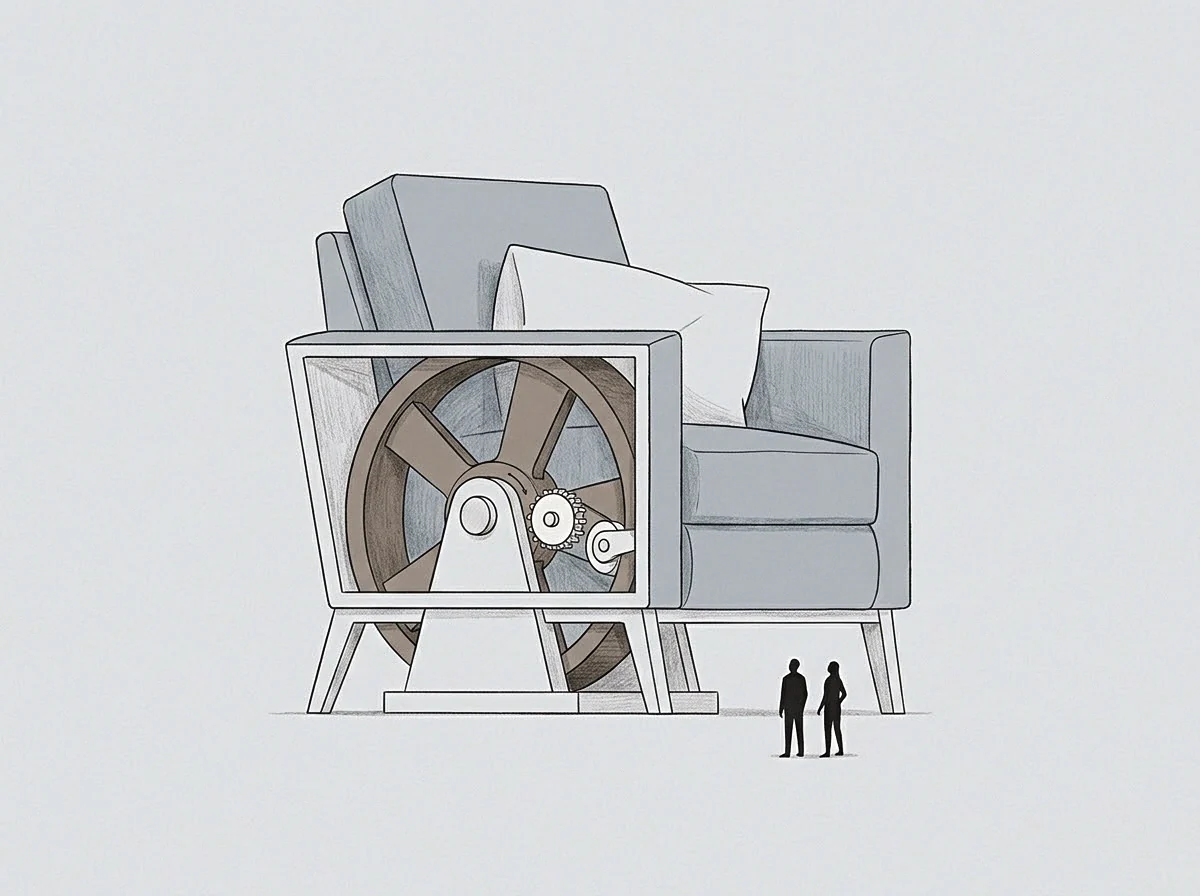
When Does Borrowed Regulation Become Unilateral Absorption?
Organizational strain shifts imperceptibly from shared responsibility to solitary containment when structural thresholds remain undefined. When team members lack clear parameters for problem-solving, they default to passing unrefined anxiety upward. The leader receives these pings as routine updates, unaware that each interaction transfers a micro-dose of somatic load.
Without explicit boundaries governing availability and authority, the leader becomes a dumping ground for unresolved team tension. As the system absorbs open loops, the volume of incoming noise eventually overwhelms the leader’s capacity to recalibrate, producing sustained physiological stress.
| Evaluation Criteria | Asymmetric Baseline Model | Co-Regulated Baseline Model |
|---|---|---|
| Metabolic Regulation Cost | Borne entirely by the primary leader through heightened baseline vigilance. | Distributed across peer relationships through shared sensory grounding. |
| Latent Load Absorption | Unidirectional transfer from sub-systems to the unspoken regulator. | Bounded by explicit operational terms and mutual availability thresholds. |
| Capacity Under Crisis | Rapid decay as personal allostatic reserves reach biological ceiling. | Sustained through reciprocal presence and staggered recovery intervals. |
| Relational Template Trajectory | Reinforces early working models of unilateral self-reliance. | Builds earned security through repeated non-evaluative support cycles. |
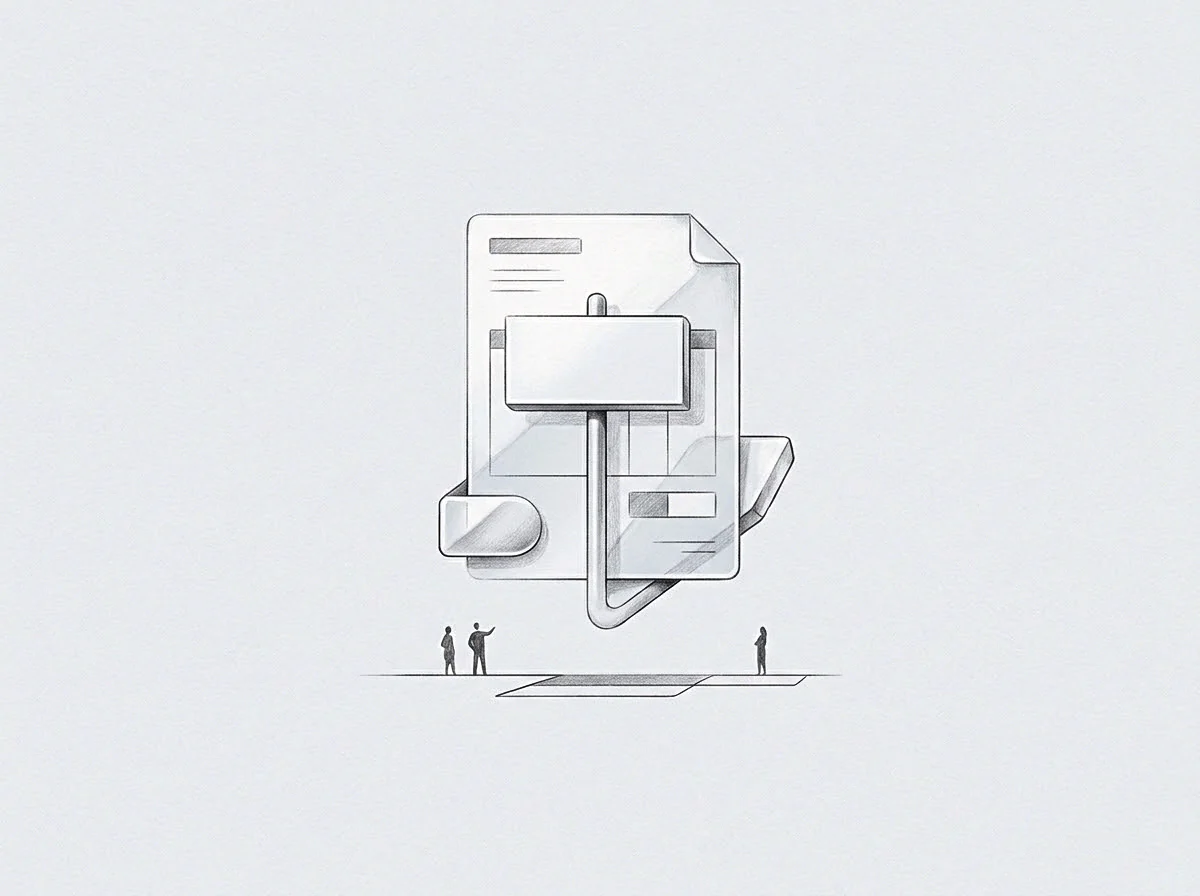
Quantifying Transferred Stress Across Operational Threads
Tracking physiological cost across executive seats highlights severe imbalances in daily metabolic burn. Consider an operational scenario with two senior leaders managing a critical production cycle over a six-month stretch. Leader A operates under an asymmetric template, accepting every escalation instantly, while Leader B sets distinct response parameters and requires peer resolution before step-in.
Leader A experiences continuous micro-arousals throughout the workday, maintaining elevated heart rates off-hours and showing reduced parasympathetic recovery during sleep. Leader B experiences discrete spikes in stress during scheduled reviews, followed by immediate autonomic stabilization. Over six months, Leader A exhibits physiological markers of advanced allostatic overload, including impaired immune response and somatic fatigue, while Leader B retains consistent cognitive bandwidth and stable operational capacity.
When operational headroom falls below the baseline required for somatic recovery, incoming load shifts directly into cellular damage.
Enforcing a mandatory seventy-two hour latitudinal response window converts continuous metabolic draw into discrete operational decisions.
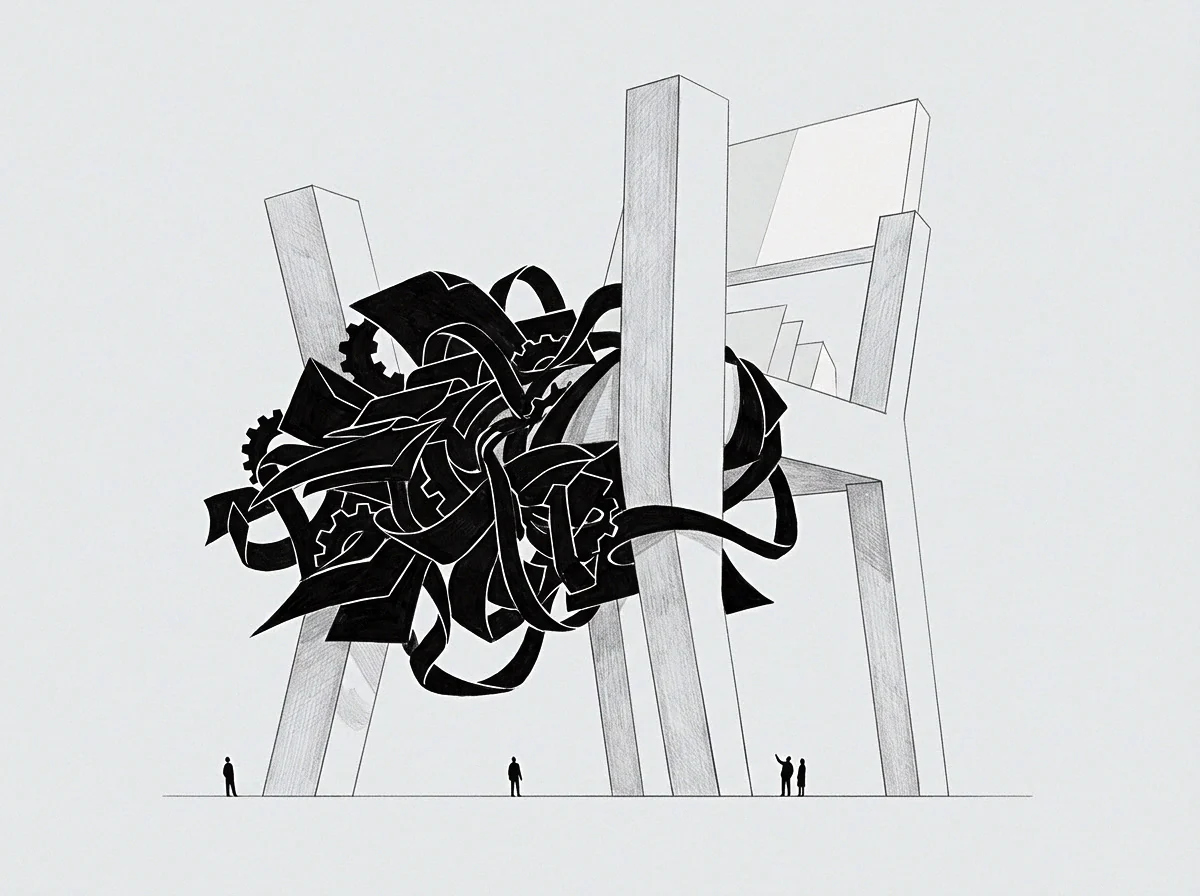
Anchor
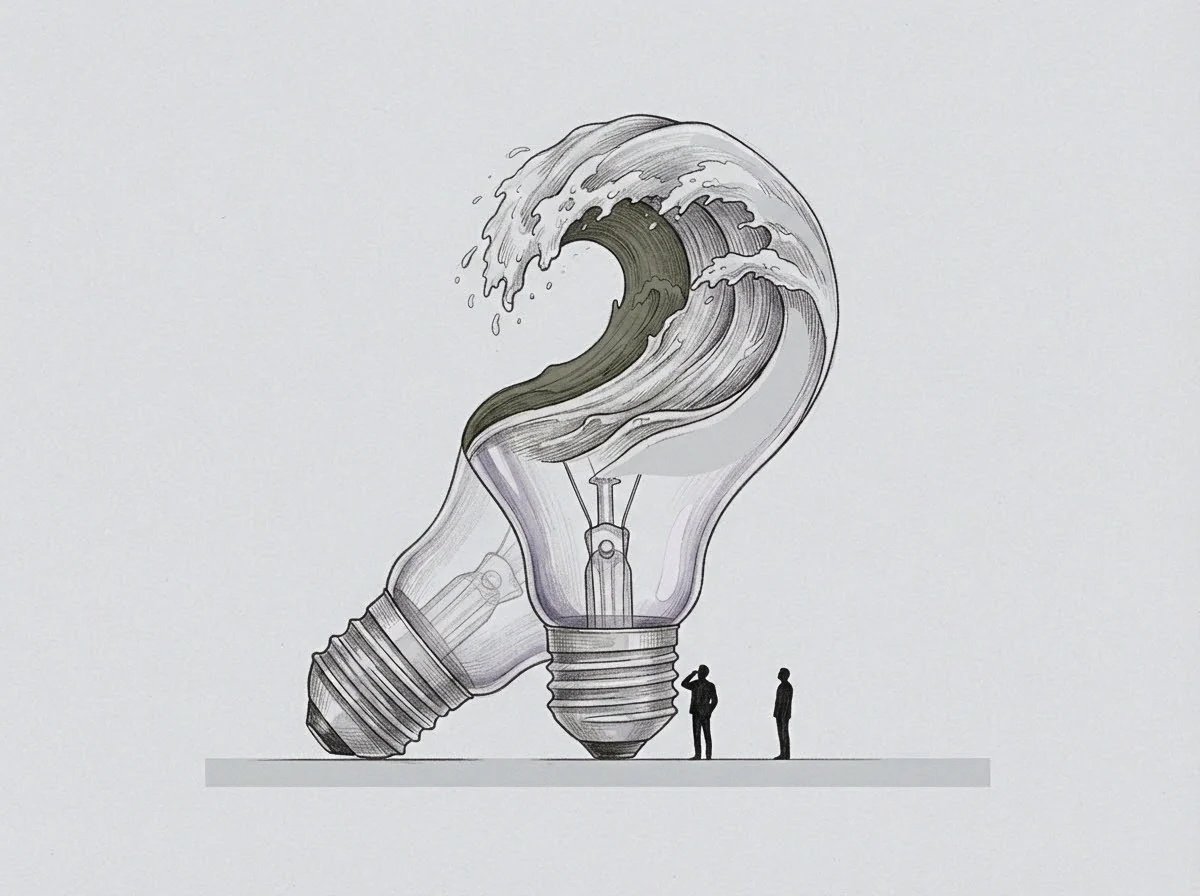
Modifying internal representations of relational safety requires experiential input rather than theoretical comprehension. Intellectual awareness of an early template does not alter the body’s protective threat response during active stress; the brain updates its budget only through concrete, repeated somatic evidence that coregulation is available, safe, and metabolically efficient.
The Difference Between Intellectual Insight and Template Modification
Cognitive awareness of relational dysfunction rarely alters underlying physiological reactivity. A founder can articulate an early attachment history with precise clarity while continuing to absorb every panic ping from an executive team. The nervous system ignores conceptual understanding, responding exclusively to physical state changes achieved during live interactions.
To update the internal working model, an individual must encounter a responsive other who stays steady during moments of shared vulnerability without demanding emotional management in return. This process of developing earned security builds a secondary relational template over time, establishing that receiving support reduces metabolic debt without creating hidden costs.
Updating an internal template demands repeated non-evaluative physical presence rather than structural analysis of the past.
Micro-Strains at the Boundary of Permissible Relational Load
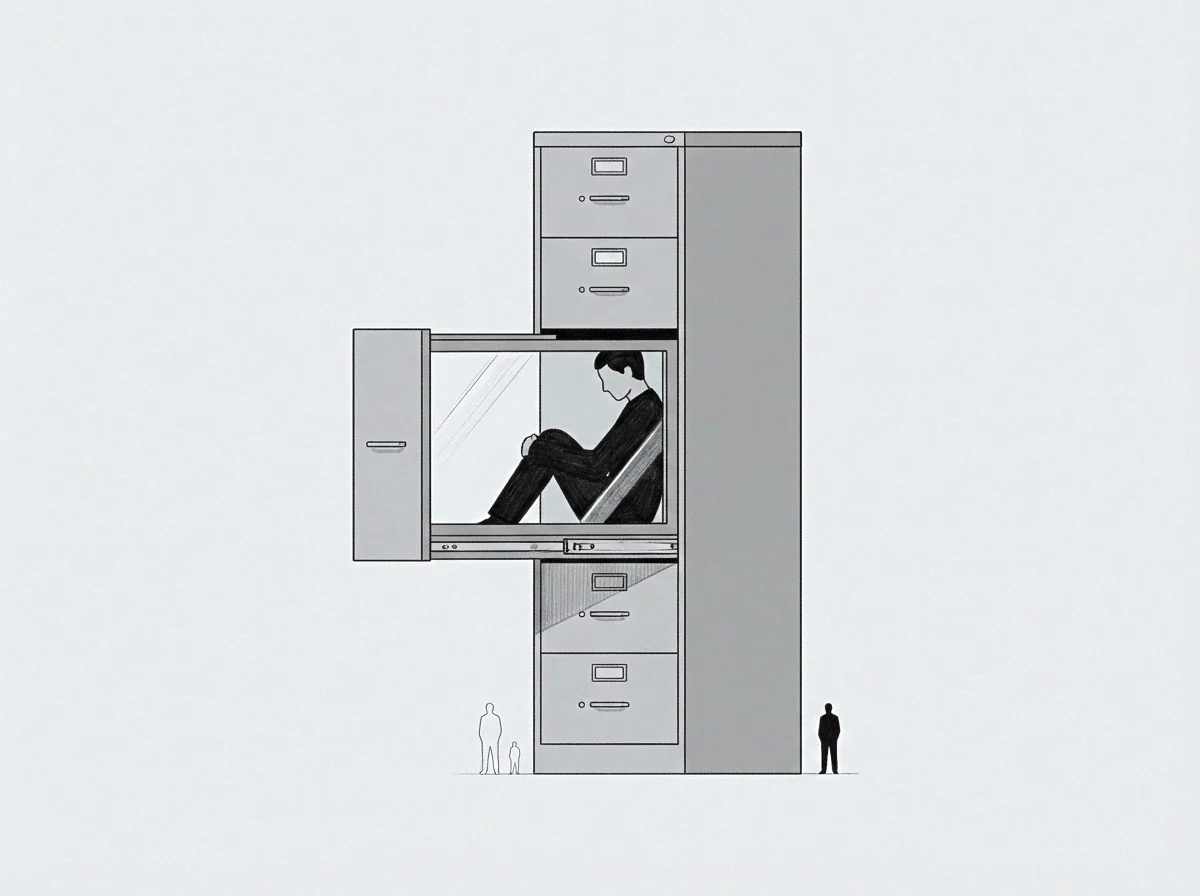
Introducing small operational friction tests whether counterparties can tolerate boundary adjustments without structural failure. Updating the template requires taking small, managed relational risks rather than attempting massive behavioral shifts during operational panics.
- Stated Latency Periods setting explicit response windows for non-urgent escalations to test counterparty self-soothing.
- Reciprocal Presence Protocols allowing another individual to share physical space during high-stakes decisions without offering unsolicited solutions.
- Threshold Stating Moves declaring current biological bandwidth explicitly to prevent implicit load offloading by team members.
- Non-Evaluative Receptions experiencing support from a peer without feeling compelled to compensate with immediate performance.
How long an organization can maintain high-density output while its primary regulator rebuilds a missing receptor slot remains uncertain.
Receptor
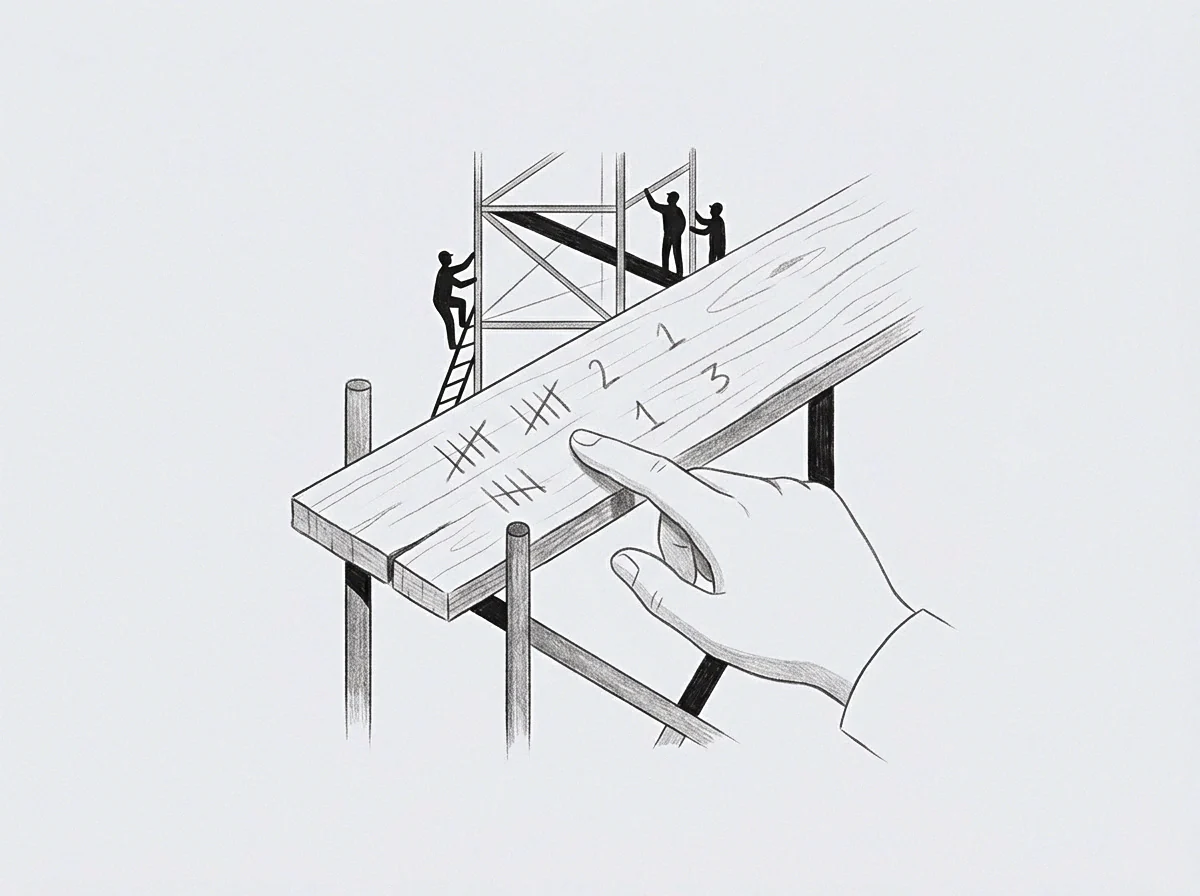
Constructing space for reciprocal support requires active recalibration of daily availability and relational expectations. The primary task centers on developing a functional receptor slot, which represents the biological and psychological capacity to receive external coregulation. This growth requires resisting the automatic impulse to intervene when others display temporary emotional distress.

Establishing Stated Limits Against Systemic Pings
Definite operational boundaries interrupt automatic load transfer before physiological reserves vanish. Stating limits clearly sets a structural barrier against unilateral load absorption. When a leader explicitly declares availability constraints, the team must process its operational anxiety locally rather than routing it to the center.
- Define clear escalation criteria that require local team resolution before senior notification occurs.
- Institute structural response delays for asynchronous channels to break the expectation of real-time emotional soothing.
- Delegate complete decision-making authority for specific operational domains, refusing to review routine execution choices.
- Engage external peer coregulators outside the operational hierarchy to experience non-evaluative somatic grounding.
A team accustomed to borrowing calm will test a newly stated limit until the latency becomes predictable.
Growing Operational Headroom Through Deliberate Relational Latency
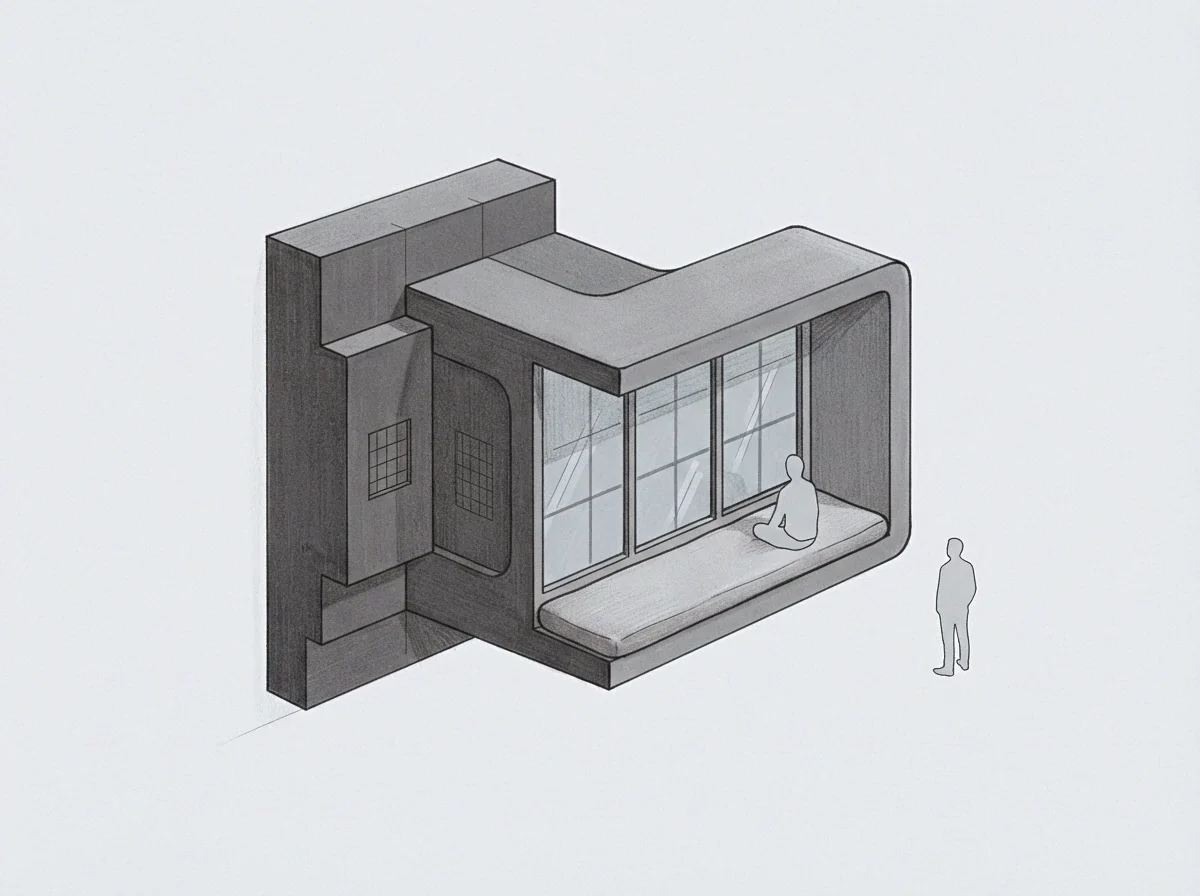
Delaying responses to non-critical pings allows counterparties to process their own regulatory noise. Deliberate latency creates a buffer where team members discover their capacity to resolve ambient tension. The leader refrains from offering immediate calm, forcing the surrounding network to develop a distributed baseline.
As the leader experiences repeated instances of the team resolving issues independently without organizational collapse, the internal working model receives persistent corrective feedback. The brain learns that withholding immediate regulation does not bring catastrophe. Over time, this practice frees significant metabolic bandwidth, lowering allostatic load and allowing the nervous system to regain adaptive flexibility.
Relational security settles only when a boundary withstands persistent pressure without cold withdrawal.