
Structural Conditions For Updating Internal Working Models Through Shared Operational Risk
Internal working models update only when unhedged, symmetrical operational risk forces the brain to abandon expectations of solitary threat absorption.
Exposure
An acute cash-flow freeze hits at two in the morning on a holiday weekend. The bank processing facility halts outbound transfers, locking four million dollars in settlement capital while operational liabilities come due in six hours. At the desk, one operator monitors four open communication windows, personally liable for the unpaid shortfall.
Across the room, the partner who owns half the equity watches the same screen without proposing an exit or looking away. Decades of habit lead the operator to anticipate sudden withdrawal, blame, or an abrupt shift of liability. That reaction does not materialize.
The partner stays in the chair, opening secondary bank ledgers and drafting joint guarantee instruments without being asked.
When operational stress threatens survival, abstract agreements dissolve. The nervous system registers the crisis through the physical presence of someone else bearing direct consequences rather than through formal alignment. An operator conditioned by isolation defaults to assuming that severe operational hazard will be absorbed alone.
In formative environments, threat meant the withdrawal of support, training the brain to budget metabolic energy on the assumption that help does not exist. With unhedged financial liability active in the room, the internal working model prepares for solitary preservation, activating motor pathways for defensive containment.
The predictive pattern breaks when the partner refuses to hide behind legal caps or offer verbal reassurance, signing the emergency line of credit and placing personal collateral into the same liquidity pool. This shared physical and financial exposure interrupts the solitary operator’s defensive reflex. The nervous system registers an unfamiliar reality: the threat is distributed across two bodies rather than concentrated in one.
Reassurance fails under severe pressure because words carry no metabolic or financial risk. Real sharing of unhedged exposure alters the baseline budget of the threat-processing neural architecture.
Operators who structure risk transfers to insulate themselves from shared hazard leave their partners in continuous vigilance and sustained neural strain.
Wall
In isolation, the human brain registers every operational threat as an unbuffered personal drain. Under social baseline theory, the metabolic cost of basic regulation rises sharply when an individual faces environmental hazard without a trusted counterpart nearby. Working models shaped by early stress function as budgeting rules, setting expectations of either relief or abandonment under pressure.
An operator accustomed to solitary control operates at high baseline expenditure. The brain burns metabolic capacity anticipating failure, watching metrics for signs of partner retreat, and holding steady muscular and cognitive tension.
Physiological Accounting in Isolated Threat Response
The neural architecture processes financial, logistical, and physical risk through the same resource allocation pathways. When an operator shoulders sole responsibility for a failing system, sustained activation in the anterior cingulate cortex and amygdala drives elevated baseline cortisol and suppresses heart rate variability, leading steadily toward metabolic exhaustion. The internal working model serves as a protective boundary, discouraging reliance on others after earlier events linked dependency to unbuffered harm.
Under these conditions, an offer of assistance from an insulated colleague registers as a liability or a step toward betrayal rather than genuine relief.
Shifting this budgeting pattern requires structural conditions the working model cannot rationalize away. Professional courtesy and strategic alignment are insufficient; the nervous system discounts low-stakes gestures when assessing basic physical and relational safety. Under severe organizational strain, baseline defenses respond predictably:
- Vigilant hyper-independence keeps the motor system in constant preparation, treating operational complications as threats to be handled alone.
- Preemptive emotional withdrawal preserves metabolic energy by cutting connection before an expected abandonment occurs.
- Asymmetric load absorption causes one operator to take on the full acute structural stress, shielding the partner at the expense of their own energetic reserves.
Metabolic regulation costs drop significantly when an operator perceives that shared operational hazard is borne equally by a proximate partner.
Relying on clear communication, intellectual transparency, or shared vision leaves the physiological baseline unaffected. The nervous system does not measure safety through pitch decks or corporate governance manuals; threat pathways evaluate material vulnerability directly. They register who signs the personal guarantee, who absorbs the reputational exposure, and whose capital takes the first liquid hit when an operation collapses.
Without structures that require mutual, unhedged exposure to failure, the working model stays fixed in defensive isolation, expending high metabolic energy to keep the venture afloat alone.
An operator who absorbs every operational hazard alone eventually treats any offer of assistance as another administrative burden.
Parity
Symmetrical risk exposure determines whether an internal working model can accept support during a crisis. If an operating structure lets one partner exit without financial or reputational consequence, reassurance offered in an emergency reads as detachment. The nervous system registers the imbalance immediately.
When an operational failure threatens one founder with bankruptcy while merely reducing the other’s annual distribution, the underlying relational terms remain uneven. The primary operator continues paying the full metabolic cost of threat regulation because the material exposure is not shared.

Structural Asymmetry and Relational Risk Allocations
Shifting an internal working model requires equivalent operational consequences for both participants under pressure. Symmetrical hazard creates an environment where both bodies experience the same threat level, reducing expectations of partner defection or opportunism. The table below outlines how distinct risk allocation structures within an enterprise directly dictate the physiological load and the updating capacity of the primary attachment template.
| Structure Type | Risk Allocation Mechanism | Physiological Load Distribution | Internal Working Model Consequence |
|---|---|---|---|
| Asymmetric Insulation | Unilateral legal guarantees paired with insulated partner equity caps | Solitary overload borne strictly by the primary guarantor | Reinforces hyper-independent survival template and solidifies relational distrust |
| Fractional Recourse | Partial liability caps combined with conditional exit clauses | Intermittent vigilance and persistent threat monitoring during risk spikes | Maintains chronic relational hesitation and prevents deep baseline co-regulation |
| Symmetrical Hazard | Joint personal guarantees backed by equal capital and reputational loss exposure | Distributed co-regulatory baseline allocation across both operators | Triggers neural prediction errors necessary to update the internal working model |
Consider two founders running a hardware manufacturing business for three years without formalizing liability terms. The first founder committed ninety percent of personal liquidity to corporate performance bonds, while the second founder operated through a holding entity carrying zero personal recourse. When a supply chain breakdown threatened insolvency, the first founder worked eighty-hour weeks alone, developing chronic insomnia and physical fatigue.
The second founder attended meetings and offered calm reassurance. That composure, however, registered as detached and intrusive to the exposed operator. The uneven risk distribution made shared stabilization impossible, leaving the unexposed partner’s calm to read as indifference.
Unhedged mutual risk exposure changes how the neural threat system interprets partner proximity during acute operational strain.
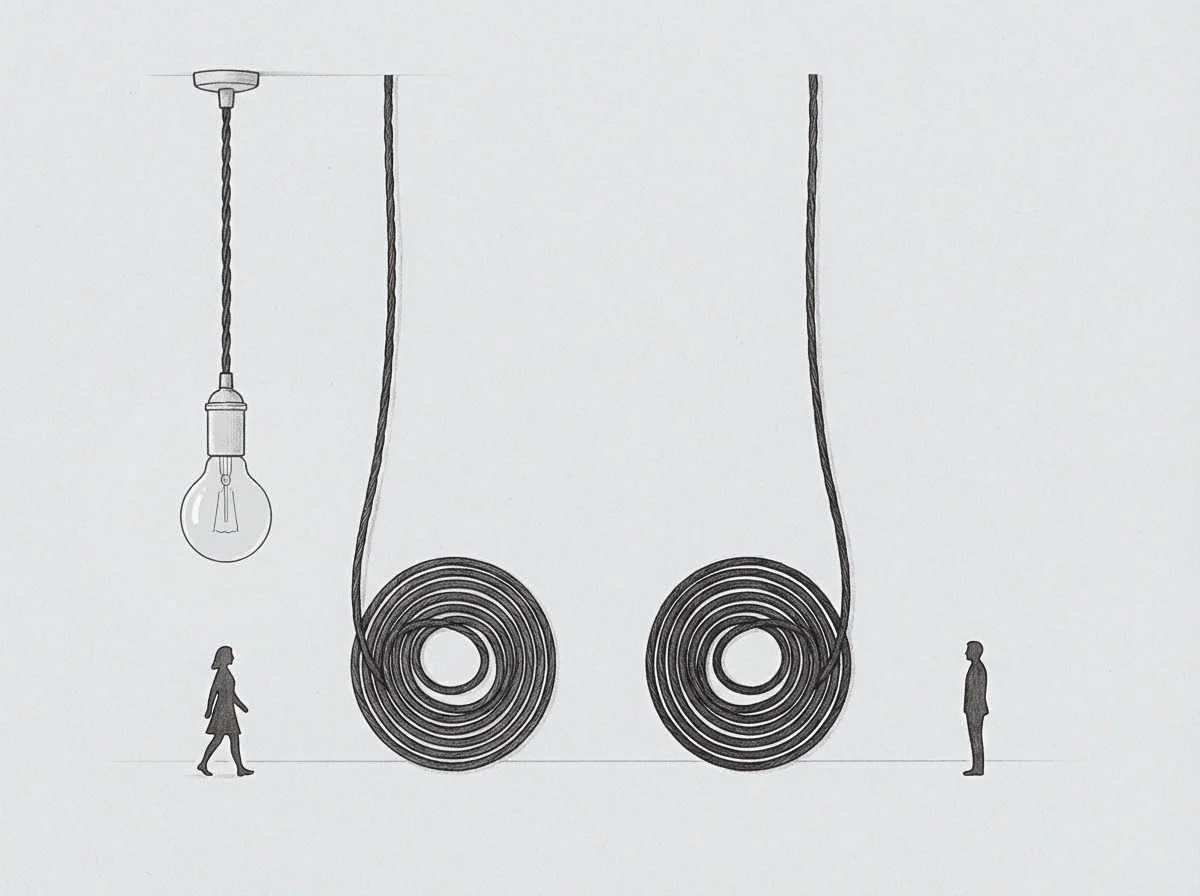
Change the conditions: both founders sign personal recourse instruments that place their total net worth into the identical liquidation pool during the supply chain collapse. The second founder works on the factory floor until three in the morning, clearing customs releases and restructuring debt covenants beside the first founder. The physical context changes the interaction.
The primary founder no longer reads the partner’s presence as an empty posture. With both exposed to the same operational loss, the threat-processing network recognizes that metabolic and financial survival are bound to the same outcome, allowing defensive vigilance to drop.
“The financial loss affects both balance sheets identically, so sitting up through the night carries no special burden.”
Friction
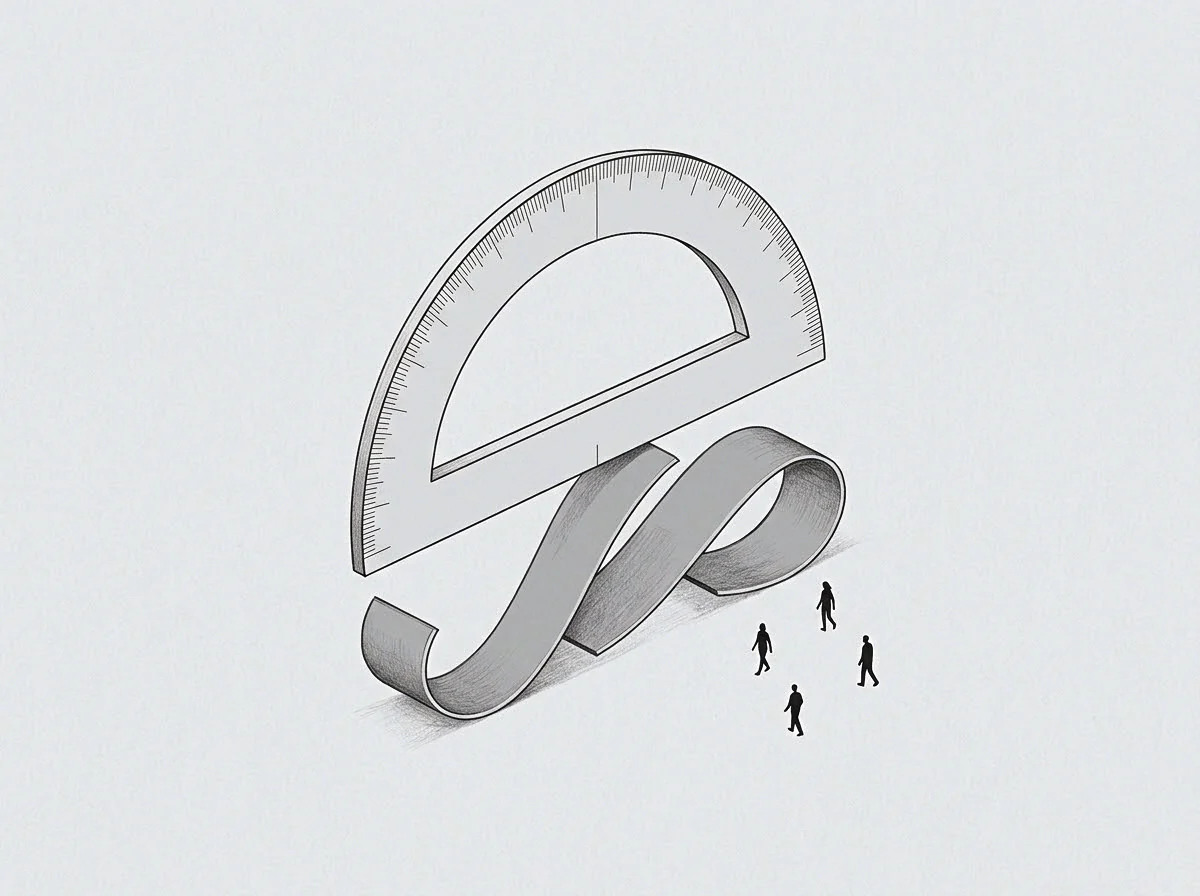
Neural templates shift when negative predictions collapse under live operational stress. Conceptual agreement on trust does little to alter defensive mechanisms. A working model revises only when the brain prepares for solitary containment during a crisis and encounters sustained, unhedged exposure alongside it instead.
The mismatch produces an unmistakable neural prediction error: where withdrawal or abandonment was anticipated, the partner remains in place, absorbing the hazard directly.
Catastrophic Stress and Neural Prediction Errors
Revising an internal working model under risk follows a concrete physiological progression. Intellectual reframing outside the event does not alter the system. The operational setting must present immediate, material consequences, forcing both individuals to navigate the outcome under identical constraints.
- The nervous system detects an acute operational hazard capable of causing structural failure.
- The active working model anticipates immediate abandonment or a transfer of liability.
- The partner remains exposed, taking unhedged action to absorb the hazard.
- The contrast between expected abandonment and shared exposure produces strong prediction errors.
- Repeated prediction errors prompt the central nervous system to revise baseline expectations of safety.
Consider an incident where a software platform suffers a zero-day security exploit, exposing user records and triggering immediate legal liabilities. A founder conditioned toward solitary self-reliance anticipates that the chief technology officer will resign, deflect public blame, or hire separate counsel. The founder’s autonomic markers climb toward maximum threshold.
Instead, the technical officer joins the remediation team, releases a joint statement accepting shared liability, and works beside the founder for seventy-two continuous hours without establishing personal legal insulation.
Relational templates update only when operational reality contradicts the long-standing expectation of solitary collapse.
This direct exposure invalidates the predictive sequence generated by earlier defenses. Having mobilized for solitary management, the threat network finds its defensive readiness unneeded. The partner’s concrete actions and shared legal liability introduce an external buffer that lowers metabolic strain.
The contradiction between expectation and reality is direct and structural. Compounded over years across repeated crises, this friction wears down the solitary habit, establishing a secondary working model grounded in observed behavior.
A joint personal guarantee executed during acute operational distress forces the relational model to recategorize the partner from an unpredictable bystander into a dependable counterpart.
Tenure
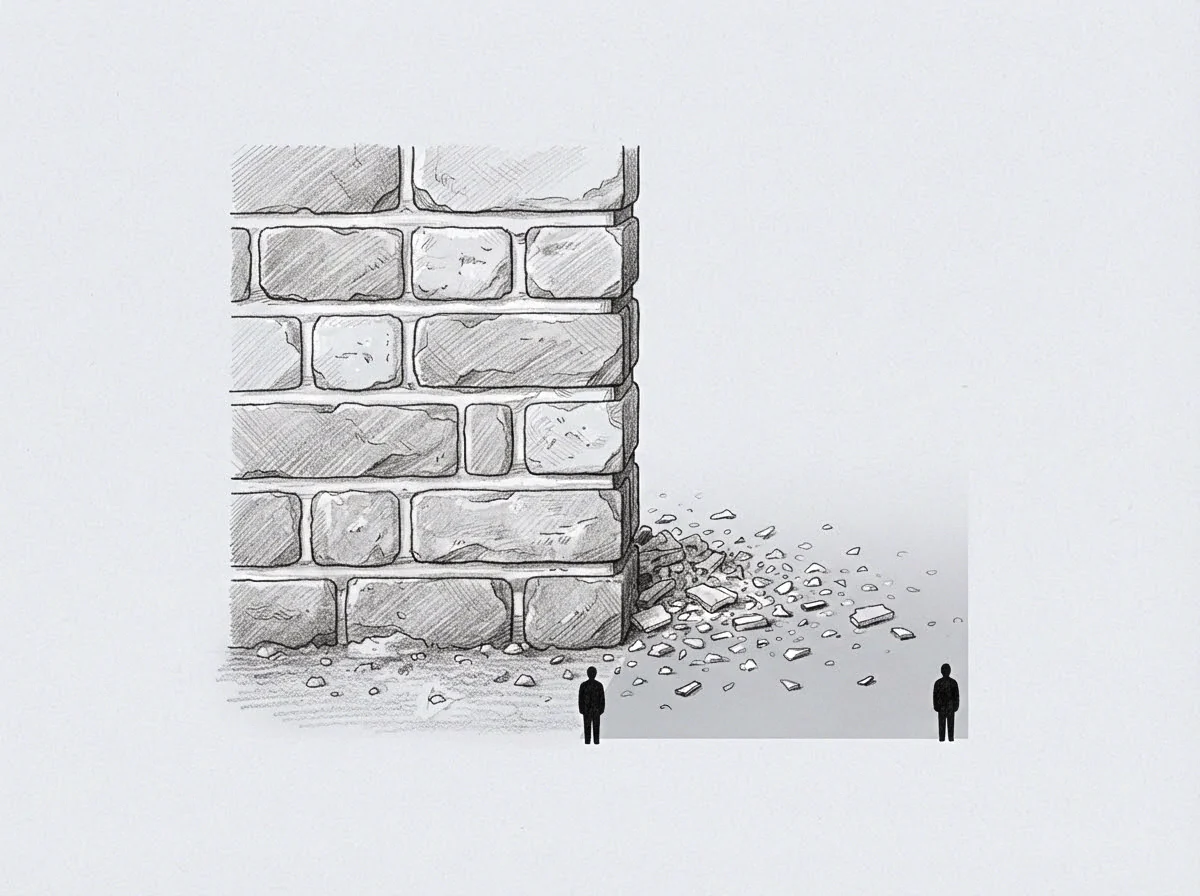
Revising an internal working model takes years marked by recurring operational hazards. Baseline reliability develops through the steady accumulation of unexpected support across enterprise milestones. Over extended periods, the nervous system stops treating complete self-reliance as the only viable setting, forming a secondary pathway that permits shared regulation.
This transition preserves the original defensive habits while opening an operational alternative that activates whenever a tested partner is present.
Longitudinal Transformation of Attachment Templates
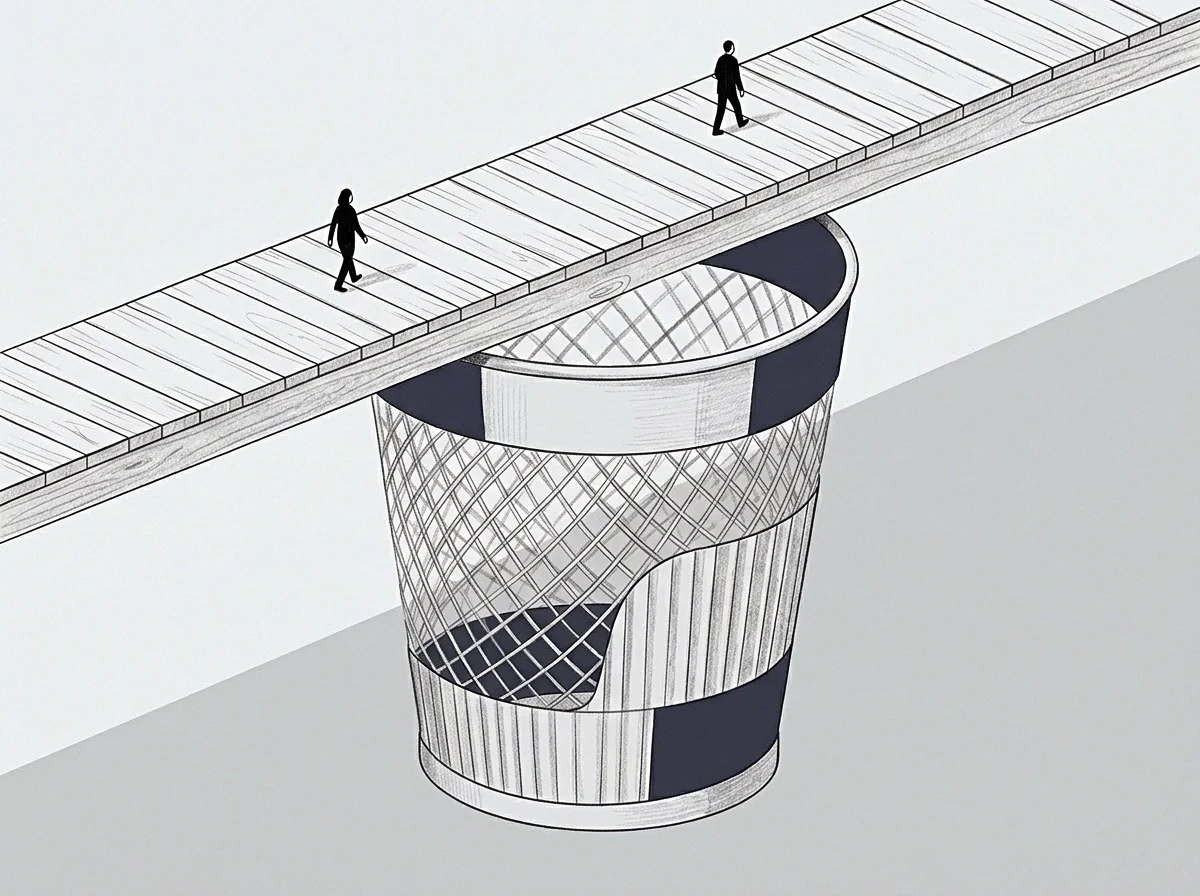
Moving from isolated self-regulation toward shared stability changes how an operator directs cognitive capacity day to day. Early in a venture, every operational complication prompts exhaustive threat scanning and heavy energy use. As the arrangement survives repeated, unhedged operational hazards over a five-to-ten-year horizon, the baseline changes.
The primary operator stops auditing the partner’s potential exits, scanning communications for subtle signs of withdrawal, or holding private contingency funds against desertion.
The drop in baseline metabolic demand frees significant cognitive capacity. Energy once spent on defensive monitoring becomes available for structural planning, capital allocation, and long-range organizational design. The operator no longer absorbs systemic friction in isolation.
Having a proven counterpart in the room dampens autonomic arousal during contentious negotiations, regulatory audits, and capital restructuring events, keeping heart rates lower and preserving executive focus under pressure.
True operational security manifests when an operator stops monitoring a partner for signs of sudden disengagement under load.
A reliable test of an updated working model is the capacity to delegate operational authority during a major crisis without physical panic or somatic distress. An operator whose baseline expectations have shifted can step back from an active firestorm, confident that the partner managing the hazard faces the same exposure and will handle the impact accordingly. The early expectation of solitary collapse fades, superseded by tested, structural realities.
Once that secondary model stabilizes, the operator allocates capital, signs commitments, and delegates responsibility from a different baseline, functioning within an established system of mutual support.