Meaning
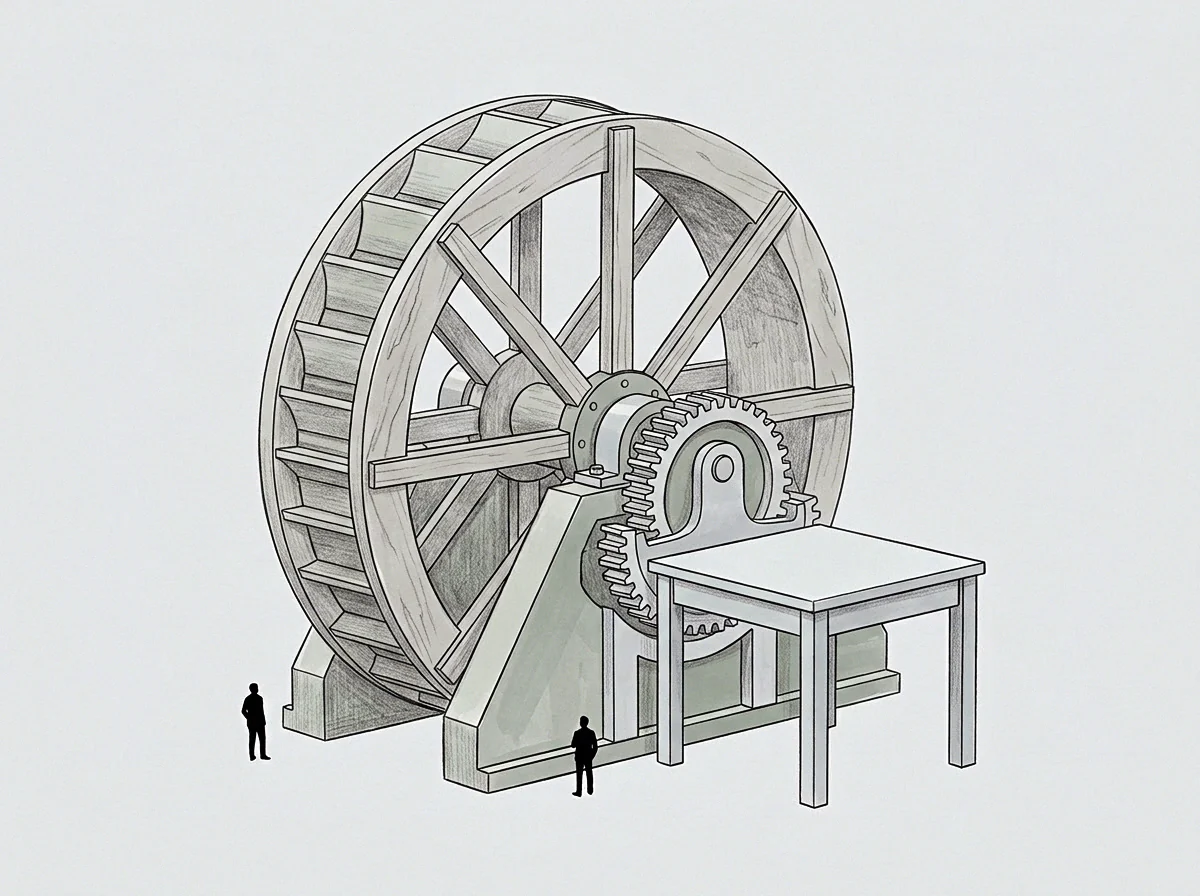
Capacity of an individual or system to neutralize external pressures and maintain the structural base allows for the temporary containment of stress while preserving functional integrity. Sustainable load absorption relies on a reservoir of energy and attention that can be deployed instantly. The process protects the internal core from immediate environmental shocks.
Once the internal reserves are depleted, the system begins to experience mechanical or psychological fatigue.
Biological Buffer
Physiological systems respond to high demands by mobilizing metabolic resources. Effective load absorption depends on the health of the nervous system and its ability to return to a rest state. Prolonged exposure to high demands and the absence of recovery results in a loss of buffering capacity.
Recovery requires a total cessation of the stressor to allow the tissues and neurochemicals to replenish.
Structural Limit
Every organization has a fixed threshold beyond which it can no longer internalize pressure. When load absorption fails, the damage is visible in the form of high turnover or catastrophic errors. Managing this limit requires constant monitoring of the delta between demand and current output.
Energy Expenditure
High levels of stress management require a heavy caloric and cognitive investment. While load absorption is a natural feature of resilient systems, it is not an infinite resource. Founders pay for this through reduced sleep and narrowed social interaction.
Over time, the accumulated cost of containing these pressures reduces the overall agility of the person in the seat. This constant internalizing of environmental friction leads to a state of chronic exhaustion. The mechanism of containment acts as a drain on all future operational potential.