
Derived Availability Mechanics in Early Executive Operational Limits
An executive limit acts as a structural term that redirects incoming operational load once personal regulation reaches setpoint thresholds.

Filter
Multiple messages arrive late on a Sunday night when executive processing capacity sits near zero. Without explicit terms in place, a founder absorbs each incoming ping through personal regulation. The organization treats the individual as an unconstrained buffer, funneling demands inward until baseline biological limits enforce an abrupt stop.

Operational Capacity Under Ceiling Load
When operational demands multiply, cognitive processing shifts from reflective decision-making to reactive gating. The human nervous system maintains setpoints for attention and neural resources. Under continuous incoming load, demands exceed normal operational parameters and accumulate allostatic stress across metabolic and nervous channels.
Organizations continuously transfer friction onto whichever node absorbs it with the least immediate resistance. In early executive seats, the person holding the role acts as that low-resistance node whenever formal boundary rules remain unstated. Incoming work expands to consume unmanaged attention, turning availability into an elastic resource that external actors draw on until it is depleted.
Four incoming messages open at midnight signal that executive regulation has replaced structural terms.

The Regulator Transfer Function
Autonomic regulation studies demonstrate that proximity to a stable co-regulating partner lowers individual neural effort during high-stress conditions. In executive environments, the person in charge often serves as the primary regulator for the entire organization. When internal load reaches capacity, this transfer function degrades: input signals stop yielding proportional operational decisions, and minor disruptions trigger disproportionate delays or full shutdowns.
Social baseline theory indicates that human brains assume shared effort when co-regulating structures are present. If an executive fails to define explicit availability terms, team members default to leaning directly on that executive’s personal capacity. This dynamic reflects autonomic proximity research across high-stress environments, though individual attachment styles introduce variation into how team members process silent signals.
Failing to specify boundaries leaves the executive absorbing systemic volatility until biological limits force a collapse.
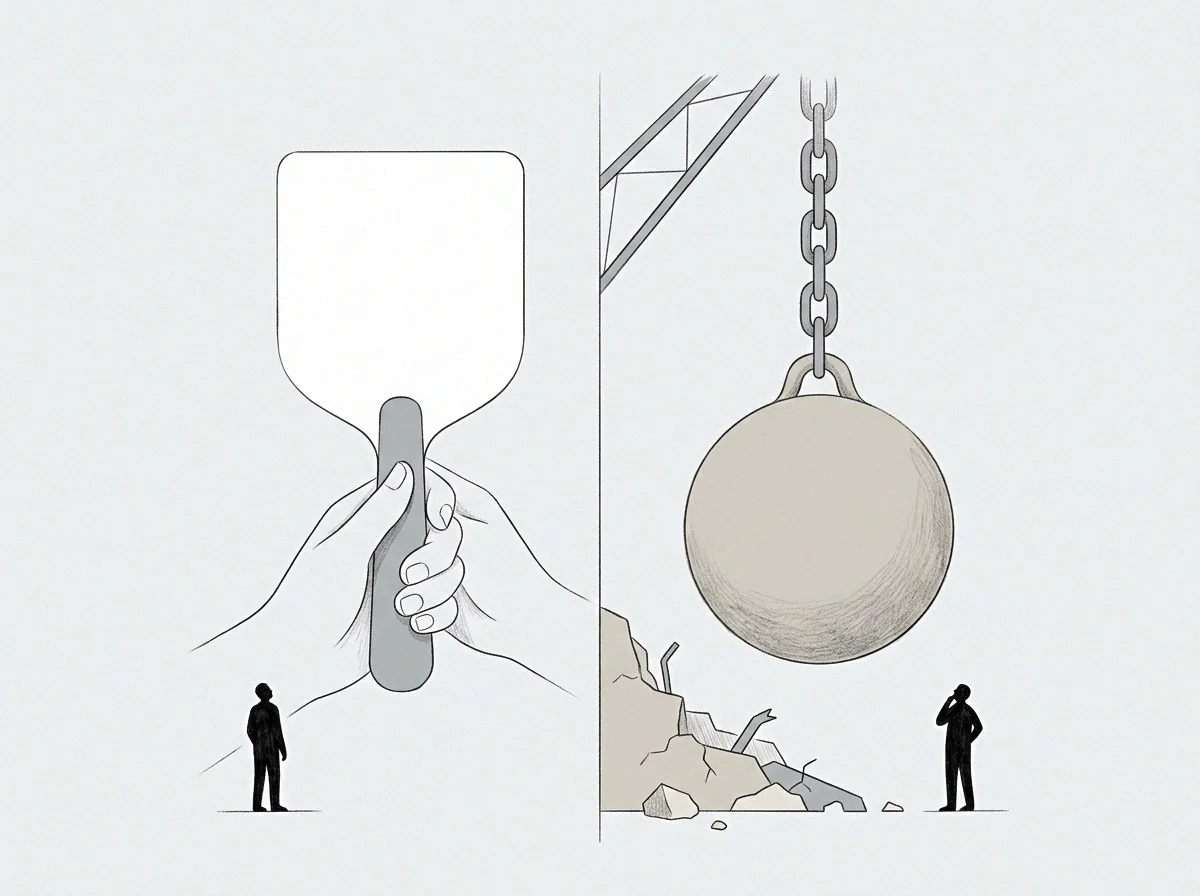
Valve
Stated operational limits function like physical fixtures within an organizational network. Rather than relying on constant emotional negotiation, an executive establishes clear conditions for availability, redirecting demands along structural paths.

Stated Limits as System Mechanics
An operational limit acts as a rigid wall rather than an ongoing personal negotiation. When incoming demands encounter an explicit term, the system redirects them into secondary processing channels, sparing the executive from expending personal effort to deflect every individual request.
The absence of clear terms creates an informal contract where external actors presume total access, continuing to push against the executive until encountering hard friction. Establishing explicit terms shifts the burden of prioritization back onto the requesting party.
- Systemic Absorption Unmanaged incoming demands pass directly into executive cognitive capacity, eroding strategic headroom.
- Deferred Latency Postponing boundary definitions increases organizational confusion when access breaks down without notice.
- Unpriced Access Unlimited availability causes team members to submit low-priority items without internal filtering.
- Structural Degradation Reliance on executive endurance prevents the development of autonomous team processes.
When an executive states an explicit operational term, the load-transferring system redirects incoming demands to structural alternatives.
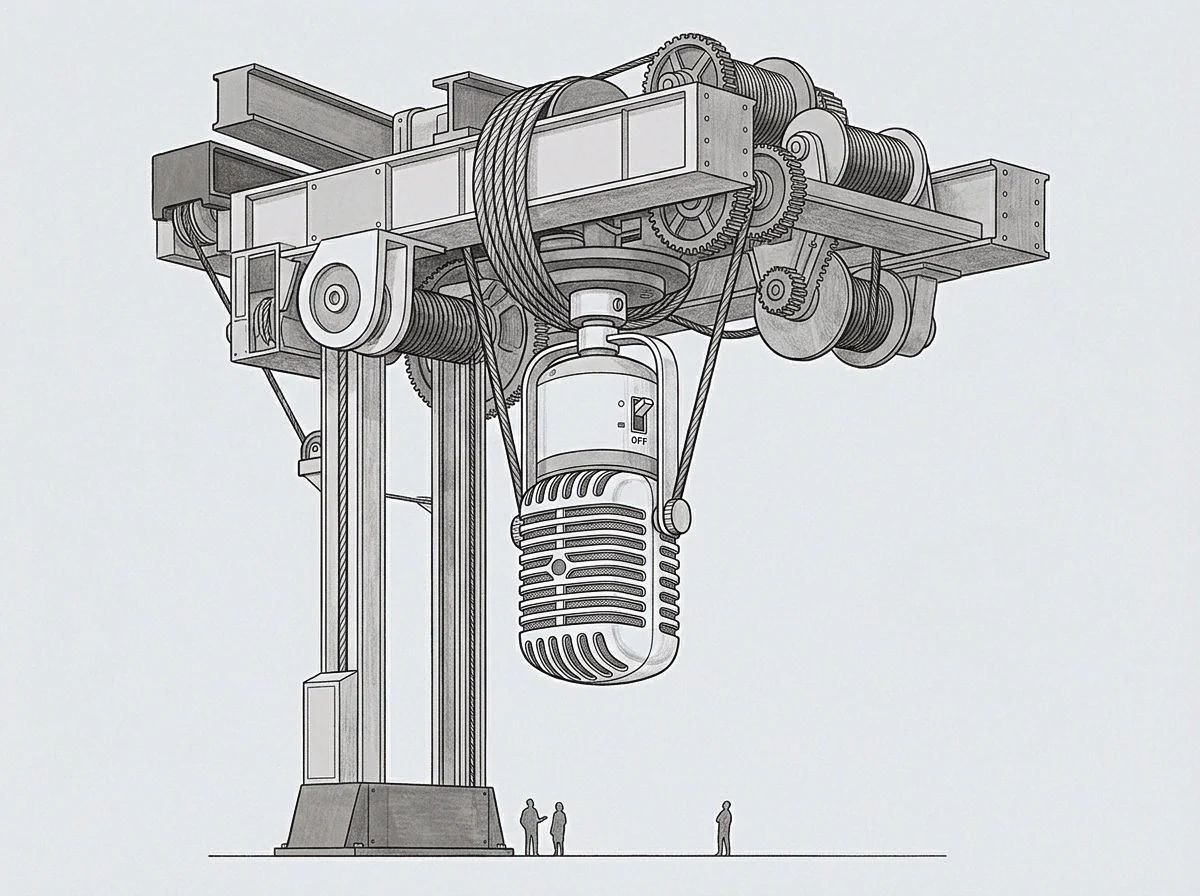
The Load Transfer Sequence
Implementing an operational term initiates a predictable sequence across organizational interactions. External parties initially push against the new boundary to test its rigidity. Once the term holds across repeated attempts, incoming requests re-route toward established alternative mechanisms.
The exact interval between boundary enforcement and team adaptation remains difficult to measure precisely in early organizations. Operating under this uncertainty, leaders maintain consistent term parameters while monitoring organizational throughput. A written policy specifying a forty-eight hour window for non-urgent requests permanently alters response expectations across internal teams.

Channel
Communication pathways reveal priority structures through their transmission characteristics. A channel that remains silent during off-hours communicates structural position without requiring active verbal statements.

Is the Ping Signaling Priority?
Incoming communications function as diagnostic signals regarding organizational health. High volume in direct executive channels indicates that middle operational layers lack clear decision authority. Analyzing message timing and frequency isolates where delegation has failed.
| Capacity Level | Ping Signal Processing | Derived Availability Outcome |
|---|---|---|
| Ceiling Capacity | Immediate manual intervention across all inbound streams | External parties assume continuous real-time access |
| Nominal Capacity | Filtered processing based on active operational windows | Derived availability aligns with scheduled system hours |
| Depleted Capacity | Abrupt non-response caused by biological exhaustion | External parties experience unpredictable structural blocks |
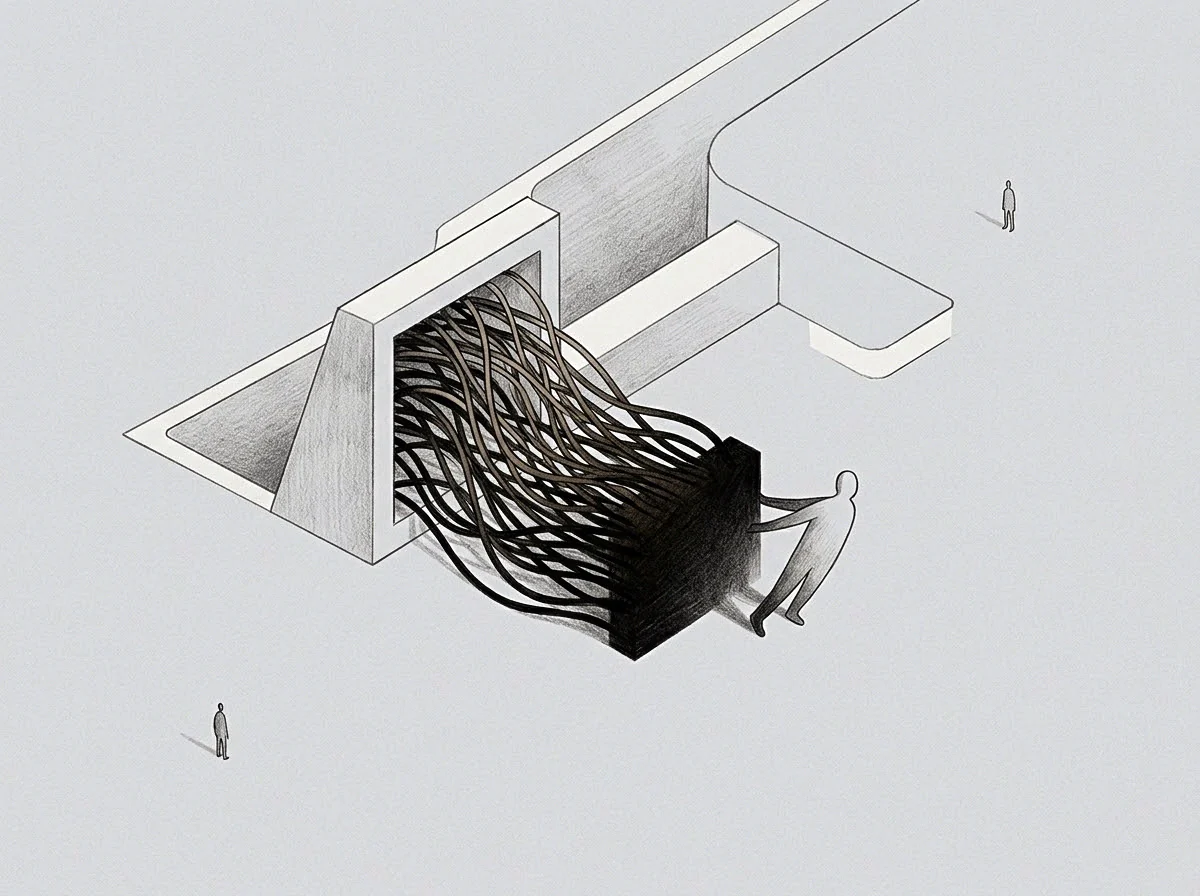
Derivation Dynamics in Silence
External counterparties derive executive availability by observing behavioral patterns rather than reading public statements. Silence on a digital channel establishes a clear cost for immediate access, teaching counterparties to resolve minor operational blocks independently when an instant executive response is unavailable.
Industrial fluid pipelines rely on mechanical pressure relief devices that vent surplus volume automatically during temperature spikes to prevent main line rupture. Organizational communication channels require similar automated shedding mechanisms to protect executive processing capacity during peak workloads. When an executive refrains from answering late pings, counterparties recalibrate their baseline assumptions: direct executive access remains reserved exclusively for genuine structural emergencies.
A non-responsive communication pathway establishes the cost of immediate access before negotiation occurs.

Meter
Tracking internal capacity through measurable state variables prevents systemic overreach. Executives often mistake temporary mood improvements for genuine biological recovery, whereas monitoring operational metrics provides an accurate picture of available bandwidth.
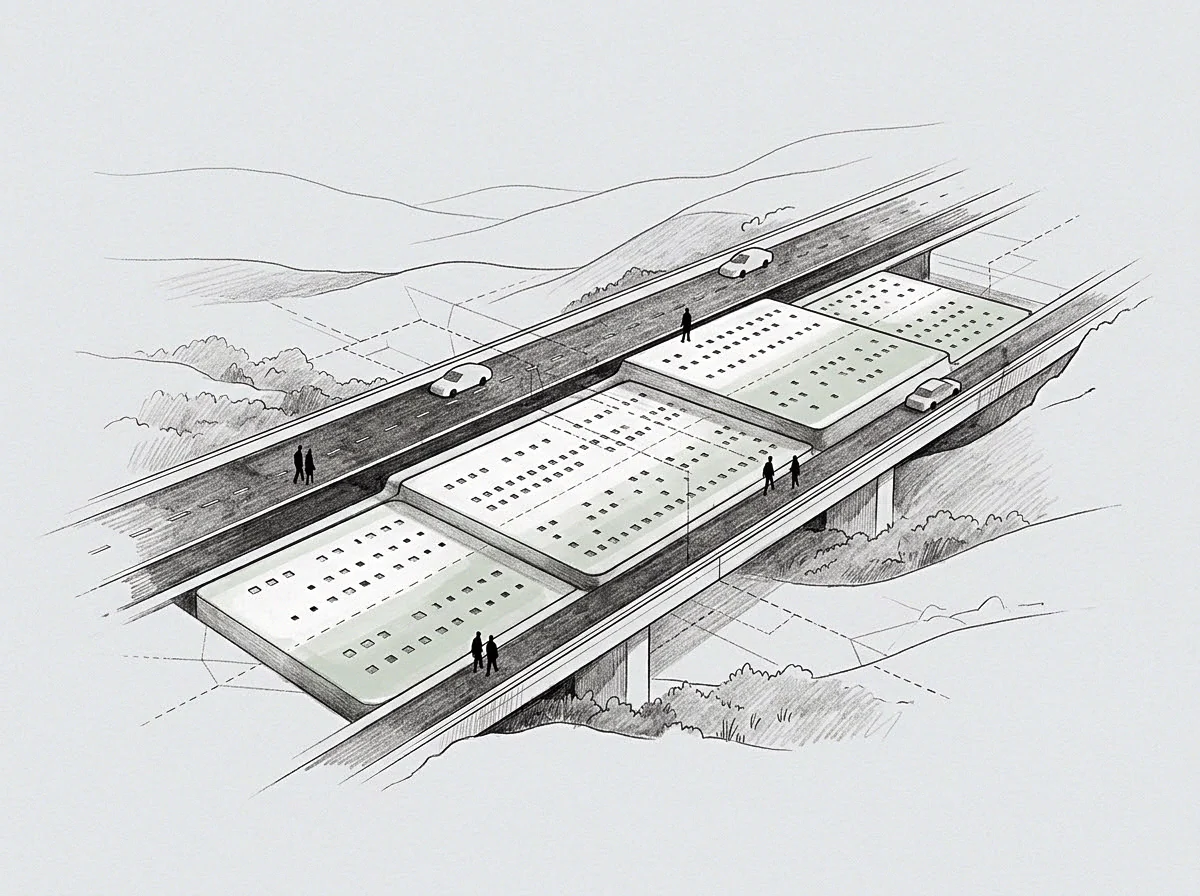
State Variables Against Mood Indicators
Executive state reflects physiological and cognitive reserves governed by sleep latency, task context switching, and continuous decision load. Mood operates as an ephemeral output carrying zero structural data regarding long-term capacity, and relying on emotional orientation to gauge readiness leads to severe overcommitment.
Allostatic load accumulation measurements rely on heart rate variability and cortisol markers under sustained exertion. While laboratory settings validate these biomarkers, daily executive environments require practical proxies such as decision error rates and focus duration to protect working capacity.

State Gated Operational Acts
Certain operational acts require specific internal state thresholds before execution. Complex capitalization decisions, partner negotiations, and core architectural reviews fail when executed under high cognitive debt. State gating restricts high-stakes actions to windows of confirmed neural capacity.
- Assess current cognitive headroom before opening strategic decision windows.
- Route routine approvals through secondary operational leads when internal reserves decline.
- Halt major contract modifications whenever allostatic load indicators cross baseline thresholds.
- Enforce complete disconnection protocol upon reaching physiological limits.
Executives who substitute personal endurance for stated operational conditions exhaust system headroom before initial targets arrive.
System capacity dictates execution speed regardless of immediate enthusiasm.

Reserve
Preserving long-term executive capacity demands structural design that outlasts temporary operational crises. Examining two technical founders through a ninety-day scaling push illustrates the difference between unstated endurance and hard structural terms. The first founder accepts all incoming requests continuously, using personal regulation to maintain momentum.
The second founder establishes fixed three-hour deep work blocks and enforces explicit written handoff requirements for incoming team requests.

Executive Allocation and Structural Capacity
By day forty-five, the first founder experiences severe decision fatigue, marked by elevated error rates in codebase reviews and prolonged response latency during critical vendor negotiations. The second founder maintains consistent processing speed across strategic priorities because incoming team friction hits structural rules rather than personal capacity, preserving cognitive bandwidth for core architectural requirements.
The first founder’s approach consumes all operational headroom, leaving zero capacity for unforeseen market shifts. Conversely, the second founder’s explicit terms construct a protective buffer that absorbs unexpected operational shocks without threatening executive health, outlasting personal willpower across high-load periods.

Positioning Beyond Personal Regulation
Establishing operational terms transfers systemic load from individual physiology onto organizational mechanics. When availability is derived through clear structural signals, the entire company develops resilient execution patterns. Executives who transition from active personal regulation to cold structural terms protect both personal health and institutional performance over extended timelines.
What long-term operational costs accumulate across early organizations that rely on executive self-sacrifice instead of establishing rigid structural availability limits?