
Structural Protocols for Gating Executive Availability without Disrupting Organizational Cohesion
Gating executive availability through structured access tiers preserves regulatory capacity without compromising organizational cohesion or execution flow.

Gate
Four messaging applications sit open on a desktop late at night, each displaying unread indicators from department leaders seeking immediate direction. The executive sits before the glass, evaluating whether an immediate response maintains operational momentum or trains the organization to demand continuous access. Every incoming alert pulls regulatory focus away from long-term allocation toward immediate firefighting.
The seat stays filled, yet cognitive clarity drops fast. Execution continues, but strategic depth evaporates under the weight of unrelenting operational queries.
When leadership availability remains completely unrestricted, organizational teams default to treating executive attention as a substitute for clear operational protocols. Questions that could be resolved through existing documentation or localized decision-making escalate directly to executive seats. This pattern creates a continuous drain on executive cognitive capacity while masking structural deficiencies in lower-tier management.
The immediate short-term resolution of individual problems comes at the direct expense of systemic organizational growth.

Unscheduled Signal Interruptions and Cognitive Fragmentation
Persistent incoming notifications trigger immediate physiological orienting responses that break active focus. Each task switch imposes an immediate switching cost, consuming glucose and neurotransmitter reserves required for sustained synthesis. The physical brain cannot maintain deep analytical states while simultaneously monitoring multiple real-time communication channels.
When executive capacity drains entirely, organizational velocity stalls as decision bottlenecks multiply across all departments.
The accumulation of open communication loops forces the executive mind into perpetual vigilance. Unanswered messages represent pending obligations that occupy working memory slots, even during non-working hours. Without explicit availability boundaries, the distinction between urgent operational crises and routine administrative updates dissolves, forcing equal regulatory expense across all incoming inputs.
When executive communication channels lack structural filtering, incoming volume scales with organizational headcount rather than strategic urgency.

The Structural Difference Between Availability and Signal Presence
Continuous visibility on digital platforms communicates passive monitoring rather than active leadership. When teams perceive an executive as perpetually reachable, the urgency to develop internal problem-solving capacity vanishes. Teams lean on executive intervention to validate minor choices, diluting individual accountability and creating systemic delay across product cycles.
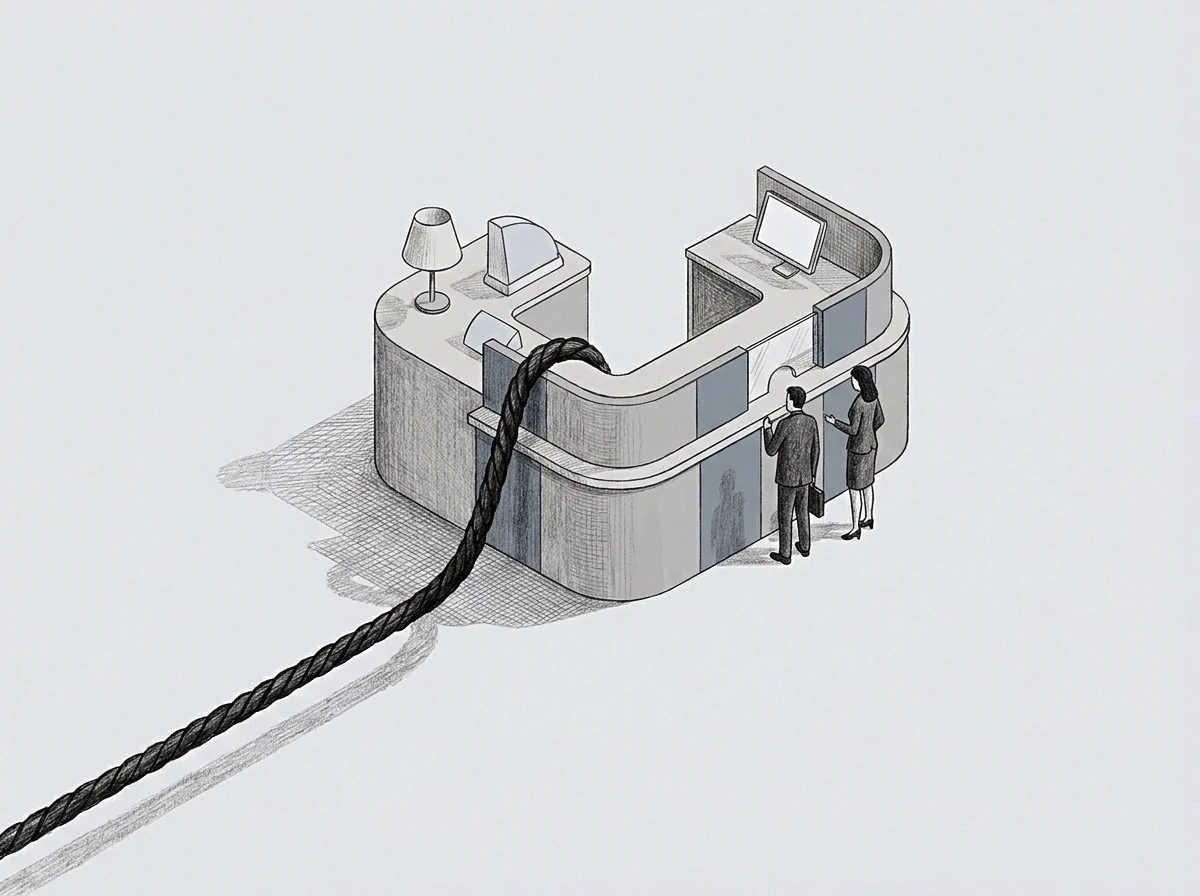
Gating access establishes deliberate barriers that convert continuous real-time access into scheduled, structured interaction. This structural shift forces sub-teams to process operational friction internally before escalating issues upward. Clear availability protocols communicate confidence in delegation, signaling that operational units possess both authority and capability to resolve ambient friction independently.
The executive appears responsive only during crisis moments, forcing teams to escalate routine operational questions into urgent disruptions to secure attention.

Load
Executive exhaustion stems from chronic regulatory demand rather than raw hours spent in meetings. The human nervous system registers continuous operational ambiguity and constant incoming requests as a sustained threat state, elevating baseline physiological wear. Allostatic load accumulates when regulatory demand consistently exceeds available recovery headroom.
Over time, this chronic wear manifests as blunted executive function, reduced risk tolerance, and diminished emotional regulation.
Systemic strain differs fundamentally from clinical depression, though organizational observers frequently confuse the two states. Throttling represents an adaptive physiological down-regulation designed to protect vital systems when total load hits structural capacity. The throttled executive retains core strategic capability but lacks the regulatory headroom needed to process unexpected emotional or operational turbulence.
Treating a throttled system as a failing or depressed system leads to incorrect interventions, such as assigning additional coaching or imposing introspective performance management that adds further incoming load.

Allostatic Demands of Unfiltered Direct Access
Physiological adaptation to constant operational availability creates systemic wear across executive neural networks. Research in autonomic stress physiology demonstrates that repeated micro-disruptions prevent the parasympathetic reset necessary for baseline systemic recovery. Studies tracking salivary cortisol slopes and heart rate variability indicate that chronic availability flattens diurnal biological rhythms, compromising high-level decision performance.
These findings rest on controlled occupational physiology cohorts under sustained operational stress, bounded by environments where acute shocks recur regularly.
When regulatory capacity depletes entirely, executive decision-making shifts from proactive evaluation to reactive risk mitigation. The capacity to hold competing strategic tradeoffs degrades, favoring short-term relief over structural resolution. Implementing structural availability limits stops this physiological decline by bounding the window during which the executive body must maintain heightened threat vigilance.
A continuous state of open access creates persistent cognitive context switching that depletes regulatory capacity before critical decisions arrive.

Biological Indicators of Sustained Regulatory Strain
Elevated baseline cortisol and blunted autonomic recovery distinguish throttled executive capacity from clinical depression. The throttled state responds directly to load reduction, whereas depressive states exhibit systemic mood flattening independent of immediate task strain. Recognizing this distinction allows organizations to alter communication protocols rather than removing executive authority prematurely.
To systematically reduce regulatory demand while preserving operational clarity, leadership must implement structured availability mechanics:
- Asynchronous batching shifts incoming operational queries into fixed temporal windows to prevent continuous task switching.
- Triage delegation assigns initial triage authority to an chief of staff or senior coordinator to filter routine requests.
- Explicit decision thresholds establish explicit financial and operational boundaries below which lower management acts independently.
- Asymmetric availability windows preserve uninterrupted blocks for primary synthesis while retaining predictable broadcast slots for department heads.
A contractually declared response latency floor of twenty-four hours converts active operational monitoring into periodic batch processing.

Channel
Communication architecture determines the speed and quality of organizational decisions. Unfiltered channels allow low-priority noise to consume high-priority executive processing time, destabilizing organizational cohesion. Establishing dedicated communication pathways routes inquiries according to urgency and systemic scope, ensuring that critical operational blocks receive rapid resolution without subjecting executive focus to continuous ambient updates.
Structuring access pathways creates psychological safety for sub-teams by clarifying exactly how and when to reach executive leadership. Uncertainty regarding communication terms leads to anxious monitoring and over-escalation. Explicit channel definitions remove this ambiguity, providing predictable touchpoints that maintain organizational alignment while protecting executive headroom.

Operational Tiering Across Communication Pathways
Routing requests through tiered access levels isolates high-priority strategic decisions from routine inquiries. Every communication medium carries an inherent cognitive cost based on its expectation of response latency. Real-time chat platforms impose maximum switching costs due to their implicit demand for immediate acknowledgment.
Asynchronous documents and scheduled review meetings minimize cognitive disruption by consolidating information review into dedicated blocks.
The table below details the operational trade-offs across executive availability structures:
| Protocol Tier | Response SLA | Regulatory Cost | Escalation Gate | Impact on Cohesion |
|---|---|---|---|---|
| Real-Time Crisis Gateway | Immediate (Under 15 Min) | Severe Physiological Wear | P1 Operational Outage / Legal Exigency | High immediate safety; high long-term fatigue |
| Asynchronous Escalation Thread | 24 Business Hours | Moderate Bounded Cost | Department Lead Blockers | Sustains steady operational velocity |
| Scheduled Synthesis Window | Weekly / Bi-Weekly Slot | Low Consolidated Cost | Strategic & Policy Revisions | Maximizes team autonomy and structural trust |
Structural Interventions for Message Routing
Technical filters prevent non-urgent messages from breaching deep work blocks. Operating systems, messaging applications, and calendar rules must enforce the structural availability rules defined by leadership. When technical barriers back up explicit organizational protocols, executive attention remains fully protected from routine operational chatter.
Implementing effective message routing requires a defined sequence of structural adjustments:
- Remove direct messaging application icons from primary executive mobile devices to break automatic checking habits.
- Designate a single primary asynchronous platform for all non-crisis operational decisions across department heads.
- Establish an explicit definition of emergency criteria that permits breach of deep work time blocks through dedicated escalation roles.
- Schedule two daily thirty-minute windows dedicated exclusively to processing accumulated asynchronous requests.
Unrestricted channel access creates an organizational baseline where priority is determined by volume of noise rather than strategic impact.

Slot
Human cognitive processing maintains strict limits on concurrent working memory entries. In executive roles, an open thread represents any unclosed project, unmade decision, or unclarified relational boundary requiring active monitoring. The total number of open threads determines cognitive load far more than the total physical hours worked.
Un-gated threads consume working memory slots continuously, leaving zero headroom for novel strategic challenges.
Gating availability involves capping the total count of active, un-gated threads an executive holds simultaneously. When incoming operational demands push thread counts beyond working capacity, performance drops exponentially. Effective executive operation requires capping concurrent open threads at three to four high-complexity items, forcing all other incoming queries into structured waiting queues.

Concurrency Management in Executive Attention
Holding multiple unassigned projects in active working memory degrades decision clarity. Cognitive science literature establishes that working memory capacity limits processing to a small number of distinct active chunks. When operational threads exceed this limit, structural failure occurs through missed details, emotional reactivity, and strategic paralysis.
These conclusions draw from experimental working memory studies under high cognitive load, bounded by tasks requiring multi-variable synthetic reasoning.
The precise threshold at which gated latency causes secondary psychological detachment in sub-teams lacks empirical certainty, forcing reliance on direct operational metrics. Under this uncertainty, the operator monitors sub-team project completion velocity and voluntary turnover indicators rather than relying on self-reported engagement surveys to detect organizational strain.
An open thread without clear terms acts as an active strain on regulatory capacity regardless of its physical activity.

Walkthrough of a Dual Leader Availability Restructuring
Consider two founders leading an enterprise software company with seventy employees. Assume both leaders built the enterprise over three years without defining explicit operational availability boundaries. Founder A leads product and engineering; Founder B leads commercial operations and finance.
Both sit in open messaging channels with all team members, averaging eighty unread direct messages daily. Decisions stall because every feature change, hiring approval, and contract amendment escalates directly to both leaders simultaneously.
The leaders execute a structural availability protocol across a twelve-week period. First, they establish strict domain separation: Founder A retains absolute authority over technical infrastructure and product roadmaps, while Founder B holds exclusive sign-off on commercial terms and financial commitments. All cross-domain queries arriving in the wrong inbox get deleted without reply, enforcing proper routing.
Next, the leaders replace open chat availability with two daily communication slots. Founder A establishes a daily technical office hour from 11:00 AM to 12:00 PM where team leads present pre-formatted decision briefs. Outside this hour, messaging applications run in offline mode.
Founder B creates an asynchronous review document where department managers post financial and operational requests. Founder B reviews and clears this queue every afternoon between 4:00 PM and 5:00 PM.
During the initial three weeks, team leads express frustration, reporting feeling disconnected from executive vision. However, by week six, department managers begin resolving lower-level technical and commercial trade-offs independently to avoid waiting for the daily review windows. Decision throughput increases by forty percent across product teams, while direct message escalations drop by seventy-five percent.
By week twelve, both founders report a substantial reduction in subjective exhaustion and a return of strategic focus. Total working hours decrease slightly, but active regulatory demand drops dramatically due to the elimination of continuous task switching. Systemic organizational cohesion increases as team leads report higher job satisfaction steming from increased operational autonomy.
When an open operational thread demands immediate attention, the executive closes two passive threads before acknowledging the incoming request.

Valve
Restricting executive access alters the psychological relationship between leadership and subordinate teams. Without careful framing, availability limits run the risk of looking like executive disinterest, hierarchy enforcement, or operational detachment. Preserving organizational cohesion during availability gating requires framing boundaries as tools designed to protect execution speed and decision quality for the entire company.
Psychological contract theory and social baseline research show that proximity to reliable leadership reduces stress responses in subordinate teams. When availability gates get introduced without clear communication terms, sub-teams experience heightened anxiety, interpreting reduced access as systemic abandonment. Leadership must replace physical availability with predictable, structured availability, ensuring that teams feel supported without demanding continuous executive presence.

Cultural Cohesion Under Enforced Availability Limits
Teams adapt swiftly to boundary protocols when operational support remains dependable during dedicated windows. Cohesion relies on predictability rather than continuous contact. When sub-teams know exactly when executive input will arrive, they organize internal work cycles around those predictable touchpoints, reducing ambient anxiety and preventing operational panic.
Clear communication regarding the purpose of availability gating reassures teams that boundaries serve organizational velocity rather than executive privilege. Leadership explicitly frames gated availability as a mechanism to ensure that when executive attention is applied to team problems, it arrives fully clear, focused, and capable of decisive support.
Subordinate teams mirror the availability patterns of executive leadership regardless of explicit policy statements.
Preserving Relational Security Through Predictable Touchpoints
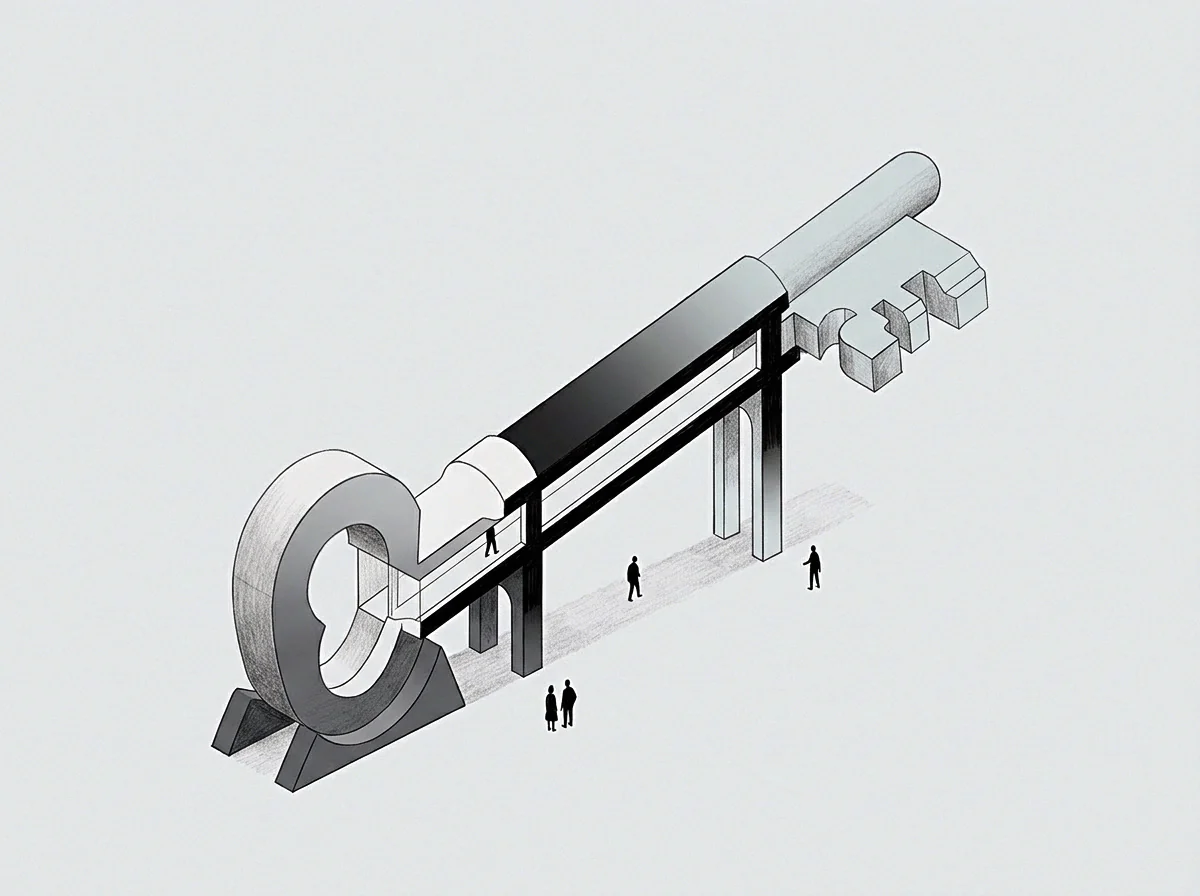
Subordinates maintain trust when communication schedules remain consistent across operational cycles. Unpredictable availability, alternating between hyper-responsive micromanagement and sudden total withdrawal, destabilizes team confidence far more than tight, enforced limits. Consistency communicates institutional stability and operational respect.
Providing clear feedback during scheduled touchpoints reinforces the psychological safety of the organization. Executives validate the independent problem-solving efforts of team leads, affirming choices made within delegated decision thresholds. This validation builds structural security across lower managerial tiers, solidifying organizational cohesion even as direct executive access remains strictly gated.
Predictable touchpoints maintain psychological security across all operational tiers while keeping individual cognitive capacity protected.